

In 2026, Standard Schnauzer puppy prices fall into these ranges:
| Purchase route | Typical price |
|---|---|
| Health-tested reputable breeder | $1,500–$3,000 |
| Show prospects or imported lines | Up to ~$4,300 |
| Breed rescue or shelter adoption | $150–$400 |
| Sub-$500 marketplace listings | Red flag — likely skipped vetting |
Standard Schnauzer Puppy Price: What You’ll Pay and Why a $400 Listing Is a Warning Sign
If you’re searching for Standard Schnauzer puppies for sale in 2026, expect health-tested puppies from reputable breeders to list for $1,500 to $3,000. Advertised prices across the broader market range from $1,100 to $3,200. Across purebred puppy sales in the United States, published market averages sit near $1,202 to $1,896, depending on regional demand and bloodlines. High-end imported lines or titled show-prospect litters can reach $4,267. Prices vary considerably by region, pedigree, and health screening, so check current breeder listings rather than relying on a single national figure.
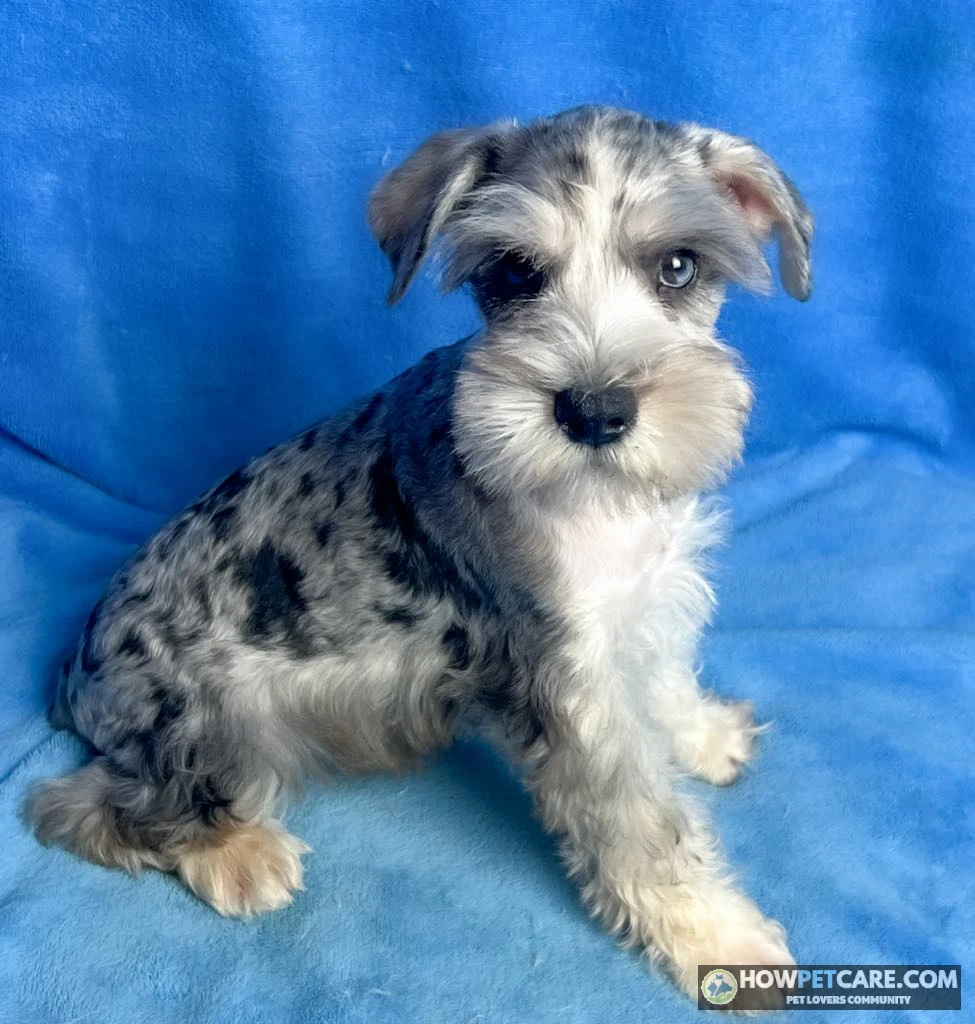
If you’re searching for Standard Schnauzer puppies for sale in 2026, expect health-tested puppies from reputable breeders to list for $1,500 to $3,000. Advertised prices across the broader market range from $1,100 to $3,200. Across purebred puppy sales in the United States, published market averages sit near $1,202 to $1,896, depending on regional demand and bloodlines. High-end imported lines or titled show-prospect litters can reach $4,267. Prices vary considerably by region, pedigree, and health screening, so check current breeder listings rather than relying on a single national figure.
,500 and ,000. (Source: schnauzerparadise)
Typical price ranges and where the numbers come from
The standard schnauzer puppy price reflects the costs of raising a litter, not simply an arbitrary markup. A typical litter averages around nine puppies, and responsible breeders make substantial investments before breeding takes place. Costs behind the $1,500 to $3,000 price range include:
- Parental health screenings, including hip dysplasia evaluations, annual veterinary ophthalmologist examinations, and cardiac screenings.
- Stud fees, semen shipping, or the ongoing cost of maintaining a high-quality sire.
- Prenatal and postnatal veterinary care for the dam, including ultrasounds, progesterone testing, and litter checks.
- Initial puppy core vaccinations, deworming rounds, and microchip placement.
- High-nutrition diets for the dam during gestation and nursing, followed by premium weaning diets for the litter.
- Registration paperwork with the American Kennel Club (AKC) and extensive socialization during the first eight weeks.
What the price gap between $400 and $1,500–$3,000 actually buys
A listing advertising "Standard Schnauzer puppies $400" is a red flag. A $400 price raises questions about whether the seller has paid for parental health testing, preventive veterinary care, sanitary living conditions, and puppy socialization. Skipping these measures is characteristic of puppy mills and backyard breeders seeking a quick profit.
Say you find two Standard Schnauzer listings: one at $400 on a general online marketplace, and one at $2,200 from a breeder recommended through the Standard Schnauzer Club of America.
Where the $2,200 goes (approximate breeder investments):
- Parental health clearances (hip evaluation via OFA or PennHIP, annual eye exams, cardiac screening): several hundred dollars per parent
- Stud fee or maintenance of a titled sire: several hundred dollars
- Prenatal and postnatal veterinary oversight for the dam, plus health certificates for the litter: several hundred dollars
- First core puppy vaccinations, multi-stage deworming series, and microchip: $50–$150 per puppy
- Nutrition for dam and puppies across weaning: several hundred dollars per litter
- AKC registration paperwork, early socialization labor, and round-the-clock care across eight or more weeks
What the $400 price implies: At $400, a seller may struggle to cover basic parental genetic testing and routine litter veterinary care. The price doesn’t mean the puppy is sick today, but skipped care can leave you carrying the financial risk. Corrective orthopedic surgery for canine hip dysplasia routinely costs several thousand dollars per joint, quickly wiping out your upfront $1,800 savings. A low purchase price can lead to much higher veterinary bills later.
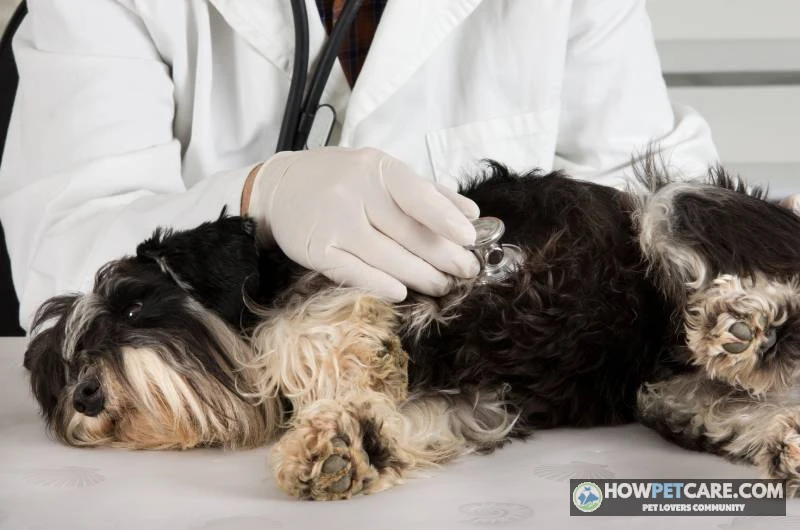
A sub-$500 puppy listing can signal skipped health testing, missed deworming, or a commercial mill operation. Request verifiable health clearances before putting money down.
Coat color, champion bloodlines, and registration tiers also influence prices within the standard $1,500–$3,000 range. Companion puppies sold with limited AKC registration tend to cost less, while show prospects sold with full registration command the highest prices. The breed standard recognizes two primary coat colors: pepper and salt, and solid black. Reputable breeders maintain active waitlists; an operation with puppies immediately available on demand throughout the year may be producing litters at scale.
If your budget is tight, adopting an adult through a breed-specific rescue offers a lower-cost alternative to buying a cheap puppy from an unverified seller.
Fees and add-ons that change the final number
The puppy’s purchase price isn’t the whole bill. Budget for these potential costs as well:
- Application and reservation deposits: Reputable breeders routinely require non-refundable deposits between $200 and $500 to secure a spot on a waitlist. The deposit applies toward the final purchase price.
- Ground transport or flight nannies: If you’re buying out of state, such as looking for Standard Schnauzer puppies for sale in Texas while living in the Midwest, professional pet transport runs $300 to $800 depending on distance and travel mode. Shipping puppies as unaccompanied cargo is discouraged.
- Spay and neuter contract terms: Companion contracts typically require spaying or neutering between 12 and 18 months. Budget $200 to $600 for the procedure at your local veterinary clinic.
Are Standard Schnauzers Good Family Dogs? Kids, Pets, Apartments, Shedding, and Daily Commitment
The Standard Schnauzer is the prototype of the three Schnauzer varieties, a medium-sized German farm dog historically developed for herding, guarding, and rat-catching. That working background shows in an intelligent, alert, and loyal temperament. The breed also has an independent streak and needs active engagement from an early age.
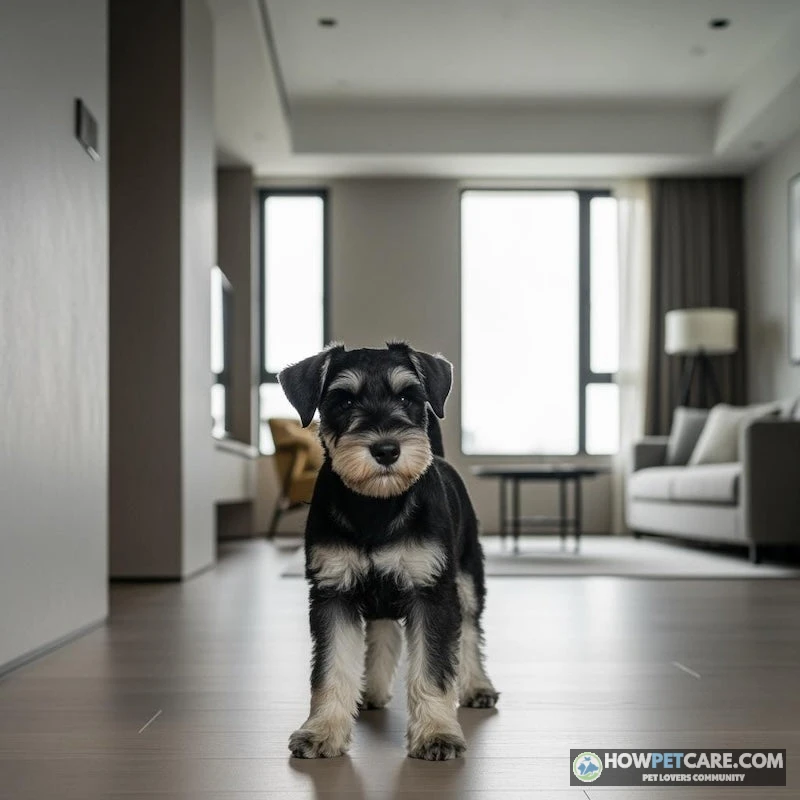
Temperament and family suitability
Standard Schnauzers are devoted companions that bond closely with their household. Their watchdog background makes them vigilant: They’ll alert owners to visitors or unusual sounds, but they should never display unprovoked aggression. They’re quick to notice whether a handler is consistent. If household rules are lax, a Standard Schnauzer may establish its own.
With children, Standard Schnauzers can be sturdy, energetic playmates. They do well with school-aged children who understand how to respect a dog’s boundaries. Puppies do, however, go through an energetic mouthing and herding-style nipping phase during their first six months. Close supervision and structured handling lessons help prevent a puppy from treating running toddlers as livestock.
Their history as farm ratters also means Standard Schnauzers retain a pronounced prey drive. They can coexist readily with domestic cats when raised alongside them from puppyhood, but unsupervised interactions with small pocket pets, such as hamsters, guinea pigs, or rabbits, are unsafe. They generally behave well with other dogs if thoroughly socialized, though same-sex friction can emerge if leadership is inconsistent.
A Standard Schnauzer can live in an apartment if its owner provides enough physical exercise and mental stimulation. Without an enclosed yard, you’ll need to commit to leashed outings and dedicated training sessions in all weather. Watchdog barking can also disturb neighbors in multi-family buildings if it isn’t addressed early.
Shedding, hypoallergenic claims, and the wiry double coat
The Standard Schnauzer has a harsh, wiry outer coat and a dense, soft undercoat that repel water and dirt. The breed sheds very little compared with smooth-coated or heavy-shedding breeds. Although it’s often marketed as hypoallergenic, no dog breed is 100% hypoallergenic. Allergies are primarily triggered by proteins in dander (dead skin flakes), saliva, and urine rather than hair. The wiry coat catches shedding dander in the undercoat instead of dropping it onto furniture, so many people with mild allergies tolerate the breed well. If you have a diagnosed pet allergy, spend hands-on time with adult Standard Schnauzers before buying a puppy.
There are two main ways to maintain the coat:
- Hand-stripping: Manually plucking dead hairs from the follicle every four to six months preserves the harsh, wiry texture and rich coloration required by the AKC breed standard. It also maintains the coat’s natural weather resistance and dirt-shedding properties. Hand-stripping is essential for conformation show dogs.
- Clipping: Using electric clippers on the body every six to eight weeks provides a manageable routine for companion pets. Frequent clipping, however, softens the wiry coat, makes it fuzzy over time, and lightens the depth of pepper-and-salt coloration.
Beyond body grooming, the trademark beard and leg furnishings need thorough combing two to three times per week to prevent mats and remove food debris. Dental care takes attention too: Veterinary protocols advise brushing teeth at least 10 to 12 times per month to prevent periodontal disease.
Exercise, training, and managing watchdog barking in practice
A healthy adult Standard Schnauzer needs roughly 60 minutes of daily exercise. Casual leashed walks around the block won’t exhaust this working breed. A useful routine combines aerobic activity, such as brisk jogging, hiking, or fetching, with mental tasks like scent games, obedience drills, or agility work.
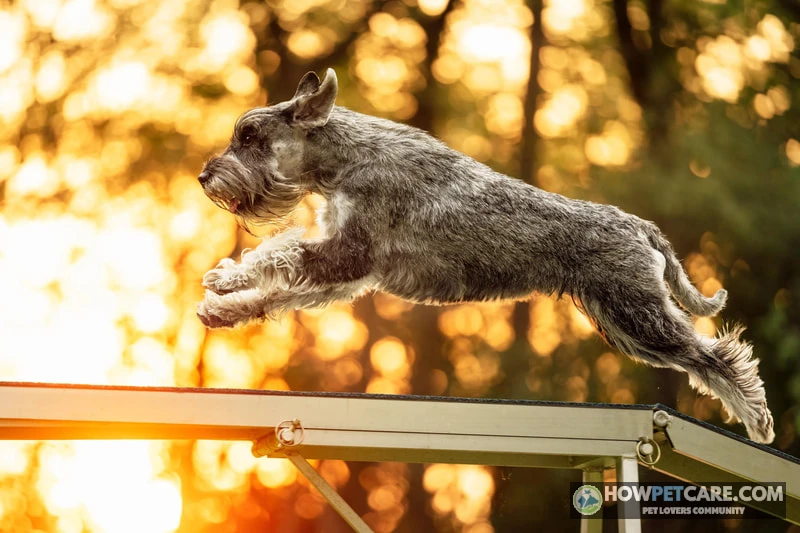
Start managing watchdog barking and independence systematically from week eight:
-
Establish a calm response to alerts
Let your puppy give one or two alert barks when someone approaches the door, then acknowledge the alert with a quiet cue such as ‘Thank you.’
-
Redirect focus immediately
Use a high-value treat to lure the puppy away from the door or window to a designated mat, then ask for a ‘Sit’ or ‘Down.’
-
Reward silence on cue
Mark and reward quiet behavior once the puppy disengages from the trigger. Don’t yell over the barking; the dog may interpret it as joining in.
-
Manage environmental triggers
Use opaque window film or adjust blinds in street-facing rooms to reduce the constant visual stimulation that reinforces fence-line or window-guarding habits.
Enroll your puppy in structured group obedience classes immediately after their initial vaccine sequence. Keep daily training sessions short (five to ten minutes) and fast-paced, with plenty of food rewards or play to help manage the breed’s stubborn streak.
Good fit or think twice: a quick self-check
A Standard Schnauzer is a strong fit if you:
- Have 60+ minutes daily for structured outdoor exercise and mental games.
- Want an intelligent, vigilant companion that alerts you to visitors.
- Are willing to comb furnishings weekly and arrange regular clipping or hand-stripping.
- Prefer a confident, engaging dog that thrives with fair, consistent leadership.
Think twice if you:
- Want an easygoing couch potato that needs only quick backyard bathroom breaks.
- Expect immediate, submissive obedience without clear, reward-based motivation.
- Dislike routine coat maintenance, beard cleaning, and professional grooming fees.
- Need a dog that never barks and welcomes strangers without inspection.
 You might be wonderingEurasier puppiesEurasier Puppies: Real US Prices, Waitlists & Breeder VettingRead the answer
Standard vs. Miniature vs. Giant Schnauzer: Which Size Fits Your Home and Budget?
Choosing among the three Schnauzer varieties means matching your living space, activity level, and budget to each breed’s physical and behavioral traits. They share a distinctive profile, beard, and wiry double coat, but their working backgrounds, temperaments, and ownership costs differ.
Side-by-side comparison
| Feature | Miniature Schnauzer | Standard Schnauzer | Giant Schnauzer |
|---|---|---|---|
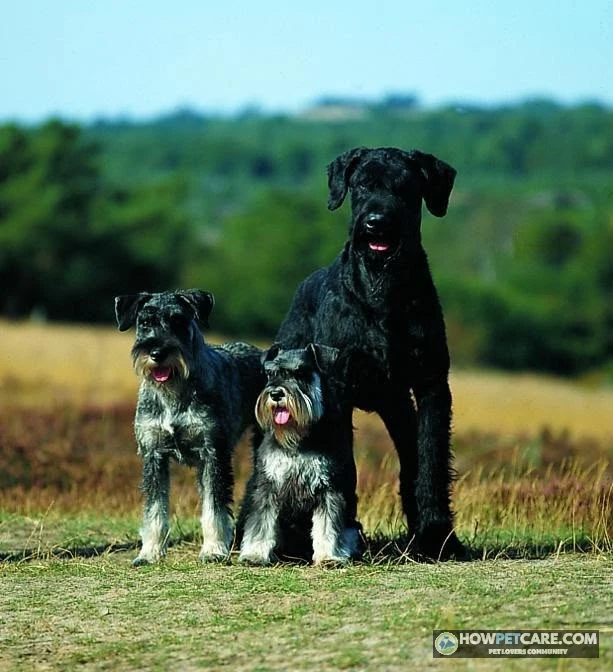
| Height (AKC standard) | 12–14 in | 17.5–19.5 in (males 18–20 in, females 17–19 in) | 23.5–27.5 in |
| Typical weight | 11–20 lb | 30–50 lb (males up to 50 lb, females 30–45 lb) | 55–85 lb |
| Lifespan | 12–15 years | 12–16 years | 10–12 years |
| Energy & exercise need | Moderate; 30–45 min daily walks + play | High; ~60 min daily structured exercise | Very high; 90+ min daily; needs hard physical work |
| Temperament | Spirited, terrier-like, vocal | Alert, loyal working dog; independent streak | Powerful, imposing, serious guardian instinct |
| Apartment suitability | Excellent fit | Viable with dedicated exercise & barking control | Poor fit for standard apartment settings |
| Grooming workload | Small surface area; professional groom every 6–8 wks | Moderate surface area; stripping or clipping every 6–8 wks | Large surface area; substantial labor or groom fees |
| Typical puppy price | $1,000–$2,500 | $1,500–$3,000 (market range $1,100–$3,200) | $2,000–$3,500+ |
| Annual maintenance | Lowest (smaller food, medication doses) | Moderate (balanced mid-size expenses) | Highest (scaled food, large-breed medical dosing) |
| Best household match | Smaller homes, casual active families | Active households wanting a sturdy, versatile partner | Experienced owners with physical strength and land |
How to decide between the three sizes
The Standard Schnauzer occupies the middle ground. It has the substance, athletic endurance, and protective instincts of a traditional working breed without the physical liability or containment challenges of an 85-pound Giant Schnauzer. It’s also sturdier and more driven than the Miniature Schnauzer, capable of rugged backcountry hiking, farm chores, and demanding performance sports.
Use these distinctions to guide your choice:
- Select the Miniature Schnauzer if you live in a compact apartment, prefer a lower daily exercise commitment and lower veterinary medication costs, and want a lap-friendly companion.
- Select the Standard Schnauzer if you want an active, medium-sized family guardian that can join long runs and hikes, have the consistency to guide an intelligent working dog, and want a rugged companion in a 30-to-50-pound package.
- Select the Giant Schnauzer only if you have prior experience handling dominant working breeds, the physical strength to manage a powerful dog on leash, and secure outdoor space.
The AKC recognizes the Miniature, Standard, and Giant Schnauzers as three distinct, non-interbreeding breeds. A breeder advertising ‘Teacup,’ ‘Toy,’ or ‘Mini-Standard’ Schnauzers is using marketing terms that violate breed standards and may signal underlying health defects.
What a Standard Schnauzer Really Costs: First-Year and Ongoing Annual Budget
The purchase price is only part of a dog’s lifetime cost. For a medium-sized breed living 12 to 16 years, budget for routine veterinary prevention, high-protein nutrition, specialized coat care, and supplies.
First-year cost breakdown
The first twelve months generally cost the most because of setup supplies, initial vaccinations, and spay/neuter surgery.

| Cost item | First year (range) | Each year after (range) | What drives the cost |
|---|---|---|---|
| Purchase or adoption | $1,500–$3,000 (rescue: $150–$400) | — | Health screenings, bloodlines, breeder waitlist |
| Initial vet visits & vaccines | $150–$400 | — | Core booster series, regional veterinary rates |
| Spay / neuter surgery | $200–$600 | — | Weight of dog, surgical monitoring, pre-op bloodwork |
| Microchip & local licensing | $30–$80 | $10–$30 | Municipal registration fees |
| Crate, bed, leashes, bowls, toys | $150–$350 | $50–$150 | Material durability; replacement of chewed items |
| Obedience puppy classes | $100–$300 | $0–$200 | Group puppy classes vs. specialized private training |
| Food & nutrition | $400–$800 | $400–$800 | Premium kibble or raw diet for a 30–50 lb dog |
| Routine vet care & preventives | $200–$400 | $200–$500 | Annual wellness check, heartworm, flea & tick meds |
| Professional grooming / tools | $300–$900 | $300–$900 | Professional grooming every 6–8 wks vs. DIY grooming |
| Pet health insurance | $300–$700 | $300–$700 | Coverage tier, deductible choice, regional risk |
| Boarding, daycare, or pet sitters | $0–$500 | $0–$500 | Owner travel habits, local kennel boarding rates |
| Total budget scenarios | Low: ~$3,500 / Mid: ~$5,000 / High: ~$7,500+ | Low: ~$1,300 / Mid: ~$2,000 / High: ~$3,000+ | All figures directional; confirm local veterinary & service rates |
Annual costs after year one
Once your dog reaches adulthood, baseline recurring costs average between $1,300 and $3,000 annually. Food needs stabilize around 30 to 40 pounds of high-quality dry food per month. Veterinary prevention remains essential, including annual physical exams, heartworm blood screenings, and year-round parasite preventives. Set aside an emergency fund of $1,000 to $2,000 for unexpected medical issues that insurance doesn’t cover.
Professional grooming and hand-stripping versus clipping at home
Grooming is a significant ongoing expense that’s easy to underestimate:
- Professional clipping: A salon visit for a Standard Schnauzer runs $65 to $110 per appointment. On an eight-week cycle, annual grooming costs total $420 to $715 plus gratuity.
- Professional hand-stripping: Hand-stripping takes hours of manual work by a specialist groomer, with appointments costing $150 to $300 per session. Stripping on a four-month cycle totals $450 to $900 annually.
- Home grooming setup: You can maintain the coat at home by investing $150 to $300 upfront in professional clippers, steel attachment combs, stripping knives or stones, slicker brushes, and a sturdy grooming table. It can save money over time, but mastering the traditional Schnauzer profile takes practice and patience.
Insure your puppy within the first week of bringing them home. Medical conditions diagnosed or documented during the initial veterinary checkup will be classified as pre-existing conditions and permanently excluded from coverage.
How to Find and Vet a Reputable Standard Schnauzer Breeder (and Avoid Puppy Mills)
Finding a healthy Standard Schnauzer puppy takes careful evaluation. Online marketplaces often list commercial brokers alongside legitimate hobbyists, so investigate the individual breeder behind every listing.

Where to look for AKC Standard Schnauzer puppies
Start with established breed channels:
- The Standard Schnauzer Club of America (SSCA): The national parent breed club maintains a verified breeder referral directory. SSCA members agree to a strict code of ethics covering genetic health testing, breeding frequency, and puppy placement.
- Regional Breed Clubs: If you’re searching in specific states, such as looking for Standard Schnauzer breeders in Texas, California, or the Midwest, regional specialty clubs can connect you with active local preservation breeders.
- AKC Marketplace: Search exclusively for breeders designated as AKC Club Members or Breeder of Merit participants. Treat standard listings as leads that still need thorough screening.
- Conformation Dog Shows: Regional dog shows let you meet breeders in person, observe their adult dogs’ temperaments, and evaluate their lines firsthand.
What AKC registration, USDA licensing, and breeder of merit actually guarantee
Commercial licensing and registration aren’t the same as a guarantee of breeding quality:
- AKC Registration: Confirms only that the sire and dam were registered purebred dogs of the same breed. It doesn’t certify physical soundness, genetic health, structural correctness, or clean living conditions.
- USDA Commercial Licensing: A federal certification required for high-volume commercial breeders selling animals sight-unseen through retail channels or brokers. It enforces minimum survival guidelines, such as cage sizing and basic water access, rather than high welfare, socialization, or genetic excellence.
- AKC Breeder of Merit: Indicates that a breeder performs breed-specific health testing on parents, registers 100% of litters, participates in competitive events, and adheres to basic club standards. It’s a useful marker of a dedicated hobbyist, but buyers should still review records and practices.
Health tests to demand and how to verify them
A reputable breeder tests both parents before breeding to assess risks to the litter. For the Standard Schnauzer, the national parent club mandates:
- Hip Dysplasia Evaluation: Radiographs certified through the Orthopedic Foundation for Animals (OFA) or PennHIP to assess the hip joints for degenerative joint disease or subluxation.
- Annual Eye Examinations: Exams by a board-certified ACVO veterinary ophthalmologist, registered with the OFA Companion Animal Eye Registry, to check for persistent pupillary membranes, juvenile cataracts, and retinal disease.
- Cardiac Screening: Evaluation for congenital heart disease and Dilated Cardiomyopathy (DCM). Advanced breeders incorporate genetic screening and cardiac clearances to address hereditary heart defects.
Don’t accept a verbal claim that the parents are "vet checked." A standard veterinary physical doesn’t evaluate hips for dysplasia or eyes for inherited retinal flaws. Ask for the registered names or OFA numbers for both parents, then look them up yourself on the public OFA database (ofa.org). Clearances should show passing certifications (Fair, Good, or Excellent for hips; Normal for eyes and heart).
Questions to ask and contract terms to get in writing
Ask prospective breeders direct questions about their practices:
- Where are the puppies born and raised? Dedicated breeders raise litters inside the home using enrichment protocols such as Early Neurological Stimulation (ENS) from 3 to 4 days of age rather than in isolated outdoor barns.
- Can I meet the dam on-site or via live video? The mother should interact comfortably around her litter without extreme fear or aggression.
- How many litters do you produce each year? Preservation breeders breed selectively, typically producing one to three litters annually.
- What health guarantees do you provide in writing? Look for a clear, multi-year guarantee covering inherited genetic defects.
Expect a detailed written contract with three non-negotiable clauses:
- A mandatory return-to-breeder clause: The breeder commits to taking the dog back at any point in its life if you can no longer care for it, so it doesn’t enter a shelter.
- A clear health guarantee window: The contract provides a 48-to-72-hour window post-pickup for an independent veterinary exam, alongside a multi-year warranty covering severe hereditary conditions.
- Specific spay/neuter parameters: The contract sets out the required age range for sterilization under limited AKC registration terms.
Red flags and how to evaluate marketplace sellers
Treat every listing on a pet classified website or retail platform as an unverified lead. Walk away if a seller:
- Refuses an in-person home visit or a real-time interactive video call.
- Insists on meeting in a commercial parking lot or along a highway.
- Demands untraceable payment via wire transfer, cash apps, or gift cards.
- Offers multiple distinct breeds for sale simultaneously.
- Maintains an open inventory where puppies are always available without a waitlist.
- Sells unregistered or designer mixes under names like "Giant Mini Schnauzer" or "Teacup."
Use this 60-point scorecard to evaluate any breeder, kennel, or marketplace seller:
The 60-Point Breeder-Vetting Scorecard
Health testing (25 points possible)
- ☐ Hip evaluation for BOTH parents verified through OFA or PennHIP — 10 pts (0 if only one parent certified)
- ☐ Annual ACVO eye clearances on both parents documented within past 12 months — 5 pts
- ☐ Cardiac screening including DCM clearance on both parents — 5 pts
- ☐ Clearance records independently verified by YOU on the public OFA database — 5 pts (0 for verbal claims)
Breeding practices (15 points possible)
- ☐ Puppies raised inside the home with structured sensory enrichment (e.g., ENS) — 5 pts
- ☐ Limited breeding program (1–3 litters per year); a waitlist is standard practice — 5 pts
- ☐ Dam is available for in-person meeting or interactive live video inspection — 5 pts
Paperwork and contract (15 points possible)
- ☐ Written contract providing a multi-year hereditary health guarantee — 5 pts
- ☐ Lifetime return-to-breeder clause requiring dog be returned if rehoming is needed — 5 pts
- ☐ Clear veterinary examination window (48–72 hours) and defined spay/neuter terms — 5 pts
Seller behavior (5 points possible)
- ☐ Welcomes detailed screening questions, provides proof of records, and applies zero pressure — 5 pts
Scoring Verdicts:
- 50–60 Points: PASS. Excellent standard of care. Proceed to contract review.
- 35–49 Points: CAUTION. Address every missing clearance or practice before sending money.
- Under 35 Points: WALK AWAY. High probability of backyard breeding or commercial mill operation.
Automatic Disqualification: If the seller refuses a live video/home visit, demands wire payment, produces multiple mixed litters, or offers delivery to a parking lot, end discussions regardless of points.
Adopting or Rescuing a Standard Schnauzer: Pathways in the US
Adoption offers an alternative to buying from a breeder. If you’re searching for "standard schnauzer puppies for adoption," though, know that purebred Standard Schnauzer puppies are exceptionally rare in rescue systems. Reputable preservation breeders use strict lifetime return contracts, so well-bred puppies rarely enter public municipal shelters.
What to expect when looking for a puppy versus an adult
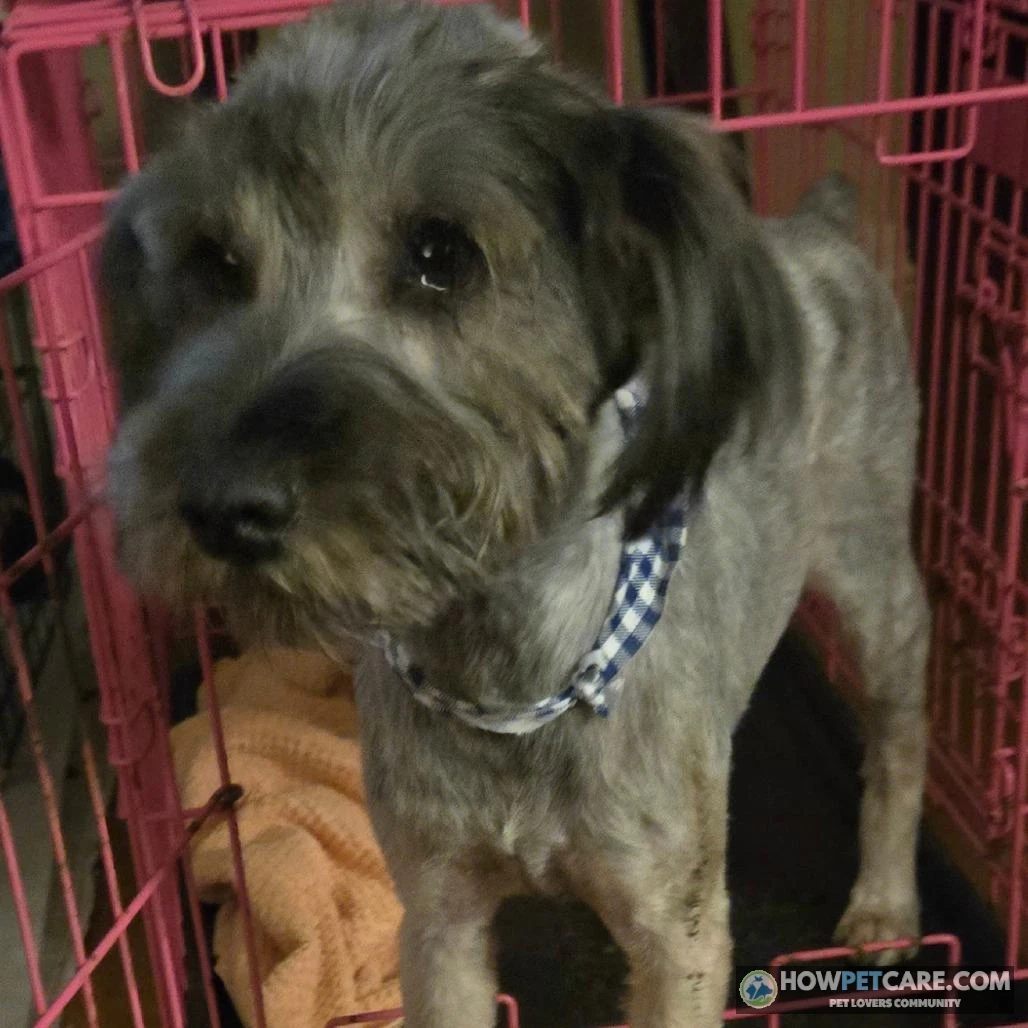
Most rescue candidates are adolescents (ages 1 to 3) or mature adults. Adolescents are often surrendered by owners who underestimated the breed’s exercise needs, prey drive, or watchdog barking. Adopting an adult has practical advantages:
- Known adult temperament: Energy levels, sociability with other pets, and household habits are established.
- House-training foundation: Most adult rescues are crate trained and understand house-training basics.
- Predictable physical traits: The adult coat texture, size, and structural soundness are evident.
- Lower initial cost: Adoption fees range from $150 to $400, covering prior spay/neuter surgery, complete adult vaccinations, heartworm screening, and a microchip.
Where to find Standard Schnauzer rescues and how to vet them
To find a Standard Schnauzer for adoption, consult established breed-rescue channels:
- Standard Schnauzer Club of America Rescue Network: The SSCA coordinates a nationwide rescue service dedicated to rehoming purebred Standard Schnauzers from owner surrenders or shelter impounds.
- Regional Schnauzer Rescues: Several independent 501(c)(3) rescue organizations specialize in Schnauzers, though many focus heavily on Miniature Schnauzers. Check their intake rosters regularly for Standards.
- Breed-Filtered Searches on Adoption Platforms: Search platforms like Petfinder or Adopt-a-Pet using the "Standard Schnauzer" filter. Shelters frequently mislabel wirehaired terrier mixes, Poodle mixes, or Miniature Schnauzers as Standard Schnauzers based solely on coat texture.
- Breeder Rehoming: Contact preservation breeders to ask about retired show dogs or young adults returned because of owner lifestyle changes.
Vet a rescue organization as carefully as you would a breeder. Legitimate 501(c)(3) rescues provide complete prior veterinary records, disclose documented behavioral assessments, interview applicants thoroughly, and require the dog to be returned to the rescue if the adoption doesn’t succeed.
Standard Schnauzer Puppy Vaccinations and Deworming: Schedule by Age
Protecting a puppy’s health means following a veterinary immunization and parasite control schedule. A young puppy’s immune system transitions from maternal antibodies received through nursing to self-generated immunity stimulated by vaccination.
Week-by-week vaccination and deworming schedule
| Age (weeks) | Core Vaccination | Parasite Deworming | Management & Socialization Notes |
|---|---|---|---|
| 2–3 | None | First deworming dose | Performed by breeder; liquid pyrantel pamoate is standard |
| 4–5 | None | Second deworming dose | Repeated at two-week intervals to break parasite cycles |
| 6–8 | First core combo (DHPP / DAPP) | Third deworming round | Protects distemper, adenovirus, parvo, parainfluenza; vet check |
| 10–12 | Second DHPP combo booster | Vet fecal test & targeted dose | Keep paws off public dog parks; carry puppy for outdoor sights |
| 12–16 | Rabies vaccine (per state law) | Routine prevention begins | Required for municipal licensing; single-dose subcutaneous |
| 14–16 | Final DHPP combo booster | Heartworm preventive setup | Full immunity achieved 10–14 days after final booster |
| ~12–16 Mos | First adult DHPP & Rabies booster | Annual fecal check | Transitions dog to an ongoing 1-year or 3-year veterinary cycle |

Note: Vaccine schedules vary based on local disease prevalence, state mandates, and veterinary discretion. Review this timeline with your veterinarian. Choose non-core vaccines, such as Bordetella (kennel cough), Leptospirosis, and Lyme disease, based on lifestyle risks. Dogs that visit boarding kennels, agility classes, or wooded hiking trails need broader immunization than home-based companions.
What the breeder should complete before pickup
Before placing a puppy with you at 8 to 10 weeks of age, a responsible breeder must have completed:
- At least one core combo vaccination (distemper and parvovirus) administered by a licensed veterinarian.
- At least two to three documented preventive deworming treatments.
- A comprehensive physical examination documented by an official veterinary health certificate.
- Subcutaneous microchip insertion (with registration paperwork provided).
Don’t accept a puppy from a seller who claims vaccinations are unnecessary or provides handwritten vaccination cards without veterinary clinic signatures. Request the official medical records to give your veterinarian.
Until 10 to 14 days after the final 16-week booster, your puppy lacks complete immunity against parvovirus. Don’t set your puppy down in public pet stores, rest stops, or dog parks during this window. Carry your puppy in public or use personal blankets for safer socialization.
Bringing Your Standard Schnauzer Puppy Home: Checklist and First-Week Timeline
Preparation can ease your puppy’s transition from the litter to your household. Set up the space and routine in advance to help prevent common behavioral problems.
Before pickup: what to have ready
Gather essential puppy supplies before bringing your dog home:
- Wire training crate (30 to 36 inches): Choose one with a divider panel to adjust the interior as your puppy grows.
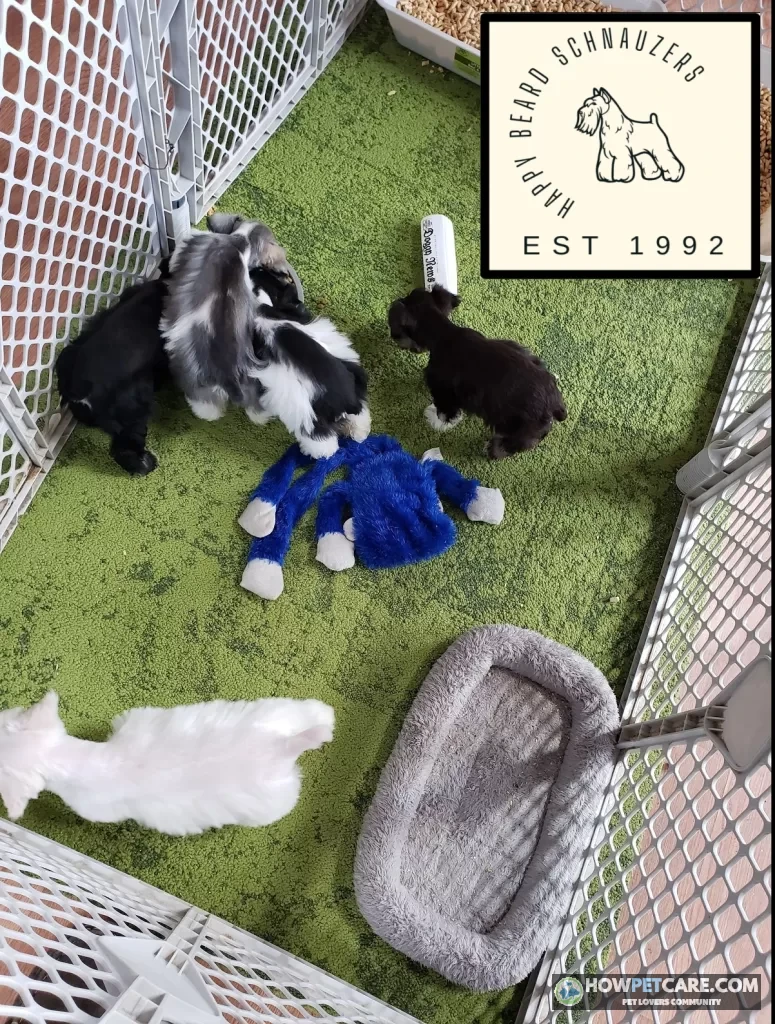
- Enclosure playpen or baby gates: Use these to block off carpeted areas and establish a safe puppy zone.
- Matching puppy food: Get a supply of the exact kibble brand used by the breeder to prevent gastrointestinal upset.
- Stainless steel bowls: Choose heavy, non-tip bowls that resist chewing and bacteria.
- Adjustable collar, harness, and 6-foot leash: Avoid retractable leashes, which encourage pulling and provide poor control.
- Enzymatic stain and odor cleaner: These cleaners eliminate urine scent markers to help prevent repeat accidents.
- Chew toys: Have durable rubber toys, teething rings, and natural split antlers available to redirect teething nipping.
- Basic grooming kit: Include a high-quality slicker brush, metal greyhound comb, blunt-tipped grooming shears, and styptic powder.
Day-by-day first-week plan
Use the first seven days to build a sense of security and establish reliable habits:
-
Day 1: Quiet arrival and bathroom boundaries
Take your puppy directly to the designated outdoor bathroom spot before entering the house. Reward elimination immediately with calm praise. Introduce the indoor crate area quietly and avoid large gatherings of friends and neighbors.
-
Day 2–3: Establishing crate and feeding rhythm
Feed three measured meals daily at regular times. Take the puppy outside immediately after eating, waking, or active play. Place the crate next to your bed at night; soft crying is normal as the puppy adjusts to sleeping without littermates.
-
Day 4–5: Handling practice and quiet cues
Gently handle paws, ears, and beard furnishings for one minute daily to prepare for future grooming. If the puppy alert-barks at household noises, practice redirecting their attention to a chew toy.
-
Day 6–7: Initial veterinary checkup
Complete your mandatory 48-to-72-hour wellness check with your veterinarian. Bring the breeder’s vaccination records, a fresh stool sample, and a written list of questions about preventive care.
Socialization and early training in weeks 1–4
The developmental socialization window closes around 14 to 16 weeks of age. During this period, a puppy forms lasting opinions about what’s safe or threatening. Introduce your puppy to different sights, sounds, and surfaces without risking viral exposure:
- Carry your puppy through diverse environments: Walk through outdoor shopping plazas, hardware stores that permit pets, or school parking lots while holding the puppy securely in your arms.
- Surface and noise desensitization: Introduce household vacuum cleaners, running blenders, umbrella openings, metal grates, and slick tile surfaces, pairing each new experience with high-value treats.
- Neutral dog interactions: Arrange controlled playdates on private, sanitized properties with healthy, fully vaccinated adult dogs known for gentle behavior around puppies.
- Preventing resource guarding: Regularly drop unexpected high-value treats into the puppy’s food bowl while they eat. This teaches them that approaching humans bring rewards rather than take food away.
Your Next Steps: From Shortlist to Puppy Pickup
Turn your research into a practical plan before committing to a puppy. Each step helps you assess the seller and prepare your household.
Practical action sequence
- Confirm household fit: Review the breed criteria honestly. Make sure your family has the required 60 minutes daily for structured exercise, along with the capacity for consistent training and ongoing coat care.
- Establish your budget: Account for the full financial picture, budgeting $1,500 to $3,000 upfront for an ethically bred companion, plus $3,500 to $5,000 for total first-year medical, feeding, and equipment costs.
- Identify breeders or rescues: Review the Standard Schnauzer Club of America breeder directory, locate regional specialty breed clubs, or contact verified SSCA rescue coordinators.
- Run the 60-point scorecard: Contact shortlisted sellers and request the parents’ registered names or OFA numbers. Verify hip, eye, and heart clearances directly on the public OFA database. If the score falls below 35 or uncovers automatic disqualifiers, walk away.
- Review the written contract: Check for a lifetime return-to-breeder clause, a multi-year genetic health guarantee, an initial veterinary checkup window, and clear registration terms.
- Prepare your home and schedule pickup: Assemble your crate, exercise pen, grooming supplies, and food. Schedule the puppy’s required first-week veterinary appointment before bringing them home.
Printable pre-deposit checklist
Before transferring a deposit or signing a contract, check that you’ve collected:

- ☐ Official OFA or PennHIP passing hip clearance certificates for both the sire and dam.
- ☐ Current ACVO eye exam clearance documentation (completed within the last 12 months) for both parents.
- ☐ Parental cardiac clearance records, including DCM screening documentation.
- ☐ Confirmation that the litter is raised indoors with early enrichment protocols (such as ENS).
- ☐ A written contract containing a multi-year health guarantee and a mandatory return-to-breeder policy.
- ☐ Independent verification of passing clearances inside the public OFA database (
ofa.org).
Reputable preservation breeders prioritize matching puppies with suitable families, and waits of several months are standard. Use that time to verify records, prepare your home, and make sure you’re ready for an active Standard Schnauzer.
 You might be wonderingMiniature schnauzer puppyMiniature Schnauzer Puppy: Buying, Cost & Care GuideRead the answer
FAQ
How long do Standard Schnauzers live, and what health problems are common?
Standard Schnauzers typically live about 13 to 15 years. Conditions to ask breeders about include hip dysplasia, eye problems such as cataracts, and heart conditions such as dilated cardiomyopathy (DCM).
Where can I find Standard Schnauzer puppies for sale near me?
Start with the AKC Marketplace, the Standard Schnauzer Club of America’s breeder referral, and local kennel or breed clubs in your state. Then run any breeder you find through a vetting checklist before paying a deposit.
Are AKC Standard Schnauzer puppies better than unregistered ones?
AKC registration documents a puppy’s parentage but does not certify health, temperament, or breeder quality. Look for parental health test results and a written contract in addition to papers.
How long is the wait for a Standard Schnauzer puppy from a reputable breeder?
Many reputable breeders raise only a few litters a year and keep waitlists, so waits of several weeks to several months are common. A breeder who always has puppies available immediately is a reason for caution.
Are Standard Schnauzers easy to train?
They are intelligent and learn quickly, but they can be stubborn and test limits. Short, consistent, reward-based sessions and early puppy classes work best.