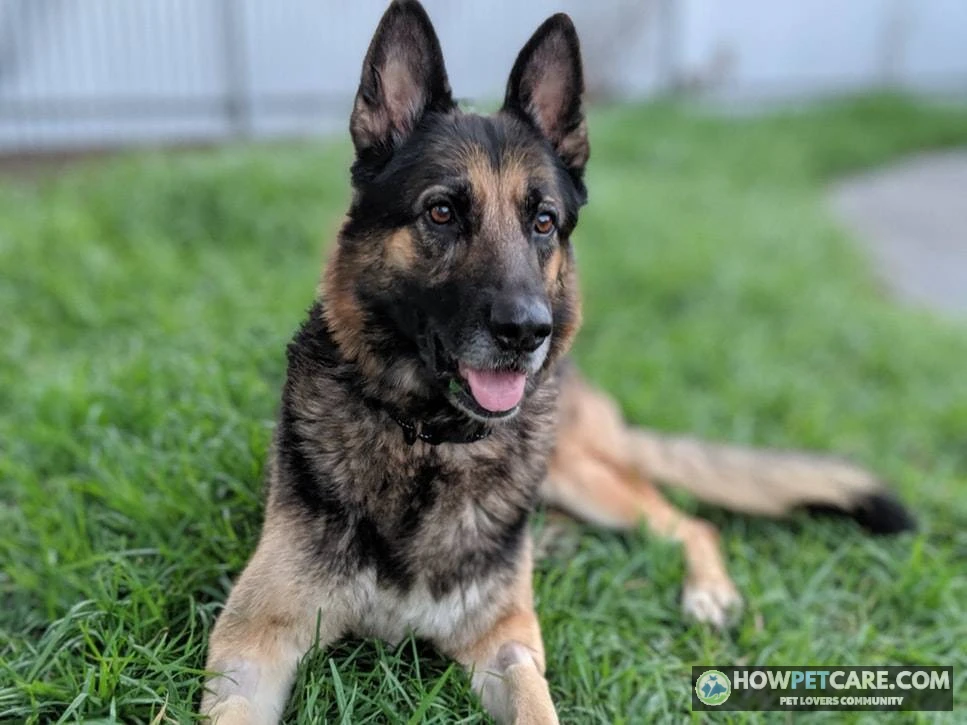

An Alsatian Labrador mix is a German Shepherd–Labrador cross that can be intelligent, affectionate, active, and strongly attached to its household, but adult size, coat, guarding instinct, and sociability vary widely. Most are medium-large to large dogs needing daily exercise, structured training, early socialization, regular grooming, and a substantial care budget.
An Alsatian Labrador mix is a cross between a German Shepherd and a Labrador Retriever. It also goes by German Shepherd Labrador mix, German Shepherd Lab mix, Labrador German Shepherd mix, Sheprador, or Labrashepherd. This mixed-breed dog can be intelligent, affectionate, active, and strongly attached to its household, but adult size, coat, guarding instinct, and sociability are not reliably fixed.
For most owners, the deciding factor is not the name of the cross. It is whether they can manage a potentially large dog that needs daily exercise, structured training, early socialization, regular grooming, and a substantial care budget. A Sheprador may suit an active family or committed first-time owner. It is less suitable for someone seeking a low-energy, low-shedding dog that can routinely remain alone all day.
Alsatian Labrador Mix Basics: Names, Size, and Lifestyle Fit
Why Alsatian means German Shepherd
Alsatian is another name for the German Shepherd, particularly in the United Kingdom and some other regions. An Alsatian Lab mix and a German Shepherd and Labrador cross describe the same parent combination. The name does not indicate a separate breed or a more specific type of Shepherd.
Some registries, including the Dog Registry of America and International Designer Canine Registry, recognize the Sheprador as a hybrid. Registry recognition does not create a uniform breed standard, though. Two Shepradors can inherit markedly different proportions of each parent’s appearance and behavior.
The German Shepherd side may contribute alertness, responsiveness to training, attachment to family, and protective behavior. The Labrador Retriever side may contribute sociability, enthusiasm, retrieving behavior, and an interest in water. Either side can contribute high energy, intelligence, strength, and heavy shedding.
A first-time owner can succeed with this cross, but should expect to invest time in reward-based classes, calm-leash practice, household manners, and controlled exposure to new people and animals. Apartment living is possible when housing rules permit the dog’s eventual size and the owner provides sufficient outdoor activity and enrichment. A yard can help, but leaving a dog in a yard does not replace walks, training, or interaction.

Size and weight ranges
Most Shepradors fall into the medium-large to large category. A practical adult planning range is about 50–90 pounds and 20–26 inches at the shoulder, although some individuals may fall outside it. Owner reports illustrate that variation: documented examples include adult Shepradors weighing 74, 80, and 100 pounds. These individual reports are useful examples, not population averages.
Mark each item Yes or No before contacting breeders or rescues.
- Time: I can provide daily walks, play, short training sessions, and regular interaction.
- Schedule: The dog will not routinely be alone for a full workday without a midday break or other care plan.
- Housing: My rules allow a potentially large, active dog, and I have a bad-weather exercise plan.
- Budget: I can cover food, preventive care, training, grooming, and emergencies or insurance.
- Experience: I will seek professional help early for pulling, jumping, fear, or guarding.
- Household: Everyone agrees on care duties, and children will interact under supervision.
- Long-term fit: I can accommodate heavy shedding and unpredictable adult traits.
A No on time, housing permission, or budget is a reason to pause. Several No answers suggest waiting or considering a lower-demand adult dog whose behavior is already known.
How Big Will a German Shepherd Lab Mix Get?
Adult height and weight ranges
The following ranges are planning estimates derived from the usual size of the parent breeds, not an official growth standard for the mix.
Adult Size and Growth Ranges for a Sheprador
| Life stage | Height | Weight | Notes |
|---|---|---|---|
| 8 weeks | Not useful to estimate from height alone | About 8–20 lb (4–9 kg) | Litter and parent size can shift puppy weights substantially. |
| 6 months | Often around 17–23 in (43–58 cm) | About 40–65 lb (18–29 kg) | Many puppies are approaching adult height but still filling out. |
| 12 months | Often around 20–26 in (51–66 cm) | About 50–85 lb (23–39 kg) | Height may be near adult range; muscle and weight can keep changing. |
| Adult, typical range | About 20–26 in (51–66 cm) | About 50–90 lb (23–41 kg) | A broad planning range, not an individual prediction. |
| Adult, wider variation | Roughly 18–27 in (46–69 cm) | Roughly 45–100 lb (20–45 kg) | Parent size and inherited build can move a dog outside the typical range. |
Measure height at the top of the shoulder. Weigh a puppy regularly and ask a veterinarian to assess body condition rather than trying to reach a predetermined number. Ribs should be easy to feel under a light covering, but a veterinarian should interpret weight and growth for the individual dog.

Growth variation caveats
A first-generation puppy receives genetic material from both breeds, but that does not mean every visible or behavioral trait will split evenly. Later-generation crosses may have different proportions. Owner-reported examples include dogs described as three-quarters Labrador and one-quarter German Shepherd, while another tested individual was reported as 72% Labrador and 28% German Shepherd.
The parents’ measured sizes offer a better clue than a generic online chart, especially when both are available for inspection. Paw size, coat color, or the largest puppy in a young litter cannot guarantee adult dimensions. Plan housing, vehicle space, crate size, and handling ability around the upper end of the plausible range.
Temperament and Personality of a German Shepherd Lab Mix
A typical description of the Alsatian Labrador mix temperament and personality includes intelligence, affection, loyalty, energy, and close attachment to people. These tendencies can make the cross highly trainable. They can also produce an intense adolescent dog that invents its own activities when bored.
Family compatibility
A well-socialized Sheprador can be a good family dog for households prepared to supervise interactions and teach appropriate behavior. Its size and enthusiasm can accidentally knock over a small child, while children may make a dog uncomfortable by climbing on it, disturbing sleep, or taking food. Adults should provide the dog with a quiet retreat and supervise all child-dog contact.
With visitors, one dog may greet everyone with Labrador-like enthusiasm while another remains watchful or protective. The German Shepherd side can contribute territorial or family-guarding tendencies, whereas Labrador traits may produce greater sociability. Reward calm observation and polite greetings rather than encouraging suspicious or confrontational behavior.

Compatibility with cats or other dogs depends on the individual, its early experiences, and careful introductions. A breed label cannot guarantee safety. An adult rescue living in a foster home may offer more useful behavioral information than a young puppy.
Behavior unpredictability
Appearance does not predict temperament. A black dog with floppy ears may still be reserved or protective; a Shepherd-colored dog with upright ears may be highly outgoing. Reported ear shapes range from fully dropped to upright and even one ear of each type.
Ask what each parent is like around strangers, children, dogs, handling, food, and unfamiliar places. Observe whether the puppy recovers after a mild surprise and willingly re-engages. Avoid deliberately frightening puppies or using dominance-style tests, which do not provide a dependable forecast of adult personality.
Exercise, Training, and Socialization Roadmap for a Sheprador
Daily exercise needs
Shepradors generally need physical activity and mental stimulation every day because the cross commonly combines two energetic, intelligent breeds. Use a mix of sniffing walks, retrieving games, age-appropriate hikes, food puzzles, and short training sessions. Puppies need controlled activity rather than repetitive forced running or high-impact jumping while they are growing.

Start with practical cues: name response, recall, loose-leash walking, leave it, drop, settle, and waiting at doors. Reward the behavior you want with food, toys, access to sniffing, or play. Keep sessions brief and frequent. Increase difficulty gradually instead of repeating a cue when the dog is too distracted to respond.
Apartment owners can divide activity across morning and evening outings, toilet breaks, indoor scent games, and calm-settle practice. Owners working long shifts need a realistic midday plan. Daycare is not suitable for every dog, so a dog walker, trusted caregiver, or staggered household schedule may be preferable.
Step-by-step socialization roadmap
Socialization means building calm, positive familiarity—not forcing a puppy to greet everything. Ask your veterinarian which public settings are safe before the vaccination series is complete.

-
Week 1: Establish a predictable routine
Introduce the sleeping area, toilet route, quiet household sounds, and gentle handling of paws and ears.
-
Week 2: Add people and surfaces
Meet one calm adult at a time and explore a mat, tile, and grass without forcing an approach.
-
Week 3: Pair sounds with rewards
Introduce the doorbell, distant vacuum, or traffic quietly while offering food or play.
-
Week 4: Practice calm visitors
Reward four paws on the floor and let the puppy choose whether to greet.
-
Week 5: Introduce grooming
Use a soft brush and brief collar, paw, and ear touches, stopping before the puppy struggles.
-
Week 6: Prepare for travel and exams
Sit in a parked car, take a short ride, and rehearse gentle mouth, ear, and paw checks.
-
Week 7: Observe calm dogs
Watch a known, healthy, vaccinated dog from a relaxed distance without forcing face-to-face contact.
-
Week 8: Visit a new environment
Spend a few minutes in a quiet, veterinarian-approved place and retreat before the puppy becomes overwhelmed.
-
Week 9: Introduce movement and equipment
Observe bicycles, carts, umbrellas, and mobility aids at a comfortable distance.
-
Week 10: Build alone-time skills
Step away for seconds while the puppy has a safe activity, returning before distress and increasing gradually.
-
Week 11: Practice cooperative handling
Reward stepping onto a mat, wearing a harness, and accepting a brief brushing.
-
Week 12: Review and individualize
Repeat easy exposures, record remaining concerns, and consult a reward-based trainer or veterinarian when needed.
Do not use crowded dog parks as a shortcut. The goal is a dog that notices unfamiliar things and recovers calmly, not one that must greet every person or animal.

Health Concerns, Lifespan, and Screening Tests to Expect
Common health risks
There are no official population-level health or lifespan statistics for Shepradors. Risks must therefore be considered through both parent breeds, family history, screening results, and the individual dog’s veterinary findings.
Reported concerns include hip or other joint dysplasia, knee ligament injuries, ear infections, and digestive disorders. Hip dysplasia and elbow dysplasia deserve particular attention because both can affect mobility and may have inherited components. This list describes possible risks, not a diagnosis or a prediction that a puppy will become ill.
No verified average Sheprador lifespan is available. One owner-reported Lab-Shepherd cross lived nearly 14 years, but one dog cannot establish a breed average. Parent health, body condition, preventive care, accidents, and inherited disease all influence longevity.
Screening and prevention
Ask a veterinarian to create an individual preventive-care plan. Keep the dog lean, use age-appropriate exercise, maintain nails at a practical length, and seek an examination for limping, persistent stiffness, pain, ear irritation, or digestive changes. Do not diagnose or treat these problems from a breed guide.

For diet, feed a complete food appropriate to the dog’s life stage. Puppies expected to become large may need a large-breed growth formula, but selection and portions should follow veterinary guidance and the food’s feeding instructions. Adults need portions adjusted to body condition and activity. Senior dogs may need changes only after health, weight, and laboratory findings are considered. Treats and training rewards should be included in the daily intake.
Insurance may reduce exposure to a large eligible bill, but exclusions, waiting periods, reimbursement rules, and deductibles vary. Keep an accessible emergency reserve even when insured.
Sheprador Costs: Puppy Price and Monthly Care Budget
Puppy price breakdown
There is no verified national average puppy price for the Sheprador, and advertised prices do not establish quality. Costs vary by region, health testing, veterinary work, breeder practices, and whether the dog comes from a breeder or rescue. Request an itemized explanation of what a fee includes rather than treating a high price as evidence of responsible breeding.
Initial expenses can include a veterinary examination, vaccinations, preventives, identification, food, bowls, a crate, gates, bedding, a harness, a leash, grooming tools, toys, and training classes. Adoption organizations may include some veterinary services in their fee, but inclusions differ.
Monthly and lifetime budget planning
Sheprador Cost Planning by Life Stage
| Expense | Puppy | Adult | Senior |
|---|---|---|---|
| Food | $50–$100/month | $60–$120/month | $60–$130/month; diet may change with veterinary advice |
| Routine veterinary care and preventives | $50–$150/month averaged yearly | $40–$120/month averaged yearly | $75–$200/month averaged yearly |
| Training and enrichment | $50–$200/month during classes or setup | $20–$100/month | $20–$100/month |
| Grooming and supplies | $30–$100/month averaged yearly | $30–$100/month | $40–$120/month |
| Insurance or emergency savings | $50–$150/month | $50–$150/month | $75–$200/month |
| Example monthly total | $230–$700 | $200–$590 | $270–$750 |
| Example annual total | $2,760–$8,400 | $2,400–$7,080 | $3,240–$9,000 |
These are illustrative US-dollar planning ranges, not provider quotes. Location, dog size, coverage, and health needs change the total. They exclude the purchase or adoption fee, initial equipment, daycare, boarding, property damage, and major illness or injury.
Most Shepradors shed heavily and need brushing at least weekly. During seasonal shedding, more frequent brushing and vacuuming may be necessary. Check the ears, trim nails, and use dog-safe dental care. Professional grooming is optional for many coats, but never shave a double coat merely to reduce shedding unless a veterinarian recommends clipping for a medical reason.

How to Choose a Reputable Sheprador Breeder and Spot Red Flags
Breeder screening checklist
A responsible breeder should discuss the strengths and risks of both parent breeds, identify the sire and dam, share verifiable screening documents before accepting a deposit, and explain how puppies are raised and matched with homes.
Breeder Screening Checklist
| Check | What to verify | Red flag |
|---|---|---|
| Hips | Official evaluation for each parent through a recognized registry such as OFA or PennHIP | Claims of good hips without results or parent identities |
| Elbows | Official evaluation belonging to each named parent | No screening, or reliance on a normal puppy exam |
| Eyes | A current examination by a veterinary ophthalmologist when recommended | Old, undated, or mismatched paperwork |
| Labrador-relevant DNA | Named tests appropriate to the lines, potentially including EIC and PRA-prcd, with an explanation of carrier management | A vague claim that every dog is “DNA clear” |
| German Shepherd-relevant DNA | Tests relevant to the specific lines, potentially including DM, interpreted in context | One DNA result presented as a health guarantee |
| Records and follow-up | Registry lookup, veterinary records, relatives’ health, contract, and response to inherited illness | Pressure to pay before documents are provided |

Testing reduces uncertainty; it cannot guarantee a healthy puppy. Ask your veterinarian to review documents you do not understand.
Questions should also cover parent temperament, previous litters, puppy handling, exposure to normal household life, vaccination and parasite-control records, return terms, and post-placement support. A contract should identify both parties and the dog, state health terms clearly, and require or allow the dog to return to the breeder if the owner cannot keep it.
Red flags to avoid
Walk away from pressure sales, immediate-payment demands, multiple unexplained litters, refusal to identify the parents, unavailable health records, or promises of guaranteed size and temperament. Other concerns include puppies leaving unusually early, no questions about your home, no return policy, and marketing based mainly on rare colors.
A routine examination can confirm how a dog appears that day. It does not replace documented hip, elbow, eye, or relevant DNA evaluations tied to the specific parents.
Rescue and adoption are valid alternatives. Ask about foster observations, handling, behavior around animals and children, medical history, and whether the organization provides a transition period or support.
Predicting Whether a Puppy Will Favor Alsatian or Labrador Traits
Genetic unpredictability
No visual formula can reliably predict whether a puppy will favor Alsatian or Labrador traits. Genetics influence body shape, coat, ears, drive, sociability, sensitivity, and health independently. Even littermates can mature differently.
Parent appearance and behavior provide useful boundaries, especially when both parents are known. Generational labels can explain ancestry but do not promise a specific outcome. Registry recognition likewise does not make the cross behaviorally uniform.
Observable puppy clues
Coat density, ear carriage, build, and activity can offer tentative clues, but they may change during growth. A puppy’s willingness to explore, take food, engage with people, and recover from ordinary novelty is more useful than color when discussing current behavior. It still does not guarantee adult temperament.

Ask to see both parents when practical and safe, plus objective health documents and information about adult relatives. Ask how the puppy behaves after excitement, during gentle restraint, around food, and when briefly separated. Choose based on household fit rather than seeking a particular Shepherd-like look or Labrador-like personality.
Decision Checklist: Is a Sheprador Right for Your Home?
Go-or-no-go checklist
Proceed only if you can answer yes to the essentials:
- I have permission and space for a dog that could reach the upper end of the expected size range.
- I can provide daily exercise, mental enrichment, training, and companionship for years.
- I accept that the dog may shed heavily, pull strongly, or develop protective behavior requiring professional help.
- I can supervise interactions with children and introduce other animals carefully.
- I can afford routine care, training, quality food, and an emergency plan.
- I understand that parentage cannot guarantee adult appearance, health, or temperament.
- I am prepared to verify health tests rather than relying on verbal assurances.
A no on housing, daily care, or financial resilience means the timing is not right. An adult dog with a known size and foster-assessed behavior may be easier to evaluate than a puppy.
Next steps
Meet several adult German Shepherds, Labradors, and Shepradors before committing. Write down your non-negotiable housing, schedule, and behavior constraints. Then compare breeder documents or rescue records against that list rather than deciding from a photograph.
Arrange a veterinary appointment soon after placement, enroll in a reward-based training class, establish an alone-time plan, and begin controlled socialization immediately. These steps will not eliminate inherited variation, but they give a German Shepherd Lab mix the structure needed to develop into a manageable household companion.
| Life Stage | Height Range | Weight Range | Monthly Food Cost | Monthly Vet & Preventive Cost | Monthly Grooming & Supplies Cost | Total Estimated Monthly Budget | Notes |
|---|---|---|---|---|---|---|---|
| Puppy (8 weeks) | Not in source | About 8–20 lb (4–9 kg) | 50–100 | 50–150 | 30–100 | 230–700 | Litter and parent size can shift puppy weights substantially; puppies expected to become large may need a large-breed growth formula. |
| Puppy / Adolescent (6 months) | About 17–23 in (43–58 cm) | About 40–65 lb (18–29 kg) | 50–100 | 50–150 | 30–100 | 230–700 | Litter and parent size can shift puppy weights substantially; puppies expected to become large may need a large-breed growth formula. Many puppies are approaching adult height but still filling out. |
| Young Adult (12 months) | About 20–26 in (51–66 cm) | About 50–85 lb (23–39 kg) | 60–120 | 40–120 | 30–100 | 200–590 | Height may be near adult range; muscle and weight can keep changing. |
| Adult | About 20–26 in (51–66 cm) (typical); Roughly 18–27 in (46–69 cm) (wider variation) | About 50–90 lb (23–41 kg) (typical); Roughly 45–100 lb (20–45 kg) (wider variation) | 60–120 | 40–120 | 30–100 | 200–590 | Parent size and inherited build can move a dog outside the typical range. A broad planning range, not an individual prediction; adult portions should be adjusted to body condition and activity. |
| Senior | About 20–26 in (51–66 cm) | About 50–90 lb (23–41 kg) | 60–130 | 75–200 | 40–120 | 270–750 | Diet may change with veterinary advice; senior dogs may need food changes after health, weight, and laboratory findings are considered. |
FAQ
Is a German Shepherd and Lab mix a good dog?
It can be a great dog for active households that can provide daily exercise, training, and socialization. It is less suitable for owners wanting a low-energy or low-maintenance companion.
Is a Sheprador good for first-time dog owners?
It can work for committed first-time owners, but the mix often needs consistent training, exercise, and structure. Beginners should plan for puppy classes and a realistic daily time commitment.
How much exercise does an Alsatian Lab mix need daily?
Most need substantial daily activity, often including walks, play, and mental enrichment. Exact needs vary by age, health, and which parent traits dominate.
What health tests should a Sheprador breeder provide?
Ask for documented screening relevant to German Shepherd and Labrador risks, especially hips and elbows, plus veterinary records and parent health history. A reputable breeder should explain results clearly rather than only showing certificates.
Can a Sheprador live in an apartment?
Yes, if the dog gets enough exercise, training, and enrichment, but high energy and shedding can be challenging in small spaces. Noise, stairs, and neighbor considerations also matter.