
Only make a dog throw up if a veterinarian or poison control explicitly approves it for that exact ingestion. When directed:
- Call your vet, an emergency clinic, or poison control first and confirm the dose.
- Use only fresh, clearly labeled 3% hydrogen peroxide — never 35% food-grade.
- Give 1 teaspoon per 5 lb of body weight by mouth, capped at 3 tablespoons (45 mL) per dose.
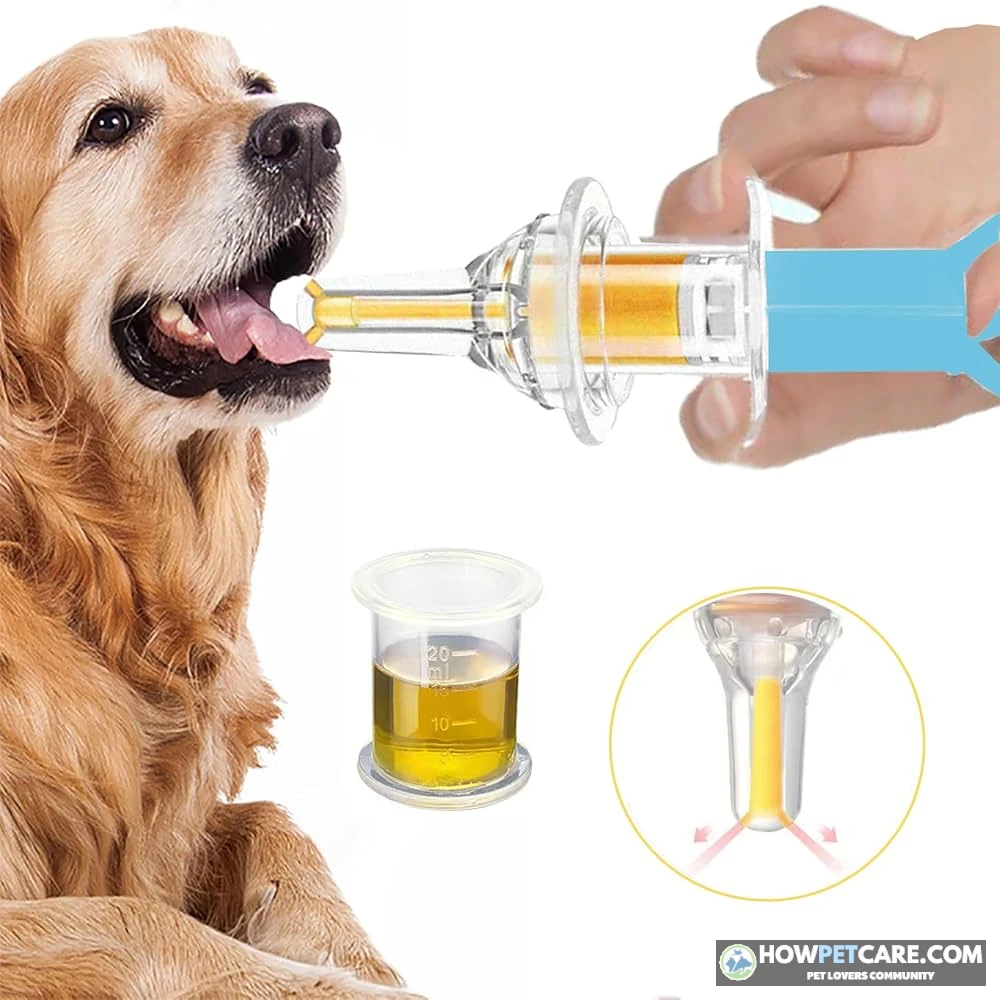
- Place it in the cheek pouch with an oral syringe, keep the head level, and walk the dog gently.
- Allow one repeat after 15 minutes only if the professional directs it — never a third dose.
- Skip home induction and go to the ER for flat-faced breeds, seizure/weak/breathing-trouble dogs, or corrosive, petroleum, or sharp-object ingestion.
Should You Make Your Dog Throw Up? The 60-Second Decision and Dose
Call your veterinarian, an emergency clinic, Pet Poison Helpline at 855-764-7661, or ASPCA Animal Poison Control at 888-426-4435 immediately. Tell the staff what your dog swallowed, roughly how much, and when it happened. Give your dog’s weight, breed, and any symptoms you notice. Never wait for signs of sickness to show up after a suspected poisoning. The ASPCA recommends contacting a veterinarian or poison control before attempting home induction.
Only consider making your dog throw up at home if a veterinary professional or poison specialist explicitly tells you to do it. When authorized, the standard home agent is fresh, clearly labeled 3% hydrogen peroxide—never food-grade 35% peroxide or stronger products. Standard veterinary guidance suggests about 1 teaspoon per 5 pounds given by mouth, capped at a maximum of 3 tablespoons (45 mL) per dose, with no more than one repeat after 15 minutes under direct professional advice. Because specific recommendations and individual risks vary, confirm the exact amount with an expert before measuring anything.
Do not induce vomiting if your dog has a flat face, seems weak or drowsy, is seizing, struggles to breathe, or is already throwing up. Never induce if they swallowed a corrosive chemical, a petroleum product, a sharp item, or a dangerous foreign object. Head straight to an emergency clinic instead. If the ingestion happened more than about two hours ago, call before doing anything else: timing depends heavily on the substance, and your home window has likely closed.
Inducing vomiting at home isn’t general first aid. It’s a narrow, time-critical intervention meant only for an alert dog whose ingestion has been evaluated and cleared by a veterinary expert. When learning how to make a dog throw up safely, knowing when to stop matters just as much as knowing what to give. If you can’t reach a clinic quickly or your dog shows any of the red flags listed above, load up your pet, head to the nearest emergency hospital, and call them while driving.
The dose in one line
If specifically directed: give only fresh 3% hydrogen peroxide at the exact weight-based dose confirmed by your vet; never exceed 3 tablespoons (45 mL) in a single dose and never give more than two total doses. Discard expired bottles and avoid 6–12% formulations; stronger peroxide can injure tissue.
Which Substances Mean Induce, Do Not Induce, or Call First
Review this quick-reference matrix while you get poison control or your vet on the phone. A listed substance isn’t an automatic green light to dose: your dog’s clinical state, the quantity swallowed, and elapsed time can completely change the plan.
| Substance | Action | Why | Time sensitivity | Next step |
|---|---|---|---|---|
| Chocolate | Call first; induce only if directed | Risk depends on type, amount, and dog weight | Prompt call; often most useful early | Keep the wrapper and report cocoa type and amount |
| Xylitol gum, mints, or baked goods | Call immediately; usually clinic-bound | Blood sugar can drop quickly | Do not wait for symptoms | Go for veterinary assessment and glucose monitoring |
| Grapes or raisins | Call first; induce only if directed | Kidney injury risk is unpredictable | Earlier is better, but call even if time has passed | Veterinary follow-up is needed even after vomiting |
| NSAIDs or other human medications | Call first | Drug, dose, formulation, and timing matter | Immediate | Read the exact label and estimate how many are missing |
| Rat or mouse poison | Call first, then veterinary care | Product types differ; effects may be delayed | Decontamination may be time-sensitive | Bring the package; vomiting does not complete treatment |
| Antifreeze | Do not induce at home; go now | Antidote timing is critical | Emergency | Bring the container if available |
| Bleach, drain cleaner, oven cleaner, or acids | Never induce | The substance can burn on the way down and back up | Emergency | Call the clinic while traveling; do not neutralize it yourself |
| Gasoline, kerosene, lighter fluid, or solvents | Never induce | Vomit can enter the lungs | Emergency | Keep the dog calm and go to a clinic |
| Batteries, needles, glass, sharp bones | Never induce | The item can lodge, tear, or perforate tissue | Emergency | A veterinarian can determine whether imaging or removal is needed |
| Sock, toy, corn cob, or other large object | Usually do not induce; call first | It may lodge in the throat or esophagus | Prompt assessment | Ask about imaging or endoscopic removal |
| Lethargy, seizure, weakness, breathing trouble, or active vomiting | Do not induce | The dog’s condition makes aspiration or other harm more likely | Immediate | Emergency clinic now |

Corrosive chemicals and hydrocarbons must stay down. Bringing them back up exposes the esophagus to a second chemical burn or pulls toxic vapors straight into the lungs. Similarly, sharp objects risk cutting, puncturing, or lodging in tissue on the return trip. In every one of these scenarios, head to an emergency hospital right away rather than experimenting with home remedies.
Never induce: corrosives, hydrocarbons, sharps
Drain cleaners, acids, alkalis, petroleum products, batteries, glass, and sharp objects require direct veterinary handling. Do not induce vomiting, force-feed a home remedy, or try to retrieve an object lodged in the throat with your fingers. An anxious dog may bite.

Induce-eligible toxins if caught early
Substances like chocolate, xylitol, grapes, raisins, human medications, and certain rodenticides often warrant active decontamination if discovered quickly. Even so, peroxide isn’t a blanket fix. If your dog ate chocolate, for instance, a veterinarian needs their exact weight, the cocoa type, the estimated amount consumed, and the ingestion timeline before deciding whether to induce.
Call-first situations
Reach out to a professional for any suspected poisoning, even when your dog acts completely fine. Have the packaging, bottle label, or a clear smartphone photo ready to describe. Never sit back to see if symptoms develop—especially after possible xylitol or antifreeze ingestion.
Is Your Dog Too High-Risk? Flat-Faced Breeds, Puppies, Seniors, and Seizure History
Certain dogs face severe complications if forced to vomit at home. Veterinary toxicology guidance commonly treats impaired consciousness, active or past seizures, and airway vulnerabilities as strict contraindications to home emesis. Walk through your dog’s breed, age, medical conditions, and current symptoms with the clinician before discussing any dose.
Flat-faced breeds: go to the ER
If you own a Pug, Bulldog, French Bulldog, Pekingese, Boston Terrier, or any other flat-faced breed, do not induce vomiting at home. Their airway anatomy raises serious concern about inhaling vomit into the lungs. Skip the peroxide, drive to an emergency clinic, and call ahead.

Puppies under 6 months
Do not use an adult dose chart to decide how to make a puppy throw up. Puppies under six months should be assessed and managed with veterinary direction; their small size and developing condition leave less room for dosing mistakes. Do not reduce an adult dose by guesswork or repeat it without explicit instruction.
Senior dogs and dogs with medical conditions
Skip home induction and call a veterinarian if your dog is elderly or has heart disease, megaesophagus, laryngeal paralysis, swallowing problems, or another significant condition. Never induce vomiting in a dog with a seizure history if there are neurologic signs, or in a dog that is sedated, weak, unconscious, or struggling to breathe.
A swollen abdomen with repeated, unproductive retching may indicate bloat, a life-threatening emergency. Do not give peroxide; go to an emergency clinic immediately.
How Much Hydrogen Peroxide to Make a Dog Vomit: Reconciled Weight-Based Dosage Table
The rule to follow and why
Published and online instructions can differ: some say 1 teaspoon per 5 pounds, while others use 1 teaspoon per 10 pounds. Differences in the recommended dose are not a reason to combine rules or choose the larger amount yourself. The 1-teaspoon-per-5-pound figure is a commonly cited standard regimen, but it is not suitable for every dog or ingestion. Use it only if a veterinarian or poison specialist confirms that home induction is appropriate and gives or confirms the dose. If you cannot reach a professional, do not guess; go to a clinic.
The table below shows the arithmetic for that standard regimen, not a stand-alone authorization to administer it. The hard ceiling is 3 tablespoons (45 mL) per dose. A second dose is allowed only once, 15 minutes later, if a professional directs it. Do not give a third dose.
Weight-based dose lookup
| Dog weight (lb) | Dose (tsp) | Dose (tbsp) | Dose (mL) | Repeat dose allowed? | Notes |
|---|---|---|---|---|---|
| 10 | 2 | 2/3 | 10 | Once after 15 minutes, only if directed | Confirm the dose first |
| 20 | 4 | 1 1/3 | 20 | Once after 15 minutes, only if directed | Confirm the dose first |
| 30 | 6 | 2 | 30 | Once after 15 minutes, only if directed | Confirm the dose first |
| 40 | 8 | 2 2/3 | 40 | Once after 15 minutes, only if directed | Confirm the dose first |
| 50 | 9 | 3 | 45 | Once after 15 minutes, only if directed | Maximum reached |
| 60 | 9 | 3 | 45 | Once after 15 minutes, only if directed | Maximum reached |
| 70 | 9 | 3 | 45 | Once after 15 minutes, only if directed | Maximum reached |
| 80 | 9 | 3 | 45 | Once after 15 minutes, only if directed | Maximum reached |
| 90 | 9 | 3 | 45 | Once after 15 minutes, only if directed | Maximum reached |
| 100+ | 9 | 3 | 45 | Once after 15 minutes, only if directed | Maximum reached |

For example, a 45-pound dog calculates to 9 teaspoons, or 3 tablespoons (45 mL). A 50-pound dog does not receive more: the cap remains 45 mL. Measure with an oral syringe; do not estimate by pouring. The only concentration to consider is labeled 3% hydrogen peroxide.
Step-by-Step: Inducing Vomiting With 3% Hydrogen Peroxide, Minute by Minute
What you need
Before doing anything, call a veterinarian, emergency clinic, or poison hotline. Gather the package or label, note the estimated amount and time eaten, and weigh your dog if you can do so without delaying care. Have a measuring oral syringe and a clear route to the clinic. Use an easy-to-clean area, but do not let preparation delay emergency transport.

The timeline: minute 0, 5, 15, 30
-
Before minute 0
Call poison control or a veterinarian and get approval for home induction and the exact dose. Confirm the dog is alert, breathing normally, and not in a high-risk group. Verify that the bottle is fresh, labeled 3% hydrogen peroxide.
-
Minute 0
Measure the approved dose. If instructed, use an oral syringe to place it slowly into the cheek pouch, with the dog’s head level or slightly forward. Do not force liquid toward the back of the throat. Walk the dog gently nearby to help the peroxide work.
-
Minutes 1–5
Lip licking, drooling, foaming, swallowing, nausea, and mild restlessness can occur. Stay with the dog on level ground, away from stairs. Watch closely for coughing, breathing changes, weakness, or collapse.
-
Minutes 5–15
Vomiting may begin in this period. If no vomiting has occurred at 15 minutes, give one repeat dose only if the veterinarian or poison specialist explicitly directs it and the dog remains suitable for home induction.
-
Minutes 15–30
Photograph what comes up and note the time. If directed, save a small sealed sample for the clinic. Do not give additional peroxide or another remedy.
-
Minute 30: hard stop
After two total doses, stop. Call the clinic and travel there whether or not the dog vomited. Bring the peroxide bottle, product packaging, timeline, and vomit photos or sample.
How to tell whether vomiting worked
A few productive heaves that bring up stomach contents or foam can be a normal response. It does not prove the toxin is gone. Continuous dry retching, repeated blood, collapse, blue or pale gums, a swollen abdomen, coughing after dosing, or labored breathing are emergencies—and possible signs of internal bleeding in dogs. Stop dosing and go to the clinic.
The two-hour window is a rough rule, not a guarantee. Some substances are absorbed rapidly, while others or food-containing stomach contents may remain longer. Do not delay a call to calculate whether your dog is still within the window.

Toxin-by-Toxin Timing: Chocolate, Xylitol, Grapes, Rat Poison, and Foreign Objects
The 2-hour rule does not apply equally to every substance. Absorption, stomach contents, and the danger of vomiting differ, so a table cannot determine the right treatment for an individual dog.
| Toxin | Onset of absorption | Is induction still worth trying? | Typical window | Vet follow-up needed? |
|---|---|---|---|---|
| Xylitol | Low blood sugar may begin within 30–60 minutes | Only if a professional directs it immediately; do not wait for symptoms | Treat as urgent, not as a two-hour wait | Yes; glucose monitoring may be needed |
| Chocolate | Theobromine absorption is slower than some toxins | Call promptly; induction may be considered based on dose and timing | Often most useful early; a professional may consider later cases | Yes, depending on dose and symptoms |
| Grapes or raisins | Risk and stomach retention are unpredictable | Call even if more than two hours have passed; induce only if directed | No reliable universal cutoff | Yes; kidney assessment may be advised |
| Rat poison | Effects may be delayed and depend on the product | Early decontamination may help, but do not stop after vomiting | Prompt call; product-specific | Yes; bring the bait package |
| NSAIDs and many pills | Varies by drug and immediate- versus extended-release formulation | Call promptly; only induce if directed | Often most useful early | Yes, based on medication and amount |
| Antifreeze | Absorbed rapidly; treatment is time-critical | No home induction | Do not wait | Immediate emergency care |
| Sock, toy, bone, or corn cob | Not absorbed; object movement is unpredictable | Usually not appropriate at home | No reliable peroxide window | Yes; imaging or removal may be needed |
| Hydrocarbons or corrosives | Vomiting creates added lung or tissue injury risk | No | No safe home window | Emergency veterinary guidance |

Xylitol is especially time-sensitive: low blood sugar can begin within 30–60 minutes, so call immediately and do not wait to see whether symptoms appear. Chocolate risk depends on the chocolate type, amount, and dog weight. Grapes and raisins warrant a call even after the usual early window because risk is unpredictable. Rat poison requires veterinary follow-up because the product type matters and vomiting alone does not resolve the exposure.
A veterinarian may use activated charcoal for selected toxins, but it is not appropriate for every substance and should not be given at home unless a veterinary professional directs it.
If Your Dog Doesn’t Vomit or Starts Choking: Failed Doses and Aspiration First Aid
Two doses, no vomit: your transport plan
After two doses—or sooner if the dog worsens—stop. Do not give more peroxide, food, milk, oil, or extra liquid unless a veterinarian specifically instructs you. Call the clinic while traveling and report the substance, estimated amount, ingestion time, peroxide dose and times, and current symptoms. Bring the container and packaging.
Keep your dog calm and cool. If possible, have another person monitor the dog during the drive. Keep the head level or slightly lower than the chest; if the dog is drowsy, place it on its side with the neck straight so breathing is not obstructed. Do not try to protect the stomach lining with a home remedy. Ask the clinic whether any food or water is appropriate for your particular case.

Choking or inhaling vomit during induction
Stop giving peroxide immediately. If the dog is coughing but can breathe, let it cough; do not put your hand into the throat. Wipe visible material from the front of the mouth only if you can do so safely, and keep the head level or slightly lowered while you leave for emergency care. Coughing after dosing can signal aspiration, and blue gums, labored or noisy breathing, collapse, or inability to move air require immediate emergency attention.
If the dog cannot breathe, treat it as a choking emergency and get veterinary help immediately. Do not continue induction or delay transport to try repeated home maneuvers, including the Heimlich maneuver for dogs. A frightened, distressed dog may bite.
Normal reaction vs. dangerous reaction
Brief drooling, foaming, lip licking, and a short period of nausea can accompany peroxide. Repeated or bloody vomiting, continuous retching without producing anything, a hard or swollen belly, collapse, pale or blue gums, seizures, coughing, or breathing difficulty are not signs to wait out. Stop and seek emergency care.
Dangerous Home Methods to Avoid and What Vets Do Instead
Why salt water, ipecac, mustard, and fingers are dangerous
Do not use salt water, ipecac syrup, mustard, vinegar-soaked bread, dish soap, or fingers down the throat to make a dog vomit. These are warnings, not alternatives to peroxide. Veterinary guidance identifies 3% hydrogen peroxide as a possible home agent only when appropriate; concentrated 35% food-grade peroxide is dangerous. ASPCA and veterinary poison services advise professional guidance before home induction.
Salt can cause sodium poisoning, including neurologic emergencies. Ipecac is unreliable and can cause prolonged vomiting and other complications. Mustard and vinegar-soaked bread are not dependable treatments and can add irritation or delay care. Fingers can injure the throat, trigger a bite, or fail to empty the stomach. Do not use any of them.

Vet induction (apomorphine/Clevor) vs. hydrogen peroxide
A veterinarian can assess whether emesis is appropriate and use a veterinary emetic such as apomorphine or Clevor (ropinirole). Clinic treatment allows staff to monitor the dog and manage complications. If vomiting is unsafe or not enough, the clinic may consider other options such as gastric lavage or activated charcoal, depending on the substance and the dog’s condition. These are veterinary decisions, not home procedures.

For flat-faced breeds, corrosive or hydrocarbon ingestion, neurologic signs, breathing difficulty, or an ingestion outside a useful window, the clinic—not a home peroxide attempt—is the right place to start.
After Your Dog Vomits: Aftercare, Red Flags, and Your Next-Step Checklist
What to do in the first 24 hours
Contact a veterinarian or poison specialist even if your dog vomits. You cannot tell by looking whether enough of the substance came back up, and some toxins need monitoring or treatment afterward. Ask before offering food or water; follow the professional’s instructions rather than withholding food or giving liquids on your own.
Keep the product packaging, note the time and amount swallowed, and photograph or save a sample of the vomit if the clinic requests it. Bring the dog’s medication list and describe any peroxide doses and symptoms.

Red-flag symptoms
Go to an emergency clinic immediately for repeated vomiting, blood in vomit, tremors, seizures, collapse, pale or blue gums, weakness, a swollen abdomen, continuous unproductive retching, coughing, or labored breathing. Do not wait for these signs to pass.
Emergency checklist
- Call Pet Poison Helpline at 855-764-7661, ASPCA Animal Poison Control at 888-426-4435, your veterinarian, or an emergency clinic.
- Identify the substance, estimate the amount, and record the ingestion time.
- Report your dog’s weight, breed, age, medical history, and symptoms.
- Do not induce vomiting unless a professional says it is appropriate and confirms the dose.
- If directed, use only fresh 3% hydrogen peroxide; never exceed 3 tablespoons (45 mL) per dose or two total doses.
- Stop after two doses—or immediately if breathing, neurologic, or other emergency signs appear—and go to the clinic.
A dog first-aid kit can include an oral dosing syringe and the poison-control numbers. Keep peroxide only if your veterinarian recommends having it available, and never let a kit turn a professional-guided emergency decision into a guess.

| Substance or Ingestion Type | Recommended Action | Risk or Mechanism | Time Sensitivity | Next Steps |
|---|---|---|---|---|
| Chocolate | Call first; induce only if directed | Risk depends on type, amount, and dog weight | Prompt call; often most useful early | Keep the wrapper and report cocoa type and amount |
| Xylitol gum, mints, or baked goods | Call immediately; usually clinic-bound | Blood sugar can drop quickly | Do not wait for symptoms | Go for veterinary assessment and glucose monitoring |
| Grapes or raisins | Call first; induce only if directed | Kidney injury risk is unpredictable | Earlier is better, but call even if time has passed | Veterinary follow-up is needed even after vomiting |
| NSAIDs or other human medications | Call first | Drug, dose, formulation, and timing matter | Immediate | Read the exact label and estimate how many are missing |
| Rat or mouse poison | Call first, then veterinary care | Product types differ; effects may be delayed | Decontamination may be time-sensitive | Bring the package; vomiting does not complete treatment |
| Antifreeze | Do not induce at home; go now | Antidote timing is critical | Emergency | Bring the container if available |
| Bleach, drain cleaner, oven cleaner, or acids | Never induce | The substance can burn on the way down and back up | Emergency | Call the clinic while traveling; do not neutralize it yourself |
| Gasoline, kerosene, lighter fluid, or solvents | Never induce | Vomit can enter the lungs | Emergency | Keep the dog calm and go to a clinic |
| Batteries, needles, glass, sharp bones | Never induce | The item can lodge, tear, or perforate tissue | Emergency | A veterinarian can determine whether imaging or removal is needed |
| Sock, toy, corn cob, or other large object | Usually do not induce; call first | It may lodge in the throat or esophagus | Prompt assessment | Ask about imaging or endoscopic removal |
| Lethargy, seizure, weakness, breathing trouble, or active vomiting | Do not induce | The dog's condition makes aspiration or other harm more likely | Immediate | Emergency clinic now |
FAQ
Is it safe to make a dog vomit at home?
It can be safe only in specific cases: recent ingestion (usually within 2 hours), an alert dog, a non-corrosive substance, and a vet or poison hotline’s go-ahead. It is unsafe for flat-faced breeds, dogs with neurologic signs, and ingestion of sharp, caustic, or petroleum products.
Can I use anything other than hydrogen peroxide to make my dog throw up?
No safe home alternative exists. Salt water, ipecac, mustard, and fingers can all cause serious harm. If peroxide isn’t an option, go to a vet, who can use apomorphine or Clevor.
How do vets make a dog vomit?
Vets use injectable or ophthalmic apomorphine or the oral drug Clevor, which work more reliably than peroxide and come with antiemetics to stop vomiting if needed. They may also use gastric lavage or activated charcoal.
What if my dog ate a sock or other foreign object?
Do not induce vomiting at home, because the object can lodge in the esophagus or cause an obstruction. Call a vet, who may use X-rays or endoscopy to remove it.
Can I give my dog activated charcoal at home?
Only if a vet or poison control tells you to and gives the dose. Charcoal does not help with every toxin and can cause complications, such as aspiration or sodium imbalance, if misused.