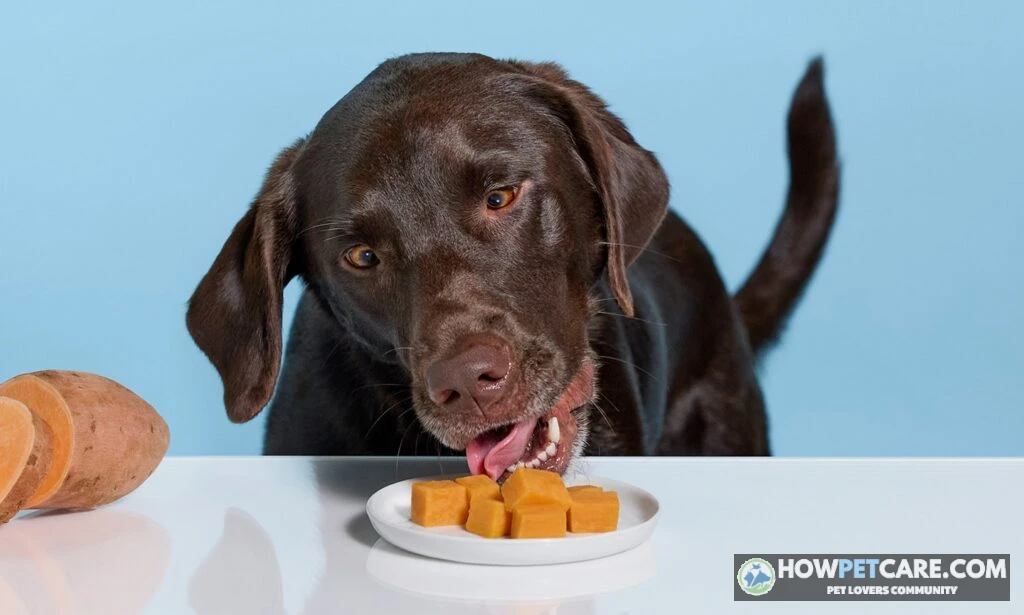

Yes—plain, cooked sweet potatoes are safe for dogs in moderation. Serve them peeled and boiled or steamed, limit treats to under 10% of daily calories, and follow weight‑based portion charts to avoid stomach upset or blood‑sugar spikes.
Yes, dogs can safely eat plain, cooked sweet potatoes in moderation, but raw tubers and seasoned dishes must strictly be avoided. Packed with dietary fiber, beta‑carotene, and essential vitamins, sweet potatoes support healthy canine digestion when properly peeled, thoroughly boiled or baked, and portioned strictly as an occasional treat.
Can Dogs Eat Sweet Potatoes? Quick Safety Answer and Feeding Rules

While sweet potatoes offer substantial nutritional value, they must occupy a strictly defined role within canine nutrition. Root vegetables are carbohydrate‑dense and should never replace animal protein, which serves as the foundational daily macronutrient for dogs. For example, carrots are a dog-friendly veggie that provides crunch without excess carbs. Sweet potatoes must adhere to the standard veterinary 10% treat rule: all supplemental foods, toppers, and treats combined should never make up more than 10% of a dog’s daily caloric intake. The remaining 90% must derive from a complete, balanced commercial or board‑certified veterinary‑formulated diet.
From a nutritional standpoint, sweet potatoes (Ipomoea batatas) deliver several bioactive compounds that benefit gastrointestinal health:
- Dietary Fiber: Provides a blend of soluble and insoluble fibers that add bulk to stool, nourish beneficial gut microbiota, and promote smooth colon motility.
- Beta‑Carotene: A potent antioxidant that the canine liver converts into active vitamin A, which maintains ocular health, cellular integrity, immune defense, and skin resilience.
- Vitamins and Minerals: Naturally low in dietary fat, sweet potatoes provide bioavailable vitamin C, vitamin B6, potassium, calcium, and iron to aid enzymatic function and cellular electrolyte balance.
Additional low‑calorie options such as cucumbers for canine snacking can hydrate dogs while adding a crunchy texture without excess calories.
Sweet potatoes must always be served peeled, completely unseasoned, and cooked until fork‑tender. Never feed raw sweet potato chunks, leathery skins, or festive casseroles containing added fats, sugars, or spices.
Serving sweet potatoes raw or undercooked introduces severe mechanical choking hazards and gastrointestinal risks. Furthermore, chronic overfeeding can cause nutrient dilution or trigger hypervitaminosis A, an excess state capable of causing bone spurs, stiffness, and muscle weakness.
How Much Sweet Potato Can Dogs Eat? Weight‑Tiered Portion Limits
Determining the safe amount of sweet potato requires calculating your dog’s Resting Energy Requirement (RER) and ensuring that treats do not eclipse 10% of that total. Sweet potatoes are dense in complex starches; a 100‑gram serving of plain boiled sweet potato yields approximately 86 calories (kcal) and 20 grams of total carbohydrates.
Daily Feeding Limits by Dog Weight Class
The feeding chart below details the absolute maximum daily allowances across five canine weight classes. If you feed other treats throughout the day, reduce these quantities proportionally.
| Dog Weight Class | Dog Weight Range (lbs) | Max Daily Serving (Cooked/Mashed) | Weight in Grams | Approximate Calorie Cap |
|---|---|---|---|---|
| Toy | Under 10 lbs | 1 to 2 teaspoons | 5 to 10 g | 4 to 9 kcal |
| Small | 10 – 25 lbs | 1 to 2 tablespoons | 15 to 30 g | 13 to 26 kcal |
| Medium | 26 – 50 lbs | 2 to 3 tablespoons | 30 to 45 g | 26 to 39 kcal |
| Large | 51 – 80 lbs | 3 to 4 tablespoons (approx. 1/4 cup) | 45 to 60 g | 39 to 52 kcal |
| Giant | 80+ lbs | Up to 1/3 cup | 75 to 80 g | 65 to 70 kcal |

Note: Calculations are based on plain, boiled sweet potato (approx. 86 kcal per 100g). Treat additions must strictly account for under 10% of your dog’s total daily Resting Energy Requirement (RER).
With large and giant breeds, owners often assume a 70‑ or 90‑pound dog can handle an entire baked tuber. Feeding 150 to 200 calories of pure starch spikes blood sugar and easily triggers digestive upset.
Signs You Are Feeding Too Much Sweet Potato
Exceeding portion limits floods the canine large intestine with fermentable starches and high dietary fiber. Because dogs have a shorter intestinal tract and lower concentrations of salivary and pancreatic amylase than humans, excess starches cannot be processed efficiently.
Watch for these symptoms if your dog consumes excessive sweet potato:
- Osmotic Diarrhea: Unabsorbed starches pull water into the colon lumen, producing loose, pudding‑like, or watery stools.
- Excessive Flatulence: Colonic bacteria ferment excess carbohydrates, generating painful gas and loud abdominal rumblings (borborygmi).
- Abdominal Cramping: Your dog may display a hunched posture or exhibit restlessness due to gas distension.
- Rapid Glycemic Spikes: Overweight or diabetic dogs will experience sudden blood glucose surges.
Cooked sweet potatoes carry a moderate‑to‑high glycemic index. For canines diagnosed with diabetes mellitus, insulin resistance, or clinical obesity, sweet potatoes are contraindicated unless specifically measured and cleared by a treating veterinarian.
How to Cook Sweet Potatoes for Dogs: Boiling, Steaming, and Baking
Dogs cannot digest the crystalline starch structures found in uncooked tubers. Cooking sweet potatoes gelatinizes the amylose and amylopectin matrices, softening cell walls and allowing pancreatic amylase to break the carbohydrates down into absorbable energy. However, the chosen cooking method alters both the glycemic index and the retention of micronutrients.

When considering other foods, tomatoes and dog safety rely on removing stems and unripe parts to avoid toxic solanine‑like compounds.
Boiling vs. Steaming vs. Baking: Cooking Times and Methods
Always wash and peel the tuber completely before cooking. The table below outlines dog‑safe preparation techniques without added fats, oils, or salt.
| Cooking Method | Prep & Cook Time | Target Texture Check | Digestibility & Glycemic Impact | Best Use Case |
|---|---|---|---|---|
| Steaming | 15–20 mins (cubed) | Yields to light fork pressure with zero core resistance | High: Retains up to 80% water‑soluble vitamins; moderate GI impact (~63) | Ideal everyday preparation for toppers and mixers |
| Boiling | 20–25 mins (peeled & cubed) | Completely collapses under a fork tine; mashable | Highest: Starches fully gelatinize; leaches surface sugars, yielding lower glycemic impact (~46) | Best choice for dogs with sensitive digestion or recovering from GI upset |
| Oven‑Roasting | 35–45 mins at 375°F (no oil/foil) | Caramelized outer rim, soft pillowy center | Moderate: Starch conversion raises maltose levels, causing higher glycemic spike (~80+) | Use strictly for high‑energy, non‑diabetic dogs as an occasional treat |
| Dehydrating | 6–8 hrs at 130°F (1/4‑inch slices) | Leathery and pliable; no brittle snap or wet core | Slower transit time: Dense insoluble fiber matrix requires active chewing | Single‑ingredient dental chews (monitor toy breeds for swallowing chunks) |

For everyday digestive support, boiling works best. Drop peeled, 1‑inch sweet potato cubes into a pot of unsalted boiling water. Boil for 20 to 25 minutes until a fork slides through with zero friction. Drain the pot, let the pieces cool to room temperature, and mash them smooth before serving.
For homemade chews, slice peeled sweet potatoes lengthwise into uniform 1/4‑inch planks. Dehydrate them at 130°F (54°C) for 6 to 8 hours using a food dehydrator or an oven on its lowest setting with the door propped open. The finished planks should bend like tough leather. Toss any brittle pieces, which can cut your dog’s mouth.
Can Dogs Eat Canned Sweet Potatoes or Leftover Yams?
Commercial canned sweet potatoes and holiday yams are rarely safe for dogs. Most store‑bought canned yams are preserved in heavy corn syrup, light syrup, or sucrose solution. Ingesting these syrup‑soaked tubers delivers a dangerous sugar load that risks acute gastroenteritis and osmotic diarrhea.
When selecting canned options, be aware of corn considerations for dogs such as avoiding the cob and limiting portion sizes.
Furthermore, holiday sweet potato casseroles often include ingredients that are toxic or hazardous to dogs:
- Butter and Heavy Cream: High concentrations of dairy fat can trigger acute, life‑threatening canine pancreatitis.
- Brown Sugar and Marshmallows: Excess refined sugars foster dental decay and severe gastrointestinal distress.
- Nutmeg: Contains myristicin, a compound toxic to dogs that causes disorientation, hallucinations, abdominal pain, tachycardia, and potential seizures.
- Garlic and Onion Powder: Contain allium compounds that oxidize canine red blood cells, causing hemolytic anemia.
- Artificial Sweeteners (Xylitol / Birch Bark Extract): Found in some sugar‑free canned yams; triggers catastrophic hypoglycemia and acute liver failure in dogs.
If you choose canned sweet potato, the label must list only one ingredient: sweet potato. It must be packed in plain water without added sodium, sugar, or chemical preservatives.
Can Dogs Eat Raw Sweet Potatoes or Skins? Ingestion and Obstruction Risks
A persistent myth claims that sweet potatoes contain deadly solanine. This stems from confusing sweet potatoes (Ipomoea batatas, morning glory family) with common white or Irish potatoes (Solanum tuberosum, nightshade family). True sweet potatoes do not produce solanine glycoalkaloids. However, this botanical distinction does not make raw sweet potatoes safe for dogs.
Why Raw Chunks and Fibrous Skins Cause Bowel Obstructions
Raw sweet potatoes are dense, fibrous, and hard. Dogs rarely chew them thoroughly. Instead, they crunch the tuber into sharp chunks and swallow them whole. Those pieces land in the stomach intact. Stomach acid and regular gastric contractions cannot break down raw sweet potato starch. If a chunk exceeds the diameter of the pyloric sphincter—the valve leading from the stomach to the small intestine it lodges there, causing an outflow blockage.
Sweet potato skins carry an identical physical hazard. The outer peel consists of leathery, highly insoluble cellulose and lignin fibers. When swallowed in long strips or large sheets, skins gather in the intestines, binding with hair, kibble, and digestive debris to form a mechanical obstruction (a phytobezoar) that can block the ileocecal valve or small intestine.


Emergency Triage: Steps to Take Within 2 Hours of Ingestion
If your dog raids the pantry or trash and ingests raw sweet potato chunks, whole tubers, or fibrous peels, follow this structured emergency protocol:
-
Step 1: Hazard Identification and Quantitative Check (Minutes 0–15)
Identify what was eaten and check for toxic seasonings (such as onion, garlic, or nutmeg). Estimate chunk dimensions relative to your dog’s size; a 1‑inch chunk swallowed by a 20‑pound dog poses an immediate obstruction risk. Do NOT induce vomiting at home with hydrogen peroxide or salt unless explicitly directed by a veterinarian. Rigid, sharp‑edged raw potato chunks can cause esophageal tears or aspiration during emesis.
-
Step 2: GI Motility Support Window (Minutes 15–120)
Withhold all dry kibble, dense treats, and chews for the next 8 to 12 hours to prevent solid material from backing up behind a potential blockage. Offer small sips of fresh water (1 to 2 tablespoons per 10 pounds of body weight) every 30 minutes to verify swallowing reflexes and check for fluid retention.
-
Step 3: Monitor for Mechanical Obstruction Red Flags (Hours 2–24)
Observe your dog closely. Transport them to an emergency veterinary hospital immediately if you notice: unproductive retching (gagging or bringing up foamy white bile), sudden hypersalivation (ptyalism), abdominal guarding (assuming the "prayer position" with chest down and rear up), persistent restlessness, or complete lack of bowel movements accompanied by lethargy.
Sweet Potato vs. Pumpkin for Dogs: Which Is Best for Digestive Distress?
Pet owners frequently turn to plain canned pumpkin or boiled sweet potato when their dog develops loose stool or constipation. While both provide beneficial dietary fiber, their physiological effects and macronutrient profiles differ significantly.
Nutrient Profile: Boiled Sweet Potato vs. 100% Pure Canned Pumpkin
| Nutritional / Clinical Metric | Boiled Sweet Potato (Plain, Peeled) | 100% Pure Canned Pumpkin | Clinical Winner & Recommendation |
|---|---|---|---|
| Moisture Content | ~75–80% | ~90% | Pumpkin: Optimal for rehydrating acute diarrhea cases |
| Calories per 100g | 86 kcal | 34 kcal | Pumpkin: Superior for weight management; Sweet Potato: Superior for convalescent calorie restoration |
| Total Dietary Fiber | 3.0 g / 100g | 2.8 g / 100g | Tie: Both offer excellent bulk for bowel regulation |
| Soluble vs. Insoluble Ratio | Higher Insoluble Fiber | Higher Soluble (Pectin) Fiber | Pumpkin: Soluble pectin excels at absorbing excess lumen water in acute watery stool |
| Available Carbohydrates | 20.1 g / 100g | 7.0 g / 100g | Pumpkin: Safest for diabetic or insulin‑resistant canines |
| Best Clinical Indication | Post‑recovery mass/energy gain; chronic mild loose stool | Acute watery diarrhea; weight loss regimens; mild constipation | Use Pumpkin for acute GI distress; Use Sweet Potato for post‑illness energy deficits |

When to Choose Pumpkin and When to Choose Sweet Potato
Choose 100% Pure Canned Pumpkin when:

- Your dog suffers from acute, watery diarrhea. Pumpkin’s high concentration of soluble pectin absorbs excess free water in the colon, quickly firming liquid stool into a formed mass.
- Your dog has mild constipation. The 90% moisture content helps rehydrate hardened fecal matter in the lower bowel, softening stool for easier passage.
- Your dog is on a weight‑loss plan. At only 34 calories per 100 g, pumpkin provides dietary bulk and satiety without adding excess calories or starches.
Choose Boiled Sweet Potato when:
- Your dog is recovering from illness or surgery. Convalescing dogs need gentle, easily absorbed calories to rebuild glycogen stores without taxing digestion.
- Your dog requires an energy‑dense bland diet. Mixed with boiled, skinless chicken breast or lean 93% ground beef, mashed sweet potato provides steady, bioavailable fuel for working or active dogs.
- Your dog has **chron
Never feed canned pumpkin pie mix or spiced pumpkin filling. These cans contain toxic nutmeg, cinnamon oils, heavy sugars, and sometimes xylitol. Always verify that the ingredient label reads 100% pure pumpkin.
Sweet Potatoes and the FDA Canine DCM Warning: Facts vs. Misconceptions
In recent years, many dog owners grew concerned about feeding sweet potatoes after the U.S. Food and Drug Administration (FDA) issued public notices regarding Canine Dilated Cardiomyopathy (DCM). DCM is a severe heart muscle disorder where the ventricles enlarge and lose pumping efficiency, often leading to congestive heart failure.
The scientific context of the FDA investigation clarifies these concerns:

- The Focus Was on Commercial Dry Diets: The FDA’s notices centered on commercial "grain‑free" dry kibbles that used pulses (peas, lentils, chickpeas) and tuber starches (potatoes and sweet potatoes) as their primary carbohydrate foundation.
- Dietary Proportion Matters: The veterinary cardiology community investigated potential nutrient deficiencies, anti‑nutritional factors (such as phytates interfering with bioavailability), or disrupted taurine synthesis and absorption resulting from diets where legumes and tubers formed the main calorie source.
- Treats Carry Zero Proven Correlation: The FDA investigation never targeted whole, fresh sweet potatoes fed as an occasional, supplemental treat. There is no evidence indicating that adding a tablespoon of boiled sweet potato to a complete and balanced canine diet causes cardiac disease.
Cardiologists emphasize that canine nutrition relies on complete amino acid profiles—specifically methionine and cysteine, which dogs synthesize into taurine. As long as your dog eats a complete, balanced commercial diet approved by the Association of American Feed Control Officials (AAFCO), feeding occasional fresh sweet potato treats does not compromise their cardiac health.
Step‑by‑Step Guide to Safely Introducing Sweet Potatoes to Your Dog
When introducing any novel starch to your dog’s diet, go slowly to protect their microbiome. Even healthy tubers can trigger temporary digestive upset if introduced too quickly.
The 48‑Hour Introduction Protocol
- Day 1 Baseline: Feed a single, conservative test portion. Offer 1/2 teaspoon for toy and small dogs, or 1 teaspoon for medium, large, and giant breeds. Mix the mashed, boiled sweet potato into their normal meal.
- The 48‑Hour Observation Window: Do not introduce any other new foods, chews, or treats for the next two days. Monitor your dog’s stool consistency, energy, and skin.
- Check for Adverse Reactions: Look for signs of starch intolerance or food sensitivities:
- Soft or mucoid stools
- Excessive rumbling gas or flatulence
- Pruritus (scratching the ears, licking paws, or rubbing the muzzle)
- Facial swelling or hives (rare allergic response)
- Gradual Escalation: If their stool remains firm and formed after 48 hours, you can slowly increase the serving size over the next week until you reach the safe daily limit for their weight class.

Batch Preparation and Storage Guidelines
- Refrigeration: Store freshly boiled or steamed sweet potato purée in an airtight glass container in the refrigerator. Consume or discard within 3 to 5 days to prevent mold or bacterial growth.
- Freezer Molds: Spoon smooth sweet potato purée into silicone treat molds or standard ice cube trays. Freeze for 4 hours until solid, then pop the cubes into a freezer‑safe bag. Frozen sweet potato bites keep for up to 6 months and make cooling, portion‑controlled summer treats.
- Dehydrated Chew Storage: Keep completely dried sweet potato chews in an airtight container with a food‑safe moisture‑absorbing desiccant pack. Store in a cool, dark pantry for up to 3 weeks. If you see moisture droplets or white mold spots, discard the batch immediately.
Sticking to safe cooking methods and clear portion caps lets you feed this nutrient‑packed root vegetable without risking choking hazards or stomach upset.
| Cooking Method | Prep & Cook Time | Target Texture Check | Digestibility & Glycemic Impact | Best Use Case |
|---|---|---|---|---|
| Steaming | 15–20 mins (cubed) | Yields to light fork pressure with zero core resistance | High: Retains up to 80% water‑soluble vitamins; moderate GI impact (~63) | Ideal everyday preparation for toppers and mixers |
| Boiling | 20–25 mins (peeled & cubed) | Completely collapses under a fork tine; mashable | Highest: Starches fully gelatinize; leaches surface sugars, yielding lower glycemic impact (~46) | Best choice for dogs with sensitive digestion or recovering from GI upset |
| Oven‑Roasting | 35–45 mins at 375°F (no oil/foil) | Caramelized outer rim, soft pillowy center | Moderate: Starch conversion raises maltose levels, causing higher glycemic spike (~80+) | Use strictly for high‑energy, non‑diabetic dogs as an occasional treat |
| Dehydrating | 6–8 hrs at 130°F (1/4‑inch slices) | Leathery and pliable; no brittle snap or wet core | Slower transit time: Dense insoluble fiber matrix requires active chewing | Single‑ingredient dental chews (monitor toy breeds for swallowing chunks) |
FAQ
Can dogs eat purple sweet potatoes?
Yes, dogs can safely eat cooked purple sweet potatoes as long as they are peeled, boiled or steamed, and served completely plain. Purple varieties contain healthy anthocyanin antioxidants alongside digestible fiber, but they must still follow the 10% daily treat calorie limit.
Can diabetic dogs eat cooked sweet potatoes?
Diabetic dogs should generally avoid sweet potatoes or consume them only under direct veterinary supervision. Sweet potatoes have a moderate‑to‑high glycemic index and rich natural carbohydrate content that can cause rapid blood glucose spikes.
Can sweet potatoes cause pancreatitis in dogs?
Plain, cooked sweet potatoes are naturally low in fat and do not trigger pancreatitis on their own. However, sweet potato dishes prepared for humans with butter, oil, cream, or candied glazes are high in fat and sugar, which can ignite acute, life‑threatening canine pancreatitis.
Do sweet potatoes act as a natural laxative for dogs?
Sweet potatoes contain substantial dietary fiber that helps regulate bowel movements and firm up mild loose stool when fed in small amounts. However, if overfed, that same high fiber and starch load will act like a laxative, inducing watery diarrhea, gas, and abdominal pain.