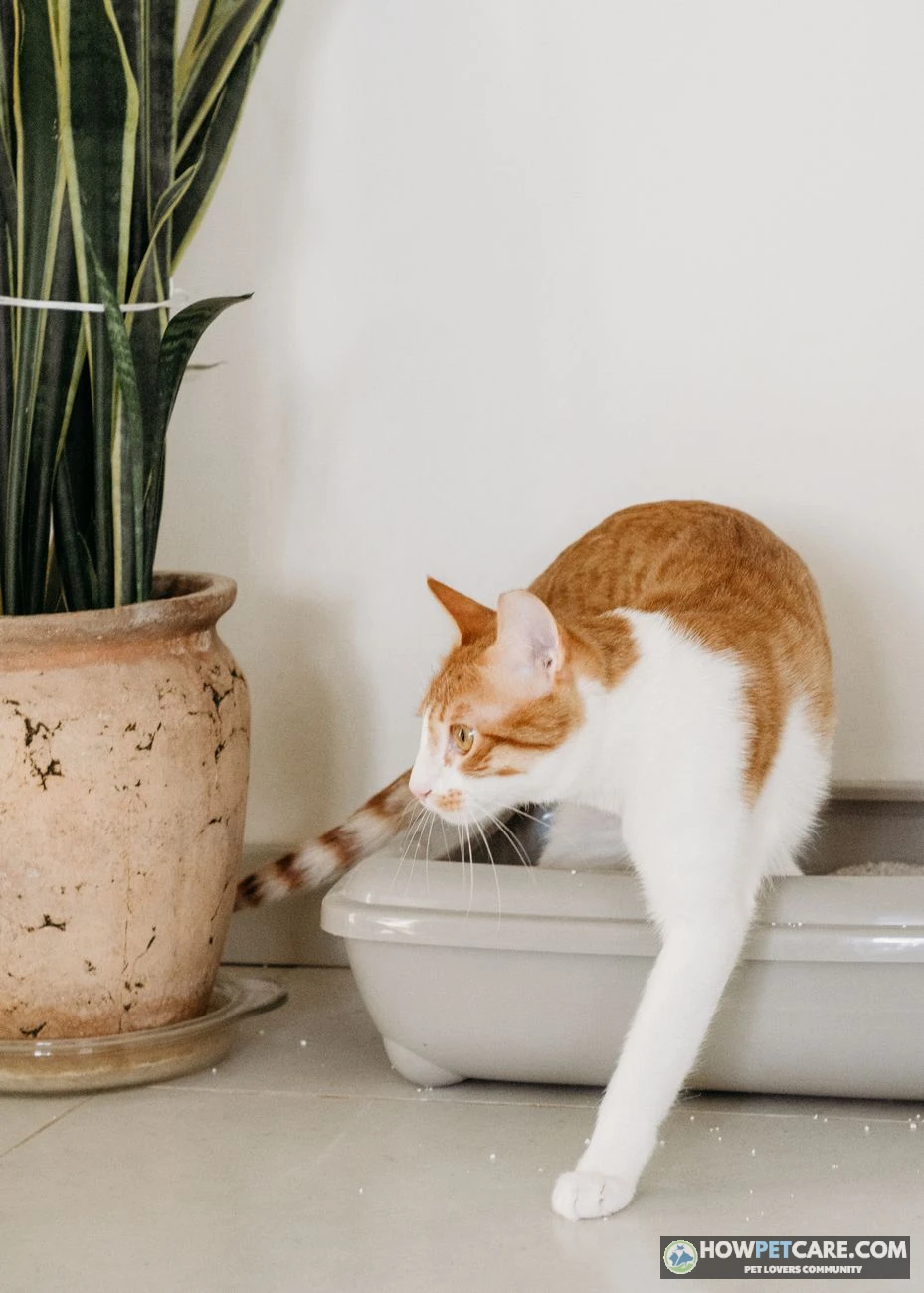

A cat may stop using the litter box because of pain or illness (urinary tract problems, arthritis), an unappealing box (too small, dirty, hard to enter, or badly placed), stress from household changes, or territorial marking. Rule out a urinary emergency first—straining with little or no urine needs a vet today—then schedule a checkup and improve the box setup.
If you’re asking why is my cat not using the litter box, possible causes include pain, an unappealing or difficult-to-use box, stress, and territorial marking. First, check for signs of a urinary emergency. Then look at the pattern of accidents to guide your next steps. A veterinary checkup is important for a sudden or repeated change, even if you suspect something in the home triggered it.
Is This an Emergency? Red Flags That Mean a Vet Visit Today
Symptoms that mean a vet today
Go to an emergency veterinarian immediately if your cat strains to urinate and produces little or no urine, especially if there are repeated attempts, crying, vomiting, weakness, or a painful belly. A urinary blockage can quickly become life-threatening, and male cats are at particular risk. Don’t wait to see whether a different litter helps.
Call a veterinarian promptly if you see blood in the urine, frequent small urinations, crying in the box, or repeated straining, even if some urine is coming out. If your regular clinic can’t assess your cat promptly, call an emergency clinic for direction. Severe straining, vomiting, or obvious pain with difficulty passing stool also warrants urgent assessment.

Symptoms that mean a vet this week
If the change is sudden but your cat shows no obvious distress, call your vet and aim for an appointment within 24–48 hours. Mention increased genital licking, changes in thirst or urine volume, constipation, and any new accidents in a senior cat. If your cat is eating, drinking, and behaving normally after a move or other change, you can improve the box setup while arranging that conversation. A plausible stressor doesn’t rule out illness, though.
Feline lower urinary tract disease is an umbrella term for problems affecting the bladder and urethra. Possible causes include feline idiopathic cystitis, bladder stones, and urinary tract infection. Arthritis, diabetes, kidney disease, and digestive problems can also contribute to accidents.
Don’t shout, spray water, or push your cat’s nose into waste. Punishment can increase fear and make litter box avoidance worse.
What to bring to the appointment
Bring your accident log, photos or video of your cat’s posture if available, a medication list, and details of any litter and box changes. Ask whether the clinic wants a urine or stool sample and how to collect it. Don’t delay an urgent visit to obtain one.
Triage Your Cat: Match the Pattern to the Most Likely Cause
Ask four questions: Is the accident urine, stool, or both? Did it begin suddenly or gradually? Where does it happen? What changed in the home or your cat’s routine? A cat pooping outside the litter box while still peeing inside it usually points to a different cause than urine-only accidents.
Pattern-to-cause triage table
Use this table to consider possibilities, not to make a diagnosis. Different problems can coexist. If an emergency sign appears, skip the table and seek urgent veterinary care.
| What you’re seeing | Most likely cause category | Vet urgency | First thing to try |
|---|---|---|---|
| Repeated straining, little or no urine, crying, or a painful belly | Possible blockage or another acute urinary problem | Emergency now | Call an emergency clinic and leave promptly. |
| Sudden total avoidance in a previously reliable cat | Pain, illness, or a frightening experience near the box | Call promptly; aim for 24–48 hours if otherwise well | Record when it began and add an accessible box while arranging an exam. |
| Peeing outside but pooping inside | Urinary discomfort, marking, or a preference affecting urination | Call promptly if new or repeated; emergency for straining or little urine | Ask about a urine evaluation and offer a large box with unscented litter. |
| Pooping outside but peeing inside | Constipation, painful defecation, mobility difficulty, or an unsuitable box | Call promptly; urgent for severe pain, straining, or vomiting | Note stool consistency and offer a large, low-entry box. |
| Peeing on a bed, laundry, or sofa | Urinary discomfort, stress, or a preference for a soft surface | Arrange an exam if new or repeated | Temporarily close access, clean the fabric, and provide another appealing box. |
| Small deposits on a wall or door | Possible territorial marking | Discuss with the vet; urgent if urinary red flags are present | Look for outdoor-cat sightings or tension between household cats. |
| Gradual avoidance in a senior cat | Arthritis, other illness, or difficulty accessing the box | Arrange an appointment soon | Add low-entry boxes and tell the vet about mobility, drinking, and behavior changes. |
| Accidents after a move or new pet | Stress, changed access, or a changed box or litter | Call about a new pattern; urgent for red flags | Restore a quiet area and familiar litter while monitoring output. |

A cat that uses the litter box but pees on your bed isn’t necessarily marking or acting out. The bed may have become a preferred surface, or your cat may be uncomfortable or stressed. A cat may also prefer separate places for urine and stool. Try adding a second box rather than assuming that using the box for one function rules out a setup problem.
If your box is clean and the cat still avoids it
Cleanliness is only one part of the setup. Even a clean box may be too small, hard to enter, covered, or placed near a noisy appliance. Your cat may also dislike the litter’s texture or scent. A cat urinating beside the litter box is often reacting to the entrance height or the litter itself. Pain or conflict with another pet can make a clean box difficult to use, too.
 You might be wonderingWhy does my cat stare at me?Why Does My Cat Stare at Me? Decode the SignalsRead the answer
Spraying vs. Full Elimination: How to Tell and Why the Fix Differs
Visual cues: posture, surface, and volume
Spraying is a form of urine marking. A cat typically stands, raises and sometimes quivers its tail, and deposits a small amount on a vertical surface. Full elimination more often involves squatting and leaving a larger puddle on a horizontal surface.
| Clue | Spraying or marking | Full elimination outside the box |
|---|---|---|
| Usual posture | Standing, often with tail raised | Squatting |
| Usual deposit | Small amount on a wall, door, or furniture edge | A puddle on a floor, rug, bed, or other horizontal surface |
| Useful first question | Is there an outdoor cat, household change, or conflict? | Is the cat uncomfortable, or is the box hard to use? |
| Main response | Investigate triggers and social tension; clean marks | Check health and improve box access, litter, and setup |

These clues aren’t proof. Cats can mark while squatting, and a cat may urinate against a wall because of pain or an undersized box. A vet can help investigate if you’re unsure of the pattern.
Why spraying needs a different plan than a box problem
If you suspect marking and your cat is intact, discuss neutering with your vet. Block views of outdoor cats if those sightings trigger marking, distribute resources so household cats can avoid one another, and clean marked areas thoroughly. A synthetic feline pheromone diffuser may help some cats, but it isn’t a substitute for a medical evaluation or resolving conflict.
For full elimination, prioritize the medical workup and practical box changes. Moves, visitors, construction, new pets, and schedule changes can contribute to stress and anxiety in either pattern. Don’t assume every accident after a change is behavioral.
Fix the Box Setup: How Many Boxes, Where to Put Them, and Which Type
Start with one box per cat plus one extra: two boxes for one cat, or three for two cats. Put them in separate, accessible locations rather than treating a row of boxes as several independent options.
Choose quiet places away from food, water, and loud appliances. In a multi-cat household, avoid dead-end spaces where another cat could block the exit. Put boxes on different floors when needed, especially for a cat with limited mobility.
A useful size target is a box at least 1.5 times your cat’s length from nose to base of tail. Start with about 1–2 inches of litter, then adjust for your cat’s preference. Scoop at least daily. Empty and wash the box regularly with mild, unscented soap; how often depends on the litter and use.

Litter type comparison: clay, clumping, wood, paper, tofu, and unscented litter
Many cats prefer fine-grained, unscented clumping litter, so it’s a reasonable starting point. That doesn’t guarantee your cat will accept it. If possible, keep the familiar setup available while offering a second option for several days. Compare one variable at a time to see what changes your cat’s choice.
| Option | Pros | Cons | Best for |
|---|---|---|---|
| Unscented fine clumping clay | Easy to scoop and monitor urine clumps | Can track or produce dust | A practical starting option for many adult cats |
| Paper litter | Some forms are low-dust | Pellets have a different texture and may not clump | Cats that accept it or have a vet-directed need for it |
| Wood pellets | Can be manageable for cats already accustomed to pellets | Coarse texture or scent may be rejected | Cats with an established pellet preference |
| Tofu or other plant-based clumping litter | Some varieties clump and are lightweight | Texture and scent vary; acceptance varies | A side-by-side preference test |
| Scented litter | May mask odors for people | Fragrance may make the box less appealing | Usually not the first choice during troubleshooting |
Box style pros and cons: open, covered, high-sided, low-entry, top-entry
| Option | Pros | Cons | Best for |
|---|---|---|---|
| Large open box | Room to turn and visibility around the box | More litter may scatter | A useful starting point for most cats |
| Covered box | Contains some scatter | Can confine a large cat and limit visibility at the entrance | A cat that clearly prefers and comfortably fits it |
| High-sided box with a low entrance | Helps contain scatter while allowing entry | High sides alone can obstruct a stiff cat | Cats that aim high but need an easy entrance |
| Low-entry box | Easier to step into | May allow more scatter | Seniors, small cats, and cats with mobility difficulties |
| Top-entry box | May limit scatter and dog access | Requires climbing and can be difficult to enter or exit | An agile cat that already accepts it |

Multi-cat household layout
Spread boxes across rooms with more than one route away when possible. Watch for a cat waiting outside a box or staring at another cat approaching it. Provide separate feeding, water, resting, and scratching areas as well. Cats that share a home aren’t necessarily comfortable sharing a single resource station.
Situation-Specific Guidance: Post-Spay, Newly Adopted, Senior, and Kitten Cases
After spay or neuter
Follow your surgeon’s discharge instructions, including any temporary litter recommendation. Your cat may have trouble entering a high-sided box or may react to an unfamiliar postoperative litter. Call the clinic if avoidance begins after surgery, especially if your cat seems painful or the incision is red, swollen, open, or discharging. Urinary emergency signs still require immediate care; don’t wait several days.
New adoption or a move
A cat not using the litter box after moving may need a quieter, more predictable starting space. Set up a safe room with familiar litter if you know what was used before, plus separate food, water, bedding, and hiding places. Once your cat is relaxed and consistently using the box, gradually provide more access. Call a vet about a new or persistent problem rather than automatically attributing it to the move.
Senior and arthritic cats
A senior cat not using the litter box may find stairs, slippery floors, or high sides difficult. Provide low-entry boxes on accessible floors and use a stable, nonslip mat. Ask the vet about pain, constipation, kidney disease, diabetes, and cognitive changes. Don’t dismiss an older cat’s accidents as simply a result of aging.

Kittens and declawed cats
For a kitten already expected to use a box, make the entrance easy to reach and ask a vet about accidents, diarrhea, constipation, or litter eating. Don’t assume a kitten is being defiant.
Declawed cats may experience paw sensitivity or pain, making litter texture especially relevant. Offer a soft, fine-grained option alongside the existing litter and ask the vet to examine painful paws. Follow any specific postoperative litter instructions rather than changing products against medical advice.
Multi-Cat Homes: How to Find Which Cat Is the Offender
Identifying the cat matters: treating the wrong animal can delay care. Start by observing your cats, but don’t ignore urgent urinary signs while you investigate.
Table: identification methods compared
| Method | What it can tell you | Limits and practical considerations |
|---|---|---|
| Camera or direct observation | Which cat visits a location and what posture it uses | Position a camera to see the cat and the deposit without disturbing access; it may take time to capture an event. |
| Temporary separation | Which cat uses a particular room and box during the observation period | Give the separated cat a comfortable room and all essentials. Rotate only as appropriate, and recognize that separation itself can change behavior. |
| UV black light | Where possible urine stains are located | It cannot identify the cat, and other substances can fluoresce. A small flashlight is an optional one-time purchase. |
| Fluorescein dye | A vet may use an oral dye to help identify one cat’s urine under UV light | Use only under veterinary direction. The vet decides whether it is appropriate and explains dosing, timing, and interpretation; fluorescence may last about 24 hours. |

A black light helps find stains; it doesn’t prove which cat made a mark. Ask the clinic about the cost and practicality of a dye test before pursuing it. A camera or carefully managed separation may be simpler.
When the problem is conflict between cats
Look for staring, chasing, ambushing, and blocked routes to boxes. Separate resources and provide escape routes; don’t force cats to share a small box area. If tension persists or the cats are fighting, involve your vet and consider a behavior professional rather than relying on a diffuser alone.

How to Clean Cat Urine So Your Cat Doesn’t Go Back to the Same Spot
Urine can travel beyond the visible stain, leaving odor in carpet backing, padding, or upholstery. Use an enzyme cleaner labeled for cat urine, and follow its directions for the surface and contact time.

The enzymatic cleaning card
-
Blot fresh urine
Wear gloves and press with disposable towels. Don’t scrub; that can spread the urine.
-
Find the affected area
Check the surrounding material and use a UV light in a darkened room if helpful. Other residues can glow, so use the light as a guide, not proof.
-
Apply cleaner thoroughly
Test an inconspicuous area first. Follow the product label and treat beyond the visible edge, since urine may have reached the backing or padding. Don’t soak material that the manufacturer says cannot be treated that way.
-
Allow contact time and dry
Keep the area wet for the time specified on the label, then let it air-dry as directed. Keep pets away while it’s wet.
-
Recheck and repeat if needed
Once the area is dry, check for remaining odor. Repeat according to the label. Deeply contaminated padding, mattress foam, or unsealed wood may need professional treatment or replacement.
Avoid ammonia-based cleaners, which smell like urine and may encourage repeat marking. Don’t mix cleaning chemicals, and avoid steam or hot-water treatment on urine stains. Strong fragrance can mask odor rather than remove it.
Preventing repeat soiling
Temporarily block access to a cleaned spot when practical. If the location is suitable, another litter box there may help. Once your cat is using it consistently, discuss gradual relocation with your vet or behavior professional. Protect bedding and upholstery while the cleaner dries. Avoid deterrents that frighten your cat or prevent access to a needed box.
The Retraining Plan: Week-by-Week Confinement and Reintroduction (and What It Costs)
Start with a veterinary assessment when the change is sudden, repeated, painful, or involves a senior cat. Treat any diagnosed illness and correct the setup first. A safe room can help some cats reset, but confinement isn’t a punishment. If your cat becomes distressed or can’t be comfortably separated, ask your vet for a different plan.
Keep a log of each accident’s date, location, surface, urine or stool, and possible trigger. Note normal box use, too. Don’t expect the problem to disappear simply by waiting; the underlying cause needs attention.
Week-by-week schedule table
| Week | Cat’s access | What you do | Signs to move on or step back |
|---|---|---|---|
| Week 0 | Usual access, with repeat accident sites protected or closed off | Arrange veterinary care, add suitable boxes, clean stains, and start the log. | Address urgent symptoms immediately and make a plan for any medical findings. |
| Week 1 | A comfortable, quiet safe room if appropriate for the cat | Provide a large accessible box, food and water away from it, a bed, hiding place, scratcher, and daily interaction. Scoop at least daily. | Monitor urine and stool. Contact the vet promptly for worsening signs; do not continue confinement if it causes significant distress. |
| Weeks 2–3 | Add one room at a time after several consistent accident-free days | Keep the original box and add a box in the newly accessible area. Continue the log and routine. | If an accident occurs, return to the last successful level of access and reassess health, setup, and cleaning. |
| Weeks 4–6 | Gradually expand toward normal access | Maintain successful litter and box locations, play, predictable routines, and separated resources. | Hold at the current stage if progress is uneven; contact your vet for recurring accidents. |
| After week 6 | Normal access if stable | Keep the successful box arrangement rather than removing extra boxes immediately. | Seek further help for no progress, repeated relapses, conflict, or persistent marking. |

Use this as a planning framework, not a deadline. A straightforward box adjustment may help within days or a couple of weeks; a long-standing or stress-related problem may take weeks to months. Progress depends on the cause, treatment, and your cat’s response. Don’t delay reassessment just to reach the next scheduled week.
Cost overview: vet diagnostics and home fixes
Ask the clinic for an itemized estimate before non-emergency testing. Depending on the findings, the vet may recommend an examination and urinalysis, with bloodwork, X-rays, or ultrasound if indicated. Treatment is separate from diagnostic costs, and an emergency visit may carry additional charges.
Home costs can include an extra box, litter, an enzyme cleaner, a camera or UV light, and an optional pheromone diffuser. Prices vary by location, clinic, and product. Reliable price data wasn’t available for this guide, so request local estimates rather than budgeting from an unverified national figure. If cost is a concern, tell the clinic and ask which tests are most urgent and whether a staged plan is safe.
When to bring in a behaviorist
Contact your vet sooner if accidents continue despite treatment and setup changes, or if your cats are fighting. If there’s little progress after several weeks, repeated relapses, or persistent spraying, ask for a referral to a board-certified veterinary behaviorist or a Certified Applied Animal Behaviorist (CAAB). Your vet can also discuss whether medication is appropriate alongside environmental changes.

Your action checklist
- Check for straining, little or no urine, and other emergency signs; seek immediate care when present.
- Record whether accidents involve urine, stool, or both, and note posture and location.
- Arrange a veterinary assessment and bring your log or video.
- Add accessible boxes in separate locations and test litter changes without removing the familiar option immediately.
- Clean affected areas with a labeled enzyme cleaner; block repeat sites while they dry.
- Expand access gradually only when your cat is comfortable and using the box consistently; reassess setbacks rather than punishing your cat.
 You might be wonderingWhy does my cat follow me everywhere?Why Does My Cat Follow Me Everywhere? Causes & What to DoRead the answer
FAQ
Why is my cat peeing outside the litter box but pooping inside?
This pattern often points to a urinary issue such as a urinary tract infection, bladder stones, or stress-related marking, so a vet exam with urinalysis is the best first step. If the vet finds nothing, look at litter type, box location, and recent household changes.
Will my cat grow out of not using the litter box?
Rarely on its own. Avoidance usually has a medical, setup, or stress cause that persists until it’s addressed, and the longer the habit continues, the more established the surface or location preference becomes.
Should I punish my cat for going outside the box?
No. Punishment increases fear and stress, which can worsen avoidance and may teach the cat to hide accidents. Focus on finding the cause and making the box more appealing.
Can a cat stop using the litter box because of stress?
Yes. Moves, new pets, new people, and changes in routine can all trigger avoidance or marking. Rule out medical causes first, then reduce stressors and add resources like extra boxes and hiding spots.
Does the type of litter really matter to cats?
It can. Many cats prefer fine-grained, unscented litter, and a sudden switch can trigger avoidance. Offering two litters side by side is a simple way to see which your cat prefers.