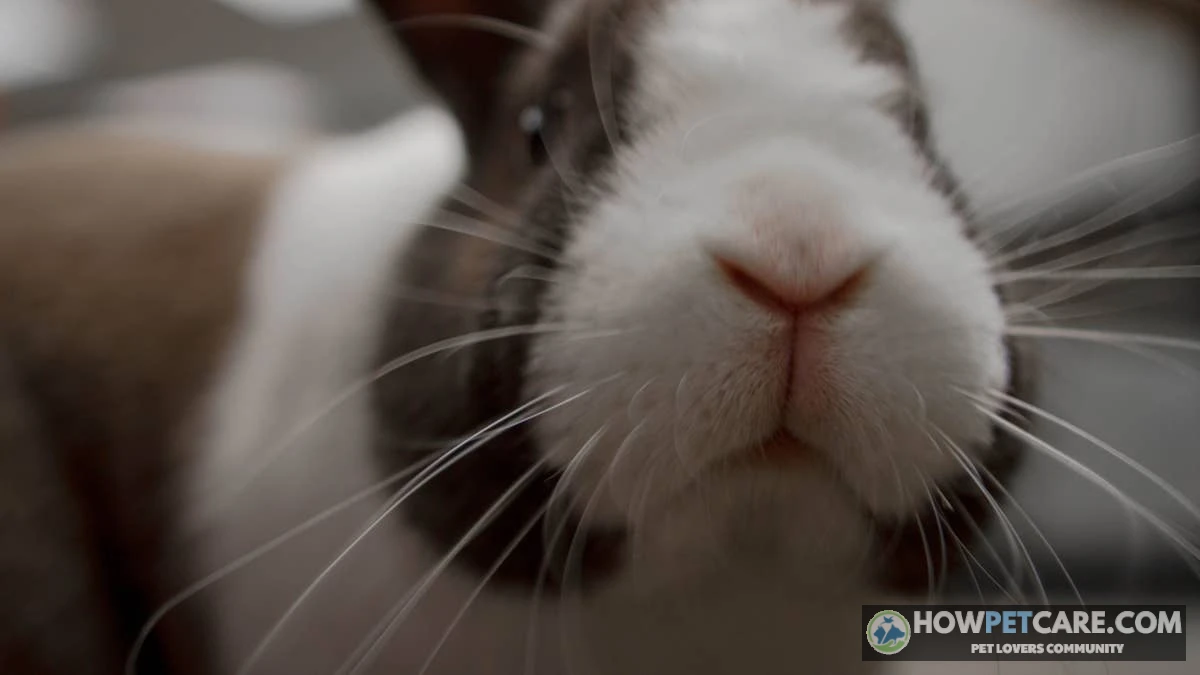

A healthy rabbit nose has clean, open nostrils, quiet effortless breathing, and normal eating and droppings; brief twitching or slight moisture can be normal. Seek emergency care for open-mouth breathing, blue or pale gums, collapse, or refusal to eat, and call a vet the same day for persistent discharge.
A rabbit’s nose usually twitches when it explores smells or reacts to its surroundings; a bit of surface moisture is also normal. The key signs to watch are clean nostrils, quiet breathing, and steady eating and behavior. If discharge won’t stop, sneezing repeats, or the rabbit’s appetite shifts, act quickly.
Rabbit nose symptoms: monitor, call a vet, or go now?
| Action | Nasal signs | Breathing | Appetite and posture | Next step |
|---|---|---|---|---|
| Emergency now | Discharge may be present or absent | Open‑mouth breathing, gasping, obvious effort, or pale/blue gums | Collapse, severe weakness, unresponsiveness, or refusal or inability to eat | Go to an emergency veterinarian immediately; call ahead if someone else can do so. |
| Same-day veterinary call | Persistent wetness or discharge; thick, colored, foul‑smelling, bloody, or one‑sided discharge; repeated sneezing or crusted forepaws | New whistling or rattling without obvious distress | Eating less, fewer or smaller droppings, a hunched posture, or unusual quietness | Call a rabbit‑experienced veterinarian today and describe all the signs. |
| Monitor and reassess | Slight occasional clear moisture or a brief sneeze that stops | Quiet and effortless | Eating and passing droppings normally; alert and comfortable | Remove a possible irritant, check again within a few hours, and reassess if signs persist, recur, or worsen. |
Emergency now
Open‑mouth breathing signals an urgent problem in a rabbit. Rabbits rely on nasal breathing; mouth breathing isn’t a normal response to a blocked nose. Also look for marked abdominal or chest effort, gasping, pale or blue gums, collapse, severe weakness, or refusal to eat. Any of these signs need immediate emergency care—don’t wait for an appointment or try home nasal treatments.
During transport, limit handling as much as possible. If you can, call the emergency clinic on the way to confirm they can treat a rabbit and to get directions to the right facility.

Same-day veterinary call
Contact a rabbit‑savvy veterinarian today if your rabbit has persistent clear discharge, or if the discharge becomes thick, colored, foul‑smelling, bloody, or appears in just one nostril. Also call if you see repeated sneezing, fur matted on the front paws, new breathing noises, reduced food intake, fewer droppings, or an unusually hunched posture.
Reduced appetite alone warrants a same‑day call, while refusing food completely or being unable to eat is an emergency. If the rabbit’s breathing becomes labored, treat it as an emergency rather than waiting for a scheduled callback.
Monitor and reassess
If your rabbit sneezes once after a hay change or has a brief clear moisture that disappears, you can observe it briefly as long as breathing, eating, droppings, and behavior stay normal. Remove any suspected irritant and re‑check within a few hours, then again the following day. Do not assume that ongoing clear discharge is harmless; contact a veterinarian the same day if it persists, returns, or is paired with other signs.

Healthy rabbit nose anatomy, moisture, and twitching
What a healthy nose looks and feels like
A healthy rabbit nose should have clean, open nostrils without discharge, crusting, or matted fur. Breathing should be quiet and comfortable. The surface may feel a little moist or fairly dry; either feeling alone isn’t a reliable health test. Compare it with how your rabbit’s nose normally looks, and also watch appetite and behavior.

Inside the nose, the nasal septum divides the cavity into left and right passages. Folded structures called turbinates help guide air through the nasal cavity. The nose serves both breathing and olfaction—the sense of smell—and its internal design separates airflow for respiration from airflow for scent detection.
Whiskers around the muzzle, known as vibrissae, help the rabbit sense its environment. The nictitating membrane is a separate structure—a third eyelid—not part of the nose. Eye and nose symptoms (such as a red eye in rabbits) can co‑occur because the nasolacrimal duct drains tears toward the nose.
Rabbits have a strong sense of smell, but claims that they have exactly 100 million scent receptors and smell 20‑times better than humans lack solid sourcing. Treat those figures as unverified rather than as established facts.
Why a rabbit’s nose twitches
Nose twitching helps keep the nostril area clear and aids in scent sampling. The movements become more obvious when a rabbit is alert, exploring, or interested in a smell. Even a resting rabbit may still twitch its nose; the pattern varies with each animal and its circumstances.

The chart below outlines common patterns rather than providing a diagnostic scale. Claims that link a specific number of wiggles per minute to a particular mood or illness aren’t backed by clinical research, so counting wiggles alone isn’t a useful tool. Watching the rabbit as a whole gives a better picture.
| Observed pattern | Possible context | What to check alongside it | When to seek veterinary advice |
|---|---|---|---|
| Little or no movement | Sleeping or resting deeply | Quiet breathing and normal response when gently roused | Not concerning on its own |
| Slow, intermittent movement | Resting or calmly observing | Normal posture, eating, and droppings | Call if other signs change or if you notice persistent discharge |
| Faster or more noticeable movement | Investigating food, a new scent, or a nearby change | Whether the rabbit settles and breathes comfortably | Call the same day if accompanied by discharge, repeated sneezing, or new breathing noise |
| Abrupt change with the rabbit appearing unwell | Possible pain, stress, or illness (not a definitive diagnosis) | Appetite, alertness, posture, and breathing effort | Emergency care for breathing distress or refusal to eat; otherwise call the same day for concerning changes |
When a nose stops twitching
Nose twitching may cease when a rabbit is asleep or deeply relaxed. A lack of movement alone doesn’t prove blockage or illness. Verify that breathing is easy and that your rabbit responds normally. If the rabbit is unresponsive, has breathing difficulty, or refuses food, seek emergency care rather than trying to restart the twitch.
Runny, wet, or stuffy nose: what the discharge can tell you
Snuffles and other respiratory infections
“Snuffles” is a lay term — see our guide to snuffles in rabbits — for a group of respiratory signs that include sneezing and nasal discharge; it isn’t a diagnosis of a single bacterium. An upper‑respiratory infection can cause rhinitis—inflammation of the nasal lining. Pasteurella multocida is one bacterium linked to rabbit respiratory disease, but other bacteria and non‑infectious problems can produce similar signs. A veterinarian may also consider organisms such as Bordetella bronchiseptica depending on the case.

Infections can spread between rabbits, so discuss separating an affected rabbit from companions—especially bonded partners—and cleaning shared equipment with your vet. Not every runny rabbit nose is contagious, and the right precautions depend on the suspected cause.
Transmission of Pasteurella to healthy people is rare and isn’t a routine risk from a sneezing rabbit. People with compromised immune systems should still practice careful hand‑washing and consult their health‑care provider about personal risks. Other pets can carry or be affected by specific organisms, so tell the vet about contact with additional animals rather than assuming all species face the same threat.
Dust, dental disease, foreign bodies, and nasal tumors
The table below lists possible causes and related signs to help shape a veterinary conversation. Infection can start with clear discharge, and several problems may coexist.
| Possible cause | Discharge pattern | One or both nostrils | Other clues | Why veterinary assessment may be needed |
|---|---|---|---|---|
| Bacterial respiratory infection | May begin clear and later become thick, white, yellow, or green | Either or both | Repeated sneezing, crusted forepaws, noisy breathing, occasional eye discharge | A vet can gauge severity and decide if testing and appropriate antibiotics are required. |
| Dust or environmental irritation | Typically clear and watery | Either or both | Sneezing after handling hay, cleaning products, smoke, or scents; otherwise normal behavior | Persistent or recurring signs may hide another underlying problem even if an irritant is present. |
| Dental disease | May be watery or thicker | Either, sometimes more evident on one side | Drooling, wet chin, picky eating, weight loss, or watery eye | Teeth and roots may need imaging; treating nasal signs alone can miss the real source. |
| Foreign body (e.g., hay fragment) | May be watery or blood‑tinged | Often apparent on one side | Sudden sneezing or pawing at the face | A vet may need to locate and safely remove the material. |
| Nasal tumor or other mass | Persistent discharge, sometimes bloody | May be more noticeable on one side | Gradually worsening signs or facial swelling | Imaging and possibly a tissue sample are needed to identify the mass and plan care. |

Dental disease and foreign material can contribute to chronic eye or nasal discharge in rabbits. A rabbit tumor is a possible cause, not the most likely explanation for every one‑sided runny nose. Equally, one‑sided discharge isn’t proof of a tumor or foreign body.
Discharge color, thickness, odor, and one‑sided symptoms
Note the exact appearance of any discharge: clear and watery, cloudy, white, yellow, green, blood‑tinged, sticky, or crusted. Record a foul odor even if the amount is small. Thick, colored, bloody, foul‑smelling, or persistent one‑sided discharge should prompt a same‑day vet call. Persistent clear discharge also deserves a call; color alone doesn’t indicate infection or breathing difficulty.
Safe home care for rabbit sniffles while arranging veterinary advice
There is no reliable rabbit runny nose home remedy that replaces a diagnosis. Gentle cleaning and an irritant‑free environment may make the wait more comfortable, but neither treats a blocked passage, dental disease, or an infection. Skip cleaning and leave for emergency care if breathing is difficult or the rabbit will not eat.
Clean crusted fur gently
If the rabbit is breathing comfortably and tolerates handling, gently clean only the exterior of the nose. Work slowly and support the rabbit without squeezing its chest. Stop if the rabbit struggles or becomes distressed.

-
Soften the crust
Moisten a clean, soft cloth or cotton pad with warm (not hot) water. Hold it lightly against the affected fur until the material loosens; avoid picking or pulling it off.
-
Wipe away from the nostril
Gently wipe outward and downward along the fur. Keep the cloth and your fingers outside the nostril; do not insert a cotton swab or other object.
-
Let the rabbit settle
Return the rabbit to a quiet, comfortable space. Monitor its breathing, eating, droppings, and any return of discharge, and report any changes to the veterinarian.
Saline and suction: only with veterinary guidance
Avoid flushing a rabbit’s nose at home unless a vet specifically advises it. If saline is recommended, use sterile, plain 0.9% saline without medication or additives, and follow the vet’s instructions for amount and placement. There is no one‑size‑fits‑all home rinse dose for every rabbit. Never force liquid into the nostril.
Suction is not routine care either. Use a bulb syringe only if a veterinarian has shown you how and recommends it for your rabbit. Follow the demonstration exactly, never inserting the tip into the nostril or persisting if the rabbit resists. If you can’t clear material safely, contact the clinic instead of trying more aggressive suction at home.
Avoid giving human cold medicines, leftover antibiotics, essential oils, or any unprescribed nasal drops. A medication that’s safe for another species can be harmful to a rabbit.
Remove airborne and scented irritants
Keep the rabbit away from smoke, aerosol cleaners, perfume sprays, plug‑in air fresheners, scented candles, and essential‑oil diffusers. Use unscented litter and minimize loose dust around hay and bedding, but do not cut the rabbit off from hay. Avoid spraying cleaners near the enclosure; let cleaned areas air out before returning the rabbit.

These steps reduce exposure to potential irritants; they do not prove that an irritant caused the symptoms. A rabbit that continues sneezing, develops discharge, or shows any appetite or breathing change needs the triage assessment above.
What a rabbit-savvy vet may test, treat, and charge
Exam and diagnostic options
A vet will typically listen to the chest, check breathing, inspect the nose and eyes, examine the mouth and teeth, weigh the rabbit, and review its eating and droppings. If possible, bring a short description or video of any intermittent signs—but never delay care to obtain one.
Based on what is found, the vet may suggest imaging to look at teeth, nasal structures, or a possible mass. A culture‑and‑sensitivity test identifies bacteria in a sample and guides antibiotic choice. Sample type matters: a surface nasal swab may miss organisms deeper in the passages. CT scanning can give more detail than standard X‑rays in select cases, often requiring sedation or anesthesia.
Approximate US cost ranges
The table lists illustrative planning estimates in U.S. dollars for 2026—not verified clinic rates or guaranteed quotes. Actual charges can fall outside these ranges, especially for emergency or referral care. Obtain a written, itemized estimate from the clinic before authorizing any non‑emergency procedures.
| Item | Approximate US range | What affects the price |
|---|---|---|
| Rabbit-experienced exam | $60–$150 | Location, specialist availability, and emergency fees |
| Culture and sensitivity | $80–$200 | Sampling method, laboratory charges, and whether sedation is needed |
| Skull or nasal X-rays | $150–$400 | Number of views and whether sedation is billed separately |
| CT scan | $800–$2,500 | Referral facility, anesthesia, imaging interpretation, and case complexity |
| Antibiotic course, if prescribed | $20–$80 | Medication, formulation, and duration |
| Dental treatment or foreign-body removal | $300–$1,500 or more | Procedure, anesthesia, imaging, and complications |
| Nasal or sinus surgery or tumor workup | $1,000–$4,000 or more | Referral care, hospitalization, tissue testing, and the required procedure |
An exam fee, medication, anesthesia, imaging interpretation, and follow‑up may not be included in a quoted procedure price. Ask which tests are urgent, what each result could change, and whether staged diagnostics, a referral, or payment options are available. Cost discussions should not delay emergency stabilization.
Treatment and recovery expectations
Treatment is tailored to the underlying cause. When a bacterial infection is suspected or confirmed, a vet may choose rabbit‑safe antibiotics such as enrofloxacin or trimethoprim‑sulfonamide, depending on the case. Some antibiotics are unsafe for rabbits, and the way they are given (oral, injectable, etc.) can affect safety. Never use leftover medication or alter a prescription without veterinary guidance.
If a foreign body is present, it may need surgical removal; dental disease often requires dental work; a mass may need further imaging or tissue sampling before treatment options are discussed. The length of therapy depends on the diagnosis and the rabbit’s response. Chronic or recurring conditions may need periodic reassessment rather than a single short course. Ask the vet what improvement to expect, when to report lack of progress, and whether a recheck appointment is advisable.
A rabbit nose action checklist for the next 24 hours
- Check emergency signs first. Seek immediate care for open‑mouth breathing, obvious breathing effort, pale or blue gums, collapse, severe weakness, unresponsiveness, or refusal/inability to eat.
- Document changes. Note when signs started, whether one or both nostrils are involved, and describe the discharge’s color, thickness, odor, and persistence. Record sneezing, breathing sounds, appetite, droppings, posture, and overall energy.
- Call a vet today when needed. Persistent discharge, repeated sneezing, new breathing noise, reduced appetite, or fewer droppings merit a same‑day veterinary call. Escalate immediately if breathing becomes difficult or eating stops.
- Record a short video if it’s safe. A clip of unusual noise or movement can aid the vet, but never delay emergency care to capture footage.
- Remove a suspected irritant and reassess. If the rabbit only had a brief sneeze or temporary clear moisture and all other signs are normal, eliminate dust or fragrance and re‑evaluate within a few hours. Contact the vet if symptoms persist, return, or worsen.
- Prepare for the appointment. Inform the clinic about any other rabbits or pets, current medications, recent environmental changes, and any past dental or respiratory issues.

1Why is open-mouth breathing considered an immediate veterinary emergency in rabbits?
Rabbits are obligate nasal breathers, so open-mouth breathing indicates severe respiratory failure or obstruction that requires immediate emergency care.
2Which anatomical structure connects the eye and nasal cavity, explaining why eye discharge and nasal symptoms frequently co-occur?
The nasolacrimal duct drains tears from the eyes into the nasal cavity, creating a direct path for symptoms to overlap.
3How should claims that rabbits possess 100 million scent receptors and smell 20 times better than humans be evaluated?
The text explicitly notes that specific numerical figures regarding rabbit olfactory receptors lack established research backing and should be treated as unverified.
4What is the medical definition of 'snuffles' in rabbits?
Snuffles is an informal umbrella term for upper respiratory signs rather than a single specific medical diagnosis.
5If a rabbit exhibits persistent clear discharge from only one nostril, what is the appropriate triage step?
Persistent or one-sided discharge merits a same-day veterinary call because it can stem from dental problems, infection, or foreign material.
6Which guideline should be followed when performing safe home cleaning of crusted fur around a rabbit's nose?
Safe home care limits cleaning strictly to the exterior fur using plain warm water to avoid pushing debris inside or causing trauma.
7How do triage recommendations distinguish between a reduced appetite and a complete refusal to eat?
A decline in food intake warrants prompt consultation, but total cessation of eating quickly leads to severe systemic decline requiring immediate emergency care.
8What is a major diagnostic limitation of taking a surface nasal swab during a bacterial culture and sensitivity test?
A superficial swab often collects normal surface bacteria while missing the actual infectious organisms deep inside the turbinates or sinuses.
9What approach should be taken regarding hay when attempting to eliminate environmental nasal irritants?
Reducing loose particulate matter helps minimize irritation while maintaining the indispensable dietary fiber that hay provides.
10What does a complete lack of nose twitching signify in a deeply resting rabbit?
Nose movement naturally decreases or stops when a rabbit is calm or sleeping, so lack of twitching alone does not indicate illness.
| Procedure or Item | Approximate US Cost Range | Factors Affecting Price |
|---|---|---|
| Rabbit-experienced exam | 60–150 | Location, specialist availability, and emergency fees |
| Culture and sensitivity | 80–200 | Sampling method, laboratory charges, and whether sedation is needed |
| Skull or nasal X-rays | 150–400 | Number of views and whether sedation is billed separately |
| Antibiotic course, if prescribed | 20–80 | Medication, formulation, and duration |
| Dental treatment or foreign-body removal | 300–1,500 or more | Procedure, anesthesia, imaging, and complications |
| CT scan | 800–2,500 | Referral facility, anesthesia, imaging interpretation, and case complexity |
| Nasal or sinus surgery or tumor workup | 1,000–4,000 or more | Referral care, hospitalization, tissue testing, and the required procedure |
FAQ
Is a rabbit’s nose twitching at rest normal?
Usually, yes. Nose movement varies with alertness, activity, and scent investigation; twitch speed alone is not a reliable illness test.
Can snuffles spread to people or other pets?
Rabbit respiratory infections can spread between rabbits, so ask your vet about separating affected animals and hygiene. The risk to people or other species depends on the organism involved; do not assume every runny nose is contagious.
Which antibiotics are used for rabbit snuffles?
A rabbit-savvy vet selects treatment based on the suspected organism, exam, and sometimes culture results. Never give leftover or human antibiotics: some drugs that are safe in other animals can be dangerous to rabbits.
Can dusty hay or scented products cause rabbit sneezing?
Dust, smoke, sprays, air fresheners, and scented litter can irritate nasal passages and trigger sneezing. Remove likely irritants, but seek veterinary advice if symptoms persist, recur, or include discharge or breathing changes.