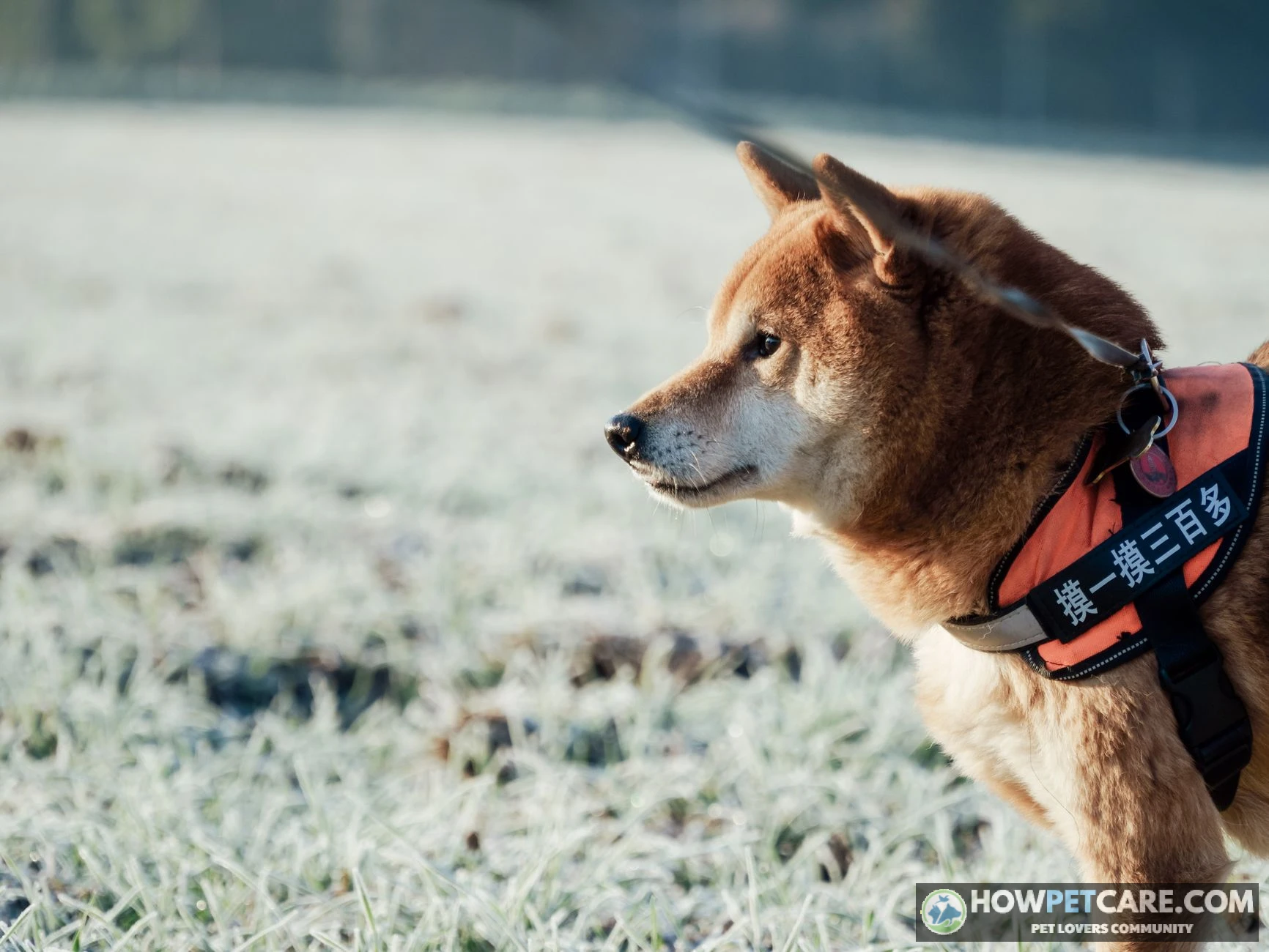

The Shikoku Inu is a rare, medium-sized Japanese hunting dog from Kochi Prefecture—athletic, loyal, and independent, with a strong prey drive. In the US, puppies typically cost in the low-to-mid thousands of dollars, and buyers should expect waitlists, breeder vetting, and 60–90 minutes of daily exercise.
Shikoku Inu at a Glance: Who This Dog Is and Who It Fits
The Shikoku Inu is a medium-sized Japanese spitz-type hunting dog developed in the mountains of Kochi Prefecture. One of Japan’s six native Nihon Ken breeds, it is exceptionally uncommon outside Japan. In the right household, its athleticism, close bond with its people, and alert nature can be rewarding. But it’s a risky choice for someone seeking an easy first dog, a reliably off-leash companion, or a safe match for free-roaming small pets.
A Shikoku needs daily activity, thoughtful training, and secure management around wildlife. A fenced yard helps, but it doesn’t replace walks and enrichment. Before joining a waitlist, plan for the cost of a dog that is difficult to find and whose US purchase price typically lands in the low-to-mid thousands of dollars.
| Quick fact | Shikoku Inu |
|---|---|
| Origin | Kochi Prefecture, Shikoku island, Japan |
| Original role | Mountain hunting, including wild boar |
| Adult height | Approximately 17–22 inches at the shoulder |
| Adult weight | Approximately 35–55 pounds |
| Coat | Dense double coat; sesame, red sesame, or black sesame |
| Lifespan estimates | Sources differ: 10–12 and 13–15 years are both published estimates |
| Best fit | An active household prepared for independent behavior and prey-drive management |
| US availability | Rare; expect to research breeders and consider a waitlist |
Budget reality: No single authoritative source publishes a US price range for this rare breed, but responsible-breeder quotes generally land in the low-to-mid thousands of dollars; get each quote in writing rather than treating an unsourced online price as typical. As an illustrative planning exercise—not a market quote—a $3,000 purchase plus $2,500 in first-year expenses and $2,000 a year for 14 more years totals $33,500 over 15 years, before major emergencies or import costs.
Shikoku Inu, Shikoku Ken, Kochi Ken: One Dog, Three Names
Where the names come from
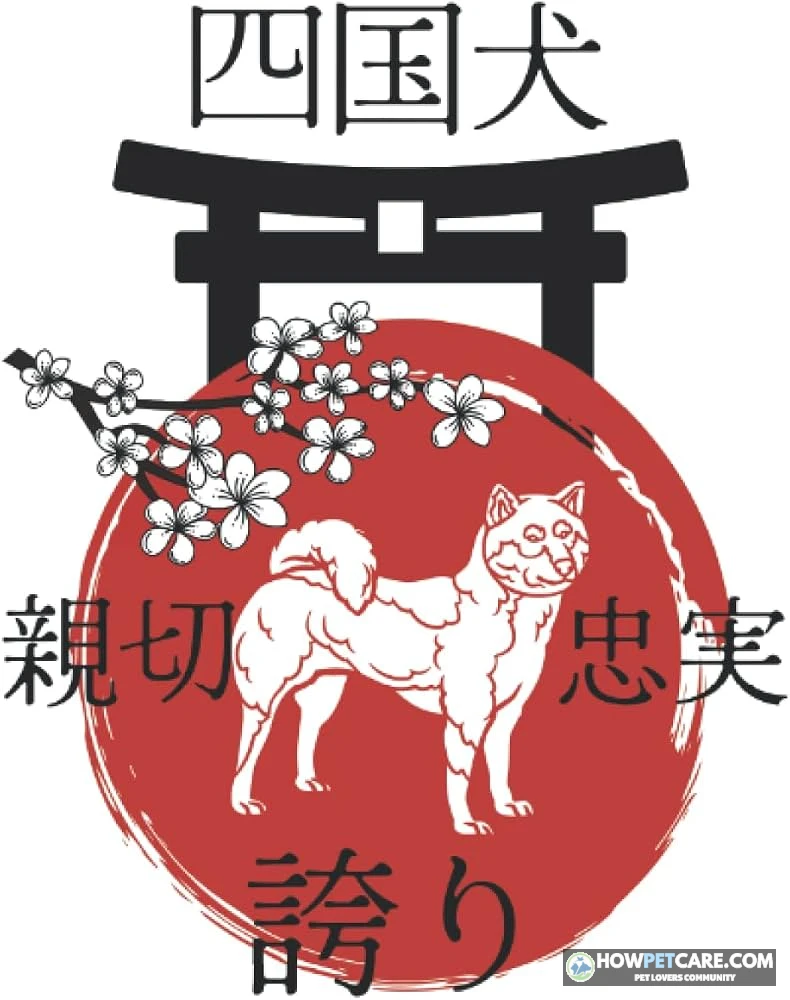
Shikoku Inu and Shikoku Ken refer to the same breed. Both inu and ken mean “dog” in Japanese. Kochi Ken, sometimes rendered Kochi Inu, is an older regional name associated with the prefecture where the breed developed. A name variation alone doesn’t establish a dog’s pedigree: check the registration and the actual dogs behind it.
You may see the breed called simply Shikoku in registry material, including the Fédération Cynologique Internationale’s FCI Standard No. 319. NIPPO, the Japanese organization devoted to preserving native Japanese dogs, uses the name Shikoku Ken. Some informal descriptions call the dog a “Japanese wolfdog,” but the Shikoku is a domestic dog, not a wolf hybrid.
Search results for “Shikoku Inu” can also include an unrelated cryptocurrency token. A token’s price has nothing to do with the cost of a dog.
Origin in Kochi Prefecture and the boar-hunting heritage
The Shikoku developed as a hunting dog in the mountainous areas of Kochi Prefecture on Shikoku island. Its history includes hunting wild boar over difficult terrain, helping explain why endurance and alertness matter more to an owner than the breed’s striking appearance alone.
Three historical regional lines are commonly named: Awa, Hata, and Hongawa. The remote Hongawa area is traditionally associated with especially well-preserved bloodlines, but that history isn’t a reason to accept an unsupported claim that a modern puppy is healthier or more authentic. The breed was designated a Japanese natural monument in 1937.
Appearance and Size: What the Breed Standard Actually Says
Size and weight by sex
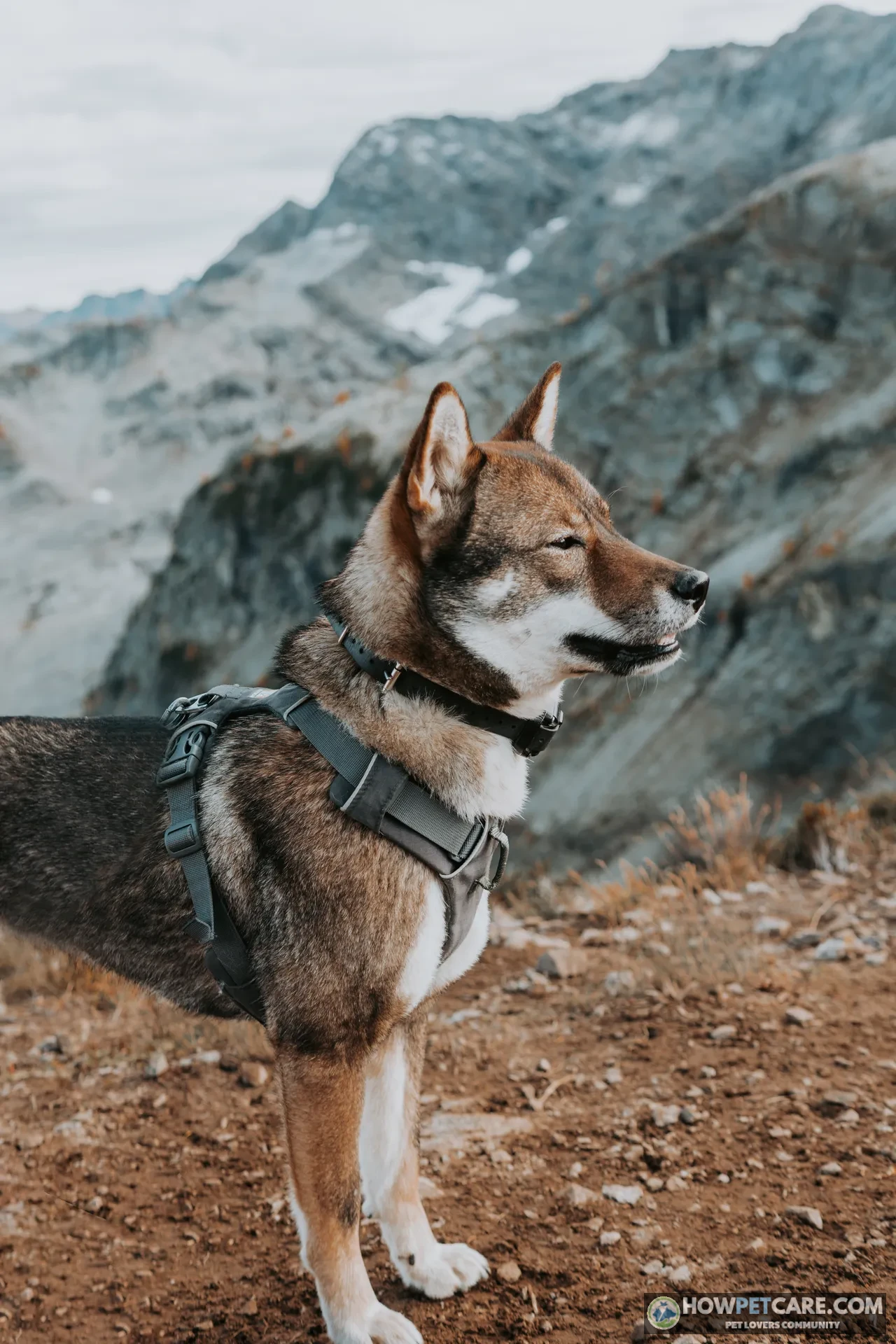
A Shikoku is larger and longer-legged than a Shiba Inu, but much smaller than many Akitas. A practical adult estimate is 17–22 inches at the shoulder and 35–55 pounds, though individuals vary.
The FCI standard gives ideal shoulder heights of 52 centimeters for males and 49 centimeters for females, with a tolerance of 3 centimeters in either direction. That is about 20.5 inches for males and 19.3 inches for females, before applying the tolerance. These are standard reference points, not a promise of how large a particular puppy will grow. Ask to see the parents and discuss their adult sizes with the breeder.
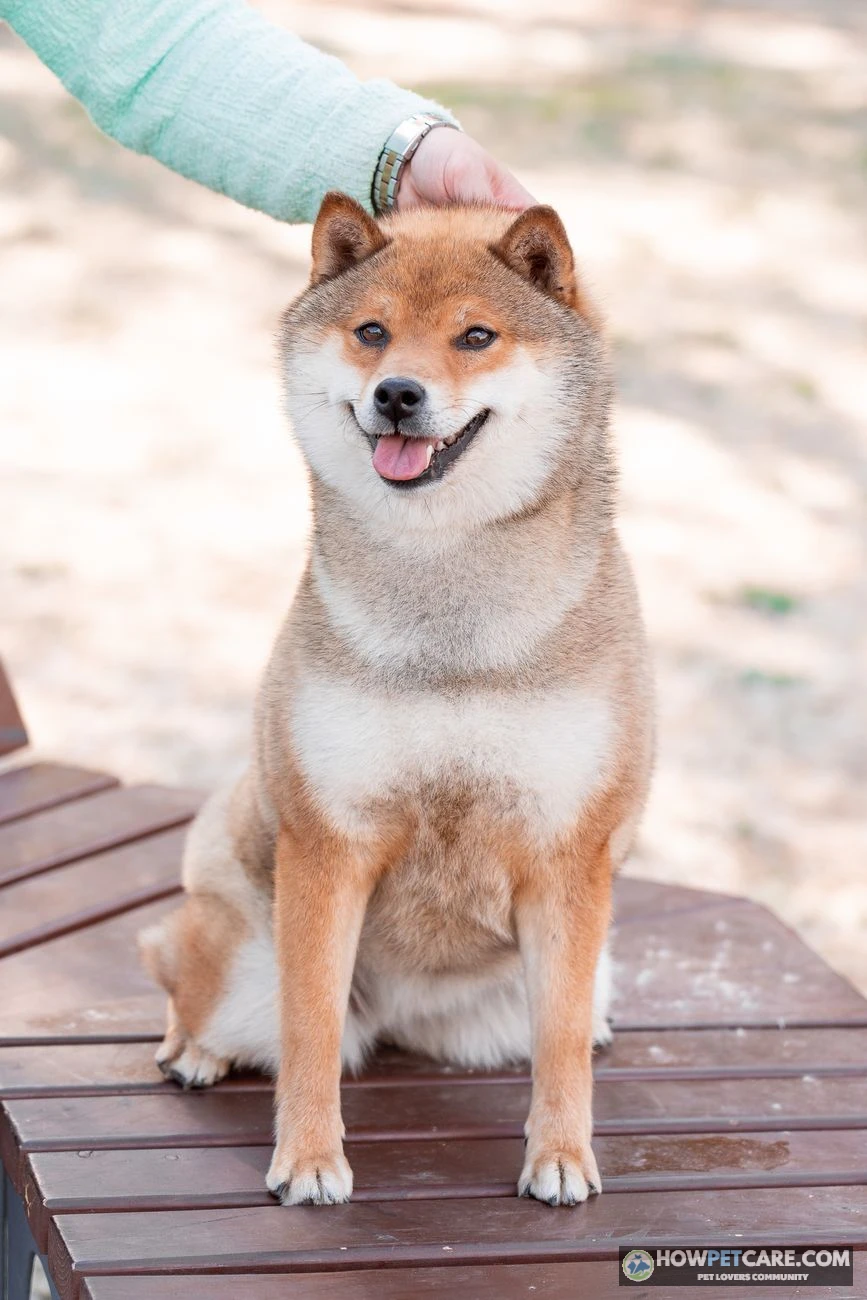
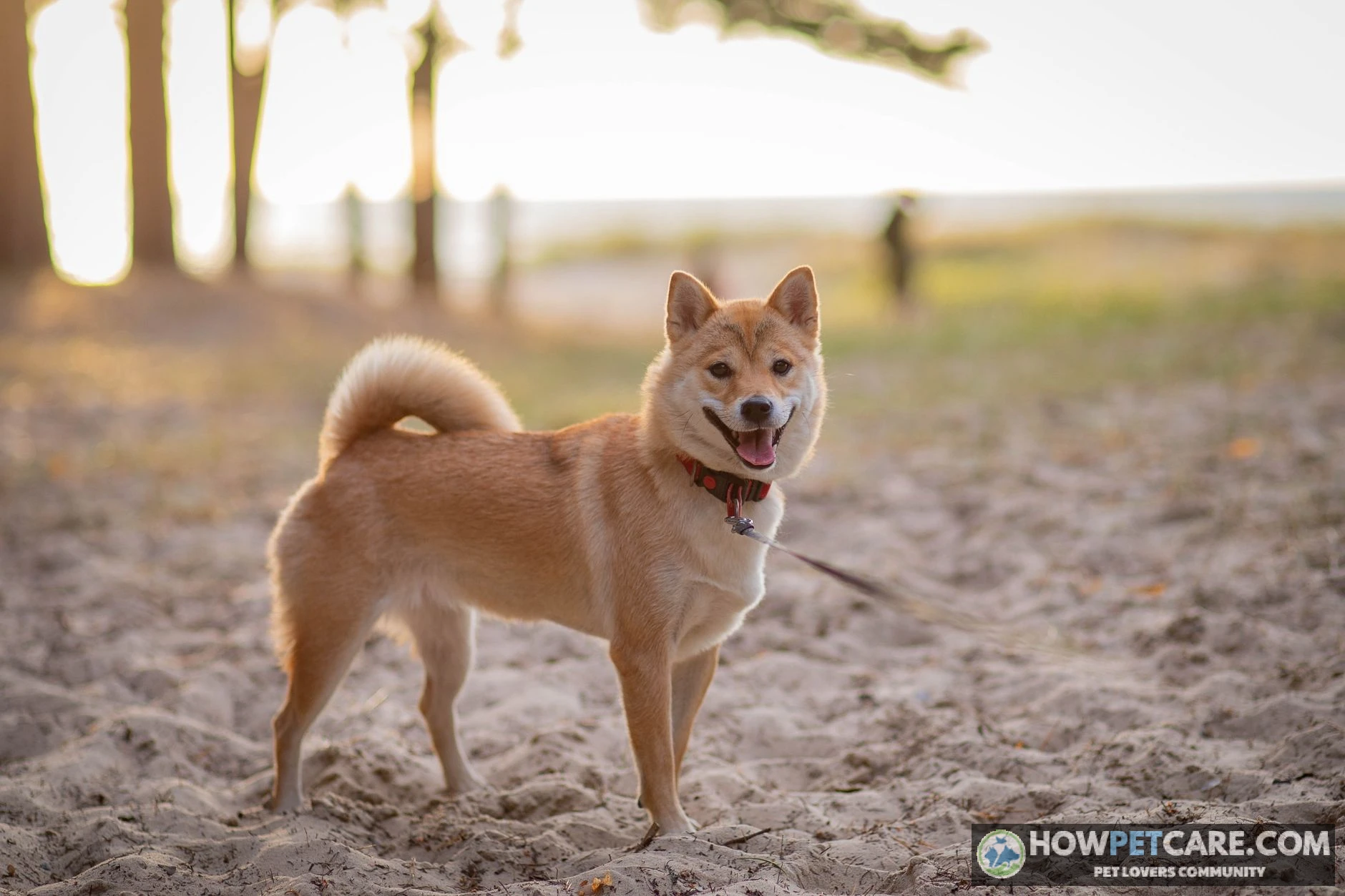
Look for a balanced, athletic dog with upright triangular ears, a curled or sickle-shaped tail, and a weather-resistant coat. The standard describes a shoulder-height-to-body-length ratio of approximately 10:11.
Coat colors and texture
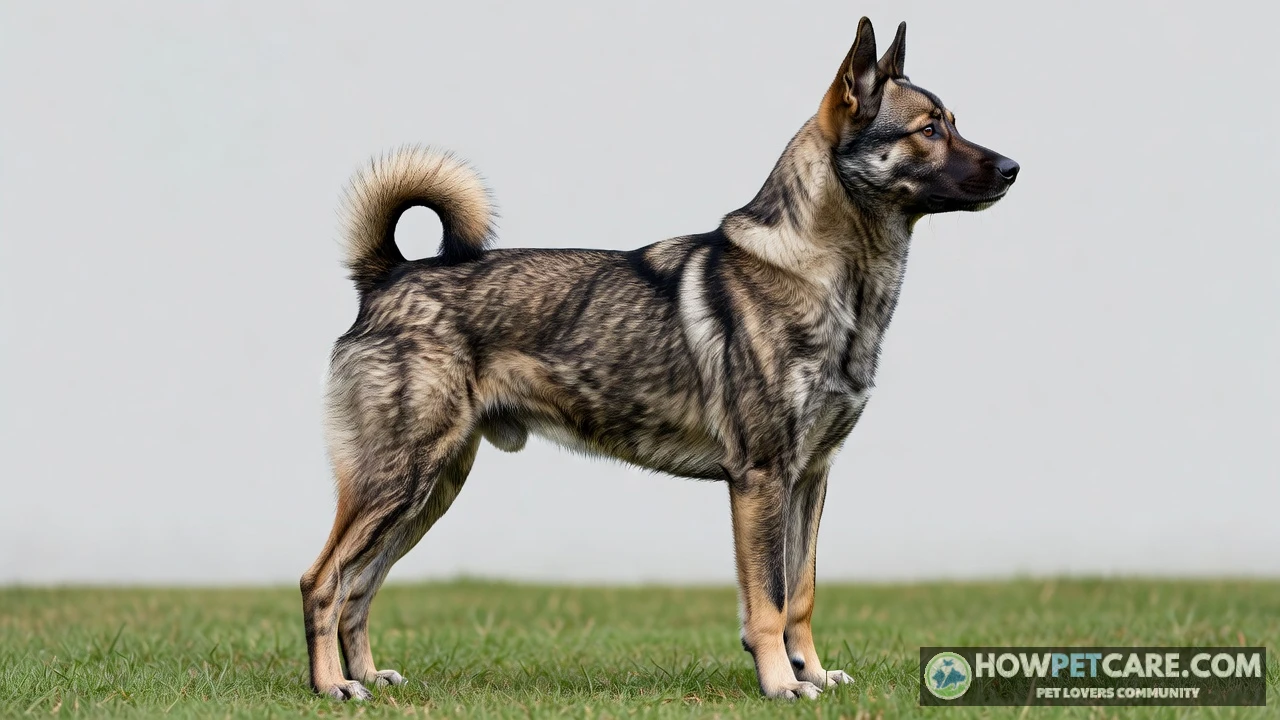
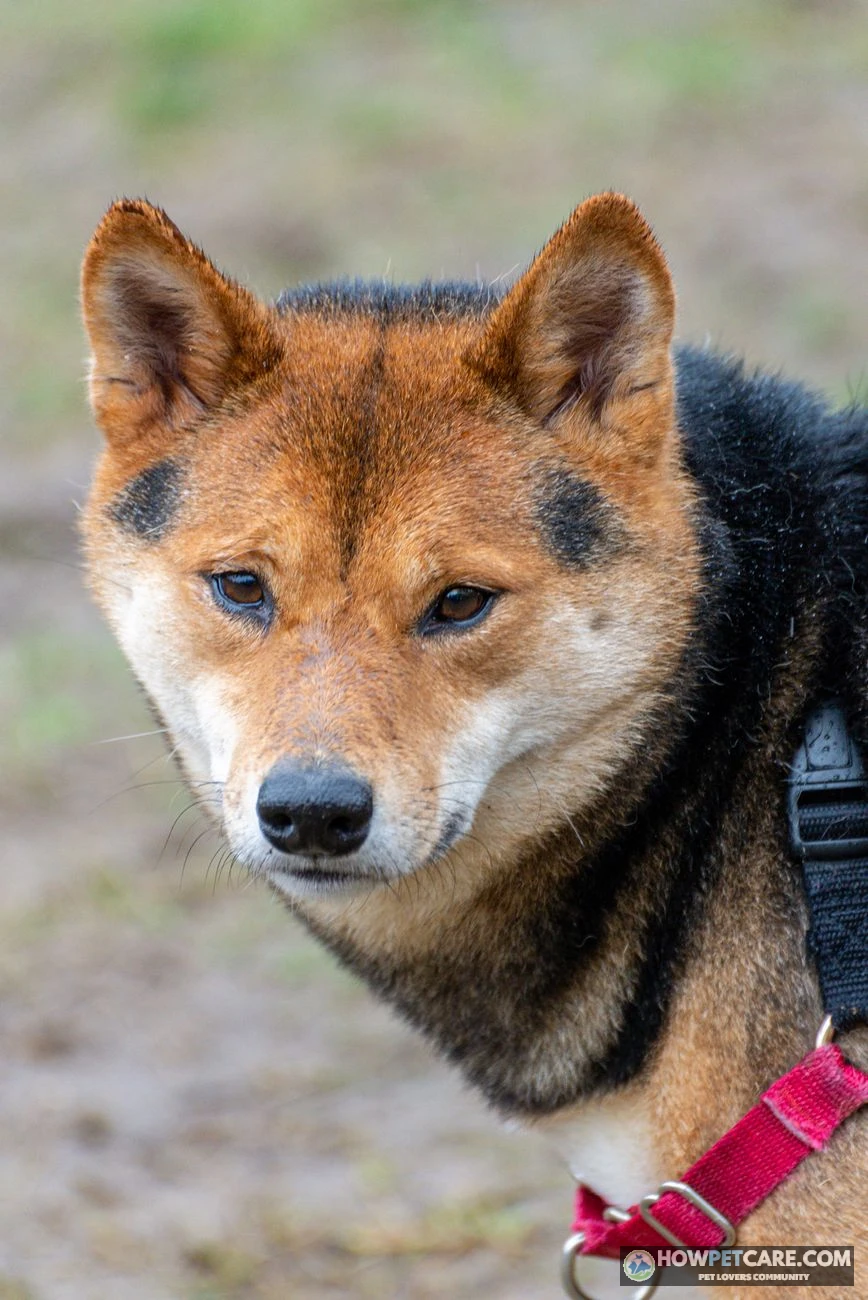
The Shikoku’s double coat has a straight, harsh outer layer and a soft, dense undercoat. Standard colors include sesame, red sesame, and black sesame. Broadly, sesame describes a mixture of light and dark hairs, while the red and black versions have a stronger red or black influence.
Lighter urajiro markings appear in characteristic areas, including the muzzle, cheeks, chest, underside, and inner legs. NIPPO’s preservation approach and Western registry standards both help describe breed type, but a pet buyer should prioritize health, temperament, and responsible placement over a precise shade of sesame.
The coat sheds, with periods of heavier seasonal shedding that mean more brushing and more loose hair in the home. No double-coated dog should be marketed as guaranteed hypoallergenic.
Shikoku Inu vs Shiba Inu, Akita and the Other Nihon Ken Breeds
Shikoku vs Shiba: the practical differences
Both breeds are independent Japanese spitz-type dogs, but the Shikoku’s larger frame and hunting background call for more room in the household budget and a serious exercise plan. Breed descriptions often portray the larger Shikoku as responsive to its owner; individual personalities and training histories still matter.
| Trait | Shikoku Inu | Shiba Inu |
|---|---|---|
| Adult size | About 17–22 inches and 35–55 pounds | Smaller; check the applicable breed standard and parents |
| Build and role | Medium-sized mountain hunting dog with notable stamina | Smaller native Japanese hunting breed |
| Activity | Plan for substantial daily exercise and enrichment | Still active; smaller size does not eliminate exercise or training needs |
| Training | Independent, with prey-drive management a priority | Also independent; recall and socialization need work |
| Finding one in the US | Rare outside Japan; breeder research may take time | Generally easier to locate, though responsible breeders still need vetting |
| Price | Low-to-mid thousands of dollars is a practical planning range; get written quotes | Request current quotes; do not assume a smaller dog is inexpensive |
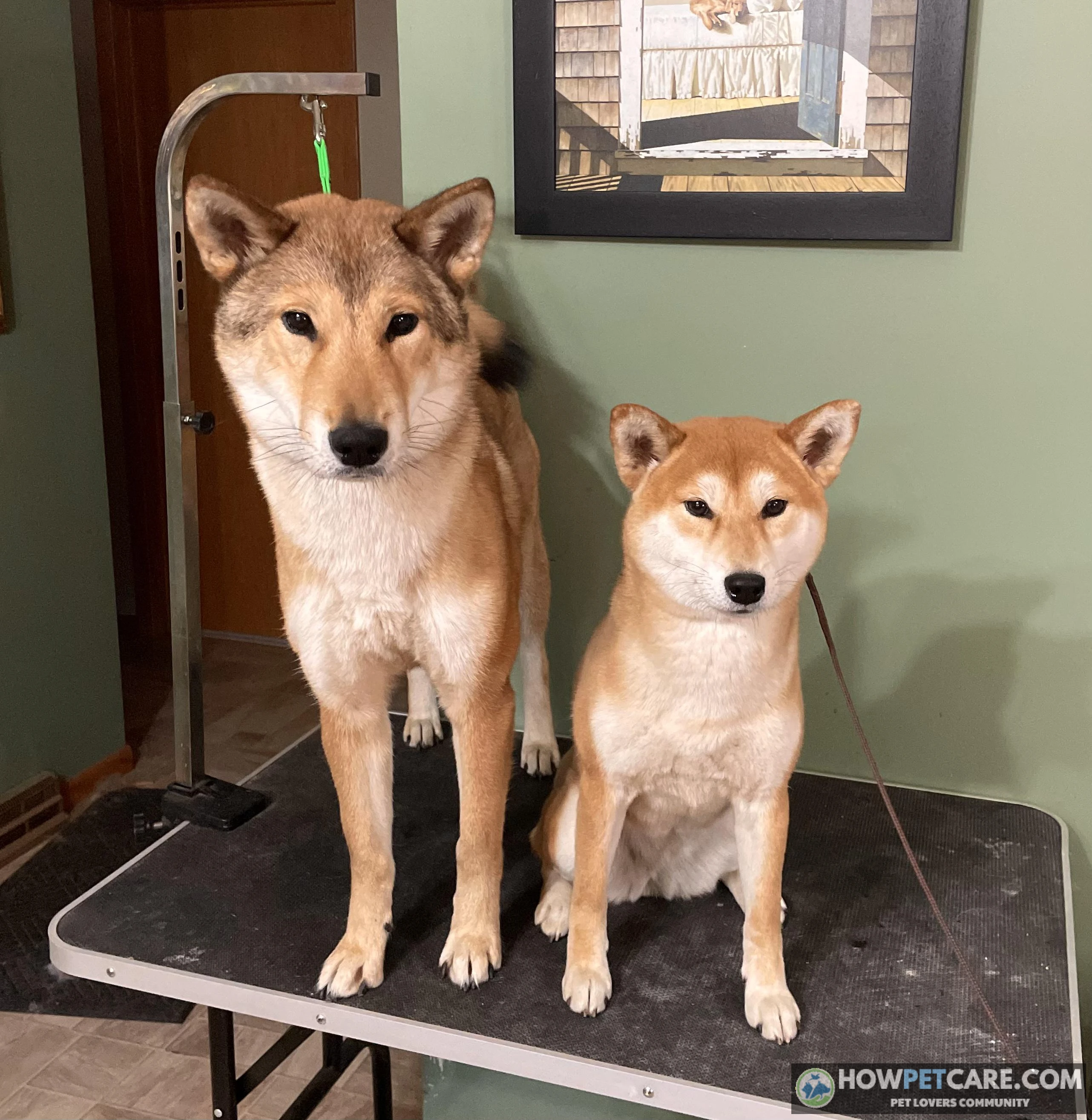
Six native Japanese breeds side by side
The six Nihon Ken share a broad heritage, but their personalities aren’t interchangeable. Use the table as a starting point for research, not a prediction about an individual dog. Height, weight, and lifespan ranges for the other breeds are deliberately omitted where the supplied evidence doesn’t establish them.
| Breed | Origin region | Height and weight | Temperament and energy | Typical lifespan | US availability | Best suited for |
|---|---|---|---|---|---|---|
| Shikoku | Kochi, Shikoku island | About 17–22 in; 35–55 lb | Alert hunting dog; plan for endurance and prey drive | Published estimates span 10–15 years | Rare | Active owners ready for secure handling |
| Shiba Inu | Japan | Small; verify the current standard | Bold and independent | Check a breed-specific source | More readily found than Shikoku | Owners wanting a smaller dog and accepting independent training |
| Akita Inu | Akita region | Large; standards vary by registry and type | Strong, watchful dog requiring careful management | Check a breed-specific source | Available through established breed channels | Experienced owners prepared for a large dog |
| Kai Ken | Former Kai province | Medium; verify the current standard | Active, often reserved hunting breed | Check a breed-specific source | Rare | Owners interested in a brindle-coated native breed |
| Kishu Ken | Kii Peninsula | Medium; verify the current standard | Hunting heritage; individual activity needs vary | Check a breed-specific source | Rare | Owners seeking a medium hunting breed and willing to research it |
| Hokkaido | Hokkaido island | Medium; verify the current standard | Active, sturdy native breed | Check a breed-specific source | Very rare | Experienced owners willing to plan around limited availability |
An Akita’s greater size can make handling and housing more demanding than a Shikoku’s. A Shiba may be easier to find and house in a smaller space, but it isn’t automatically an easy first dog. Kai Ken, Kishu Ken, and Hokkaido can be just as challenging to locate; meet adults of any breed before assuming it’s a quieter or lower-risk substitute.
Shikoku Inu Temperament: Family Fit, Kids, Pets and First-Time Owners
Is a Shikoku Inu a good family dog?
A Shikoku can be a good family dog for a household that enjoys training and respects the dog’s boundaries. Given the breed’s hunting heritage and alertness, plan for interest in moving animals and a cautious response to unfamiliar sights or people. A close bond with family doesn’t mean every Shikoku will enjoy every visitor or dog.
With children, supervision matters more than a breed label. Teach children not to chase, corner, hug, or disturb a resting dog, and give the dog an escape route and a quiet place of its own. These rules may be easier to maintain in a home with older, respectful children than in one with toddlers.
Cats, rabbits, chickens, and other small animals require particular caution. Some individual dogs may coexist with cats, but puppy socialization doesn’t guarantee against predatory behavior. If you can’t provide reliable physical separation when needed, choose a different dog. Introduce resident dogs carefully and be prepared for selective compatibility, including possible same-sex conflict.

Is it a good first dog?
Usually, a Shikoku is not the easiest choice for a first-time owner. Its size, independence, and hunting instincts present challenges, while its rarity can make knowledgeable local support harder to find. A first-time owner with realistic expectations, an experienced reward-based trainer, and a suitable home may still succeed, but shouldn’t choose the breed for looks alone.
A dog that responds beautifully in class may still chase wildlife outdoors. Use a secure leash, long line, or safely enclosed area rather than assuming training will make unfenced off-leash exercise safe.
Socialization and training approach
Start puppy socialization early, using calm, positive exposure rather than forcing the puppy to greet everyone. Ask your veterinarian how to balance exposure with vaccination risk, and look for a well-run puppy class that checks health requirements.
Introduce different surfaces, traffic sounds, gentle handling, cooperative grooming, and people at a distance the puppy can manage. Reward voluntary attention and relaxed behavior. Short sessions of recall practice, leash walking, and settling on a mat are more useful than repeated confrontations.
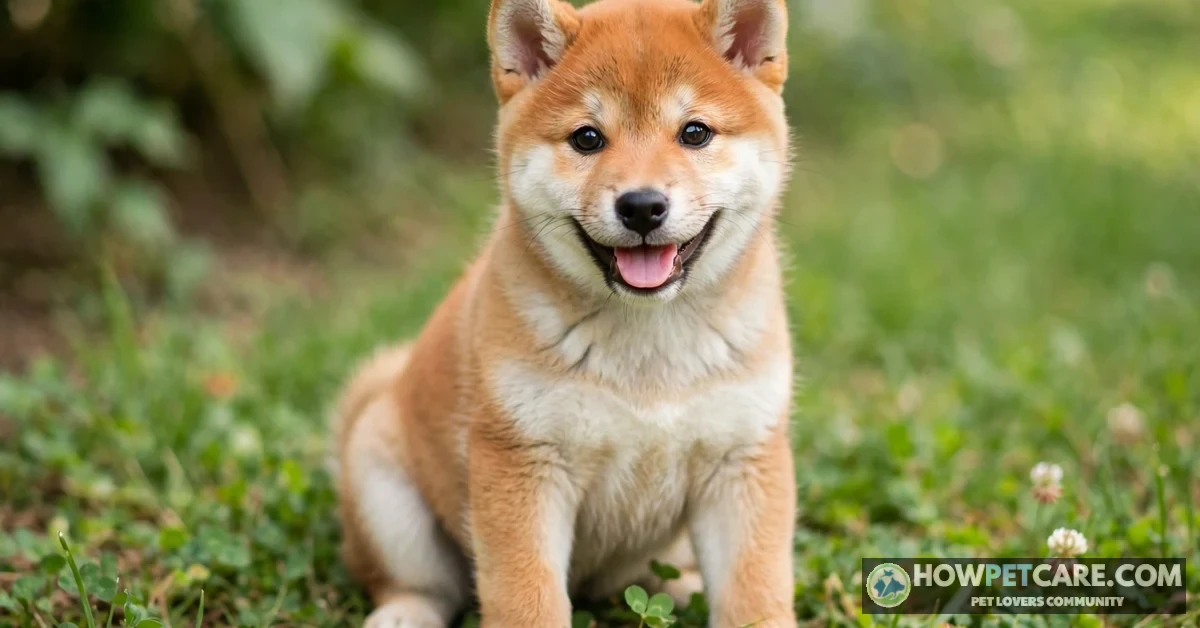
For barking, first identify the trigger. Window film, moving a resting spot away from the front window, and rewarding a quiet response can reduce rehearsals of alarm barking. If the dog becomes fearful, reactive, or difficult to settle, seek a qualified reward-based professional rather than escalating punishment.
Lifespan, Health Problems and the Screenings to Demand From a Breeder
10–12 or 13–15 years? Why the numbers disagree
Published lifespan figures conflict: the American Kennel Club has listed 10–12 years, while The Spruce Pets has listed 13–15 years. These estimates come from different sources; they don’t prove that one is a measured average and the other is wrong. The evidence supplied here doesn’t establish how either figure was calculated, so attributing the difference to specific bloodlines or survivor bias would be speculation.
For a household decision, plan for care through the longer end of the published range—and recognize that an individual dog may live a shorter or longer life. A 15-year budget is safer than treating every year after 12 as an unexpected bonus.
What the 2025 AKC Hound Group change means
The Shikoku entered the AKC Foundation Stock Service in 2014, and its group designation changed from Working to Hound in July 2025. The FSS is a record-keeping program for breeds still developing toward AKC recognition; the group designation does not by itself mean the breed is fully AKC-recognized or eligible for ordinary Hound Group championship competition.
The Hound designation is consistent with the breed’s hunting history, but the available evidence doesn’t establish AKC’s stated reason for the change. For a pet owner, the dog’s exercise, training, and health needs didn’t change with the classification. Check current AKC rules directly if you want to enter a particular event.
Health testing checklist for buyers
Discuss hip dysplasia and reported neurological concerns, including idiopathic epilepsy, with the breeder and your veterinarian. Ask about eye, knee, skin, and allergy problems in the family without assuming that any condition is common or inevitable. Data on a rare breed may be limited, and a clean-looking puppy isn’t proof of healthy relatives.
Request documentation for both parents, and ask which tests the breed’s current health advisers recommend:
- Hip evaluation: Ask for Orthopedic Foundation for Animals results or another recognized hip assessment, the registered names, and the age at evaluation.
- Eye examination: Ask whether a veterinary ophthalmologist has performed a recent examination and whether a Companion Animal Eye Registry, or CAER, result is available.
- Patella evaluation: Ask whether the parents’ kneecaps have been evaluated and why the breeder did or didn’t include this test.
- DNA testing: Ask which breed-relevant tests are available, what the results mean for the proposed pairing, and what a DNA panel can’t rule out.
- Family history: Ask about seizures, orthopedic problems, causes of death where known, and the health of close relatives—not just the parents.

Verify public OFA records yourself where available. A veterinary check, a registration certificate, or a statement that a dog is “DNA clear” isn’t a substitute for reviewing the appropriate individual results. Testing reduces uncertainty; it doesn’t guarantee a healthy puppy.
Daily Care Targets: Exercise, Grooming, Feeding and Apartment Living
Exercise and enrichment routine
For a healthy adult, 60–90 minutes of daily activity is a reasonable starting plan, not a studied breed minimum. Split it between walks, secure play, and activities such as scent searches. Add short training or food-puzzle sessions and adjust for the dog’s age, fitness, weather, and veterinary advice.
For example, try a 30-minute morning walk, a 30-minute evening walk, and a short scent game or secure play session. Puppies need age-appropriate activity and rest rather than an adult endurance schedule; ask your veterinarian about exercise while a puppy is growing. Avoid forced running with a young dog.
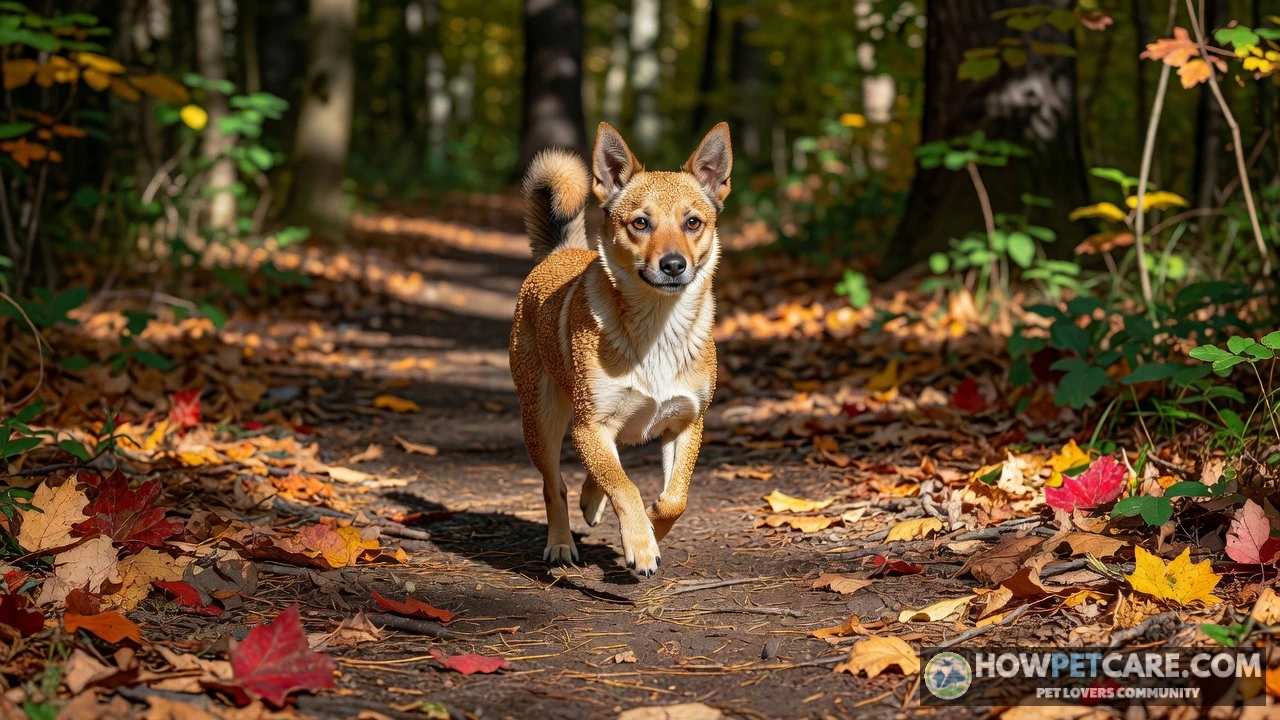
A secure yard is useful, but check gates, fence condition, and possible digging routes. A 5- to 6-foot fence can be a practical starting point for discussing containment; it isn’t an escape-proof guarantee. Supervision and a long line may still be necessary.
Grooming schedule and tools
Brush once or twice a week as a starting routine, increasing to daily during heavy seasonal shedding if needed. A slicker brush or appropriately sized undercoat tool can help remove loose hair; work gently to avoid irritating the skin or damaging the coat.
Bathe the dog when dirty or when the coat needs it rather than on a rigid schedule. Check nails regularly and trim as needed; many dogs need attention roughly every few weeks. Brush teeth regularly with dog-safe toothpaste and ask your veterinarian about a dental-care plan. The Shikoku sheds and isn’t a dependable choice for someone seeking a low-allergen dog.
Feeding portions by weight
Calorie needs depend on the individual dog, not breed alone. As a starting calculation, use the standard resting-energy formula, 70 × body weight in kilograms raised to the 0.75 power, then discuss an appropriate activity and neuter-status multiplier with your veterinarian. For illustration, using approximately 1.4–1.8 times resting energy gives:
| Adult weight | Approximate starting calories per day |
|---|---|
| 35 lb | 780–1,000 kcal |
| 45 lb | 950–1,220 kcal |
| 55 lb | 1,100–1,410 kcal |
These are calculated examples, not feeding prescriptions. Puppies, pregnant dogs, dogs with medical conditions, and unusually active or sedentary adults need individualized guidance. Divide the daily allowance into meals, count treats, monitor body condition, and adjust with your veterinarian.
To estimate portions, divide the daily calorie target by the food’s calories per cup. For example, 1,000 kcal per day ÷ 400 kcal per cup = 2.5 cups per day, including any food used for training. Check the actual label: foods differ substantially in calorie density.
Can a Shikoku live in an apartment?
Yes, potentially—but square footage matters less than the daily plan. An apartment resident needs reliable exercise in all weather, secure leash habits, enrichment, and a way to manage barking around neighbors. A building close to wildlife or with crowded elevators may require additional training and careful scheduling.
Don’t assume an adult can immediately stay alone for a full workday. Build alone time gradually and arrange a midday break if needed. If the dog can’t settle, damages doors, or shows distress when left, consult a veterinarian or qualified behavior professional.
Shikoku Inu Puppy Price and the Real Cost of Ownership in the US
What a puppy costs and why
The honest answer to “How much does a Shikoku Inu puppy cost in the US?” is to budget for the low-to-mid thousands of dollars, then verify with written quotes. The breed is rare outside Japan, so a small number of advertised prices may not represent the market. A quote can also reflect health testing, pedigree, transport, and what the breeder includes.
Contact more than one responsible breeder where possible. Ask for the total price in US dollars, what’s included, whether a deposit applies, and whether that deposit is refundable or transferable if a litter doesn’t occur. Get the answers in writing before paying. A deposit isn’t a guarantee of a puppy on a particular date.
Be wary of a seller who won’t identify the parents, discourages independent verification, pressures you to send money immediately, or offers to ship an unusually cheap puppy without a meaningful conversation. Registration papers alone don’t prove responsible breeding.
First-year and lifetime budget
The following table is an illustrative household budget, not a survey of Shikoku breeders or a verified US price list. Replace every assumption with local quotes. It excludes major medical emergencies, significant fencing work, and importing.
| Cost category | First-year estimate | Ongoing annual estimate | Notes |
|---|---|---|---|
| Purchase | $3,000 assumed | $0 | Example only; actual breeder quotes may differ substantially |
| Food and routine supplies | $800 assumed | $800 assumed | Food, treats, replacements, and basic grooming supplies |
| Routine veterinary care | $700 assumed | $700 assumed | Actual costs depend on location and services |
| Training and equipment | $600 assumed | $200 assumed | Classes, leash, harness, and continuing training |
| Insurance, boarding, and other care | $400 assumed | $300 assumed | Highly variable; insurance may have deductibles and exclusions |
| Total | $5,500 | $2,000 | Add the actual purchase price, emergency fund, and any import expenses |
Using those assumptions, the calculation is $5,500 for year one + 14 × $2,000 = $33,500 over 15 years. This illustrates the arithmetic; it doesn’t predict your bill. Ask local veterinary practices, insurers, trainers, and boarding providers for estimates; add a contingency for illness or injury, and revise the calculation for inflation and your dog’s needs.
Ask whether the quoted purchase price includes initial veterinary care, identification, registration paperwork, and any transport. Compare contract terms as well as the amount due.
How to Find a Shikoku Inu in the US: Breeders, Rescue, Waitlists and Import
Vetting a US breeder
Start with breed organizations and registry resources, including AKC Foundation Stock Service, the United Kennel Club, and NIPPO-affiliated contacts. They can help you identify people to investigate, but a registry listing or membership is not an endorsement. The Shikoku is rare outside Japan, and an immediately available litter should be investigated as carefully as a waitlist.
-
Make contact
Explain your household, experience, other animals, and activity plan. Ask whether the breeder expects a litter and how their waitlist works.
-
Check the dogs
Request the parents’ registered names, pedigrees, health results, and information about relatives. Meet the mother and observe her environment when practical; the father may live elsewhere.
-
Review the contract
Read the price, deposit terms, health provisions, registration conditions, and return policy before paying. Ask what happens if the placement doesn’t work out.
-
Verify independently
Check public test records where possible, speak with your veterinarian, and contact references without treating any one reference as a guarantee.
Ask each breeder how often they expect litters and where you would stand on their list. A wait can be long or uncertain, but the supplied evidence doesn’t support a reliable average waitlist duration. Don’t make travel, housing, or payment commitments based on an assumed date.
Rescue and adult-dog options
Ask Japanese-breed and Shiba rescue networks whether they know of a Shikoku needing placement, and monitor reputable local shelters and rehoming organizations. A breed identification in an online listing may be a visual guess, especially for a rare dog; ask what records support it.
An adult dog can offer a clearer picture of size and behavior, although adjustment in a new home takes time. Ask about the dog’s known history with children, visitors, dogs, cats, handling, and time alone. Arrange a careful introduction and discuss a transition plan with the rescue.
Importing from Japan
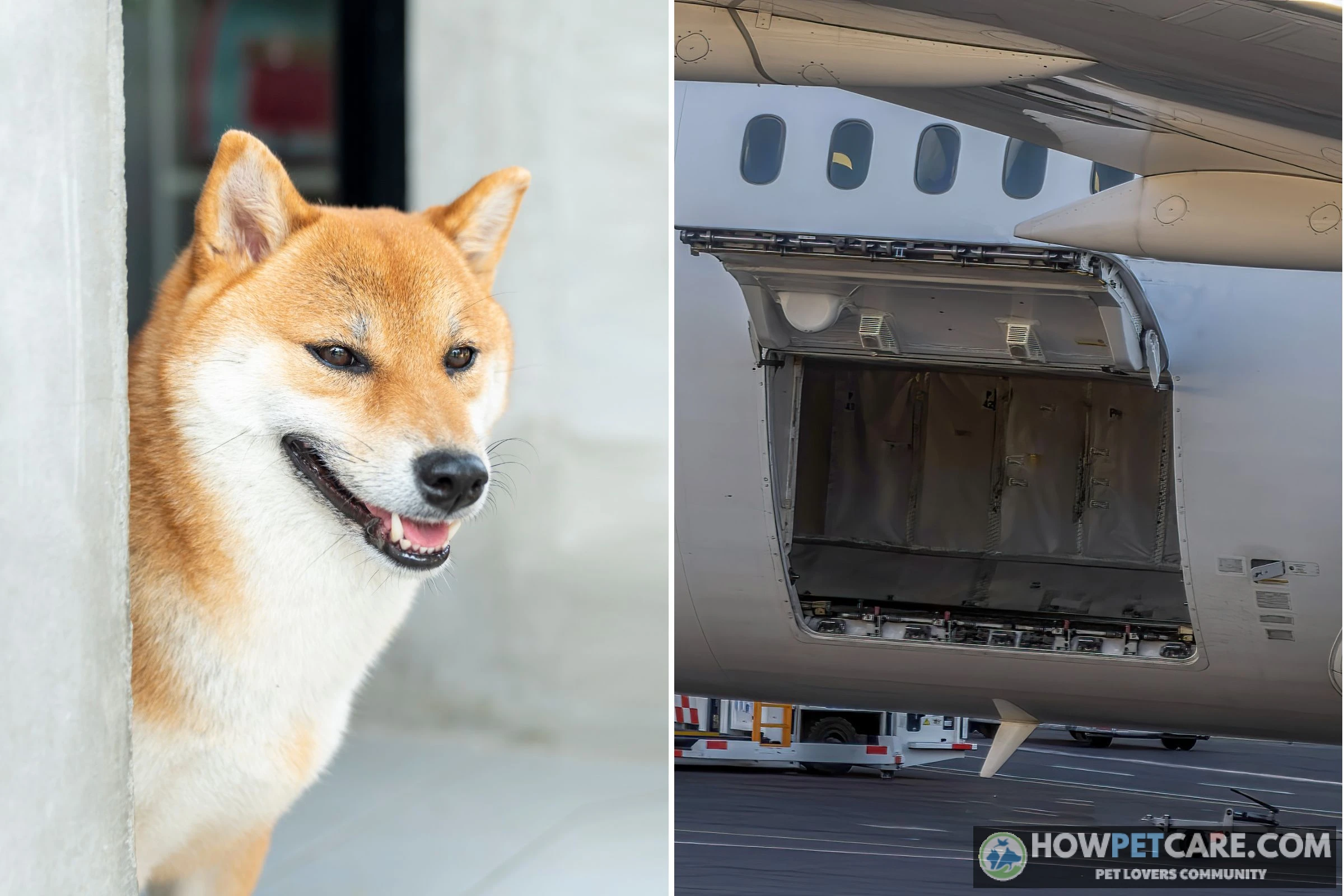
Importing can be possible, but it’s a separate project—not a shortcut around breeder vetting. Confirm the dog’s identity, pedigree, transfer and export paperwork, health records, contract, transport arrangements, and total costs before sending a deposit. If NIPPO documentation matters to you, establish exactly what papers the breeder will provide and whether the receiving registry will accept them.
Check current CDC dog-import rules, airline requirements, destination-state rules, and any transit-country requirements before reserving transport. Requirements depend on the dog’s travel and rabies-risk history. In particular, US dog-entry rules include a minimum age of six months and microchip and documentation requirements; the appropriate rabies documentation depends on where the dog has been. Confirm the current details directly with the CDC and your airline because rules and forms can change.
Budget separately for veterinary paperwork, any required vaccinations or tests, a suitable crate, transport, and possible delays. A knowledgeable importer or veterinarian can help coordinate the process, but neither replaces your responsibility to verify the rules. Ask whether the breeder can support the dog after arrival and accept a return or help with rehoming if necessary.
Is a Shikoku Inu right for you? A final checklist
Before contacting a breeder or rescue, work through these questions with everyone in the household:
- Can we provide substantial daily exercise and enrichment, including on busy days and in bad weather?
- Do we have secure containment or a practical leash-and-long-line plan, without relying on perfect recall?
- Are we prepared to manage wildlife interest and, if necessary, keep the dog physically separated from small pets?
- Can adults supervise interactions with children and give the dog a place to retreat?
- Are we ready for an independent dog, professional training when needed, and careful introductions to other dogs?
- Can we cover the quoted purchase or adoption cost, routine care, and unexpected veterinary expenses for potentially 15 years or longer?
- Are we willing to wait for a suitable dog rather than pay a seller we can’t verify?
If the answer to several questions is no, pause the search. A smaller Shiba isn’t automatically easier, and another rare hunting breed isn’t automatically safer with small animals. An adult dog whose behavior is already known may be a better starting point.
If the plan fits, contact breed organizations and rescues, request documentation from prospective breeders, speak with a veterinarian about local costs and import requirements if relevant, and prepare your home before committing to a dog.
1Which historical background factor primarily accounts for the Shikoku Inu's physical stamina and alert hunting instincts?
The breed's high endurance and alertness stem from its original working role tracking large game over rugged mountain landscapes.
2According to the FCI breed standard reference points, what is the ideal shoulder height for adult male Shikoku dogs prior to applying the allowable tolerance?
The FCI Standard No. 319 specifies an ideal shoulder height of 52 centimeters for males, with a allowable tolerance of 3 centimeters.
3How do the Japanese terms 'Inu' and 'Ken' relate when applied to native dog breeds like the Shikoku?
Both terms translate directly to 'dog', meaning variations in registry titles refer to the identical native breed.
4What key distinction sets the Shikoku Inu apart from the Shiba Inu in practical daily management?
Due to its larger adult mass and working endurance, the Shikoku requires a higher baseline of physical activity and food expenditure.
5In July 2025, how did the American Kennel Club (AKC) update its classification of the Shikoku Inu within the Foundation Stock Service?
The AKC updated the Shikoku's FSS group designation from Working to Hound, aligning with its historical hunting background.
6Why should potential buyers refrain from relying on off-leash training with a Shikoku Inu in unfenced areas?
Strong predatory instincts can cause the dog to ignore trained recall cues when triggered by moving animals.
7What health documentation should a prospective buyer directly request for BOTH parents of a Shikoku puppy?
Responsible breeding practices require verifiable orthopedic, ophthalmic, and joint evaluations for both parents.
8What starting baseline level of daily physical activity is suggested for a healthy adult Shikoku Inu?
A healthy adult requires approximately 60–90 minutes of structured daily activity, combining exercise with cognitive tasks.
9Which requirement must be satisfied under CDC rules when importing a Shikoku dog into the United States?
Federal entry regulations mandate microchipping, proper rabies documentation, and a minimum age of six months.
10What term describes the distinct lighter hair pattern found on the muzzle, cheeks, chest, and inner legs of the Shikoku Inu?
Urajiro describes the characteristic pale or white markings present on specific underside areas of native Japanese spitz breeds.
| Breed | Origin Region | Height and Weight | Temperament and Energy | Typical Lifespan | US Availability | Best Suited For |
|---|---|---|---|---|---|---|
| Shiba Inu | Japan | Small; verify current standard | Bold, independent, and active native breed | Not in source | More readily found than other native breeds | Owners wanting a smaller dog and accepting independent training |
| Akita Inu | Akita region, Honshu island | Large; standards vary by registry and type | Strong, watchful, and protective dog requiring careful management | Not in source | Available through established breed channels | Experienced owners prepared for a large dog |
| Shikoku | Kochi Prefecture, Shikoku island | About 17–22 in; 35–55 lb | Alert, high-endurance hunting dog with strong prey drive | 10–15 years | Rare | Active owners ready for secure handling |
| Kai Ken | Former Kai province (Yamanashi Prefecture) | Medium; verify current standard | Active, often reserved hunting breed with strong working drive | Not in source | Rare | Owners interested in a brindle-coated native breed |
| Kishu Ken | Kii Peninsula | Medium; verify current standard | Active hunting heritage; individual activity needs vary | Not in source | Rare | Owners seeking a medium hunting breed and willing to research it |
| Hokkaido | Hokkaido island | Medium; verify current standard | Active, sturdy native hunting breed | Not in source | Very rare | Experienced owners willing to plan around limited availability |
FAQ
Is the Shikoku Inu hypoallergenic?
No. The Shikoku has a dense double coat that sheds year-round and heavily twice a year, so it is not suitable for people seeking a low-allergen dog.
Do Shikoku Inu dogs bark a lot?
They are not constant barkers, but they are alert and may sound alarm barks at unfamiliar sounds or movement. Early training and reducing visual triggers help keep it manageable.
Can a Shikoku Inu be left alone during the workday?
Adults can usually handle a standard workday if they get enough exercise before and after, but long isolation can lead to destructive behavior. A midday break or dog walker is a sensible precaution.
Are Shikoku Inu dogs aggressive?
They are not inherently aggressive, but they can be reserved with strangers and dominant with dogs of the same sex. Early socialization and consistent handling reduce these risks.
Can Shikoku Inu dogs be off-leash?
Generally not in unfenced areas. Strong prey drive and independence mean recall is unreliable around wildlife, so a secure fence or long line is safest.