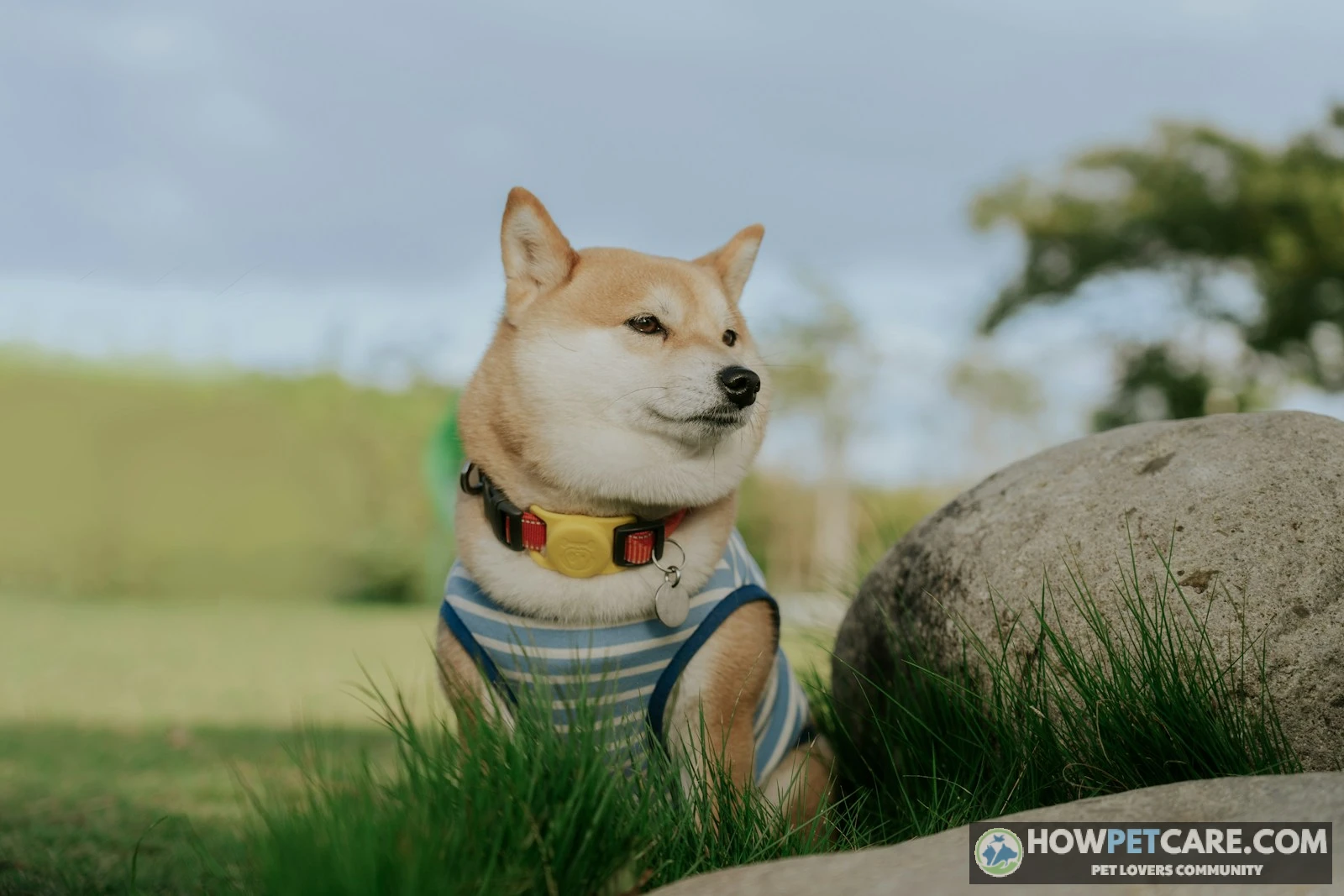

Shiba Inus typically live 13 to 16 years, with a median of about 14.6 years — roughly two to three years above the all-dog average. Keeping yours lean, staying on dental care, moving to twice-yearly vet visits after age 10, and preventing escapes helps it reach the top of that range.
Shiba Inus typically live 13 to 16 years, with a median of about 14.6 years — roughly two to three years longer than the 11-to-12-year all-dog average. Where an individual dog falls within that range depends on breed-specific health risks, habits owners can change, and how early screening begins.
How Long Do Shiba Inus Live? The Average Lifespan and Median
The average Shiba Inu lifespan is 13–16 years, and the breed is consistently described as relatively healthy and long-lived compared with other breeds. That well-established range and reputation for hardiness help explain why Shibas appear on so many “longest-lived dog” lists. But those lists don’t always explain where the lifespan figures come from or what they mean for an individual dog.
Average and median Shiba Inu life expectancy
Breed articles often use three different statistics interchangeably, but each tells you something different.
- A range (13–16 years) is the spread where most deaths cluster. It tells you what is normal, not what is likely for your dog.
- A mean is the arithmetic average, and a single outlier can pull it upward.
- A median is the midpoint: the age by which half of a measured group of dogs has died and half has not.
For planning, the median is the most useful of the three. A 26-year-old record-holder inflates a mean without saying much about your eight-year-old. The median of roughly 14.6 years quoted in Japanese pet-industry and cemetery-style summaries is a better anchor for questions like “how much time do I probably have left?”
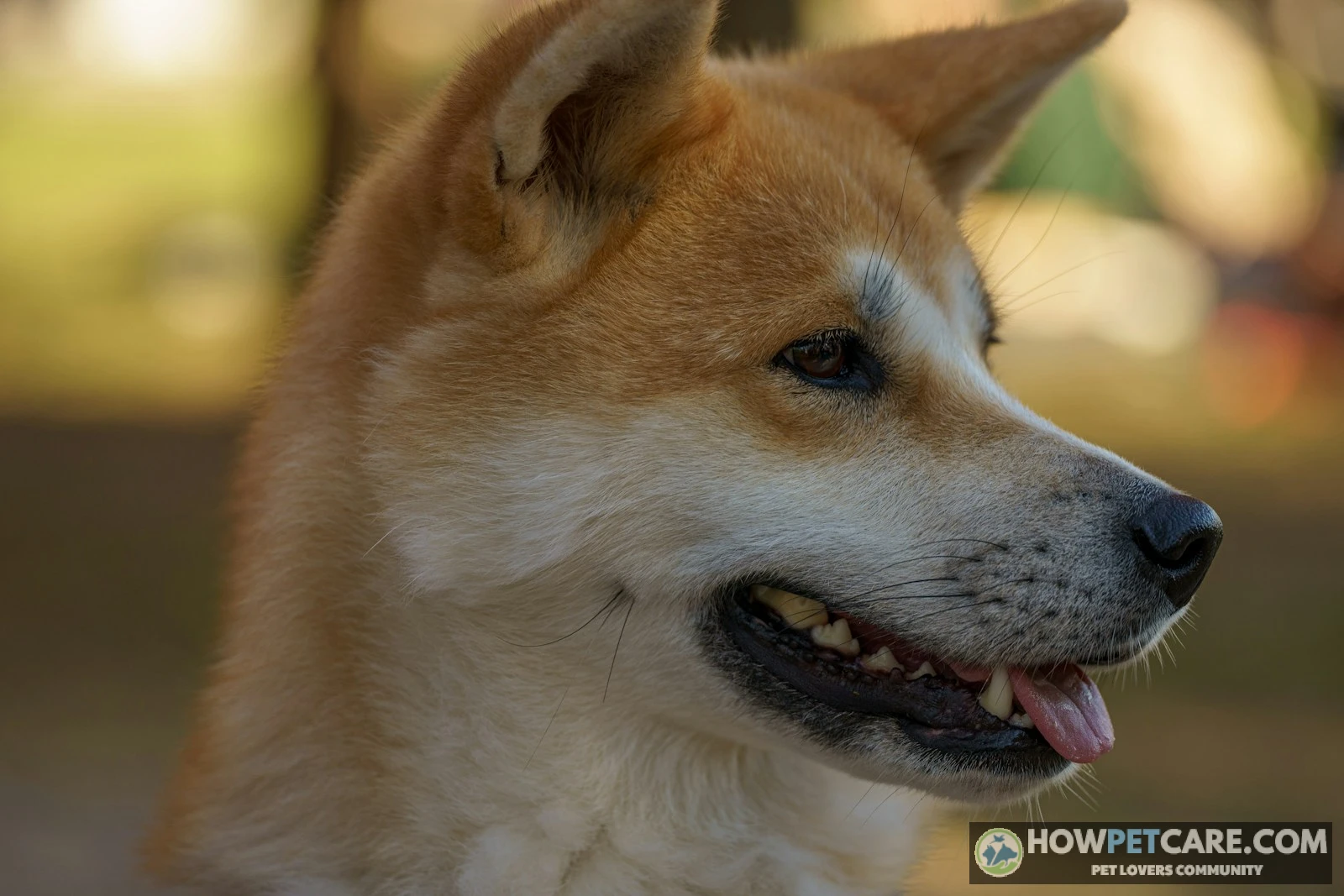
Use about 14.6 years as your working assumption and treat the top of the range — 16, occasionally 17 or 18 — as a bonus rather than a target. Budgets, screening schedules, and senior-care decisions are easier to plan around the midpoint than an outlier.
Where the numbers come from
The source of a lifespan figure matters. A registry profile, for example, isn’t the same thing as a mortality study.
- 13–16 years is the range published in general breed and veterinary references and repeated across virtually every source that covers the Shiba. It’s a breed-level estimate, not a registry-wide life table built from death records.
- 15.5 years is the figure drawn from Japanese cemetery and insurance-style summary data. It measures a memorial population — dogs whose owners chose to record them — rather than clinic records, and it’s frequently misquoted as a clinic-verified average.
- About 14.6 years is the median associated with the same Japanese summary context. Treat it as an approximate breed estimate, not a firm prediction.
- Registry profiles such as the AKC breed profile publish a lifespan range as part of a breed description. They’re useful for confirmation but not as a mortality dataset, because registration bodies don’t track causes or ages of death.
Numbers in this article without one of those attributions are identified as estimates or rules of thumb. That distinction matters throughout the guide: health and screening advice is only as useful as the information behind it.
Shiba Inu Lifespan vs. Akita, Basenji, Beagle and the All-Dog Average
Comparing Shibas with other breeds and the all-dog average gives their life expectancy some context.
| Breed / benchmark | Typical lifespan range (years) | Median or mean (years) | Size class | Source and method |
|---|---|---|---|---|
| Shiba Inu | 13–16 | ~14.6 median reported in Japanese summaries; treat as a breed estimate, not a registry-wide life table | Medium-small spitz, roughly 17–23 lb | Breed and veterinary reference range plus Japanese cemetery/insurance-style figures reported secondhand |
| Akita | ~10–14 | Not consistently published; large-spitz categories in most life tables sit below the Shiba | Large | Breed-club range; large-breed life tables show lower averages |
| Basenji | ~12–14 | Breed-specific median not consistently published | Small-medium hound | Breed-club range; survey-based estimates vary by country |
| Beagle | ~10–15 | Often in the low-to-mid teens in clinic and owner datasets | Small-medium hound | Breed range; clinic-record and owner-survey datasets differ by sample |
| All-dog average | ~11–12 | ~11–12 mean or median depending on dataset | All sizes | Large clinic-record life-table studies, insurer datasets, and owner surveys; not directly comparable row to row |

Small breeds tend to outlive large breeds, and the Shiba — a medium-small spitz — sits near the upper end of what’s normal for its size class. Two years of extra life expectancy over an Akita is a meaningful difference, and it tracks body size more than breed reputation.
Read differences under about one year cautiously. These rows mix registration profiles, clinic records, insurer claims, and owner surveys, each of which counts something slightly different. A dog that dies at 14 after a long illness may be recorded as a 14-year lifespan in one dataset and excluded from another that only tracks insured visits. The comparison shows where the Shiba sits; it doesn’t prove why.
Use this table to set expectations, not to predict an individual dog’s life. A Beagle that reaches 16 and a Shiba that dies at 9 are both inside the published ranges for their breeds — which is why the median matters more than the range when you’re planning.
Shiba Inu Life Stages: Senior Age, Human Years and Remaining Life Expectancy
The expected lifespan is a starting point. Your dog’s current age, and roughly how much time may remain, can help you plan care.

| Dog age (years) | Life stage | Human-age equivalent (size-adjusted) | Estimated remaining life to ~14.6 median | Key milestones and health priorities |
|---|---|---|---|---|
| 0–1 | Puppy | ~0–15 | ~13–14 years | Growth plates, vaccination series, socialization, parasite prevention; weight trend matters more than the number on the scale |
| 1–2 | Adolescent | ~15–24 | ~12–13 years | Adult teeth in, high energy, escape training and recall proofing; discuss spay/neuter timing with your vet |
| 3–6 | Adult | ~28–42 | ~8–11 years | Prime years; annual exam, baseline bloodwork around 3–5, allergy and skin tracking, keep body condition at 4–5 out of 9 |
| 7–9 | Mature | ~46–56 | ~5–7 years | Watch for stiffness on stairs, coat and thyroid changes, dental disease; add urinalysis and a thyroid panel if your vet agrees |
| 10+ | Senior | ~60 and up; ~87 at age 16 | ~4–5 years at 10, shrinking toward under 1–2 by the mid-teens | Twice-yearly vet visits, eye-pressure checks if indicated, orthopedic screening, home safety and fall prevention |
The remaining-life column is derived from the ~14.6 median rather than from a published Shiba life table. It assumes average risk. A dog with uncontrolled allergies, a luxating patella, or a habit of slipping out the front gate carries more risk than the column shows.
At what age is a Shiba Inu a senior?
There’s no single birthday that marks the senior stage. Sources describing physical aging place its start at 8–10 years. Those focused on “senior planning” — when to build a budget and screening schedule around old age — often place it at 10–12 years. Both are defensible because they answer different questions.
This guide uses 8–10 as the physical senior threshold and 10 as the point where screening escalates to twice-yearly visits. If your Shiba is eight and still sprinting up stairs, you have a mature dog, not an old one. Even so, it’s time to start changing the care calendar.
Shiba Inu age in human years (without the “multiply by 7” myth)
The multiply-by-seven rule is wrong for every breed, especially for a dog that matures fast and then ages slowly. Dogs develop rapidly in their first two years; after that, the pace settles. For a medium-small dog like the Shiba, a workable beginner model is roughly 15 human years at age 1, 24 at age 2, then about 4.5 additional human years for each dog year after that.
| Shiba age (years) | Human-age equivalent |
|---|---|
| 1 | ~15 |
| 2 | ~24 |
| 3 | ~28–29 |
| 4 | ~33 |
| 5 | ~37–38 |
| 6 | ~42 |
| 7 | ~46–47 |
| 8 | ~51 |
| 9 | ~55–56 |
| 10 | ~60 |
| 11 | ~64–65 |
| 12 | ~69 |
| 13 | ~73–74 |
| 14 | ~78 |
| 15 | ~82–83 |
| 16 | ~87 |
A dog-years-to-human-years chart is a tool for empathy and planning, not a precise calculation. A 12-year-old Shiba is roughly a 69-year-old human: still capable, but at an age where a twice-yearly checkup catches problems that an annual visit would miss. Use the chart to plan, not to diagnose.
Signs of aging in Shiba Inus
Shibas often age quietly and may have strong opinions about being handled. Watch for these changes, and know when they call for a vet visit:
- Graying muzzle and face. Normal from around 7–9. No vet visit is needed unless it appears suddenly in a young dog.
- Stiffness on stairs or after rest. Normal in moderation after age 8. Book an exam if your Shiba hesitates at the top step, bunny-hops behind, or stops jumping onto furniture. That pattern points toward joint or patellar problems rather than simple aging.
- Cloudy eyes. A slight blue-gray haze can be normal lens aging. A red eye, a cloudy cornea, squinting, or a sudden change in vision calls for a same-week vet visit, because glaucoma in this breed can progress quickly.
- Weight or coat changes. A dull, sparse coat plus weight gain is a classic pattern for hypothyroidism and warrants a thyroid panel rather than a change of food.
- Sleep and behavior changes. More sleeping is normal. Confusion, night waking, house training lapses, or a formerly clean dog starting to eliminate indoors deserve a workup, not a shrug.
What Shortens a Shiba Inu’s Life: Causes of Death and Common Health Problems
Some health risks are well documented, while others lack Shiba-specific data. Knowing the difference helps you decide what to watch for and discuss with your vet.
Leading causes of death in Shiba Inus
No published Shiba-specific cause-of-death table with percentage shares is available in the sources reviewed for this article. A precise split for the breed — cancer at one figure, cardiac at another — either comes from a dataset that doesn’t cover Shibas specifically or presents an estimate as a measurement. The ranking can be generalized from dogs at large, but it isn’t breed-specific.
Broad canine mortality data supports the following, without assigning Shiba-specific numbers:
- Cancer sits at or near the top of cause-of-death lists in most large dog populations, and its share rises with age. For a breed that regularly reaches 13–16, those later years are when cancer risk accumulates.
- Cardiac disease is a common contributor in older dogs generally, and it’s often found incidentally at a senior exam before it causes obvious symptoms.
- Renal disease is likewise an older-dog problem, and it’s one reason urinalysis plus bloodwork belongs in senior screening.
- Trauma receives less attention in breed writing. It’s the leading cause of death in young dogs in many datasets, and the Shiba is unusually exposed to it.
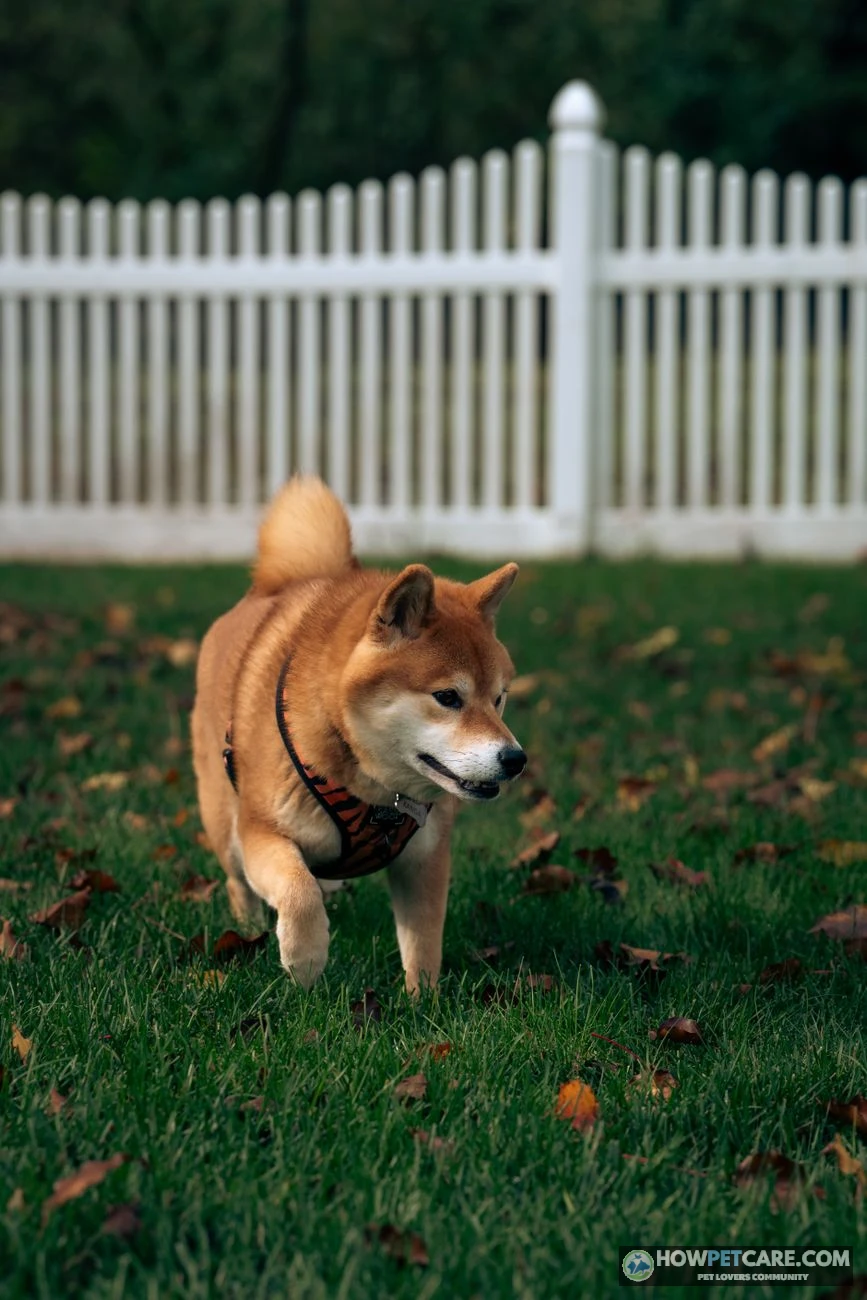
Trauma deserves particular attention. Shibas are escape artists with a strong prey drive, and their independence can make a loose dog hard to recover. Boredom from too little mental and physical stimulation reliably produces destructive behavior and escape attempts in this breed. A securely fenced yard is more than a training preference; it’s a longevity measure, alongside weight management and dental care.
Patellar luxation and hip dysplasia
Orthopedic problems are the most measurable structural risk in the breed. Hip dysplasia has been reported at 7.6% in Shiba Inus in Orthopedic Foundation for Animals (OFA) data — a meaningful rate, though far from the highest among breeds.
Both conditions affect quality of life more than they shorten it, unless they go unmanaged long enough to cost the dog muscle mass and mobility. Patellar luxation — a kneecap that slips out of place — can show up as a skip in the gait, a sudden three-legged hop, or reluctance to jump. Grades 1 and 2 are often managed with weight control and targeted strengthening; higher grades may need surgery. Your vet can screen the knees by palpating them at routine exams, and OFA-style evaluations are available for owners who want documentation.
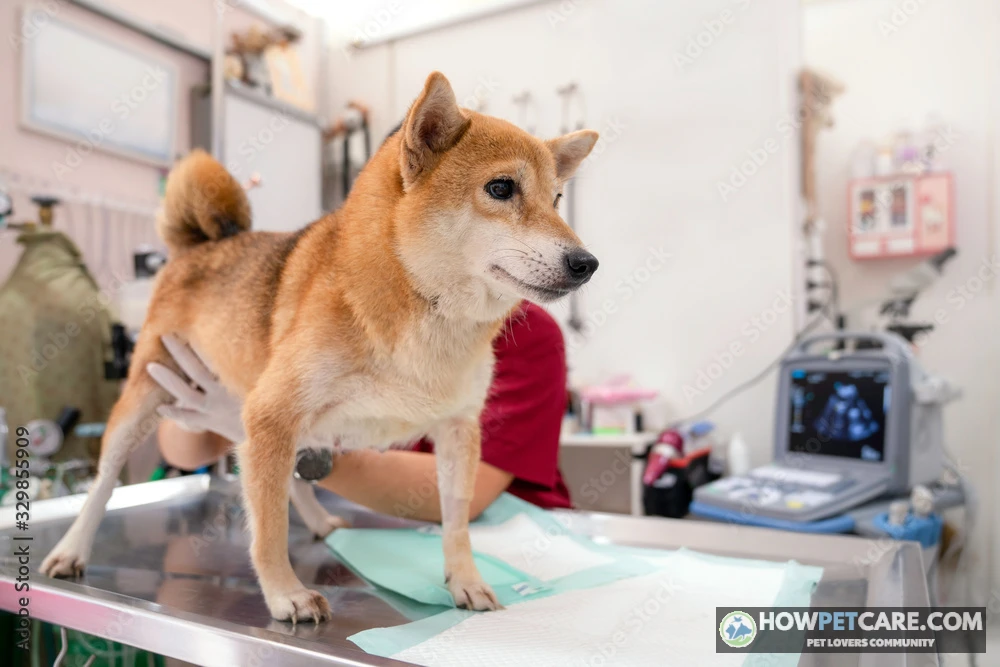
Allergies, glaucoma and hypothyroidism
The breed’s three most commonly discussed chronic conditions aren’t killers in the acute sense, but they can erode years of good living.
- Atopic dermatitis and environmental allergies typically appear in young adulthood and cause scratching, ear infections, and skin infections. Management is lifelong and best handled with a vet rather than through unsupervised elimination diets, which are hard to interpret and easy to get wrong.
- Glaucoma is an eye-pressure disease that can destroy vision in days, and the breed’s eye shape makes regular pressure checks worthwhile at senior exams.
- Hypothyroidism is manageable but easy to miss because its signs — weight gain, coat thinning, lethargy — look like ordinary aging.
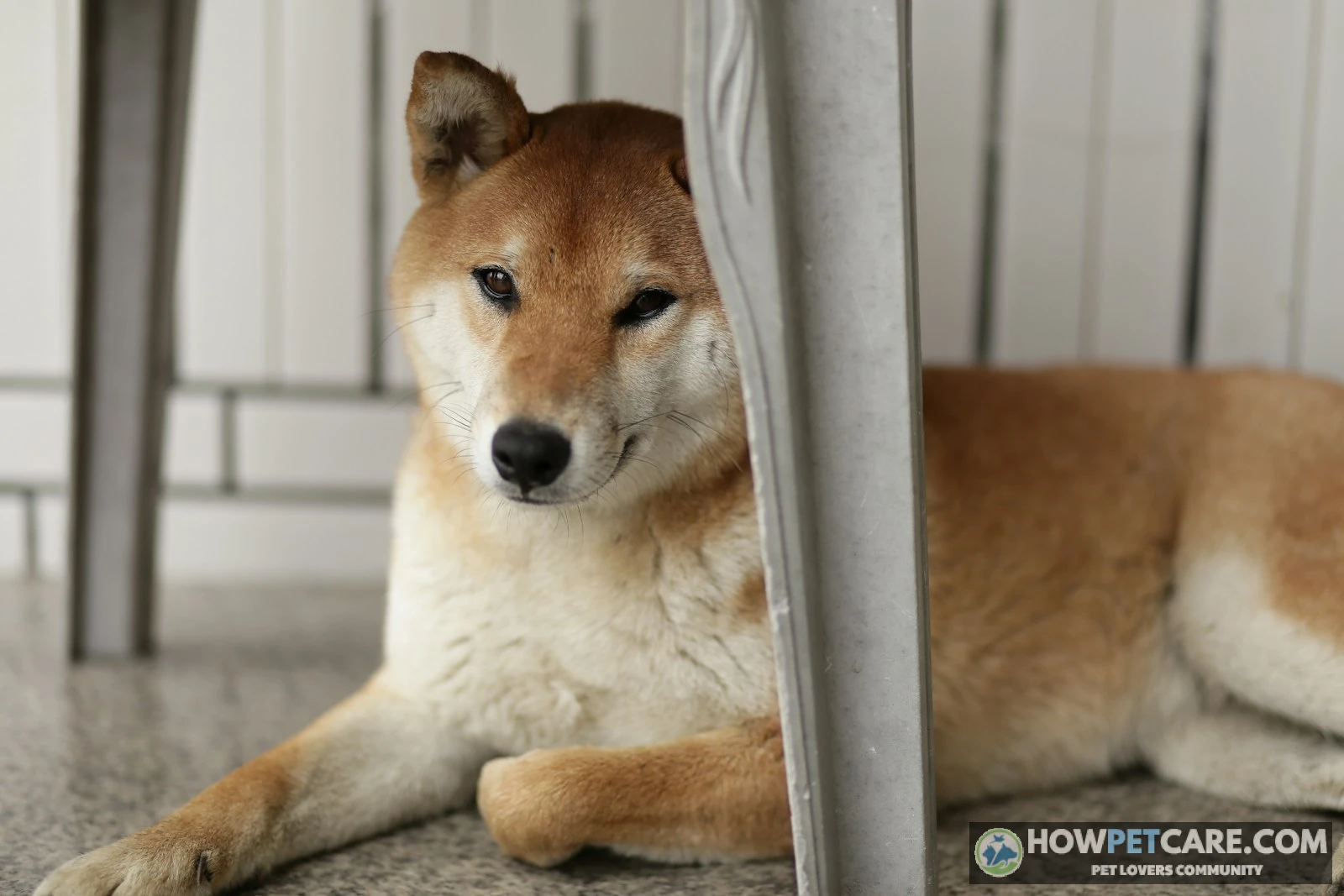
Health problems by age
The usual timeline starts with allergies and skin disease in young adults, followed by patellar luxation and hip dysplasia in mid-life, then glaucoma, hypothyroidism, and cancer in older dogs. Each has a screening opportunity: a skin and ear check at every visit, a knee and gait palpation from about age 3, and an eye-pressure check and thyroid panel from around age 8. These routine checks can make the difference between a 14-year Shiba and an 11-year one with four years of untreated discomfort.
Do Male or Female Shiba Inus Live Longer? Sex, Spay/Neuter Status, Coat Color and Lineage
Owners often ask whether sex affects lifespan, but breed-specific evidence is thin. The gap is worth acknowledging rather than filling with guesswork.
Female vs. male Shiba Inu life expectancy
No Shiba-specific study documenting a male-versus-female lifespan difference was found in the sources reviewed for this article. In dogs generally, large-scale datasets sometimes show females living marginally longer, but the differences are small — often under a year — and tend to shrink once body size and neuter status are accounted for. Treat any precise claim about male or female Shiba longevity as a generalization from all-dog data, not a breed finding.
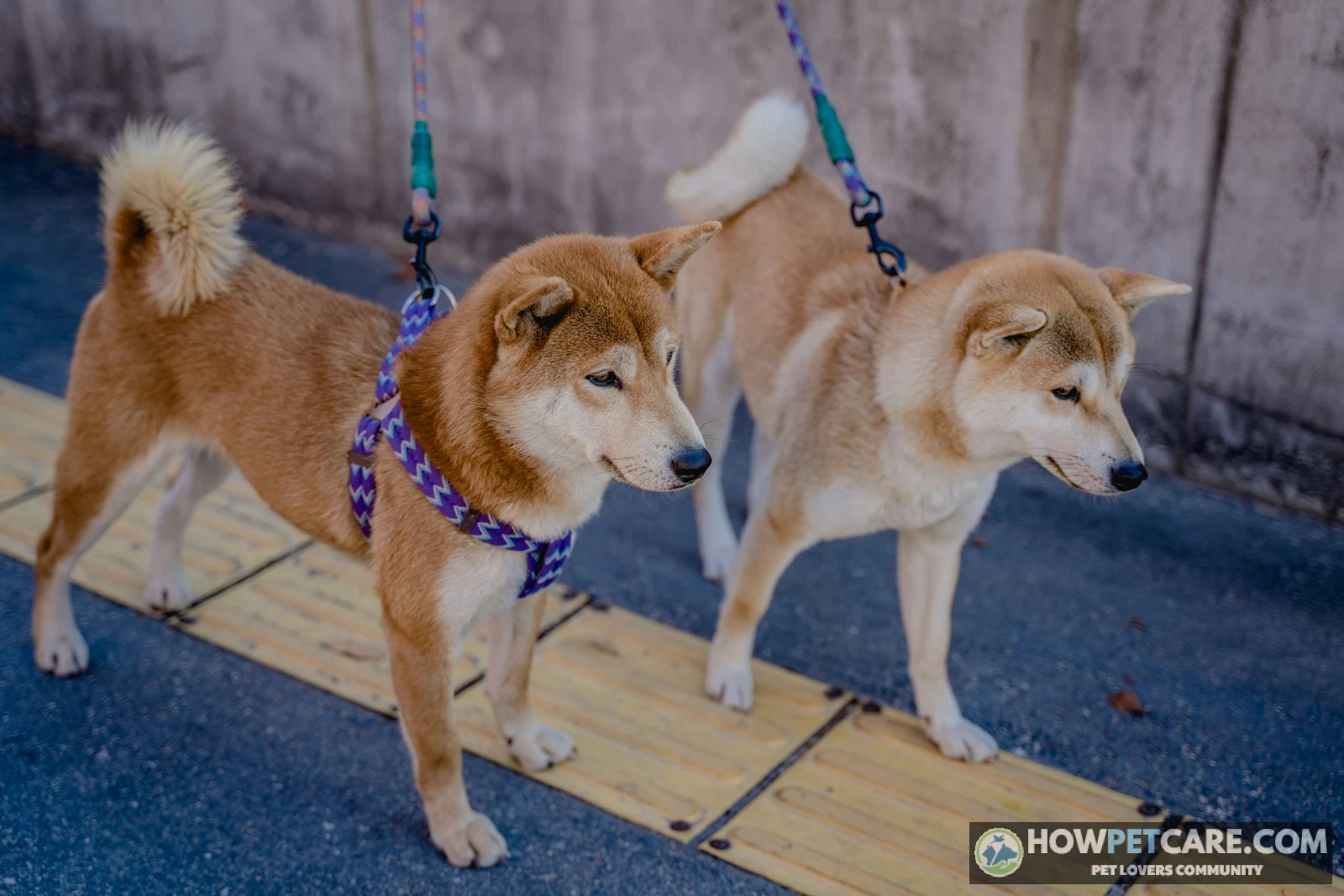
Females do carry reproductive risks that males don’t. Those risks — pyometra and mammary tumors — are the mechanisms through which spay status plausibly affects lifespan in this breed.
Does spaying or neutering change lifespan?
Spaying and neutering are associated with lifespan change through two separate pathways that pull in opposite directions.
- Removing reproductive risk. Spaying eliminates pyometra, a life-threatening uterine infection, and reduces mammary tumor risk when done before the second heat cycle. That is a real longevity gain for females.
- Timing and growth. Neutering before growth plates close has been associated in some breeds with increased risk of joint disorders and certain cancers. How strongly that applies to a 17–23 lb spitz is debated, and the evidence is breed-general rather than Shiba-specific.
There’s no single rule to follow. Discuss timing with your vet based on your dog’s size, sex, and lifestyle, and be skeptical of anyone — a breeder, a forum, or an article — who states a single right age for every Shiba.
Coat color and lineage: what is and isn’t known
There’s no published longevity data linking red, sesame, black and tan, or cream coats to lifespan in Shiba Inus. The same is true of the regional Japanese bloodlines — Shinshu, Mino, and San’in — that breeders sometimes discuss. Coat color in this breed is governed by standard and by the urajiro, the characteristic cream-to-white shading on the face, chest, and belly; none of that has been connected to lifespan in any dataset reviewed here.
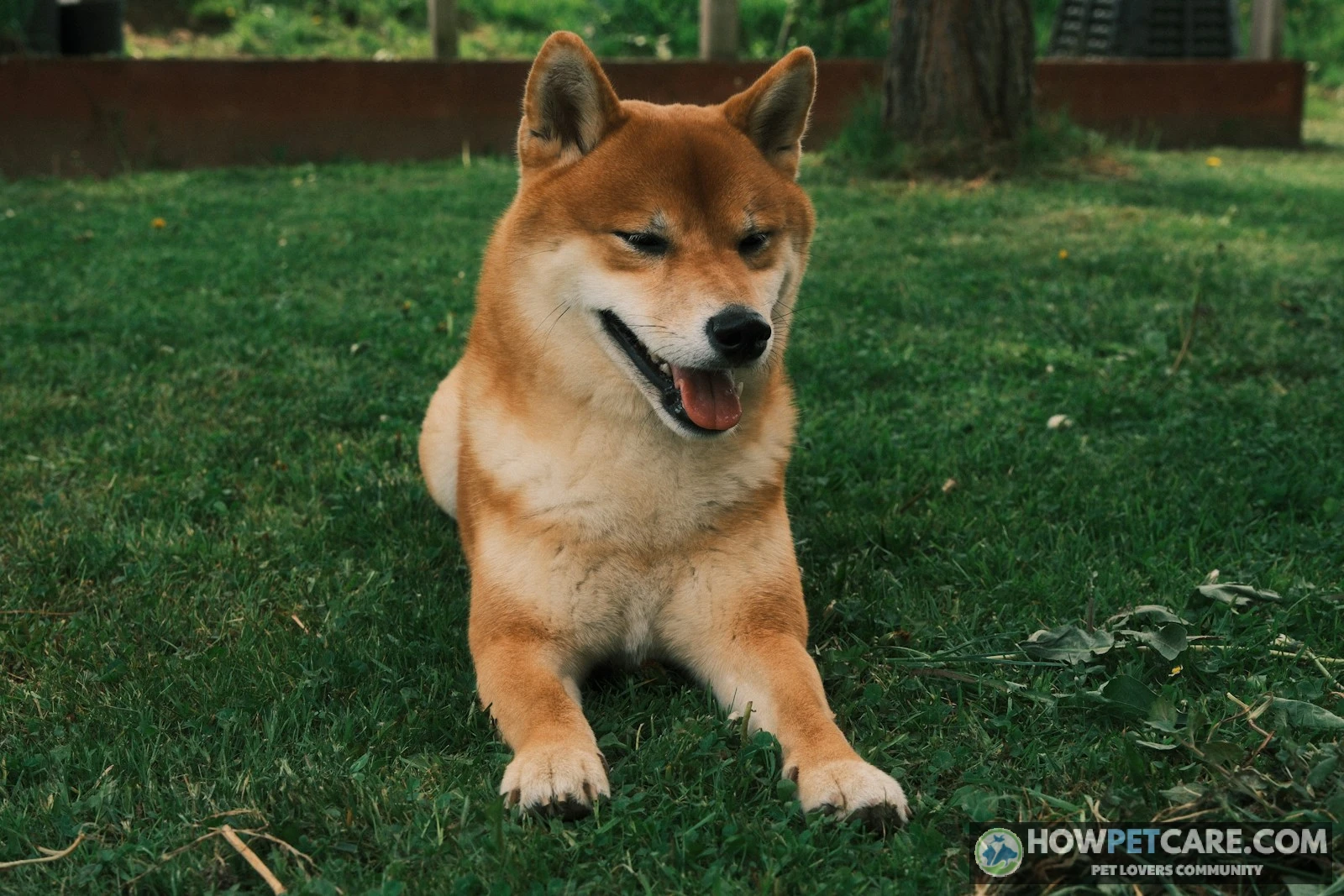
Lineage does matter for health screening. A line screened for patellar luxation, hips, and eyes will produce more predictable outcomes than one that hasn’t been screened, and that predictability is worth more than any color-based rule of thumb. Be wary of anyone selling a coat color or a bloodline as a longevity guarantee.
Two confounders also matter. Owner care — weight management, dental care, vet access — varies more between households than between coat colors. Survivorship bias runs through every owner survey: the people who answer questions about their old Shiba are the ones whose Shiba got old.
Mame Shibas and Shiba Inu Mixes: Do They Live as Long as Purebreds?
“Mame Shiba” is a marketing term for unusually small Shibas, not a recognized variety. There’s no reliable lifespan data for Mame Shibas, and sellers who quote one — usually a number at or above the standard range — are making a claim that no registry or study supports.
The health concern is structural: breeding deliberately for extreme small size in an already small breed increases the odds of problems associated with reduced body size, and it removes dogs from the standard screening pool. A responsible breeder of any size variety will still produce hip, knee, and eye clearances. Ask for them.
For mixes — a Shiba-Corgi or a Shiba-Husky, for instance — the lifespan question remains open. Hybrid vigor is real in the sense that mixed-breed dogs avoid some breed-specific recessive conditions, and mixed-breed datasets generally show lifespans at or slightly above the all-dog average. But a mix inherits risk from both parents. A Shiba-Husky has a large-breed body plan that argues against the Shiba’s 13–16 year expectation, while a Shiba-Corgi inherits a dwarf-breed spine and joint profile.

For buyers and owners alike, lifespan claims are a red flag when used as a sales device. Ask instead for parent health screening results, the parents’ ages, and whether either parent has produced orthopedic or eye problems. Those answers tell you more than any advertised number.
Oldest Shiba Inu on Record: Auditing the Pusuke Claim and Other Lifespan Numbers
The most repeated fact in Shiba lifespan writing is also one of the least carefully sourced. It deserves a closer look.
Is the “Shiba Inu that lived to 26” verifiable?
Pusuke, a dog from Japan, was recognized by Guinness World Records as the world’s oldest living dog in 2010 and was reported to have died at 26 years and 8 months. That’s an extraordinary age for any dog.
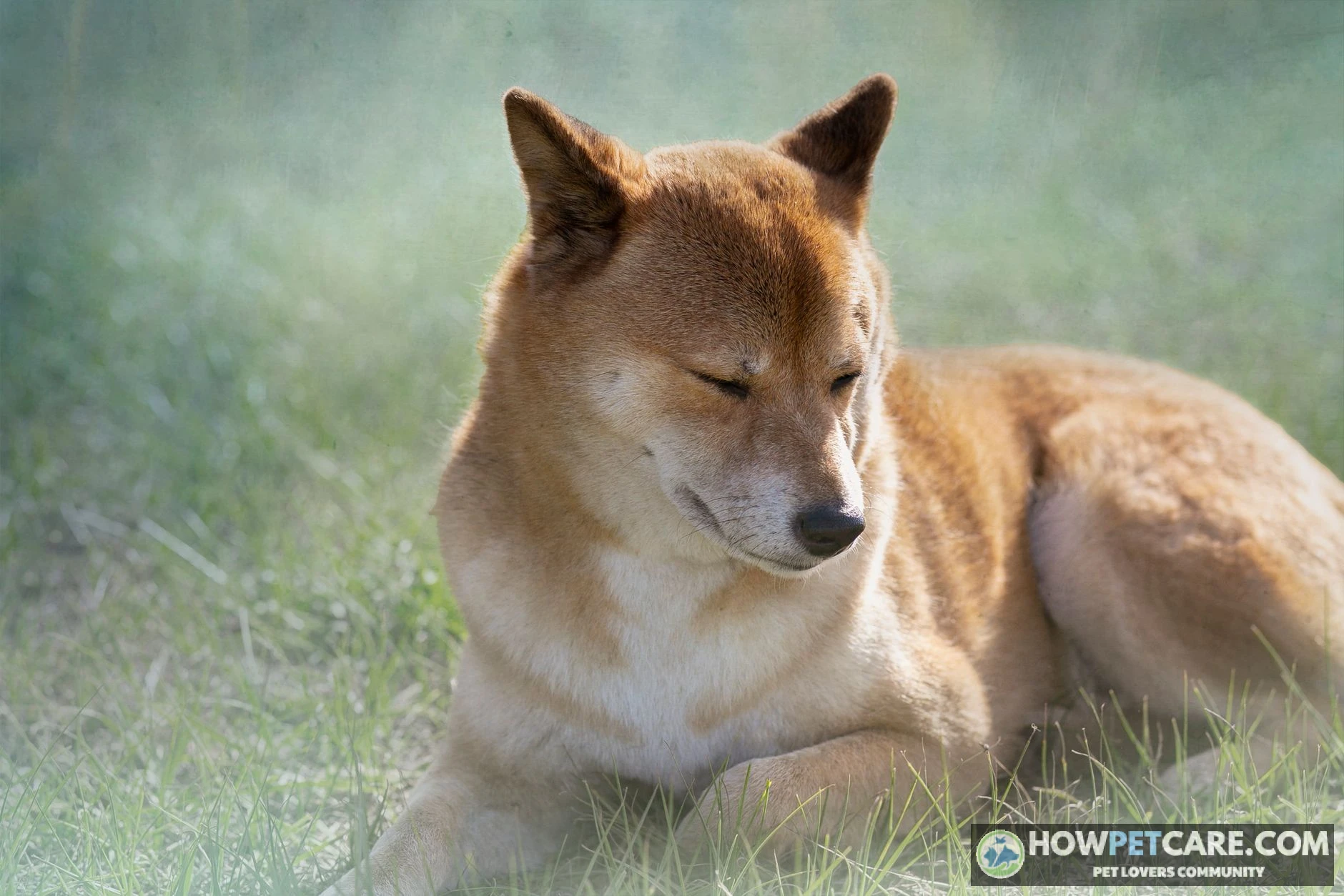
Three caveats belong next to the claim whenever it’s used:
- Pusuke has been described in coverage as a Shiba or a Shiba mix, not uniformly as a purebred Shiba Inu.
- There’s no independent birth certificate or registry-grade documentation establishing the exact birth date; the age rests on owner and veterinary reporting.
- He is a single outlier, not a breed benchmark. A record-holder shows what’s possible at the extreme edge, not what’s probable for your dog.
For context, verified oldest-dog records work the same way across all breeds: birth dates are rarely documented at the time, ages are usually reconstructed from owner records, and the claims that survive scrutiny are exceptional by definition. That doesn’t mean dismissing them, but it does mean you shouldn’t plan around them.
An outlier at 26 doesn’t raise the breed median or change your dog’s screening schedule. It does show that the upper tail of Shiba longevity is long, giving owners another reason to manage the later years well rather than write them off.
How reliable are the common lifespan statistics?
Here’s how much weight to give each commonly quoted figure:
- The 13–16 year range is broadly consistent across independent breed and veterinary references and is the most usable figure.
- The 15.5-year Japanese figure is context, not a clinic-grade life table. It’s often repeated because it’s easy to quote and easy to misquote.
- The 14.6 median is a reasonable planning anchor when labeled as an estimate.
- The 26-year record is an outlier with soft documentation.
- Any percentage cause-of-death figure presented for Shibas specifically should be treated as unverified unless it names a dataset and a sample size.
Treat single-dog records as anecdotes, plan around the median, and check whether a number names its source before you repeat it.
How to Help Your Shiba Inu Live Longer: Weight, Teeth, Screening and Safety
These measures address risks with the clearest evidence and the most relevance to Shibas.
Ideal Shiba Inu weight and body condition score
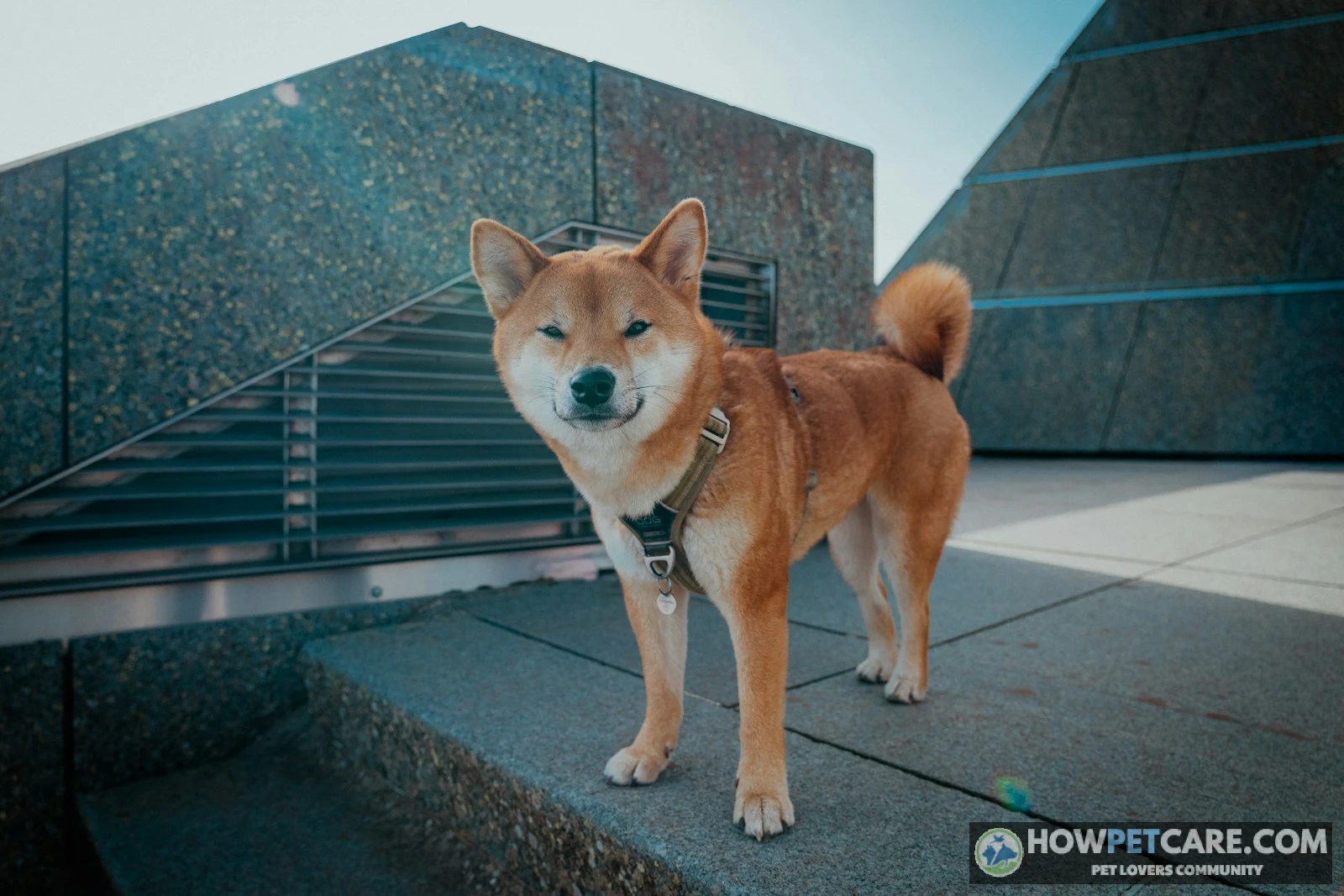
The breed’s typical healthy weight runs roughly 17–23 lb. Body condition score matters more than the scale: aim for 4–5 on a 9-point scale, where ribs are easy to feel under a thin fat layer, a waist is visible from above, and the belly tucks up from the side.
-
Feel the ribs
Run flat palms along both sides of the chest. You should feel ribs like the bones on the back of your hand, not like a padded cushion and not like a xylophone.
-
Look from above
Stand over your Shiba while it stands squarely. Look for an hourglass shape — a visible indentation behind the rib cage.
-
Look from the side
The belly line should rise from the rib cage toward the hind legs. A flat or sagging line is a reason to discuss weight.
-
Weigh monthly and log it
The trend matters more than any single number, especially in a breed skilled at convincing the household it has been starved.
At 8 years old, 27 lb, and a body condition score of 7/9, a Shiba is carrying roughly 4–5 lb of excess weight. Losing it is a 10–20 week project at a safe 0.25–0.5 lb per week, not a crash diet. It’s also one of the highest-return investments in this guide.
Dental care and diet and nutrition
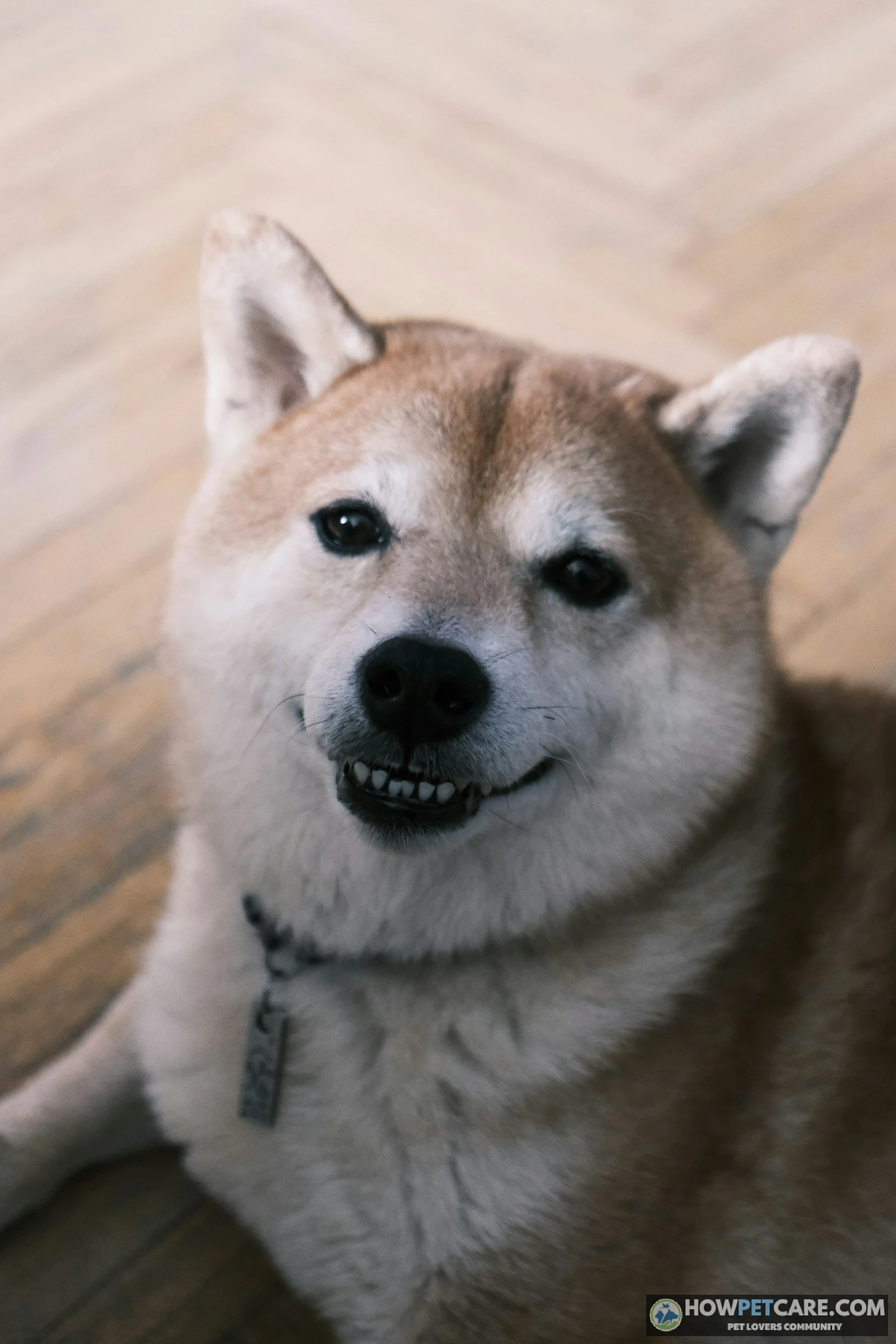
Dental disease is the most common chronic condition in adult dogs and is easy to under-treat. Its visible signs — tartar, gum redness, bad breath — are often mistaken for cosmetic issues. Brush teeth daily if possible and at minimum three times a week, using a dog-safe toothpaste. Professional cleaning under anesthesia is warranted when tartar, gum inflammation, or persistent bad breath appears; the decision depends on your dog’s mouth rather than a fixed interval.
For diet and nutrition, consider both quantity and quality. A maintenance diet for a medium-small adult dog generally runs 18–30% protein and 15–18% fat on a dry-matter basis. Calorie needs depend on life stage and activity: senior and sedentary dogs need less, intact adolescents need more. Measure food with a gram scale rather than a scoop, and adjust by trend rather than by a bag chart.
If your Shiba is scratching, licking paws, or getting repeated ear infections, don’t start a home-elimination diet. Food-responsive and environmental allergies look identical at home, and an unsupervised trial wastes months. A vet-led plan gets to an answer faster, and early allergy control prevents the skin and ear infections that drive repeated antibiotic courses.
Preventive veterinary care and screening intervals
Preventive care should change with age. Schedule annual exams until roughly 8–10 years, then twice-yearly senior visits. At each visit, ask specifically about:
- Bloodwork and urinalysis — a chemistry panel and urinalysis establish a baseline around age 3–5 and become more valuable every year after that.
- Thyroid panel — warranted when weight gain, coat changes, or lethargy appear, and reasonable to include in senior screening.
- Eye pressure — glaucoma screening belongs in senior exams, especially given the breed’s risk.
- Orthopedic palpation — knees and hips at every exam from about age 3, or sooner if your Shiba skips, bunny-hops, or resists stairs.
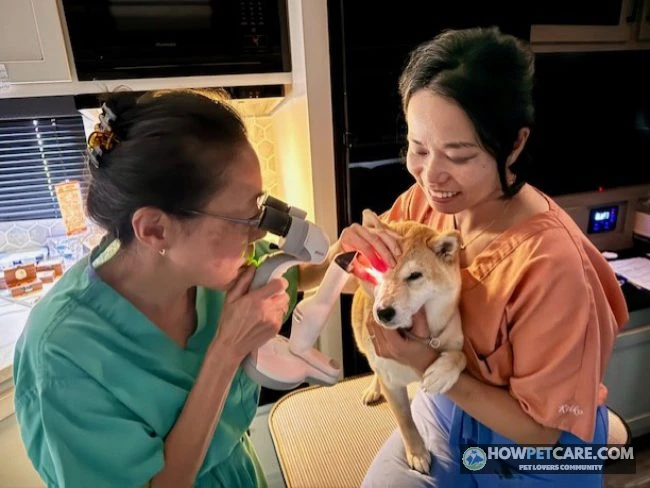
These guidelines don’t diagnose an individual dog or replace an exam. If your Shiba is limping, squinting, drinking more than usual, or has suddenly changed behavior, make a vet appointment.
Senior dog care adjustments
From around age 10 — and earlier for a dog with chronic conditions — changes at home can help. Move to twice-yearly checkups. Split exercise into two or three shorter walks to spare stiff joints. Add a ramp to the car and a low step to the sofa instead of allowing repeated jumps. Switch to a bed with orthopedic support. Reassess diet against a lower activity level, because appetite rarely drops as fast as calories burned. Keep nails short; long nails change the angle of the foot and worsen arthritis.
Exercise, escape prevention and fall risk
Shibas are recommended 40–60 minutes of physical activity per day, and the daily walk doubles as mental work. Boredom from insufficient stimulation reliably produces destructive behavior and escape attempts in this breed, creating the risk of trauma discussed earlier.
Three non-medical precautions matter for longevity: secure fencing at roughly 6 feet, no off-leash time in unfenced areas — a Shiba’s recall is a training aspiration, not a guarantee — and a fitted harness rather than a neck collar for a dog that may bolt. Add a microchip, a visible ID tag, and a current photo. For seniors, the same impulse control failure carries a fall risk, so keep floors clear, use non-slip rugs, and carry the dog up stairs rather than letting it hesitate on them.
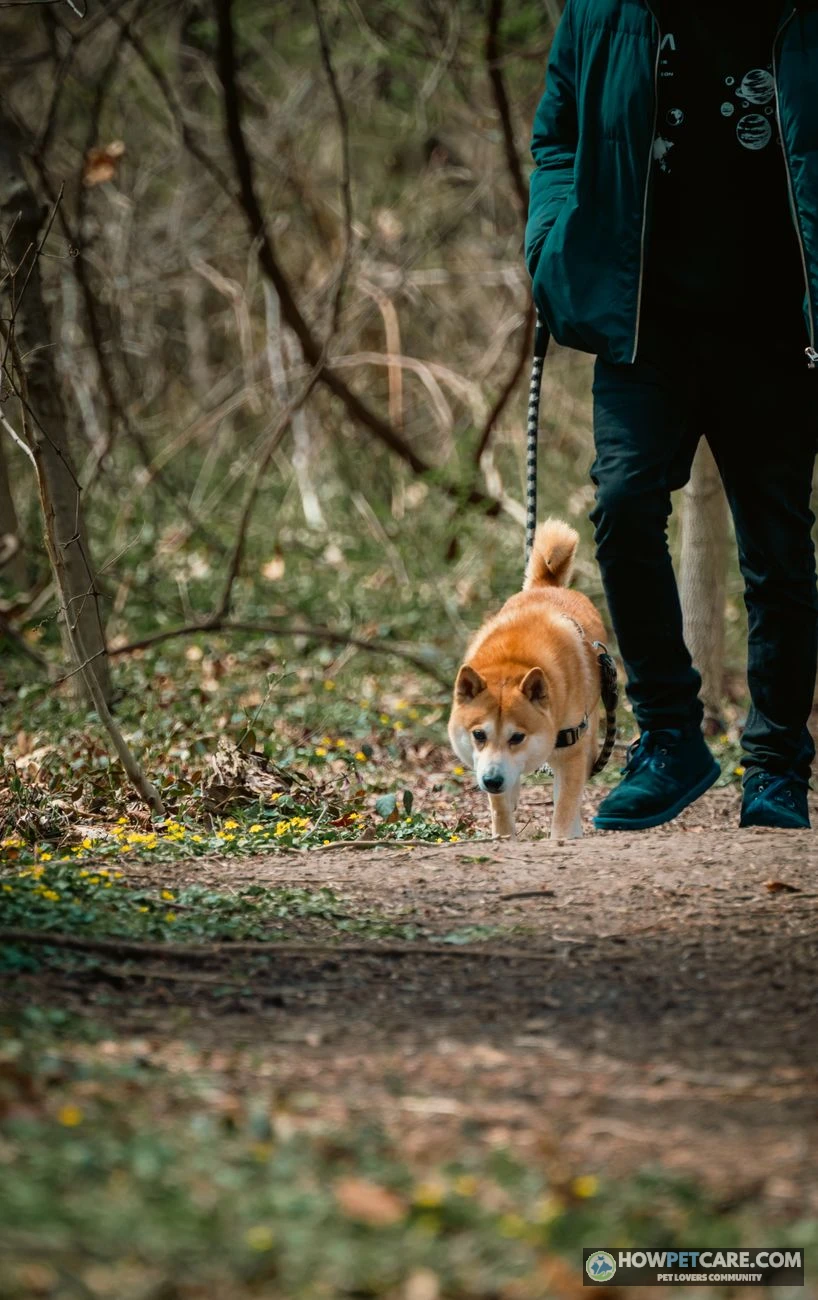
Your Shiba Inu Longevity Checklist: What to Do at Each Age and What It Costs
Use this table to plan care by life stage, then choose a starting point for your dog.
| Life stage | Vet visit frequency | Screenings and tests | Dental care schedule | Weight and body condition target | Estimated annual cost (USD) |
|---|---|---|---|---|---|
| Puppy (0–1) | Series of visits through the first year | Vaccination series, parasite prevention, growth and joint check | Start brushing early in short sessions; first dental look at the final puppy visit | ~17–23 lb adult target; monitor body condition, not scale weight during growth | One-time first-year costs (vaccines, microchip, spay/neuter) sit above routine care — get a clinic quote |
| Adolescent (1–2) | Annual | Full exam, dental check, discuss spay/neuter timing | Brush minimum 3× per week | 17–23 lb, BCS 4–5/9 | Roughly in the routine adult band below |
| Adult (3–7) | Annual | Baseline bloodwork and urinalysis around 3–5; orthopedic palpation each visit | Brush daily if possible; professional cleaning when tartar or gum redness appears | 17–23 lb, BCS 4–5/9 | ~$300–$700 routine; higher in a dental-clean year |
| Mature (8–9) | Annual, moving to twice-yearly by 10 | Add thyroid panel and urinalysis; eye-pressure check if indicated | Same home routine; expect a cleaning recommendation | 17–23 lb, BCS 4–5/9 | ~$400–$900 depending on labs and dental |
| Senior (10+) | Twice yearly | CBC, chemistry, urinalysis, thyroid panel as indicated; eye pressure; orthopedic screening | Home brushing plus professional cleaning as your vet advises | Lean side of the range; muscle mass matters more than weight alone | ~$700–$1,500+ with labs and dental; higher with imaging |
Costs are approximate 2026 U.S. ranges and vary widely by region, clinic, and whether a dental or imaging procedure happens in a given year. Use them as a budgeting starting point, not a quote.
Prospective owner: budget for routine care from day one and ask the breeder for parent screening records. Owner of an adult Shiba under 8: get baseline bloodwork this year and start the weight and brushing habits now, while they’re easy. Owner of a senior: move to twice-yearly visits, add a urinalysis, and do the home safety pass this month.
Checklist for puppies and adults
Start the dental habit early — a Shiba that accepts brushing at six months is a Shiba that avoids repeated anesthesia cleanings at twelve. Get used to checking body condition before adult weight settles, so the first weight conversation is a nudge rather than a diet. Proof the fence before the prey drive matures, too; breeder paperwork won’t protect a dog that clears a four-foot gate.
Checklist for seniors
Arrange twice-yearly exams, bloodwork plus urinalysis, eye-pressure checks, and a candid conversation about pain management for joints. Adjust exercise to shorter, more frequent sessions, and keep your dog lean. Ask your vet directly about quality-of-life benchmarks so decisions in the final year can follow a plan rather than happen in an emergency.
A worked example: turning an overweight 8-year-old Shiba into a senior plan
Mochi is 8 years old, 27 lb, BCS 7/9, with mild stair stiffness and last year’s bloodwork normal. The target is 22–23 lb at BCS 5/9: about 4–5 lb to lose at 0.25–0.5 lb per week, or roughly 10–20 weeks.
The plan: measure food with a gram scale, cut calories by about 10–15% with vet guidance, keep 45–60 minutes of daily walking but swap leaping fetch for sniff walks, add a harness and a car ramp, and book a dental evaluation before age 10. A realistic transition-year budget in many U.S. metros is roughly $250 for the exam, $250–$450 for labs, urinalysis, and thyroid, and $600–$1,200 for a dental cleaning if needed — plus a sinking fund for imaging or injury. Recheck weight monthly; if Mochi gains, scavenges constantly, or goes lame, adjust with the vet rather than cutting further.
The three highest-impact actions
If you start anywhere, start here. Keep the dog lean — a Shiba at body condition 4–5/9 with a monthly weigh-in avoids the single most common modifiable risk. Schedule dental care and senior screening — brush at home, arrange a professional cleaning when the mouth calls for it, and schedule twice-yearly visits from age 10. Prevent escape and traffic accidents — use secure fencing, avoid off-leash time in the open, keep ID and microchip information current, and use a harness for a dog that might bolt.
The 13–16 year range is a reasonable expectation; the median of about 14.6 years is the number to plan around. The gap between a Shiba that lands at 12 and one that lands at 16 is usually built out of ordinary, schedulable decisions rather than luck.
1When planning a Shiba Inu's senior care schedule and financial budget, why is using the breed's median lifespan (~14.6 years) more practical than using the arithmetic mean?
The midpoint statistic provides a realistic expectation for average planning because single record-holding outliers cannot pull it upward as they do with an arithmetic mean.
2When comparing the lifespan of a Shiba Inu to an Akita, which primary factor accounts for the Shiba's longer life expectancy?
Canine life expectancy closely tracks overall body size, giving the medium-small Shiba an average advantage of roughly two years over larger spitz breeds like the Akita.
3According to the recommended beginner model for estimating a Shiba Inu's age in human years, how many human years are added for each dog year after age 2?
After rapid early maturation reaching roughly 24 human years by age 2, a medium-small dog's physical aging pace settles to about 4.5 human years annually.
4At what age does the guide recommend escalating a Shiba Inu's routine screening from annual checkups to twice-yearly senior visits?
While physical senior signs often begin around ages 8–10, age 10 is highlighted as the threshold where screening frequency should formally double to catch age-related conditions early.
5Why is trauma highlighted as a notable longevity risk for young Shiba Inus compared to many other breeds?
Boredom and natural independence frequently lead Shibas to attempt escapes, making physical trauma from outdoor hazards a leading cause of death in younger dogs.
6What incidence rate of hip dysplasia has been reported in Shiba Inus according to Orthopedic Foundation for Animals (OFA) data?
OFA evaluations document hip dysplasia at 7.6% in the breed, representing a measurable structural risk that can impact mobility if unmanaged.
7What is identified as a direct longevity benefit of spaying female Shiba Inus before their second heat cycle?
Surgically removing reproductive tissue eliminates the potential for life-threatening uterine infections and lowers early tumor risks.
8Why should the reported 26-year lifespan of the dog Pusuke not be used as a care benchmark for Shiba Inu owners?
Individual record-holders sit at the extreme edge of longevity and lack registry-grade birth records, making them unsuitable anchors for medical planning.
9What is the recommended Body Condition Score (BCS) target on a 9-point scale to support healthy longevity in a Shiba Inu?
A score of 4 to 5 represents an ideal lean condition where ribs are easily felt under a light fat layer and a clear waistline is visible.
10Which non-medical safety combination is explicitly recommended to manage a Shiba Inu's escape tendencies and recall limitations?
Because Shibas possess high prey drive and unreliable recall, high fencing and harness restraint prevent dangerous escape attempt trauma.
| Life Stage | Dog Age (years) | Human-Age Equivalent | Vet Visit Frequency | Screenings and Health Priorities | Dental Care Schedule | Weight and Body Condition Target | Estimated Annual Cost (USD) |
|---|---|---|---|---|---|---|---|
| Puppy | 0–1 | ~0–15 | Series of visits through the first year | Vaccination series, parasite prevention, growth and joint check, growth plates, socialization; weight trend matters more than the number on the scale | Start brushing early in short sessions; first dental look at the final puppy visit | ~17–23 lb adult target; monitor body condition, not scale weight during growth | One-time first-year costs (vaccines, microchip, spay/neuter) sit above routine care — get a clinic quote |
| Adolescent | 1–2 | ~15–24 | Annual | Full exam, dental check, discuss spay/neuter timing with your vet, adult teeth in, high energy, escape training and recall proofing | Brush minimum 3× per week | 17–23 lb, BCS 4–5/9 | Roughly in the routine adult band below |
| Adult | 3–7 (table 40) / 3–6 (table 10 / table) / 3–7 (checklist) | ~28–42 | Annual | Prime years; baseline bloodwork and urinalysis around 3–5, orthopedic palpation each visit, annual exam, allergy and skin tracking, keep body condition at 4–5 out of 9 | Brush daily if possible; professional cleaning when tartar or gum redness appears | 17–23 lb, BCS 4–5/9 | ~300–700 routine; higher in a dental-clean year |
| Mature | 7–9 / 8–9 (table 40) | ~46–56 | Annual, moving to twice-yearly by 10 | Add thyroid panel and urinalysis; eye-pressure check if indicated; watch for stiffness on stairs, coat and thyroid changes, dental disease; add urinalysis and a thyroid panel if your vet agrees | Same home routine; expect a cleaning recommendation | 17–23 lb, BCS 4–5/9 | ~400–900 depending on labs and dental |
| Senior | 10+ | ~60 and up; ~87 at age 16 | Twice yearly | CBC, chemistry, urinalysis, thyroid panel as indicated; eye pressure; orthopedic screening; twice-yearly vet visits, home safety and fall prevention | Home brushing plus professional cleaning as your vet advises | Lean side of the range; muscle mass matters more than weight alone | ~700–1,500+ with labs and dental; higher with imaging |
FAQ
Can a Shiba Inu live to 20 years?
It is rare. Individual Shibas have been reported at 18 years or more, but that is well beyond the typical range and the reports are seldom verified, so plan around the median rather than the exceptions.
Is 12 years old for a Shiba Inu?
A 12-year-old Shiba is a senior, but the age is within the normal lifespan for the breed. Most vets recommend checkups at least twice a year at this age, with bloodwork and an eye pressure check.
Are Shiba Inus a healthy breed?
Shibas are generally regarded as a long-lived, fairly hardy breed. They are prone to allergies, patellar luxation, hip dysplasia, glaucoma, and hypothyroidism, and most of these can be managed when caught early.
Is pet insurance worth it for a Shiba Inu?
Insurance does not extend life directly. It can make diagnostics and treatment for conditions like cruciate or patellar surgery and cancer more affordable, so compare waiting periods and hereditary-condition exclusions before buying.