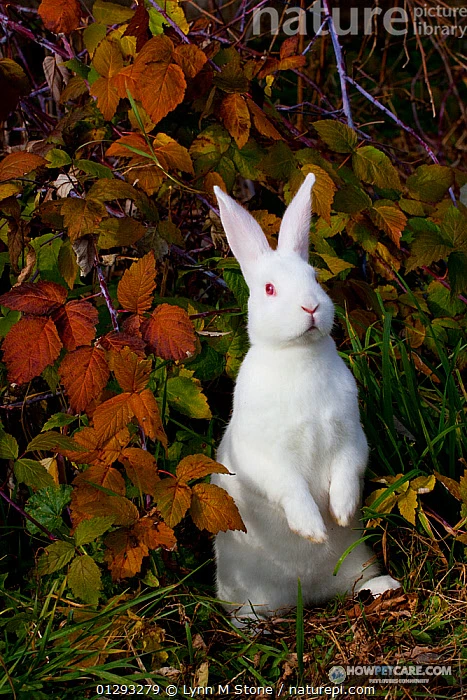

New Zealand rabbits are large, calm commercial-type rabbits that typically weigh 9 to 12 pounds as adults and reach fryer weight around 8 to 10 weeks. They need at least 8 square feet of solid-floor housing, unlimited hay, and a modest monthly budget, with emergency symptoms like GI stasis requiring same-day veterinary care.
New Zealand rabbits typically grow to 9 to 12 pounds, weigh less at birth, and reach fryer weight around 8 to 10 weeks. They stay calm enough for many first-time owners, yet large enough to need more space, food, and sturdier handling than small breeds. This guide answers the questions most readers ask before buying or building: how big they get, what they cost per month, how much housing they need, what to feed at each life stage, how they compare with the Californian rabbit, and which symptoms mean an emergency vet visit. The sections below work through those topics in order, with numbers, assumptions, and comparison tables so you can make a decision without guessing.
New Zealand Rabbit at a Glance: Size, Weight, and Temperament
Adult size and weight by sex
Adult does usually weigh 10 to 12 pounds, while bucks typically weigh 9 to 11 pounds. Body length commonly falls around 20 to 26 inches. These are commercial-type rabbits, meaning they were developed for meat production with deep loins and broad hindquarters. Because they reach a substantial adult weight, a New Zealand rabbit is not a lap-sized pet in the way a dwarf breed is; plan for larger cages, more bedding, and heavier feed bags.

Temperament as a pet versus meat animal
The breed is generally described as calm and docile. Individual personality varies by line and handling, and a well-socialized New Zealand can be a steady companion for a beginner who can support its weight securely. For meat production, the same calm disposition makes daily handling and kindling checks easier. If your goal is a show animal, note that show-line rabbits tend to be plumper with shorter ears, shorter bodies, and thicker fur than commercial meat-line rabbits. Meat-line animals are selected for growth rate and feed conversion, which usually matters more for a homestead herd than for posing on a table. If you are comparing breeds, the complete lionhead rabbit care guide covers grooming, diet, and costs for a mane-heavy companion.
All five ARBA color varieties
ARBA recognizes five New Zealand varieties: Red (recognized in 1916), White (1920), Black (1958), Broken (2010), and Blue (2016). The New Zealand white rabbit is the most common variety in commercial and laboratory settings, while the New Zealand red rabbit retains the original color. Black, broken, and blue round out the accepted palette. Color does not change care requirements, though white rabbits with pink eyes may be more sensitive to bright light.

Show-line versus commercial meat-line differences
Show-line rabbits are bred to match ARBA conformation standards: compact, deep-bodied, thick-furred, and slower-maturing. Commercial meat-line rabbits are selected for fast growth, efficient feed conversion, and larger litters. Choose a show-line animal if you plan to exhibit or want a steadier pet temperament; choose a meat-line animal if your priority is fryer output and cost per pound.
New Zealand Rabbit versus Californian Rabbit
Size, growth, and temperament table
| Attribute | New Zealand Rabbit | Californian Rabbit |
|---|---|---|
| Adult doe weight | 10-12 lb (4.5-5.4 kg) | 8-10.5 lb (3.6-4.8 kg) |
| Adult buck weight | 9-11 lb (4.1-5.0 kg) | 8-10 lb (3.6-4.5 kg) |
| Body type | Commercial meat type, deep loin, broad hindquarters | Commercial type, slightly finer bone, black points |
| Fryer target | 4.5-5.0 lb live at 8-10 weeks | 4.0-4.5 lb live at 8-10 weeks |
| Feed conversion ratio | About 2.8-3.2 lb feed per lb gain under good management | About 3.0-3.4 lb feed per lb gain under similar management |
| Litter size | Often 8-10 kits; 6-12 is common | Often 6-8 kits; 5-10 is common |
| Temperament | Calm, heavy, slower to startle; can be stubborn about handling | Alert, active, often easier to lift and pose for show |
| Best fit | Meat herd, large pet, show meat type | Show rabbit, smaller homestead meat project, 4-H posing |

Feed efficiency and production comparison
New Zealand fryers typically reach 4.5 to 5 pounds live weight at 8 to 10 weeks, while Californians often finish slightly lighter at 4.0 to 4.5 pounds in the same window. Feed conversion ratio (FCR) for New Zealand fryers is roughly 2.8 to 3.2 pounds of feed per pound of gain under good management; Californians run about 3.0 to 3.4 pounds per pound under similar conditions. Litter size also favors the New Zealand, with 8 to 10 kits common against the Californian’s 6 to 8. For a small homestead focused on meat volume, the New Zealand usually produces more pounds of rabbit per doe per year.
Which breed fits your goal: pet, show, or meat
Choose a New Zealand if you want the heaviest fryer output, calm handling for children, or a large companion rabbit that tolerates handling well. Choose a Californian if show-ring posing, lighter feed demand per animal, or a smaller carcass better fits your setup. Both breeds need similar housing and diet, so your decision should rest on production targets, space, and whether you plan to show or simply raise meat.
Monthly Cost to Keep a New Zealand Rabbit: Pet versus Meat Production
Pet monthly cost line items and assumptions
Assumptions: $0.55 per pound (about $1.21 per kilogram) 16% protein rabbit pellets, $0.40 per pound (about $0.88 per kilogram) second-cut timothy hay, paper-based litter at $0.22 per pound, $180 annual wellness exam budget amortized monthly, and no emergency care. These figures are illustrative; actual prices vary by region and supplier.
Pet scenario, one 11-lb rabbit
- Pellets: 1/4 cup (about 35 g) per day = 1.06 lb per week; monthly cost = 1.06 lb x 4.33 weeks x 0.55 =2.52
- Timothy hay: 1/2 lb per day = 15 lb per month; monthly cost = 15 lb x 0.40 =6.00
- Litter: 3 lb per week = 13 lb per month; monthly cost = 13 lb x 0.22 =2.86
- Annual vet amortized: 180 / 12 =15.00
- Pet total: about $26.38 per month
Meat-herd monthly cost and cost-per-pound model
Meat scenario, one doe plus one litter of 8 kits to 10 weeks
- Doe maintenance: 1/2 cup (about 70 g) pellets per day = 2.17 lb per week; monthly cost = 2.17 lb x 4.33 x 0.55 =5.18
- Doe hay: 1/2 lb per day = 15 lb per month; monthly cost = $6.00
- Litter feed to 10 weeks: about 1.0 lb pellets per kit per week for 6 weeks of active feeding = 48 lb; monthly average over a 4-month cycle = 12 lb per month x 0.55 =6.60
- Kindling supplies and bedding: $4.00 per month amortized
- Meat-herd total: about $21.78 per month
At those assumptions, eight kits dressing out near 2.5 pounds each yields roughly 20 pounds of dressed meat, putting illustrative cost per pound in the $0.95 to $1.15 range before labor, processing, or equipment costs. Emergency vet visits, enclosure replacement, and breeder stock are separate budget items.
Hidden costs: emergency vet, equipment replacement, and breeder price ranges
Budget separately for emergency veterinary care (often $150 to $400 per visit), enclosure replacement ($75 to $250), and initial breeder stock ($40 to $150 per rabbit). Spay or neuter surgery for a pet rabbit typically runs $150 to $350. Rescue adoption often costs $25 to $75 and can be the lower-cost entry point if you want a companion rather than production stock.
Exact Enclosure Specifications for New Zealand Rabbits
Adult rabbit minimum cage dimensions
Provide at least 8 square feet (0.74 square meters) of solid-floor living space for one adult New Zealand rabbit. A 24 x 30 inch (61 x 76 cm) floor is a common minimum footprint for an adult, while a 30 x 36 inch (76 x 91 cm) cage suits a breeding doe with a litter. Cage height should allow a 10- to 12-pound rabbit to stand fully on its hind legs without its ears touching the top—aim for at least 24 inches (61 cm) of interior height, more if you add a litter box or raised rest board.

Breeding doe and litter enclosure specs
A kindling setup needs a nest box roughly 12 x 18 inches (30 x 46 cm) with sides high enough to contain kits but low enough for the doe to enter. The kindling area should be sheltered from drafts and direct sunlight. After weaning, move kits to a grow-out pen with solid flooring and at least 4 to 6 square feet (0.37 to 0.56 square meters) per group of four to six juveniles, expanding as they approach fryer weight.
Indoor pen and bunny-proofing setup
For an indoor companion, use an exercise pen or C&C-style cage with a solid floor; wire-bottom cages can cause sore hocks over time. Cover or protect electrical cords, baseboards, and houseplants before allowing free-range time. New Zealand rabbits are large enough to knock over lightweight furniture, so anchor shelves and block narrow gaps behind appliances. Litter training works best with a large, low-sided box filled with paper-based litter and a hay rack on one side. Expect more urine volume and odor than a small breed, so scoop daily and change litter at least weekly in an apartment or suburban home.
Age-Staged Feeding Rations and Diet
Hay-to-pellet ratios by life stage
Unlimited timothy hay is the baseline for every life stage. Alfalfa hay is appropriate for growing kits and breeding does but should be limited for adults because of its calcium and calorie content. Pellets should complement hay, not replace it.
Kit, adult, and breeding doe ration charts
| Life stage | Timothy hay | Pellets (cups/day) | Pellets (grams/day) | Special notes |
|---|---|---|---|---|
| Kit, 4-8 weeks | Unlimited; add small amount of alfalfa hay | 1/8-1/4 cup | 15-35 g | Introduce pellets slowly; keep hay as the main food |
| Growing rabbit, 8-16 weeks | Unlimited timothy hay | 1/4-1/2 cup | 35-70 g | Increase only if body condition stays lean |
| Adult pet, 10-12 lb | Unlimited timothy hay | 1/4 cup | 30-35 g | Alfalfa only as an occasional treat; monitor weight |
| Pregnant doe | Unlimited timothy hay plus alfalfa hay | 1/2-3/4 cup | 70-105 g | Increase gradually after day 14 of gestation |
| Lactating doe | Unlimited timothy hay plus alfalfa hay | 3/4-1 cup | 105-140 g | Split into two feedings; provide extra water |
| Finishing fryer, 8-10 weeks | Unlimited timothy hay | 1/2-3/4 cup | 70-105 g | Weigh weekly; avoid overfeeding to protect FCR |

Pellet weights assume a typical 16% protein commercial rabbit pellet at about 130 g per cup. Weigh one cup of your actual feed before using these targets, because pellet density varies by brand.
Treats, greens, and water requirements
Offer leafy greens such as romaine, cilantro, or parsley in small daily portions; introduce new greens one at a time to watch for soft stool. Fruit and root vegetables are treats, not staples—a teaspoon or two per day is enough for a 10-pound rabbit. Fresh water must be available at all times, in a bottle or heavy ceramic bowl that cannot be tipped. Lactating does need extra water to support milk production.
New Zealand Rabbit Health: Emergency Symptoms and Vet Thresholds
GI stasis and bloat emergency protocol
GI stasis is a life-threatening slowdown of the gut. Warning signs include no fecal output for 10 to 12 hours, a hunched posture, teeth grinding, and loss of appetite. Bloat presents as a distended abdomen, lethargy, and rapid breathing. Both conditions require same-day veterinary attention. Do not force-feed or administer home remedies until a rabbit-savvy vet confirms the diagnosis.

Dental and reproductive red flags
Malocclusion signs include drooling, dropping food, uneven incisors, and gradual weight loss. Overgrown teeth must be trimmed or addressed by a veterinarian; do not attempt to clip them yourself. Unspayed does face a significant risk of uterine cancer, especially after age 3 to 4. Spaying before 6 months can reduce that risk, but timing should be discussed with your veterinarian.
Vaccination and biosecurity by region
Rabbit hemorrhagic disease virus type 1 (RHDV1) and myxomatosis are serious viral threats. Vaccine availability in the United States varies by state and outbreak status, and some products may be distributed only through state veterinarians or during declared emergencies. Ask a rabbit-savvy veterinarian about the current regional schedule, and practice biosecurity by quarantining new rabbits for at least 30 days, separating equipment between herds, and limiting visitor contact with your rabbitry.
New Zealand Rabbit Meat Production: FCR, Growth, and Cost Per Pound
Growth timeline from kindling to fryer
New Zealand kits are born hairless and blind after a gestation period of about 31 to 32 days. Litter size often runs 8 to 10 kits, with 6 to 12 common. Kits nurse for about 4 to 6 weeks and reach fryer weight of 4.5 to 5 pounds live at 8 to 10 weeks. A roaster is older and heavier, typically beyond 10 weeks, but this guide does not cover slaughter or butchering.

FCR and cost-per-pound calculation
Feed conversion ratio for New Zealand fryers on commercial pelleted rations is roughly 2.8 to 3.2 pounds of feed per pound of gain under good management. Using the cost assumptions in the monthly cost section, eight kits fed to 10 weeks consume about 48 pounds of pellets for the litter plus doe maintenance. At $0.55 per pound, feed cost for the litter portion is about $26.40, spread across roughly 20 pounds of dressed meat yields an illustrative feed-only cost near $1.32 per pound before kindling supplies, bedding, labor, or processing.
Breeding schedule and litter management
Production does can be rebred shortly after kindling, but many small-scale breeders allow a recovery period and kindle 4 to 6 litters per year per doe. Track parent weights, kindling dates, and litter size averages to select replacement stock. Commercial rabbit terminology includes doe (female), buck (male), kindling (birth), fryer (young meat rabbit), and roaster (older, heavier meat rabbit).
Buying, Housing Checklist, and Next Steps
Pet, 4-H, or meat herd: which path fits you
Use this decision filter before contacting a breeder:
- Pet: You want a calm companion, have at least 8 square feet of indoor space, can budget about $26 per month, and can arrange spay/neuter and exotics veterinary care.
- 4-H or show: You need an ARBA-registered show-line rabbit, parent weights, and a conformation-focused breeder; choose New Zealand for meat-type shows or Californian if posing and lighter bone type appeal to you.
- Meat herd: You want fryer output, have space for a doe, buck, and grow-out pen, and can manage breeding records and kindling cycles.
Breeder interview questions and price expectations
Ask breeders: Are the parents ARBA-registered? What is the line type—show or commercial meat? What are the parent weights and average litter size? What health guarantee do you offer? What vaccinations or biosecurity practices do you follow? Can you provide kindling records? Breeder stock typically ranges from $40 to $150 per rabbit; rescue adoption often runs $25 to $75.

Pre-purchase and build checklist
- I can provide at least 8 sq ft (0.74 sq m) of solid-floor living space for one adult New Zealand rabbit.
- I have budgeted at least $26 per month for one pet rabbit, including hay, pellets, litter, and annual vet care amortized.
- I have identified an exotics or rabbit-savvy veterinarian within 30 minutes of home.
- I have an emergency fund of at least $300 for GI stasis, dental, or reproductive emergencies.
- For a meat herd: I have space for a doe, buck, and grow-out pen, plus a 10-week feed budget of at least $25 per litter.
- For 4-H or show: I have confirmed whether I need a show-line or commercial meat-line rabbit and asked for parent weights and ARBA registration.
- I have asked the breeder for health guarantees, vaccination or biosecurity practices, kindling history, and litter size averages.
- I have decided whether the rabbit will be spayed or neutered and budgeted $150-$350 for that surgery.
- I have a written plan for housing, feed sourcing, manure management, and who cares for the rabbit during travel.
- I have compared rescue adoption ($25-$75) with breeder purchase ($40-$150) before choosing a source.
Author: Senior Editor, Animal Welfare & Pet Care Desk
Published: November 1, 2026

| Rabbit Breed | Adult Weight | Body Type | Temperament | Litter Size | Feed Conversion Ratio | Primary Use |
|---|---|---|---|---|---|---|
| New Zealand Rabbit | 10–12 lb (4.5–5.4 kg) doe / 9–11 lb (4.1–5.0 kg) buck | Commercial meat type, deep loin, broad hindquarters | Calm, heavy, slower to startle, generally described as calm and docile; can be stubborn about handling | Often 8–10 kits; 6–12 is common | About 2.8–3.2 lb feed per lb gain under good management | Meat herd, large pet, show meat type |
| Californian Rabbit | 8–10.5 lb (3.6–4.8 kg) doe / 8–10 lb (3.6–4.5 kg) buck | Commercial type, slightly finer bone, black points | Alert, active, often easier to lift and pose for show | Often 6–8 kits; 5–10 is common | About 3.0–3.4 lb feed per lb gain under good/similar management | Show rabbit, smaller homestead meat project, 4-H posing |
FAQ
Are New Zealand rabbits actually from New Zealand?
No. The breed was developed in the United States in the early 1900s despite its name.
How long do New Zealand rabbits live?
Pet New Zealand rabbits typically live 5 to 8 years with proper diet and veterinary care.
Are New Zealand rabbits good pets for beginners?
They can be good beginner pets because they are generally calm, but their 10- to 12-pound size means they need more space and sturdier handling than small breeds.
How big do New Zealand rabbits get?
Adult does usually reach 10 to 12 pounds, while bucks typically reach 9 to 11 pounds.