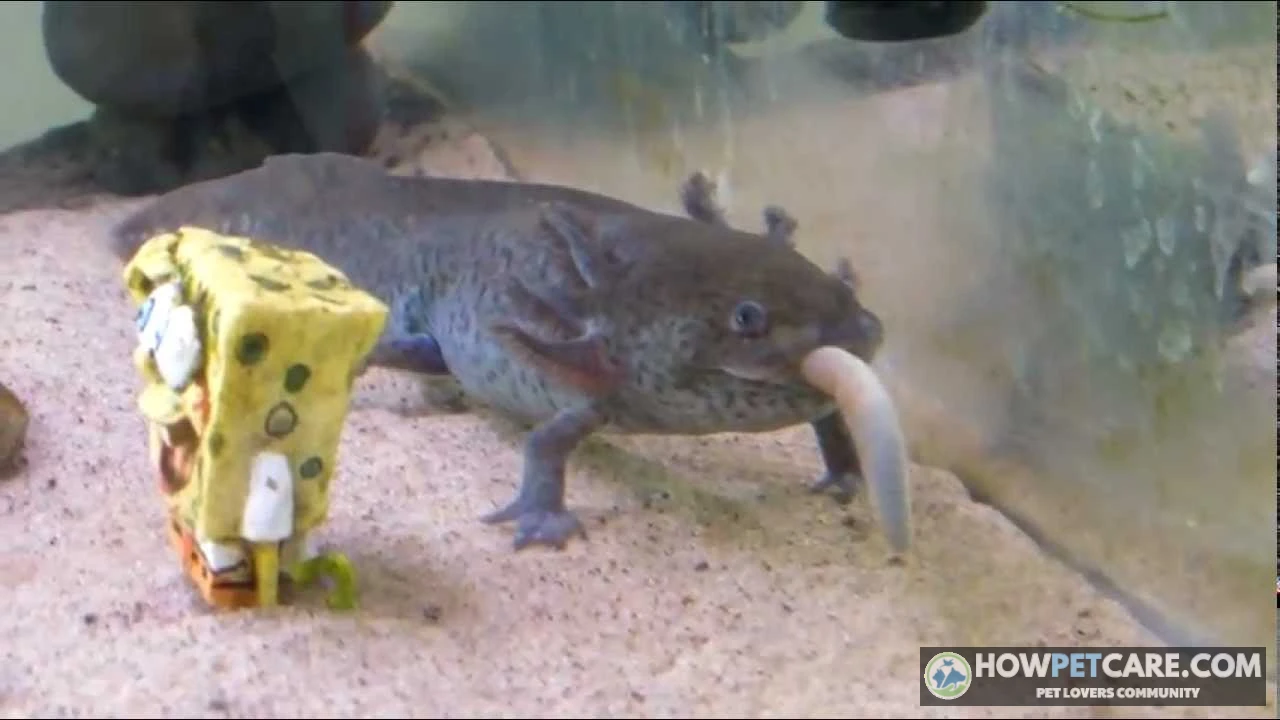

Axolotls eat animal-based foods such as earthworms, sinking carnivore pellets, bloodworms, brine shrimp, and daphnia. Earthworms or suitable sinking pellets are dependable staples for juveniles and adults, while tiny live foods suit babies. Feed food no wider than the axolotl’s mouth and remove leftovers promptly.
Axolotls eat animal-based foods, including earthworms, aquatic larvae, brine shrimp, daphnia, bloodworms, and sinking carnivore pellets. These carnivorous neotenic salamanders need protein-rich prey, not vegetables or general fish flakes. For most captive juveniles and adults, appropriately sized earthworms make the strongest first staple. Pellets are a convenient alternative, while bloodworms and brine shrimp are better suited to variety or younger animals.
A practical axolotl diet should be based on body length rather than age alone. Offer food no wider than the axolotl’s mouth. Start with the portion ranges in this guide, then adjust for appetite, body condition, leftovers, water temperature, and water quality. Remove uneaten food promptly, as excess food can foul the water.
What Do Axolotls Eat: Wild Diet vs Captive Diet

What axolotls eat in the wild
Wild axolotls hunt worms, insect larvae, small crustaceans, aquatic larvae, and other prey they can draw into their mouths. They feed by suction: an axolotl opens its broad mouth and pulls in prey, using its underdeveloped teeth mainly to hold food rather than chew it. That makes prey size and softness important.
Their natural diet consists entirely of animal protein. Although people sometimes call axolotls Mexican walking fish, they are salamanders, not fish. Ordinary tropical-fish diets are therefore a poor guide to their nutritional needs.
What axolotls eat in captivity
In captivity, axolotls can eat earthworms, red composting worms, bloodworms, brine shrimp, daphnia, and appropriately formulated sinking pellets. Earthworms are widely considered an excellent food across life stages because they provide substantial protein. Red composting worms are nutritious too, and their movement can prompt an axolotl to feed. Some axolotls reject red wigglers because of their defensive secretion. Rinsing them, or briefly blanching and cooling them, may improve acceptance.
Variety helps prevent overreliance on the limitations of a single food. Pellets, for example, are easy to portion, while live or freshly cut worms encourage natural feeding behavior. Bloodworms are useful, but they should not automatically become the only long-term staple. Husbandry matters as well: unsuitable water temperature, poor water quality, or swallowed substrate can suppress appetite regardless of food quality.
For a healthy juvenile or adult, begin with appropriately sized earthworms or sinking axolotl pellets. Use bloodworms or brine shrimp for variety instead of building the entire diet around treats.
Best Food for Axolotls by Life Stage
Axolotl diet for babies

Newly hatched larvae respond best to tiny foods that move. Live baby brine shrimp and daphnia work well because they are small enough for developing axolotls to catch. Micro-worms are another option when they are clean, appropriately sized, and raised in a controlled culture.
Feed babies daily and watch them eat instead of relying on a fixed count of microscopic prey. Offer only what they can consume during a short feeding session, then siphon out anything left behind. As the axolotl approaches 2 inches, add tiny pieces of earthworm or softened, appropriately sized pellets alongside its familiar food.
Juvenile and adult staple foods
Juveniles from roughly 2 to 6 inches can progress from small live foods to chopped earthworms and small sinking pellets. Adults can usually manage whole earthworms or larger portions of pellets. Any worm wider than the axolotl’s mouth should be cut into smaller pieces.
| Life stage | Best staple foods | Treats | Feeding frequency |
|---|---|---|---|
| Baby, under 2 inches | Live baby brine shrimp, daphnia, micro-worms | None needed | Daily |
| Juvenile, 2-6 inches | Chopped earthworms, small sinking pellets | Bloodworms | Daily when small, then every other day |
| Adult, 6+ inches | Whole earthworms, sinking axolotl pellets | Bloodworms or brine shrimp | 2-3 times per week |

Treat these frequencies as starting ranges, not veterinary prescriptions. One evidence summary recommends daily feeding for juveniles and feeding adults once every two days. Individual needs differ, so refine the schedule based on consistent appetite and body condition.
Treats versus staples
The best food for axolotls balances appropriate size, animal protein, digestibility, and a low risk of contamination. This comparison distinguishes dependable staples from foods that are better kept for variety.
| Food | Practical role | Main advantage | Main limitation |
|---|---|---|---|
| Earthworms | Primary staple | Protein-rich whole prey; easy to cut by size | Live worms require clean sourcing and storage |
| Sinking axolotl or salmon pellets | Staple or backup staple | Convenient and easy to count | Quality and pellet size vary |
| Bloodworms | Supplemental food or treat | Readily accepted and useful during transitions | Messy; not ideal as the only long-term food |
| Baby brine shrimp | Baby food or adult treat | Small and movement stimulates feeding | Requires careful rinsing and culture hygiene |
| Daphnia | Baby food | Appropriately small live prey | Less practical for large juveniles and adults |
| Freeze-dried foods | Occasional treat | Easy to store | Must be rehydrated; not a preferred staple |

Healthy axolotls that eat varied whole foods and suitable pellets generally shouldn’t receive calcium or vitamin powder by default. Powders can wash into the water, making the dose uncertain. Don’t add supplements blindly or use them as treatment. Ask an exotic veterinarian whether a specific deficiency or diet calls for supplementation.
Axolotl Feeding Frequency and Portion Sizes by Size
How often should you feed an axolotl
Feed babies daily, small juveniles daily or every other day, larger juveniles about every other day, and adults two or three times weekly. A growing axolotl generally needs more frequent feeding opportunities than a mature animal. Its appetite may shift with water temperature, activity, growth, stress, and illness.
Don’t keep adding food just because the axolotl continues to investigate. Axolotls swallow by suction and do not chew normally, so several small pieces are safer than one oversized piece.
Portion counts by axolotl size
Use the following amounts as practical starting ranges. Worms vary substantially in size, so "one worm" means one narrow enough to swallow and no longer than needed for easy handling. With pellets, follow the manufacturer’s size guidance and stop feeding if food remains after the feeding window.
| Axolotl length | Food type | Approximate portion per meal | Meals per week |
|---|---|---|---|
| Under 2 inches | Baby brine shrimp, daphnia, micro-worms | As much as eaten in 2-3 minutes | 7 |
| 2-4 inches | Finely chopped earthworm or tiny pellets | 2-3 small worm pieces or 3-5 tiny pellets | 4-7 |
| 4-6 inches | Chopped or small whole earthworms; pellets | 1-2 small worms or 4-6 pellets | 3-4 |
| 6-8 inches | Whole earthworms or adult-size pellets | 1-3 appropriately sized worms or 6-8 pellets | 2-3 |
| Over 8 inches | Whole earthworms or pellets | 2-4 appropriately sized worms or a comparable pellet portion | 2-3 |
| Any size | Portion cue | Food no wider than the mouth; total meal roughly comparable to head width | Based on life stage |

For a 2-inch axolotl, start near the lowest juvenile range: two or three tiny worm pieces or three small pellets. For a 7-inch axolotl, start with one or two suitable earthworms or six to eight pellets. Increase the amount only if every piece is eaten promptly, body condition remains lean, and water quality stays stable. Reduce the portion when leftovers recur or the abdomen becomes consistently wider than the head.
Axolotls can swallow gravel while striking at food, potentially causing gastrointestinal impaction. Offer food with tongs or in a feeding dish, and don’t use swallowable gravel as feeding substrate.
Feeding schedule for beginners
Set regular feeding days instead of feeding whenever the axolotl approaches the glass. A small juvenile might eat Monday, Wednesday, Friday, and Sunday; an adult might eat Monday, Thursday, and Saturday. Record both the food and the amount. If leftovers appear twice in succession, reduce the next portion rather than extending the cleanup window.
What Not to Feed Axolotls: Unsafe and Unsuitable Foods
Toxic and dangerous foods
Avoid household foods, seasoned meat, processed meat, bread, vegetables, and wild-caught insects. They don’t fit an axolotl’s carnivorous aquatic diet and may introduce salt, fat, pesticides, parasites, or indigestible material.
Feeder fish are also a poor routine option. Goldfish and minnows may carry pathogens, injure gills, compete for food, or offer an unsuitable nutritional profile. Quarantine doesn’t eliminate every risk, making captive-raised worms or formulated pellets simpler and safer staples.
| Food | Risk | Safer alternative |
|---|---|---|
| Feeder fish, including goldfish and minnows | Parasites, disease, injury, or nutritional imbalance | Earthworms or sinking pellets |
| Hard-shelled crustaceans | Shell damage, choking, or impaction | Chopped earthworms |
| Insects with hard exoskeletons | Choking or difficult digestion | Axolotl pellets |
| Wild-caught insects and worms | Pesticides, fertilizers, or parasites | Captive-cultured worms |
| Bread | Digestive blockage and poor nutrition | Earthworms |
| Seasoned or processed human meat | Excess salt, fat, and additives | Whole animal-based foods |
| Vegetables | Unsuitable for a carnivorous digestive system | Bloodworms or brine shrimp |
| Oversized pellets | Choking or refusal | Pellets sized for the mouth |
| Food wider than the axolotl’s mouth | Choking or impaction | Cut or smaller food |

Foods that cause impaction or choking
Hard shells, oversized pellets, large pieces of worm, and food dropped onto gravel all create avoidable swallowing hazards. Keep food narrower than the mouth. When an axolotl repeatedly spits out a piece, make it smaller instead of offering it again unchanged.
Nutritionally empty options
Fish flakes, bread, freeze-dried treats, and muscle meat alone don’t make a sensible complete diet. Freeze-dried foods may also float or expand after swallowing when offered dry. Rehydrate them and reserve them for occasional use. An enthusiastic feeding response doesn’t mean a food is nutritionally suitable.
Safe Preparation, Thawing, and Storage for Axolotl Food
Thawing frozen foods safely
Put the required portion of frozen bloodworms or brine shrimp into a dedicated cup. Add tank-temperature dechlorinated water, then let the food thaw completely. Pour it through a fine net, rinse it gently with fresh dechlorinated water, and transfer it with a turkey baster. Never thaw and refreeze a cube. Avoid pouring nutrient-rich thawing liquid into the aquarium.
Rinsing and portioning live foods
Rinse cultured earthworms with cool, clean water before cutting them with dedicated scissors. Source worms from pesticide-free captive cultures, not lawns or bait areas where chemical exposure is unknown. A home culture needs a ventilated container, suitable damp bedding, moderate feeding, and clean starter stock. Remove moldy food and dead worms.
Gut loading means giving live prey nutritious material before offering it to the axolotl. It is most relevant to cultured prey such as brine shrimp. Gut loading can’t make contaminated or inappropriate prey safe, and earthworms shouldn’t be coated in supplement powder without veterinary direction.
Storage and shelf life
Keep frozen food continuously frozen, following the package’s storage and discard instructions. Refrigerate purchased earthworms only when the supplier recommends it. Composting-worm cultures should remain under the conditions specified for that species. Label food containers and use separate tools to prevent aquarium food from touching kitchen utensils. Discard anything that smells abnormal, shows mold, or has thawed unexpectedly.
Rehydrating freeze-dried foods
Soak freeze-dried food in tank-temperature dechlorinated water until completely soft and saturated. Drain the soaking water before feeding. Even when rehydrated, freeze-dried bloodworms or brine shrimp should remain occasional foods rather than the foundation of an axolotl care diet.
Step-by-Step Feeding Technique and Tank Cleanup
How to feed an axolotl safely

-
Check the environment
Before feeding, confirm that the water temperature and recent test results remain within the animal’s normal husbandry range.
-
Prepare one portion
In a separate container, cut worms, count pellets, or thaw and rinse frozen food.
-
Present the food
With blunt feeding tongs or a turkey baster, place the food just in front of the axolotl’s face without touching its gills.
-
Observe the meal
Let the axolotl swallow each piece before offering the next. Stop when its interest declines or the planned portion is gone.
-
Remove leftovers
Within 10-15 minutes, siphon out uneaten food, including any fragments hidden around decor.
-
Record and clean
Record the portion and appetite, spot-clean waste, and make a partial water change when testing or the established maintenance routine calls for one.
Post-meal tank cleanup steps
Collect worm fragments, pellets, and waste with a turkey baster. After messy frozen meals, check beneath hides and around plants. Test ammonia, nitrite, and nitrate regularly, as well as whenever uneaten food has stayed in the tank longer than intended. Base partial water changes on test results and the established care routine. Avoid replacing all the water or scrubbing every surface, since either can disrupt biological filtration.
Feeding tools to keep on hand
Store blunt tongs, a turkey baster, a fine-mesh net, a thawing cup, dedicated scissors, and a feeding log together. Rinse each tool after use without soap or household cleaners. Keep aquarium equipment separate from food-preparation equipment used by people.
Why Your Axolotl Is Not Eating: Troubleshooting Decision Tree
Environmental checks first

If an axolotl refuses food, inspect its environment before trying a series of increasingly tempting options. Confirm the water temperature, then test ammonia, nitrite, and nitrate. Check for recent temperature swings, strong current, aggressive tank mates, swallowed substrate, or major enclosure changes.
Then observe the animal’s behavior and appearance. Warning signs include uncontrollable floating, tightly curled gills, unusual hiding, bloating, skin changes, injury, or repeated regurgitation. Don’t keep adding food to "test" its appetite, as decomposing leftovers can make water conditions worse.
One missed meal in an otherwise normal adult may call only for observation. Repeated refusal with abnormal water results requires immediate husbandry correction; repeated refusal with physical or behavioral warning signs requires an exotic veterinarian.
Diet transition and food refusal
Introduce food changes gradually. Offer a small amount of the new food next to the familiar option. Over several scheduled meals, increase the new portion as you reduce the old one. During a pellet transition, soften the first pellets in dechlorinated water. For a worm transition, begin with small pieces that move enough to attract attention.
When an axolotl takes food and spits it out, try a smaller piece, a softer texture, or a thoroughly rinsed worm. If it ignores food altogether, return to the environmental checks instead of switching foods repeatedly during the same session.
When to seek veterinary help
Contact an exotic veterinarian experienced with amphibians if food refusal persists, the axolotl loses body condition, or appetite loss occurs with swelling, wounds, fungus-like growth, abnormal buoyancy, persistent gill curling, vomiting, or suspected impaction. Don’t use vitamin powders, salt, antibiotics, refrigeration, or force-feeding as improvised cures. Appetite loss is a symptom, not a diagnosis.
Your First Axolotl Feeding Checklist
Use this checklist to make the axolotl feeding guide part of a repeatable routine:
- ☐ Choose one staple: appropriately sized earthworms or sinking axolotl pellets.
- ☐ Choose one supplemental food: bloodworms or brine shrimp.
- ☐ Buy blunt feeding tongs and a turkey baster.
- ☐ Set aside a small container for thawing frozen food.
- ☐ Match the feeding calendar to the axolotl’s size and growth stage.
- ☐ Schedule regular ammonia, nitrite, and nitrate testing.
- ☐ Plan spot-cleaning after each meal and routine partial water changes as needed.
- ☐ Record food type, portion, appetite, and leftovers in a simple log.
For the first meal, start at the lower end of the portion table. Watch how quickly the axolotl eats, remove leftovers within 10-15 minutes, and record what happened. Use that evidence—not begging behavior or guesswork—to choose the next portion.

| Life Stage | Axolotl Length | Best Staple Foods | Treats / Supplemental Foods | Approximate Portion Per Meal | Meals Per Week |
|---|---|---|---|---|---|
| Baby | Under 2 inches | Live baby brine shrimp, daphnia, micro-worms | None needed | As much as eaten in 2-3 minutes | 7 |
| Juvenile | 2-4 inches | Finely chopped earthworm or tiny pellets | Bloodworms | 2-3 small worm pieces or 3-5 tiny pellets | 4-7 |
| Juvenile | 4-6 inches | Chopped or small whole earthworms, pellets | Bloodworms | 1-2 small worms or 4-6 pellets | 3-4 |
| Adult | 6-8 inches | Whole earthworms or adult-size pellets | Bloodworms or brine shrimp | 1-3 appropriately sized worms or 6-8 pellets | 2-3 |
| Adult | Over 8 inches | Whole earthworms or pellets | Bloodworms or brine shrimp | 2-4 appropriately sized worms or a comparable pellet portion | 2-3 |
FAQ
Can axolotls eat pellets, worms, and live fish safely?
Axolotls can eat suitable sinking pellets and clean, appropriately sized earthworms safely. Live fish are generally discouraged because they can introduce parasites, cause injury, and provide an unsuitable routine diet.
Do freeze-dried foods need rehydration before feeding?
Yes. Soak freeze-dried foods in tank-temperature dechlorinated water until soft and saturated, then drain them before feeding. Use them as occasional foods rather than staples.
How many worms or pellets should I offer per meal for a 2-inch versus a 7-inch axolotl?
A 2-inch axolotl can start with two or three tiny worm pieces or three small pellets. A 7-inch axolotl can start with one or two suitable earthworms or six to eight pellets, with portions adjusted for appetite, body condition, and leftovers.
What calcium or vitamin supplements do captive axolotls need?
Most axolotls eating varied whole foods and suitable pellets do not need calcium or vitamin powder by default. Ask an exotic veterinarian before using supplements, especially when treating a suspected deficiency.