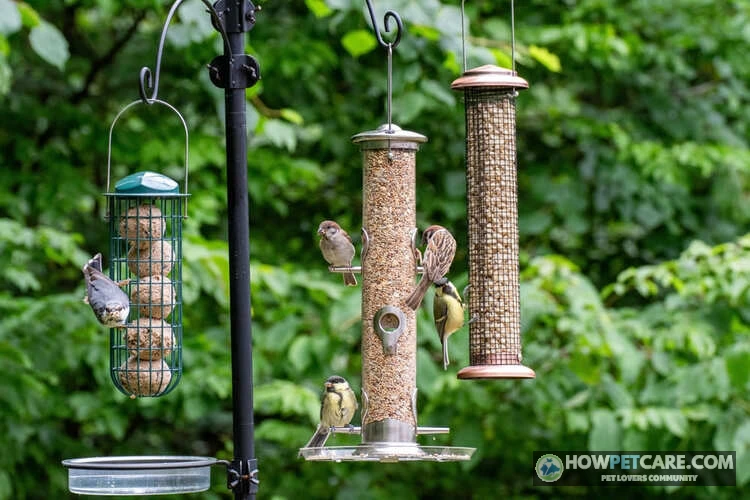

Backyard birds eat seeds, insects, nectar, suet, berries, nuts, and grains. Match the food to the feeder: tube feeders for sunflower and nyjer seeds, hopper feeders for larger seed mixes, platform feeders for fruit and mealworms, suet cages for woodpeckers and nuthatches, and nectar feeders for hummingbirds and orioles.
Backyard birds eat seeds, insects, nectar, suet, berries, nuts, and grains. What they accept at a feeder depends on the species, and what they find in the wild changes with the seasons. For U.S. homeowners and nature enthusiasts just starting out, this guide maps common backyard birds to the right foods and feeders, explains how to adjust offerings from winter through migration, and lists unsafe foods to keep birds healthy.
What Birds Eat: Quick Answers by Species, Season, and Feeder

Most wild bird diets fall into a few core categories: seeds, insects, nectar, suet, berries, nuts, and grains. Seed-eaters such as finches and cardinals crack open sunflower and nyjer seeds with conical beaks. Insect-eaters such as bluebirds and robins hunt worms, caterpillars, and mealworms. Nectar-feeders such as hummingbirds drink sugar-rich nectar and supplement with tiny insects for protein. Suet provides concentrated fat for woodpeckers, nuthatches, and chickadees, especially when insects are scarce.
What backyard birds eat at feeders is only part of their diet. In natural habitats, birds forage across yards, woods, and fields, eating whatever is seasonally available. A cardinal at your hopper feeder may spend the rest of the day eating berries and insects in nearby shrubs. Hummingbirds rely primarily on nectar and small insects, not seed mixes, which is why a standard seed feeder will not attract them.
Matching feeder type to food type is the first practical decision. Tube feeders hold small seeds such as black-oil sunflower and nyjer. Hopper feeders work well for larger seed volumes and mixed blends. Platform feeders accommodate fruit, mealworms, and birds that prefer to feed low. Suet cages hold high-fat cakes for woodpeckers and nuthatches. Nectar feeders dispense sugar water for hummingbirds and orioles.
Seed-eaters versus insect-eaters versus nectar-feeders
Seed-eaters have strong, conical beaks built to crack hulls. Common backyard examples include northern cardinals, American goldfinches, house finches, and white-throated sparrows. Insect-eaters such as eastern bluebirds, American robins, and woodpeckers need protein-rich insects, especially during nesting season. Nectar-feeders are specialists; ruby-throated hummingbirds visit flowers and nectar feeders for energy while catching small insects and spiders in flight.
What backyard birds eat versus wild birds in natural habitats
Backyard feeders supplement, rather than replace, natural foraging. Garden birds eat earthworms, insects, snails, berries, seeds, aphids, and caterpillars depending on species. Woodland birds such as woodpeckers eat invertebrates, nuts, and seeds seasonally. Summer migrants including swallows and swifts feed mainly on flying insects. A well-stocked feeder makes observation easier, but birds still need access to natural food sources and clean water.
Matching feeder type to food type: tube, hopper, platform, suet, and nectar feeders

Beginners don’t need every feeder type at once. Start with one or two based on the birds already visiting. Tube feeders suit finches and chickadees eating black-oil sunflower or nyjer. Hopper feeders serve cardinals and sparrows eating larger seeds. Platform feeders work for robins and bluebirds taking mealworms or fruit. Suet cages attract woodpeckers and nuthatches. Nectar feeders are essential for hummingbirds and orioles, and they require more frequent cleaning than seed feeders.
Seasonal Bird Diets: What to Feed Birds in Winter, Summer, and Migration

Bird nutrition needs shift across the year. Winter brings high energy demands because birds burn fat to stay warm. High-fat foods such as suet, black-oil sunflower seed, and peanuts matter most in cold months. Spring and breeding season increase demand for protein, especially for nestlings, which require insect protein rather than seed. Summer natural foods include insects and berries, but clean water remains essential. Fall migration calls for calorie-dense foods to fuel long flights.
Winter feeding priorities for backyard birds

In winter, natural seed and insect supplies drop, and birds need calorie-dense foods. Black-oil sunflower seed offers high fat in a small package. Suet cakes provide concentrated energy for woodpeckers, chickadees, and nuthatches. Peanuts supply protein and fat, but should be unsalted and offered in feeders that prevent birds from taking whole large nuts they can’t handle safely. Water is still important; a shallow birdbath with fresh water helps when natural sources freeze.
From November to April, a full range of foods including seeds and peanuts is acceptable because natural food is scarcer. Suet and mealworms can be fed all year. Seed mixes, dried fruit, apples, pears, and berries are recommended for colder months.

Spring and breeding-season nutrition for adults and nestlings

Spring marks the shift toward protein-rich foods for nesting adults and their young. Most nestlings require insect protein, not seed, because insects supply the amino acids needed for rapid growth. Mealworms are a practical backyard substitute for parent birds feeding young. Adult birds also increase insect consumption during egg-laying and chick-rearing. If you offer mealworms, place them on a platform or in a shallow dish where parent birds can easily reach them.
Baby birds should not be fed bread, milk, or kitchen scraps. If you find a nestling on the ground, contact a licensed wildlife rehabilitator rather than attempting to feed it yourself.
Summer natural foods and water needs

Summer offers abundant natural foods, including insects, caterpillars, berries, and ripening seeds. Backyard feeding can continue at a reduced level, with nectar feeders maintained for hummingbirds and orioles. Clean water becomes critical in hot weather; refill a shallow birdbath daily and clean it regularly to prevent algae and mosquito breeding.
Fall migration fueling and feeder transition

Migration requires calorie-dense fuel. Keep seed and suet available as natural supplies begin to decline. Nectar feeders should remain up until hummingbirds have clearly departed from your region, then be taken down, cleaned, and stored. Native berry and seed plants left standing provide natural food sources that support migrating birds without requiring daily refills.
Species-to-Food Lookup Table for Common U.S. Backyard Birds
This table pairs common U.S. backyard species with preferred foods, feeder types, and seasonal notes. Use it as a fast reference when deciding what to put out based on the birds already in your yard.
| Bird species | Preferred foods | Best feeder type | Seasonal notes |
|---|---|---|---|
| Northern cardinal | Black-oil sunflower, safflower, cracked corn | Hopper or platform | Year-round; add suet in winter |
| Black-capped chickadee | Black-oil sunflower, peanuts, suet | Tube or suet cage | Higher fat foods in cold months |
| American goldfinch | Nyjer, hulled sunflower | Nyjer tube | Switch to fresh nyjer if seed cakes |
| House finch | Sunflower hearts, millet, nyjer | Tube or platform | Often visits in small flocks |
| Downy woodpecker | Suet, peanuts, sunflower | Suet cage or peanut feeder | Suet is most useful in winter |
| Ruby-throated hummingbird | Nectar (1 part sugar to 4 parts water), small insects | Nectar feeder | Clean every 2-3 days in heat |
| Baltimore oriole | Nectar, orange halves, grape jelly in small amounts | Nectar/oriole feeder or platform | Offer fruit mainly in migration |
| Eastern bluebird | Mealworms, berries, suet crumbles | Platform or mealworm feeder | Nestlings need insects |
| American robin | Mealworms, berries, fruit | Platform or ground tray | Rarely eats seed |
| White-breasted nuthatch | Suet, peanuts, sunflower | Suet cage or tube | Caches food in bark crevices |
Songbirds and finches: seeds and grains
Northern cardinals prefer black-oil sunflower and safflower seeds on hopper or platform feeders. American goldfinches favor nyjer and hulled sunflower in dedicated nyjer tubes. House finches eat sunflower hearts, millet, and nyjer and often arrive in small flocks. These species are reliable year-round visitors in much of the United States.
Woodpeckers and nuthatches: suet and nuts
Downy woodpeckers and white-breasted nuthatches favor suet, peanuts, and sunflower seeds. Suet cages and peanut feeders work best. Nuthatches are known to cache food in bark crevices, so they may visit feeders and then store food for later. Suet is most useful in winter but can be offered year-round if it doesn’t turn rancid in heat.
Hummingbirds and orioles: nectar and fruit

Ruby-throated hummingbirds drink nectar made from one part white sugar to four parts water, boiled and cooled. They also eat small insects and spiders for protein. Baltimore orioles take nectar, orange halves, and small amounts of grape jelly. Use dedicated nectar or oriole feeders, and clean nectar feeders every two to three days in hot weather to prevent fermentation and mold.
Robins and bluebirds: insects, berries, and mealworms

American robins and eastern bluebirds rarely eat seed. They prefer mealworms, berries, and fruit offered on platform feeders or ground trays. During breeding season, nestlings need insect protein, so mealworms are especially valuable. Bluebirds may also take suet crumbles in cooler weather.
How Much and How Often to Feed Backyard Birds
Begin with starter amounts per feeder type rather than universal daily totals. Refill frequency depends on weather, bird traffic, and seed type. Wet or moldy seed should never be left out for extended periods, since fungi and toxins can cause illness or death.
Starter quantities for seed, suet, and nectar feeders
Start small and adjust based on how quickly birds consume the food. For seed feeders, begin with one-quarter to one-half cup per feeder. For suet cages, offer one cake at a time. For nectar feeders, start with one cup and change it frequently in warm weather. If a feeder empties early, increase by one-quarter cup at the next refill.
Refill schedules by season and feeder type
The following seasonal schedule gives starter portions and refill timing for common U.S. backyard feeders.
Winter:
- Black-oil sunflower seed: one-half cup per tube feeder, refill every one to two days if emptied.
- Suet cake: one cake per suet cage, replace every three to five days or when gone.
- Peanuts: one-quarter cup per peanut feeder, check daily in freezing weather.
- Nectar: not needed for most U.S. backyard birds; use only for winter hummingbird regions.
Spring:
- Black-oil sunflower or safflower: one-quarter to one-half cup per feeder, refill every two to three days.
- Mealworms: one to two tablespoons per platform or mealworm feeder, offer in the morning.
- Suet: one cake per cage, replace weekly or when consumed.
- Nectar: one cup per hummingbird feeder, change every three to four days.
Summer:
- Seed: one-quarter cup per feeder; reduce if natural seeds and insects are abundant.
- Nectar: one-half to one cup per feeder, change every two to three days in heat.
- Mealworms: one tablespoon every other day for bluebirds or robins.
- Fresh water: refill a shallow birdbath daily.
Fall:
- Seed: one-third cup per feeder, increase gradually as migration begins.
- Suet: one cake per cage, replace every four to five days.
- Nectar: keep one cup available until hummingbirds have clearly departed.
- Native berries or seed plants: leave standing as natural food sources.
Adjustment rule: fill only what birds eat in one to two days at first, then increase by one-quarter cup if the feeder empties early.
Adjusting feeding during absences or budget constraints
If you need to pause feeding for travel or budget reasons, scale back gradually rather than stopping abruptly, especially in winter when birds may rely on your feeder during cold snaps. Reduce quantities over a week or two so birds can shift back to natural foraging. When you resume, start with fresh food and clean feeders.
Unsafe and Toxic Foods for Birds: What Never to Offer

Some kitchen foods are dangerous for birds. Chocolate contains theobromine and caffeine, which can cause heart and nervous system problems. Avocado contains persin, which can be toxic to many birds. Caffeinated drinks can disrupt heart rhythm and hydration. Alcohol depresses the nervous system and can be fatal. Salty foods can harm kidneys and hydration balance. Spoiled, moldy, or pesticide-treated foods are immediate hazards. Bread offers little nutrition and can crowd out better foods when fed in quantity. birds eating bread safely Chocolate is one of the most toxic foods commonly found in kitchens. birds and chocolate toxicity
Toxic foods that should never go in feeders
| Food | Why it is unsafe | Risk level |
|---|---|---|
| Chocolate | Contains theobromine and caffeine; can cause heart and nervous system problems | Never offer |
| Avocado | Persin can be toxic to many birds | Never offer |
| Caffeinated drinks | Stimulants can disrupt heart rhythm and hydration | Never offer |
| Alcohol | Depresses the nervous system and can be fatal | Never offer |
| Salty foods | Excess sodium can harm kidneys and hydration balance | Never offer |
| Bread in quantity | Low nutrition; can crowd out better foods and contribute to poor condition | Avoid as a staple |
| Moldy seed or suet | Fungi and toxins can cause illness or death | Discard immediately |
| Pesticide-treated seed or fruit | Chemical residues may poison birds | Never offer |
| Spoiled nectar | Fermentation and mold can sicken hummingbirds | Discard and clean feeder |
| Large chunks of hard fat | Can coat feathers and reduce insulation | Avoid |
Do not present toxic-food claims as absolute veterinary prescriptions. If you suspect a bird has eaten something harmful, contact a licensed wildlife rehabilitator or state wildlife agency.
Low-nutrition fillers to limit or avoid
Bread is the most common low-nutrition filler. Birds can eat small amounts, but it fills them up without supplying the energy they need. Avoid moldy bread entirely. Other processed human foods such as chips, sugary cereals, and salty snacks should not be offered.
Signs a food has spoiled or become unsafe
Seed or suet that smells rancid, clumps together, or shows visible mold should be discarded immediately. Nectar that appears cloudy or has black spots should be poured out and the feeder cleaned. Wet seed that has been sitting in a platform feeder after rain should be removed and replaced with dry seed.
Feeder Hygiene, Cleaning, and Disease Prevention

Dirty feeders spread disease among backyard birds. Droppings, wet seed, and spilled hulls collect on trays and perches, creating conditions where bacteria and fungi thrive. Cleaning frequency varies by feeder type, and all feeders should be dried completely before refilling.
Cleaning frequency by feeder type
| Feeder type | Cleaning frequency | Cleaning method | Signs it needs immediate cleaning |
|---|---|---|---|
| Tube seed feeder | Every 2 weeks, or sooner after rain or heavy use | Warm soapy water, then 1:9 bleach solution for 10 minutes; rinse thoroughly | Wet seed, mold, droppings on perches |
| Hopper seed feeder | Every 2 weeks | Warm soapy water, then 1:9 bleach solution for 10 minutes; rinse thoroughly | Clumped seed, visible mold |
| Platform feeder | Every 3-5 days | Warm soapy water, then 1:9 bleach solution for 10 minutes; rinse thoroughly | Droppings, wet seed, hull buildup |
| Suet feeder | Every 2 weeks, or immediately if rancid or moldy | Warm soapy water, then 1:9 bleach solution for 10 minutes; rinse thoroughly | Rancid smell, mold, melted suet |
| Nectar feeder | Every 2-3 days in hot weather; every 4-5 days in cool weather | Warm soapy water, bottle brush, rinse thoroughly; no bleach residue | Cloudy liquid, black spots, insects in ports |
Use warm soapy water first, then disinfect with a 1:9 bleach solution (one part bleach to nine parts water). Soak for ten minutes, then rinse thoroughly until no bleach smell remains. Scrub ports, perches, and cracks with a small brush, because mold often hides in seams. Let feeders dry completely before refilling to reduce mold growth. Rake or remove spilled seed and hulls under feeders weekly.
Feeder and table cleaning guidance from UK sources recommends cleaning and moving feeders weekly, changing water daily, and pausing seeds and peanuts from May to October during disease risk periods. U.S. readers should adapt timing to local disease advisories from state wildlife agencies.
Emergency protocol for sick birds and moldy feeders
If you see sick birds, crusty eyes, or multiple dead birds, pause feeding in that spot for at least seven days, extending to fourteen days if several birds look ill. Remove all seed, suet, or nectar and discard it in the trash; don’t compost moldy bird food. Take the feeder down and wash it with warm soapy water, then disinfect with a 1:9 bleach solution for ten minutes. Rinse until no bleach odor remains, dry fully in sunlight, and clean the ground below the feeder.
Don’t handle a sick or dead bird with bare hands. Use gloves or a shovel, wash your hands afterward, and keep pets away from the area. Contact a licensed wildlife rehabilitator if a bird is injured, unable to fly, or clearly ill. Report unusual bird deaths to your state wildlife agency or local extension office. Restart with a smaller amount of fresh food and a clean feeder once the pause period ends.
Year-Round Bird Feeding Budget and Cost Planning
Feeding birds year-round involves ongoing costs for seed, suet, nectar supplies, feeder maintenance, and water accessories. Black-oil sunflower seed is often the most cost-effective single food because it attracts many species. Nyjer seed tends to cost more per pound and is used mainly by finches. Suet cakes are moderately priced and consumed quickly in winter. Nectar is inexpensive to make from white sugar and water.
Typical annual costs by feeder and food type
Beginners can start with one tube feeder and one bag of black-oil sunflower seed, then add a suet cage and nectar feeder as specific birds appear. Bulk buying lowers the per-pound cost of seed, but only purchase what birds can consume before seed spoils. Store seed in a cool, dry place in a sealed container to protect it from moisture and pests.
Bulk buying and seasonal stock-up timing
Stock up on sunflower seed and suet before winter demand rises. Buy smaller quantities of nyjer and specialty blends to avoid waste if finch traffic is light. Nectar supplies can be purchased year-round because sugar keeps indefinitely, but mix only what you’ll use within a few days.
Low-cost ways to supplement feeders with natural foods
Planting native berry- and seed-bearing shrubs provides natural food at no ongoing cost. Leave seed heads on flowers through fall and winter for finches and sparrows. A shallow birdbath costs less than most feeders and supports all species. These natural options reduce feeder pressure during expensive winter months.
Start Feeding Backyard Birds: Your First-Week Action Plan
Choose one or two starter feeders based on the birds already visiting your yard. Place feeders near cover such as shrubs or trees, but away from window collision zones. Birds need quick escape routes, and feeders placed too close to reflective windows can increase collision risk.
Choose your first feeders and foods
If you see finches and chickadees, start with a tube feeder and black-oil sunflower seed. If woodpeckers visit, add a suet cage. If hummingbirds are present, add a nectar feeder with a four-to-one water-to-sugar mix. Don’t fill every feeder type at once; observe which species arrive before expanding.
Placement and window-safety basics
Hang feeders at least three feet from windows or farther than ten feet away to reduce collision risk. Position feeders near shrubs or trees so birds have cover, but not so close that cats can ambush them. If you notice repeated window strikes, move the feeder or apply window decals.
First-week observation and adjustment checklist
- Day 1: Install one or two feeders and fill with starter amounts.
- Day 2-3: Observe which species visit and how quickly food disappears.
- Day 4: Adjust quantities based on consumption; add a second feeder type if new species appear.
- Day 5-7: Check for wet or moldy seed after rain; clean any feeder that needs it.
- Ongoing: Refill on the schedule above, and clean feeders according to type.
When to stop feeding and call a professional
Stop feeding and clean all feeders if you see sick birds, moldy food, or multiple dead birds. Contact a licensed wildlife rehabilitator for injured or clearly ill birds. Report unusual bird deaths to your state wildlife agency or local extension office. If you find a baby bird out of the nest, don’t attempt to feed it; call a rehabilitator for guidance.
Backyard bird feeding works best when it starts small, stays clean, and adjusts to the birds and seasons in your own yard. With the right foods, feeders, and cleaning routine, you can support wild birds safely all year.
| Bird Species | Diet Category | Preferred Foods | Best Feeder Type | Seasonal Feeding Notes |
|---|---|---|---|---|
| Northern cardinal | Seed-eater | Black-oil sunflower, safflower, cracked corn | Hopper or platform | Year-round; add suet in winter |
| American goldfinch | Seed-eater | Nyjer, hulled sunflower | Nyjer tube | Switch to fresh nyjer if seed cakes |
| House finch | Seed-eater | Sunflower hearts, millet, nyjer | Tube or platform | Often visits in small flocks |
| Downy woodpecker | Insect-eater | Suet, peanuts, sunflower | Suet cage or peanut feeder | Suet is most useful in winter |
| Ruby-throated hummingbird | Nectar-feeder | Nectar (1 part sugar to 4 parts water), small insects | Nectar feeder | Clean every 2-3 days in heat |
| Eastern bluebird | Insect-eater | Mealworms, berries, suet crumbles | Platform or mealworm feeder | Nestlings need insects |
| American robin | Insect-eater | Mealworms, berries, fruit | Platform or ground tray | Rarely eats seed |
| Baltimore oriole | Nectar-feeder | Nectar, orange halves, grape jelly in small amounts | Nectar/oriole feeder or platform | Offer fruit mainly in migration |
| Black-capped chickadee | Not in source | Black-oil sunflower, peanuts, suet | Tube or suet cage | Higher fat foods in cold months |
| White-breasted nuthatch | Not in source | Suet, peanuts, sunflower | Suet cage or tube | Caches food in bark crevices |
FAQ
Can birds eat bread from the kitchen?
Birds can eat small amounts of bread, but it offers little nutrition and can fill them up without giving the energy they need. Avoid moldy bread entirely, and prioritize seeds, suet, or mealworms instead.
What do hummingbirds eat besides nectar?
Hummingbirds drink nectar for energy, but they also eat small insects and spiders for protein. A nectar feeder with a 4:1 water-to-sugar mix supports them, but they still need natural insect sources.
What should I do if I find a sick bird at my feeder?
Remove and clean all feeders immediately, discard spoiled food, and contact a local wildlife rehabilitator or state wildlife agency. Do not handle the bird unless instructed, and keep pets away from the area.