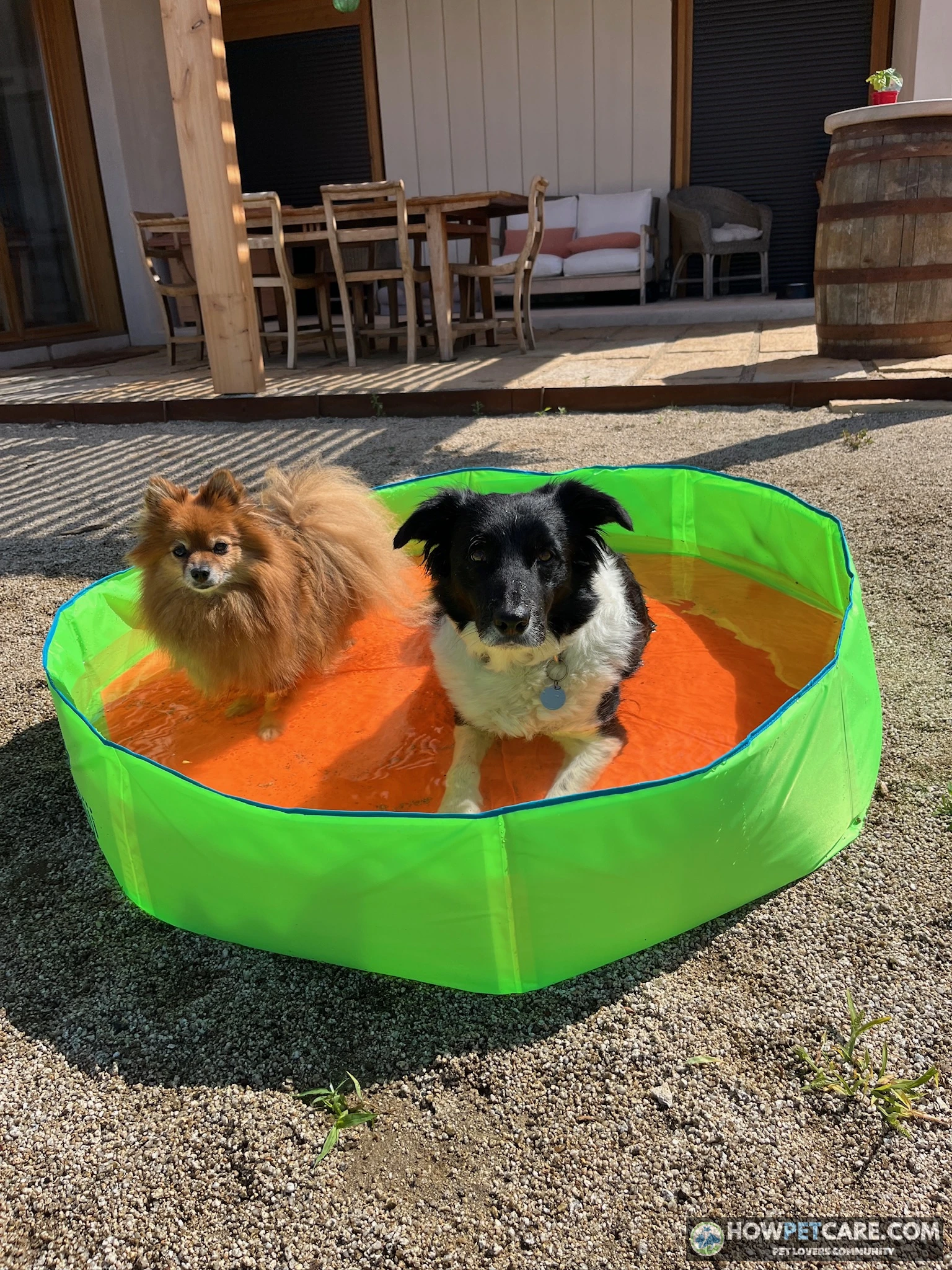

To keep pets cool in summer, combine temperature limits, hydration, shade, and smart timing:
- Keep pets indoors in air conditioning or the coolest room during peak heat, with shade and several bowls of fresh, cool water.
- Walk dogs early morning or after sunset; avoid vigorous exercise at 85°F (29°C) and above, and lower that limit for flat-faced, senior, overweight, or medically fragile pets.
- Do the five-second pavement test: if you can’t hold the back of your hand on the ground comfortably, it’s too hot for paws.
- Never leave a pet in a parked car, even briefly with the windows cracked.
- Learn heatstroke signs—heavy panting, ropey drool, stumbling, collapse—and cool a struggling pet with cool (not icy) water plus airflow while calling a vet.
Most pets are safest indoors during the hottest part of the day, with fresh water, a cool place to rest, and no strenuous exercise in the heat. As a conservative guide, start limiting exercise for vulnerable pets in the mid-70s°F. Most dogs should avoid vigorous activity at 85°F and above, and 90°F or hotter is dangerous for outdoor exercise. Humidity, direct sun, poor airflow, and individual health can make lower temperatures risky. Never leave a pet in a parked car. If your pet may be overheating, move them to shade or air conditioning, wet them with cool—not icy—water, add airflow, and contact a veterinarian immediately.
How to Keep Pets Cool in Summer: The Temperature Limits and Rules That Matter Most
Use these temperature bands as conservative planning guides, not guarantees of safety. The American Veterinary Medical Association (AVMA), ASPCA, and other animal-welfare organizations emphasize avoiding heat exposure and watching for distress; no single air-temperature cutoff is safe for every pet. Lower your limit when humidity is high, the sun is strong, the pet is exercising, or the animal has a health risk. Dogs and cats cool mainly by panting, with some sweating through their paw pads. Humid air makes panting less effective.
| Outside air temperature | Healthy adult dogs and cats | High-risk pets | Practical call |
|---|---|---|---|
| Below 68°F (20°C) | Normal activity is usually fine; provide water | Use normal care, with rest breaks for seniors | Green |
| 68–75°F (20–24°C) | Most can exercise, but avoid hard midday exertion | Keep walks short and easy; flat-faced pets may struggle | Caution begins |
| 76–84°F (24–29°C) | Walk early or late; choose shade and grass, bring water | Potty breaks only; favor indoor cooling | Yellow to orange |
| 85–89°F (29–32°C) | No vigorous exercise; keep outings short and shaded | Stay in the coolest indoor space | Orange to red |
| 90°F (32°C) and above | Treat outdoor exercise as dangerous; play indoors | Heat risk even at rest in a hot room or enclosure | Red |
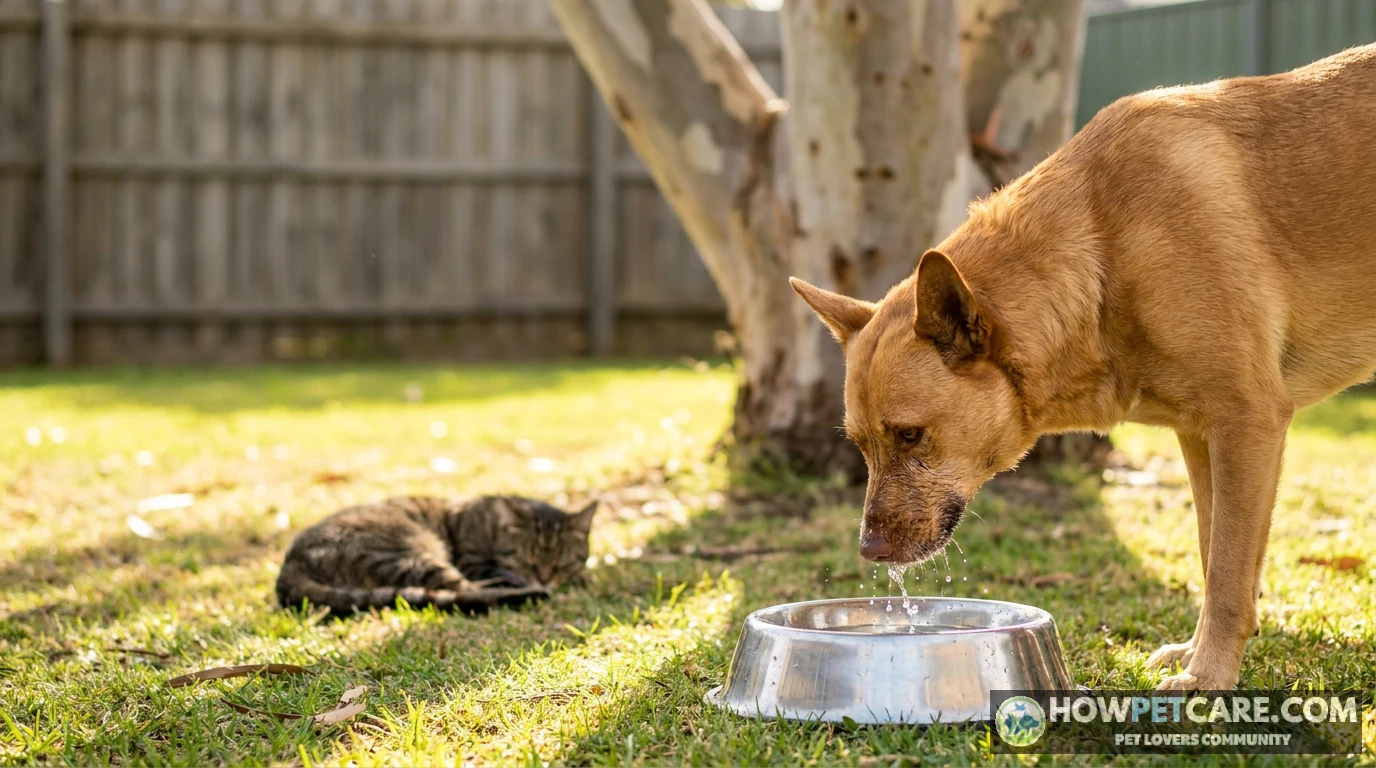
If it feels muggy, use the more cautious row—humidity affects dogs more than many owners expect. Humidity above 80% can hinder heat loss through breathing. A pet can overheat below these temperatures during strenuous exercise or in direct sun, so watch their behavior rather than relying on the thermometer alone.
As a rough daily baseline, dogs often need about 1 ounce of water per pound of body weight, while cats need roughly 3.5–4.5 ounces per 5 pounds. Needs rise with heat and activity, and wet food contributes to a cat’s intake. These are starting estimates, not targets to force. Ask your veterinarian about a suitable amount if your pet has a medical condition or a prescribed fluid limit. Refresh bowls with cool water, put several in shaded or easy-to-reach places, and carry a collapsible bowl on outings. A fountain or extra water mixed into wet food may encourage a reluctant cat to drink. If a pet’s intake suddenly changes, or they seem lethargic or dehydrated, call your vet.
Signs of Heatstroke in Dogs and Cats: Heat Exhaustion vs. Heat Stroke
Heat exhaustion is a warning that a pet is struggling to shed heat. Heatstroke is a life-threatening emergency that can damage organs, even if the animal appears to improve after cooling. Temperature and symptoms can worsen quickly, so don’t wait for a particular reading before acting.
Heat exhaustion vs. heat stroke: what changes and when it becomes an emergency
| Stage | Approximate rectal temperature | Typical signs | What to do |
|---|---|---|---|
| Usual range | Dogs: about 101–102.5°F (38.3–39.2°C); cats: about 100.5–102.5°F | Comfortable, normal breathing and behavior | Continue ordinary heat precautions |
| Heat stress or exhaustion | Often around 103–104°F | Heavy or noisy panting, drooling, bright red gums, restlessness, weakness, reluctance to move; cats may pant with their mouths open | Move to a cool place, begin gentle cooling, and call a vet |
| Suspected heatstroke | Above about 104°F; severe danger rises above 106°F | Thick or ropey saliva, vomiting or diarrhea, stumbling, glassy eyes, pale, blue, or dark-red gums, collapse, seizures, or unresponsiveness | Emergency cooling and immediate veterinary care |
These ranges are approximate and shouldn’t replace a veterinarian’s assessment. Any collapse, confusion, seizure, or temperature above about 104°F calls for emergency care. Organ injury may appear 24–72 hours later, so a veterinary evaluation is needed even if the pet seems to have recovered.
If the pet is stable enough to check, use a digital rectal thermometer with lubricant and follow your veterinarian’s instructions. For a dog, gently insert the tip about an inch. Don’t struggle with a distressed animal or delay cooling to take a temperature. If your pet is collapsing, start cooling and leave for the emergency clinic.
Why cats and flat-faced dogs can look fine until late
Cats may hide, become unusually quiet, drool, or breathe with their mouths open. Open-mouth breathing is abnormal in cats and warrants urgent veterinary advice. Flat-faced dogs can have trouble moving enough air to cool themselves, and noisy or labored breathing should be taken seriously. Don’t assume a pet is safe because it’s still standing or has stopped panting.
What to Do First If Your Pet Is Overheating: A Step-by-Step Cooling Protocol
Move quickly, but don’t use ice baths or delay veterinary care. Call your veterinarian or the nearest emergency clinic as you begin cooling, and use speakerphone so you can keep working.
-
Move and call
Get the pet into shade or an air-conditioned space. Call the vet or emergency clinic on speaker and say you suspect heatstroke.
-
Wet with cool, not cold, water
Use cool or lukewarm tap water, ideally around 60–80°F (15–27°C), on the belly, armpits, groin, neck, and paw pads. Wet through the coat to the skin. Do not use ice-cold water or pack the body in ice as the first response; extreme cold may constrict surface blood vessels and slow heat loss from the core.
-
Add airflow
Aim a fan or car air conditioning across the wet coat so evaporation can help remove heat. Do not leave a wet towel draped over the pet: it can warm, dry, and trap heat. If using a damp towel briefly, keep it cool and re-wet it often.
-
Offer small sips if alert
If the pet is awake and swallowing normally, offer small amounts of cool water. Never force water or pour it into the mouth.
-
Recheck without delaying care
If you can safely take a rectal temperature, stop active cooling near 103°F (39.4°C) to reduce the risk of overcooling. Do not delay transport to get a reading.
-
Go to the veterinarian
Drive to the clinic with the car’s air conditioning on. Continue gentle cooling as advised and tell the clinic when the heat exposure began and the highest temperature you measured.
Don’t give aspirin or human fever medicines, use alcohol rubs, apply ice directly, or wait for a collapsed pet to perk up. Emergency cooling is first aid, not a substitute for a veterinary exam.
Ice water vs. cool water: what to use
Use cool water on the body, not ice-cold water or an ice bath. For drinking, a few ice cubes or ice chips are generally fine for most dogs; the practical concern is a sick, overheated pet gulping a large amount at once. Offer small sips of cool water if the animal is alert and able to swallow. Don’t force fluids.
Which Pets Are at Highest Risk of Heatstroke (and How to Adjust for Them)
Some pets need a lower exercise cutoff and earlier access to air conditioning. Use this self-check to decide how cautious to be:
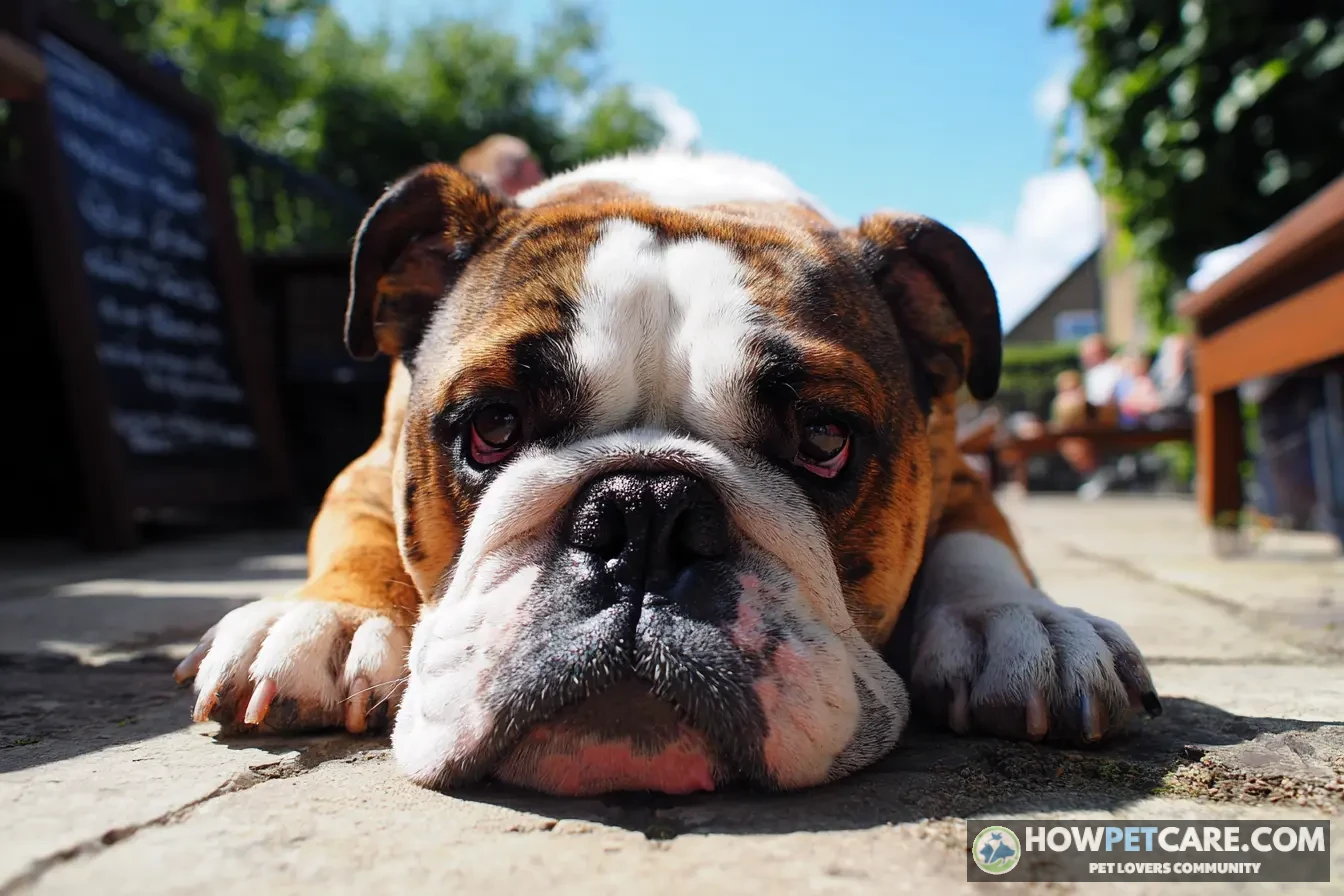
- ☐ Flat-faced or short-nosed: bulldogs, pugs, French bulldogs, Boston terriers, Persian cats, and Himalayan cats. Use short potty trips in warm weather and bring them indoors during peak heat.
- ☐ Very young or senior: puppies, kittens, and older animals may not regulate heat or recover from exertion as well. Shorten outings and watch whether breathing returns to normal after rest.
- ☐ Overweight, thick-coated, or dark-coated: reduce exertion, provide shade, and brush loose undercoat regularly.
- ☐ Medical or medication risk: heart disease, respiratory disease, laryngeal paralysis, previous heatstroke, or medication that may affect heat tolerance. Ask your veterinarian for an individual plan.
- ☐ Won’t stop or lacks a safe setup: high-drive dogs may keep chasing a ball after they should rest; outdoor pets may lack reliable shade or water. Set a firm activity limit and bring pets inside during heat warnings.
As a conservative rule of thumb, if a pet fits two or more groups, treat about 75°F (24°C) as an exercise ceiling and ask your vet for a personal cutoff. This is a cautious planning guide, not a clinical threshold.
Flat-faced breeds and the panting problem
Shortened airways make it harder for brachycephalic dogs and cats to breathe efficiently and cool through panting. These pets can struggle at temperatures other animals tolerate. Avoid strenuous exercise in warm weather, don’t leave them waiting in a car, and contact a vet early if breathing becomes noisy or labored.
Seniors, puppies, and overweight pets
Young and older animals, pets carrying extra weight, and animals with heart or lung problems need closer monitoring. Keep exercise gentle and brief, provide a cool indoor retreat, and don’t rely on the pet to stop an activity on its own.
Is It Too Hot to Walk Your Dog? Pavement Test, Paw Protection, and Parked-Car Dangers
Air temperature doesn’t tell you how hot the ground is. Asphalt in direct sun can be 40–60°F hotter than the air. A commonly used test is to press the back of your hand against the pavement for five seconds. If you can’t hold it there comfortably, choose another route or skip the walk. This is a simple screening test, not a guarantee that every surface is safe.
How to run the five-second pavement test
Check the surface where your dog will actually walk, especially after a sunny spell. Choose grass, shade, or a cooler route if the pavement feels too hot. Walk before about 8 a.m. or after sunset when possible, but check the ground again: pavement can retain heat after the sun goes down. Keep walks short, bring water, and turn back if your dog begins to lag, pant heavily, or lift its paws.
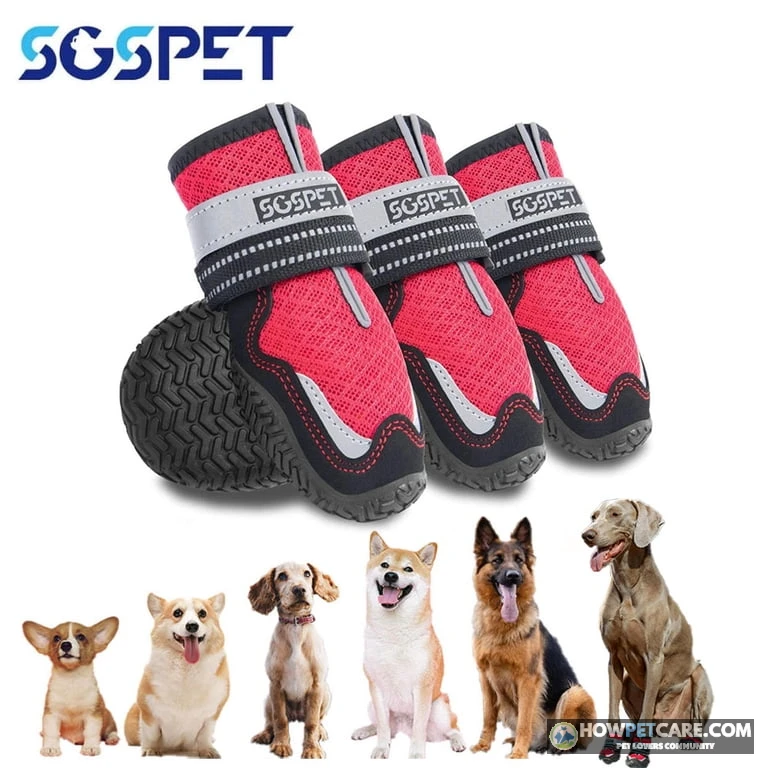
Booties can protect paws from hot surfaces if they fit well and your dog tolerates them. Introduce them gradually; they don’t prevent overheating. Paw wax is not a substitute for avoiding hot pavement. Limping, repeated paw licking, blisters, or darkened pads can indicate a burn. Move the dog off the hot surface, cool the paws with cool water, and contact a vet for blistering or significant pain.
Heat and humidity: when to cancel the walk
Use the temperature table as a starting point and lower your limit in humid weather, strong sun, or for high-risk pets. At 85°F (29°C) and above, skip strenuous exercise; at 90°F (32°C) and above, treat outdoor exercise as dangerous. Choose a brief toilet break in shade instead, then provide indoor activity. If your dog is panting hard or seems weak, end the outing immediately and follow the emergency protocol.
How fast a parked car heats up
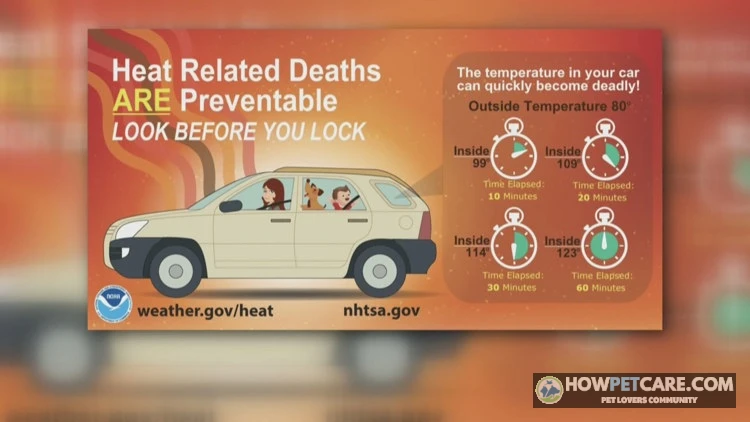
Never leave a pet in a parked car, even briefly or with the windows cracked. A closed car can reach 102°F after 10 minutes and 120°F after 30 minutes in summer conditions; serious danger can begin when the outdoor temperature is only 70°F. Don’t use a car as a waiting place while running an errand. If you see an animal in distress in a vehicle, call emergency services and follow their instructions.
Keeping Pets Cool at Home: No AC, While You’re at Work, and During a Power Outage
For a healthy adult dog or cat, an air-conditioned home around 78–80°F is a practical target while you’re away. Choose a cooler setting for high-risk pets and follow your veterinarian’s advice. Use a thermometer or smart temperature sensor in the room where the pet spends time, not only the thermostat near the hallway.
How to keep pets cool in summer without AC
Close blinds or curtains on sun-facing windows, move your pet to the coolest room or a lower level, and provide cool tile or another safe resting surface. Set out multiple water bowls. At night, open windows for cross-ventilation only when outdoor air is cooler and the windows are securely screened. A wrapped frozen water bottle or a cool damp towel nearby may offer another choice; let the pet move away whenever it wants.
If the indoor temperature keeps climbing, relocate to an air-conditioned home or another pet-safe cool location instead of waiting for symptoms. Before a heatwave, identify where you can go and arrange transport, especially for pets with breathing or heart conditions.
Do fans help pets, or are they a waste?
A fan is not a stand-alone heat safety plan. It moves air but doesn’t lower room temperature; it’s most useful when air is cooler than the pet and moisture can evaporate. Pair airflow with a damp coat, a cool surface, or air conditioning. A fan alone can’t protect a pet in a dangerously hot room, and never direct strong airflow at a distressed animal as a substitute for veterinary care.
Doghouses: shade or heat trap?
An unshaded, poorly ventilated doghouse can trap heat rather than provide relief. If you use a doghouse, keep it shaded throughout the day, make sure it has airflow, raise it off hot ground, and choose a light-colored one. In hot weather, bring outdoor pets indoors during peak heat; a doghouse is not a replacement for a cool, safe indoor space.
Outdoor pets in hot weather
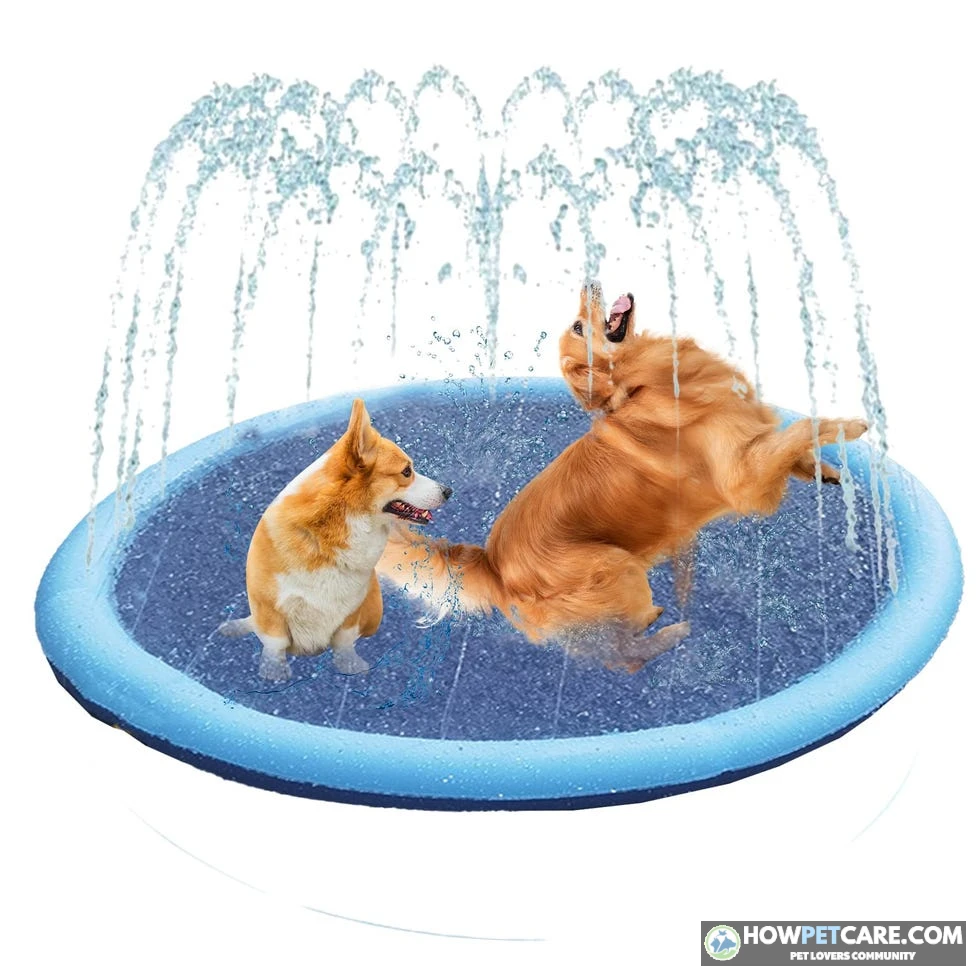
Provide shade that remains shaded as the sun moves, stable bowls that can’t tip, and free access to cool water. A shallow kiddie pool in a shaded area can offer a supervised way to cool off. Don’t tether an animal where it can become trapped in direct sun, and bring pets inside during heat alerts.
Coat Care and Cooling Gear: Shaving, Cooling Mats, Vests, Pools, and Frozen Treats
Should you shave your dog in summer?
Don’t shave a double-coated dog such as a husky, golden retriever, shepherd, or Pomeranian just to make it cooler. The coat helps insulate the animal and protect its skin from sun; shaving can leave skin more exposed to sunburn, and dogs can get sunburn faster than many owners expect. Brush regularly to remove loose undercoat. If the coat is matted or needs shaping, ask a qualified groomer or veterinarian about a trim rather than a close shave. For a trim, leaving about an inch of coat can help reduce sun exposure. Severely matted cats may need clipping by a professional.
Do cooling mats for dogs work?
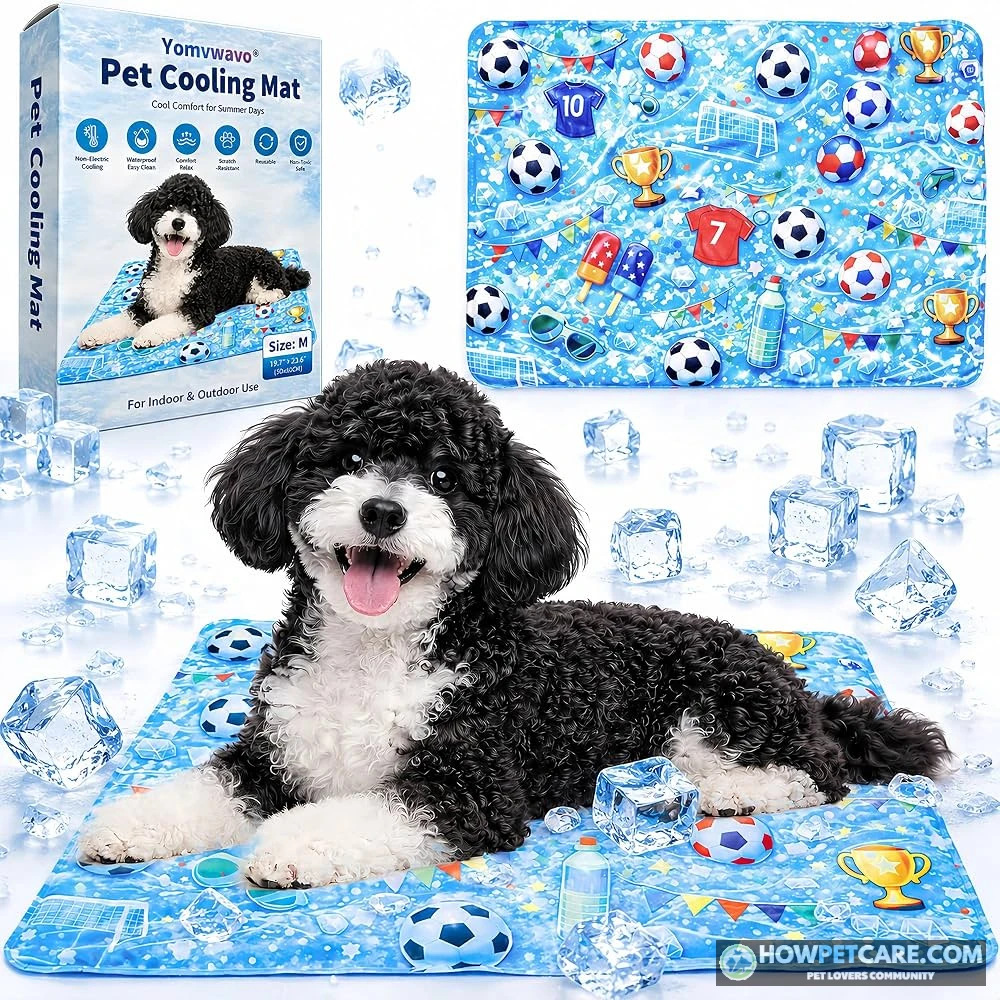
Cooling mats can give a pet a cooler surface to lie on, but their effect is local and temporary. Pressure-activated gel mats work through contact and warm as the pet uses them. Place one in shade and let the pet choose whether to lie on it. Check the mat for damage and prevent chewing, since swallowed filling may cause irritation or other problems. A cool tile floor or a damp towel refreshed often can be a simple alternative. Follow the mat’s label and don’t leave a damaged product within reach.
Cooling vests, booties, pools, and frozen treats
| Product | How it works | Best for | Limits and misuse risks | Typical price range |
|---|---|---|---|---|
| Cooling mat | Provides a cooler contact surface; some use pressure-activated gel | Indoor rest in shade | Effect fades as the mat warms; inspect for chewing damage | Varies by size and material; compare local listings |
| Evaporative cooling vest | Holds water that cools as it evaporates | Supervised outdoor activity in dry air | Less effective in humidity; re-wet as needed and remove if it dries or feels warm | Varies by size and construction |
| Booties | Put a barrier between paws and hot ground | Short walks where a safe grass route is unavailable | Fit and tolerance matter; they do not cool the body or prevent heatstroke | Varies by fit and material |
| Shaded kiddie pool | Offers a shallow cool-water option | Pets that enjoy water and are supervised | Not for unsupervised use; refresh water and prevent slipping | Varies by size |
| Frozen treats | Offer a small, cool enrichment snack | Dogs who tolerate the ingredients | Not a substitute for water or cooling; avoid unsafe ingredients | Varies by recipe |
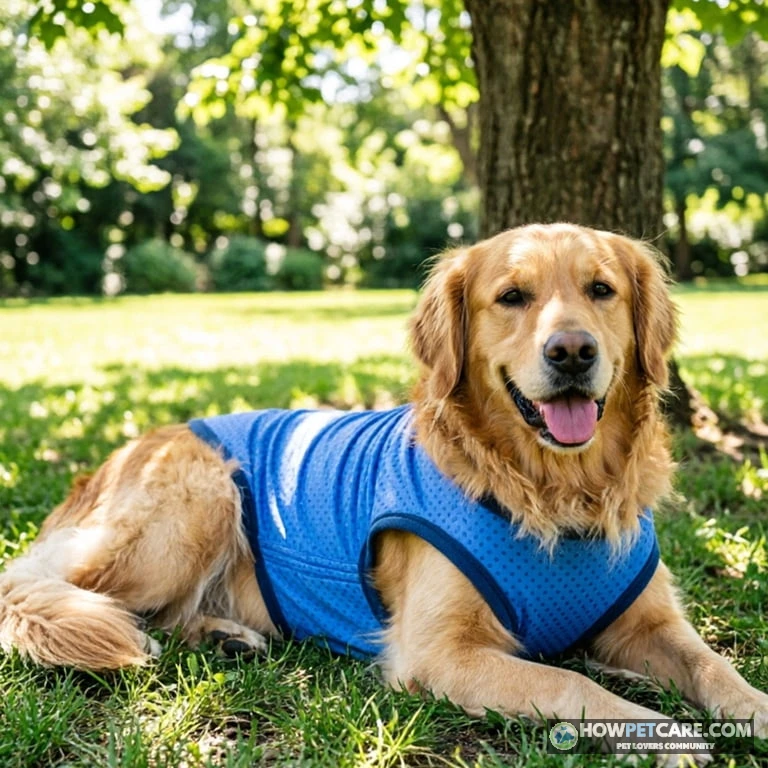
Evaporative vests work by holding water in the fabric and releasing it into the air. They can help in dry conditions but work less well when humidity is high. Re-wet as directed and check that the vest isn’t drying out or making the dog uncomfortable. Booties protect paws, not body temperature.
A few inches of cool water in a shaded pool can help a dog that enjoys splashing; supervise and let the pet leave freely. Frozen treats made with pet-safe broth, plain yogurt if tolerated, or suitable fruit can be a small treat. Avoid xylitol, grapes, and onion-containing broth. Treats don’t replace a bowl of fresh water.
Light-skinned pets and animals with thin or clipped coats may need sun protection on exposed noses and ears. Use only a pet-labeled sunscreen and check its ingredients with your veterinarian. Avoid products containing zinc oxide, PABA, or salicylates because pets may lick them.
Mats, vests, booties, and pools can make a pet more comfortable, but none makes strenuous exercise or a hot car safe. Watch the animal and use temperature, shade, and activity limits first.
How to Keep Cats, Rabbits, Guinea Pigs, and Birds Cool in Summer
Small animals and birds can overheat in enclosures that look shaded but hold warm air. Species and individual needs differ, so check heat limits with an exotic-animal veterinarian before summer.
| Pet | Heat caution zone | Fast cooling setup | Warning signs | Never |
|---|---|---|---|---|
| Dogs | Most need exercise limits at 85°F (29°C) and above; lower for high-risk pets | Shade, airflow, cool-not-ice water, early walks | Heavy panting, ropey drool, abnormal gums, stumbling, collapse | Parked car, ice bath, midday hot pavement |
| Cats | Keep a healthy adult’s indoor space around 78–80°F or cooler; lower for high-risk cats | Several water stations, wet food, tile or a cool surface, screened windows | Open-mouth breathing, hiding, drooling, lethargy | Treating panting as normal |
| Rabbits | Heat stress can begin around 80°F (27°C) | Bring the enclosure indoors or into deep shade; offer a wrapped frozen bottle and ceramic tile | Lethargy, panting, stretched-out posture, hot flushed ears | Direct-sun hutch or leaving a soaked rabbit unattended |
| Guinea pigs | Comfortable around 65–75°F (18–24°C); trouble above about 80°F | Ventilated cage in a cool room, hide, wrapped frozen bottle | Listlessness, rapid breathing, hot ears, lying flat | Sunny window, closed garage, damp bedding |
| Birds | Avoid direct sun and hot, stagnant rooms | Cool-room placement; shallow bath or light mist if accepted | Wings held away from body, open-beak breathing, lethargy | Closed car or unshaded window cage |
How to keep cats cool in summer
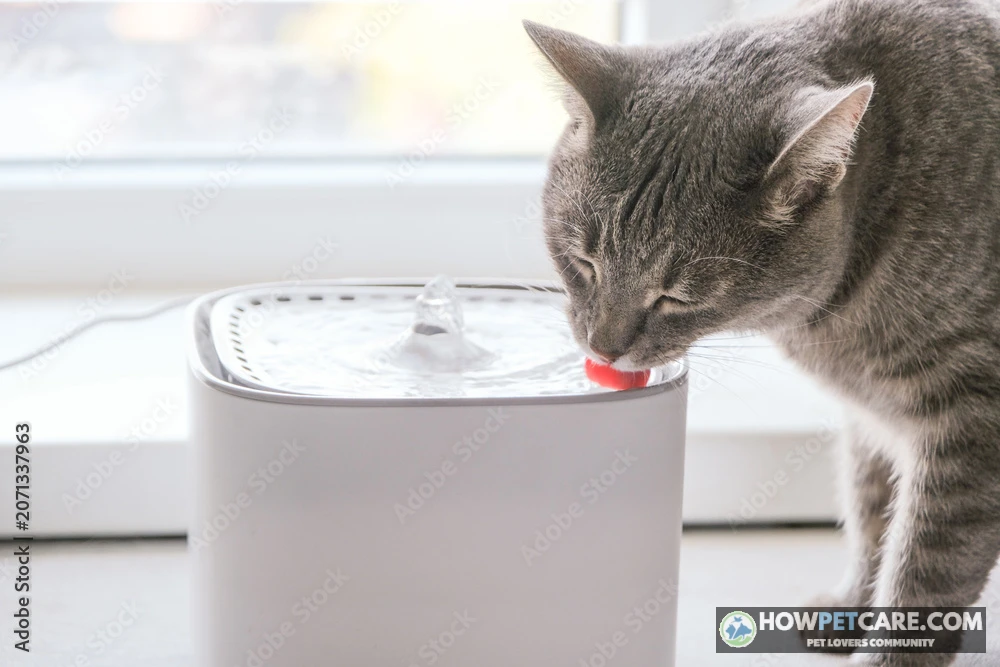
Much of the advice for keeping dogs cool in the summer also applies here: set out water in several rooms, away from the litter box, and offer wet food or add a little water to it if your cat accepts that. Many cats drink more readily from a circulating fountain. Provide shade and a cool tile or mat, and keep windows screened. Cats groom to help manage heat and sweat only slightly through their paw pads. Open-mouth breathing, weakness, or unusual lethargy calls for prompt veterinary advice.
Rabbits and guinea pigs: hutch and cage heat risks
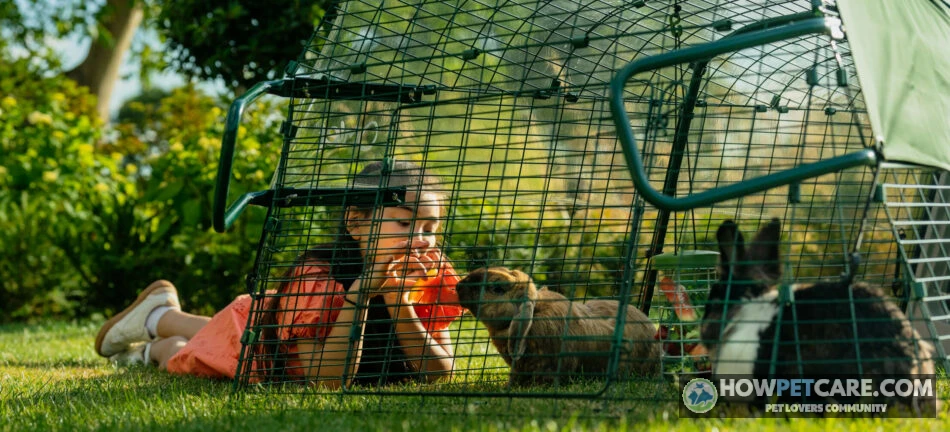
Move rabbits and guinea pigs away from direct sun, hot garages, and poorly ventilated enclosures. Rabbits may benefit from a ceramic tile or a frozen water bottle wrapped in a towel so they can choose to sit nearby. You can gently apply a cool, damp cloth to a rabbit’s ears if tolerated, but avoid soaking the coat. Keep guinea-pig bedding dry and provide airflow without a direct cold draft. If either animal is panting, weak, or unusually still, contact an exotic vet urgently.
Birds and reptiles: quick species notes
For birds, move the cage to a cool room away from direct sun; offer a shallow bath or light mist only if the bird accepts it. Open-beak breathing, wings held away from the body, or lethargy may signal distress. For reptiles, avoid placing a glass enclosure in a sunny window. Heat can build quickly, but reptiles also need species-specific temperature gradients. Follow guidance from an exotic veterinarian or qualified herp specialist rather than cooling the whole enclosure indiscriminately.
Your Summer Pet Heat Safety Checklist: What to Set Up Before the Next Heatwave
Before the heatwave: a setup checklist
- Identify whether your pet is high-risk and ask your veterinarian for an individual heat and exercise limit.
- Save the address and phone number of a nearby emergency veterinary clinic.
- Set up several stable water stations, a shaded resting place, and a cool indoor room.
- Test a mat, vest, carrier, or other cooling option on a mild day so you know whether your pet accepts it.
- Check that screens, enclosure ventilation, and any outdoor shade are secure and effective.
- Plan where you’ll take your pet if air conditioning fails or the power goes out. For a high-risk pet, treat a heatwave outage as a reason to relocate early.
On the day: go, modify, or stay in
Before a walk, check the temperature, humidity, and pavement. If it’s warm, muggy, or the pavement fails the five-second test, choose a short shaded toilet break or stay indoors. At home, use a cool room, water stations, and airflow paired with a cool surface; arrange a neighbor check-in if you’ll be away during a hot spell. Never leave a pet in a parked car.
If heatstroke may be happening, move to shade or air conditioning, wet with cool water, add airflow, offer small sips only if alert, and go to the vet. Don’t wait for symptoms to pass.
1Under warm summer conditions, why is shaving a double-coated dog like a Golden Retriever or Husky considered counterproductive for keeping them cool?
A double coat insulates against hot surrounding air while protecting bare skin from solar radiation and sunburn.
2Which of the following symptoms in an overheated dog or cat signal suspected heatstroke rather than early heat stress, requiring immediate emergency care?
Neurological impairment and collapse are critical indicators of severe, life-threatening heatstroke.
3At what air temperature threshold should outdoor exercise be treated as dangerous for healthy adult dogs, necessitating indoor activity instead?
At 90°F and above, outdoor exertion poses a severe risk of heatstroke, making outdoor exercise dangerous.
4Why is an electric room fan alone considered an inadequate heat protection measure for a pet in a room without air conditioning during extreme heat?
Because pets rely heavily on evaporation through panting rather than sweating across their skin, fans moving hot room air do not cool them effectively.
5Which of the following pet characteristics place an animal into a high-risk category for heat-related illness, requiring earlier exertion limits?
Shortened airways make panting less efficient, lowering heat tolerance.
6What is a critical behavioral indicator of acute heat distress in cats that is distinctly abnormal and warrants immediate veterinary consultation?
Cats typically breathe strictly through their nose; open-mouth breathing is a sign of severe respiratory distress or overheating.
7When leaving a healthy adult pet indoors while away from home during a warm day, what is recommended as a safe baseline air conditioning setting?
An indoor setting of 78–80°F provides a practical, comfortable baseline for healthy adult dogs and cats.
| Pet Type | Heat Caution Zone | Fast Cooling Setup | Warning Signs | Never Do |
|---|---|---|---|---|
| Dogs | Exercise limits needed at ge 85°F (29°C); lower for high-risk pets | Provide shade, airflow, and cool (not ice) water; walk early | Heavy panting, ropey drool, abnormal gums, stumbling, collapse | Leave in a parked car, use an ice bath, or walk on hot midday pavement |
| Cats | Maintain indoor temp at 78–80°F (26–27°C) or lower; lower for high-risk cats | Provide several water stations, wet food, tile/cool surfaces, and screened windows | Open-mouth breathing, hiding, drooling, lethargy | Treat panting as normal behavior |
| Rabbits | Heat stress begins at ge 80°F (27°C) | Move enclosure indoors or to deep shade; provide a wrapped frozen bottle and ceramic tile | Lethargy, panting, stretched-out posture, hot flushed ears | Leave in a direct-sun hutch or leave a soaked rabbit unattended |
| Guinea pigs | Ideal temp is 65–75°F (18–24°C); stress begins at > 80°F (27°C) | Place ventilated cage in a cool room; provide a hide and a wrapped frozen bottle | Listlessness, rapid breathing, hot ears, lying flat | Place in a sunny window, leave in a closed garage, or leave on damp bedding |
| Birds | Heat distress in direct sun or hot, stagnant rooms | Place in a cool room; offer a shallow bath or light misting (if accepted) | Wings held away from body, open-beak breathing, lethargy | Leave in a closed car or place cage near an unshaded window |
FAQ
Does humidity make hot weather more dangerous for dogs and cats?
Yes. Dogs cool mainly by panting, which works through evaporation, and evaporation slows in humid air. A day that is moderately warm but very humid can still cause heatstroke, so lower your walk and exercise limits.
Can I give my dog ice cubes or ice water to drink?
A few ice cubes or ice chips as a treat are generally fine for most dogs. Avoid letting a hot, thirsty dog gulp large amounts of any water at once, because this can cause vomiting, and offer small sips of cool water instead.
How do I get a reluctant cat to drink more in hot weather?
Add water to wet food, switch to or add more wet food, and place wide, shallow bowls in several rooms away from food and litter. A circulating fountain also encourages many cats to drink. If your cat drinks very little or seems lethargic, call your vet.
Is it okay to drape a wet towel over my pet to cool it down?
A cool, damp towel can help briefly if you re-wet it often and the pet is in shade or moving air. A towel left in place dries and traps body heat, so remove it when it warms up and never cover the head.