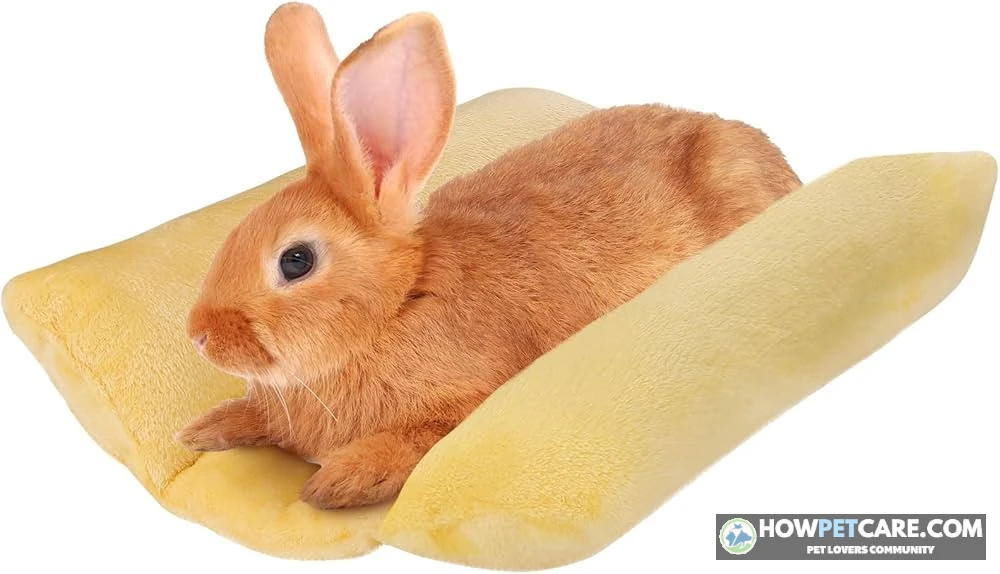

Indoor pet rabbits typically live 8–12 years, while outdoor hutch rabbits average 3–5 years and wild bunnies survive only 1–2 years. Lifespan varies by breed: dwarf breeds often reach 10‑12 years, medium breeds 8‑11 years, and giant breeds 4‑7 years. Proper housing, diet, veterinary care, and spaying/neutering are key to maximizing longevity.
Most indoor domestic rabbits live between 8 and 12 years, with small breeds and well-cared-for house pets occasionally reaching 12 years or more. Knowing how long do bunnies live depends on key variables: housing, breed size, spaying or neutering, daily dietary fiber, and veterinary care directly shape how long a bunny survives. In contrast, outdoor hutch rabbits face harsh weather, parasites, and predators that often cut their life expectancy down to 3 to 5 years, while wild rabbits rarely survive beyond 1 to 2 years.
Average lifespan of a bunny by living situation

To understand how old domestic rabbits get, you must first separate lifestyle and environmental protection from biology. Domestic rabbits (Oryctolagus cuniculus) possess the physiological capacity to live over a decade, but environmental hazards determine whether they reach that potential.
| Living Situation | Typical Lifespan | Primary Mortality Causes | Core Environmental Protections |
|---|---|---|---|
| Indoor Pet Rabbit | 8–12+ years | Uterine adenocarcinoma (if unspayed), GI stasis, chronic kidney or dental disease | 60°F–72°F climate control, complete predator exclusion, immediate daily illness detection |
| Outdoor Hutch Rabbit | 3–5 years | Flystrike (myiasis), heat exhaustion (>80°F), hypothermia, cardiac arrest from predator stalking | Enclosed wire mesh (often fails against raccoons/rats), weather-exposed, reduced observation frequency |
| Wild Rabbit (e.g., Cottontail) | 1–2 years | Predation (hawks, foxes, canines), severe weather exposure, parasitic burden, food scarcity | None; natural selection pressures result in <30% survival rate past year one |
Indoor housing serves as the single most effective baseline intervention for rabbit life expectancy. When kept inside a climate‑controlled home, a domestic rabbit avoids systemic stressors that prematurely wear down its organs and immune defenses.
Indoor vs. Outdoor vs. Wild Bunny Lifespan

Domestic rabbits evolved from European wild rabbits, but selective breeding has stripped them of protective camouflage, seasonal weather hardiness, and wild survival instincts. Consequently, a domestic pet rabbit cannot safely live outdoors or fend for itself in nature.
Why outdoor hutch living can cut a domestic rabbit’s life short
Keeping a rabbit outdoors in an exterior hutch slashes its projected life span down to 3 to 5 years. While an enclosure may seem predator‑proof, the sensory presence of foxes, raccoons, coyotes, or neighbor dogs circling the perimeter causes severe cardiovascular stress. Rabbits are prey animals with delicate nervous systems; intense fear triggers massive catecholamine releases that can induce fatal heart failure or shock without physical contact.
Beyond predator stress, outdoor rabbits suffer from unbuffered temperature swings. Rabbits tolerate cold better than heat, but sustained temperatures above 80°F (27°C) quickly lead to heat exhaustion and death because bunnies cannot sweat or pant effectively. In damp or humid conditions, outdoor hutches foster flystrike (myiasis), an agonizing and rapidly fatal condition where blowflies lay eggs in soiled fur, and newly hatched maggots burrow into the rabbit’s living tissue within 24 hours.
Outdoor hutches drastically reduce the frequency of daily observation. Rabbits instinctively conceal signs of pain, gut stasis, and respiratory distress. In an outdoor hutch, subtle drops in appetite or fecal output go unnoticed until the rabbit is in a critical, irreversible state.

How long do wild bunnies live in a backyard?
Backyard wild rabbits, such as the Eastern Cottontail (Sylvilagus floridanus) common throughout North America, have an average lifespan of only 1 to 2 years. Although biologically capable of living 3 to 4 years in captivity under specialized wildlife rehabilitation, the harsh realities of nature make long lifespans rare. High‑density predator populations (hawks, owls, domestic cats, snakes), viral and parasitic loads, food shortages in winter, and lawn mower accidents cause up to 70% of wild kits to die before reaching reproductive maturity.
Never capture a wild cottontail kit with the intention of raising it as a domestic house rabbit. Wild rabbits suffer severe stress cardiomyopathy in captivity and do not adapt to domestic pet life. Similarly, domestic pet rabbits released into parks or neighborhoods lack survival instincts and typically succumb to exposure, starvation, or predation within days.
To ensure your pet rabbit reaches the 8 to 12 year range, provide stable indoor housing:
- Climate Control: Maintain an ambient temperature between 60°F and 72°F (15°C–22°C), away from drafty windows and direct heater vents.
- Physical Safety: Protect the space from dogs, cats, and exposed electrical cords, which rabbits reflexively chew.
- Exercise Space: Provide at least 24 to 32 square feet of continuous exercise space alongside secure resting quarters.
- Safe Traction: Use non‑slip rugs or fleece pads over slick hardwood or tile to avoid joint strain and hip luxation.
- Daily Visibility: Keep the enclosure in an active living area where you can monitor chewing behavior, posture, and droppings several times a day.

Rabbit Lifespan by Breed: Small, Medium, and Giant Rabbits
Body mass influences rabbit life expectancy. As observed in canine biology, giant rabbit breeds age more rapidly and endure higher metabolic and cardiac workloads than dwarf breeds. As a general rule, dwarf and small breeds living indoors often reach 10 to 12 years or more, medium breeds average 8 to 11 years, and giant breeds typically live 4 to 7 years.
However, body size alone does not guarantee longevity. Miniature breeds with flat, shortened faces (brachycephaly) often suffer from structural dental and respiratory issues, while giant breeds experience premature cardiovascular and joint deterioration.
Domestic Rabbit Lifespan by Breed, Size, and Health Risk
| Rabbit Breed | Average Adult Weight | Typical Lifespan | Common Longevity-Related Health Risks |
|---|---|---|---|
| Netherland Dwarf | 1.5–2.5 lbs (0.7–1.1 kg) | 10–12+ years | Brachycephalic malocclusion, molar spurs, respiratory constriction |
| Holland Lop | 2.0–4.0 lbs (0.9–1.8 kg) | 8–12 years | Ear canal stenosis, recurrent otitis media/interna, dental abscesses |
| Mini Lop | 4.5–6.5 lbs (2.0–3.0 kg) | 8–11 years | Chronic ear infections, dental malocclusion, mid-age obesity |
| Mini Rex | 3.5–4.5 lbs (1.6–2.0 kg) | 8–10 years | Pododermatitis (sore hocks due to thin paw fur pads), corneal abrasions |
| Lionhead | 2.5–3.75 lbs (1.1–1.7 kg) | 8–10 years | Hairball‑induced GI stasis (ingested wool), dental alignment issues |
| Dutch Rabbit | 4.0–5.5 lbs (1.8–2.5 kg) | 9–11 years | Uterine tumors (unspayed does), age‑related cataracts, arthritis |
| Standard Rex | 7.5–10.5 lbs (3.4–4.8 kg) | 7–9 years | Severe ulcerative pododermatitis, obesity‑linked hepatic lipidosis |
| English Angora | 5.5–7.5 lbs (2.5–3.4 kg) | 7–10 years | Wool block / obstructive gut impaction, heat intolerance, skin fungal infections |
| Californian | 8.0–10.5 lbs (3.6–4.8 kg) | 6–8 years | Cardiomyopathy, spinal degeneration, hip osteoarthritis |
| New Zealand | 9.0–12.0 lbs (4.1–5.4 kg) | 5–8 years | Congestive heart failure, progressive hind‑limb paresis, pressure sores |
| Flemish Giant | 14.0–20.0+ lbs (6.4–9.1 kg) | 4–6 years | Dilated cardiomyopathy, severe spondylosis, juvenile growth‑plate strain |
| Continental Giant | 13.0–18.0+ lbs (5.9–8.2 kg) | 4–7 years | Cardiac failure, rapid joint deterioration, pododermatitis from body weight |

How long do Holland Lop, Mini Lop, and Mini Rex rabbits live?
Holland Lops are among the most popular indoor breeds. A healthy Holland Lop bunny typically lives 8 to 12 years. Because of their shortened skull structure, Holland Lops carry a genetic predisposition to dental malocclusion and chronic inner ear infections. Narrowed ear canals trap moisture and cerumen, leading to otitis media or interna, which can erode the bulla osteum and cause neurological head tilts if left untreated.
Mini Lops are slightly larger, sturdier, and typically live 8 to 11 years. They are prone to rapid weight gain in mid‑life. If their pellet intake is not strictly limited, excess body fat strains their livers and makes it difficult for them to reach their cecotropes, triggering hygiene issues and perineal dermatitis.
Mini Rex rabbits average 8 to 10 years. While genetically resilient, the velvety Rex coat lacks protective guard hairs on the hocks. Mini Rex rabbits frequently develop ulcerative pododermatitis (sore hocks) if housed on wire mesh or abrasive carpeting. Without thick foam bedding, these pressure sores can penetrate to the tendon and bone, causing chronic pain and systemic bacterial infections that shorten their lifespan.

Why giant rabbit breeds usually have shorter lifespans
Flemish Giants and Continental Giants live an average of 4 to 7 years. Like giant dog breeds, their substantial body mass accelerates cellular aging and places heavy strain on their circulatory systems. The rabbit cardiovascular system is naturally compact; supporting a 15‑ to 20‑pound frame can lead to dilated cardiomyopathy and congestive heart failure by age four or five.
Additionally, their heavy skeletons make them vulnerable to degenerative joint disease, lumbar spondylosis, and severe pododermatitis. Rapid growth rates during their first year also expose their growth plates to injury if they jump down from elevated surfaces. Caring for a giant breed requires early orthopedic monitoring, low‑impact housing, and strict weight management.

| Rabbit Breed | Average Adult Weight | Typical Lifespan | Common Longevity-Related Health Risks |
|---|---|---|---|
| Netherland Dwarf | 1.5–2.5 lbs (0.7–1.1 kg) | 10–12+ years | Brachycephalic malocclusion, molar spurs, respiratory constriction |
| Holland Lop | 2.0–4.0 lbs (0.9–1.8 kg) | 8–12 years | Ear canal stenosis, recurrent otitis media/interna, dental abscesses |
| Mini Lop | 4.5–6.5 lbs (2.0–3.0 kg) | 8–11 years | Chronic ear infections, dental malocclusion, mid-age obesity |
| Lionhead | 2.5–3.75 lbs (1.1–1.7 kg) | 8–10 years | Hairball‑induced GI stasis (ingested wool), dental alignment issues |
| Mini Rex | 3.5–4.5 lbs (1.6–2.0 kg) | 8–10 years | Pododermatitis (sore hocks due to thin paw fur pads), corneal abrasions |
| Dutch Rabbit | 4.0–5.5 lbs (1.8–2.5 kg) | 9–11 years | Uterine tumors (unspayed does), age‑related cataracts, arthritis |
| English Angora | 5.5–7.5 lbs (2.5–3.4 kg) | 7–10 years | Wool block / obstructive gut impaction, heat intolerance, skin fungal infections |
| Standard Rex | 7.5–10.5 lbs (3.4–4.8 kg) | 7–9 years | Severe ulcerative pododermatitis, obesity‑linked hepatic lipidosis |
| Californian | 8.0–10.5 lbs (3.6–4.8 kg) | 6–8 years | Cardiomyopathy, spinal degeneration, hip osteoarthritis |
| New Zealand | 9.0–12.0 lbs (4.1–5.4 kg) | 5–8 years | Congestive heart failure, progressive hind‑limb paresis, pressure sores |
| Continental Giant | 13.0–18.0+ lbs (5.9–8.2 kg) | 4–7 years | Cardiac failure, rapid joint deterioration, pododermatitis from body weight |
| Flemish Giant | 14.0–20.0+ lbs (6.4–9.1 kg) | 4–6 years | Dilated cardiomyopathy, severe spondylosis, juvenile growth‑plate strain |
What Makes a Pet Rabbit Live Longer: The Five Biggest Factors
Preventing premature mortality requires a solid understanding of lagomorph physiology. Rabbits are hindgut fermenters with open‑rooted (elodont) hypsodont teeth that grow continuously at a rate of 2 to 3 millimeters per week. The following five husbandry factors directly prevent the conditions that most commonly shorten a pet rabbit’s lifespan.

Dietary fiber, timothy hay, and gastrointestinal stasis prevention
Gastrointestinal (GI) stasis is the leading medical emergency in domestic rabbits. Unlike humans or dogs, rabbits cannot vomit, and their digestive tracts must move continuously. When dietary fiber drops, cecal motility slows, dehydration sets in, and normal flora in the cecum die off. This allows pathogenic bacteria (Clostridium or E. coli) to proliferate, releasing lethal enterotoxins into the bloodstream.
Long‑strand dietary fiber from grass hay is essential to keep peristalsis active while naturally grinding down the enamel surfaces of the cheek teeth (molars and premolars). Without constant chewing of coarse fiber, sharp molar spurs develop, cutting into the tongue and cheeks. The resulting pain causes the rabbit to stop eating, which triggers GI stasis within 12 to 24 hours.
To prevent dental disease and GI stasis, base your rabbit’s daily diet on strict nutritional thresholds:
- 80–85% Coarse Grass Hay (Timothy, Orchard, or Meadow): Hay should be offered in unlimited quantities and match the rabbit’s physical body volume daily. High‑calcium hays like alfalfa should only be fed to growing kits under 7 months old.
- 10–15% High‑Fiber Leafy Greens: Feed 1 packed cup per 2 pounds of body weight daily (e.g., romaine, cilantro, parsley, dandelion greens). This provides essential moisture that prevents bladder sludge (hypercalciuria) and supports digestion.
- 5% Plain Extruded Pellets: Strictly limit pellets to 1/8 to 1/4 cup per 5 pounds of body weight daily. Avoid muesli‑style seed mixes, which lead to selective eating, dental problems, and fatal hepatic lipidosis.
- 0% Seeds, Corn, or High‑Sugar Treats: Excess carbohydrates shift the cecal pH balance within 24 to 48 hours, paving the way for deadly enterotoxemia.

Daily exercise, clean housing, and low‑stress environments
Inactivity reduces cecal motility, weakens bone density, and leads to obesity, which increases the risk of fatty liver disease. Rabbits need at least four hours of free‑roaming exercise daily on traction‑friendly floors to maintain joint health and gastrointestinal tone. Clean enclosures free of ammonia fumes protect their delicate upper respiratory tracts from chronic pasteurellosis.
Because rabbits are sensitive prey animals, chronic stress damages their physical health. Prolonged exposure to barking dogs, rough handling, or chaotic surroundings keeps their sympathetic nervous system on high alert, elevating cortisol and compromising immune function. A quiet, structured home environment helps them live a longer, healthier life.
Early warning signs that should never wait
Longevity depends heavily on catching health issues early. In the wild, displaying weakness attracts predators, so domestic rabbits hide their symptoms until their condition becomes severe. Waiting even 12 hours can prove fatal. Contact an exotic animal veterinarian immediately if you observe any of the following signs:
- Complete Anorexia: Refusing favorite greens or treats for more than 6 to 8 hours.
- Absence of Fecal Pellets: No droppings produced over an 8‑hour window, or droppings that are unusually small, dry, or strung together with hair.
- Hunched Posture and Tooth Grinding: Sitting tightly pressed against the floor while grinding teeth loudly (bruxism), which indicates severe abdominal pain.
- Mouth Wetness or Drooling: Moisture around the chin or front paws, pointing to molar spurs or dental root abscesses.
- Head Tilt (Torticollis): Loss of balance, rolling, or a tilted head, often caused by an E. cuniculi parasite flare‑up or an inner ear infection.
- Open‑Mouth Breathing: Rabbits are obligate nasal breathers; breathing through the mouth is a critical emergency signaling severe respiratory distress.

Why Spaying or Neutering Extends Rabbit Life Expectancy
Desexing is one of the most effective medical steps you can take to lengthen a domestic rabbit’s life. Beyond resolving aggressive or territorial behaviors, spaying and neutering directly prevents fatal reproductive diseases.

Lifespan of a spayed female rabbit vs. an unspayed doe
For female rabbits (does), desexing is essential. Intact female rabbits face a high lifetime risk of uterine adenocarcinoma, an aggressive malignant cancer. Veterinary literature consistently documents that up to 80% of intact female rabbits develop uterine tumors by four to five years of age.
Uterine adenocarcinoma grows locally within the uterine wall before metastasizing to the lungs, liver, and bones. Because rabbits instinctively mask illness, this cancer often spreads before owners notice symptoms like hematuria (blood in the urine) or weight loss. Elective spaying (ovariohysterectomy) completely removes the uterus and ovaries, eliminating the risk of uterine cancer and preventing mammary tumors and pyometra (a life‑threatening uterine infection).
Intact male rabbits (bucks) cannot develop uterine cancer, but neutering (orchiectomy) protects them from testicular cancer, reduces systemic stress, and prevents prostate disorders. Desexing both sexes also eliminates hormonal aggression and urine spraying. This makes it possible to safely bond rabbits in pairs, providing social companionship that improves mental well‑being and extends lifespan.
When to discuss desexing with a rabbit veterinarian
Most rabbits reach sexual maturity between 4 and 6 months of age, which is the ideal window to evaluate them for desexing. Small breeds often mature faster than giant breeds. An exotic animal veterinarian should conduct a thorough pre‑surgical evaluation, including blood work and cardiac auscultation, to ensure the rabbit can safely undergo anesthesia.
Modern veterinary protocols make rabbit anesthesia safe when administered by experienced exotic animal clinicians. Isoflurane or sevoflurane gas delivered via an endotracheal tube or V‑gel supraglottic airway device, along with active thermal support and fluid therapy, minimizes procedural risks.
Unlike dogs and cats, rabbits cannot vomit and must never be fasted overnight before anesthesia. Fasting a rabbit empties its digestive tract, dangerously increasing the risk of post‑operative gastrointestinal stasis. Continue providing fresh grass hay and water right up until admission at the veterinary hospital.
Preventive Veterinary Schedule That Protects a Rabbit’s Lifespan
To help your rabbit reach double digits, establish a consistent preventive veterinary routine rather than visiting the clinic only during emergencies. Regular wellness exams allow your veterinarian to spot dental issues, heart murmurs, cataracts, and subtle changes in weight before they escalate.
Preventive Care Timeline for Pet Rabbits
| Life Stage | Age Range | Veterinary and Vaccination Priorities | At‑Home Monitoring Focus |
|---|---|---|---|
| Juvenile & Young Adult | 2 months – 2 years | • Initial wellness and baseline blood work • Spay/neuter surgery (4–7 months) • Annual core vaccines (RHDV2/Myxomatosis) • Occlusal dental check | • Hay consumption volumes • Fecal pellet sizing and output • Weight trends and growth benchmarks • Rabbit‑proofing safety compliance |
| Mature Adult | 3 – 5 years | • Annual comprehensive physical exam • Annual booster vaccinations • Otoscopic ear exam (especially for lops) • Semi‑annual dental checks if malocclusion is noted | • Early signs of reduced jumping • Body condition changes (fat deposits) • Water intake patterns • Litter box posture and clean hocks |
| Senior | 5 – 8+ years | • Bi‑annual senior wellness exams • Routine blood chemistry and SDMA (renal markers) • Whole‑body screening radiographs (arthritis/spine) • Blood pressure checks | • Spine stiffness and grooming reach • Cecotrope collection on hindquarters • Paw pad redness (pododermatitis) • Eye clarity (lens cataracts) |

RHDV2 and Myxomatosis vaccination: why local guidance matters
Infectious viral diseases present a major risk to domestic rabbits, regardless of whether they live indoors or outdoors. Two specific pathogens require proactive vaccination depending on your geographic region:
- Rabbit Hemorrhagic Disease Virus (RHDV1 and RHDV2): A highly contagious calicivirus that causes acute internal hemorrhaging, liver necrosis, and sudden death within 24 to 72 hours of exposure. RHDV2 is remarkably hardy; it spreads via contaminated hay, clothing, insects, shoes, and direct contact. In the United States, an annual inactivated recombinant RHDV2 vaccine is available and strongly recommended for all indoor domestic rabbits. In Europe, the UK, and Australia, bivalent or trivalent vaccines protecting against both strains are standard practice.
- Myxomatosis: Caused by the Myxoma poxvirus, this disease spreads primarily through biting insects (mosquitoes, fleas) and results in severe edema of the head, eyelids, and genitalia, secondary bacterial infections, and death. Vaccinations are widely administered throughout the United Kingdom and Europe. However, due to regulatory restrictions and wildlife vector dynamics, myxomatosis vaccines are currently unavailable in the United States. Indoor insect protection, including window screens and rabbit‑safe flea preventatives, is critical in endemic areas.
Work with a local veterinarian who specializes in small mammals to maintain a vaccination schedule tailored to regional disease risks and legal requirements.
Dental disease and other silent threats to rabbit longevity
Rabbit teeth continuously grow and wear against each other throughout life. Malocclusion occurs when the teeth misalign by even a fraction of a millimeter. When this happens, the molars fail to wear down evenly, creating sharp enamel points that lacerate the cheek and tongue. Left untreated, tooth roots can also overgrow into the jawbone and sinus cavities, forming deep abscesses that require complex surgical management.
During routine appointments, your veterinarian should use an illuminated speculum or rigid endoscope to examine the back molars. Catching dental spurs early allows for smooth corrective burring before a painful mouth triggers fatal gut stasis.
When Is a Rabbit Senior? Care Changes From Age 5 Onward
Most domestic rabbits cross into their senior years around age 5, though giant breeds show signs of aging as early as age 4, while smaller dwarf breeds may remain energetic until age 7 or 8.
Senior rabbit signs owners should not dismiss
As rabbits grow older, their systems slow down, and they become more prone to degenerative conditions. Keep a close eye out for these subtle indicators of aging:
- Reluctance to Hop or Jump: Passing on favorite chairs or hesitating before hopping into a tall litter box often indicates osteoarthritis in the lumbar spine, hips, or hocks.
- Incomplete Self‑Grooming: A dull coat, flaky skin, or dandruff along the back usually means joint stiffness is preventing your rabbit from reaching those areas.
- Cecotrope Accumulation (Poopy Butt): Finding uneaten cecotropes crushed against the hindquarters often indicates the rabbit is too stiff to lean down and ingest them directly from the vent.
- Gradual Muscle Wasting: Loss of muscle tone along the spine and hindquarters, even if their overall weight stays relatively steady.
- Cloudiness in the Eyes: Bluish‑gray haze within the pupils may indicate age‑related nuclear sclerosis, cataracts, or chronic uveitis.
- Increased Water Intake: Sudden jumps in drinking and urination are classic indicators of underlying chronic renal disease or diabetes mellitus.
Low‑impact home adaptations for arthritis and reduced mobility
Senior rabbits do not need to suffer from joint stiffness or immobility. Making thoughtful adjustments to their living space helps protect aging joints, maintains good hygiene, and supports their dignity throughout their golden years.
-
Lower Litter Box Entry Thresholds
Cut a wide U‑shaped entry opening no higher than 2 to 2.5 inches from the floor, or switch to a low‑profile puppy training tray so your rabbit can step in smoothly without arching its spine.
-
Install Orthopedic Padded Flooring
Lay high‑density closed‑cell foam or yoga mats beneath plush fleece across all primary runways to cushion stiff hocks and prevent painful sore hocks (pododermatitis).
-
Re‑position Food and Water Access
Lower hay racks and water dishes to shoulder level so your rabbit doesn’t have to crane its neck. Use heavy ceramic water bowls rather than sipper bottles to keep drinking effortless.
-
Perform Twice‑Daily Perineal Checks
Gently inspect the tail and vent area every morning and evening. Keeping the hindquarters clean and dry protects delicate skin and removes the risk of fatal flystrike.
-
Transition to Single‑Level Living
Block off steep ramps, stairs, and raised platforms. Keep all daily essentials—hay, water, litter box, and cozy resting spots—on a single flat level to avoid painful impacts.
Never give over‑the‑counter pain medications like ibuprofen, acetaminophen, or aspirin to a rabbit; human pain relievers can quickly cause fatal stomach ulcers and kidney failure. If your senior bunny shows signs of arthritis, an exotic animal veterinarian can prescribe safe, targeted non‑steroidal anti‑inflammatory drugs (NSAIDs) like meloxicam, alongside joint supplements like glucosamine, to keep them moving comfortably.

Pet Rabbit Longevity Checklist: Start With These Steps Today
Helping your pet rabbit reach a happy, healthy 10 to 12 years comes down to consistent daily care and smart preventative choices. Review this checklist to identify practical steps you can take today to support your rabbit’s health and longevity:
- Confirm Breed‑Specific Risks: Identify your rabbit’s breed background, whether it is a brachycephalic dwarf, a long‑eared lop, an Angora, or a giant breed, so you can tailor your daily care to its specific health needs.
- Keep Housing Safely Indoors: House your rabbit inside your primary living space with consistent temperatures (60°F–72°F), safe traction mats, full predator protection, and plenty of room to exercise freely.
- Feed Unlimited Coarse Hay: Provide a daily pile of fresh timothy, orchard, or meadow grass hay that matches your rabbit’s physical body size to promote steady gut motility and proper tooth wear.
- Measure Pellets and Greens: Limit plain, high‑fiber pellets to 1/8–1/4 cup per 5 pounds of body weight daily, supplement with safe dark leafy greens, and cut out sugary treats, seeds, and corn entirely.
- Schedule Spaying or Neutering: Talk to an experienced rabbit veterinarian about desexing by 4 to 7 months of age to prevent reproductive cancers and reduce hormonal stress.
- Keep Vaccines Current: Protect your rabbit with annual vaccines against local threats like RHDV2, and arrange annual or semi‑annual physical exams to catch dental spurs early.
- Monitor Daily Habits Closely: Keep track of appetite, water consumption, and dropping size every day. If you notice signs of anorexia, lethargy, or gut slowdown, consult an exotic veterinarian immediately.
- Plan Ahead for Senior Comfort: When your rabbit turns 5 (or 4 for giant breeds), switch to bi‑annual wellness checks, add joint‑friendly flooring, and set up low‑entry litter boxes to support easy mobility.
FAQ
How old is a 2-year-old rabbit in human years?
There is no medically precise rabbit‑to‑human age conversion. A 2‑year‑old rabbit is generally a young adult, while many rabbits begin needing senior‑focused monitoring around age 5.
What is the 3-3-3 rule for bunnies?
The 3‑3‑3 rule is an adoption adjustment guideline: roughly three days to decompress, three weeks to learn a routine, and three months to feel settled. It describes behavior after rehoming, not rabbit lifespan.
What was the oldest recorded pet rabbit?
The widely cited Guinness World Records longevity record for a rabbit is 18 years and 10 months. Such exceptional ages are not a realistic expectation for most pet rabbits, whose typical indoor lifespan is 8‑12 years.
Can rabbits live outside if they have a secure hutch?
A secure hutch lowers some risks but does not remove weather exposure, flystrike, infectious disease, parasites, predator stress, or the risk that illness goes unnoticed. Indoor housing is generally the safer longevity choice for domestic rabbits.
What factors most affect a rabbit’s lifespan?
Key factors include indoor versus outdoor housing, breed size, spaying/neutering status, a high‑fiber hay‑based diet, regular exercise, and routine veterinary preventive care.