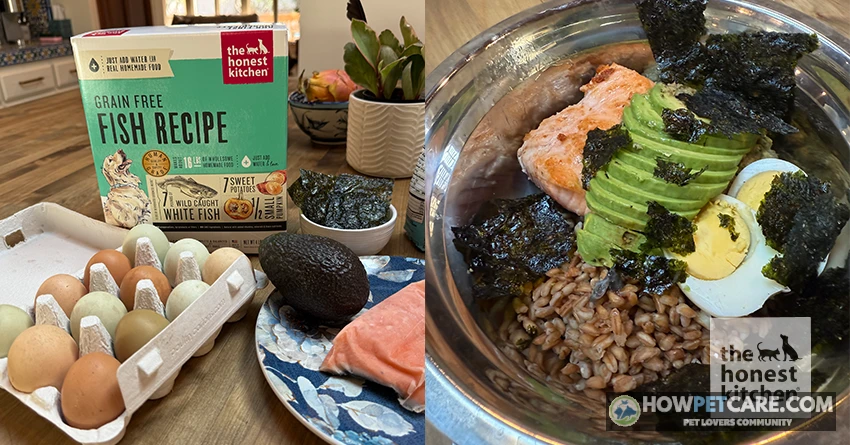

Yes, dogs can safely eat fish if it is fully cooked, plain, and completely deboned. Low-mercury species like wild salmon, sardines, and Atlantic cod provide beneficial omega-3 fatty acids and lean protein. Always cook fish to 145°F (63°C) without oils, salt, or seasonings, keeping portions under 10% of daily calories.
Dogs can safely eat fish if it is fully cooked, plain, and completely deboned. Prepared properly, low-mercury fish serves as a nutrient-dense protein topper that delivers essential omega-3 fatty acids, supports joint mobility, and promotes skin and coat health. Never feed raw fish, seasoned fillets cooked in butter or oil, or cuts with brittle bones intact. Raw fish introduces hazardous pathogens and parasites, while rich fats increase pancreatitis risk.
Fish should remain a supplemental treat rather than an unbalanced sole diet, capped at no more than 10% of your dog’s daily caloric intake. When sourced, cooked, and portioned responsibly, feeding fish to dogs provides a clean, highly digestible alternative to standard poultry or red meat proteins.
Can Dogs Eat Fish? The Safe-Serving Answer
Cooked, unseasoned, and thoroughly deboned low-mercury fish is safe and beneficial for most healthy dogs. It works best as an occasional high-value treat or a rotational meal topper mixed into commercial, nutritionally complete dog food. Because commercial canine diets balance amino acids, minerals, and vitamins to exact standards, replacing a large portion of daily kibble with plain fish disrupts that balance.
The kitchen rules are simple: avoid raw fish, sharp bones, added table salt, butter, cooking oils, garlic, onions, heavy sauces, and battered fried products like fish sticks. Fried coatings and rich cooking fats irritate the canine digestive tract and can trigger acute inflammation.

Quick Verdict: Safe, Unsafe, and Vet-First Situations
Before sharing a fillet, evaluate your dog’s individual health status:
- Safe: Plain steamed, poached, or baked whitefish or wild salmon cooked to an internal temperature of 145°F (63°C), with all bones extracted and skin removed or thoroughly descaled.
- Unsafe: Raw fillets, sushi scraps, fried fish sticks, fish swimming in commercial sauces, oil-packed canned fish, high-mercury apex predators, and whole fish containing needle-sharp skeletal bones.
- Vet-First Situations: Growing puppies, dogs with a clinical history of pancreatitis, pets with diagnosed chronic kidney disease or cardiac disorders, dogs on strict hypoallergenic elimination trials, and pets prescribed therapeutic prescription diets.
Dogs prone to gastrointestinal sensitivity or pancreatitis must avoid fatty fish skins and oily fish varieties. Heavy fats place intense strain on the canine pancreas, potentially triggering an acute medical crisis. Stick strictly to plain, boiled whitefish after consulting your veterinarian.
Why Fish Can Support Canine Nutrition
Fish provides distinct nutritional advantages for canine health. Beyond offering an easily digestible animal protein, cold-water marine fish are naturally rich in long-chain omega-3 fatty acids, specifically eicosapentaenoic acid (EPA) and docosahexaenoic acid (DHA). These polyunsaturated fats reduce systemic inflammation, supporting dogs that manage osteoarthritis, chronic dermatitis, or age-related cognitive decline.
Fish also serves as a dependable novel protein for dogs allergic to common ingredients like chicken or beef. It supplies natural concentrations of dietary selenium, B-complex vitamins, and vitamin D, aiding cellular repair and coat condition without requiring synthetic additives.

Fish for Dogs: Safe Varieties, Mercury Risk, and Fish to Avoid
Not all marine species are equal in terms of safety. Heavy metal bioaccumulation determines which fish can appear frequently in your dog’s bowl and which should stay off-limits. Small, short-lived fish species accumulate the lowest concentrations of environmental contaminants, while long-lived apex predators retain toxic levels of methylmercury.
Low-Mercury Fish That Work Best for Dogs
The safest fish for dogs are wild-caught or responsibly farmed species with short lifespans and modest body sizes. These options offer strong omega-3 profiles while keeping heavy metal ingestion negligible:
- Wild Salmon: Exceptionally rich in EPA and DHA, supporting coat and joint wellness. Must always be cooked thoroughly to eliminate biological parasites.
- Sardines: Small, oily, cold-water fish at the bottom of the marine food web. They accumulate virtually no heavy metals and deliver concentrated omega-3s.
- Atlantic Cod and Haddock: Exceptionally lean, mild whitefish species containing minimal fat. They represent the gold standard for dogs recovering from upset stomachs or those needing strict calorie management.
- Flounder and Sole: Flatfish species providing light, highly digestible protein with low natural fat content, making them ideal for sensitive digestive tracts.
- Tilapia: Widely accessible, lean farmed fish. While lower in omega-3 fatty acids than salmon, it provides high-quality protein when fully cooked plain.
What Kinds of Fish Can Dogs Not Eat Regularly?
Large predatory fish live for decades, consuming thousands of smaller fish and absorbing methylmercury into their muscle tissue. Once ingested by a dog, mercury binds to tissue proteins and clears very slowly, risking neurological impairment, renal toxicity, and digestive malfunction over time.
Never feed your dog shark, swordfish, king mackerel, marlin, tilefish, or bigeye tuna. These apex species harbor the highest mercury concentrations among commercially available seafood. Avoid wild-caught carp, raw river catfish from polluted waterways, and any fish harvested from areas subject to industrial runoff advisories.
How Mercury Levels Change the Serving Decision
When evaluating salmon versus tuna for dogs, biological lifespan and position in the food chain are key factors. Wild salmon generally live two to seven years, limiting their exposure to heavy metals. In contrast, large tuna species such as albacore live for decades, accumulating heavy metals continuously over their lifespans.
Canned light tuna (primarily skipjack) possesses lower mercury levels than albacore ("white") tuna, but both require caution. Light tuna can be offered on rare occasions in tiny quantities, whereas albacore should be strictly limited or avoided entirely. For routine supplemental feeding, choose salmon, sardines, or cod rather than tuna.
| Fish Species | Safety Tier | Mercury Risk | Omega-3 Level | Bone Risk | Preparation & Serving Guidance |
|---|---|---|---|---|---|
| Wild Salmon | Green (Safe) | Very Low | Very High | Moderate (pin bones) | Cook to 145°F (63°C); debone completely; 1–2 times weekly |
| Sardines | Green (Safe) | Lowest | Very High | Very Low (soft bones safe) | Canned in water with no salt, or fresh-cooked; 2–3 times weekly |
| Atlantic Cod | Green (Safe) | Very Low | Moderate | Moderate (firm bones) | Steam or bake plain; great lean protein for sensitive stomachs |
| Haddock / Pollock | Green (Safe) | Very Low | Moderate | Moderate | Cook plain; low fat makes it gentle for weight-managed dogs |
| Flounder / Sole | Green (Safe) | Low | Low–Moderate | High (fine skeleton) | Thorough deboning required; gentle whitefish option |
| Tilapia | Green (Safe) | Low | Low | Moderate | Farmed source; lean and safe when fully cooked, but lower omega-3s |
| Canned Light Tuna (Skipjack) | Yellow (Limited) | Moderate | Moderate | None | Water-packed only; limit to once every 2–3 weeks due to bioaccumulation |
| Albacore ("White") Tuna | Yellow (Strictly Limited) | High | High | None | Contains 3x the mercury of light tuna; maximum once per month or avoid |
| Rainbow Trout (Farmed) | Yellow (Conditional) | Low–Moderate | High | High (numerous pin bones) | Must be cooked thoroughly (salmon poisoning risk if raw); debone twice |
| Swordfish | Red (Do Not Feed) | Very High | High | High | Apex predator; mercury levels pose toxic risk over time |
| King Mackerel | Red (Do Not Feed) | Very High | High | Moderate | High heavy metal retention; avoid entirely (Spanish/Atlantic mackerel lower risk) |
| Tilefish / Shark | Red (Do Not Feed) | Extreme | Moderate–High | High | Highest mercury concentration among commercial fish; strictly unsafe |

Raw Fish, Fish Skin, and Fish Bones: What Is Actually Safe?
Offering whole or uncooked fish to your dog introduces clinical risks that outweigh any theoretical feeding benefit. While dogs possess shorter, more acidic digestive tracts than humans, they remain vulnerable to marine pathogens, physical injuries from sharp bones, and enzymatic imbalances.
Is Raw Fish Dangerous for Dogs?
Raw fish carries serious biological hazards, primarily pathogenic bacteria like Salmonella and Listeria monocytogenes, which cause severe gastrointestinal illness in dogs and can spread to human handlers. Certain raw freshwater and marine fish contain thiaminase, an enzyme that destroys thiamine (vitamin B1). When raw fish is fed in large volumes over time, this enzyme can induce a dangerous thiamine deficiency resulting in neurological deficits, ataxia, and seizures.
Most critically, raw or undercooked salmonid fish (including salmon, trout, and steelhead) originating from Pacific Northwest stream basins can carry the parasitic fluke Nanophyetus salmincola. This parasite is frequently vector-infected with Neorickettsia helminthoeca, an organism that causes salmon poisoning disease. Without rapid veterinary diagnosis and targeted antibiotic therapy, salmon poisoning disease produces severe hemorrhagic enteritis, high fever, lymph node enlargement, and a canine mortality rate exceeding 90%.
Never feed raw or undercooked salmon, trout, or steelhead from the Pacific Northwest to your dog. Always cook salmonids to an internal temperature of 145°F (63°C) to neutralize the encysted fluke and prevent fatal systemic rickettsial infection.
Can Dogs Eat Fish Skin?
Fish skin can be safe for dogs, but only under strict preparation guidelines. The skin must be thoroughly descaled, completely unseasoned, and cooked until crisp or tender without cooking oils or butter. Because marine fish skin concentrates collagen, elastin, and omega-3 fatty acids, it is often dried into commercial single-ingredient chew chews.
Fish skin is calorie-dense and rich in surface fats. In dogs prone to weight gain or those predisposed to dietary indiscretion, feeding raw or oily fish skin can trigger acute pancreatitis or sudden osmotic diarrhea. Descale fresh skin thoroughly before cooking to prevent large, coarse scales from irritating the throat.

Why Fresh Fish Bones Are a Choking and Obstruction Risk
Fresh fish bones—whether raw, boiled, grilled, or baked—are hazardous to dogs. As fish cooks, structural bones lose moisture, turning brittle, sharp, and prone to splintering under jaw pressure. When swallowed, these bones can wedge across the pharynx, pierce the soft palate, lodge inside the esophagus, or penetrate the stomach and intestinal walls. Internal mucosal perforations carry a high risk of life-threatening septic peritonitis.
The soft, pressure-cooked bones found in commercial canned sardines or canned pink salmon behave entirely differently. The industrial retort canning process uses sustained high-pressure steam that softens bone calcium to a chalky, crumbly consistency. These specific bones crush effortlessly between two fingers and digest safely, offering a supplemental source of dietary calcium and phosphorus without sharp physical edges.
To prepare fresh fish fillets safely, run your bare fingers firmly along the flesh lines to find and remove hidden pin bones before and after cooking.

How to Cook Fish for Dogs Safely: 145°F / 63°C and Plain Preparation
Home-cooked fish should follow the same food-safety standards used for human cooking. By applying proper cooking temperatures, you eliminate dangerous biological parasites without destroying delicate omega-3 fatty acids.
The Exact Internal Temperature for Cooked Salmon and Whitefish
All fresh or frozen fish prepared for dogs must reach an internal cooking temperature of 145°F (63°C), measured with a calibrated digital meat thermometer at the thickest part of the fillet. If you are wondering how can dogs eat salmon safely, holding the fish at this thermal threshold for at least 15 seconds neutralizes dangerous bacterial colonies of Salmonella, Listeria, and internal parasite larvae, including Anisakis nematodes and Nanophyetus flukes.
Gentle, controlled heat preserves the structural bonds of EPA and DHA fatty acids. Avoid aggressive high-heat frying or deep charring, which causes lipid oxidation and generates toxic heterocyclic amines.
Oil-Free Methods That Reduce Pancreatitis Risk
Always cook fish for dogs without added fats, oils, or aromatics. Skip non-stick cooking sprays, butter, margarine, extra-virgin olive oil, and lard. Keep the fish free of all culinary seasonings, including table salt, black pepper, paprika, and especially onion, garlic, or chive powders, which cause toxic oxidative damage to canine red blood cells.
-
Step 1: Raw Inspection and Skin Descaling
Place the raw fillet skin-side up on a clean prep board. Scrape a culinary scaler or butter knife against the grain of the scales to remove coarse debris. Rinse under cold running water, pat dry with paper towels, and run your clean fingertips across the flesh to detect and pull any visible bones.
-
Step 2: Choose an Oil-Free Cooking Method
Cook the plain fillet using one of three methods: steam over simmering water for 8 to 10 minutes, bake on a parchment-lined sheet pan at 350°F (175°C) for 12 to 15 minutes, or gently poach in plain, unsalted water. Do not add butter, oil, stock cubes, or seasonings.
-
Step 3: Verify the Internal Core Temperature
Insert a digital food probe into the center of the thickest portion of the fish. Confirm the internal temperature registers at or above 145°F (63°C). The flesh should transition from translucent to an opaque, milky consistency that flakes under light pressure.
-
Step 4: Cool, Flake, and Inspect
Allow the cooked fish to cool to room temperature. Once cooled, manually shred the fillet into bite-sized flakes using clean fingers or two forks under good lighting. This step serves as your final inspection to catch any remaining calcified pin bones.

Cook fish to an internal temperature of 145°F (63°C) to eliminate harmful pathogens.

How Much Fish Can Dogs Eat? Daily and Weekly Portions by Weight
Treating fish as a supplemental food requires careful portion control. Canine nutritional guidelines emphasize that all supplementary foods, treats, and meal toppers must collectively remain under 10% of a dog’s total daily caloric intake. The remaining 90% of daily calories must come from an age-appropriate, nutritionally balanced commercial or veterinary-formulated diet.
Portion Guide for Toy Through Giant Dogs
Lean whitefish (such as cod, haddock, or flounder) averages roughly 22 calories per cooked ounce (0.78 kcal per gram). Rich oily fish (such as wild salmon or sardines) averages closer to 40 calories per cooked ounce (1.4 kcal per gram). Because rich fish supplies nearly double the caloric density of whitefish, adjust serving weights downward to prevent excess calorie intake.
| Dog Weight Bracket | Example Breed Size | Daily Calorie Allowance (10% Treat Cap) | Lean Whitefish per Serving (Cod, Haddock, Tilapia) | Rich Fish per Serving (Salmon, Sardines) | Max Recommended Frequency |
|---|---|---|---|---|---|
| Toy (5–10 lbs / 2.3–4.5 kg) | Chihuahua, Yorkie, Pomeranian | 15–30 kcal | 15–25 g (0.5–0.9 oz) | 10–15 g (0.35–0.5 oz) | 1–2 times per week |
| Small (11–25 lbs / 5–11.3 kg) | French Bulldog, Beagle, Boston Terrier | 35–65 kcal | 30–50 g (1.0–1.8 oz) | 20–35 g (0.7–1.2 oz) | 2 times per week |
| Medium (26–55 lbs / 11.8–25 kg) | Australian Shepherd, Border Collie, Spaniel | 70–120 kcal | 60–100 g (2.1–3.5 oz) | 40–65 g (1.4–2.3 oz) | 2–3 times per week |
| Large (56–85 lbs / 25.4–38.5 kg) | Labrador Retriever, Golden Retriever, Boxer | 125–170 kcal | 110–150 g (3.9–5.3 oz) | 70–100 g (2.5–3.5 oz) | 2–3 times per week |
| Giant (86+ lbs / 39+ kg) | Mastiff, Great Dane, Newfoundland | 180–230 kcal | 160–200 g (5.6–7.0 oz) | 105–130 g (3.7–4.6 oz) | 2–3 times per week |

Serving sizes represent supplementary treat portions fitting within the standard 10% daily treat ceiling. If your dog has a history of pancreatitis or gastrointestinal sensitivity, use only lean whitefish and consult your veterinarian before feeding.
Daily Treats Versus Replacing Part of a Meal
If you use plain cooked fish as a supplemental topper rather than a training treat, subtract an equivalent caloric portion from your dog’s regular daily kibble. This adjustment prevents gradual, unintended weight gain. Never substitute more than 10% to 15% of your dog’s daily meal volume with plain fish without working alongside a board-certified veterinary nutritionist. Fish alone lacks the broad spectrum of trace minerals, bioavailable calcium, and essential fat-soluble vitamins required to meet complete daily nutritional baselines.
Adjustments for Puppies and Dogs Prone to Pancreatitis
Can puppies eat white fish safely? Yes, puppies can enjoy tiny tastes of plain, fully cooked, deboned whitefish starting around 12 weeks of age. Portion control remains critical. Puppies require precise calcium-to-phosphorus ratios to support skeletal and joint growth. Feeding excess fish can unbalance their commercial puppy food and disrupt bone development.
For dogs with chronic pancreatitis, avoid rich, oily fish like salmon, mackerel, and sardines entirely. Even small quantities of high-fat fish can trigger abdominal pain, lethargy, and vomiting in sensitive dogs. Instead, stick to small servings of boiled Atlantic cod or haddock, which contain negligible dietary fats.
Can Dogs Eat Canned Tuna or Sardines? A Pantry Label Checklist
Canned fish can serve as an accessible, shelf-stable protein treat for dogs, but grocery store shelves carry products packed in problematic liquids, heavily salted brines, and chemical sauces. Read the nutrition panel and ingredient deck carefully before serving canned fish to your pet.
Water-Packed, Oil-Packed, and Brine: Which Is Best?
The only acceptable canning medium for dogs is plain spring water with no salt added.
- Canned in Water (No Salt Added): The safest choice. It provides pure fish protein and naturally occurring omega-3s without excess sodium or processed fats.
- Canned in Oil: Avoid entirely. Fish packed in soybean, canola, or olive oil absorbs large volumes of dense cooking fats. Ingesting this extra oil stresses the liver, triggers loose stools, and significantly raises pancreatitis risk in dogs.
- Canned in Brine: Avoid completely. Brine-packed seafood contains concentrated levels of sodium chloride. Excess dietary sodium puts stress on canine kidney and heart function, and can lead to sodium toxicosis in smaller breeds.
| Canned Fish Format | Suitable or Avoid | What to Check on the Label | Bone Guidance | Main Concern |
|---|---|---|---|---|
| Sardines in Water (No Salt) | Highly Suitable | Only fish and water listed; sodium <100 mg per serving | Bones are pressure-cooked, soft, and safe to feed | Overfeeding can add excess calories |
| Wild Pink Salmon in Water | Highly Suitable | Skinless/boneless preferred, or soft pressure-cooked bones | Soft bones crush easily; check for stray firm fragments | Sodium levels in standard canned salmon varieties |
| Chunk Light Tuna in Water | Suitable (Rarely) | Skipjack species; packed in water; no salt added | Completely boneless | Gradual methylmercury accumulation over time |
| Albacore Tuna in Water | Avoid / Strictly Limit | "White tuna"; high mercury content | Completely boneless | Triple the heavy metal bioaccumulation of light tuna |
| Fish in Olive / Soybean Oil | Avoid | Vegetable, soybean, sunflower, or olive oil listed | Bones softened by pressure processing | Acute pancreatitis, digestive upset, severe diarrhea |
| Fish in Tomato / Mustard Sauce | Avoid | Sauces, spices, aromatics, or flavorings added | Sauces often conceal internal bone firmness | Added salt, onion/garlic powder, gastric irritation |
Canned Sardines and Soft Bones
Canned sardines packed in spring water with no salt added are one of the most practical pantry supplements for canine coat health. Because sardines undergo industrial pressure canning, their tiny internal rib and spine bones become soft and crumbly. These softened bones pose minimal puncture or choking risk and provide natural dietary calcium and phosphorus.
Before feeding, turn the fish over in a small dish and crush the pieces lightly with the back of a fork. If the tiny vertebrae crush into a soft paste without resistance, mix them directly into your dog’s regular meal.
Why Canned Tuna Is Not an Everyday Fish
Pet owners often ask can dogs eat canned tuna on a regular schedule, and while dogs can safely consume a small spoonful of water-packed canned light tuna on rare occasions, it should not become a regular weekly staple. As a predatory species, tuna accumulates higher baseline levels of environmental mercury compared to sardines or wild salmon. Over months of steady feeding, this bioaccumulation can stress your dog’s renal filtration system and neurological pathways. Treat canned tuna as an occasional emergency backup treat rather than a foundational protein.
To evaluate any can of fish from your pantry, run through these three checks before serving:
☐ Check 1: Liquid Packing Medium
- PASS: Packed in water with no added oils or broth.
- FAIL: Packed in soybean oil, olive oil, vegetable oil, or tomato sauce. (Excess dietary fat from packing oils can trigger acute pancreatitis and severe gastrointestinal distress.)
☐ Check 2: Sodium Threshold Cut-Off
- PASS: Label states "No Salt Added" or indicates sodium is strictly under 100 mg per intended canine serving size.
- FAIL: Salt added, brine-packed, or sodium exceeds 100 mg per serving. (High-sodium canned varieties can stress cardiac function and cause electrolyte imbalances.)
☐ Check 3: Seasoning & Additive Screen

Check canned fish labels to ensure only fish and water are listed, with no added salt or oil. - PASS: The ingredient list contains exactly two items: the fish species (e.g., "Sardines") and "Water".
- FAIL: Ingredient list contains onion powder, garlic, chili, smoked flavorings, xylitol, citric acid, or chemical preservatives. (Allium species like garlic and onion cause hemolytic anemia in dogs even in powdered form.)


If Your Dog Swallowed a Fish Bone: Emergency Triage and Warning Signs
Accidents happen quickly in the kitchen. A dog may snatch a discarded fish carcass from a wastebasket or grab an un-deboned piece of fish from a cutting board. If your dog swallows a raw or cooked skeletal fish bone, maintaining a calm, clinically sound approach is essential.
Do Not Try to Make the Dog Vomit
Never administer hydrogen peroxide, salt water, or any emetic compound to induce vomiting at home. Forcing a sharp, brittle fish bone back up through the esophagus exposes delicate mucosal tissue to a second pass of puncture and tearing hazards. Vomiting also increases the risk of aspirating digestive juices or sharp bone fragments into the lungs.
Avoid feeding large amounts of dry bread, mashed potatoes, or dense rice to cushion the bone unless specifically instructed by a veterinarian. Packing dense starches into the stomach can wedge a sharp fragment tighter against the gastric sphincter or obscure surgical visualization if an emergency endoscopy is required.
Signs of Choking or an Esophageal Foreign Body
A swallowed bone can cause complications in two primary zones: the upper airway and esophagus, or the lower gastrointestinal tract. Upper obstructions require immediate emergency care.
Emergency signs that demand immediate veterinary attention include:
- Choking, open-mouth gasping, or noisy, stridorous breathing
- Cyanotic (blue), gray, or pale gums
- Repeated, unproductive retching or coughing spasms
- Frantic pawing at the muzzle, cheeks, or mouth
- Copious, uncontrolled hypersalivation or blood-tinged drool pooling from the mouth
- Distressed neck extension while swallowing
If the bone bypasses the pharynx and wedges into the esophageal lining, the dog may appear stable initially but will begin regurgitating water or food moments after swallowing. Persistent drooling, painful vocalizations when touched around the neck, and an inability to keep fluids down point directly to an esophageal foreign body.

Signs of Intestinal Obstruction or Perforation
If a sharp fish bone reaches the stomach intact, gastric acids may dissolve small, pliable pieces. Firm or calcified fragments, however, can irritate the gastrointestinal tract or puncture the stomach or intestinal walls as they pass.
Clinical signs of gastrointestinal perforation or intestinal blockage can emerge anywhere from 12 to 72 hours after ingestion:
- Incessant vomiting or dry heaving without expelling food
- Complete loss of appetite and refusal to drink fresh water
- Severe lethargy, depression, and reluctance to stand or walk
- A tense, arched back accompanied by a rigid, painful "tucked" abdomen
- Frank red blood in the stool or black, sticky, tar-like feces (melena, indicating digested blood from an upper gastrointestinal perforation)
- Fever, shivering, or circulatory collapse caused by septic peritonitis
If you know your dog swallowed a sharp, cooked fish bone, contact an emergency veterinary hospital immediately. Do not wait for clinical symptoms to manifest. Early endoscopic retrieval from the stomach is far safer and less invasive than emergency abdominal surgery to repair an intestinal perforation.
Follow this clinical triage sequence to assess the situation systematically:
Stop: Do Not Induce Vomiting and Do Not Feed Bulky Bread
- Never administer hydrogen peroxide or induce emesis. Sharp fish bones can puncture the esophagus on the return path.
- Avoid feeding dense bread or rice unless explicitly instructed by a veterinarian, as this can pack an obstruction tighter.
Triage Level 1: Immediate Emergency (Seek Urgent Veterinary Care)
- Transport your dog to the nearest emergency clinic right away if you observe any of the following:
- Choking, open-mouth gasping, or blue/pale/muddy gums
- Repeated, unproductive retching or active distress
- Pawing vigorously at the mouth or muzzle
- Blood pooling in saliva or vomitus
- Transport your dog to the nearest emergency clinic right away if you observe any of the following:
Triage Level 2: Urgent Evaluation (Call Clinic Within 2–4 Hours)
- Contact your veterinary office if the dog can breathe normally but displays upper digestive tract irritation:
- Exaggerated, painful swallowing or neck extension while gulping
- Continuous lip-licking and heavy hypersalivation (drooling)
- Regurgitating water or food immediately after intake
- Whining or pulling away when gently touching the throat or neck
- Contact your veterinary office if the dog can breathe normally but displays upper digestive tract irritation:
Triage Level 3: Asymptomatic Monitoring Protocol (48–72 Hour Window)
- If the dog swallowed a small bone, is acting normally, and your vet advises watchful waiting at home, record and track the following:
- Hour 0: Log exact time, fish species, estimated bone size, and whether the bone was cooked (brittle) or canned (soft).
- Hours 12–24: Check for sudden lethargy, refusal to eat, or a tucked, rigid abdomen (peritonitis indicators).
- Hours 24–72: Inspect every stool for black, tarry blood (melena from upper GI bleeding), frank red blood, or safely passed bone fragments.
- If the dog swallowed a small bone, is acting normally, and your vet advises watchful waiting at home, record and track the following:
Use This Fish-Feeding Decision Checklist Before Serving
Before dropping a fresh piece of fish or a spoonful of canned seafood into your dog’s bowl, run through this five-point kitchen safety check. Treating fish as a deliberate, properly prepared supplement delivers healthy omega-3 benefits while avoiding emergency clinic visits.
Five Checks Before Fish Goes in the Bowl
- Species Check: Is the fish a low-mercury, short-lived species such as wild salmon, Atlantic cod, flounder, haddock, or sardines, rather than a high-mercury apex predator like swordfish or tilefish?
- Cooking Check: Was the fish cooked plain to an internal core temperature of 145°F (63°C) using oil-free methods such as steaming, poaching, or baking?
- Deboning Check: Has the cooked fillet been flaked apart under bright light and checked twice with bare fingers to confirm no needle-like pin bones remain?
- Seasoning & Additive Check: Is the serving completely free of cooking butter, frying oils, table salt, onions, garlic, marinades, and chemical additives?
- Portion Check: Is the serving size accurately measured in grams or ounces to fit comfortably within your dog’s 10% daily treat-calorie allowance?

When to Choose a Different Treat Instead
There are times when the safest choice is to skip fish altogether. If your dog has a medical history of acute or chronic pancreatitis, avoid rich species like salmon and sardines entirely, as high fat levels can quickly prompt an inflammatory flare-up. If your dog is undergoing a strict veterinary elimination diet for chronic allergies, adding fish will confound your diagnostic results.
Finally, if the fish in question came from your own dinner plate—covered in butter, garlic seasonings, or heavy pan sauces—keep it out of the dog bowl. Save fish for when you can prepare it plain, clean, and deboned, ensuring it serves as a healthy addition to your dog’s diet.
| Fish Species | Safety Tier | Mercury Risk | Omega-3 Level | Bone Risk | Preparation & Serving Guidance |
|---|---|---|---|---|---|
| Wild Salmon | Green (Safe) | Very Low | Very High | Moderate (pin bones) | Cook to 145^circtext{F} (63^circtext{C}); debone completely; serve 1–2 times weekly |
| Sardines | Green (Safe) | Lowest | Very High | Very Low (soft bones safe) | Serve canned in water with no added salt, or fresh-cooked; 2–3 times weekly |
| Atlantic Cod | Green (Safe) | Very Low | Moderate | Moderate (firm bones) | Steam or bake plain; great lean protein option for sensitive stomachs |
| Haddock / Pollock | Green (Safe) | Very Low | Moderate | Moderate | Cook plain; low fat option makes it gentle for weight-managed dogs |
| Flounder / Sole | Green (Safe) | Low | Low–Moderate | High (fine skeleton) | Thorough deboning required; gentle whitefish option |
| Tilapia | Green (Safe) | Low | Low | Moderate | Farmed source; lean and safe option when fully cooked, but lower in omega-3s |
| Canned Light Tuna (Skipjack) | Yellow (Limited) | Moderate | Moderate | None | Water-packed only; limit to once every 2–3 weeks due to bioaccumulation |
| Albacore ("White") Tuna | Yellow (Strictly Limited) | High | High | None | Contains 3x the mercury of light tuna; limit to maximum once per month or avoid entirely |
| Rainbow Trout (Farmed) | Yellow (Conditional) | Low–Moderate | High | High (numerous pin bones) | Must be cooked thoroughly (salmon poisoning risk if raw); debone twice |
| Swordfish | Red (Do Not Feed) | Very High | High | High | Apex predator; mercury levels pose toxic risk over time; do not feed |
| King Mackerel | Red (Do Not Feed) | Very High | High | Moderate | High heavy metal retention; avoid entirely (Spanish/Atlantic mackerel lower risk) |
| Tilefish / Shark | Red (Do Not Feed) | Extreme | Moderate–High | High | Highest mercury concentration among commercial fish; strictly unsafe; do not feed |
FAQ
Can dogs eat cooked salmon safely?
Yes, plain cooked salmon is generally safe for dogs when it reaches 145°F (63°C) and all bones are removed. Never serve raw or undercooked salmon, especially in areas where salmon poisoning disease is a concern.
Can dogs with pancreatitis eat fish?
Dogs with current or previous pancreatitis should only eat fish with veterinarian approval. Lean, plain whitefish may fit some prescribed diets, while fatty fish, skin, oil-packed fish, and large portions can be inappropriate.
Can fish cause allergies in dogs?
Yes. Fish can trigger food allergy or intolerance in some dogs, with signs such as itching, recurrent ear inflammation, vomiting, diarrhea, or skin redness. Stop the new food and contact a veterinarian if symptoms occur.
Can dogs eat fish sticks or battered fried fish?
No. Fish sticks and battered or fried fish commonly contain excess oil, salt, breading, seasonings, and sometimes garlic or onion flavoring, making plain cooked fish the safer choice.