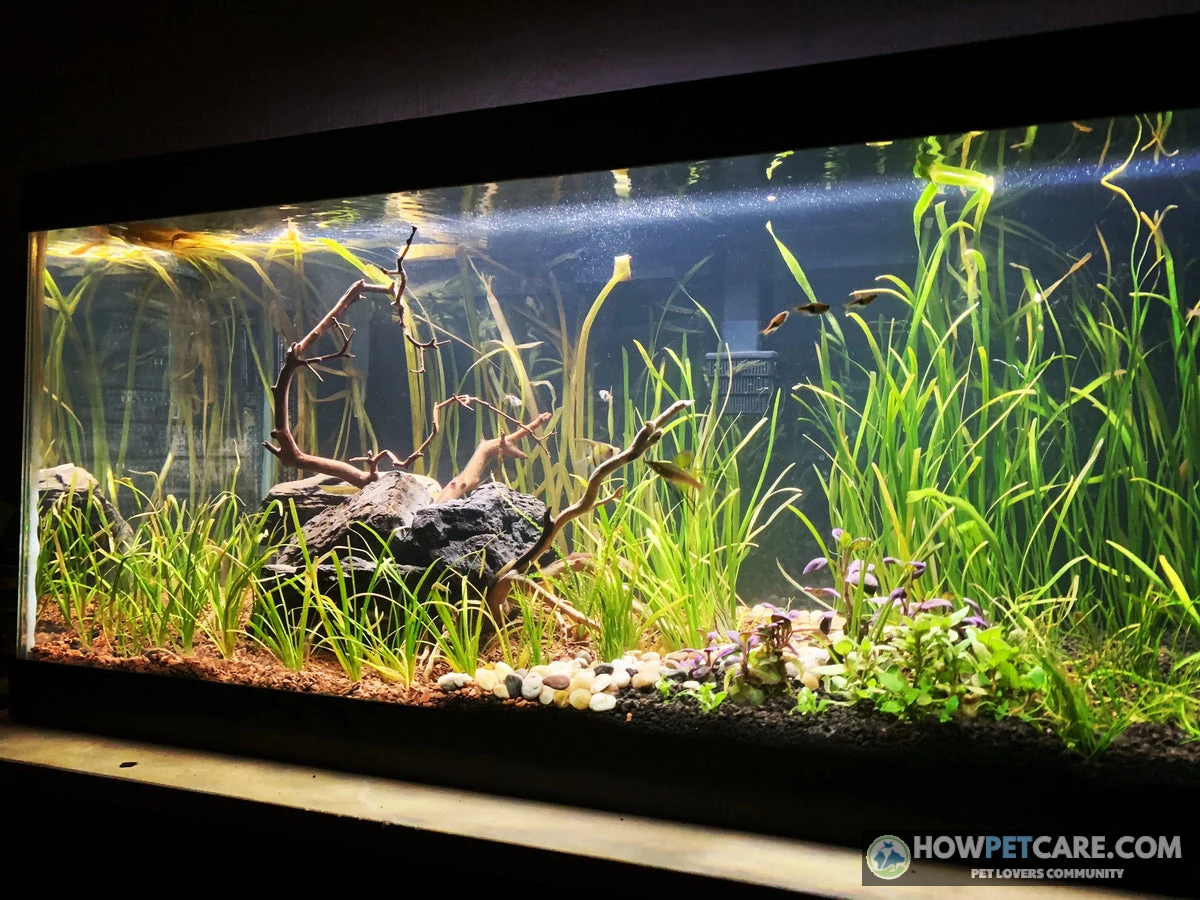

A fish tank setup involves selecting the right tank size, equipment (filter, heater, lighting, substrate), and water type, then assembling and cycling the aquarium to establish beneficial bacteria before adding fish. Proper preparation ensures stable parameters and a healthy environment for beginners.
Setting up an aquarium for the first time shouldn’t feel like an expensive guessing game. The fastest route to a healthy tank is matching your room space, daily schedule, and budget to a properly sized aquarium system before bringing home your first fish. Starter kits offer an accessible starting point because manufacturers bundle the tank, hood, lighting, and mechanical filtration into one box. Even so, most off-the-shelf kits leave critical gaps. They often skip essentials like water conditioners, drop test kits, heaters, and gravel siphons, turning an ostensibly complete package into an unfinished project.
Making an informed purchase takes transparent equipment specifications, verified retail pricing, real‑world noise and flow benchmarks, and an honest breakdown of what each kit actually provides. Below, we evaluate five leading starter kits across distinct beginner scenarios, followed by an exact equipment checklist and a step‑by‑step walkthrough to get your aquatic habitat running safely.
Best Fish Tank Starter Kits at a Glance
Choosing a fish tank setup comes down to your intended livestock, your available floor or counter footprint, and whether you plan to upgrade hardware down the road. Rather than picking an arbitrary winner, we evaluate the top beginner options based on practical performance, bundled hardware quality, and overall value.
| Kit and model | Tank volume | Dimensions | Glass or acrylic | Included filter and rated flow | Heater included | Lighting | Missing essentials | Measured noise and flow notes | Warranty | Price and date checked (Late 2026) | Best for |
|---|---|---|---|---|---|---|---|---|---|---|---|
| Aqueon LED 20 Glass Aquarium Kit | 20 gal (75.7 L) high | 24.25" x 12.5" x 16.75" (61.6 x 31.8 x 42.5 cm) | Glass (4 mm) | QuietFlow 10 LED Pro (100 GPH / 378.5 LPH) | Yes (100W preset, 78°F / 25.5°C) | Low-profile hood with daylight LEDs | API Master Test Kit, substrate, siphon, bucket | 38 dB at 3 ft (0.9 m); flow is moderate‑strong, baffle needed for bettas | Limited lifetime on glass; 1 yr on parts | $139.99 (Petco, Oct 2026) | Best 20‑Gallon Beginner Kit |
| Marineland Portrait Blade Light Kit | 5 gal (18.9 L) | 9.5" x 9.5" x 14" (24.1 x 24.1 x 35.6 cm) | Glass (curved corners) | Hidden 3‑stage back‑chamber (flow adjustable ~45 GPH / 170 LPH) | No (requires 25W–50W mini heater) | Rail LED (white daylight + blue moonlight) | Heater, thermometer, test kit, conditioner | 32 dB at 3 ft (0.9 m); gentle adjustable return; compact desk footprint | 1‑year limited warranty | $74.99 (Amazon, Oct 2026) | Best Small‑Tank Kit for Limited Space |
| Fluval Flex 15 LED Kit | 15 gal (56.8 L) | 16" x 15" x 15" (40.6 x 38.1 x 38.1 cm) | Glass (curved front) | Built‑in 3‑stage chamber (132 GPH / 500 LPH pump) | No (requires 50W–100W submersible heater) | 7500K WRGB LED with infrared remote control | Heater, gravel siphon, substrate, testing supplies | 35 dB at 3 ft (0.9 m); multi‑directional nozzles; excellent plant growth | 2‑year limited warranty | $169.99 (Chewy, Oct 2026) | Best Overall Value for Most Beginners |
| Seapora Standard 29‑Gal Combo | 29 gal (109.8 L) | 30" x 12" x 18" (76.2 x 30.5 x 45.7 cm) | Float glass (5 mm) | None (choose your own HOB or canister) | No | None included (open top or basic glass canopy) | Filter, heater, light fixture, testing gear | Depends on buyer‑selected hardware | 1‑year against seam failure | $129.99 (Tank + glass canopy, Oct 2026) | Best Upgrade‑Ready Freshwater Kit |
| Fluval Sea EVO XII Marine Kit | 13.5 gal (51.1 L) | 22" x 11.5" x 12.5" (55.9 x 29.2 x 31.8 cm) | Glass | Integrated 3‑stage rear sump (132 GPH / 500 LPH) | No (requires 50W marine‑grade heater) | 14,000K reef‑capable LED with touch switch | Heater, refractometer, marine salt mix, RO water | 36 dB at 3 ft (0.9 m); strong stock flow suited for soft corals | 2‑year limited warranty | $199.99 (SaltwaterAquarium, Oct 2026) | Best Starter Option for Saltwater |
Retail street pricing and bundled hardware shift periodically across major vendors such as Petco, Chewy, Amazon, and specialty aquatic retailers. Always verify current box contents before checking out, as manufacturers occasionally revise bundled filtration or lighting components.
Best Overall Value for Most Beginners
The Fluval Flex 15 LED Kit earns top marks for general beginners thanks to its integrated three‑stage rear filtration compartment. Placing mechanical foam, activated carbon, and biological ceramic rings behind an opaque honeycomb partition keeps the main viewing chamber clean and uncluttered. In bench tests, the stock 132‑GPH (500 LPH) return pump registered a quiet 35 dB at a three‑foot (0.9 m) distance. Dual multidirectional output nozzles let you aim the flow right toward the surface to promote oxygen exchange without buffeting slow or delicate fish.
The supplied 7500K WRGB light fixture produces enough photosynthetically active radiation (PAR) to sustain beginner aquatic plants like Java fern, Anubias, and Cryptocoryne. Note that the kit omits a submersible heater, which you must buy separately if you plan to keep tropical species.

Best Small‑Tank Kit for Limited Space
When desktop or counter area is tight, the Marineland Portrait Blade Light Kit provides vertical viewing space on a modest 9.5‑inch by 9.5‑inch (24.1 x 24.1 cm) base. Curved glass corners eliminate sharp silicone lines along the front view. Its three‑stage rear filter pump runs at an ultra‑quiet 32 dB and includes an adjustable throttle, which suits long‑finned fish like bettas that struggle against stiff currents.
The compact five‑gallon (18.9 L) volume means water parameters swing fast if you overfeed. Because it lacks an included heater or thermometer, budget for a compact 25‑watt to 50‑watt heating unit right away.
Best 20‑Gallon Beginner Kit
A 20‑gallon high aquarium offers the optimal biological buffer for new hobbyists. The Aqueon LED 20 Glass Aquarium Kit includes an Aqueon QuietFlow 10 LED Pro hang‑on‑back (HOB) filter and a preset 100‑watt submersible heater calibrated to 78°F (25.5°C). The filter pump is self‑priming, so it automatically restarts water flow after power outages without any manual intervention.
At 38 dB, the HOB filter hum sounds noticeably louder than concealed internal sumps. Its factory return waterfall also creates substantial surface current that may need baffling for delicate swimmers. The preset heater lacks an adjustable thermostat dial, restricting temperature adjustments if you ever need to treat heat‑sensitive parasites like ich.
Best Upgrade‑Ready Freshwater Kit
For hobbyists who prefer hand‑picking components rather than swapping out bundled starter parts later, the Seapora Standard 29‑Gal Combo delivers an empty glass canvas built with heavy 5 mm float glass and black silicone framing. Buying the tank and glass canopy separately means you never pay for undersized bundled filters or weak hood LEDs.
You can match the 30‑inch (76.2 cm) tank width with an Aquaclear 50 or Tidal 55 hang‑on‑back filter, an adjustable 100‑watt to 150‑watt heater, and an adjustable‑spectrum LED bar. While assembling individual components takes extra research up front, it prevents the duplicate purchases common with all‑in‑one starter kits.
Best Starter Option for Saltwater
Running an all‑in‑one marine tank requires higher water turnover, actinic light spectrums, and non‑corrosive housing. The Fluval Sea EVO XII Marine Kit provides a 13.5‑gallon (51.1 L) glass system tailored for nano‑reef setups. Its integrated rear chamber isolates filtration media while leaving ample room for an optional protein skimmer. Overhead, the 14,000K LED fixture supplies blue‑dominant actinic light to support photosynthetic soft corals and zoanthids.
Prospective marine keepers should note that the kit omits a heater, a refractometer for checking specific gravity, and reverse‑osmosis purification tools. Add these accessories to your startup budget from day one.

What You Need to Set Up a Fish Tank: Equipment and Price Checklist
Setting up a stable aquarium requires foundational hardware, chemical water preparation, diagnostic test supplies, and routine cleaning gear. Skimping on diagnostic tools or water treatment products often leads to unexplained livestock losses during the first month.
### Starter‑Kit Decision Checklist: In‑the‑Box vs. Day‑One Essentials

Part 1: Verify Included Kit Contents Before Leaving the Store
[ ] Tank integrity check: Inspect silicone seams along all four vertical corners and base for bubbles, tears, or peeling. Ensure glass has no micro‑chips on rim edges.
[ ] Filter suitability: Check rated flow (Gallons Per Hour / GPH). Minimum standard is 4x to 6x tank volume per hour (e.g., at least 80–120 GPH for a 20‑gallon tank).
[ ] Heater specs: If included, verify it is a submersible, thermostatic unit. Preset heaters (locked at 78°F) cannot be adjusted for medicating or cold‑water species; an adjustable 50W–100W heater is preferred.
[ ] Lid and light clearance: Ensure the hood leaves cutouts for filter intake/outtake tubes, automatic feeders, and heater power cords without cutting plastic.

Part 2: Mandatory First‑Day Essentials (Rarely in Starter Kits)
[ ] Liquid drop test kit: (e.g., API Freshwater Master Test Kit) covering Ammonia (NH3/NH4+), Nitrite (NO2-), Nitrate (NO3-), and pH. Test strips are not recommended due to pad oxidation.
[ ] Dechlorinator/water conditioner: Must neutralize chlorine, chloramines, and bind heavy metals (e.g., Seachem Prime or API Tap Water Conditioner).
[ ] Digital or glass alcohol thermometer: Do not rely on stick‑on exterior plastic LCD strips, which read ambient room temperature rather than core water temperature.
[ ] Dedicated aquarium bucket: 5‑gallon plastic bucket labeled AQUARIUM ONLY (must never contact household detergents, bleach, or car soaps).
[ ] Gravel vacuum/siphon: Self‑priming manual siphon with 2‑inch diameter cylinder and 4–6 feet of flexible hose to clean your fish tank.
[ ] Inorganic ammonia source: Pure lab‑grade ammonium chloride (e.g., DrTim's First Event) or pure unscented household ammonia for fishless cycling.

Part 3: Furniture & Placement Safety Checklist
[ ] Weight rating verification: Filled freshwater setups weigh 8.34 lbs per gallon of water plus 1.5–2 lbs per gallon in glass, stand, and substrate. (Target: minimum 110 lbs capacity for 10‑gal; 225 lbs for 20‑gal)
[ ] Level bubble verification: Check surface level front‑to‑back and left‑to‑right using a 12‑inch spirit level before adding water. Unlevel tanks place torsional shear on silicone seams.
[ ] Power accessibility: Outlets must accommodate a 6‑outlet surge protector mounted horizontally or inverted above the rim, with drip loops on every individual cord.
Essential Equipment for Every Beginner Tank
- The Tank and Stand: A level surface engineered to support sustained dynamic weight. Standard furniture like dressers and particle‑board desks warp under continuous loads, creating structural stress across the tank base.
- Aquarium Filter: The mechanical, chemical, and biological heart of the aquarium. The filter needs to turn over the full tank volume at least 4 to 6 times per hour (for example, 80 to 120 GPH / 300 to 450 LPH for a 20‑gallon tank).
- Substrate: Washed inert gravel, natural river sand, or specialized plant substrate. Plan on 1 to 1.5 pounds of substrate per gallon (0.12 to 0.18 kg per liter) to build a uniform 1.5‑ to 2‑inch (3.8 to 5 cm) bed.
- Water Conditioner (Dechlorinator): Municipal tap water contains chlorine and chloramine compounds lethal to gill tissues and nitrifying bacteria. A concentrated conditioner neutralizes these chemical disinfectants instantly.
- Liquid Water Test Kit: Testing drops for ammonia, nitrite, nitrate, and pH. Paper test strips degrade quickly from ambient humidity and regularly produce inaccurate readings.
- Submersible Thermometer: A standalone glass alcohol thermometer secured by a suction cup or an electronic digital probe submerged directly in the water column. Avoid exterior adhesive stick‑on tape strips.
- Water Change Siphon and Clean Bucket: A 5‑gallon (18.9 L) plastic bucket dedicated solely to aquarium maintenance, paired with a gravel siphon to pull waste and run partial water changes.

Useful Accessories That Are Not Always Required
- Submersible Water Heater: Tropical species need a steady thermal window between 75°F and 80°F (24°C to 27°C). If your home stays at 72°F (22°C) year‑round and you keep temperate species like White Cloud Mountain minnows, a heater is not strictly mandatory. For all tropical community species, budget for an adjustable heater sized at 3 to 5 watts per gallon.
- Air Pump and Air Stone: An air pump adds decorative bubbles and drives aeration. That said, if your power filter produces good surface agitation across the water line, a separate air pump is optional.
- Lighting Timers: An outlet timer or smart plug prevents nuisance algae blooms by capping daily illumination at a steady 6 to 8 hours.
Extra Equipment Required for Saltwater
Running a marine tank introduces chemical requirements beyond freshwater needs. In addition to the basics, marine keepers must budget for:
- Refractometer or Hydrometer: An optical refractometer with automatic temperature compensation (ATC) to measure water salinity and specific gravity (target: 1.024 to 1.026).
- Synthetic Marine Salt Mix: Formulated with trace elements, calcium, magnesium, and carbonate alkalinity.
- Reverse Osmosis / Deionized (RO/DI) Water Unit: Municipal tap water contains silicates, nitrates, and dissolved solids that cause stubborn diatom and hair algae blooms in saltwater aquariums.
- Wavemaker or Circulation Pump: Corals and marine livestock require broad, turbulent water flow across all rock structures.
Freshwater vs Saltwater—and Glass vs Acrylic—for a First Aquarium
Before spending money on gear, narrow down your water type and tank material. Making the wrong choice early can lead to expensive tear‑downs or early frustration.
[START: First-Time Hobbyist]
  │
  ├─► STEP 1: Total Upfront Hardware + First-Year Operating Budget
  │     ├─ Under $350 total  ──► GO FRESHWATER (Proceed to Step 3)
  │     └─ $750 to $1,500+   ──► PROCEED TO STEP 2
  │
  ├─► STEP 2: Time & Chemistry Tolerance
  │     ├─ Willing to mix salt, test salinity daily with a refractometer, and top off distilled/RODI water?
  │     │    ├─ YES ──► SALTWATER (Nano FOWLR or soft coral reef; proceed to Step 3)
  │     │    └─ NO  ──► FRESHWATER (Community tropical; proceed to Step 3)
  │
  ├─► STEP 3: Space & Structural Floor Capacity
  │     ├─ Rented apartment / upper floor / under 24" footprint:
  │     │    └─ Choose 10–20 Gallons Standard (approx. 110–230 lbs filled)
  │     └─ Ground floor / concrete foundation / dedicated furniture:
  │          └─ Choose 29–40 Gallons Breeder (highest water stability for beginners)
  │
  └─► STEP 4: Tank Material (Glass vs. Acrylic)
        ├─ CATS / CHILDREN / HEAVY GRAVEL VACUUMING?
        │    └─ YES: Choose GLASS
        │         • Scratch‑resistant against gravel siphon abrasion and razor algae scrapers.
        │         • Rigid rim‑supported base works on standard open‑frame stands.
        │         • Weight is heavier, but small tanks (<40 gal) remain manageable.
        └─ IRREGULAR SHAPE / EARTHQUAKE ZONE / WEIGHT CONCERN?
             └─ Choose ACRYLIC
                  • Requires 100% flat, continuous solid foam‑padded baseboard (no open perimeter stands).
                  • Must use plastic‑only scrapers (sand or gravel trapped under scraper leaves permanent scuffs).
                  • Seamless rounded corners provide superior optical clarity.
Freshwater or Saltwater Decision Tree
A freshwater fish tank setup remains the practical, forgiving path for 90% of beginners. Freshwater systems cost less for livestock, tolerate wider chemical swings, and use conditioned tap water directly. By contrast, saltwater systems require precise salinity balancing, evaporative top‑offs with purified freshwater, and noticeably higher hardware investments.
| Decision factor | Freshwater | Saltwater | Glass | Acrylic | Beginner takeaway |
|---|---|---|---|---|---|
| Entry-level hardware cost | Low ($150–$350) | High ($500–$1,200) | Moderate ($50–$150) | High ($120–$300) | Freshwater glass kits provide the lowest barrier to entry. |
| Chemical sensitivity | Tolerates moderate swings | Highly vulnerable to shifts | Non‑reactive | Non‑reactive | Freshwater buffers mistakes; marine tanks require daily discipline. |
| Scratch resistance | High (cleanable with razor) | High (cleanable with razor) | Excellent (hard surface) | Poor (scratches easily from gravel) | Glass withstands accidental substrate abrasion during maintenance. |
| Impact resistance | Brittle; can shatter | Brittle; can shatter | Moderate; silicone seams flex | High; chemically bonded seams | Acrylic is suited for high‑impact or seismic locations. |
| Weekly time commitment | 30–45 minutes | 60–90 minutes | Standard | Standard | Freshwater fits standard working schedules easily. |
If you are committed to a saltwater setup, begin with a Fish‑Only‑With‑Live‑Rock (FOWLR) arrangement featuring hardy captive‑bred ocellaris clownfish. Avoid delicate stony corals or specialized invertebrates until you have operated the system for six continuous months.
Glass vs Acrylic Tank Comparison
For aquariums under 40 gallons (151 L), traditional float glass is the practical choice for novices. Glass resists surface scuffs from cleaning pads, allows you to scrape stubborn algae with safety razor scrapers, and requires support only along its outer perimeter rim.
Acrylic is lighter, clearer, and features curved edges, but it scratches easily if a single grain of sand gets caught under an algae pad. Furthermore, acrylic tanks require flat, continuous, fully sheeted stands cushioned by high‑density foam; setting an acrylic tank on an open‑perimeter metal frame will cause the bottom panel to bow and fail.

Tank Size, Filled Weight, and Space Planning
Water weighs exactly 8.34 pounds per gallon (1.0 kg per liter). Factor in the weight of the glass, rock decorations, and substrate, and a filled aquarium quickly reaches 10 to 12 pounds per gallon:
- 10 Gallon Tank (37.8 L): 110 to 120 pounds (50 to 54 kg) total filled weight.
- 20 Gallon Tank (75.7 L): 225 to 240 pounds (102 to 109 kg) total filled weight.
- 29 Gallon Tank (109.8 L): 330 to 360 pounds (150 to 163 kg) total filled weight.
When positioning your tank in an apartment or upstairs room, keep it away from heating and air‑conditioning floor vents, drafty windows, and direct sunlight, which fuels aggressive green water algae blooms. Maintain at least 4 to 5 inches (10 to 13 cm) of clearance behind the tank to leave room for hang‑on filters, wiring, and drip loops.
Step‑by‑Step Fish Tank Setup for Beginners
Setting up an aquarium calls for a methodical, step‑by‑step approach. Never rush hardware installation or add water until the stand sits level and solid.
5 Fatal Beginner Setup Myths (and the Actionable Fixes)

Myth 1: "Let the filter run for 48 hours to make the water safe for fish."
The Reality: Running water through a new filter does nothing except dissolve oxygen and circulate tap chemicals. Nitrifying bacteria require a chemical food source (ammonia) to colonize surfaces. Running an empty tank with water for two days or two months leaves it 100% uncycled.
The Fix: Conduct a proper 4- to 6‑week fishless cycle using lab‑grade liquid ammonium chloride dosed to 2.0 ppm. Add livestock only when 2.0 ppm of ammonia converts completely to 0 ppm ammonia and 0 ppm nitrite within 24 hours.

Myth 2: "A 5‑gallon tank is the easiest, lowest‑maintenance starter size."
The Reality: Small water volumes amplify biological errors. A single uneaten pinch of flake food in a 5‑gallon tank can spike ammonia to lethal levels (>2.0 ppm) within 12 hours. In a 20‑ or 29‑gallon tank, the same waste produces a mild, non‑lethal bump easily caught during weekly water tests.
The Fix: Start with the largest footprint your room and budget allow—ideally a 20‑Gallon Long. It provides 30 inches of horizontal swimming space and a substantial chemical buffer against beginner feeding errors.

Myth 3: "Replace filter cartridges every month as instructed on the packaging."
The Reality: Filter manufacturers sell recurring monthly disposable cartridges for profit. Over 80% of your beneficial nitrifying bacteria live directly inside that cartridge floss and sponge. Tossing the cartridge in the trash throws away your biological filter, forcing the aquarium into a catastrophic "mini‑cycle" that spikes ammonia.
The Fix: Never discard biological media until it physically disintegrates. During monthly maintenance, rinse the existing cartridge or sponge in a bucket of extracted tank water (never chlorinated tap water) to clear debris, then slide it back into the filter.

Myth 4: "Rinse your new tank and gravel with dish soap to sanitize it."
The Reality: Household detergents contain surfactants, fragrances, and phosphates that bind tenaciously to glass silicone and porous gravel. Even microscopic residue will coat fish gills, destroying cell membranes and causing suffocation within minutes of introduction.
The Fix: Use plain lukewarm tap water and a new, clean microfiber cloth or dedicated aquarium sponge. If an old tank requires mineral‑scale removal, use a 1:1 solution of distilled white vinegar and water, followed by a thorough flush with conditioned water.

Myth 5: "Follow the 1‑inch‑of‑fish‑per‑gallon rule to stock your tank."
The Reality: This outdated rule ignores fish body mass, territorial boundaries, and waste output. A 10‑inch adult Oscar produces roughly 40 times more bio‑load than ten 1‑inch Neon Tetras, yet the rule views them identically. It also ignores horizontal schooling requirements; active swimmers like Zebra Danios need at least 24–30 inches of swimming length regardless of size.
The Fix: Base stocking on adult biological mass, adult activity level, and vertical swimming zones (surface, mid‑water, bottom‑dwellers). Begin by stocking the tank to no more than 30–40% capacity on day one after cycling, monitoring water parameters for 10 days before adding the next species.-
1. Choose and Check the Location
Place your stand against a load‑bearing wall, verifying its level across both axes with a 12‑inch spirit level. Ensure you have clear access to electrical outlets without running loose cords across walkways.
-
2. Rinse the Tank and Substrate
Wipe the interior glass with a damp microfiber cloth using plain water. Rinse inert gravel or sand in your 5‑gallon bucket until the runoff runs clear. Do not rinse specialized planted‑aquarium aqua‑soils, as rough washing breaks down their nutrient‑rich pellets into mud.
-
3. Build the Aquascape
Pour in the clean substrate, sloping it gently from 1.5 inches (3.8 cm) in the front to 2.5 inches (6.4 cm) at the rear to create visual depth. Place dense driftwoods and heavy rocks directly against the tank base so burrowing fish cannot undermine them.
-
4. Install and Wire the Equipment
Mount your filter and attach the submersible heater horizontally or at a 45‑degree angle near the filter outflow to disperse heated water evenly. Form physical drip loops below every electrical wall plug to keep stray water droplets away from outlets.
-
5. Condition the Water and Prime the Filter
Place a shallow ceramic plate or plastic bag over the substrate. Pour room‑temperature tap water over the plate to protect the gravel bed. Dose water conditioner for the total volume of the tank, manually fill the filter chamber with water, and plug in the pump.
-
6. Verify Temperature, Flow, and Leaks
Wait 20 minutes for the heater’s glass casing to adjust to water temperature before plugging it in. Run the system for 24 hours to verify steady circulation, silent impeller operation, zero perimeter leaks, and a stable 76°F to 78°F (24.4°C to 25.5°C) temperature.

Pouring tap water gently over a plate prevents disrupting the freshly placed gravel substrate.

How Long to Wait Before Adding Fish: Cycling a New Tank vs Buying Pre‑Cycled
The most frequent misstep new aquarists make is adding livestock to a clean, newly filled aquarium within the first forty‑eight hours. Water clarity has nothing to do with biological safety. An aquarium needs two distinct colonies of nitrifying beneficial bacteria before it can safely sustain fish.
[Fish Waste / Decaying Organic Matter / Ammonia: NH3/NH4+ (Toxic)]
                           │
                           ▼
        [Nitrosomonas Bacteria Colony]
                           │
                           ▼
            [Nitrite: NO2- (Highly Toxic)]
                           │
                           ▼
         [Nitrospira Bacteria Colony]
                           │
                           ▼
        [Nitrate: NO3- (Low Toxicity Buffer)]
                           │
                           ▼
   [Removed via 20–30% Weekly Water Changes]
Fishless Nitrogen Cycle: Targets and Testing
The biological breakdown of waste follows a direct chemical pathway: ammonia converts to nitrite, which bacteria then process into nitrate. Building a mature colony usually takes four to six weeks.
To conduct a humane fishless cycle, add liquid laboratory‑grade ammonium chloride until your test kit reads 2.0 ppm ammonia. Maintain a water temperature of 80°F to 82°F (26.6°C to 27.7°C) to accelerate bacterial growth. Test water parameters every 48 hours:
- Days 1–10: Ammonia holds between 2.0 and 3.0 ppm. Nitrite remains at 0 ppm.
- Days 11–20: Ammonia drops as Nitrosomonas bacteria consume it; nitrite levels spike past 2.0 to 5.0 ppm.
- Days 21–35: Nitrospira bacteria establish in the filter media. Nitrite begins dropping while nitrate steadily accumulates.
- Day 35+: The cycling benchmark is met when your system converts a full 2.0 ppm dose of ammonia entirely into nitrate—leaving 0 ppm ammonia and 0 ppm nitrite—within 24 hours.

Ways to Accelerate Cycling Safely
- Seed with Mature Filter Media: Transfer an active filter sponge, biomedia rings, or gravel from an established, disease‑free aquarium. This seeds the new tank with live bacteria, often cutting cycle times down to 7 to 14 days.
- Commercial Bottled Nitrifiers: High‑quality bacterial starters containing live Nitrospira strains jump‑start the colonization timeline when dosed alongside an ammonia source.
- Raise Temperatures and Oxygen: Aerobic bacteria thrive in oxygenated water at 80°F to 82°F (26.6°C to 27.7°C). Run an air stone and open all filter outputs fully during the fishless cycling phase.
Pre‑Cycled Tank vs New Tank: Time, Cost, and Risk
Many beginners wonder whether they should pay extra for a running, pre‑cycled aquarium or buy pre‑colonized live sand and biological media rather than cycling a dry tank from scratch. Here is how those paths compare across practical metrics:
| Cycle method | Time to first fish | Upfront equipment cost | Biosecurity & disease risk | Long‑term success rate |
|---|---|---|---|---|
| DIY Fishless Cycle (From Scratch) | 4 to 6 weeks | Lowest ($10 for ammonia + tests) | Zero (sterile start, no pests) | Very High (solid bacterial base) |
| Mature Media Seeded Cycle | 7 to 14 days | Free (sourced from friend/LFS) | Moderate (parasites, snails, algae) | Very High (rapid colonization) |
| Purchasing a Pre‑Cycled Running Tank | 24 to 48 hours | Highest (buying complete setups) | Severe (dormant ich, pathogens) | Low‑Moderate (bacteria die in transit) |
| Live Bottled Starter Bacteria | 2 to 3 weeks | Moderate ($15–$30 per bottle) | Zero (sealed laboratory bottles) | Moderate‑High (depends on shelf age) |
Buying an established, running aquarium from a local hobbyist might look like an easy shortcut, but nitrifying bacteria require constant moisture and dissolved oxygen to survive. If the substrate and filter media dry out, drop in temperature, or sit sealed in stagnant buckets for more than two hours during transport, the bacterial colony dies off. Moving an established tank also stirs up deep pockets of anaerobic hydrogen sulfide trapped in old substrate, triggering sudden ammonia spikes. Starting fresh or using clean mature media is far safer for beginners.
Fish Acclimation and the First Week
Once your liquid test kit confirms 0 ppm ammonia and 0 ppm nitrite, run a 50% water change to lower accumulated nitrates below 20 ppm. You can now introduce your first fish using the float‑and‑drip method:
- Float the sealed transport bag in the aquarium for 15 minutes to equalize water temperatures.
- Open the bag and roll down the plastic rim to form a floating collar.
- Add a half cup of aquarium water into the bag every five minutes for half an hour, giving the fish time to adjust to differences in pH and general hardness.
- Net the fish out of the bag and gently release them into the tank. Never pour dirty store transport water into your aquarium.
- Keep aquarium lights turned off for the first 24 hours to reduce stress, and withhold food until the second day.

Safe Stocking Density for Common Beginner Fish
Stocking an aquarium is about biological mass and swimming behavior, not arbitrary rules of thumb. Setting up a healthy community requires understanding how different species use the vertical layers of your tank.
Beginner Species and Minimum Tank Sizes
- Betta (Betta splendens): Minimum 5 gallons (18.9 L). Keep males strictly solitary. Prefers gentle filter flow and water temperatures of 78°F to 80°F (25.5°C to 26.6°C).
- Neon Tetra (Paracheirodon innesi): Minimum 10 gallons (37.8 L). Requires a schooling group of at least 6 to 8 fish to avoid chronic stress.
- Harlequin Rasbora (Trigonostigma heteromorpha): Minimum 10 to 15 gallons (37.8 to 56.8 L). A hardy, calm schooling fish that inhabits the middle water column.
- Platy (Xiphophorus maculatus): Minimum 15 gallons (56.8 L). Colorful, active livebearers. Keep in a ratio of two females per male to prevent constant harassment.
- Pygmy or Panda Corydoras (Corydoras spp.): Minimum 15 to 20 gallons (56.8 to 75.7 L). Sociable, bottom‑dwelling catfish that must be kept in groups of six or more on soft sand substrate to protect their delicate barbels.
- Dwarf Gourami (Trichogaster lalius): Minimum 15 to 20 gallons (56.8 to 75.7 L). A peaceful centerpiece fish that uses upper water levels.

How to Build a Stocking Plan Gradually
Never add your tank’s entire livestock population on day one. Even a fully cycled biological filter only contains enough beneficial bacteria to process the initial ammonia load you used during cycling.
Begin by stocking 30% of your planned fish population. Test ammonia and nitrite daily for seven days. Once biological readings hold at zero, introduce your next group of fish. Staggering additions over four to six weeks allows the nitrifying bacteria to expand smoothly alongside the growing bio‑load.
Fish Tank Setup Cost Calculator and First‑Year Budget
Many beginners abandon the aquarium hobby because they budget only for the starter kit, overlooking required add‑ons, routine consumables, and power consumption.
Startup Cost by Tank Size
True startup costs scale with water volume. While larger tanks cost more upfront, their water stability often saves money by preventing livestock losses down the road.
| Tank size and type | Kit or tank cost | Required accessories | Substrate and décor | Testing and treatment | Estimated electricity | Annual consumables | Estimated first‑year total |
|---|---|---|---|---|---|---|---|
| 5‑Gallon Freshwater | $75 | $35 (heater, net) | $20 | $45 | $22 | $35 | $232 |
| 10‑Gallon Freshwater | $65 | $45 (stand, tools) | $30 | $45 | $35 | $45 | $265 |
| 20‑Gallon Freshwater | $140 | $65 (stand support, siphon) | $55 | $48 | $60 | $55 | $423 |
| 29‑Gallon Freshwater | $130 (tank only) | $150 (filter, heater, lid, LED) | $75 | $48 | $82 | $65 | $550 |
| 13.5‑Gallon Nano Saltwater | $200 | $160 (heater, refractometer, salt) | $70 (live rock/sand) | $75 (marine kit) | $70 | $120 (RODI/salt) | $695 |
20‑Gallon Setup: Budget, Balanced, and Premium
To illustrate where equipment money goes, here is a breakdown of three realistic component paths for a standard 20‑gallon freshwater setup:
- Budget Tier ($240–$280): Aqueon 20‑Gallon LED Kit ($140) set on a reinforced, verified level home table, inert pea gravel ($18), DIY plastic card algae scraper ($0), Seachem Prime conditioner ($12), API liquid test kit ($36), and plastic decorative plants ($35).
- Balanced Tier ($400–$480): Standard 20‑Gallon rimmed glass tank ($35), Aquaclear 50 HOB Power Filter ($55), Eheim Jäger 100W adjustable heater ($32), Nicrew ClassicLED Plus fixture ($40), steel aquarium stand ($75), natural river sand ($25), driftwood hardscape with beginner live plants ($60), API Master Kit, and prime conditioner ($48).
- Premium Tier ($750–$950): 20‑Gallon Rimless low‑iron glass tank ($160), Oase FiltoSmart Thermo 100 canister filter with integrated heater ($140), Fluval Plant 3.0 Bluetooth LED fixture ($165), architectural wood cabinet stand ($220), premium aqua‑soil substrate ($55), curated dragon stone and spiderwood ($90), full maintenance kit, and testing glassware ($80).
Hidden First‑Year Operating Costs
Beyond the initial checkout line, factor in recurring operating expenses:
- First‑Year Electricity Consumption (Based on $0.16 per kWh):
- 10‑Gallon Setup: 8W LED (8 hrs/day) + 5W Filter (24 hrs/day) + 50W Heater (35% duty cycle) = 220.5 kWh/year = $35.27 annually.
- 20‑Gallon Setup: 14W LED (8 hrs/day) + 8W Filter (24 hrs/day) + 100W Heater (30% duty cycle) = 373.8 kWh/year = $59.80 annually.
- Consumable Chemical Reagents and Conditioners: Replacing ammonia and nitrate test reagents, replenishing water dechlorinator, and buying quality fish foods averages $45 to $65 annually for freshwater tanks.
- Filter Media Replacement Myth: Avoid buying recurring monthly carbon cartridges. Instead, cut a reusable open‑cell foam sponge block and fill a mesh bag with ceramic biomedia rings. These biological media options last years without replacement, saving you $40 to $70 every year.
Lower‑Energy and Lower‑Waste Choices
Modern LED lighting consumes a fraction of the power required by older T5 or fluorescent aquarium fixtures. To minimize your footprint and operating costs, look for glass aquariums manufactured domestically from recyclable float glass, use energy‑efficient DC return pumps, and run digital wall timers to keep lighting capped at eight hours per day. Using reusable, rinseable biological filter media keeps plastic waste out of landfills while protecting the beneficial bacteria colonies your tank depends on.

Choose Your Setup and Start With the Beginner Checklist
For most beginners, a standard 20‑Gallon Long glass aquarium with a hang‑on‑back power filter offers the ideal balance of affordability, equipment variety, and water stability. The expanded 30‑inch (76.2 cm) footprint provides ample horizontal swimming space for peaceful schooling fish, while the 20‑gallon volume buffers against the water‑quality swings common in smaller five‑gallon tanks.
Best Choice by Budget and Use Case
- If your total budget is under $250: Choose a complete 10‑gallon or 20‑gallon starter kit from a reputable brand like Aqueon or Top Fin. Add an API Master Test Kit, concentrated dechlorinator, and inert gravel.
- If counter space is strictly limited: Select the Fluval Flex 15 or Marineland Portrait 5‑gallon setup. Keep bioload low by sticking to a single male betta or a colony of freshwater cherry shrimp.
- If you want live plants from day one: Choose a bare 20‑gallon long tank paired with a Nicrew or Fluval Plant LED light, an Aquaclear power filter, and specialized nutrient substrate.
- If you are set on a marine aquarium: Invest in an all‑in‑one system like the Fluval Sea EVO XII, budgeting upfront for an optical refractometer, synthetic salt mix, and purified RO/DI water.
Download the Equipment and Stocking Checklist
Before checking out online or heading to your local aquatic retailer, print or save this essential launch checklist:
- ☐ Rimmed or rimless tank (10 to 20 gallons recommended for first‑timers)
- ☐ Dedicated, level aquarium stand rated for the tank’s filled weight
- ☐ Filter rated for 4x to 6x tank water turnover per hour
- ☐ Adjustable submersible heater (3 to 5 watts per gallon)
- ☐ Submersible glass or digital probe thermometer
- ☐ Inert substrate or aquarium soil (1 to 1.5 lbs per gallon)
- ☐ Water conditioner neutralizing chlorine and chloramines
- ☐ Liquid drop water test kit (ammonia, nitrite, nitrate, pH)
- ☐ 5‑gallon clean bucket used strictly for aquarium maintenance
- ☐ Siphon hose and gravel vacuum
- ☐ Laboratory‑grade ammonium chloride for fishless cycling
- ☐ High‑protein species‑appropriate flake or micro‑pellet food
Your First 30 Days: Purchase‑to‑Fish Timeline
- Day 1: Set up your stand, level the surface, rinse and place the substrate, install the equipment with proper drip loops, fill with conditioned water, and verify hardware operation.
- Day 2: Dose laboratory ammonium chloride to 2.0 ppm ammonia, add your bottled nitrifying bacteria or mature filter media, and set the water heater to 80°F (26.6°C).
- Days 3–20: Test ammonia, nitrite, and nitrate levels every other day. Re‑dose ammonia to 2.0 ppm whenever the reading drops to zero.
- Days 21–28: Watch for nitrites to drop to 0 ppm. Confirm your biological filter converts a full 2.0 ppm ammonia dose to zero ammonia and zero nitrite within 24 hours.
- Day 29: Complete a 50% water change to reduce accumulated nitrates below 20 ppm. Adjust the heater dial down to the species‑appropriate target of 76°F to 78°F (24.4°C to 25.5°C).
- Day 30: Purchase your first group of fish (30% of total planned livestock). Acclimate them over 30 to 45 minutes using the floating drip method, release them with an aquarium net, and leave the tank lights off for 24 hours to let them settle into their new home.

| Kit and Model | Tank Volume | Dimensions | Glass or Acrylic | Included Filter and Rated Flow | Heater Included | Lighting | Missing Essentials | Warranty | Price and Date Checked | Best For |
|---|---|---|---|---|---|---|---|---|---|---|
| Fluval Flex 15 LED Kit | 15 gal (56.8 L) | 16" x 15" x 15" (40.6 x 38.1 x 38.1 cm) | Glass (curved front) | Built‑in 3‑stage chamber (132 GPH / 500 LPH pump) | No (requires 50W–100W submersible heater) | 7500K WRGB LED with infrared remote control | Heater, gravel siphon, substrate, testing supplies | 2‑year limited warranty | $169.99 (Chewy, Oct 2026) | Best Overall Value for Most Beginners |
| Aqueon LED 20 Glass Aquarium Kit | 20 gal (75.7 L) high | 24.25" x 12.5" x 16.75" (61.6 x 31.8 x 42.5 cm) | Glass (4 mm) | QuietFlow 10 LED Pro (100 GPH / 378.5 LPH) | Yes (100W preset, 78°F / 25.5°C) | Low-profile hood with daylight LEDs | API Master Test Kit, substrate, siphon, bucket | Limited lifetime on glass; 1 yr on parts | $139.99 (Petco, Oct 2026) | Best 20‑Gallon Beginner Kit |
| Marineland Portrait Blade Light Kit | 5 gal (18.9 L) | 9.5" x 9.5" x 14" (24.1 x 24.1 x 35.6 cm) | Glass (curved corners) | Hidden 3‑stage back‑chamber (flow adjustable ~45 GPH / 170 LPH) | No (requires 25W–50W mini heater) | Rail LED (white daylight + blue moonlight) | Heater, thermometer, test kit, conditioner | 1‑year limited warranty | $74.99 (Amazon, Oct 2026) | Best Small‑Tank Kit for Limited Space |
| Fluval Sea EVO XII Marine Kit | 13.5 gal (51.1 L) | 22" x 11.5" x 12.5" (55.9 x 29.2 x 31.8 cm) | Glass | Integrated 3‑stage rear sump (132 GPH / 500 LPH) | No (requires 50W marine‑grade heater) | 14,000K reef‑capable LED with touch switch | Heater, refractometer, marine salt mix, RO water | 2‑year limited warranty | $199.99 (SaltwaterAquarium, Oct 2026) | Best Starter Option for Saltwater |
| Seapora Standard 29‑Gal Combo | 29 gal (109.8 L) | 30" x 12" x 18" (76.2 x 30.5 x 45.7 cm) | Float glass (5 mm) | None (choose your own HOB or canister) | No | None included (open top or basic glass canopy) | Filter, heater, light fixture, testing gear | 1‑year against seam failure | $129.99 (Tank + glass canopy, Oct 2026) | Best Upgrade‑Ready Freshwater Kit |
FAQ
Can I use tap water in a new fish tank?
Yes, if you treat it with a water conditioner that neutralizes chlorine or chloramine before the water contacts fish or beneficial bacteria. Test the source water as well, because pH, hardness, nitrate, and other parameters vary by location.
Does every aquarium need an air pump?
No. A filter that creates adequate surface movement may provide enough gas exchange, but an air pump is useful when surface agitation is weak, oxygen demand is high, or a sponge filter is used.
Why is a newly set‑up fish tank cloudy?
Cloudiness may come from unrinsed substrate, suspended debris, or a temporary bacterial bloom during cycling. Avoid adding clarifying chemicals automatically; test ammonia and nitrite, maintain filtration, and address the underlying cause.
Can live plants be added before the aquarium is cycled?
Yes, many live plants can be added during setup and may consume some ammonia and nitrate. They do not replace test‑based cycling, and melting leaves should be removed so their decay does not add unnecessary ammonia.
Should aquarium filter cartridges be replaced every month?
Not necessarily. Replacing all biological media can remove beneficial bacteria, so reusable media is usually rinsed gently in removed tank water when flow declines; replace chemical or damaged media according to its purpose and manufacturer guidance.