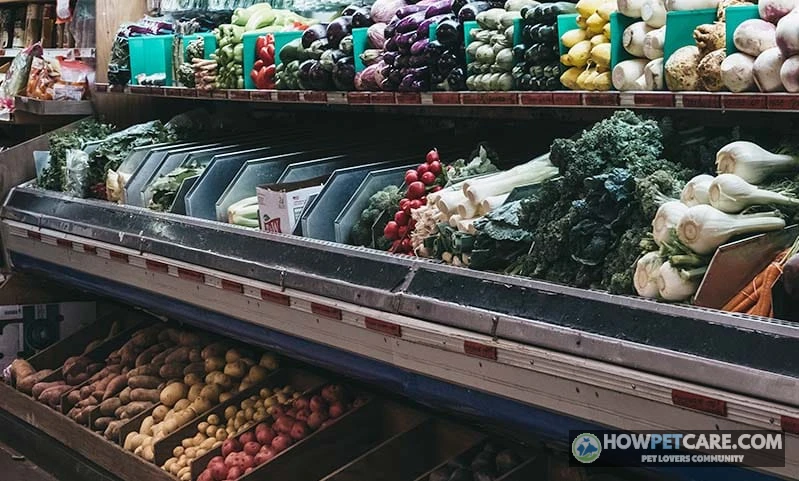

The 2026 EWG Dirty Dozen lists strawberries, spinach, kale and greens, grapes, peaches, pears, nectarines, apples, peppers, cherries, blueberries, and green beans as the produce with the highest pesticide residues. Prioritize organic for these items, choose conventional Clean Fifteen produce, and wash all fruits and vegetables thoroughly.
The Environmental Working Group (EWG) Dirty Dozen for 2026 names twelve fruits and vegetables that USDA testing shows carry the most pesticide residues when grown conventionally: strawberries, spinach, kale, collard and mustard greens, grapes, peaches, pears, nectarines, apples, bell and hot peppers, cherries, blueberries, and green beans. Paired with the Clean Fifteen—avocados, sweet corn, pineapples, onions, papayas, frozen sweet peas, asparagus, honeydew melon, kiwi, cabbage, mushrooms, mangoes, sweet potatoes, watermelon, and carrots—this guide turns the annual ranking into a practical shopping decision: which items to buy organic, how washing helps and does not help, how residues compare with EPA and FDA safety thresholds, and what switching to organic costs each month.
The 2026 EWG list draws on USDA Pesticide Data Program testing of more than 47,000 conventional produce samples analyzed by USDA and FDA. EWG updates the list each year because sampling years, target chemicals, and residue detections change, which is why shoppers often see conflicting 2024, 2025, and 2026 lists online. A current source should cite the 2026 Shopper’s Guide to Pesticides in Produce; older reprints may rank items differently or omit recent entries.
Nearly 75% of fresh non-organic produce samples in the U.S. contain pesticide residues, and more than 90% of strawberry, apple, cherry, spinach, nectarine, and grape samples contain residues from two or more pesticides. Still, eating conventional fruits and vegetables remains beneficial. The Dirty Dozen highlights relative residue levels; it is not a measure of toxicity or a reason to stop eating produce.
The 2026 Dirty Dozen Foods List (and Which Year Is Current)
The full 2026 Dirty Dozen list, in EWG’s ranking order, is:
- Strawberries
- Spinach
- Kale, collard, and mustard greens
- Grapes
- Peaches
- Pears
- Nectarines
- Apples
- Bell and hot peppers
- Cherries
- Blueberries
- Green beans

EWG builds the ranking from USDA residue data by weighing detection frequency, the number of residues found on a single sample, and the average amount of residue detected. USDA and FDA test more than 47,000 conventional produce samples annually to support this analysis. Because USDA sampling years do not align perfectly with calendar years, and because some websites never refresh their pages, shoppers see different Dirty Dozen lists labeled 2024, 2025, or 2026. The 2026 list is the current EWG Shopper’s Guide; treat any list without a 2026 date as potentially outdated.
How the EWG builds the Dirty Dozen
EWG sorts produce by six residue measures: the percent of samples with detectable pesticides, the percent with multiple residues, the average number of residues per sample, the average amount of all pesticides found, the maximum number of residues on a single sample, and the total number of pesticides found on the commodity. Detection frequency alone does not mean a food exceeds safety limits; most detected residues fall below EPA tolerances.
Why list years differ across sources
USDA tests commodities on a rotating schedule, so a strawberry result from 2023 may appear in a 2025 EWG report while a 2026 report reflects newer sampling. Some blogs copy older lists without changing the year, and retailers may use different regional data. For 2026 shopping decisions, use the 2026 list and verify that the page carrying it cites the current EWG Shopper’s Guide.
Clean Fifteen vs. Dirty Dozen: Side-by-Side Produce Guide
The 2026 Clean Fifteen is:
- Avocados
- Sweet corn
- Pineapples
- Onions
- Papayas
- Frozen sweet peas
- Asparagus
- Honeydew melon
- Kiwi
- Cabbage
- Mushrooms
- Mangoes
- Sweet potatoes
- Watermelon
- Carrots
Nearly 65% of Clean Fifteen samples had no detectable pesticide residues. Many items also benefit from protective skins, husks, or peels that are removed before eating, which further limits residue exposure.
| Item | List | Residue profile | Buy organic? |
|---|---|---|---|
| Strawberries | Dirty Dozen | 90%+ of samples contained residues; carbendazim, bifenthrin detected | Yes, priority |
| Spinach | Dirty Dozen | High detection rate; permethrin frequently detected | Yes, priority |
| Kale, collards, mustard greens | Dirty Dozen | Multiple residues per sample common; DCPA detected on kale | Yes, priority |
| Grapes | Dirty Dozen | Multiple residues common; imidacloprid frequently detected | Yes |
| Peaches | Dirty Dozen | Fludioxonil and iprodione among commonly detected | Yes |
| Pears | Dirty Dozen | Multiple residues detected; pyrimethanil detected | Yes |
| Nectarines | Dirty Dozen | High detection rates; multiple residues common | Yes |
| Apples | Dirty Dozen | Diphenylamine frequently detected | Yes |
| Bell and hot peppers | Dirty Dozen | Multiple residues detected across samples | Yes |
| Cherries | Dirty Dozen | Multiple residues common | Yes |
| Blueberries | Dirty Dozen | Multiple residues common | Yes |
| Green beans | Dirty Dozen | Multiple residues common | Yes |
| Avocados | Clean Fifteen | Very low detection rate; thick skin blocks most residues | No, conventional fine |
| Sweet corn | Clean Fifteen | Very low detection rate; husk provides protection | No, conventional fine |
| Pineapples | Clean Fifteen | Very low detection rate | No, conventional fine |
| Onions | Clean Fifteen | Very low detection rate | No, conventional fine |
| Papayas | Clean Fifteen | Low detection rate; skin protects flesh | No, conventional fine |
| Frozen sweet peas | Clean Fifteen | Low detection rate | No, conventional fine |
| Asparagus | Clean Fifteen | Low detection rate | No, conventional fine |
| Honeydew melon | Clean Fifteen | Low detection rate; rind protects flesh | No, conventional fine |
| Kiwi | Clean Fifteen | Low detection rate; skin protects flesh | No, conventional fine |
| Cabbage | Clean Fifteen | Low detection rate; outer leaves removed before eating | No, conventional fine |
| Mushrooms | Clean Fifteen | Low detection rate | No, conventional fine |
| Mangoes | Clean Fifteen | Low detection rate; skin protects flesh | No, conventional fine |
| Sweet potatoes | Clean Fifteen | Low detection rate | No, conventional fine |
| Watermelon | Clean Fifteen | Low detection rate; thick rind protects flesh | No, conventional fine |
| Carrots | Clean Fifteen | Low detection rate | No, conventional fine |

Quick decision rule: prioritize organic for Dirty Dozen items when budget allows; conventional is a reasonable savings option for Clean Fifteen items. If organic is unavailable or too expensive, buy conventional and wash thoroughly—eating produce remains beneficial.
Dirty Dozen items at a glance
Strawberries typically rank highest for residue detection frequency and multiple-residue samples. Spinach carries the highest residue amount by weight among tested produce. Leafy greens, grapes, tree fruits, and berries appear repeatedly across the upper half of the list.
Clean Fifteen items at a glance
Avocados, sweet corn, pineapples, and onions show very low residue detection rates. Thick rinds, husks, or peels on melons, citrus-adjacent fruits, and carrots create a physical barrier, though washing the outside before cutting prevents surface residue from transferring to the flesh.
Per-Item Pesticide Evidence: Residue Counts and Named Chemicals
USDA Pesticide Data Program results distinguish between detection rate, the number of residues per sample, and concentration in parts per million. A high detection rate does not mean residues exceed EPA tolerances; most detected residues are well below established limits. Comparing the same commodity across years is more meaningful than comparing different commodities, because sampling methods and target chemical lists change annually.
Strawberries and spinach
Strawberries show residues on more than 90% of samples, frequently with two or more pesticides detected. Named detections include carbendazim and bifenthrin. Spinach shows high detection rates by residue weight, with permethrin among the frequently detected chemicals. Some reports note high levels of potent pesticides on conventional spinach, though specific toxicological thresholds for each chemical are not publicly established in the evidence reviewed.

Kale, collards and mustard greens
Leafy greens commonly show multiple residues per sample. DCPA has been detected on kale in USDA sampling. Because these greens are eaten leaf and stem, washing removes only surface residue; systemic chemicals inside the tissue remain.
Remaining items
Grapes show multiple residues commonly, with imidacloprid frequently detected. Peaches commonly show fludioxonil and iprodione. Nectarines show high detection rates and multiple residues. Apples frequently show diphenylamine. Pears show multiple residues, including pyrimethanil. Bell and hot peppers, cherries, blueberries, and green beans each show multiple residues across samples.


| Item | List | Residue Profile | Buy Organic? | Named Pesticides Detected |
|---|---|---|---|---|
| Strawberries | Dirty Dozen | 90%+ of samples contained residues; carbendazim, bifenthrin detected | Yes, priority | carbendazim, bifenthrin |
| Spinach | Dirty Dozen | High detection rate; permethrin frequently detected | Yes, priority | permethrin |
| Kale, collards, mustard greens | Dirty Dozen | Multiple residues per sample common; DCPA detected on kale | Yes, priority | DCPA |
| Grapes | Dirty Dozen | Multiple residues common; imidacloprid frequently detected | Yes | imidacloprid |
| Peaches | Dirty Dozen | Fludioxonil and iprodione among commonly detected | Yes | fludioxonil, iprodione |
| Pears | Dirty Dozen | Multiple residues detected; pyrimethanil detected | Yes | pyrimethanil |
| Apples | Dirty Dozen | Diphenylamine frequently detected | Yes | diphenylamine |
| Nectarines | Dirty Dozen | High detection rates; multiple residues common | Yes | Not in source |
| Bell and hot peppers | Dirty Dozen | Multiple residues detected across samples | Yes | Not in source |
| Cherries | Dirty Dozen | Multiple residues common | Yes | Not in source |
| Blueberries | Dirty Dozen | Multiple residues common | Yes | Not in source |
| Green beans | Dirty Dozen | Multiple residues common | Yes | Not in source |
| Avocados | Clean Fifteen | Very low detection rate; thick skin blocks most residues | No, conventional fine | Not in source |
| Sweet corn | Clean Fifteen | Very low detection rate; husk provides protection | No, conventional fine | Not in source |
| Pineapples | Clean Fifteen | Very low detection rate | No, conventional fine | Not in source |
| Onions | Clean Fifteen | Very low detection rate | No, conventional fine | Not in source |
| Papayas | Clean Fifteen | Low detection rate; skin protects flesh | No, conventional fine | Not in source |
| Frozen sweet peas | Clean Fifteen | Low detection rate | No, conventional fine | Not in source |
| Asparagus | Clean Fifteen | Low detection rate | No, conventional fine | Not in source |
| Honeydew melon | Clean Fifteen | Low detection rate; rind protects flesh | No, conventional fine | Not in source |
| Kiwi | Clean Fifteen | Low detection rate; skin protects flesh | No, conventional fine | Not in source |
| Cabbage | Clean Fifteen | Low detection rate; outer leaves removed before eating | No, conventional fine | Not in source |
| Mushrooms | Clean Fifteen | Low detection rate | No, conventional fine | Not in source |
| Mangoes | Clean Fifteen | Low detection rate; skin protects flesh | No, conventional fine | Not in source |
| Sweet potatoes | Clean Fifteen | Low detection rate | No, conventional fine | Not in source |
| Watermelon | Clean Fifteen | Low detection rate; thick rind protects flesh | No, conventional fine | Not in source |
| Carrots | Clean Fifteen | Low detection rate | No, conventional fine | Not in source |
FAQ
Are Dirty Dozen foods safe to eat?
Yes. Produce on the Dirty Dozen still falls within EPA and FDA safety thresholds, and eating fruits and vegetables remains beneficial. The list highlights relative residue levels, not foods to avoid.
Which Dirty Dozen item has the most pesticide residues?
Strawberries typically rank highest for both residue detection frequency and multiple-residue samples. Check the per-item evidence section for named chemicals and counts.
Does organic produce have fewer pesticides?
Organic produce generally shows lower synthetic pesticide residues, though it is not pesticide-free. The biggest exposure reductions come from swapping the highest-residue items first.
Is the Dirty Dozen list scientifically accurate?
The list reflects USDA residue testing data, but its ranking method is debated. It is a useful shopping guide, not a measure of health risk or toxicity.
Where can I find a printable Dirty Dozen checklist?
Use the printable checklist and side-by-side table in this guide, or save the comparison table for in-store reference.
INSERTIONS: None — the pillar text contains no mentions of dogs or dog-safe foods (mushrooms, chocolate, garlic, onions, salt, nutmeg, coffee), so none of the eight child candidates fit the pillar’s topic genuinely.