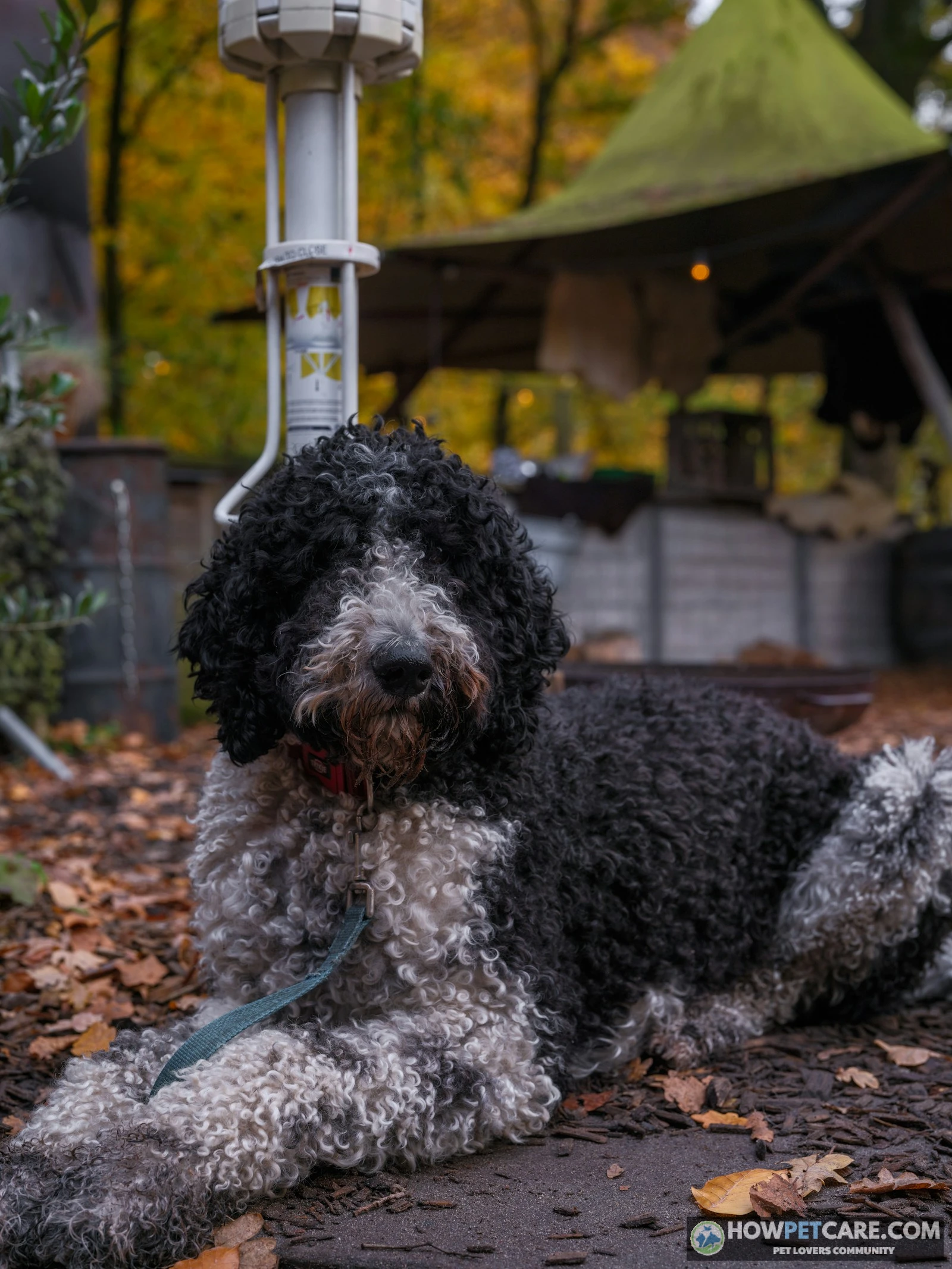

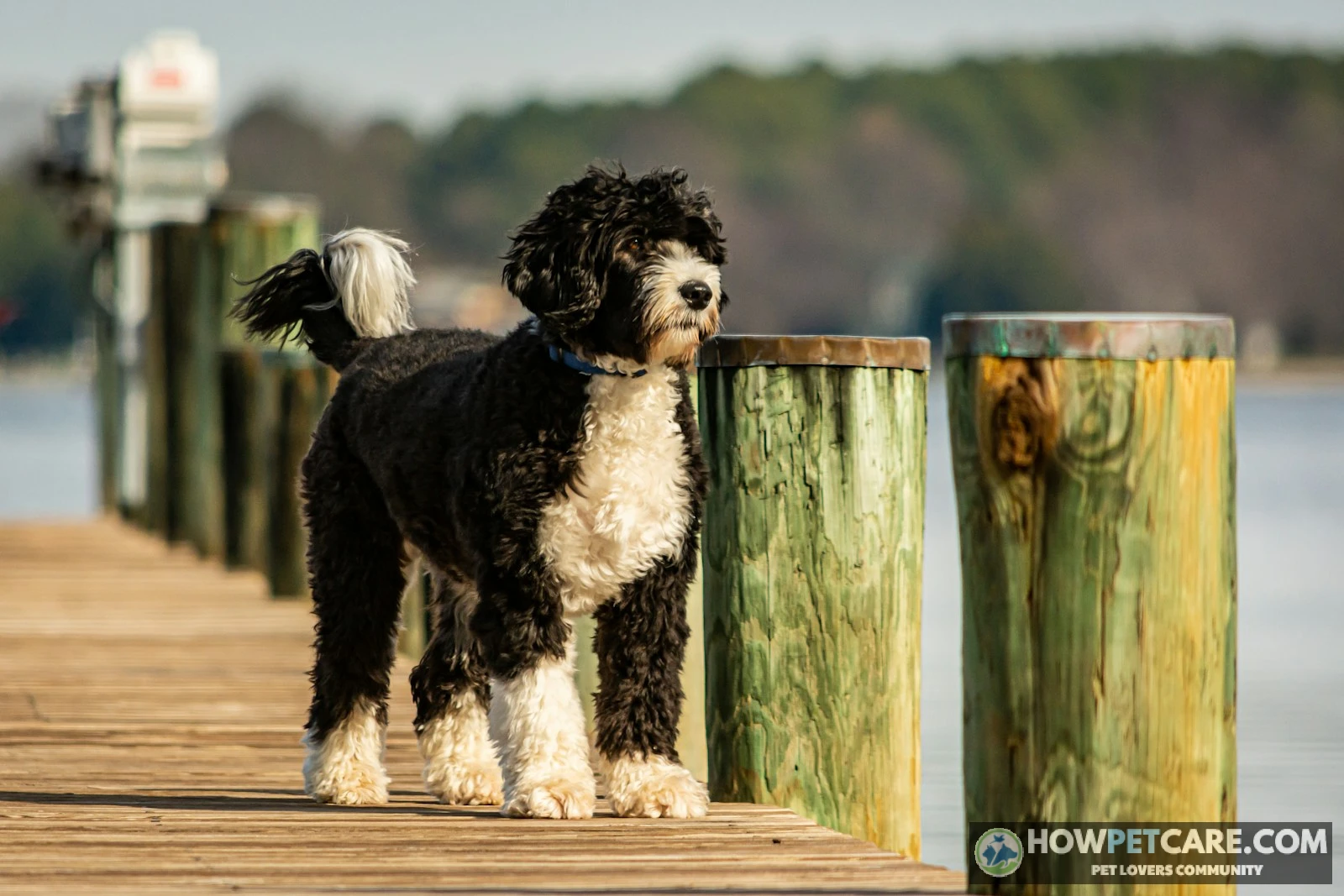
No — Portuguese Water Dogs are not truly hypoallergenic, and no dog breed is. They shed very little thanks to a single, continuously growing coat, but they still produce allergen proteins (Can f 1, Can f 5) in dander, saliva, and urine. Some people with mild allergies tolerate them better; always test your response before buying.
No dog breed is completely hypoallergenic, and Portuguese Water Dogs are no exception. Their single coat grows continuously, sheds very little, and holds loose dander. Still, scientific evidence does not support the idea that any dog is 100% non-allergenic. Roughly 10% of the U.S. population experiences animal allergies, and pet exposure triggers symptoms in 20% to 30% of people with asthma. Dog allergies come from microscopic proteins in saliva, dander, and urine, not simply from hair. A person’s reaction depends largely on their immune sensitivity and the individual dog’s allergen output, not its breed label.
A well-bred Portuguese Water Dog puppy can cost between $1,500 and $3,000. Relying on marketing claims or generic lists of "hypoallergenic dog breeds" before making that investment is a costly gamble. A sound decision takes more than a quick visit: establish clinical allergy baselines, compare breeds, follow a structured exposure protocol, and plan how to manage allergens at home. Buying before testing your response to adult dogs could lead to serious symptoms, distress, and the difficult task of rehoming a pet.
This guide covers canine allergen biology, coat traits, and environmental management. It is not a personal diagnosis or treatment plan. If you or a family member has moderate-to-severe dog allergies or allergic asthma, consult a board-certified allergist before bringing a dog into your home.
Are Portuguese Water Dogs Hypoallergenic? The Honest Verdict
The short answer is no. Portuguese Water Dogs shed little and may be better tolerated by some people with mild allergies, but they are not non-allergenic. Technically, "hypoallergenic" means "below normal" or "slightly" allergenic. Pet marketing, however, has turned the word into an informal promise of safety. Veterinary medicine and immunology agree that all dogs produce allergens, whatever their pedigree, coat length, or shedding frequency.
Friends or breeders may say that Portuguese Water Dogs don’t trigger allergies. Such experiences reflect individual immune thresholds, not an absence of allergens. Canine allergens are proteins found in microscopic skin flakes, dried saliva, and urine. A dog may leave no visible clumps of fur on the furniture, but it still sheds skin cells carrying these proteins.
A Portuguese Water Dog can be a 10-to-15-year emotional, financial, and logistical commitment. In 2026, a puppy from a responsible breeder costs $1,500 to $3,000 upfront. Food, veterinary care, professional grooming, and supplies can add $1,800 to $2,500 each year. Finding out after the puppy comes home that a family member can’t breathe comfortably is devastating. Don’t rely on breed labels alone: arrange direct, structured exposure before signing a contract or paying a non-refundable deposit.

Do Portuguese Water Dogs Shed? Coat Type, Dander, and What Actually Triggers Allergies
The coat helps explain why some people tolerate Portuguese Water Dogs better than other dogs, while others still react. To understand the difference, it helps to look at coat structure and the biology of pet allergens.
Coat mechanics: single coat, continuous growth, and trapped hair
Labrador Retrievers, German Shepherds, and Golden Retrievers are among the double-coated breeds. They have a harsh outer coat and dense, woolly undercoat. These breeds shed in cycles, often losing their undercoats seasonally and spreading dead hair through the home. Falling hairs can carry dead skin cells (dander) and saliva residue onto carpets, furniture, and into HVAC ductwork.
Portuguese Water Dogs have a single coat, without an insulating undercoat. Their hair grows continuously, much like human hair. They still lose individual hairs as follicles complete their growth cycles, but those hairs tend to catch in the surrounding curls or waves rather than fall straight onto the floor. A slicker brush and metal comb remove the trapped strands.
The American Kennel Club (AKC) breed standard recognizes two Portuguese Water Dog coat varieties: curly and wavy.
- Curly coat: Compact, cylindrical curls with low luster. The curls are tight and uniform, with fewer airy flyaways.
- Wavy coat: Gentle, flowing waves with a soft sheen rather than defined curls.

Some prospective owners wonder whether one coat type is better for allergies. Current veterinary research has found no measurable difference in allergen production between curly and wavy Portuguese Water Dogs. Both have the same single-coat structure and continuous growth pattern. Tighter curls may hold shed hair more firmly until brushing, but either coat carries the same dander and saliva proteins.
What Can f 1 and Can f 5 are, and why they matter for breed choice
Dog hair itself isn’t the cause of an allergic reaction; it carries allergens from one place to another. The reactions are caused by particular proteins produced in canine tissues and fluids.
Immunologists have identified seven primary dog allergen proteins, classified as Can f 1 through Can f 7. Two matter in particular when evaluating Portuguese Water Dogs:
- Can f 1: The primary major canine allergen, which sensitizes more than 50% to 70% of people with dog allergies. It’s produced mainly in the tongue and salivary glands, then spread over the skin and coat as a dog grooms. Can f 1 attaches to lightweight dander, which can stay airborne for hours and cling to walls, curtains, and clothing.
- Can f 5: A prostatic kallikrein allergen made exclusively in the prostate of intact male dogs. It’s excreted in urine and can get onto skin and fur during elimination and grooming. Because Can f 5 comes from the prostate, females and males neutered before maturity produce minimal amounts of this protein.
When a dog licks its coat, saliva containing Can f 1 dries on the hair shafts. The skin also sheds tiny particles of dander containing skin-associated proteins. A Portuguese Water Dog’s single coat holds onto dead hair, which may limit how freely loose dander travels through the air compared with a heavy-shedding double coat. But touching the dog, brushing it, or sharing indoor space still exposes people to these proteins.
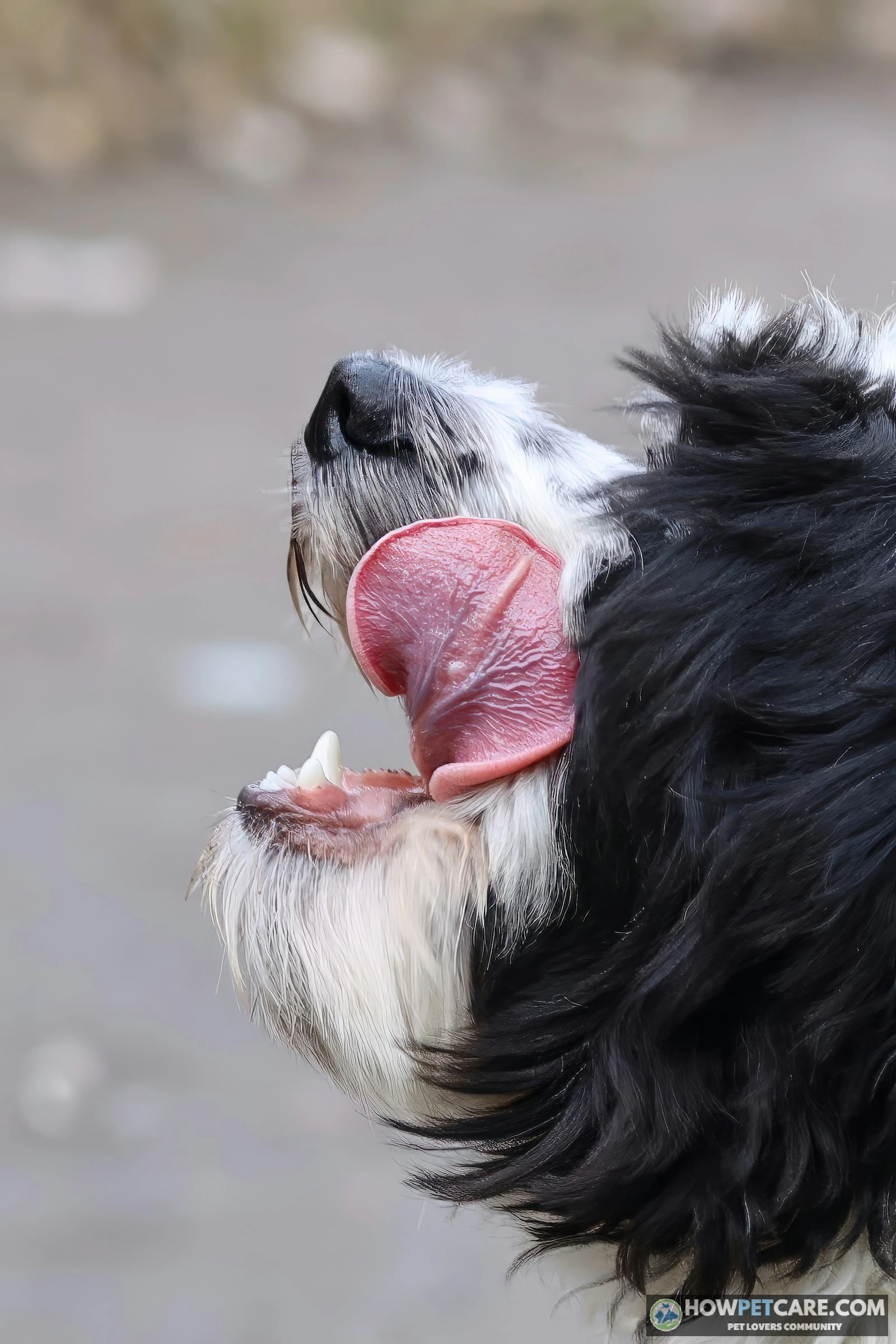
The U.S. Food and Drug Administration (FDA) and veterinary medical associations don’t recognize a legal or scientific definition for ‘hypoallergenic’ animals. The term is a commercial label for breeds that shed less hair into household dust. It doesn’t mean the animal lacks immunogenic proteins.
What the Research Says About Allergen Levels in Poodle-Type and Other ‘Hypoallergenic’ Breeds
People considering low-shedding breeds may assume studies have shown that homes with so-called hypoallergenic dogs have less dander. The research paints a more complicated picture.
What the 173-home study did and did not show
A frequently cited peer-reviewed study of canine allergens was conducted by researchers at Henry Ford Hospital and published in the American Journal of Rhinology & Allergy (2011). The researchers examined dust samples from 173 homes with 60 different dog breeds. To assess whether breed affected household allergens, they classified 11 breeds as hypoallergenic based on established registry conventions.
They measured Can f 1 in dust collected from babies’ bedrooms, living areas, and master bedrooms. The main finding was clear: Can f 1 levels in homes with designated "hypoallergenic" dogs were not statistically different from levels in homes with other breeds. Results varied widely in homes with Poodles, Bichons, and other specialty breeds. Some had higher allergen levels in the air and on surfaces than homes with standard-shedding dogs.
Follow-up European studies measuring allergens on dogs’ hair and skin found similar variation. Researchers sampled coat dust from Poodles, Labradoodles, and control breeds. Can f 1 levels on individual dogs of the same breed varied by more than a factor of ten. Some Poodle coat samples contained more Can f 1 per gram of hair than Labrador Retriever samples.
Why ‘no PWD-specific number’ is itself useful information for buyers
People searching "Portuguese Water Dog hypoallergenic" for published Can f 1 measurements won’t find a peer-reviewed study comparing PWDs with control groups. That gap may be frustrating, but it matters: there is no scientific basis for claiming that a Portuguese Water Dog produces fewer milligrams of Can f 1 than another breed.
Allergen output varies by individual; it isn’t a standardized breed trait. Breed-wide claims can’t guarantee that a particular person will tolerate a particular dog. Two Portuguese Water Dogs from the same lineage may produce quite different allergen loads. You can’t assess an individual dog on paper. Direct exposure is necessary.

How to Test Your Allergy Response to a Portuguese Water Dog Before You Buy: A Step-by-Step Protocol
General advice often says to "spend time with the breed." A quick visit to a dog park or a brief pat on a neighbor’s dog isn’t enough to assess your response. Use a planned series of exposures and track immediate and delayed symptoms over several weeks.
-
Step 1: Get allergist testing and a baseline
Before arranging kennel visits, consult an allergist about skin-prick testing or a serum IgE allergen profile. Ask about canine component-resolved diagnostic testing, which tests antibodies against individual proteins including Can f 1, Can f 2, Can f 3, Can f 4, and Can f 5. Knowing whether your sensitivity involves Can f 1 or Can f 5 can guide your search toward particular sexes or grooming routines.
-
Step 2: Book breeder visits with adult dogs
Contact preservation breeders affiliated with the Portuguese Water Dog Club of America (PWDCA) and explain that you’re assessing allergies. Arrange visits with adult dogs, ideally the sire and dam of an upcoming litter. Puppies produce less saliva, dander, and sebaceous secretions than mature dogs. Testing only with an eight-week-old puppy can give a false sense of security.
-
Step 3: Run structured, escalating exposures
Don’t start with maximum physical contact. Schedule three separate sessions: Visit 1 (20–30 minutes sitting in an enclosed room with the adult dogs); Visit 2 (60 minutes of active petting, grooming, and allowing the dog to lick your forearms); Visit 3 (sitting on upholstered furniture where the dogs sleep and spend significant time). Accumulate at least two hours of direct contact across these visits.
-
Step 4: Maintain an objective symptom log
Record your reactions using a consistent rubric immediately after exposure, at +24 hours, and at +48 hours. Note upper respiratory, eye, skin, and lower pulmonary changes.
-
Step 5: Monitor delayed immune reactions
Canine allergens can trigger cell-mediated immune responses that appear hours after contact. Monitor your breathing, nasal passages, and skin during a 48-hour recovery window. If you have a mild reaction, ask whether the breeder offers a 72-hour foster trial with an adult dog.
-
Step 6: Review data with your doctor and confirm contract terms
Take your symptom log to your allergist for review. If your doctor approves, confirm in writing that the breeder’s sales contract includes an allergy return policy allowing immediate surrender or rehoming if severe symptoms develop.
Practical testing etiquette and biosecurity
Tell ethical breeders clearly that you’re testing for allergies. They want puppies placed in permanent homes and will generally support controlled visits. Follow kennel biosecurity rules: don’t visit multiple breeding facilities on the same day, since you could spread parvovirus or canine cough. If a female dog is nursing a young litter, the breeder may limit you to interacting with unrelated adult dogs to protect the puppies’ developing immune systems.
Use this log to record your responses during breeder visits:
| Assessment Field | Owner Observation / Entry |
|---|---|
| Date and arrival time | Session date / Start time |
| Dog’s registered name, age, sex | Specific adult dog evaluated |
| Reproductive status | Intact male / Neutered male / Female |
| Relation to prospective puppy | Dam / Sire / Full sibling / Lineage match |
| Visit environment | Indoor kennel / Breeder living room / Outdoor yard |
| Duration of exposure | Minutes in active contact |
| Physical contact type | Petting coat / Saliva on skin / Inhaling coat dander |
| Ocular score (itch, redness, tears) | 0 (None), 1 (Mild), 2 (Moderate), 3 (Severe) |
| Nasal score (sneezing, congestion, drip) | 0 (None), 1 (Mild), 2 (Moderate), 3 (Severe) |
| Dermal score (hives, itching, contact flare) | 0 (None), 1 (Mild), 2 (Moderate), 3 (Severe) |
| Pulmonary score (wheezing, tightness, cough) | 0 (None), 1 (Mild), 2 (Moderate), 3 (Severe) |
| Latency to first symptom | Immediate / 15–30 mins / 2+ hours |
| Allergy medication active in system | Antihistamine / Nasal spray / None |
| Status at +24 hours post-visit | Clear / Lingering congestion / Skin rash |
| Status at +48 hours post-visit | Baseline returned / Persistent inflammation |
| Total recovery interval | Hours required to clear symptoms |

Be honest when you interpret the log. Three adult-dog visits with scores of zero suggest favorable tolerance. Consistent Level 1 or Level 2 eye and nasal symptoms that resolve within a few hours may be manageable with strict environmental controls. Any pulmonary score above zero, including chest tightness, coughing, or audible wheezing, is a stop signal. Seek medical advice before proceeding.
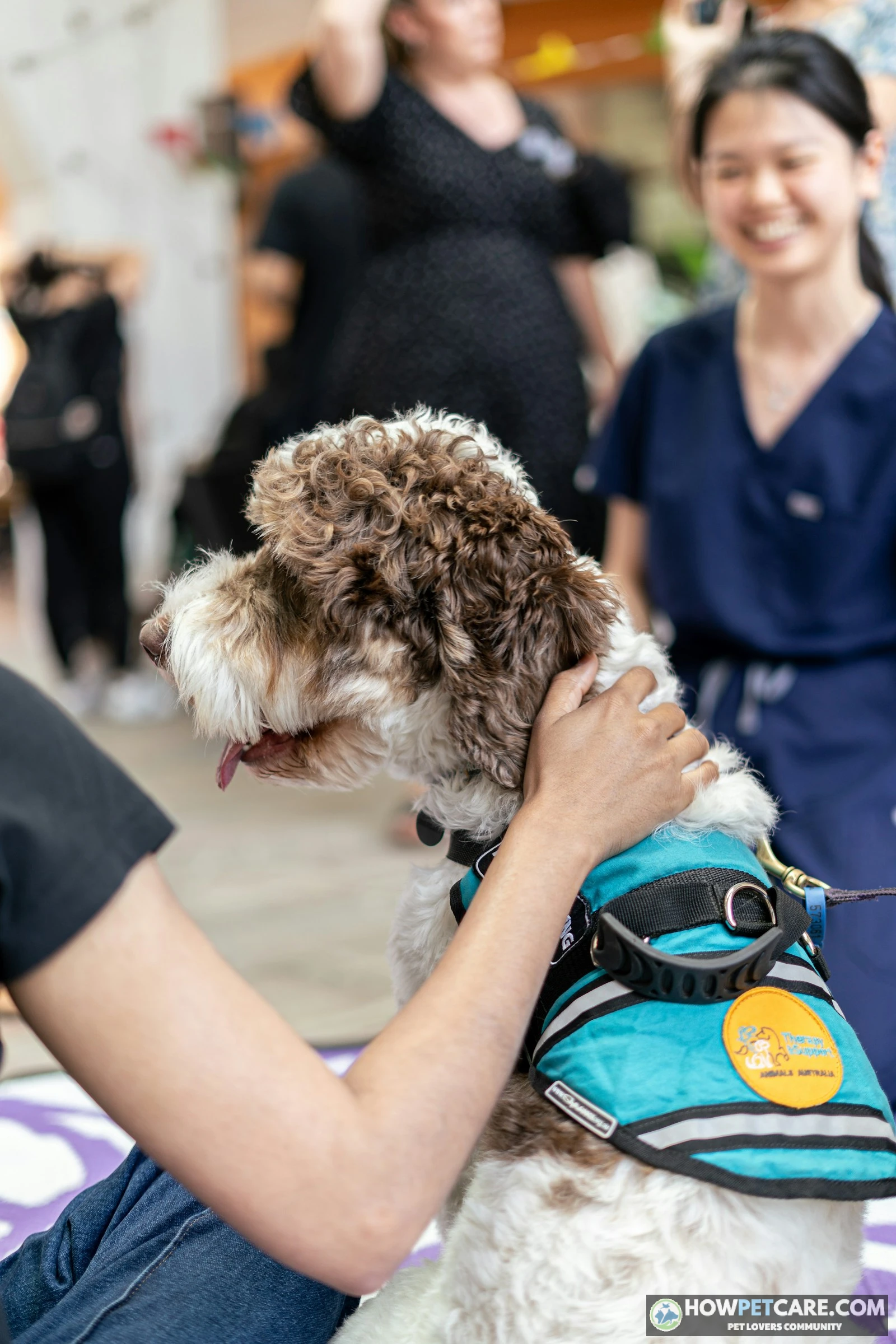
Why Your Specific Dog Matters: Breed Lines, Sex, Neutering (Can f 5), Mixes, and Puppies
When allergies are a concern, breed labels are only a starting point. Individual biological traits can affect allergen exposure.
Male, female, or neutered male: what Can f 5 means for your choice
Biological sex and reproductive status affect which allergens a dog produces. Male canines make Can f 5 in prostate tissue. As intact males mature, they release more of this protein into their urine and surroundings.
Allergen Profile: Can f 5 Sensitivity Pathway

[Allergist Component Test]
      │
      ├─ Negative for Can f 5 ──> Sex of dog does not alter specific risk
      │
      └─ Positive for Can f 5 ──> Avoid intact males
                                        │
                                        ├─ Select female dog (zero prostatic Can f 5)
                                        │
                                        └─ Select male neutered early (minimal Can f 5)
If a component blood test shows isolated Can f 5 sensitivity, choosing a female Portuguese Water Dog removes that specific trigger. A male neutered before full sexual maturity is another option, as early neutering significantly curtails prostatic kallikrein synthesis. This advantage doesn’t apply if your sensitivity is primarily to Can f 1: males and females produce comparable amounts of salivary and dander proteins.
Lineage may also influence allergen variability. Experienced PWD breeders sometimes report that certain family lines trigger fewer reactions in sensitive owners. These reports are anecdotes, not peer-reviewed evidence, but they underscore why you should test against the lineage of the puppy you’re considering.
PWD mixes and puppies: why they are not a shortcut
Crossing a Portuguese Water Dog with another breed, such as a Labrador Retriever or Poodle, doesn’t make the offspring more hypoallergenic. First-generation crossbreeding (F1 hybrids) introduces genetic unpredictability. A Portuguese Water Dog crossed with a double-coated breed may produce puppies with an undercoat, irregular shedding, and unpredictable dander retention.
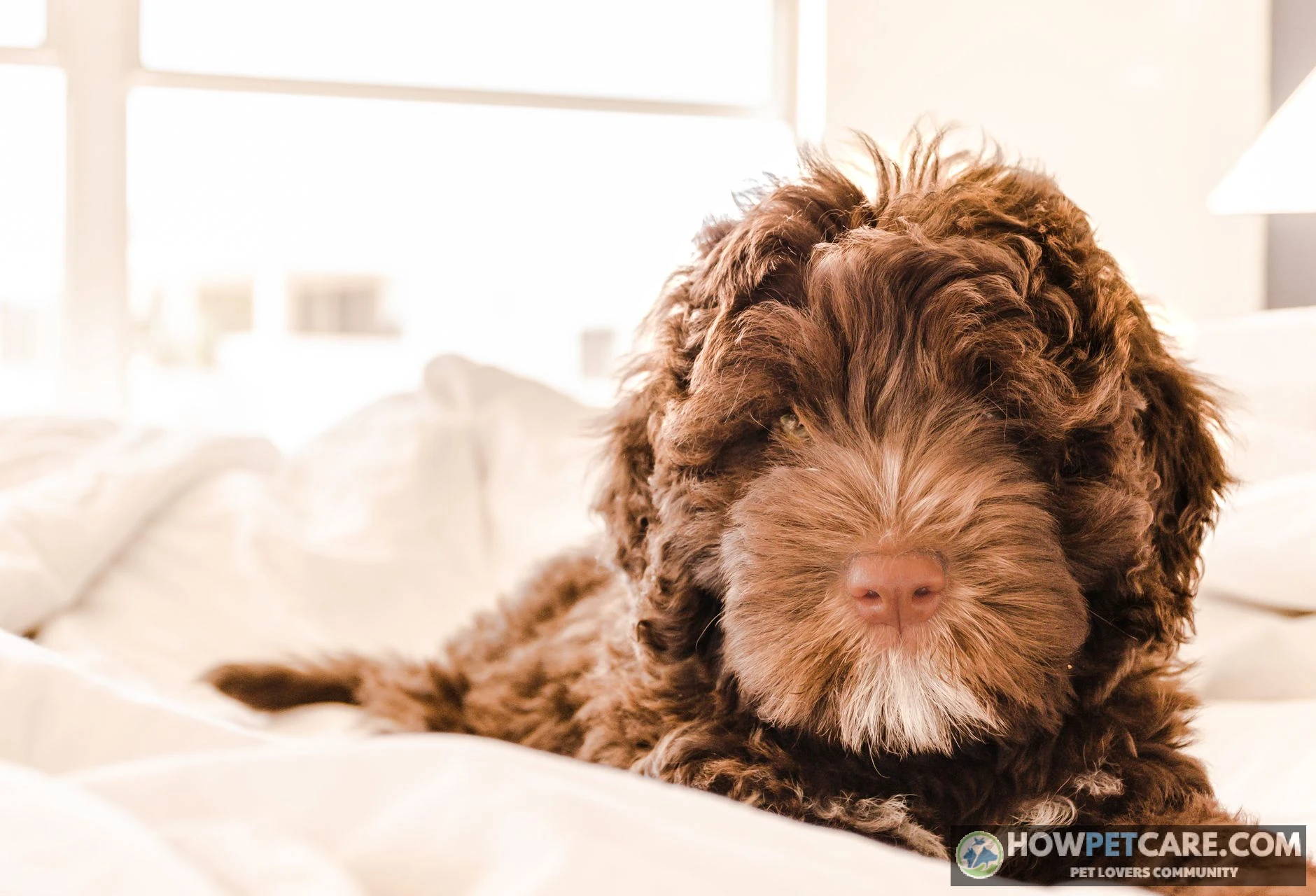
A young puppy can also give a misleading impression of your tolerance. Puppies have less body surface area, produce less dander, and shed fewer mature skin cells than adults. They also produce less saliva protein. Tolerating an eight-week-old puppy doesn’t guarantee you’ll tolerate the same dog at its adult weight of 35 to 60 pounds.
Before choosing a puppy, check the following:
- ☐ Breeder transparency: Has the breeder discussed allergy feedback from previous puppy placements in this lineage?
- ☐ Parent access: Can the breeder arrange structured, in-person exposure to both parents or other adult relatives from the same lineage?
- ☐ Written return policy: Does the sales contract say the breeder will take the dog back if unmanageable medical allergies emerge?
- ☐ Coat documentation: Has the breeder verified that both parents have pure single coats that meet the AKC breed standard?
- ☐ Component alignment: If tests show Can f 5 sensitivity, have you confirmed a female puppy or discussed early neutering for a male puppy with your veterinarian?
- ☐ Adult re-testing: Have you assessed your response around adult dogs instead of relying on a brief puppy play session?
- ☐ No crossbred shortcuts: Have you ruled out designer hybrid litters that could reintroduce a shedding undercoat?
| Breed | Typical Adult Size | Coat Architecture | Shedding Frequency | Grooming Demands | Quantified Allergen Evidence | Household Considerations |
|---|---|---|---|---|---|---|
| Portuguese Water Dog | Medium (35–60 lb) | Single coat; tight curls or flowing waves | Minimal / Low | High: Daily to weekly brushing; professional grooming every 4–6 weeks | No breed-specific baseline; home dust studies show parity across groups | High energy, working water dog; requires vigorous daily exercise and training |
| Standard Poodle | Medium to Large (45–70 lb) | Single coat; dense, harsh curls | Minimal / Low | High: Regular brushing; professional clipping every 4–6 weeks | Studied in coat-concentration trials; high individual variability observed | Highly trainable, athletic; coat collects outdoor pollen during exercise |
| Bichon Frise | Small (12–18 lb) | Soft undercoat with coarser curly outer coat | Minimal / Low | Very High: Daily comb-outs to prevent felted mats; clipping every 4 weeks | Parity with general low-shedding breeds; no measured reduction in Can f 1 | Compact size produces less dander mass; ideal for apartments; prone to tear staining |
| Miniature Schnauzer | Small (11–20 lb) | Harsh wiry outer coat with dense undercoat | Low | Moderate to High: Hand-stripping or clipping every 5–8 weeks | Included in multi-breed dust evaluations; comparable Can f 1 dust burden | Alert watchdog temperament; regular clipping softens coat over time |
| Labradoodle (F1/Multi-gen) | Variable (25–65+ lb) | Highly variable: Wool, fleece, or hair coat | Low to Moderate (unpredictable) | High: Frequent detangling; professional clipping every 6–8 weeks | Directly evaluated against purebred Poodles; showed similar dander levels | Mixed genetic lineage makes coat traits and shedding patterns difficult to predict |
Portuguese Water Dog vs. Poodle, Bichon Frise, Schnauzer, and Labradoodle: Shedding, Dander, and Grooming Compared
Most allergy sufferers compare Portuguese Water Dogs with other low-shedding breeds before deciding. The right choice depends on allergen exposure, home maintenance, and how well the breed fits the household.
| Breed | Typical Adult Size | Coat Architecture | Shedding Frequency | Grooming Demands | Quantified Allergen Evidence | Household Considerations |
|---|---|---|---|---|---|---|
| Portuguese Water Dog | Medium (35–60 lb) | Single coat; tight curls or flowing waves | Minimal / Low | High: Daily to weekly brushing; professional grooming every 4–6 weeks | No breed-specific baseline; home dust studies show parity across groups | High energy, working water dog; requires vigorous daily exercise and training |
| Standard Poodle | Medium to Large (45–70 lb) | Single coat; dense, harsh curls | Minimal / Low | High: Regular brushing; professional clipping every 4–6 weeks | Studied in coat-concentration trials; high individual variability observed | Highly trainable, athletic; coat collects outdoor pollen during exercise |
| Bichon Frise | Small (12–18 lb) | Soft undercoat with coarser curly outer coat | Minimal / Low | Very High: Daily comb-outs to prevent felted mats; clipping every 4 weeks | Parity with general low-shedding breeds; no measured reduction in Can f 1 | Compact size produces less dander mass; ideal for apartments; prone to tear staining |
| Miniature Schnauzer | Small (11–20 lb) | Harsh wiry outer coat with dense undercoat | Low | Moderate to High: Hand-stripping or clipping every 5–8 weeks | Included in multi-breed dust evaluations; comparable Can f 1 dust burden | Alert watchdog temperament; regular clipping softens coat over time |
| Labradoodle (F1/Multi-gen) | Variable (25–65+ lb) | Highly variable: Wool, fleece, or hair coat | Low to Moderate (unpredictable) | High: Frequent detangling; professional clipping every 6–8 weeks | Directly evaluated against purebred Poodles; showed similar dander levels | Mixed genetic lineage makes coat traits and shedding patterns difficult to predict |

How to choose between them when allergies are the deciding factor
Keep one point in mind when comparing these breeds: none has scientifically verified lower Can f 1 levels than the others. Allergen production per square inch of skin is comparable across breeds, so your reaction also depends on the individual dog and its size and lifestyle.
- Total allergen footprint: A 15-pound Bichon Frise or Miniature Schnauzer has less skin surface area than a 55-pound Portuguese Water Dog. Smaller breeds therefore produce less total dander mass in the home. For households managing multiple environmental allergies, a smaller dog can reduce the overall volume of indoor allergens.
- Activity levels and outdoor allergens: Portuguese Water Dogs are athletic working dogs bred to retrieve gear from cold ocean waters. They need substantial daily exercise, enjoy swimming, and can bring outdoor triggers such as grass and tree pollen inside on their coats. If seasonal pollen also affects your allergies, you’ll need to manage the coat carefully after outdoor activity.
- Lifestyle compatibility: A Portuguese Water Dog may be a poor match for a family that prefers quiet indoor routines. These dogs need physical exercise and mental stimulation. A frustrated, under-exercised dog may run through the house, climb on furniture, and stir dander into the air. Match the breed’s energy level to your lifestyle as carefully as its coat to your allergies.
Grooming a Portuguese Water Dog for Allergen Control: Brushing, Bathing, and Clip Choice
Grooming is more than an aesthetic concern for a Portuguese Water Dog. It helps limit dander buildup in the home.
How often to brush, bathe, and visit a professional groomer
A consistent grooming routine can help manage allergens:
- Brushing frequency: Brush two to three times per week with a stainless-steel slicker brush, then use a medium-to-coarse metal comb. This removes dead hairs trapped in the curls before they fall onto carpets or furniture. Brushing also lifts dirt, dried saliva, and accumulated skin flakes.
- Bathing cadence: Bathe your PWD every two to three weeks with lukewarm water and a gentle, hypoallergenic canine shampoo. Washing removes dried saliva, dander, and outdoor allergens from the coat. Don’t bathe more than once a week: over-washing strips natural sebum, which can dry and irritate the skin and increase flaking.
- Professional grooming schedule: Arrange professional clipping every four to six weeks. Regular clipping helps prevent tangles and dense mats that hold saliva-laden debris against the skin.
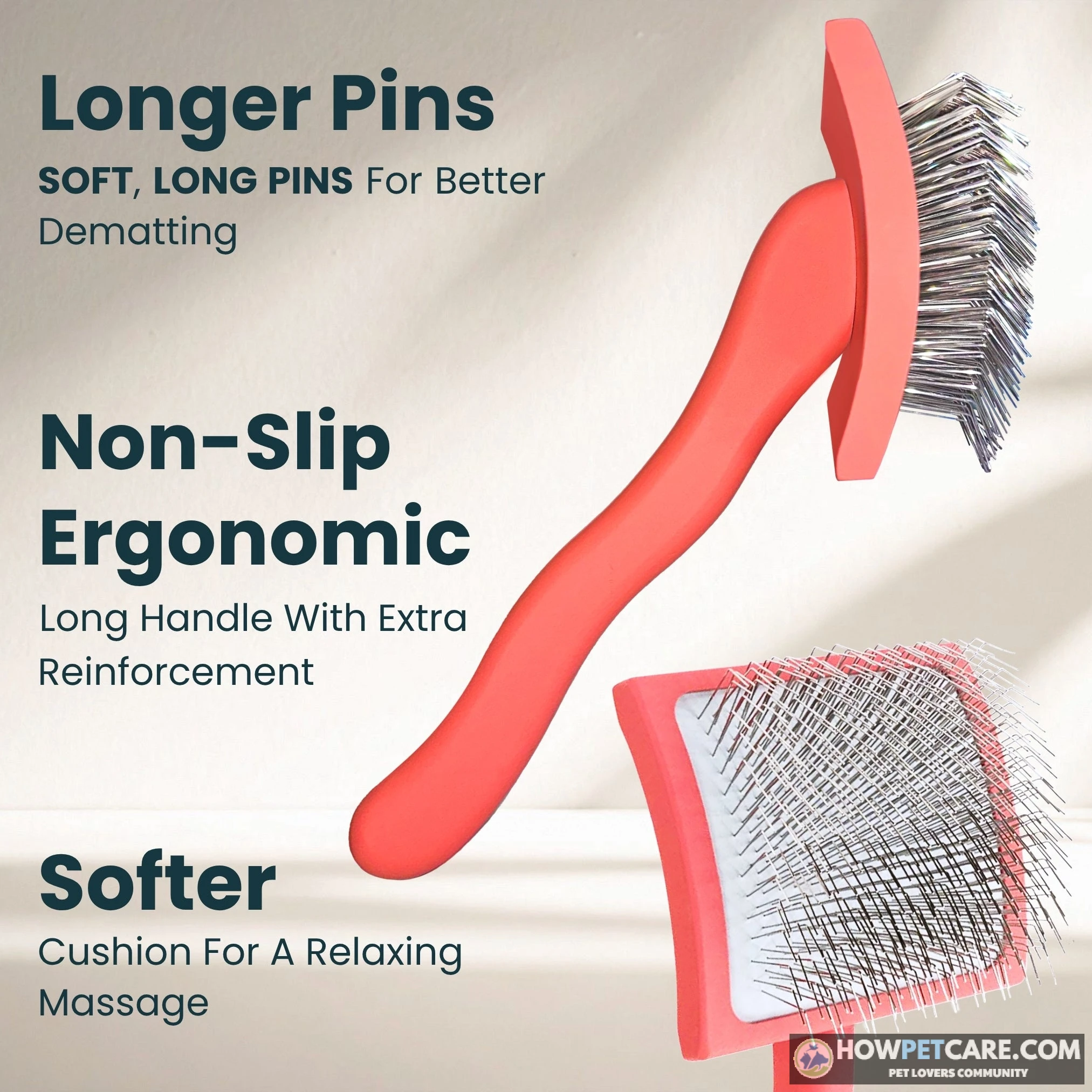
The person with dog allergies shouldn’t brush, blow-dry, or bathe the Portuguese Water Dog. Grooming can release concentrated dander into the breathing zone. Ask a non-allergic household member to do the brushing, ideally outdoors or in a utility room with an exhaust fan. The allergic person should stay away from the grooming area for at least two hours afterward.
Lion clip vs. Retriever clip: what it can and cannot change
The PWDCA and AKC breed standards recognize two traditional Portuguese Water Dog clips:
- The Lion Clip: The muzzle, midsection, hindquarters, and base of the tail are shaved close to the skin; the head, chest, shoulders, and tail tip retain full hair length.
- The Retriever Clip: The coat is clipped to a uniform length across the body, generally between one-half inch to one inch long.
Clip Style Comparison for Allergen Control

Lion Clip
┌───────────────────────────┬───────────────────────────┐
│ Anterior (Front Half)     │ Posterior (Rear Half)     │
│ • Long, natural coat      │ • Skin shaved clean       │
│ • Retains dander/saliva   │ • Simple to sponge-wipe   │
│ • Requires deep brushing  │ • Low hair surface area   │
└───────────────────────────┴───────────────────────────┘

Retriever Clip (Uniform 0.5–1 inch all over)
┌───────────────────────────────────────────────────────┐
│ • Even surface area across entire body                │
│ • Quicker bath-to-dry cycle; less moisture trapped    │
│ • Brushes out easily down to the skin                 │
│ • Practical baseline for home allergen control        │
└───────────────────────────────────────────────────────┘
A clip doesn’t change the dog’s internal protein production. A Portuguese Water Dog in a Lion Clip produces the same quantity of Can f 1 as one in a Retriever Clip. The choice does affect daily maintenance.
For allergy-conscious households, the uniform Retriever Clip is often more practical. A short, even coat is easier to rinse, dries faster after wet walks, and takes less time to brush down to the skin. The Lion Clip leaves the rear quarters easy to sponge, but the dense mane on the chest takes more detangling and can stir up settled dander.
Reducing Dog Allergens at Home: Management Options Ranked by Cost and Effectiveness
Managing indoor allergens means limiting contact between your household and the proteins your dog produces. Prioritizing strategies by cost and likely benefit can help you focus on the measures most likely to provide relief.
| Management Option | Cost Tier | Strength of Scientific Evidence | Practical Mechanism of Relief | Primary Target Area | Key Limitations to Consider |
|---|---|---|---|---|---|
| Designate a dog-free bedroom | $0 | Strong clinical consensus | Guarantees an 8-hour low-exposure period nightly for respiratory recovery | Primary sleeping quarters | Requires strict, permanent family discipline; keep doors closed at all times |
| Wash human & dog bedding weekly | $ (Detergent / Water) | Moderate to High | Clears settled dander using hot water (130°F+) cycles | Master bedding, dog crates, couch covers | Time-intensive; skipping cycles quickly allows dander to re-accumulate |
| Remove carpets & use sealed HEPA vacuums |
–
$ (Flooring / Hardware)
| Moderate to High | Removes porous surfaces that trap dander; vacuums with sealed HEPA retain 99.7% of 0.3μm particles | Whole-home flooring | Flooring changes are costly for renters; vacuum exhaust can temporarily agitate dander | ||
|---|---|---|---|---|---|
| Restrain dog from upholstered furniture | $0 | Moderate | Keeps soft furnishings from becoming permanent dander reservoirs | Couches, recliners, living areas | Challenging to reinforce when the family is away from home |
| Bathe dog bi-weekly with pet shampoo | $ (Shampoo bottles) | Moderate | Rinses away accumulated dander and dried saliva before airborne release | Dog’s coat and skin | Over-bathing causes skin dryness and flaking; temporary relief lasting 3–5 days |
| Install standalone HEPA air purifiers |
($150–$400/unit)
| Moderate (Mixed clinical symptom endpoints) | Circulates air through certified filters; captures 99.7% of airborne particulate | Bedrooms and main family rooms | Ineffective against heavy dander settled on floors, baseboards, and cushions |
|---|---|---|---|
| Encase mattresses & pillows in barrier covers |
($50–$150)
| Moderate (Derived from dust-mite data) | Prevents micro-dander from embedding deep into mattress foam | Mattresses and sleeping pillows | Must be paired with strict bedroom pet bans to remain effective |
|---|---|---|---|
| Prescription medical therapies |
$–
($15–$60/month)
| Strong clinical evidence | Antihistamines and corticosteroid nasal sprays manage allergic symptoms | Allergic individual’s immune pathway | Treats symptoms rather than removing the underlying environmental trigger |
|---|---|---|---|
| Allergen-specific immunotherapy |
$ (Clinical course over 3–5 years)
| High (Long-term desensitization) | Allergy shots or sublingual drops retrain the immune system toward tolerance | Systemic immune response | Requires a multi-year commitment with variable patient response rates | ||
|---|---|---|---|---|---|
| Allergen-neutralizing diets or sprays | $$ ($40–$80/month ongoing) | Weak (Early-stage canine research) | Topical sprays claim to bind proteins; targeted diets are experimental in canines | Dog’s oral cavity and coat | Highly experimental in dogs; cannot replace environmental controls |
Start here: low-cost habits that cost almost nothing
Consistent cleaning and household rules can help without major expense. Make the allergic person’s bedroom a strict pet-free zone. Eight hours of lower-allergen air each night can give nasal and bronchial tissues a chance to settle.
Keep the dog off fabric couches and upholstered chairs. These surfaces hold dander deep in their fibers and release it when someone sits down. If the dog does get on the furniture, cover it with washable canvas throws and wash them weekly in water heated to at least 130°F. Wipe window sills, baseboards, and wooden floors with a damp microfiber cloth to collect settled dust without stirring it into the air.
Mid-cost equipment and medical options
If cleaning alone doesn’t control symptoms, consider targeted environmental measures and medical treatment. Standalone True HEPA air purifiers capture 99.7% of airborne particles down to 0.3 microns, including typical canine dander clusters. Place an appropriately sized unit in the bedroom and another in the main living area. Run them continuously at medium or high speed; an undersized purifier on a low setting may not exchange enough air.
Choose a canister or upright vacuum with sealed HEPA filtration. Standard vacuums may let fine dander pass through the bag and exhaust, returning concentrated allergens to the room.
Ask your physician about modern intranasal corticosteroid sprays and second-generation, non-drowsy antihistamines. If symptoms persist in a clean home, discuss allergen immunotherapy, either sublingual drops or subcutaneous injections. Over three to five years, immunotherapy can gradually desensitize the immune system to specific animal proteins. It may offer a durable solution for committed owners.
Diet, probiotics, and neutralizing products: what the evidence supports so far
Targeted cat diets that use specialized egg yolk antibodies to neutralize the major cat allergen Fel d 1 have prompted interest in similar canine products. But in 2026, no commercially proven canine diet reliably reduces Can f 1 excretion in Portuguese Water Dogs.
Allergen-neutralizing coat sprays and dry foam shampoos also claim to alter dander proteins and prevent human sensitization. Independent veterinary and immunology research on these products remains limited. Gentle coat conditioners may reduce flaking caused by dry skin, but topical sprays shouldn’t be your main allergy-control strategy.
Is a Portuguese Water Dog Right for Your Allergy Severity? A Decision Guide and Next-Step Checklist
Bringing home a Portuguese Water Dog means weighing your medical needs against the demands of the breed. Use this framework to assess your household before committing.
| Allergy Severity Tier | Typical Clinical Presentation | PWD Suitability Verdict | Necessary Prerequisites Before Purchase | Definite Walk-Away Signals |
|---|---|---|---|---|
| Mild Sensitivity | Occasional clear nasal drip, minor eye watering, mild itching after direct licking; no pulmonary restriction | Reasonable Candidate | Complete pre-adoption exposure visits; establish a pet-free bedroom; use high-efficiency HEPA purifiers | Symptoms increase markedly after repeated exposure sessions |
| Moderate Sensitivity | Frequent sneezing fits, persistent nasal congestion, itchy skin flares, red conjunctiva; requires daily oral antihistamines | Conditional Candidate | Component testing for Can f 1 vs Can f 5; full 6-step exposure protocol; clear breeder return contract | Reactions worsen over successive visits; new chest tightness or wheezing |
| Severe / Asthmatic Sensitivity | Immediate skin hives, facial swelling, coughing, bronchial narrowing, audible wheezing, drop in peak flow readings | Unadvisable / High Risk | Clear medical sign-off from a board-certified allergist; extended in-home trial | Any drop in lung capacity or onset of asthmatic symptoms during exposure testing |

Severity tiers: who can manage a PWD and who should look elsewhere
- Mild allergy profiles: People with mild, localized symptoms may be able to live comfortably with a Portuguese Water Dog if they keep up with cleaning and grooming. Low shedding and basic allergen hygiene can help keep symptoms in check.
- Moderate allergy profiles: If you need daily prescription antihistamines, nasal sprays, or eye drops to live with a dog, a PWD requires careful preparation. Get component testing, complete several exposure visits with adult dogs, and make sure family members can handle brushing and bathing. Moderate symptoms will be difficult to manage if you can’t keep the bedroom pet-free or vacuum regularly.
- Severe and asthmatic allergy profiles: If animal contact causes bronchial constriction, asthma attacks, or severe hives, bringing a Portuguese Water Dog home is unsafe. Pet exposure worsens asthma for 20% to 30% of people with the condition. Airborne Can f 1 can reach the lower airways and cause persistent inflammation that may require emergency care. If allergen levels build up at home, rehoming can take weeks, and settled dander may remain in fabrics for up to 20 weeks after the pet leaves. For severe allergies, protecting long-term respiratory health may mean not bringing a dog into the home.
The economics of commitment
A well-bred Portuguese Water Dog puppy costs $1,500 to $3,000. Professional clipping costs $80 to $120 per session every six weeks. Add replacement HEPA filters at $150 to $300 annually and routine veterinary care, and the total commitment grows quickly.
If your health can’t tolerate the dog, the emotional and financial costs can be substantial. Families rarely recover the purchase price after rehoming, and moving a young, energetic dog to a new home can be stressful for everyone. Thoroughly testing your response before buying is the sensible course.
Your pre-purchase checklist
Complete these steps before paying a deposit or signing an adoption contract:
- ☐ Diagnostic testing: Complete an allergy evaluation with a board-certified allergist, including component testing for major canine proteins (Can f 1 and Can f 5).
- ☐ Adult dog exposure: Arrange three in-person visits with adult Portuguese Water Dogs from your target lineage, with at least two hours of direct contact in total.
- ☐ Logged observation: Record upper respiratory, eye, skin, and pulmonary reactions over a 48-hour recovery period using the symptom log.
- ☐ Breed comparison: Test your response to at least one other low-shedding breed, such as a Standard Poodle or Miniature Schnauzer.
- ☐ Bedroom protection: Prepare a clean, pet-free bedroom with closed doors, allergen-rated mattress covers, and an operating True HEPA air purifier.
- ☐ Grooming agreement: Arrange for a non-allergic family member or professional groomer to handle brushing, blow-drying, and bathing.
- ☐ Written safety policy: Confirm that the breeder’s written contract guarantees lifetime return or placement support if medical allergies prove unmanageable.
These steps replace an emotional guess with a practical, evidence-based decision. Testing your response before bringing a Portuguese Water Dog home helps protect both your family’s health and your pet’s future.
1Where is the primary canine allergen protein Can f 1 predominantly produced before it spreads across a dog's coat?
Can f 1 is synthesized primarily in the tongue and salivary glands, transferring onto the coat and skin during self-grooming.
2If an individual tests positive specifically for sensitivity to the Can f 5 allergen protein, which selection strategy directly minimizes exposure to this protein?
Can f 5 is produced exclusively in the prostate gland of intact male dogs, so female dogs or early-neutered males produce minimal amounts.
3Why do Portuguese Water Dogs shed less loose hair around the home compared to double-coated breeds like Golden Retrievers?
Continuously growing single coats still drop individual hairs, but the curl pattern traps shed strands until removed by brushing.
4What key conclusion did researchers reach in the 2011 Henry Ford Hospital study evaluating Can f 1 levels across 173 households?
Environmental dust testing revealed that household allergen burdens depend on individual dog variability rather than designated breed labels.
5Why is spending time exclusively with an eight-week-old puppy insufficient when evaluating an allergic person's tolerance to the breed?
Puppies produce lower total allergen loads, meaning tolerance of a puppy does not guarantee safety around a 35-to-60-pound adult dog.
6During a pre-adoption allergy exposure protocol with adult Portuguese Water Dogs, which symptom entry on a log serves as a strict signal to pause and consult a physician?
Any lower pulmonary or bronchial symptom indicates potential asthmatic airway restriction and requires medical sign-off before proceeding.
7Why is the uniform Retriever Clip often recommended over the traditional Lion Clip for managing allergens in a Portuguese Water Dog household?
Maintaining a short coat across the entire body facilitates fast maintenance and prevents dense matting that traps dander and saliva.
8What grooming practice is recommended to help protect an allergic household member from acute dander spikes?
Brushing releases concentrated dander into the air, so delegating the task to a non-allergic person outdoors protects the sensitive individual's breathing zone.
9Which household allergen management measure provides a zero-cost method for establishing an 8-hour respiratory recovery window each night?
Keeping bedroom doors permanently closed creates an accessible sanctuary that lowers overnight pulmonary allergen exposure without added financial cost.
10Why is bringing a Portuguese Water Dog into a household considered particularly high-risk for individuals with allergic asthma?
Lightweight airborne dander easily reaches bronchial passages, where persistent inflammation can precipitate severe asthma attacks.
FAQ
Do Portuguese Water Dogs drool or have saliva allergens?
Portuguese Water Dogs are not known as heavy droolers, but saliva still contains dog allergens such as Can f 1, which can transfer to the coat and household surfaces. Licking and shared bedding can still cause symptoms in sensitive people.
Is a Portuguese Water Dog a good choice for a child with asthma?
It depends on the child’s sensitization and asthma control, and a PWD cannot be assumed safe. Talk to an allergist or pediatrician before choosing any dog, and run a supervised exposure trial with the specific dog first.
Is a curly or wavy PWD coat better for allergies?
No strong evidence shows that either coat type produces less allergen. Both are single coats with continuous growth, so choose based on how you tolerate the individual dog and how much grooming you can manage.
How long after bringing a dog home do allergy symptoms appear?
Some people react within minutes, while others develop symptoms hours later or build up over weeks as allergens accumulate in the home. Track symptoms for several weeks after any trial period.
Can allergy shots help me live with a Portuguese Water Dog?
Allergen immunotherapy can reduce symptoms for some people with dog allergy, but results vary and treatment takes months to years. An allergist can tell you whether it is appropriate for your test results.