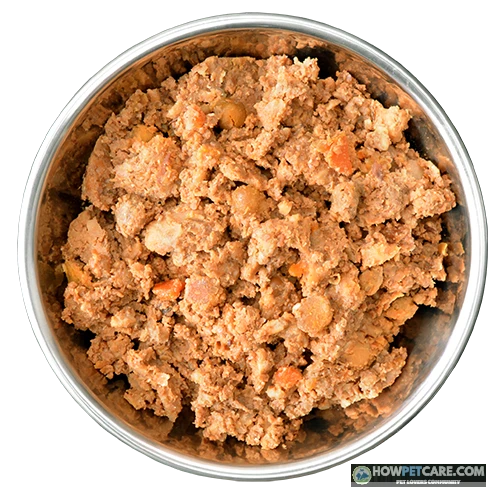

Healthy adult dogs may be able to eat a complete, balanced commercial vegan diet with veterinary monitoring, though long-term safety isn’t proven. Cats are obligate carnivores, so vegan feeding is high-risk and generally not recommended. Ferrets and snakes need meat; rabbits and guinea pigs are naturally plant-based.
Dogs may be able to eat a vegan diet if they are fed a complete-and-balanced commercial food suited to their life stage and monitored by a veterinarian. That doesn’t mean long-term safety is proven. Cats are different: they’re obligate carnivores whose specific nutrient needs make vegan or vegetarian feeding high-risk. Other pets need diets suited to their species. Some are naturally herbivorous, while strict carnivores such as ferrets and snakes shouldn’t be switched to plant-based food.
The question isn’t simply whether a food is labeled vegan. It’s whether that food reliably supplies every nutrient your animal needs. If you want to avoid animal ingredients, this guide covers the conditions, checks, and lower-risk alternatives to discuss with your veterinarian, while keeping your pet’s nutritional welfare in view.
Can pets be vegan? The short answer for dogs, cats and other pets
For a healthy adult dog, a complete commercial vegan diet may be an option with veterinary oversight. Cats face substantially greater risk, and most veterinarians advise against vegan diets for them. Rabbits and guinea pigs are naturally plant-eating herbivores, but they still need species-appropriate food rather than an arbitrary processed vegan product. Ferrets and carnivorous snakes need animal-based nutrition.
A complete diet provides all required nutrients in suitable amounts and proportions for a particular species and life stage. Plant ingredients can contribute protein and energy, but an ingredient list or ethical claim on a label can’t establish nutritional adequacy on its own.
Quick species verdicts at a glance
| Species | Natural diet type | Plant-based verdict | Main nutrient or health risk | Precondition or safer alternative |
|---|---|---|---|---|
| Healthy adult dog | Omnivorous scavenger | Possible, with conditions | Amino acid gaps, taurine or carnitine concerns in some dogs, and urinary changes | Complete-and-balanced commercial food for the life stage; veterinarian-guided monitoring |
| Puppy, pregnant or lactating dog | Omnivore with demanding growth or reproductive needs | Not without specialist oversight | Growth and reproductive needs leave little margin for formulation errors | Veterinary nutritionist involvement; consider waiting until adulthood |
| Cat | Obligate carnivore | High risk; generally not recommended | Taurine, arachidonic acid, preformed vitamin A, and urinary health | If considered at all, veterinarian oversight, documented nutritional adequacy, testing, and an exit plan |
| Ferret | Strict carnivore | Do not feed plant-based | High animal-protein needs and limited ability to use plant fiber | Complete ferret diet or veterinarian-approved high-meat diet |
| Rabbit | Herbivore | Naturally plant-based, but not on arbitrary products | Inadequate fiber or inappropriate calcium balance | Grass hay, suitable leafy greens, and measured plain pellets |
| Guinea pig | Herbivore | Naturally plant-based | Cannot make enough vitamin C; deficiency can cause scurvy | Hay, vitamin C-rich vegetables, or appropriately fortified food |
| Rat or mouse | Omnivore | Plant ingredients can be part of a diet | Protein quality and micronutrient balance | Formulated species-appropriate blocks rather than homemade mixes |
| Bearded dragon | Omnivore; needs vary with age | Not fully plant-based | Insect protein and calcium-to-phosphorus balance, especially in young animals | Species-appropriate insects and greens with exotic-vet guidance |
| Parrot or other bird | Varies by species | Many eat largely plant foods, but needs vary | Seed-only diets can lack important nutrients | Species-appropriate formulated pellets and vegetables |
| Snake or carnivorous fish | Carnivore | Do not feed plant-based | Species-specific prey or nutrient requirements | Appropriate prey or formulated species-specific food |
Rabbits, rodents, ferrets, reptiles and birds: what changes outside dogs and cats
“Plant-based” doesn’t describe a universal diet. A rabbit’s need for a fiber-rich herbivore diet is unlike a parrot’s, and neither is a model for feeding a dog or cat. Guinea pigs need a dependable source of vitamin C. Rats and mice benefit from balanced formulated food rather than seed-heavy or improvised mixes. Reptile diets vary by species and age. Before making a major change, ask an exotic-animal veterinarian about the exact species, life stage, and food format.
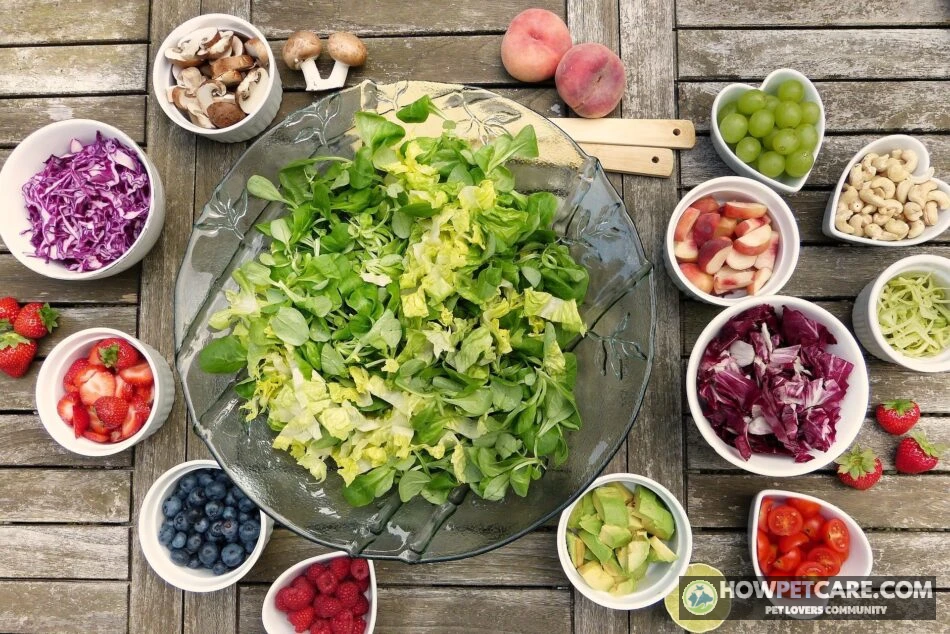
Can dogs be vegan safely? Conditions, life stages and who should never try it
Dogs are omnivorous scavengers. They need usable amino acids and other nutrients, not meat as an ingredient for its own sake. Plant-based protein can contribute to a dog’s diet, but its digestibility and amino acid balance depend on the ingredients, processing, and finished formulation. A vegan label alone doesn’t establish that those needs are met.
For a healthy adult dog, a vegan diet is a possibility, not a guarantee of safety. Choose a commercial food with a valid complete-and-balanced statement for the dog’s life stage. Ask your veterinarian to review the product, check your dog before the switch, and plan follow-up testing. Be prepared to change course if weight, health, or test results worsen. Long-term controlled research is limited, so it’s not accurate to say that long-term safety has been proven.

Can dogs survive on a vegan diet, and what “survive” hides
Some dogs may maintain health on a properly formulated vegan diet. But survival is a low bar. Owners need confidence that the diet supports normal body condition, muscle, digestion, heart health, and overall wellbeing over time. Nutritional deficiencies can develop without obvious early signs. The practical standard should be complete nutrition and ongoing veterinary assessment, not simply whether a dog eats the food.
Can puppies eat a plant-based diet?
Puppies have demanding growth needs, and errors in nutrient balance can have lasting consequences. Don’t switch a puppy to a plant-based diet based on a general adult-food claim or an internet recipe. If a veterinarian believes it’s appropriate to consider, involve a board-certified veterinary nutritionist and use a diet specifically substantiated for growth. “All life stages” foods must meet growth requirements, but your veterinarian should still assess the individual puppy and product.

Dogs that should never be switched without specialist oversight
Get veterinary guidance before considering a plant-based diet for a dog that is pregnant or nursing, still growing, chronically ill, underweight, losing muscle, or has a history of kidney, liver, pancreatic, or gastrointestinal disease. The same caution applies to dogs with urinary stones or crystals and those with dilated cardiomyopathy or a suspected taurine- or carnitine-responsive condition. Some breeds have known predispositions to heart disease involving taurine or L-carnitine; your veterinarian can determine whether that history changes the monitoring plan.
Can cats be vegan or vegetarian? Why obligate carnivores are different
Cats are obligate carnivores. Their metabolism and nutrient requirements make a plant-based diet harder to formulate and less forgiving than one for a dog. Cats need nutrients such as taurine, arachidonic acid, preformed vitamin A, and vitamin B12 in forms and amounts that can’t safely be assumed from plant ingredients. A complete food must supply these nutrients in usable amounts.
A vegetarian diet that includes eggs or dairy doesn’t automatically solve the problem. The diet still has to meet feline amino acid, fat, vitamin, and mineral needs, as well as suit the cat’s urinary health. Taurine deficiency can cause dilated cardiomyopathy and retinal damage; severe deficiency may also impair reproduction and can be fatal.

Why cats cannot get what they need from plants alone
The issue isn’t that every nutrient in a vegan cat food must literally come from meat. Manufacturers can add concentrated or synthesized nutrients. The concern is whether the finished food supplies them consistently, whether the cat can use them, and whether the full formulation remains adequate over time. Long-term evidence about vegan diets in cats is limited, and the stakes of an error are high.
Is it safe to feed a cat a vegan diet? What vets say
Most veterinary advice is cautious, and many veterinarians recommend against vegan feeding for cats. A few studies and owner surveys report acceptable outcomes, but they don’t settle the question of long-term safety. Before any change, a veterinarian should assess the individual cat’s health, body condition, urinary history, and proposed food. Kittens, pregnant or nursing cats, sick cats, and cats with urinary problems shouldn’t be placed on a plant-based diet without specialist direction.
If you are going to try anyway: a minimum-safety checklist for cats
If you’re determined to explore this despite the risks, discuss it openly with your veterinarian first. Use only a commercial diet documented as complete and balanced for cats and the correct life stage. Ask for written nutrient information, including taurine and arachidonic acid, and ask how the food addresses feline urinary health. Arrange baseline and follow-up testing, including taurine and B12 if your veterinarian recommends them. Agree in advance on the signs or test results that mean stopping and switching to a complete conventional food. Never let a cat go without eating because it refuses a new diet; food refusal needs prompt veterinary advice.
Nutrients at risk on plant-based pet diets, and urinary health
A complete food should address nutrient needs through its whole formulation, not through a collection of add-ons chosen by the owner. Needs differ by species, life stage, and health. These are common points to verify with a veterinarian and manufacturer:
What each key nutrient does and who is at risk
| Nutrient | What it does | Species at risk | Why plants may fall short | How to address or monitor |
|---|---|---|---|---|
| Taurine | Supports heart muscle, vision, and reproduction | Cats; some dogs may also need attention | Amounts and availability vary by ingredients and formulation | Verify the finished food’s adequacy; test when a veterinarian advises |
| Amino acids, including methionine, lysine, and tryptophan | Build and maintain body tissues and support normal function | Dogs and cats | Protein sources differ in amino acid profile and digestibility | Choose a complete food with appropriate protein quality and formulation |
| L-carnitine | Helps move fatty acids for energy use, including in heart muscle | Dogs and cats, depending on health and formulation | Content and availability depend on the ingredients and added nutrients | Ask whether it is included and whether testing is indicated |
| Vitamin B12 (cobalamin) | Supports blood and nervous-system function | Dogs and cats | Plants do not provide a dependable natural source | Confirm the food supplies it; test if clinically indicated |
| Arachidonic acid | An essential fatty acid for cats | Cats | Cats cannot reliably make enough from plant precursors | Require documented feline adequacy |
| Preformed vitamin A | Supports vision, skin, and other functions | Especially cats | Cats cannot rely on conversion from plant beta-carotene | Confirm an appropriate source and amount in the formulation |
| Vitamin D3 | Supports calcium balance and bone health | Dogs and cats | Source and usable form matter; some D3 is animal-derived | Ask the manufacturer about source and adequacy |
| Iron, zinc, calcium, and phosphorus | Support blood, immune function, bones, and other systems | Dogs, cats, and other species | Balance and absorption depend on the whole diet | Check the complete formulation, not just individual ingredients |
| Omega-3 fats, including EPA and DHA | Support normal cell and inflammatory functions | Dogs and cats | Plant omega-3 sources do not automatically provide equivalent long-chain fats | Ask how the finished food meets species needs |
Urine pH, struvite and calcium oxalate: what plant-based diets change
Some plant-heavy diets can make urine more alkaline, which may favor struvite crystal or stone formation. Trying to correct that by excessively acidifying urine can increase calcium oxalate risk. The aim isn’t to chase a single urine-pH number at home: stone risk also depends on urine concentration, diet composition, and the animal’s medical history.
Water intake and urine dilution matter too. Cats with a prior urinary problem, and male cats at risk of urethral blockage, deserve particular caution. Ask the veterinarian whether the proposed food is appropriate and whether urinalysis, urine pH, urine specific gravity, and sediment checks belong in the monitoring plan. Don’t add acidifiers or supplements without veterinary direction.

A supplement added at home doesn’t make an incomplete recipe complete. Nutrients can interact, and the dose that’s appropriate for one formulation or animal may be wrong for another.
What the research actually shows: Knight, Winchester and the vet critiques
Positive studies have reported similar or better health outcomes for some vegan-fed dogs and cats, including owner-reported surveys associated with Andrew Knight and colleagues at the University of Winchester. One reported analysis found fewer reported health disorders among vegan-fed dogs, but that kind of association doesn’t show that vegan feeding caused the difference.
What the positive studies found
These findings offer a reason to ask better questions, not proof that every vegan pet food is adequate or that every animal can thrive on it. Surveys can reveal patterns in what owners report and help identify areas for more research. On their own, they can’t confirm nutrient status or diagnose disease in each animal.
Why veterinarians push back
Survey participants choose whether to take part and report their own animals’ health. That creates risks of self-selection, recall, and confirmation bias. Without veterinary examinations and objective testing, a reported health difference may not reflect a clinically verified difference. If owners whose pets had problems stop responding, survivorship bias can also affect results. These limitations matter for any study, whether its authors favor or oppose vegan feeding.
Other concerns include analyses that have found some commercial products short of expected nutrient targets or with discrepancies between declared and measured contents, along with deficiency reports and small, short feeding trials. Such evidence warrants attention but doesn’t establish that every vegan diet is unsafe. Funding and author affiliations are relevant context; so are the assumptions and conflicts held by critics. The most important gaps are long-term controlled studies, particularly in cats, growing animals, and breeding animals.

How to judge any pet-diet study yourself
When you encounter a claim about vegan pet food, check:
- Was the research controlled, or did owners select their own diets?
- How many animals took part, and which species and life stages were represented?
- Were outcomes owner-reported, examined by veterinarians, or measured with laboratory tests?
- How long were animals followed, and were dropouts reported?
- Who funded and conducted the study, and are the findings consistent with other evidence?
The responsible conclusion is neither “proven safe for every pet” nor “always harmful.” Findings in dogs are promising but unsettled; the evidence is especially insufficient to reassure cat owners about long-term vegan feeding.
How to verify a commercial vegan pet food is complete and balanced, what it costs, and when homemade is not safe
Ingredient lists and marketing phrases can’t establish adequacy. Start with the nutritional adequacy statement and confirm that it matches the animal’s species and life stage. Then ask how the company substantiates the food and whether it will share enough formulation information for your veterinarian to assess it.
Label and document checklist: AAFCO, FEDIAF and feeding trials
Before buying, verify the following:
- The package says “complete and balanced,” not “supplemental,” “complementary,” or “for intermittent or occasional feeding.”
- The named life stage fits your pet: adult maintenance, growth, or all life stages. Don’t assume an adult-maintenance food is suitable for a puppy or kitten.
- The adequacy statement explains whether the food was formulated to meet AAFCO nutrient profiles or substantiated through animal feeding tests using AAFCO procedures. A feeding trial offers evidence about feeding the tested food under the trial conditions; it doesn’t prove lifelong safety. Formulation against a nutrient profile is a different type of substantiation and doesn’t itself show long-term outcomes.
- If considering a European product, check whether it states compliance with the relevant FEDIAF nutritional guidelines, and confirm that the product is appropriate for sale and use where you live.
- The manufacturer can provide a full nutrient analysis, not only guaranteed minimums and maximums, and can answer questions about the formulation team and quality control.
- Ask about the analyzed levels of taurine, L-carnitine, and B12. For a cat food, ask specifically about arachidonic acid and preformed vitamin A, plus the company’s urinary-health formulation information.

For cats, don’t treat a general “complete” claim as the end of the assessment. Ask your veterinarian to review the food, adequacy statement, and manufacturer’s answers. No label eliminates the need for individualized medical advice.
Monthly cost: vegan versus conventional complete diets
Prices vary by brand, package size, calorie density, location, and how much your pet eats. Compare price per 1,000 calories rather than bag price or cup volume. Then multiply by your pet’s actual daily calorie needs; a veterinarian can help estimate those needs.
For illustration, a 20-kilogram adult dog eating about 1,000 calories per day would need roughly 30,000 calories per month. A 12-kilogram bag of conventional kibble priced at $55 and providing 3,800 calories per kilogram contains 45,600 calories, making the food cost about $36 per month at that intake. A 10-kilogram vegan kibble priced at $75 and providing 3,600 calories per kilogram contains 36,000 calories, making it about $62 per month. These are example calculations, not a market survey or a price guarantee. Check current prices and each product’s calorie information before budgeting.
Use this formula:
Monthly food cost = (daily calories needed ÷ calories in the package) × package price × 30
Add the cost of a pre-switch exam, bloodwork, urinalysis, and any follow-up tests your veterinarian recommends. Testing prices vary by clinic and location, so ask for an estimate rather than relying on a generic figure. Wet food can cost considerably more per calorie than kibble, whether it’s vegan or conventional.
Is homemade vegan pet food safe? When a veterinary nutritionist is mandatory
Don’t use a generic internet recipe, cookbook, or a handful of supplements to formulate a pet’s complete diet. Homemade recipes can be nutritionally imbalanced, and supplement dosing errors can cause harm. Cats have particularly little margin for error.
Any homemade vegan feeding plan should be formulated specifically for that pet by a board-certified veterinary nutritionist, such as a specialist credentialed through ACVN or ECVCN, and followed exactly. Your veterinarian should coordinate health monitoring. A topper or supplement doesn’t convert an incomplete food into a complete one.
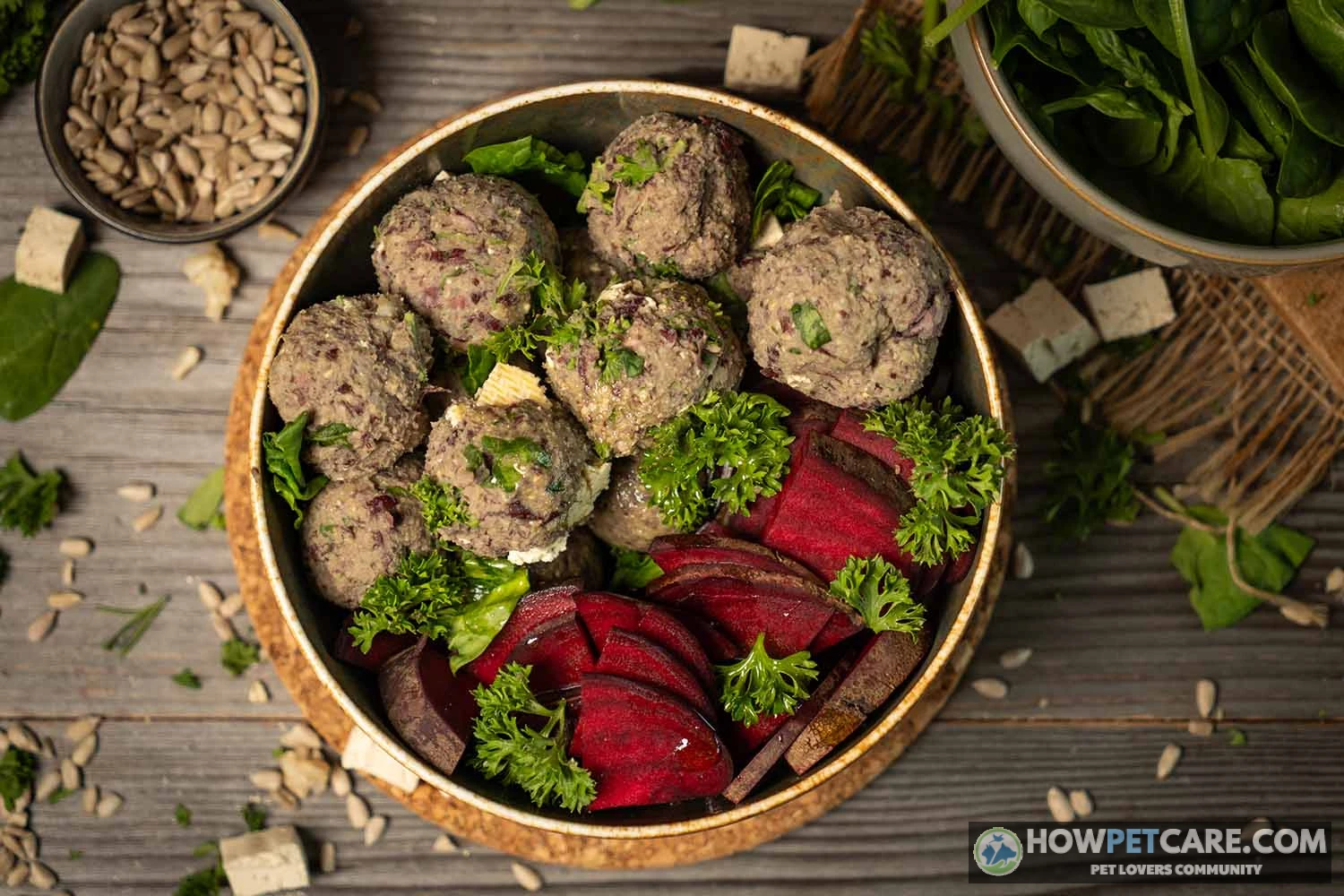
A product description, a “natural” claim, or a list of added nutrients is not a substitute for a complete-and-balanced statement and verifiable formulation information.
How to transition a dog to plant-based food: day-by-day ratios and timeline
Before changing foods, schedule a veterinary exam and discuss whether your dog is a suitable candidate. Record body weight, body condition, muscle condition, appetite, and normal stool quality. Ask whether baseline bloodwork and urinalysis are appropriate. Choose the new diet only after checking its adequacy statement, life-stage suitability, and calorie content.
Day-by-day mixing schedule
Measure both foods by calories, not by equal cups: calorie density can differ substantially. The table gives a standard 10-day transition and a slower option for dogs prone to digestive upset. If your veterinarian advises a different schedule, follow that plan. For any other species whose vet approves a diet change, the same gradual-mixing principle applies, adjusted to the timeline your veterinarian sets.
| Day range | Standard schedule: new food % | Standard schedule: old food % | Sensitive-stomach schedule: new food % | What to check |
|---|---|---|---|---|
| Days 1–3 | 25% | 75% | Days 1–4: 10% | Appetite, stool, and ability to eat the full meal |
| Days 4–6 | 50% | 50% | Days 5–8: 25% | Stool consistency and appetite |
| Days 7–9 | 75% | 25% | Days 9–11: 40% | Weight trend and tolerance |
| Day 10 | 100% | 0% | Days 12–14: 55% | Check for persistent soft stools or weight loss |
| — | — | — | Days 15–17: 70% | Continue to monitor appetite, stool, and weight |
| — | — | — | Days 18–20: 85% | Confirm the dog is eating the intended calories |
| — | — | — | Day 21: 100% | The first 8–12 weeks on the new food remain a monitoring period |
The 21-day schedule is a practical slower progression, not a guarantee against intolerance. For dogs with a diagnosed gastrointestinal condition, a senior dog, or a dog with a history of food refusal, ask the veterinarian before starting. Keep a simple daily stool and appetite log. If stools soften for more than 48 hours, hold at the current ratio or step back one stage and call the vet if symptoms persist. If your dog vomits, refuses food, or has blood in the stool, stop advancing the transition and contact the veterinarian.
Weigh your dog weekly during the change, at a similar time and under similar conditions. If weight drops by more than 2% or you see muscle loss, contact your veterinarian instead of continuing the schedule unchanged.
What to do when your dog refuses or gets loose stools
Mix food thoroughly so your dog can’t sort out the new pieces. Don’t leave a dog hungry in an attempt to force acceptance. Return to the last tolerated ratio if there is vomiting or refusal, and ask your veterinarian how to proceed. Mild gas or soft but formed stool can happen during a food change; ongoing diarrhea, worsening appetite, or other illness signs deserve veterinary advice. Transitioning doesn’t replace the 8–12-week health check after the new diet is fully introduced.
-
Check the food and the dog
Confirm the food is complete and balanced for the life stage, and arrange the vet exam and baseline measurements before changing meals.
-
Mix by calories
Use the schedule as a guide, calculate portions from each food’s calorie information, and increase the new food only while your dog is tolerating it.
-
Track and pause when needed
Log appetite and stool, weigh weekly, and hold or step back if symptoms appear; call the veterinarian for persistent or serious signs.
-
Recheck after the switch
Keep monitoring after reaching 100% new food and attend the planned follow-up rather than treating the final transition day as proof of safety.
Monitoring a plant-based pet: tests, checkup schedule and symptom triage
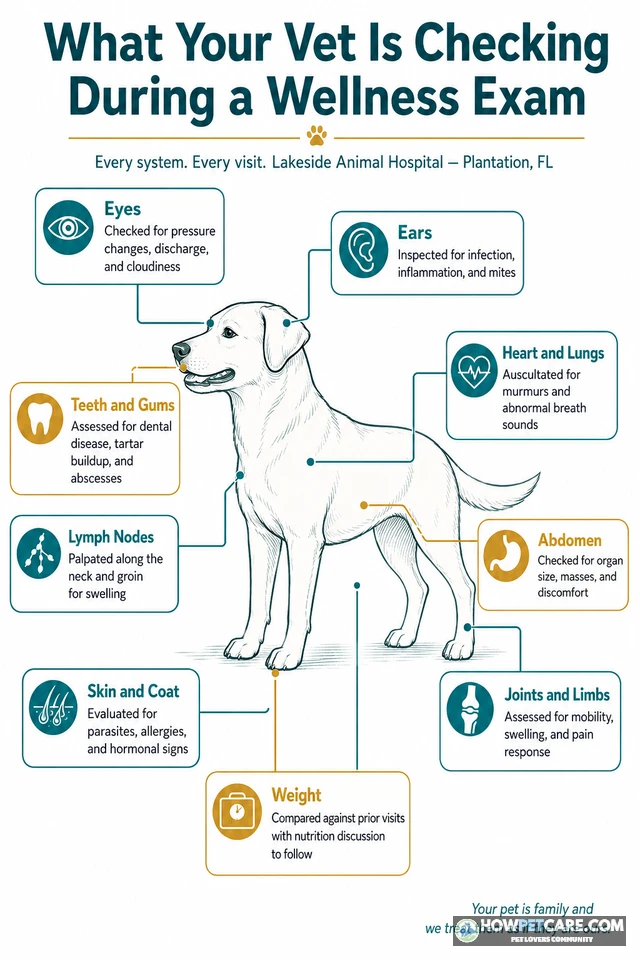
A plant-based diet needs a monitoring plan, not just a successful food transition. Agree on the schedule with your veterinarian before switching. A general starting point for a healthy adult dog is a baseline assessment, a recheck at 8–12 weeks, then checkups about every six months if the dog is stable. Puppies, cats, seniors, and pets with medical histories may need closer or different monitoring.
Baseline and follow-up testing schedule
Ask the veterinarian which tests fit your pet. Depending on health and diet, these can include a complete blood count, chemistry panel, urinalysis with urine pH, specific gravity and sediment examination, whole-blood or plasma taurine, serum B12, and carnitine testing where indicated. A normal result at one visit doesn’t guarantee future adequacy, so follow-up timing matters.
At home, record weight weekly during the transition and periodically thereafter. Check body and muscle condition monthly, and keep notes on appetite, energy, coat, skin, stool, and exercise tolerance. For cats, also note water intake and litter-box habits. Don’t try to diagnose a deficiency or urinary stone from symptoms alone.
Urine pH, stones and litter-box warning signs
A veterinarian interprets urine pH alongside specific gravity, sediment, symptoms, diet, and medical history. A single pH reading isn’t enough to diagnose a stone risk or justify adding an acidifier. Report frequent urination, accidents, blood in urine, or a change in litter-box habits promptly, especially if your cat has had urinary trouble before.
Mild intolerance, deficiency signs and emergencies: what to do at each level
Some early digestive changes are mild; others need prompt care. Use this triage as a guide, not as a substitute for your veterinarian’s instructions.
Level 1 — Monitor at home and mention at the next visit: Soft but formed stool or extra gas during the first couple of weeks, a mild brief appetite dip while the pet is still eating, or one isolated vomiting episode followed by normal behavior. If signs persist or worsen, call the vet.
Level 2 — Call the veterinarian within the week: Weight loss or visible muscle loss; dull, thinning, or greasy coat; flaky skin or new lesions; diarrhea lasting over 48 hours or recurring; unusual tiredness or reduced exercise tolerance; recurring urinary accidents, frequent urination, or pink/bloody urine; or vision changes. These signs have many possible causes, but shouldn’t be ignored as a normal adjustment.
Level 3 — Seek emergency care now: A cat straining in the litter box while producing little or no urine; collapse or fainting; difficulty breathing; seizures; repeated vomiting or inability to keep water down; sudden blindness; or a swollen, hard, painful abdomen. A urinary blockage can be fatal and shouldn’t wait for a routine appointment.
Stop advancing or pause the diet and contact your veterinarian if a serious sign appears, test results are abnormal, or a persistent problem develops. The vet may recommend returning to a previously tolerated complete diet while investigating. That’s a sensible safety decision, not a failure.
Repeated litter-box trips with little or no urine can signal a urinary blockage, especially in male cats. Do not wait to see whether it resolves on its own.
Your decision guide: full vegan, reduced-meat or conventional, and a vet-visit checklist
The right decision depends on the animal in front of you, not solely on your own diet. A healthy adult dog whose owner can buy a suitable complete food and keep up with monitoring is a different case from a puppy, a dog with heart or urinary disease, or a cat. For high-risk pets, choose a conventional complete diet or another veterinarian-approved plan rather than trying to overcome medical concerns with a label claim.
Which path fits your pet
- Healthy adult dog: Discuss whether a complete commercial vegan food is an appropriate option. Make the decision only with a life-stage-appropriate food, baseline assessment, follow-up testing, and a willingness to stop if concerns arise.
- Puppy, pregnant or nursing dog, or dog with medical history: Don’t switch without specialist oversight; a conventional complete diet may be the safer choice.
- Cat: Vegan or vegetarian feeding is high-risk. Ask your veterinarian about the nutritional and urinary risks and consider a complete conventional diet or reduced-meat alternative instead.
- Rabbit, guinea pig, rodent, bird, or reptile: Follow guidance for the exact species and life stage. “Vegan” isn’t a substitute for an appropriate species-specific diet.
- Ferret or carnivorous snake: Don’t use plant-based food.

Reduced-meat and flexitarian options
If full vegan feeding feels too risky, you don’t have to treat the decision as all-or-nothing. Ask your veterinarian about a complete diet with fewer animal-derived ingredients, a complete single-protein food, or mixing or alternating two complete foods that suit the same pet and life stage. Any mixed-feeding plan should preserve nutritional adequacy; don’t assume that combining foods automatically balances them. Evidence on hybrid feeding as a way to reduce medical risk is limited, so treat it as a practical compromise to review with your vet, not as a proven health strategy.
A pet’s nutritional welfare belongs in the ethical calculation. Choosing a complete conventional food, a reduced-meat option, or a veterinarian-supervised vegan diet can be a good-faith decision. The priority is preventing avoidable nutritional harm.
Your first-vet-visit checklist
Bring the food label or a photo of every panel, the manufacturer’s adequacy statement, calorie information, and any full nutrient analysis you can obtain. Ask:
- Is my pet a suitable candidate given species, age, health, and urinary history?
- Does this food meet complete-and-balanced standards for the correct life stage, and how was that substantiated?
- Can you review its nutrient analysis and formulation information?
- Which baseline blood and urine tests make sense, and when should we repeat them?
- What weight, appetite, urinary, or other changes should make me stop and call you?
- If this plan is not suitable, what reduced-meat or conventional complete food is a safer fit?
Set the dates for the initial transition check and the 8–12-week recheck before you start. Bring your home log to each visit. That gives you and your veterinarian a clear way to assess whether the food is working for your pet, rather than relying on diet labels or hope.
1Why is feeding a strictly plant-based diet considered significantly higher risk for cats than for healthy adult dogs?
Cats have specific metabolic requirements as obligate carnivores, making essential nutrients unavailable or difficult to absorb from unfortified plant sources.
2Which of the following represent methodological limitations in owner-reported survey studies regarding plant-based pet diets?
Self-selection creates an unrepresentative sample, as owners with strong beliefs or positive experiences are more motivated to participate.
3When transitioning a dog to a new commercial plant-based kibble, why must portions of the old and new food be measured by calories rather than equal cup volume?
Because calorie density differs across formulations, a cup of one kibble may provide significantly more or fewer calories than a cup of another.
4According to species diet guidelines, which of the following animals must NEVER be switched to a plant-based diet under any circumstances?
Ferrets are strict carnivores with high animal-protein needs and a limited capacity to process plant fiber.
5For which of the following canine health histories or life stages is a plant-based diet switch restricted without specialist oversight?
Reproduction and lactation create demanding metabolic needs with little margin for nutrient imbalance.
6When calculating and comparing the true monthly cost between conventional pet food and a plant-based alternative, which factor serves as the standardized baseline?
Comparing cost per 1,000 calories accounts for differences in kibble density and package size to reveal true feeding expense.
7If an owner chooses to feed a pet a homemade vegan diet despite veterinary cautions, what is mandatory to reduce the risk of severe nutritional harm?
Homemade plant-based diets carry extreme risks of imbalance unless custom-designed and calculated by a credentialed veterinary nutrition specialist.
8Which of the following elements should be verified when evaluating whether a commercial plant-based pet food is complete and balanced?
Nutritional adequacy statements confirm whether the food provides complete daily nutrition for growth, reproduction, or adult maintenance.
FAQ
Is it cruel to feed a pet a vegan diet?
Not by itself. Welfare depends on whether the diet meets the animal’s nutrient needs and is monitored. The risk of preventable harm is much higher for cats than for healthy adult dogs on a complete commercial diet.
Do vets recommend vegan diets for dogs and cats?
Most vets are cautious and advise against vegan diets for cats. Some will support a complete, commercially formulated vegan diet for a healthy adult dog if bloodwork and checkups are scheduled.
Do vegan diets make dogs live longer or healthier?
That has not been shown. Positive reports come mainly from owner-completed surveys, which cannot prove cause and effect, and there are no long-term controlled trials.
Can a vegan diet help a dog with food allergies?
It can sometimes help, but plant ingredients such as soy and wheat are also common allergens. A vet-supervised elimination trial with a veterinary hydrolyzed or novel-protein diet is the more reliable route.
Can I feed my dog vegan food some days and regular food on others?
Yes, if both foods are complete and balanced for your dog’s life stage, and many owners use this as a lower-risk compromise. Check the plan with your vet, since evidence on mixed feeding is limited.