

Pet anxiety is distress in dogs or cats triggered by fear, separation, noise, or changes in routine. Signs include pacing, hiding, house-soiling, destructive chewing, and over-grooming. Mild cases respond to a safe space plus gradual training; sudden, severe, or dangerous episodes need a veterinarian.
A dog that paces, a cat that hides, or either pet soiling or destroying things can signal anxiety, but one behavior on its own is not proof. Dogs and cats express distress in different ways; the symptom and severity checks below can help you decide what to do next. If the behavior is new or sudden, book a veterinary exam first: pain or illness can masquerade as anxiety.
For mild, predictable stress, start with a safe environment and gradual behavior work. Persistent, intense, or dangerous episodes call for veterinary help; medication can support training when a veterinarian recommends it. Punishment won’t treat anxiety and can increase stress.
Signs of Pet Anxiety in Dogs and Cats, Side by Side
Anxious dog symptoms
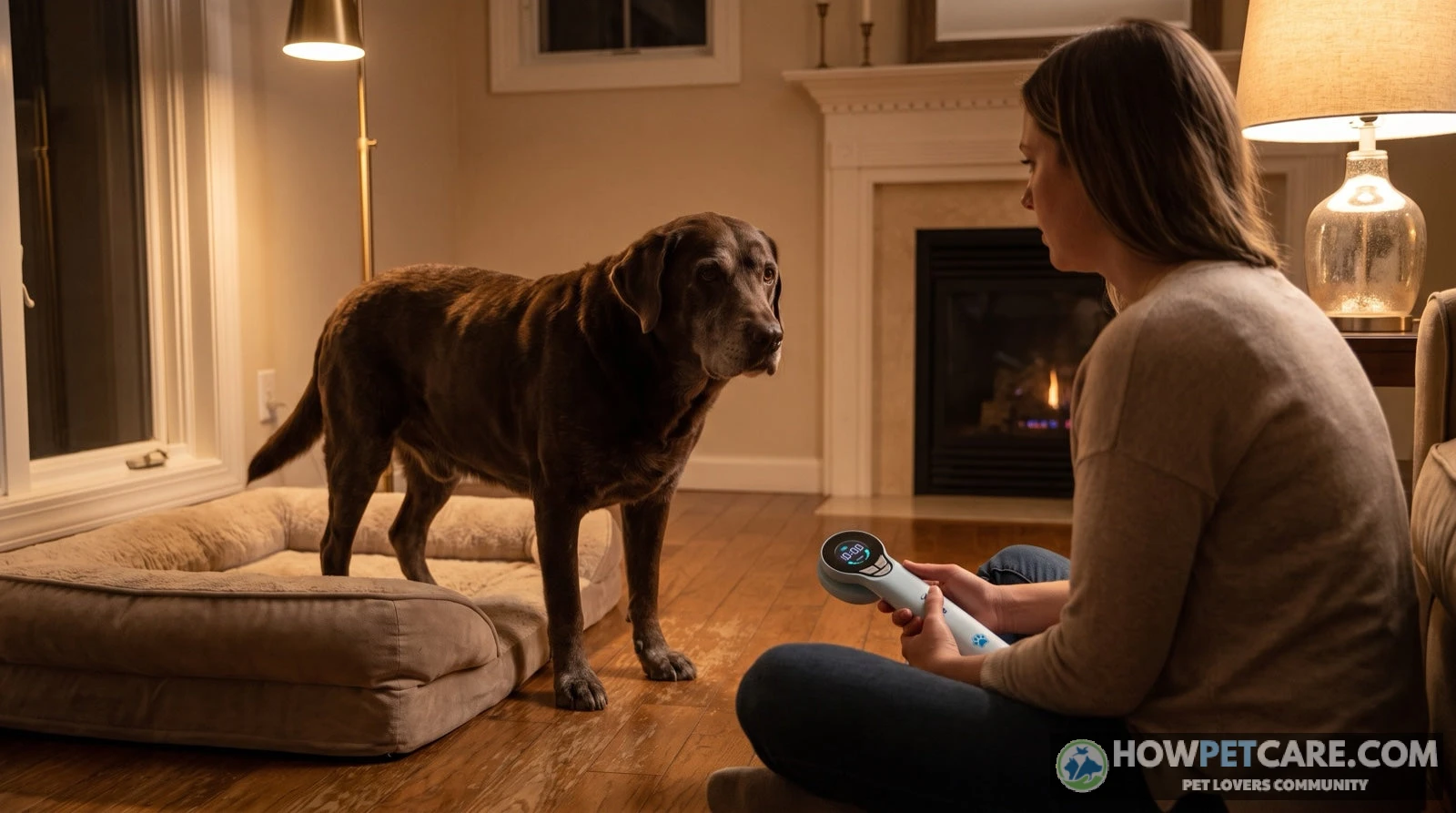
A dog may pant, pace, tremble, drool, bark, whine, or stick close to a person when there is no clear physical cause. Some chew or scratch at doors, windows, or crates, soil indoors despite being reliably house-trained, or attempt to escape. These signs matter most when they recur in a recognizable context, such as departures or storms.
Anxious cat symptoms (the ones owners miss)
A cat may hide for long stretches, freeze in a low posture, flatten its ears, or become aggressive when approached. Other signs include over-grooming that leaves bald or irritated skin, reduced appetite, nighttime vocalizing, and urinating or defecating outside the litter box. Cats often mask distress, so a change in everyday habits deserves attention, not dismissal as “attitude.” A cat that suddenly stops using a favorite perch, room, or scratching post is telling you something.

Side-by-Side Symptom Checklist: Is It Anxiety—in a Dog or a Cat?
Check the signs you have seen more than once over the past two weeks. This checklist helps you describe a pattern; it is not a diagnosis.
Dog signals
- ☐ Panting, pacing, or trembling with no exercise or heat to explain it
- ☐ Chewing or scratching focused on doors, windows, or crates
- ☐ House-soiling despite reliable house-training
- ☐ Barking, whining, or howling when you leave or a trigger appears
- ☐ Drooling or repeated lip-licking during stressful events
- ☐ Shadowing you or struggling to settle when you step away
- ☐ Escape attempts, such as digging under a fence or breaking out of a crate
Cat signals
- ☐ Hiding for hours or freezing in a flattened, low posture
- ☐ Over-grooming to the point of bald patches or skin irritation
- ☐ Urinating or defecating outside the litter box
- ☐ Eating noticeably less or skipping meals
- ☐ Swatting, hissing, or biting when approached or picked up
- ☐ Vocalizing at night or around your departure
- ☐ Stopping use of familiar perches, rooms, or scratching posts
Subtle signals in either species include yawning or lip-licking when the pet is neither tired nor eating, the whites of the eyes showing (“whale eye”), a tucked tail, flattened ears, dilated pupils, sudden stillness, or refusing a treat that usually excites them. Context matters: a yawn by itself is not a diagnosis.

What to do first: If signs appeared suddenly, especially in a senior pet, schedule a veterinary exam before treating the problem as behavioral. Pain, thyroid disease, urinary issues, and gastrointestinal upset can all look like anxiety. If the pattern is already set, note when it happens and use the distinction and severity guide below.
Rule out medical causes first
A veterinarian can check for physical causes and help separate them from fear-related behavior. Urinary changes, appetite loss, pain, and sudden aggression deserve particular attention. Don’t assume a cat’s litter-box change is anxiety: urinary problems may need prompt care.

Fear, Anxiety, Phobia, or Boredom? How to Label What You’re Seeing
Fear is a response to a present threat. A dog recoils when a stranger reaches toward it; a cat bolts when the vacuum starts. Anxiety is the anticipation of a feared event, sometimes before the trigger even appears. A dog may pace when departure cues begin; a cat may hide before the carrier comes out. A phobia is an intense, persistent, out-of-proportion fear, such as panic around fireworks or thunder.
Boredom is different: it comes from too little activity or stimulation, and the behavior often stops when the pet has something engaging to do. A relaxed dog that chews different objects and naps in between may just need enrichment. A dog that frantically attacks the exit while panting and drooling is more likely distressed. Fear, anxiety, and phobia are descriptions of behavior, not conclusions you can draw from one symptom.
The Camera Test: Separation Anxiety or Boredom in One Week
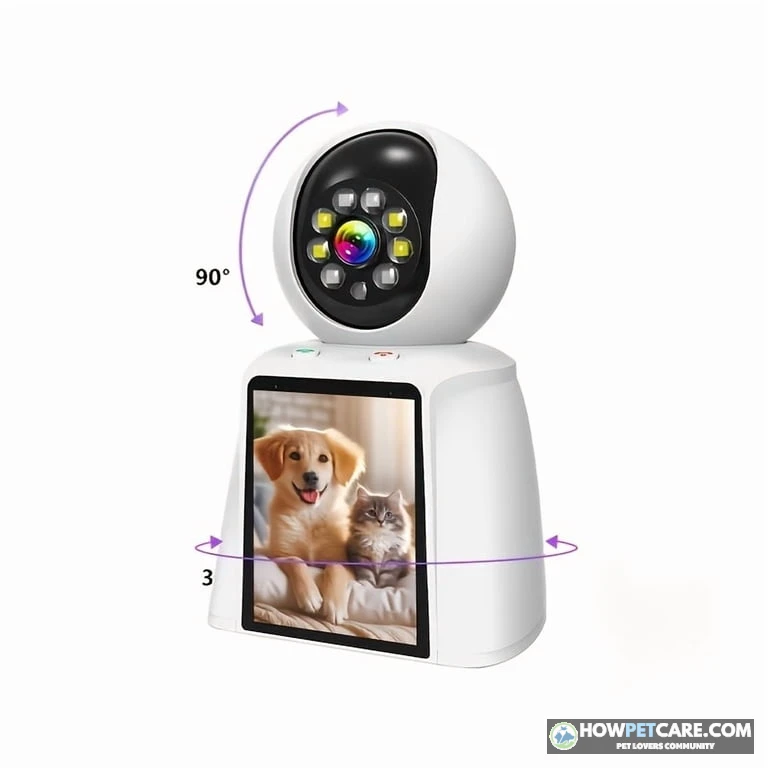
A camera can reveal what happens after you leave and whether the behavior looks distressed or just under-stimulated. A spare phone recording video works fine; don’t delay safety steps to get footage. If one recording isn’t enough to see a pattern, repeat it on different days that week.
- Set the camera to cover the exit and your pet’s usual resting spots. Start recording before you pick up keys, shoes, or other departure cues.
- Leave exactly as you normally would. Avoid staging an unusual departure that changes the routine.
- Record at least the first hour, if it is safe and practical.
- Review the departure, minutes 10–30, and the rest of the footage. Note when the behavior begins, what the pet does, and whether it settles.
| What you observe | More consistent with separation distress | More consistent with boredom |
|---|---|---|
| Timing | Begins soon after departure or departure cues | Appears intermittently, often after resting |
| Target | Exit-focused scratching or destruction | Scattered chewing or playful exploration |
| Body language | Panting, pacing, drooling, whining, or frantic movement | Loose posture, breaks for rest, or relaxed play |
| Recovery | Does not settle or escalates | Settles between bouts |
| When you are home but unavailable | Distress may also occur behind a closed door | Usually less affected by access to you |
| Food puzzle | May be ignored during distress | May occupy the pet and reduce mischief |
These cues are clues, not a diagnostic test. In dogs, separation-related behavior can include vocalizing, house-soiling, or exit damage; separation anxiety in cats may show up as vocalizing, over-grooming, or soiling outside the box when a person is away. If you see a mixed pattern, share the video with your veterinarian. A pet in distress shouldn’t be left alone longer just to finish a test.
For boredom, add appropriate exercise, food puzzles, play, and a rotation of safe toys, then watch whether the pattern changes. For suspected anxiety, use gradual behavior work rather than adding more toys and hoping for the best.
Why cat anxiety gets misread as “attitude”
A cat that hides, avoids someone, or urinates outside the box is communicating something, not acting spiteful. Fear can be triggered by a new animal, unfamiliar people, noise, disrupted territory, or competition for food, water, resting spots, or litter boxes. Keep a simple timeline of changes and avoid forcing contact while you investigate.
 You might be wonderingPet friendly plantsPet Friendly Plants: 17 Safe Picks, Toxic Swaps, and Emergency StepsRead the answer
What Causes Pet Anxiety, and Which Pets Are Most at Risk
Anxiety can reflect temperament and genetics, limited early positive exposure, frightening experiences, changes in routine, or medical problems. A move, a new baby, a new pet, or repeated loud noise may contribute. Some adopted animals come with unknown histories; rescue pets as a group have been reported to show anxiety more often than pets raised in one household from a young age. That does not mean every rescue pet is traumatized, or that its past can be read from behavior.
The four main types of pet anxiety
- Separation anxiety: distress from being apart from a particular person or left alone.
- Noise phobia: intense fear associated with sounds such as fireworks or storms.
- Social or stranger anxiety: distress around unfamiliar people, animals, or social situations.
- Generalized anxiety: persistent vigilance or difficulty settling across multiple situations.

Cats may also feel stressed when territory or resources change. Where possible, give them separate, accessible resting and feeding areas plus places to hide and climb. The goal is not to force social contact but to make the environment feel predictable and safe.
Rescue dogs and newly adopted pets
Give a newly adopted pet a quiet, low-traffic area, predictable meals and walks, and the chance to approach people on its own. Avoid crowding, forced greetings, and immediate exposure to busy settings. Let the animal settle before starting formal trigger training. If a dog fears a crate, don’t use confinement as a shortcut; crate training should build a positive association gradually.
Senior pets and Cognitive Dysfunction Syndrome
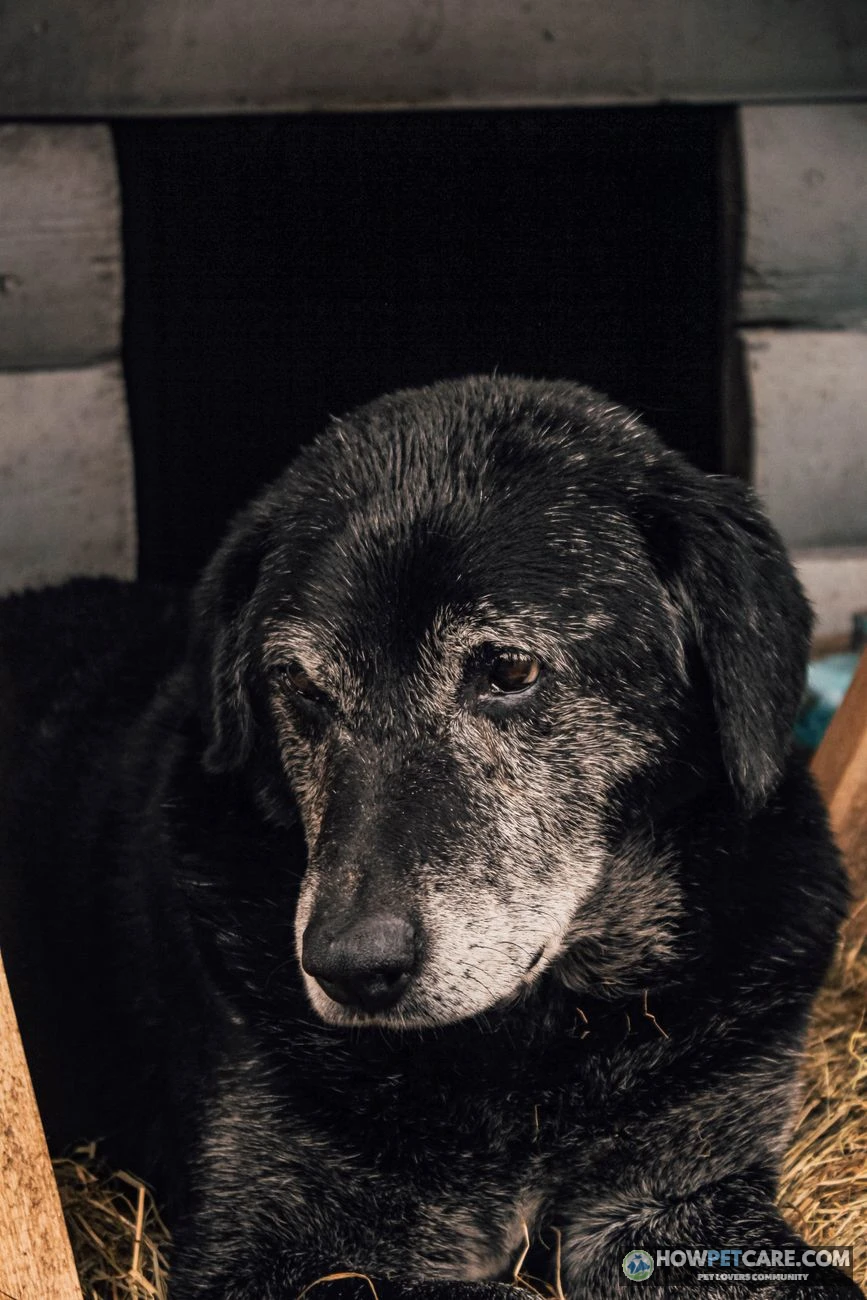
New nighttime waking, disorientation, changed social behavior, or house-soiling in an older pet calls for a veterinary check. Cognitive Dysfunction Syndrome (CDS), an age-related decline in cognition and sensory function, can contribute to confusion and persistent anxiety in older dogs. Pain and other illnesses can also change behavior, so don’t self-diagnose CDS.
Preventing anxiety in a puppy or kitten
Use gentle, positive exposure to ordinary sounds, surfaces, people, handling, and travel, keeping the intensity low enough that the young animal stays comfortable. Build alone time in small, successful increments rather than suddenly leaving for long stretches. Make a crate or carrier a voluntary, rewarding place: leave it open, add bedding and treats, and let the pet explore. For kittens, practice calm carrier entry and brief handling; never use restraint or forced exposure as a substitute for gradual learning.

Severity Self-Assessment: Manage at Home or Call a Professional?
The 10-Point Severity Checklist
Score one point for each statement that is true. This is a triage aid, not a diagnosis.
- ☐ Episodes happen daily or nearly daily.
- ☐ An episode lasts more than 30 minutes.
- ☐ The pet takes a long time to settle after the trigger ends.
- ☐ The pet has injured itself.
- ☐ Destruction includes doors, walls, windows, or crates, not just a few chewed items.
- ☐ The pet refuses food, treats, or water during or after episodes.
- ☐ The pet has attempted a dangerous escape.
- ☐ The pet shows aggression toward people or other animals during episodes.
- ☐ More than one trigger causes a strong reaction.
- ☐ Food, play, or a chew cannot interrupt the behavior.
0–3 points: mild. If there are no red flags, start environmental management and gentle behavior work. Reassess after four to six weeks.
4–6 points: moderate. Book a veterinary appointment to check for medical causes and discuss a treatment plan, including whether medication could help training succeed.
7–10 points: severe. Contact your veterinarian promptly and ask about a referral to a veterinary behavior specialist.
Red-flag override: Contact a veterinarian promptly regardless of score if your pet is injuring itself, breaking through a window or crate, showing dangerous aggression, having panic-level episodes, or refusing food or water. A cat that stops eating for a day or more needs prompt veterinary attention because prolonged food refusal can lead to serious health problems.

Escalate if the problem worsens at any point or doesn’t improve after four to six weeks of consistent, appropriate home work. Fear-related aggression is a safety concern, not a training challenge to force.
When to see a vet, and when to see a DACVB or CAAB
Start with a veterinarian for sudden behavior changes, possible pain or illness, moderate or severe signs, or questions about medication. A DACVB is a veterinarian who is board-certified in veterinary behavior and can diagnose medical contributors and prescribe medication. A CAAB is a certified applied animal behaviorist; credential requirements vary, and a CAAB who isn’t a veterinarian can’t prescribe. A qualified trainer can teach skills and support a behavior plan but can’t diagnose medical conditions or prescribe. Ask your veterinarian which professional fits your pet’s needs, and confirm credentials before booking.
How to Calm an Anxious Dog or Cat: A Week-by-Week Desensitization and Counterconditioning Plan
Desensitization means gradually exposing a pet to a trigger at an intensity it can tolerate; counterconditioning means pairing that trigger with something the pet values so the emotional response can change. They are usually used together.
Step 0: Environment and management
Prevent avoidable panic while you work on the underlying response. Set up a quiet safe space: a familiar crate or bed the dog uses voluntarily, or a covered hiding place and high perch for a cat. White noise may soften household or outdoor sounds. Offer suitable enrichment toys, but don’t expect a puzzle feeder to cure panic. For cats, provide an easy retreat and keep food, water, resting places, and litter access predictable.
The core protocol, step by step
- Choose one specific trigger. Work on “recorded thunder at low volume,” not every loud noise at once.
- Find a tolerable starting point. The pet should notice the trigger but stay loose-bodied and willing to eat. For a sound, begin barely audible; for departure practice, start with a cue such as picking up keys without leaving. If the pet reacts, reduce intensity.
- Pair trigger and reward. Present the trigger, then offer a high-value treat or other valued reward. When the trigger stops, the reward stops. This teaches the pet that the trigger predicts something good.
- Keep sessions short. Try three to five repetitions in a five-to-ten-minute session, once daily, while the pet stays comfortable. Stop sooner if signs of distress appear.
- Finish with an easy success. End while the pet is calm instead of pushing through a difficult repetition.
- Increase only gradually. Raise intensity after two or three comfortable sessions at the current level. Change one feature at a time, such as sound volume, distance, or absence duration.

Back off if the pet lip-licks, yawns, freezes, shows whale eye, refuses food, or tries to leave. Those signs can mean other things, but during trigger practice they are reasons to make the next repetition easier. Don’t force exposure or punish fearful behavior; punishment and scolding can increase stress.
A six-week sample schedule
This is a flexible template, not a guaranteed timeline. Some pets need smaller steps and more time; others need a veterinarian or qualified behavior professional to design the plan.
- Weeks 1–2: Establish the safe space and find a trigger level the pet can handle. Keep sessions very short and reward calm engagement.
- Weeks 3–4: Increase one variable in small increments only after repeated relaxed sessions. If the pet becomes tense or stops taking food, return to the last comfortable level.
- Weeks 5–6: Gradually add duration or variety, one at a time. Practice in different contexts only when the current version is easy.
Progress is not linear. A setback means reduce the challenge, not that the pet has failed. If consistent work is not helping after four to six weeks, or symptoms are severe, ask for professional guidance.
Adapting the plan for cats
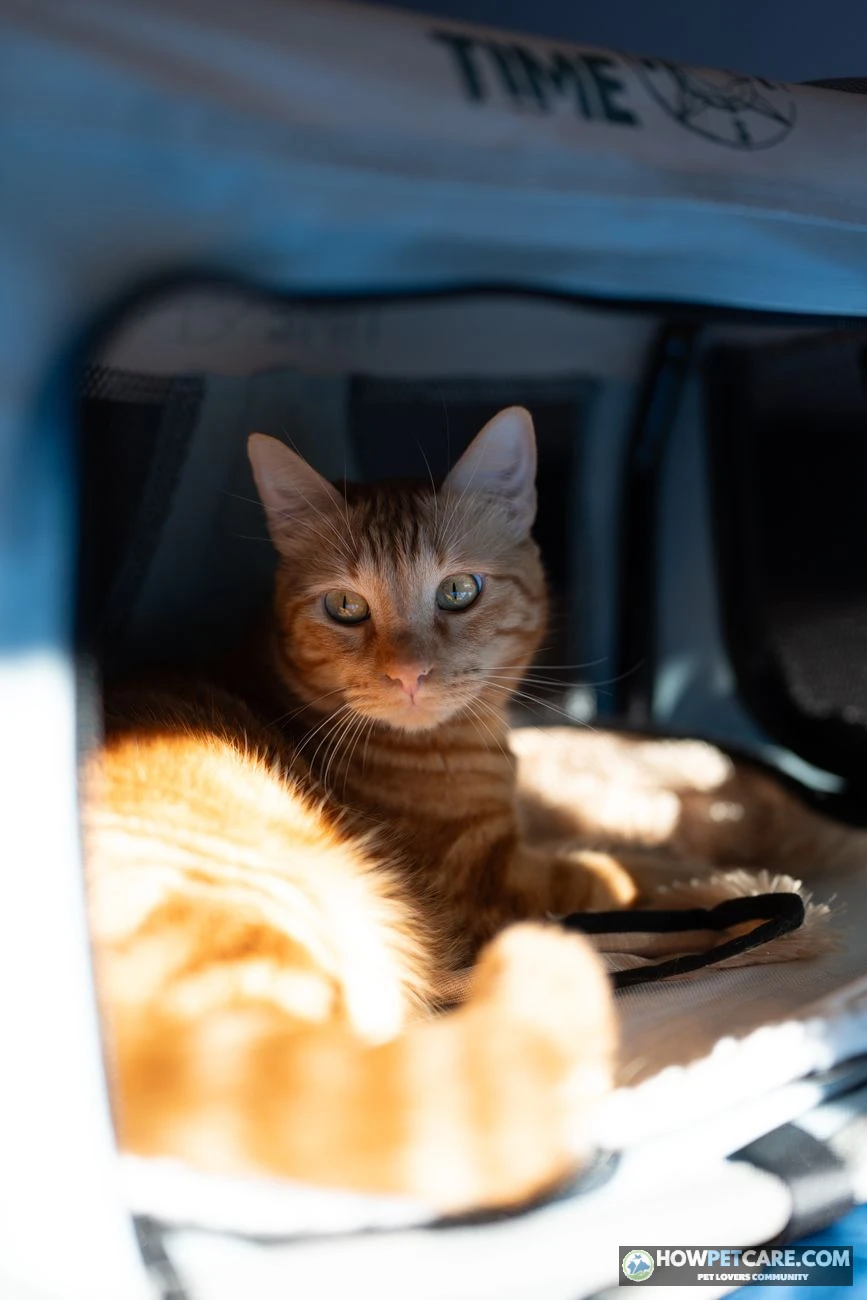
Let the cat approach or retreat; don’t hold it in place. Keep sessions under five minutes if that is what the cat tolerates, and use food, treats, or wand-toy play as rewards. For carrier fear, leave the carrier accessible, reward looking at or entering it, and build up to brief door closures and movement only when the cat stays relaxed. A pheromone diffuser may support the environment, but it doesn’t replace gradual learning.
Adapting the plan for separation anxiety and noise phobia
For separation-related distress, first make departure cues—keys, shoes, coat—ordinary by handling them without leaving. Then practice absences so brief the pet stays calm, and increase duration in small increments. If distress begins, the absence was too long; reduce it. Avoid leaving a panicking animal alone for longer in the hope it will “get used to it.”
For noise fear, play a recording at very low volume while the pet eats or plays, then increase the sound gradually only when the pet stays relaxed. Real storms and fireworks can be far more intense than recordings, so management and veterinary advice may still be needed. Rescue dogs may need a longer period of predictable routine before this training begins. Moderate-to-severe anxiety often needs a combined plan, and a veterinarian can advise whether medication would make learning more manageable.
Anti-Anxiety Medication for Pets: Drugs, Uses, and Side Effects Compared
Medication is a veterinary decision, not a replacement for identifying triggers or building a behavior plan. Daily drugs are generally used to reduce ongoing anxiety over time; situational drugs may be considered for predictable events. The table is educational, not a prescribing guide. Use, approval status, interactions, and side effects vary by individual animal and formulation; confirm details with your veterinarian.
| Drug | Drug class | Used in (dogs / cats) | Daily or situational | Typical use | Time to effect | Common side effects |
|---|---|---|---|---|---|---|
| Fluoxetine (Reconcile) | SSRI | Dogs; cats may receive extra-label treatment | Daily | Separation-related or other persistent anxiety; compulsive behaviors | Several weeks for full effect | Appetite or gastrointestinal changes, sleepiness, or restlessness |
| Clomipramine (Clomicalm) | Tricyclic antidepressant | Dogs; cats may receive extra-label treatment | Daily | Separation-related distress and some compulsive behaviors | Weeks | Sedation, gastrointestinal effects, dry mouth, or urinary changes |
| Sertraline | SSRI | Dogs and cats may receive extra-label treatment | Daily | Persistent anxiety or fear-related behavior | Several weeks | Gastrointestinal or appetite changes, lethargy |
| Trazodone | Serotonin-modulating antidepressant | Mainly dogs; sometimes cats | Situational or adjunct | Predictable stressful events or confinement, when prescribed | Often within hours; individual response varies | Sedation, incoordination, gastrointestinal upset |
| Gabapentin | Anticonvulsant also used for situational calming | Dogs and cats | Situational | Veterinary visits, carrier stress, or short-term event anxiety | Often within hours; individual response varies | Sleepiness, wobbliness |
| Alprazolam and other benzodiazepines | Benzodiazepine | Mostly dogs; some use is extra-label | Situational | Panic-level events such as storms, if appropriate | Often faster than daily medications | Sedation, incoordination, or paradoxical excitement; repeated use has risks |
| Dexmedetomidine oromucosal gel (Sileo) | Alpha-2 agonist | Dogs | Situational | Canine noise aversion; product is approved for this use in dogs | Event-specific; follow the veterinarian’s instructions | Sedation and cardiovascular effects may occur; not suitable for every dog |
| Buspirone | Azapirone anxiolytic | Cats may receive extra-label treatment | Daily | Some feline anxiety cases | Weeks | Mild gastrointestinal effects or behavioral changes |

The FDA-approved products listed have specific labeled uses; approval does not mean they suit every animal or every anxiety problem. Many other veterinary uses are extra-label. Your veterinarian will determine whether a drug is appropriate, review other medicines and health conditions, and decide whether screening or monitoring is needed. Daily medication usually takes weeks to reach its full effect and shouldn’t be stopped abruptly without veterinary direction. It often works best alongside behavior modification.
What to ask your vet before starting
Bring a video clip, symptom timeline, list of current medications and supplements, and details about appetite, sleep, and medical history. Ask what the medication is intended to change, how soon to expect an effect, which side effects require a call, how progress will be measured, and how follow-up will work. Never give a human anti-anxiety drug or an over-the-counter product without veterinary approval. Diphenhydramine (Benadryl) isn’t a proven anxiety treatment, and some formulations contain ingredients unsafe for pets.
Calming Products for Pets: What the Evidence Says About CBD, Pheromones, Wraps, Chews, and Music
Products can be useful supports, but evidence and product quality vary. “Natural” doesn’t mean proven or risk-free. Try one change at a time, keep a record of the response, and don’t let a product delay needed veterinary care.
| Product type | Best for (dogs / cats) | Evidence level | Verdict | Approximate cost range | Safety notes |
|---|---|---|---|---|---|
| Pheromone diffuser or spray | Cats; selected dog contexts | Mixed overall; comparatively more support for some feline pheromone uses | Reasonable environmental adjunct, not a stand-alone treatment | Roughly $15–$40 per refill or product | Follow label directions; response varies |
| Pressure wrap, such as a ThunderShirt | Some dogs; some cats tolerate one | Limited controlled evidence; owner reports vary | Trial only if the pet accepts it calmly | Roughly $25–$60 | Introduce gradually; remove if the pet freezes, struggles, or overheats |
| Calming chews and supplements, including L-theanine or alpha-casozepine blends | Dogs and cats, depending on product | Mixed; formulations and quality vary | May help some mild cases; not a replacement for training or care | Roughly $10–$50 per package | Check ingredients with a vet, especially alongside medication |
| CBD products | Marketed mainly for dogs; veterinary guidance needed for any species | Insufficient for confident anxiety-treatment claims | Do not assume effective or safe; discuss first with a veterinarian | Highly variable; compare labels, not marketing claims | Variable quality, possible THC contamination, liver-enzyme changes, and drug interactions are concerns |
| Calming music or white noise | Dogs and cats | Modest or context-specific | Low-cost environmental support; observe whether it helps | Free to about $20 for a basic speaker or subscription | Keep volume comfortable; some sounds may bother rather than soothe |
Pheromone diffusers and collars
Pheromone products aim to provide familiar chemical cues. Evidence is not equally strong across products or species; feline facial pheromone products have more support than many other calming products, but results still vary. A diffuser may be worth considering for a cat adjusting to a room or household change, alongside predictable resources and safe hiding places. It can’t resolve pain, litter-box problems, or severe fear by itself.
Pressure wraps like the ThunderShirt
A snug wrap may help some pets during a predictable event, but controlled evidence is limited. Let the animal inspect and wear it briefly in a calm setting before trying it during a trigger. Don’t force a wrap on a cat or dog that resists, pants more, freezes, or cannot move comfortably.

Calming chews and supplements
Calming treats may make a modest difference for mild stress in dogs, but there is no guarantee, and a chew is unlikely to be enough for panic or established separation anxiety. Ingredient amounts and quality can vary. Ask a veterinarian to check for interactions, particularly if your pet takes medication or has a medical condition.
CBD for pets: safety and evidence
CBD is widely marketed for pet anxiety, but veterinary research remains limited; claims of benefit should be treated cautiously. Product contents and quality can vary, and contamination with THC is a concern. CBD may affect liver enzymes and interact with other drugs. Talk with a veterinarian before use, and don’t substitute it for an evidence-informed plan or a prescribed medication. A product sold as a supplement isn’t automatically proven to treat anxiety.
Music and white noise
Steady background sound can mask some household or outdoor noise and help make a safe area more comfortable. It’s an environmental aid, not a treatment for phobia. Keep the volume moderate and watch the pet’s body language; if it becomes more alert or tries to leave, turn it off.
What Pet Anxiety Treatment Costs: Vet Visits, Behaviorists, Training, and Medication
Costs vary substantially by location, provider, appointment length, telehealth availability, pet size, and follow-up needs. The ranges below are broad U.S. budgeting estimates, not quotes or a national fee survey; confirm current prices with local clinics. Medication estimates exclude examination fees and may differ by pharmacy and formulation.
| Option | Who it suits (severity tier) | Typical cost range | What you get | Cost-saving tips |
|---|---|---|---|---|
| General veterinary exam or behavior visit | Any tier; especially sudden or moderate signs | About $75–$250 for an appointment | Medical assessment and initial treatment discussion | Ask whether the clinic offers a behavior-focused appointment and what it includes |
| Veterinary behaviorist (DACVB) consultation | Complex, severe, or persistent cases | About $250–$600 or more for an initial consultation | Specialist assessment and behavior plan; follow-ups may cost extra | Ask your regular vet about referral options and cancellation lists |
| Certified trainer or group class | Mild cases or skills that support a veterinary plan | About $25–$100 per group class; private help often costs more | Training support; not medical diagnosis or prescribing | Ask about credentials, methods, and package pricing before booking |
| Generic medication | When prescribed and monitored by a veterinarian | Roughly $5–$50 per month for some generics; costs can be higher | Medication chosen for the individual animal | Compare legitimate pharmacy prices with your veterinarian; ask about monitoring and formulation costs |
| Over-the-counter calming products | Optional adjunct for mild signs | Roughly $10–$60 per product or package | A trial of a supplement, pheromone, or wrap | Try one product at a time and set a stopping point if there is no clear benefit |
These are planning ranges, not verified prices for every region or provider. A specialist’s initial visit may take longer than a standard exam, and follow-up, laboratory testing, or compounded medication can add costs. Medication pricing depends on drug, quantity, pet size, and pharmacy. Insurance coverage for behavioral care varies; check exclusions and pre-existing-condition rules before relying on it.
How to keep costs down without skipping care
Start with free, low-risk steps: prevent exposure where possible, establish a safe space, keep routines predictable, and begin gradual training if the case is mild. Then consider a modest-cost environmental aid if it fits the problem. Don’t buy several supplements at once; that makes both costs and results hard to interpret. If signs are moderate, severe, sudden, or unsafe, a veterinary assessment is a more useful first expense than guessing at products. Untreated severe anxiety can also lead to injury or property damage, which may create greater costs later.
Your First-Line Plan: A Decision Guide for the Next 7 Days
Choose your path: mild, moderate, or severe
- Rule out medical concerns. If behavior changed suddenly, your pet is a senior, appetite or elimination changed, or pain is possible, contact a veterinarian.
- Label the pattern. Categorize it as a response to a present threat, anticipation, an extreme phobic reaction, or under-stimulation. Track the trigger and timing instead of relying on one symptom.
- Use the severity checklist. Apply the red-flag override even if the score is low.
- Choose a response. For mild signs, set up management and start below-threshold training—exposure kept at an intensity your pet can stay calm through. For moderate signs, arrange a vet visit and bring your records. For severe signs or danger, contact a veterinarian promptly and ask about specialist referral.

For a dog with mild departure distress, begin by making keys and shoes non-events, then practice absences shorter than the time it takes for distress to begin. For a cat, provide a covered hiding spot, vertical space, and predictable access to food, water, and litter; check litter-box cleanliness and location, and have urinary changes checked rather than assuming anxiety.
What to bring to the vet appointment
Bring the same records listed in the medication section: short video clips, a timeline of triggers and symptoms, a medication and supplement list, and notes on eating, drinking, sleep, and elimination. Describe what happens before, during, and after an episode, and confirm when to follow up.
Track progress for six weeks
Once a week, record how often episodes happen, how long recovery takes, what triggers them, whether your pet accepts food, and any injury, escape attempt, or change in appetite. Note which training step the pet can handle comfortably. Reassess after four to six weeks, or sooner if the behavior worsens. Improvement may mean shorter episodes or faster recovery, not an immediate absence of all fear.
The goal is not to make a pet tolerate overwhelming situations. It is to keep the animal safe, identify what is driving the behavior, and choose a plan it can learn from. If your pet cannot stay below its fear threshold or the situation is unsafe, stop home exposure practice and involve your veterinarian.
 You might be wonderingPet safe plantsPet Safe Plants: Compare Indoor Picks, Care & Buying TipsRead the answer
FAQ
Can I give my dog Benadryl for anxiety?
Diphenhydramine (Benadryl) is a sedating antihistamine, and it is not a proven treatment for anxiety. Some formulations contain other ingredients that are unsafe for pets, so only give it if your vet approves the product and the dose.
Can dogs have panic attacks?
Dogs can have sudden episodes of intense fear, for example during storms or fireworks. Signs include trembling, frantic escape attempts, heavy drooling, and panting. If your dog is injuring itself or episodes are frequent, contact your vet.
Will pet anxiety go away on its own?
Mild situational stress sometimes fades once the trigger is removed or the pet adjusts. True anxiety and phobias usually persist or worsen without behavior modification, and sometimes medication.
How long do anxiety medications take to work in pets?
Daily medications such as SSRIs generally take several weeks to reach full effect, while situational drugs are given ahead of a known trigger and act sooner. Ask your vet about the expected timeline for the specific drug.
Does pet insurance cover anxiety treatment?
Coverage varies by insurer and policy. Some plans cover behavioral consultations and medication, while others exclude behavioral conditions or pre-existing conditions, so check the policy wording before relying on it.