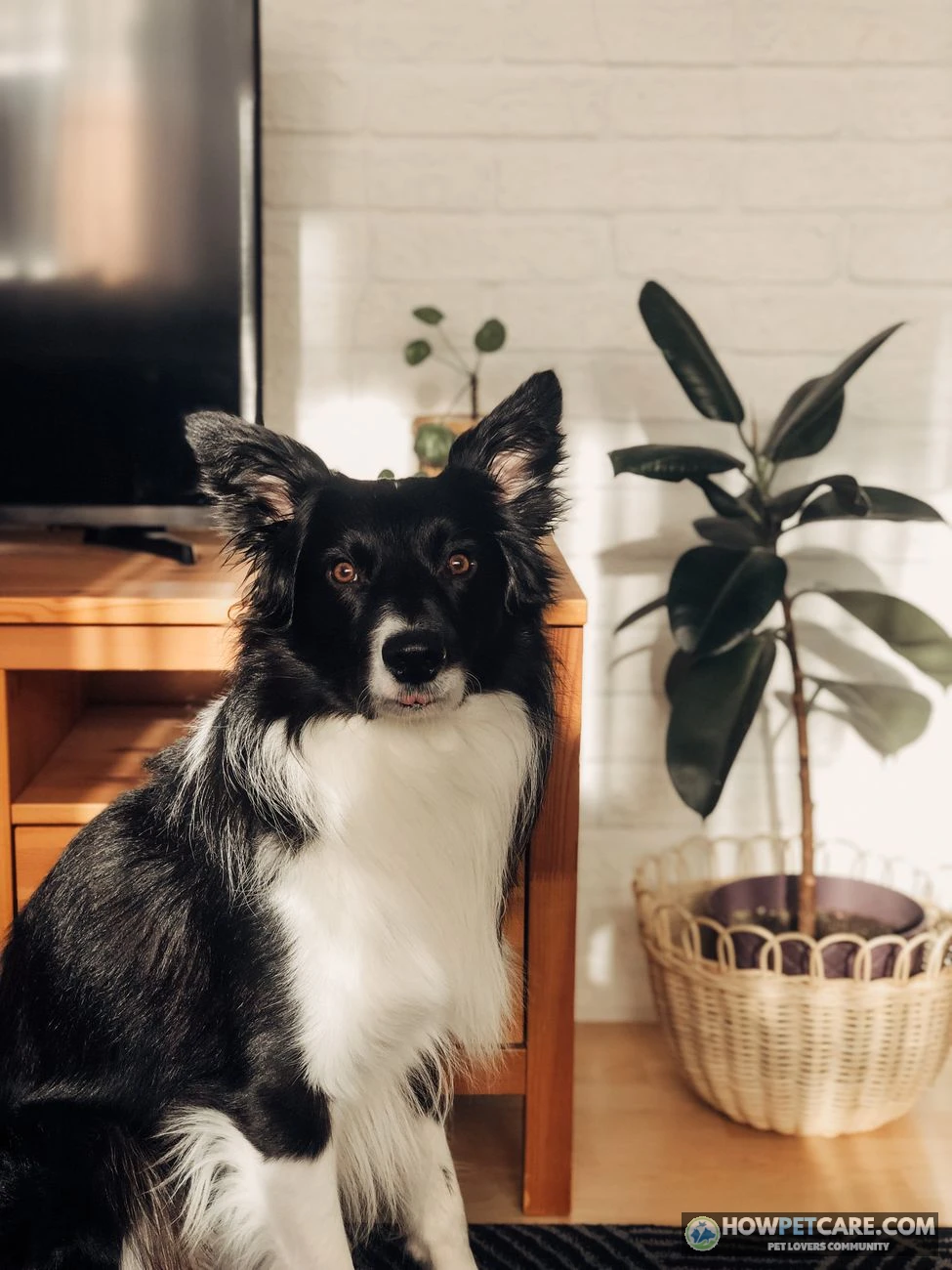

Houseplants the ASPCA lists as non-toxic to both cats and dogs include:
- Spider plant — easy care; hang it out of cat-jump range
- Parlor palm — tolerates low light; slow-growing floor plant
- Calathea — low to medium light; needs humidity
- Peperomia — compact and easy; good for desks and shelves
- Money tree — large, forgiving floor plant
- Haworthia — small succulent; water sparingly
- Christmas cactus — trailing; bright indirect light
Always verify the botanical name in the ASPCA database before buying.
Houseplants Safe for Both Cats and Dogs, Compared by Light, Size, and Care
How the table was verified
The table draws from the ASPCA Toxic and Non-Toxic Plant Database and includes only plants listed as non-toxic to both cats and dogs. Each entry uses a botanical name because different plants can share a common name. A "pet friendly" tag is a marketing claim, not a certification. Before buying, check the Latin name on the ASPCA list yourself and photograph the tag for your vet file.
How to filter the table for your home
Start with light. Most houseplants grow best with 12–16 hours of light per day, so match the plant to the brightest spot your room can realistically provide. Then consider mature size and the amount of care you can give. If you have both a cat and a dog, read both sets of notes and place the plant with the riskier behavior in mind. Most houseplants are comfortable at 65–80°F (18–27°C); keep them away from cold drafts and heating vents.
| Common name | Botanical name | Light needs | Mature size (indoors) | Care difficulty | Cat notes | Dog notes | Best placement |
|---|---|---|---|---|---|---|---|
| Spider plant | Chlorophytum comosum | Bright indirect to medium | 12–15 in, arching | Easy — forgives missed waterings | ✓ Safe; dangling baby plantlets invite swatting | ✓ Safe; usually ignored | Hanging basket, out of jump range |
| Boston fern | Nephrolepis exaltata | Medium indirect | 2–3 ft spread | Moderate — needs steady humidity | ✓ Safe; fronds may be nibbled | ✓ Safe | Hanging or pedestal, away from heat vents |
| Parlor palm | Chamaedorea elegans | Low to medium | 2–6 ft, slow-growing | Easy | ✓ Safe | ✓ Safe | Floor pot in a dim corner |
| Areca palm | Dypsis lutescens | Bright indirect | 6–8 ft | Moderate — dislikes dry air | ✓ Safe | ✓ Safe | Bright living room floor pot |
| Calathea | Calathea spp. | Low to medium | 1–3 ft | Hard — needs humidity and filtered water | ✓ Safe | ✓ Safe | Bathroom or humidified room |
| Prayer plant | Maranta leuconeura | Medium indirect | 6–12 in, spreading | Moderate — steady moisture | ✓ Safe; low spreader easy for cats to reach | ✓ Safe | Shelf or hanging planter |
| Peperomia | Peperomia obtusifolia | Medium indirect | 6–12 in | Easy — stores water in leaves | ✓ Safe | ✓ Safe | Desk or shelf |
| Cast iron plant | Aspidistra elatior | Low light tolerant | 2–3 ft | Easy — tolerates neglect | ✓ Safe | ✓ Safe | Floor of a dim room |
| Haworthia (zebra) | Haworthia fasciata | Bright indirect | 3–5 in rosette | Easy — water sparingly | ✓ Safe; small enough to knock over | ✓ Safe | Sunny windowsill |
| Echeveria | Echeveria spp. | Bright, some direct sun | 4–8 in rosette | Easy — drought-tolerant | ✓ Safe | ✓ Safe | South-facing window |
| Phalaenopsis orchid | Phalaenopsis spp. | Bright indirect | 1–3 ft bloom spike | Moderate — bark mix, weekly soak | ✓ Safe; blooms are tempting | ✓ Safe | East-facing window |
| Money tree | Pachira aquatica | Bright indirect | 6–8 ft, prunable | Easy to moderate | ✓ Safe | ✓ Safe | Living room floor pot |
| Ponytail palm | Beaucarnea recurvata | Bright | 4–8 ft, very slow | Easy — bulb stores water | ✓ Safe; long strap leaves attract cats | ✓ Safe | Sunny corner, floor |
| Burro’s tail | Sedum morganianum | Bright | Trails 1–2+ ft | Easy — do not overwater | ✓ Safe; fragile leaves drop if batted | ✓ Safe | High hanging planter |
| Baby tears | Soleirolia soleirolii | Medium, even moisture | 2–4 in mat | Moderate — dries out fast | ✓ Safe | ✓ Safe | Hanging pot or terrarium |
| African violet | Saintpaulia spp. | Medium to bright indirect | 6–8 in | Moderate — water from below | ✓ Safe | ✓ Safe | East window, small shelf |
| Christmas cactus | Schlumbergera bridgesii | Bright indirect | 6–12 in, trailing | Easy — more water than desert cacti | ✓ Safe | ✓ Safe | Shelf or hanging basket |
‘Safe’ in this table means the ASPCA lists the plant as non-toxic to cats and dogs. It doesn’t mean the plant is edible, digestible, or harmless in any quantity. Any plant can cause vomiting or diarrhea if a pet eats enough, and residue on leaves can add its own risk.
Buy by the Latin name, check it on the ASPCA list, and keep the tag. Choosing the right species is only part of the decision: a climbing cat can turn a dangling leaf into a chew toy, while a digging dog can turn a floor pot into a sandbox. Placement and a pest-free intake matter too.

Best Pet-Safe Houseplants for Low Light, Beginners, Big Rooms, and Gardens
Low-light and indirect-light picks
Low light pet friendly plants still need some light. Cast iron plant (Aspidistra elatior) and parlor palm (Chamaedorea elegans) handle dim corners best; parlor palm usually reaches 3–4 ft indoors and grows slowly. Prayer plant (Maranta leuconeura) and calathea (Calathea spp.) also tolerate low to medium indirect light, but their sensitivity to dry air and tap-water minerals makes them better second plants than first plants. Give them the brightest spot the room offers, out of direct sun that can scorch their leaves. Low light doesn’t mean no light.

Easy pet-safe houseplants for beginners
Forgiving plants are a good place to start. Spider plant, peperomia, haworthia, echeveria, money tree, and Christmas cactus are all options for beginners. Haworthia and echeveria need water only when the soil is completely dry, roughly every 1–2 weeks, and echeveria prefers at least 4–6 hours of sun daily. Money tree handles some neglect, while peperomia stores water in its leaves. Christmas cactus needs more humidity and water than desert cacti. Boston fern is non-toxic and attractive, but its need for steady humidity makes it more demanding than those beginner choices.
Large plants for living rooms
For a larger living room plant, consider areca palm, parlor palm, or ponytail palm. Areca palm can reach 6–8 ft and is often sold as an air purifier, but it dislikes dry air and is sensitive to fluoride in tap water. Use distilled or collected rainwater when possible. Parlor palm stays smaller and tolerates more shade; ponytail palm stores water in its base and thrives in bright light. Choose heavy floor pots that digging dogs can’t tip, and leave enough headroom for areca and ponytail palm fronds.

Air-purifying claims and safe succulents
Spider plant, Boston fern, areca palm, and parlor palm are among the pet friendly plants associated with air-purifying claims. Spider plant has been studied for removing formaldehyde, xylene, and toluene from air in controlled chambers. In a real home, ventilation matters more than leaves, so choose these plants for their non-toxic status and looks, not as medical air cleaners. Other plants sold as "air purifiers," including peace lily, pothos, and snake plant, are toxic to pets and should be avoided.
Haworthia, echeveria, and burro’s tail are on the ASPCA non-toxic list. Jade, aloe, kalanchoe, and euphorbias are not. Check each species rather than assuming all succulents are non-toxic.
Outdoor and garden notes
Pet safe outdoor plants for gardens include sunflowers, zinnias, snapdragons, and roses. Where the climate allows, you can also grow the shade-tolerant Boston fern, calathea, cast iron plant, and parlor palm outdoors. Verify the exact species in the ASPCA database, since common names and cultivars vary. Watch for garden hazards too: cocoa bean mulch, bone meal and blood meal fertilizers, slug and snail baits, standing water, and bulbs such as tulips and daffodils. A plant that’s safe to touch can still pose a danger if it’s been treated with pesticides or a dog eats the mulch around it.

What ‘Non-Toxic’ Actually Means (and What It Doesn’t Guarantee)
Non-toxic is not the same as edible
Based on the ASPCA toxic plant list and veterinary toxicology reports, a non-toxic plant isn’t expected to cause serious poisoning. That doesn’t make it edible or harmless. Even a non-toxic plant can cause vomiting, diarrhea, drooling, or stomach upset, especially if a pet eats a large amount, has a sensitive stomach, or encounters pesticide or leaf-shine residue on the leaves. Plant fiber isn’t part of an obligate carnivore’s diet, and a few chewed leaves can irritate the gastrointestinal tract.

Why there is no safe ‘amount’ to quote
There is no citable clinical threshold for how much of a non-toxic plant will trigger signs in an individual pet, so don’t rely on invented dosing numbers. A small nibble of a verified non-toxic plant usually causes mild or no signs. A large amount, a small pet, or repeated chewing raises the risk. "Pet friendly" on a tag isn’t a standard; the botanical name is the reliable lookup key.
ASPCA listings can differ by species. A plant marked non-toxic for dogs may not have a separate cat entry, or the reverse. Always check both lines before buying.
Rabbits, birds, and small animals
The ASPCA list covers dogs, cats, and horses. Cat and dog data doesn’t establish safety for rabbits, birds, guinea pigs, hamsters, or other small pets. If you keep a small animal, confirm every plant with an exotics or avian vet before placing it within reach.
Cats vs. Dogs: Different Behaviors Need Different Plants and Placement
Cats climb, launch from furniture, bat dangling leaves, and nibble grass-like foliage. Dogs dig in loose potting soil, chew sturdy stems, and may eat fertilizer, mulch, or standing water. A placement that works for one pet may not work for another. In a multi-pet home, plan for the highest jumper, the heaviest digger, and the most persistent chewer at the same time.
Placement for climbing cats
Keep dangling spider plantlets off low shelves, where they invite swatting. Hang planters away from furniture a cat could use as a launch point, keep them off window perches, and leave enough clearance on high shelves that a cat can’t pull a pot down. Closed terrariums and cloches can help, provided the cat can’t knock them over. Offer cat grass as a non-toxic decoy; catnip contains an essential oil that stimulates play, but check its ASPCA listing for your species before offering it. If one grass doesn’t tempt your cat, try another seed, such as wheat, oat, barley, or rye. Use untreated seed and soil.

Placement for digging and chewing dogs
Choose heavy ceramic pots or double-pot systems that can’t tip. Cover the soil surface with large smooth stones, a mesh collar, or a ring guard to keep dogs out of the potting mix. Don’t use bone meal, blood meal, or cocoa mulch near accessible pots. Remove slow-release fertilizer prills from the soil surface; they’re more attractive and can be more toxic than diluted liquid fertilizer. Keep plants off low tables and wide windowsills a large dog can reach. Raised plant stands should be sturdy enough not to wobble.

Deterrents that actually help
Pet-safe bitter sprays, sticky mats on tables, decorative rocks, and motion-activated deterrents work better than citrus peels or essential-oil scent tricks, which can be risky for cats and fade quickly. None replaces the choice of a non-toxic species. Start with a verified plant, then place it with the most at-risk animal in the house in mind.
Common Toxic Houseplants to Avoid, With a Safe Swap for Each
Highest-risk plants to remove first
These toxic houseplants appear frequently in homes and vet calls. Pothos, philodendron, monstera, ZZ plant, peace lily, and dieffenbachia all contain insoluble calcium oxalate crystals that cause immediate burning, drooling, vomiting, and swelling in the mouth and throat. Snake plant and aloe contain saponins that can cause vomiting and diarrhea. Jade plant can cause depression and incoordination. Sago palm (Cycas revoluta) is one of the deadliest: its toxin cycasin can cause severe liver failure, and all parts, especially the seeds, are dangerous. Sago palm and asparagus fern aren’t true palms or ferns and are among the most dangerous ornamentals sold to pet owners.

Lily toxicity is a special case. True lilies (Lilium and Hemerocallis) are a cat emergency: even pollen and vase water can cause acute kidney failure. Peace lily and calla lily aren’t true lilies; they cause oxalate irritation, a different and usually milder problem.
Swap table: toxic favorite to safe alternative
| Toxic plant (botanical name) | Main hazard to pets | Safe swap (botanical name) | What looks similar | Care differences |
|---|---|---|---|---|
| Pothos (Epipremnum aureum) | Insoluble calcium oxalates — mouth burning, drooling, vomiting | Wax plant (Hoya carnosa) | Trailing heart-shaped vines | Hoya grows slower and needs brighter light to flower |
| Heartleaf philodendron (Philodendron hederaceum) | Same oxalate irritation as pothos | Swedish ivy (Plectranthus verticillatus) | Cascading foliage for shelves | Swedish ivy likes more light and even moisture |
| Monstera (Monstera deliciosa) | Oxalates — oral irritation, swelling | Areca palm (Dypsis lutescens) | Big, dramatic floor presence | Areca needs bright indirect light and dislikes dry air |
| Sago palm (Cycas revoluta) | Cycasin — severe liver failure, can be fatal; all parts, especially seeds | Parlor palm (Chamaedorea elegans) | Palm silhouette in a pot | Parlor palm tolerates lower light; stays smaller |
| Jade plant (Crassula ovata) | Vomiting, depression, incoordination | Money tree (Pachira aquatica) | Thick stems, glossy leaves | Money tree wants more water and humidity than jade |
| Aloe vera (Aloe barbadensis) | Saponins — vomiting, diarrhea, lethargy | Haworthia (Haworthia fasciata) | Spiky succulent rosette | Haworthia stays small; same sparse watering |
| Snake plant (Sansevieria trifasciata) | Saponins — nausea, vomiting, diarrhea | Cast iron plant (Aspidistra elatior) | Upright strappy leaves | Cast iron tolerates the same neglect and low light |
| ZZ plant (Zamioculcas zamiifolia) | Oxalates — mouth and GI irritation | Peperomia (Peperomia obtusifolia) | Glossy, waxy leaves | Peperomia is smaller; similarly tolerates missed watering |
| Peace lily (Spathiphyllum) | Oxalates — mouth irritation, drooling (not a true lily) | Phalaenopsis orchid (Phalaenopsis spp.) | Elegant white blooms | Orchid needs bark medium and brighter indirect light |
| Dieffenbachia (Dieffenbachia spp.) | Oxalates — intense swelling; can interfere with swallowing | Calathea (Calathea spp.) | Large patterned leaves | Calathea needs humidity and filtered water — fussier |
| English ivy (Hedera helix) | Triterpenoid saponins — GI upset, drooling | Grape ivy (Cissus rhombifolia) | Climbing or trailing vine | Grape ivy needs more consistent warmth and moisture |
| True lily / daylily (Lilium / Hemerocallis) | Acute kidney failure in cats — pollen and vase water included | Phalaenopsis orchid or African violet | Showy flowers | No safe true-lily lookalike exists; orchids are the closest safe statement bloom |
For the look of a jade plant, choose a money tree. For an aloe-like succulent, choose haworthia. Both swaps appear in the table above.
Toxic Lookalikes and Botanical Names to Check Before You Buy
Asparagus fern vs. Boston fern
Boston fern is a true fern and non-toxic. Asparagus fern isn’t a true fern: it’s a lily relative and is toxic to cats and dogs. Look for its needle-fine, feathery foliage, wiry stems, and sometimes small thorns or berries. If the tag says only "fern," check the Latin name before bringing it home.

Palms that are not palms
Parlor palm and areca palm are true palms and non-toxic. Sago palm is a cycad, not a palm, and highly toxic. Ponytail palm isn’t a true palm either, but it’s non-toxic. A palm-like silhouette or pot label isn’t enough; check the Latin name to tell them apart.
Confusing common names
"Lily" can mean a true lily, a daylily, a peace lily, or a calla lily, each with different risks. "Jade plant" and "money tree" are two different species: jade is toxic and money tree is non-toxic. "Zebra plant" can mean non-toxic Haworthia fasciata or Aphelandra squarrosa, which needs its own ASPCA check. "Ivy" can mean toxic English ivy or non-toxic Swedish ivy.
- ‘Fern’: Boston fern (Nephrolepis exaltata) is a true fern and non-toxic. Asparagus fern (Asparagus setaceus, A. densiflorus ‘Sprengeri’) isn’t a fern and is toxic to cats and dogs.
- ‘Palm’: Parlor and areca palms are true palms and non-toxic. Sago palm (Cycas revoluta) is a cycad, not a palm, and one of the most dangerous ornamentals sold. Ponytail palm (Beaucarnea recurvata) isn’t a true palm either, but it’s non-toxic.
- ‘Lily’: True lilies (Lilium) and daylilies (Hemerocallis) cause acute kidney failure in cats. Peace lily (Spathiphyllum) and calla lily (Zantedeschia) are irritants, not the same emergency.
- ‘Jade’ vs. ‘money’: Jade plant (Crassula ovata) is toxic; money tree (Pachira aquatica) is non-toxic. Retail tags swap these names freely.
- ‘Zebra plant’: Can mean Haworthia fasciata (non-toxic) or Aphelandra squarrosa (verify before buying).
- ‘Ivy’: English ivy (Hedera helix) is toxic; Swedish ivy (Plectranthus verticillatus) is non-toxic.
Three-step purchase check: read the Latin name on the tag or listing, search for it in the ASPCA database, and photograph the tag for your vet file.
When buying online, choose sellers that list the botanical name and ask whether the plant was treated with systemic pesticides or leaf shine before shipping. A "pet safe houseplants" search result without a Latin name is a starting point, not a final answer.

New Plant Intake Checklist: Quarantine, Wash, and Inspect Before Pets Get Near
A plant can be non-toxic by species and still carry pesticide, leaf shine, or fertilizer residues that aren’t safe for pets. Follow this intake routine before bringing a new plant into the main living space.

-
Quarantine first
Place the plant in a closed, pet-free room for at least one to two weeks. The exact period depends on the plant and seller; no single number is proven, but the goal is to watch for pests that hatch in cycles.
-
Inspect for pests
Check under leaves, along stems, and in the top layer of soil for spider mites (fine webbing), mealybugs (white cottony clumps), scale (brown bumps), and fungus gnats (small flies at the soil line).
-
Wash the foliage
Rinse or wipe leaves with lukewarm water and a soft cloth. Glossy nursery plants often carry leaf-shine products you don’t want a pet licking off.
-
Strip fertilizer prills
Pick slow-release fertilizer granules off the soil surface; they can attract dogs and cats and pose a higher toxicity risk than diluted liquid fertilizer. Consider repotting into fresh potting mix and a clean pot, sizing up by about 2 inches in diameter if the plant is root-bound.
-
Ask about systemic pesticides
Residues can persist in the plant after purchase, and timelines aren’t well documented. A cautious approach is to keep the plant out of reach until new growth appears, then treat that growth as the cleanest part.
-
Treat pests pet-safely
Skip tea tree, eucalyptus, and citrus essential oils around cats. Use any spray exactly as its label directs, and let it dry fully before pets have access.
-
Re-inspect, then place by pet
Check the plant once more, then position it for your pet’s behavior: high or hanging for climbing cats, heavy soil-covered pots for digging dogs. Photograph the plant tag and file it for vet visits.
Quarantine and inspection steps
Quarantine is a step many pet owners skip. A plant may look clean on the shelf and still harbor fungus gnat eggs, mealybugs, or pesticide residue. Closing the door while you inspect and wash it keeps a curious cat or dog away from unknown chemicals and loose soil. Plan to inspect at least twice during quarantine, and watch for adult insects that emerge after the first few days.
Washing, repotting, and soil checks
Leaf-shine sprays and plant polish are common in retail, and a cat that licks a glossy leaf can swallow those surfactants. A plain lukewarm rinse or soft-cloth wipe removes most surface residue. If a plant is root-bound and you repot it, move it to a pot about 2 inches larger in diameter. Use fresh potting mix in a clean container with drainage. Most houseplants benefit from repotting every 1–2 years when they outgrow their current pot.

Pet-safe pest control cautions
Pest treatments can pose hazards of their own. Essential oils aren’t automatically safe because they’re natural; many are toxic to cats, especially tea tree, eucalyptus, and citrus oils. Follow the label directions for any spray, and let it dry fully before pets have access. For a severe infestation, a pet-free quarantine room is a safer first step than a quick fix.
My Pet Ate a Plant: Step-by-Step Triage and When It’s an Emergency
First five minutes
-
Remove the pet and the plant pieces
Put the pet in another room and pick up any fallen leaves, stems, or soil. Don’t try to make the pet vomit unless a vet or poison control professional tells you to.
-
Rinse the mouth if the pet allows
For mouth irritation from oxalate crystals, a gentle lukewarm water rinse can help. If the pet resists, skip this step.
-
Identify the plant and the dose
Photograph the whole plant, the remains, and the tag. Note the botanical name if you have it, what was eaten, how much, and when. That information helps determine the triage path.
-
Call for guidance
If the plant is unknown or toxic, or if any red-flag signs appear, call your vet, an emergency clinic, the ASPCA Animal Poison Control Center, or the Pet Poison Helpline.
ASPCA Animal Poison Control Center — (888) 426-4435. Pet Poison Helpline — (855) 764-7661. A consultation fee may apply. Phone numbers can change, so save the current numbers on your phone and on the refrigerator.
Triage table: monitor, call, or go now
| Situation | Signs to watch for | What to do now | Who to contact |
|---|---|---|---|
| Cat had any contact with a true lily or daylily — leaves, petals, pollen, or vase water | None needed — kidney damage can begin before symptoms show | Go immediately, even if the cat looks normal | Emergency vet + poison control en route |
| Any pet ate any part of a sago palm | None needed — liver toxins act fast | Go immediately, even with no signs | Emergency vet + poison control en route |
| Pet ate an unidentified plant | Unknown — treat as potentially toxic | Collect plant pieces + photo of plant and tag; note amount and time | Vet or poison control now |
| Pet ate a known non-toxic plant; one bout of vomiting or mild drooling, otherwise normal | Appetite, energy, repeat vomiting | Monitor at home; offer water; keep feeding normal unless a vet advises otherwise | Call vet if signs persist or worsen |
| Pet ate any plant | Repeated vomiting, blood in vomit or stool, unrelenting diarrhea | Same-day call — do not wait it out | Veterinarian or emergency clinic |
| Pet ate any plant | Trouble breathing, tremors, seizures, collapse, extreme lethargy, swollen face or mouth, no urination | Emergency — these are go-now signs | Emergency clinic immediately |
| Pet ate fertilizer granules, pesticide-treated foliage, or moldy soil | Varies by product — can be serious even in small amounts | Bring the product packaging or label photo | Poison control + vet |

What to bring to the vet
Bring the plant or a clear photo, its tag with the botanical name, and a sample of vomit or stool if asked. Also bring packaging for any fertilizer, pesticide, leaf shine, or other product that touched the plant. Some toxins cause delayed signs, so a pet that looks fine immediately after eating a plant isn’t automatically safe. Watch for changes in appetite, energy, vomiting, diarrhea, drooling, or unusual behavior for at least the next 24 to 48 hours, and call back if anything worsens.
Build Your Pet-Safe Plant Plan: A Shortlist and Action Checklist
Choose your plants by answering four questions in order:
- Light: What kind of light does the room get for most of the day? Low, medium, or bright indirect?
- Space: How much floor or shelf room do you have, and how large can the plant grow?
- Care time: How often can you water, mist, and repot? Most houseplants benefit from repotting every 1–2 years when root-bound.
- Pet profile: Do you have a climber, a digger, a chewer, or all three?
Sample shortlists for common situations:
- Low-light apartment with a climbing cat: Place a parlor palm on the floor, a cast iron plant in a dim corner, and a Christmas cactus in a high-hanging planter. Add a small pot of cat grass on the floor as a decoy.
- Bright living room with a digging dog: Put an areca palm in a heavy pot, a peperomia on a side table, and an echeveria on a sunny windowsill out of tail-wag range. Cover the soil on all floor pots with stones.
- Beginner starting with two plants: Try a spider plant in a hanging basket and a money tree in a bright corner. Both are easy-care, non-toxic, and forgiving as you learn their watering rhythm.

Final checklist:
- ☐ Check every current plant against the ASPCA database by botanical name.
- ☐ Remove or relocate high-risk plants (lilies, sago palm, pothos, jade) before bringing in new ones.
- ☐ Buy by Latin name and verify on the ASPCA list; photograph the tag.
- ☐ Quarantine, wash, inspect, and repot if needed.
- ☐ Place the plant for your pet’s behavior: high and stable for cats, heavy and soil-guarded for dogs.
- ☐ Save your vet’s number, the nearest emergency clinic, and ASPCA/APCC and Pet Poison Helpline numbers.
If you’re buying pet friendly flowers for cut arrangements or planning a garden, look up those species separately. Vase water and bulbs add risks of their own. Before bringing a plant home, confirm its Latin name on the ASPCA non-toxic list.
1Why is relying solely on a plant's common name or a 'pet friendly' store tag considered unsafe when selecting houseplants?
Multiple distinct plants often share a single common name, meaning a harmless plant and a lethal plant can be labeled identically in stores.
2What is the correct emergency response if a cat comes into contact with pollen or vase water from a true lily (Lilium species)?
True lily toxins can initiate irreversible acute kidney failure before any outward physical signs appear.
3What primary toxin makes the sago palm (Cycas revoluta) particularly dangerous to pets?
Sago palms contain cycasin throughout all parts of the plant, attacking liver tissue rapidly upon ingestion.
4A pet owner wants a plant with thick stems and glossy leaves similar to a toxic jade plant (Crassula ovata). Which non-toxic plant serves as a recommended safe swap?
Money tree offers a robust aesthetic with thick stems and glossy foliage without the toxic risks associated with jade.
5What does an ASPCA 'non-toxic' designation for a houseplant indicate?
Non-toxic status means the plant lacks deadly toxins, though ingestion can still cause mild indigestion.
6Which strategy effectively deters dogs from digging in heavy floor pots containing safe houseplants?
Large stones create a physical barrier that prevents dogs from reaching the potting mix without harming the plant.
7Why is a 1- to 2-week quarantine period recommended for newly purchased houseplants before introducing them to pet areas?
Isolation helps owners inspect for emerging insect pests and wash off leaf-shine products or pesticides before pets touch them.
8How does an asparagus fern differ fundamentally from a Boston fern in terms of pet safety?
Despite its feathery appearance and common name, asparagus fern belongs to a toxic plant family and is harmful to pets.
9Which succulent is listed as non-toxic to both cats and dogs in the ASPCA database?
Haworthia is a safe succulent choice that thrives on sunny windowsills with minimal watering.
10If a pet eats a small portion of a verified non-toxic plant and experiences a single, mild bout of vomiting while remaining active, what action should be taken?
Single mild reactions to safe foliage usually resolve on their own, requiring home observation rather than emergency procedures.
| Common name | Botanical name | Light needs | Mature size (indoors) | Care difficulty | Cat notes | Dog notes | Best placement |
|---|---|---|---|---|---|---|---|
| Spider plant | Chlorophytum comosum | Bright indirect to medium | 12–15 in height (arching) | Easy — forgives missed waterings | ✓ Safe; dangling baby plantlets invite swatting | ✓ Safe; usually ignored | Hanging basket, out of jump range |
| Boston fern | Nephrolepis exaltata | Medium indirect | 2–3 ft spread | Moderate — needs steady humidity | ✓ Safe; fronds may be nibbled | ✓ Safe | Hanging or pedestal, away from heat vents |
| Parlor palm | Chamaedorea elegans | Low to medium indirect | 2–6 ft height (slow-growing) | Easy | ✓ Safe | ✓ Safe | Floor pot in a dim corner |
| Areca palm | Dypsis lutescens | Bright indirect | 6–8 ft height | Moderate — dislikes dry air | ✓ Safe | ✓ Safe | Bright living room floor pot |
| Calathea | Calathea spp. | Low to medium indirect | 1–3 ft height | Hard — needs humidity and filtered water | ✓ Safe | ✓ Safe | Bathroom or humidified room |
| Prayer plant | Maranta leuconeura | Medium indirect | 6–12 in height (spreading) | Moderate — steady moisture | ✓ Safe; low spreader easy for cats to reach | ✓ Safe | Shelf or hanging planter |
| Peperomia | Peperomia obtusifolia | Medium indirect | 6–12 in height | Easy — stores water in leaves | ✓ Safe | ✓ Safe | Desk or shelf |
| Cast iron plant | Aspidistra elatior | Low light tolerant | 2–3 ft height | Easy — tolerates neglect | ✓ Safe | ✓ Safe | Floor of a dim room |
| Haworthia (zebra) | Haworthia fasciata | Bright indirect | 3–5 in rosette | Easy — water sparingly | ✓ Safe; small enough to knock over | ✓ Safe | Sunny windowsill |
| Echeveria | Echeveria spp. | Bright, some direct sun | 4–8 in rosette | Easy — drought-tolerant | ✓ Safe | ✓ Safe | South-facing window |
| Phalaenopsis orchid | Phalaenopsis spp. | Bright indirect | 1–3 ft bloom spike | Moderate — bark mix, weekly soak | ✓ Safe; blooms are tempting | ✓ Safe | East-facing window |
| Money tree | Pachira aquatica | Bright indirect | 6–8 ft height (prunable) | Easy to moderate | ✓ Safe | ✓ Safe | Living room floor pot |
| Ponytail palm | Beaucarnea recurvata | Bright | 4–8 ft height (very slow-growing) | Easy — bulb stores water | ✓ Safe; long strap leaves attract cats | ✓ Safe | Sunny corner, floor |
| Burro's tail | Sedum morganianum | Bright | Trails 1–2+ ft | Easy — do not overwater | ✓ Safe; fragile leaves drop if batted | ✓ Safe | High hanging planter |
| Baby tears | Soleirolia soleirolii | Medium, even moisture | 2–4 in mat | Moderate — dries out fast | ✓ Safe | ✓ Safe | Hanging pot or terrarium |
| African violet | Saintpaulia spp. | Medium to bright indirect | 6–8 in height | Moderate — water from below | ✓ Safe | ✓ Safe | East window, small shelf |
| Christmas cactus | Schlumbergera bridgesii | Bright indirect | 6–12 in height (trailing) | Easy — needs more water than desert cacti | ✓ Safe | ✓ Safe | Shelf or hanging basket |
FAQ
Are succulents safe for pets?
Some are and many are not. Haworthia, echeveria, and burro’s tail are listed as non-toxic by the ASPCA, while jade, aloe, kalanchoe, and euphorbias are toxic to cats and dogs.
Can cats eat spider plants?
Spider plant is listed as non-toxic to cats and dogs by the ASPCA. Cats often chew the leaves, which can cause mild stomach upset in some animals and will damage the plant.
Are plants that are safe for cats and dogs also safe for rabbits, birds, or hamsters?
Not necessarily. ASPCA listings cover dogs, cats, and horses, so confirm any plant with an exotics or avian vet before placing it near a rabbit, bird, or small rodent.
Where can I buy pet-safe plants online?
Buy from sellers that list the botanical name, then check that name in the ASPCA database yourself instead of relying on a ‘pet friendly’ tag. Ask whether the plant has been treated with systemic pesticides or leaf shine, and follow the intake checklist when it arrives.
Is cat grass a safe plant for cats to chew?
Cat grass grown from wheat, oat, barley, or rye seed is commonly offered to cats as a safe chewing option. Offer it as a decoy, and use untreated seed and soil.
Do pet-safe plants still need to be kept out of reach?
Yes. Non-toxic plants can still cause vomiting or diarrhea if eaten in quantity, and pots, soil, and fertilizer add their own risks, so place them using the cat and dog tactics in this guide.