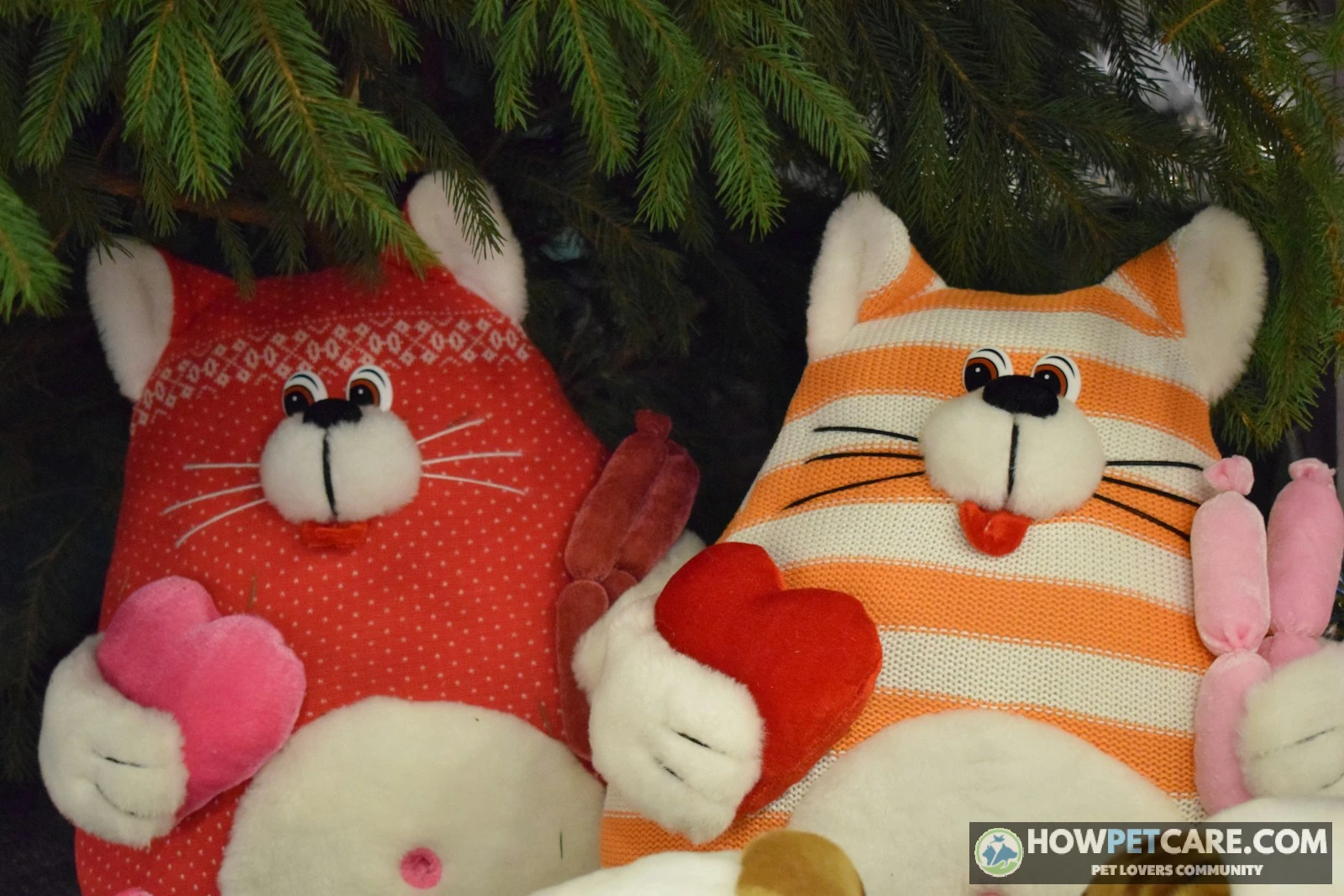

Easy ways to celebrate Valentine’s Day with animals:
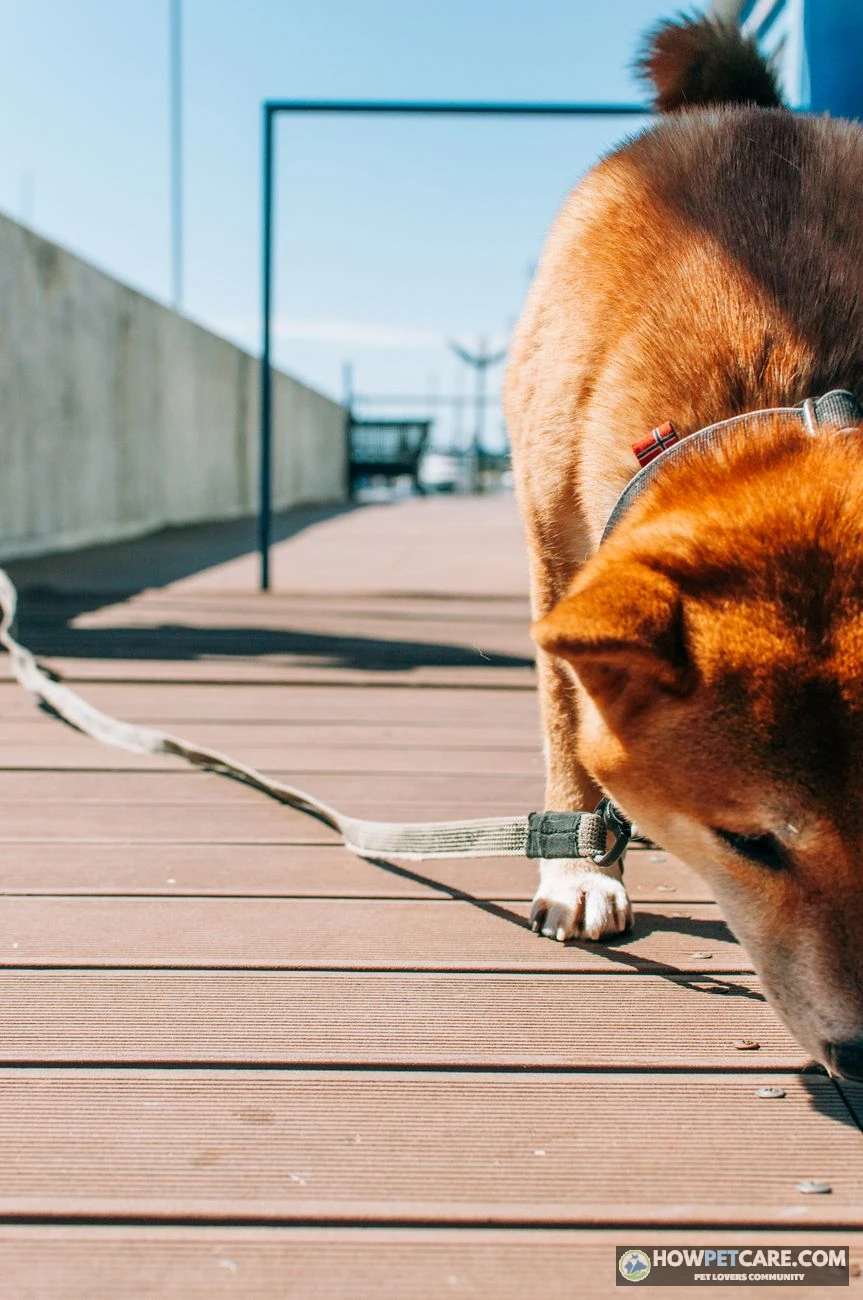
- Do a scent-trail walk, treat hunt or muffin-tin puzzle with your dog.
- Build a box fort, play hunt-catch-eat or set up bird-watching for your cat.
- Offer species-safe foraging or a new hide to rabbits, birds and small pets.
- Give a tiny pet-safe treat; keep treats under about 10% of daily calories.
- Keep chocolate, xylitol, lilies, ribbons and candles out of reach.
- Donate, foster or volunteer instead of surprise-gifting a pet.
Valentine’s Day for animals can be as simple as a sniff-filled walk, a cat-toy hunt or a donation to a local shelter. Pick something your animal already enjoys, offer a small pet-friendly treat and keep holiday hazards out of reach. Pets care about attention, routine and rewards—not the date—so an elaborate celebration isn’t necessary.
The ideas below include approximate costs, three recipes, gift guidance and an emergency plan for chocolate, lilies and other hazards. If your pet may already have been exposed, go straight to the emergency response card and call a veterinarian or poison-control service now.
12 Ways to Celebrate Valentine’s Day With Your Dog or Cat (and What Each Costs)
These are planning estimates for 2026, not price quotes. Supervise food puzzles and play, and keep chocolate, candles and loose ribbon away. If your pet seems overwhelmed or uninterested, choose something else.
Free and under-$15 ideas for dogs
- Take a scent-trail walk. Give your dog time to investigate smells along a familiar or new pet-friendly route. Where it’s safe, let your dog set the sniffing pace. Time: 20–30 minutes. Cost: $0.
- Set up a treat hunt. While your dog waits in another room, hide a few pieces of its regular kibble around one room. Invite your dog to search, starting with easy spots. Count the kibble toward the day’s meal. Time: 10 minutes. Cost: $0 if you’re using food you already have.
- Make a muffin-tin puzzle. Put a few pieces of kibble in some cups of a clean muffin tin. Cover those cups with balls too large to swallow, then let your dog investigate under supervision. Remove the balls if your dog starts chewing them. Time: 10 minutes. Cost: $0–$10.
- Practice a useful trick. Work on a hand target, a sit or going to a mat. Reward each success with a tiny dog-safe treat, and stop before either of you gets frustrated. Time: 5–10 minutes. Cost: $0–$5.
- Offer a lick mat. Spread a thin layer of your dog’s usual wet food on a pet-safe lick mat and chill it. If this is new to your dog, introduce the mat unfrozen first. Take it away if chewing starts. Time: 10 minutes, plus chilling. Cost: about $5–$15 for a mat.
Low-effort ideas for cats
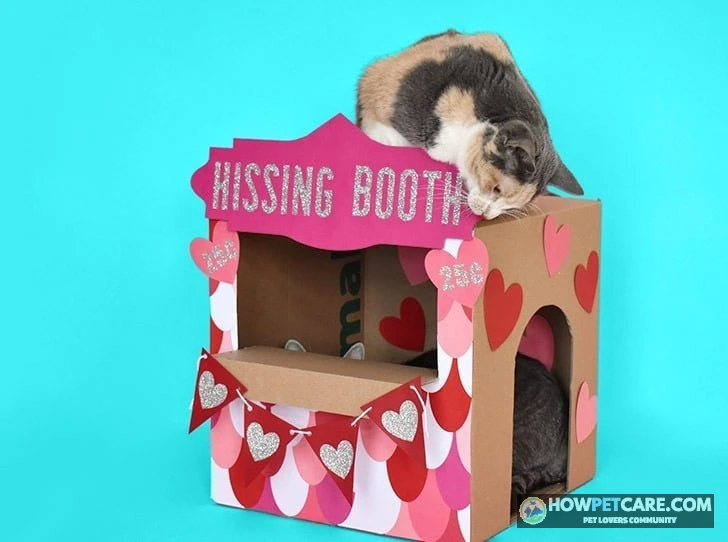
- Build a box fort. Cut two cat-sized openings in a clean cardboard box, remove tape and staples, and let your cat decide whether to explore. Leave an easy exit; don’t push your cat inside. Time: 10 minutes. Cost: $0.
- Play hunt, catch, eat. Move a wand toy like prey and let your cat catch it a few times. Finish with a small portion of the cat’s usual meal. Put the wand and string away afterward. Time: 5–10 minutes. Cost: $0–$15.
- Create a bird-watching station. Clear a stable windowsill or install a securely fitted perch, then open the curtains. Secure the window and screen, and let your cat leave whenever it likes. Time: 5 minutes. Cost: $0 if you already have a perch; purchased perches cost more.
- Rotate the toy basket. Put away a few familiar cat toys and bring one back later, or introduce a small heart-shaped toy with no detachable decorations. Some cats like catnip; others would rather bat around a crumpled paper ball. Time: 5 minutes. Cost: $0–$15.
Spa day, photo shoot and costume ideas that won’t stress your pet
- Offer a gentle grooming session. If your pet likes brushing, use its usual brush for a few minutes and check its paws and fur as you go. Stop if your pet moves away. Time: 5–15 minutes. Cost: $0 with a brush you own; a professional dog groom is often roughly $40–$100 or more, depending on size, coat and location.
- Take a low-pressure portrait. Find natural light and place a large, nonbreakable heart prop beside your pet, not on it. Take a few photos, reward cooperation and let your pet leave. Time: 5–10 minutes. Cost: $0–$10.
- Try a comfortable costume only if your pet accepts it. Choose something easy to remove that doesn’t restrict breathing, vision or movement. Watch for overheating or stress, and take it off right away if your pet resists. A photo without a costume is just as festive. Time: a few minutes. Cost: $0–$15.
Valentine’s Day Ideas for Rabbits, Birds, Guinea Pigs and Other Small Pets
Small pets need familiar routines and enrichment suited to their species—not necessarily the foods or toys marketed for dogs and cats. Introduce changes gradually, and ask an experienced veterinarian about unfamiliar foods or materials.
Rabbits and guinea pigs
Make a tunnel from plain, uncoated cardboard after removing tape and staples, or hide a little of the animal’s usual hay and greens for foraging. A few familiar, washed herbs such as cilantro can make a simple bouquet. Typical cost: $0–$15.
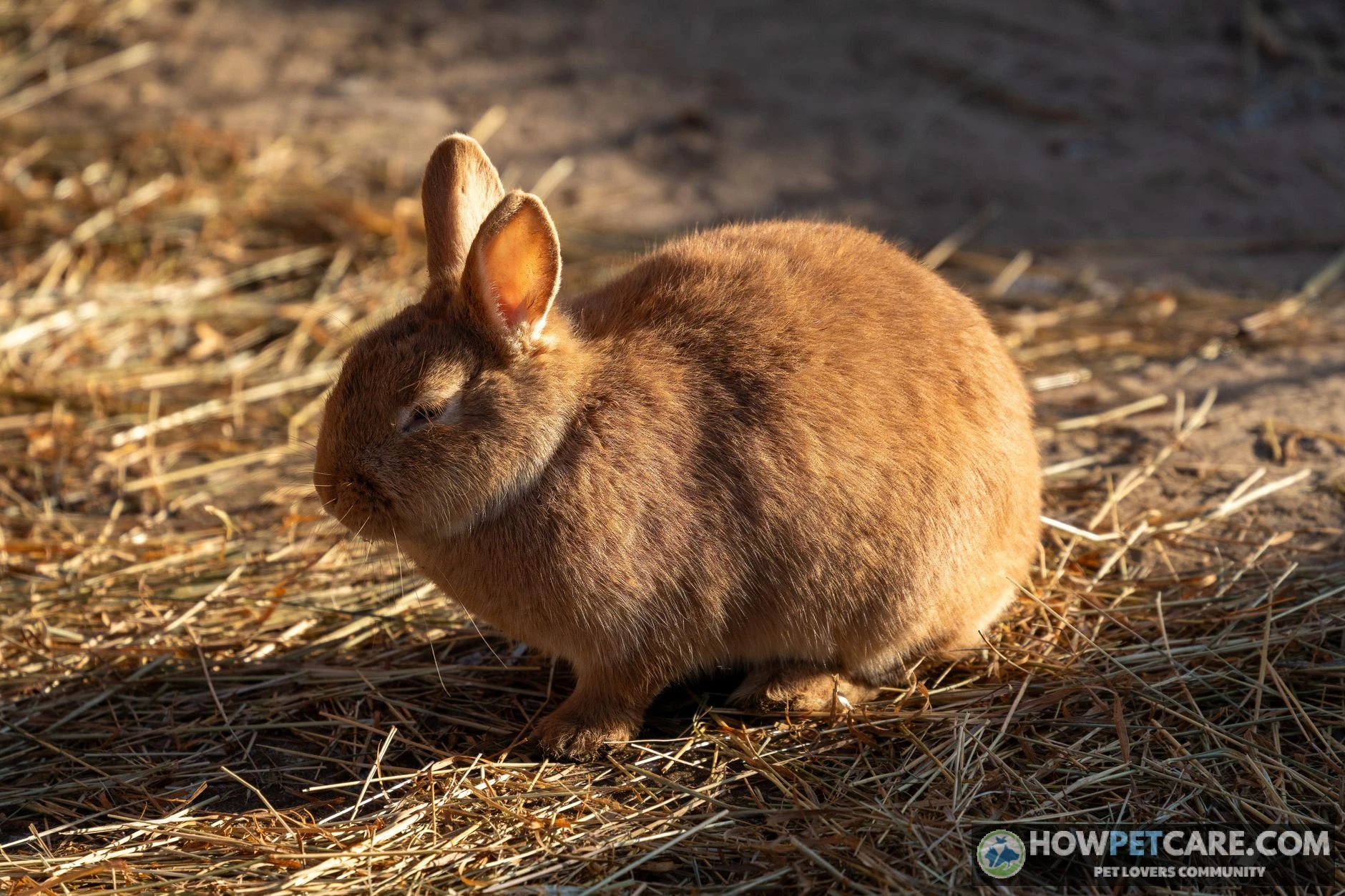
Choose: Hay-based foraging and appropriately sized hiding places. Skip: Unknown cut flowers, sugary gifts and large servings of fruit. Keep hay and the animal’s normal diet at the center of its meals. If your pet chews cardboard, make sure it doesn’t eat excessive amounts.
Birds
Offer a species-appropriate foraging toy or a plain-paper shredding activity. You could also spend supervised out-of-cage time together in a bird-safe room. Typical cost: $0–$15 for a simple activity.
Choose: Materials and foods already known to be safe for the species. Skip: Chocolate, avocado, scented candles and fumes from overheated nonstick cookware. Birds have sensitive respiratory systems, so keep fragrances and cooking fumes away from their living area.
Reptiles, fish and other low-handling pets
A hamster or rat may enjoy a deeper layer of its usual safe bedding for digging, or a supervised search for a portion of its normal food. For a reptile, consider a suitable new hide without disturbing its required temperature and humidity. For fish, maintain water quality and choose aquarium-safe decorations. Typical cost: $0–$15 for a simple addition.
Choose: Familiar care and enrichment suited to the species. Skip: Forced handling, sudden habitat overhauls and decorations that could trap or injure an animal. Reptiles and fish don’t need a holiday celebration. Keeping stress low is a better gift.
How to Help Shelter Animals and Wildlife on Valentine’s Day (and the Responsible Way to Handle Pet Adoption)
Ways to help your local animal shelter
Shelters often need more than money, but those needs change. Check the shelter’s wish list or call before dropping anything off.
- Donate requested towels, blankets, unopened food or enrichment toys.
- Ask whether you can sponsor an adoption fee or contribute to a medical-care fund.
- Apply to foster for a weekend or longer; the shelter can explain training and household requirements.
- Volunteer to walk dogs, socialize cats or help with laundry, transport or events.
- Organize a small workplace or school supply drive based on the shelter’s actual requests.

To find Valentine’s Day events for animal lovers near you, check local shelters’, humane societies’ and rescue groups’ websites or social pages. Confirm the date, registration requirements and pet policy before you go.
Should you give someone a pet for Valentine’s Day?
Adopt, don’t surprise-gift: Adoption can be a wonderful shared decision, but a pet shouldn’t arrive as an unexpected present. Shelter promotions can make it easier to meet animals; the recipient still needs to want the responsibility and choose the right match.
Before offering to fund an adoption, check that:
- The recipient genuinely wants a pet and everyone in the household agrees.
- Housing rules, allergies, schedules and other animals have been considered.
- The recipient can choose the animal and complete the shelter’s process.
- There’s a plan for supplies, veterinary care and the first weeks at home.
- The household can afford ongoing food, medical care and other expenses over a commitment that may last 10–20 years or more, depending on the animal.
Adoption fees vary by shelter and animal, often from tens to a few hundred dollars. Some include services such as vaccinations, a microchip or spay/neuter; ask what’s included. If the recipient isn’t ready, offer to visit a shelter together or ask whether it provides an adoption-fee gift certificate.
Wildlife-friendly actions that actually help
Plan a native pollinator garden for spring, keep cats indoors or safely contained, and ask a licensed wildlife rehabilitator which supplies it needs. If you offer outdoor water or appropriate bird food, keep the station clean and follow local wildlife guidance. Feeding can be inappropriate where it attracts bears or spreads disease.
If you find a young wild animal, don’t assume it’s orphaned or take it home. Contact a licensed wildlife rehabilitator for species-specific advice first.
Homemade Valentine’s Day Treats for Dogs and Cats: Three Recipes You Can Make Tonight
These recipes make occasional treats, not complete meals. Treats should generally account for no more than about 10% of daily calories; the rest should come from a complete diet. Ask your veterinarian before offering these treats if your pet has allergies, diabetes, kidney disease, a sensitive stomach or a prescribed diet. Introduce new ingredients in tiny amounts.
Use plain ingredients—no chocolate, raisins, grapes, onion, garlic, macadamia nuts or nutmeg. Check peanut butter and yogurt labels for xylitol, sometimes listed as birch sugar. Avoid added sweeteners and flavored products. After handling raw egg, wash your hands and equipment, and bake egg-containing treats thoroughly.
Peanut butter-banana heart biscuits for dogs
Ingredients
- 1 cup whole-wheat or oat flour
- 1/2 cup plain rolled oats
- 1 ripe banana, mashed
- 1/4 cup plain peanut butter with no xylitol or other added sweeteners
- 1 egg
- 2–4 tablespoons water, as needed
Method
- Heat the oven to 350°F and line a baking sheet with parchment.
- Mix the flour and oats. Stir in the banana, peanut butter and egg. Add enough water to make a workable dough.
- Roll the dough about 1/4 inch thick and cut it into small hearts or squares.
- Bake for about 15–18 minutes, until set and cooked through. Let the biscuits cool completely before serving.

Yield: Approximately 30 small biscuits, depending on cutter size. Refrigerate in a covered container for up to three days or freeze for up to three months. Discard any that develop an unusual smell or appearance. Break a biscuit into smaller pieces for a small dog.
If your dog has a peanut or grain allergy, don’t guess at a substitution. Use the dog’s usual safe food for a treat hunt, or ask your veterinarian for a suitable recipe.
Frozen strawberry-yogurt hearts for dogs
Ingredients
- 1 cup plain, unsweetened yogurt with no xylitol or other added sweeteners
- 1/2 cup washed, hulled and mashed strawberries
Method
- Mix the yogurt and strawberries.
- Spoon the mixture into a clean silicone mold in small portions.
- Freeze for 3–4 hours, until firm. Pop out one small piece and supervise your dog while it eats.

Yield: About 12 small pieces, depending on the mold. Store covered in the freezer for up to one month. Dairy can upset some dogs’ stomachs, so skip this recipe if yours doesn’t tolerate yogurt. A few small pieces of plain strawberry are an alternative if your dog tolerates them.
Tuna-egg heart bites for cats
Ingredients
- One 5-ounce can of tuna packed in water, with no added salt, drained
- 1 egg
- About 1/4 cup plain oat flour
Method
- Heat the oven to 350°F and line a baking sheet with parchment.
- Flake the tuna and mix it thoroughly with the egg and oat flour. Add a little more oat flour if needed to make the mixture easy to shape.
- Form small, thin hearts or pea-sized pieces on the sheet.
- Bake for about 10–12 minutes, or until cooked through. Check the center and allow more time if needed. Cool completely.

Yield: Approximately 20 small bites, depending on size. Refrigerate in a covered container for up to three days or freeze for up to one month. Offer only an occasional small bite, not a meal replacement; tuna isn’t a complete diet for cats.
Portion sizes and when to skip homemade treats
For a no-bake option, offer a small piece of plain, fully cooked, unseasoned chicken with no bones or skin. A small dog or cat might get a pea-sized piece; a larger dog can have a few small pieces. Calorie needs vary, so ask your vet about portions and adjust the regular food allowance accordingly. Skip treats if your pet is unwell or your veterinarian advises against them.
Valentine’s Day Foods, Flowers and Decorations That Are Dangerous for Pets
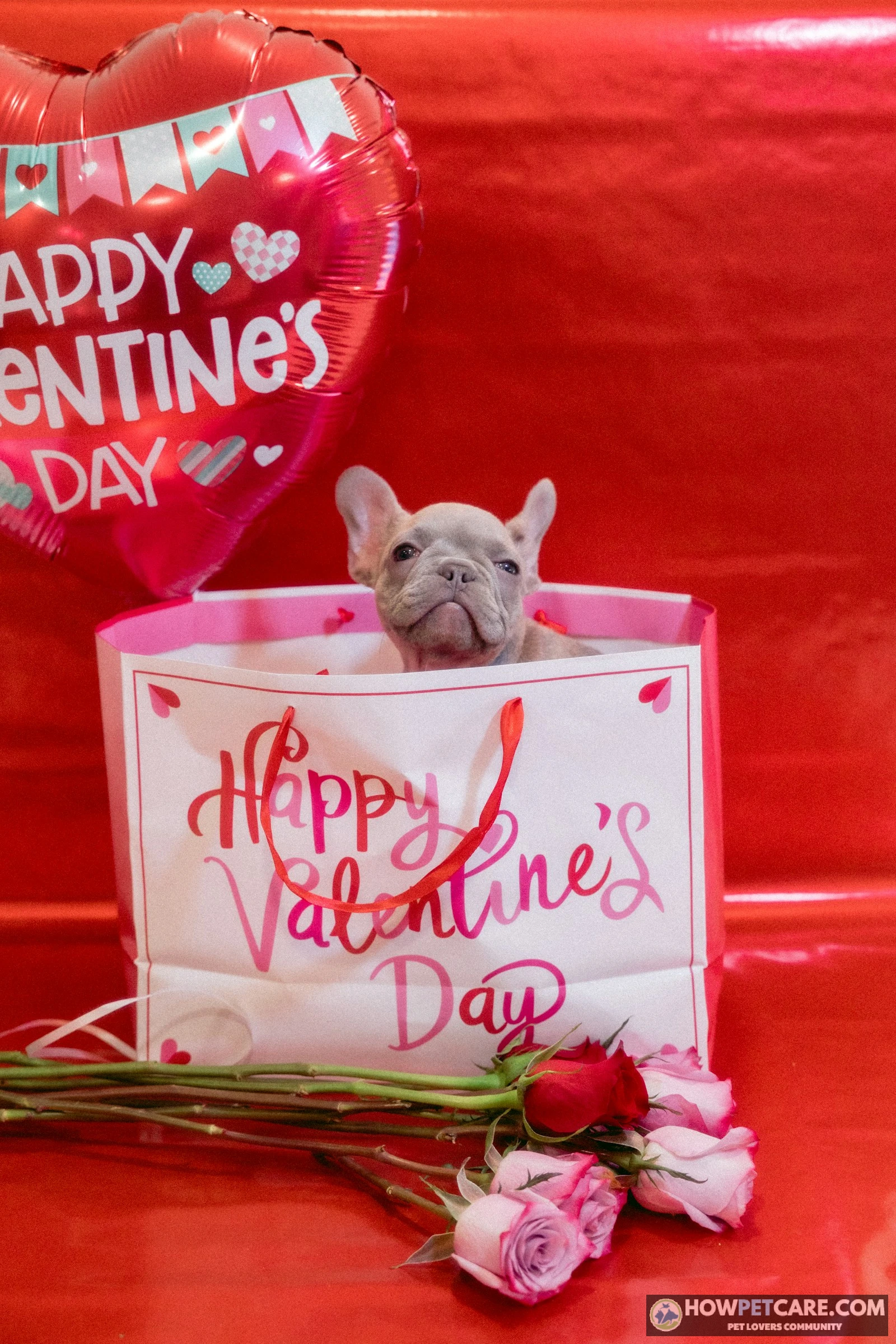
Keep chocolate, sugar-free sweets and bouquets behind closed doors, not just on a counter. Xylitol can be fatal to dogs, while chocolate’s methylxanthines can cause vomiting, diarrhea, a fast heart rate and seizures.
How much chocolate is dangerous by pet weight
Chocolate contains the stimulants theobromine and caffeine. Concentrations vary substantially by product: milk chocolate generally has less than dark chocolate, while unsweetened baking chocolate and cocoa powder are especially concentrated. White chocolate has very little theobromine, but its fat and sugar can still cause illness. It isn’t a safe treat.
Veterinary toxicology references commonly use approximately 20 mg of total methylxanthines per kilogram of body weight as a level at which mild signs can occur, with cardiac effects around 40–50 mg/kg and seizures around 60 mg/kg or more. These are approximate guideposts, not safe allowances. A veterinarian or poison specialist must assess the actual product, amount and animal.
The chocolate columns below use illustrative concentrations of about 60 mg/oz for milk chocolate, 150 mg/oz for dark or semisweet chocolate and 390 mg/oz for baking chocolate. Actual concentrations differ, and the calculations include the relevant methylxanthines, not just theobromine.
How much xylitol is dangerous by pet weight
In dogs, approximately 0.1 g of xylitol per kg can cause dangerously low blood sugar; around 0.5 g/kg is associated with a risk of liver injury. Lower or uncertain exposures still warrant an immediate call. Amounts in gum, candy, mints, baked goods and some peanut butters vary, and labels may not state the quantity. Cats are less well studied; call a veterinarian or poison-control service for any suspected exposure rather than assuming it’s safe.
| Dog weight | Milk chocolate: approximate amount at 20 mg/kg | Dark or semisweet: approximate amount at 20 mg/kg | Baking chocolate: approximate amount at 20 mg/kg | Xylitol: low-blood-sugar risk, about 0.1 g/kg | Xylitol: liver-injury risk, about 0.5 g/kg |
|---|---|---|---|---|---|
| 10 lb / 4.5 kg | 1.5 oz | 0.6 oz | 0.23 oz | 0.45 g | 2.25 g |
| 20 lb / 9.1 kg | 3 oz | 1.2 oz | 0.47 oz | 0.91 g | 4.55 g |
| 50 lb / 22.7 kg | 7.6 oz | 3 oz | 1.2 oz | 2.27 g | 11.35 g |
| 80 lb / 36.3 kg | 12.1 oz | 4.8 oz | 1.9 oz | 3.63 g | 18.15 g |
Worked example: For a 20-pound dog, 1.5 ounces of milk chocolate at the table’s assumed concentration supplies about 90 mg of methylxanthines, or about 10 mg/kg. One ounce of baking chocolate at the assumed concentration supplies about 390 mg, or about 43 mg/kg. Call about either exposure: the product may differ from the assumption, and wrappers, other ingredients and the dog’s health matter too.
These calculations are for dogs, not cats. Cats can also be poisoned by chocolate, so call for any suspected ingestion. Don’t wait for an amount in the table to be reached before seeking advice. The ASPCA Animal Poison Control Center or Pet Poison Helpline can assess a specific exposure.
Keep alcohol, grapes and raisins, macadamia nuts, onion and garlic away from pets as well. Rich or fatty desserts can cause digestive upset and may contribute to pancreatitis. Keep plates, wrappers and leftovers out of reach during dinner.
Valentine’s flowers: which are risky for cats and which for dogs
The plant’s identity matters. True lilies and daylilies are especially dangerous to cats: pollen or vase water can be involved in an exposure that leads to kidney failure. Other plants with “lily” in the common name have different effects. Ask a veterinarian or poison specialist to identify the plant rather than assuming its name tells you the risk.
| Flower or plant | Risk to dogs | Risk to cats | Typical signs or concern | What to do |
|---|---|---|---|---|
| True lilies and daylilies | Generally digestive upset if eaten | Emergency: potentially fatal kidney injury | Vomiting or reduced appetite may occur; kidney injury may develop even if the cat initially seems well | For any cat exposure, call an emergency vet and go immediately; bring identification or a photo |
| Roses | Generally low toxicity | Generally low toxicity | Thorns can injure the mouth, paws or digestive tract | Remove access; call a vet for injury, symptoms or swallowed stems |
| Tulips | Toxic, particularly bulbs | Toxic, particularly bulbs | Drooling, vomiting or diarrhea | Call a vet or poison service with the plant and amount |
| Daffodils | Toxic, particularly bulbs | Toxic, particularly bulbs | Vomiting, diarrhea, drooling; larger exposures can be serious | Call a vet or poison service promptly |
| Carnations | Mildly toxic | Mildly toxic | Digestive upset or skin irritation | Remove access and call for advice if exposed or symptomatic |
| Chrysanthemums | Toxic | Toxic | Vomiting, diarrhea, drooling or skin irritation | Call a vet or poison service |
| Baby’s breath | Mildly toxic | Mildly toxic | Vomiting or diarrhea | Remove access and call for advice if eaten or symptoms develop |

Even a bouquet of low-toxicity flowers may contain hazardous filler plants, pesticides, thorns or preservatives. When in doubt, keep the whole arrangement out of reach.
Ribbons, candles, batteries and other hidden hazards
Ribbon and string can lodge in the digestive tract; balloons and wrapping can also pose choking or obstruction risks. If string is hanging from your pet’s mouth or rear, don’t pull it. Contact a vet immediately. Keep candles and hot wax away from animals, and avoid scented products around pets, particularly birds. Glitter, potpourri and essential oils can also cause problems if inhaled, spilled or swallowed.
Button batteries in singing cards are an urgent ingestion hazard. If one is missing or may have been swallowed, contact an emergency vet immediately. Don’t wait for symptoms.
What to Do Right Away If Your Pet Eats Chocolate or Chews a Lily: An Emergency Response Card
The 5-step emergency checklist
- Remove the pet from the source. Take away remaining food, plant material or packaging without putting yourself at risk. Don’t wait for symptoms.
- Gather the facts. Note your pet’s species and weight, the product or plant, the likely amount and the time of exposure. Keep packaging and ingredient lists; take a photo of the plant if useful. Don’t delay the call to collect every detail.
- Call a veterinarian, emergency veterinarian or poison-control service immediately. Follow their directions about whether to travel to a clinic. If your pet is collapsing, having seizures or struggling to breathe, go to an emergency clinic immediately and call ahead if possible.
- Don’t improvise treatment. Don’t induce vomiting or give hydrogen peroxide, food, medication or other home remedies unless a veterinarian or poison expert specifically tells you to.
- Follow instructions and report changes. Vomiting, diarrhea, drooling, restlessness, weakness, a rapid heart rate, tremors and seizures are important signs. Chocolate symptoms can take several hours or longer to appear; a pet that looks normal isn’t necessarily in the clear.
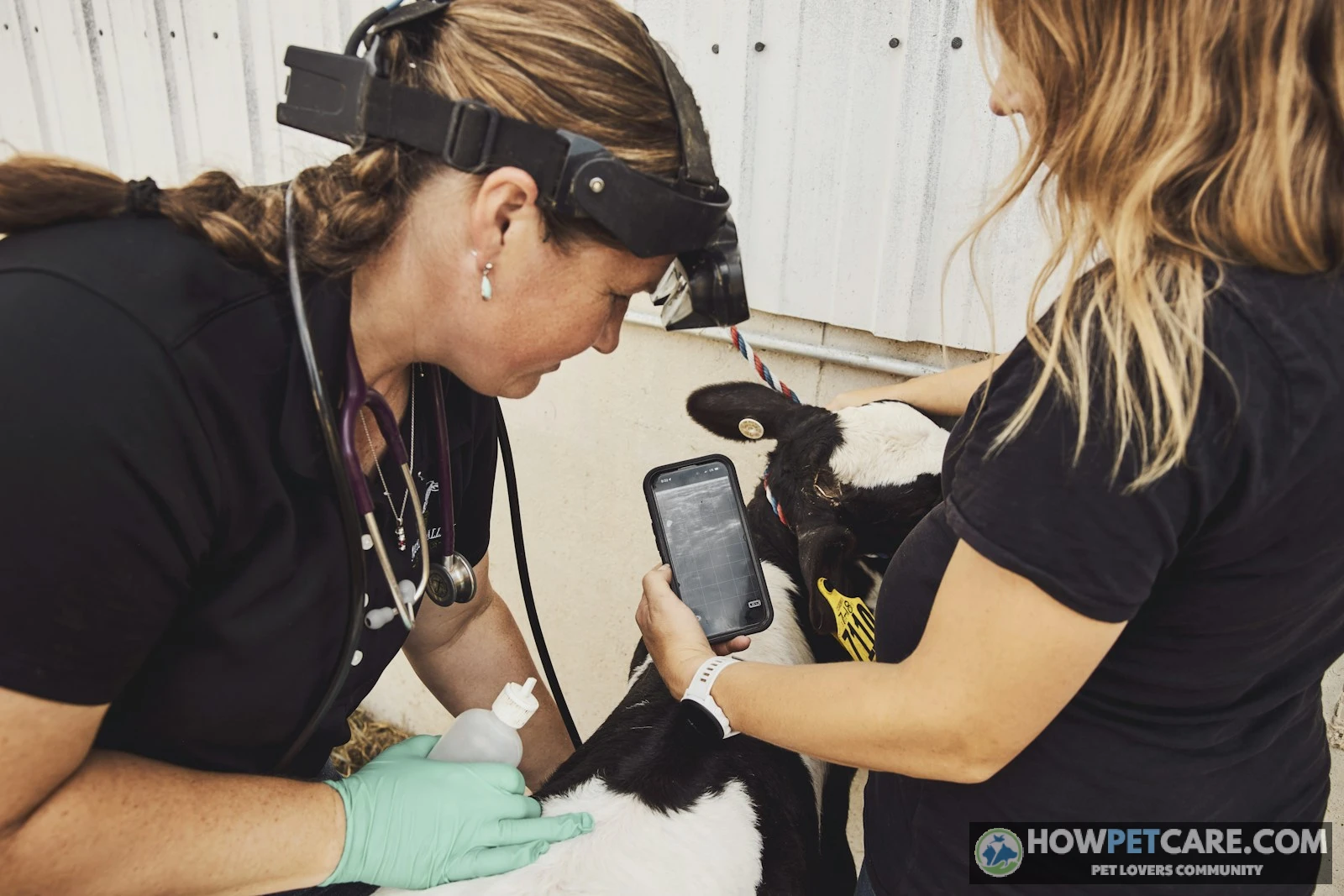
Poison-control numbers to save now
- ASPCA Animal Poison Control Center: (888) 426-4435
- Pet Poison Helpline: (855) 764-7661
Both services are available around the clock; consultation fees may apply. Save your regular veterinarian’s number and the nearest emergency clinic’s number too.
Lily and cat emergencies: why waiting is dangerous
If a cat chews a suspected true lily or daylily, licks pollen from its fur or drinks vase water, call an emergency vet and go immediately, even if the cat seems fine. Early treatment matters because kidney injury can develop quietly. Bring the bouquet label, a photo or a sample if you can collect it without delaying departure.
Depending on the exposure, veterinary care may include decontamination, blood tests, IV fluids and monitoring. Costs vary widely by location, treatment and length of hospitalization; ask the clinic for an estimate and discuss financial constraints as soon as possible.
Best Valentine’s Day Gifts for Pets: Categories, Picks and What They Cost
The best Valentine’s Day gifts fit the animal’s size, play style and health needs, rather than relying on a holiday theme. These approximate 2026 planning ranges vary by retailer and region.
Toys and enrichment gifts
| Gift category | Best for | Approximate price range | Safety or buying note |
|---|---|---|---|
| Heart-shaped plush or cat toys | Gentle players and cats | $5–$15 | Avoid loose parts; remove damaged toys and supervise chewing |
| Puzzle toys, snuffle mats and lick mats | Dogs or cats who enjoy food-based enrichment | $10–$40 | Match difficulty and size to the pet; supervise use |
| Treats and chews | Pets whose diets allow them | $5–$20 | Check ingredients and choose an appropriate size; ask a vet about hard chews |
| Subscription boxes, such as BarkBox-style boxes | Dogs who enjoy variety | About $25–$45 per month | Check recurring charges, toy durability and dietary suitability |
| Beds, harnesses and window perches | Comfort or practical upgrades | $20–$80 or more | Measure carefully; secure perches and check harness fit |
| ID tags and custom portraits | Pet owners and practical gift-givers | $10–$30 for a tag; $30–$150 or more for art | Verify contact details on tags; portraits are for the person, not the pet |
| Grooming, photos or a park visit | Pets comfortable with the activity | $0–$100 or more | Check local rates and skip unfamiliar experiences for anxious pets |
Choose toys too large to swallow and inspect them regularly. Heavy chewers may need durable alternatives to plush toys; no toy is indestructible. Look for credible independent testing where available, but don’t assume a label guarantees safety.
Treats, subscription boxes and keepsakes
Read the full ingredient list on packaged pet treats, especially if your pet has allergies. Avoid chocolate and xylitol. For dog-specific inspiration, see Valentine’s ideas for dogs before you shop. For a friend who loves animals, a portrait, a shelter donation in their name or an invitation to volunteer together may be more useful than buying something for their pet without checking first.
Gifts by budget
- $0: A new walking route, a box fort or a meal-based treat hunt.
- Under $15: A simple cat toy, small dog toy or an appropriate treat.
- Under $40: A puzzle feeder, snuffle mat or engraved ID tag.
- Splurge: A well-fitted bed, custom portrait or subscription that suits the animal.
Valentine’s Day Names, Puns and Card Messages for Your Pet
Valentine names for dogs, cats and small pets
For a playful dog, try Cupid, Biscuit or Honey. For a cat, consider Juliet, Romeo or Velvet. Sweetpea, Berry and Button are cheerful options for a rabbit, guinea pig or other small companion. Choose a name that will still suit the animal after February.
Puns and one-liners for cards and captions
Try “Fur-ever yours,” “You make my tail wag,” “Purr-fect match” or “Be mine, I’m feline fine.” For a social caption: “My Valentine has four legs and zero opinions about my music.” Suggested tags include #ValentinesDay, #PetValentine and #AdoptDontShop.
Use natural light for photos, avoid revealing your address or other personal details, and let your pet walk away when the session ends.
Message ideas from your pet, to your pet and to shelters
- From a pet to a person: “You fill my bowl, scratch the right spot and let me hog the couch. Fur-ever yours. — [pet name]”
- To a pet: “You’re the reason I come home on time. Happy Valentine’s Day, [pet name].”
- For a child’s classroom card: “You’re PAWS-itively awesome!” or “Have a TURTLE-y great Valentine’s Day!”
- With a shelter donation: “A little love for the animals waiting for their person. Happy Valentine’s Day.”
- With an adoption-fee gift: “When you’re ready, let’s visit the shelter together.”
For a DIY card, arrange a photo beside a paper heart, or draw a paw-print heart. If you use washable ink for an actual paw print, first check with your veterinarian that it’s suitable. Never force your pet to participate, and clean its paw immediately so it can’t lick the ink.
Your Pet-Safe Valentine’s Day Plan: A Checklist and How to Choose
Choose one plan:
- Busy day: Spend five minutes on a treat hunt using your pet’s normal food. Gift: extra attention.
- Small budget: Make a box fort or take a scent-trail walk. Gift: a clean, reused cardboard box for a cat who enjoys it.
- Anxious pet: Keep the usual routine and offer a familiar resting place. Gift: a quiet, undisturbed nap.
- Multi-pet home: Give each animal a separate play session or food puzzle to reduce competition. Gift: individual toys suited to each pet.
- Small-pet household: Provide species-appropriate foraging or a safe hide. Gift: suitable enrichment rather than a shared dog-or-cat treat.
Before the day
- ☐ Save both poison-control numbers and locate the nearest emergency veterinarian.
- ☐ Put chocolate, sugar-free sweets, bouquets, candles and ribbon where pets can’t reach them.
- ☐ Check treat ingredients for xylitol and choose an activity your pet already enjoys.
On the day
- ☐ Prepare or buy a suitable treat and serve a small portion.
- ☐ Try the activity, watch your pet’s reactions and stop if it seems stressed.
- ☐ Tell guests and children which foods are off-limits; take photos only if your pet is comfortable.
Afterward
- ☐ Put wrappers and ribbons away, and dispose of flowers in a secured trash container.
- ☐ Wash feeding toys and store wand toys out of reach.
- ☐ To carry the celebration forward, make a shelter donation or ask about fostering.
This guide covers several kinds of animals. Apply the same safety checks to other holidays, such as Halloween pet safety, and seek species-specific advice when your pet’s needs call for it.
FAQ
Is white chocolate safe for dogs and cats?
White chocolate contains very little theobromine, so it rarely causes chocolate poisoning. It is still high in fat and sugar and can cause vomiting, diarrhea or pancreatitis, so it is not a safe treat.
How long after eating chocolate do pets show symptoms?
Signs such as vomiting, restlessness and a fast heart rate usually start within a few hours, and some can appear later. Call a vet or poison hotline as soon as you know your pet ate chocolate rather than waiting for symptoms.
Do pets actually know it’s Valentine’s Day?
No. Pets respond to attention, routine changes and rewards, not the date. That means a walk, a play session or a safe treat is a meaningful celebration for them.
Are scented candles and essential-oil diffusers safe around pets?
They can be a problem. Open flames are a burn and fire risk, and some essential oils and strong fragrances can irritate or poison pets, especially cats and birds. Use unscented options or keep scented products out of rooms where pets spend time.
Where can I find Valentine’s Day events for animal lovers near me?
Check your local shelter, humane society and rescue group websites and social pages for adoption events, supply drives and fundraisers. Call ahead to confirm dates, pet policies and whether you need to register.