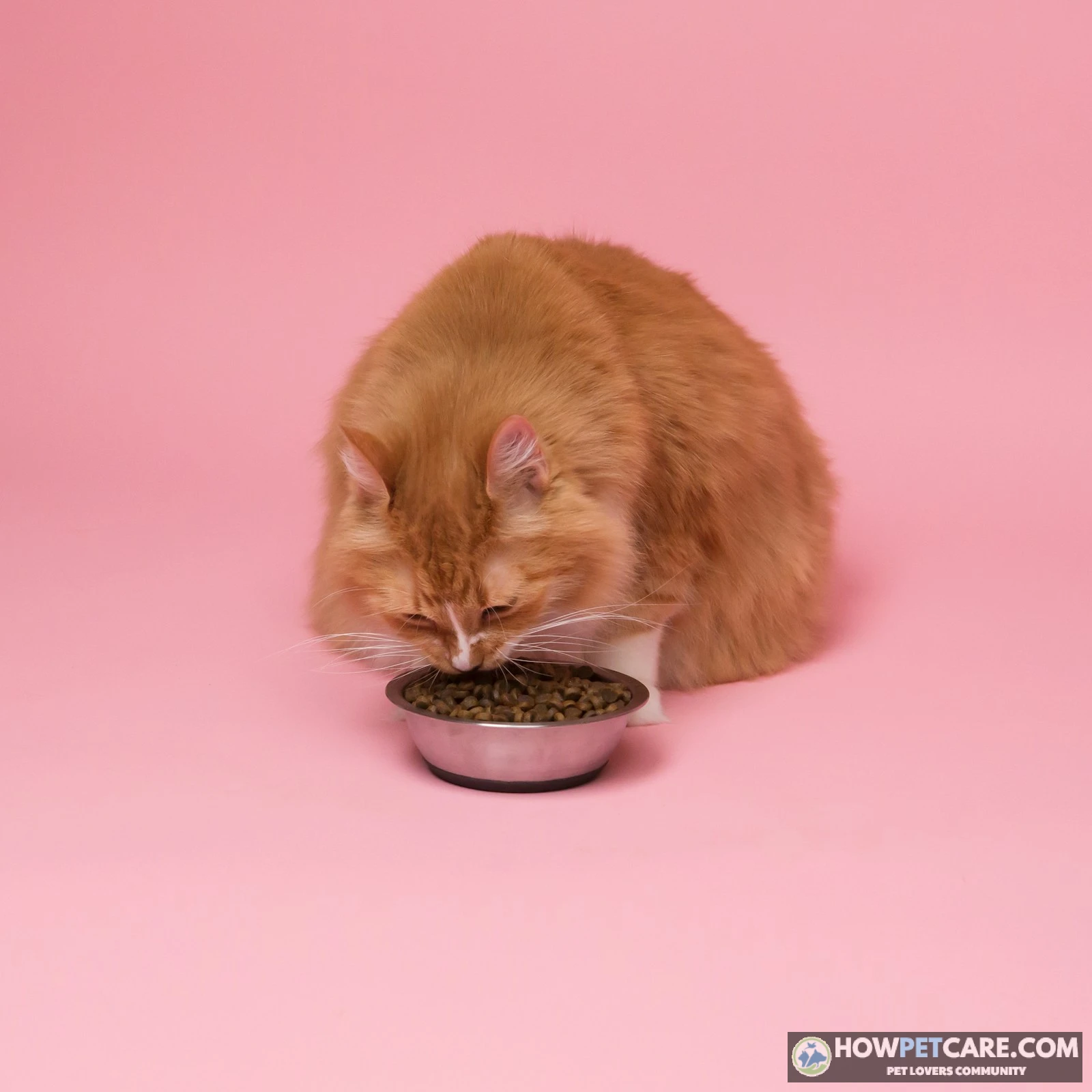

Most cats don’t need grain-free cat food — removing grains has no proven health benefit for healthy cats. It makes sense if your vet has confirmed a grain allergy or you prefer a particular recipe. What matters is a complete, balanced diet suited to your cat’s life stage.
Is Grain-Free Cat Food Good for Cats? The Short Verdict
Grain-free cat food can be a good choice if it’s complete and balanced for your cat’s life stage, but removing grains has no proven health benefit for most cats. Cats need a properly formulated diet, not a grain-free label. If your cat is thriving on a complete grain-inclusive food, there’s usually no evidence-based reason to switch.
A confirmed grain allergy can make it important to avoid that grain. But for an itchy cat or one with a sensitive stomach, switching to grain-free food is often the wrong first move: food allergies in cats more commonly involve proteins such as chicken, beef, or fish. Talk to your veterinarian about persistent symptoms.
The grain-free diet controversy deserves context, too. The FDA investigated reports of dilated cardiomyopathy, or DCM, primarily in dogs. Evidence in cats is much more limited, and a diet-related cause in cats has not been established.
This guide explains the label, the heart-health question, and what to compare before you shop. The product suggestions are shopping candidates, not hands-on test results. Current package labels, product nutrition figures, and retailer prices weren’t independently verified for this draft. Check them before buying rather than treating estimates as facts.
Who should consider grain-free cat food
A grain-free diet may be appropriate if your veterinarian has identified a reaction to a particular grain, or if you prefer a recipe that meets your cat’s nutritional needs without grains. It can also be one way to find a lower-starch food, but only if the actual nutrient analysis supports that choice.
Who can skip it without worry
A healthy cat eating a suitable complete-and-balanced grain-inclusive diet doesn’t need a change simply because the food contains grain. A grain-free claim is no substitute for a life-stage statement, good formulation, or manufacturer quality control.
Should your cat go grain-free? A two-minute checklist
Work through these questions in order:
- Has your vet identified a dietary need? A confirmed grain reaction means avoiding the relevant ingredient. If your vet recommends a lower-carbohydrate diet, compare actual nutrient data rather than assuming a grain-free recipe is low-carb.
- Is your cat itchy or experiencing ongoing digestive problems? Arrange a veterinary visit before buying a series of new foods. A protein-focused elimination trial may be more useful than removing grains.
- Is this a preference rather than a medical need? Grain-free can be a reasonable choice, but compare its adequacy statement, calories, nutrient analysis, and cost with your current food.
- Is your cat a kitten, senior, pregnant, on a prescription diet, or living with a heart, kidney, or urinary condition? Ask your vet which nutritional priorities should come first. A cat losing weight or refusing food also needs veterinary advice, not an experimental food change.
A complete and balanced food suited to your cat is more important than the presence or absence of grain.
What “Grain-Free” Actually Means on a Cat Food Label
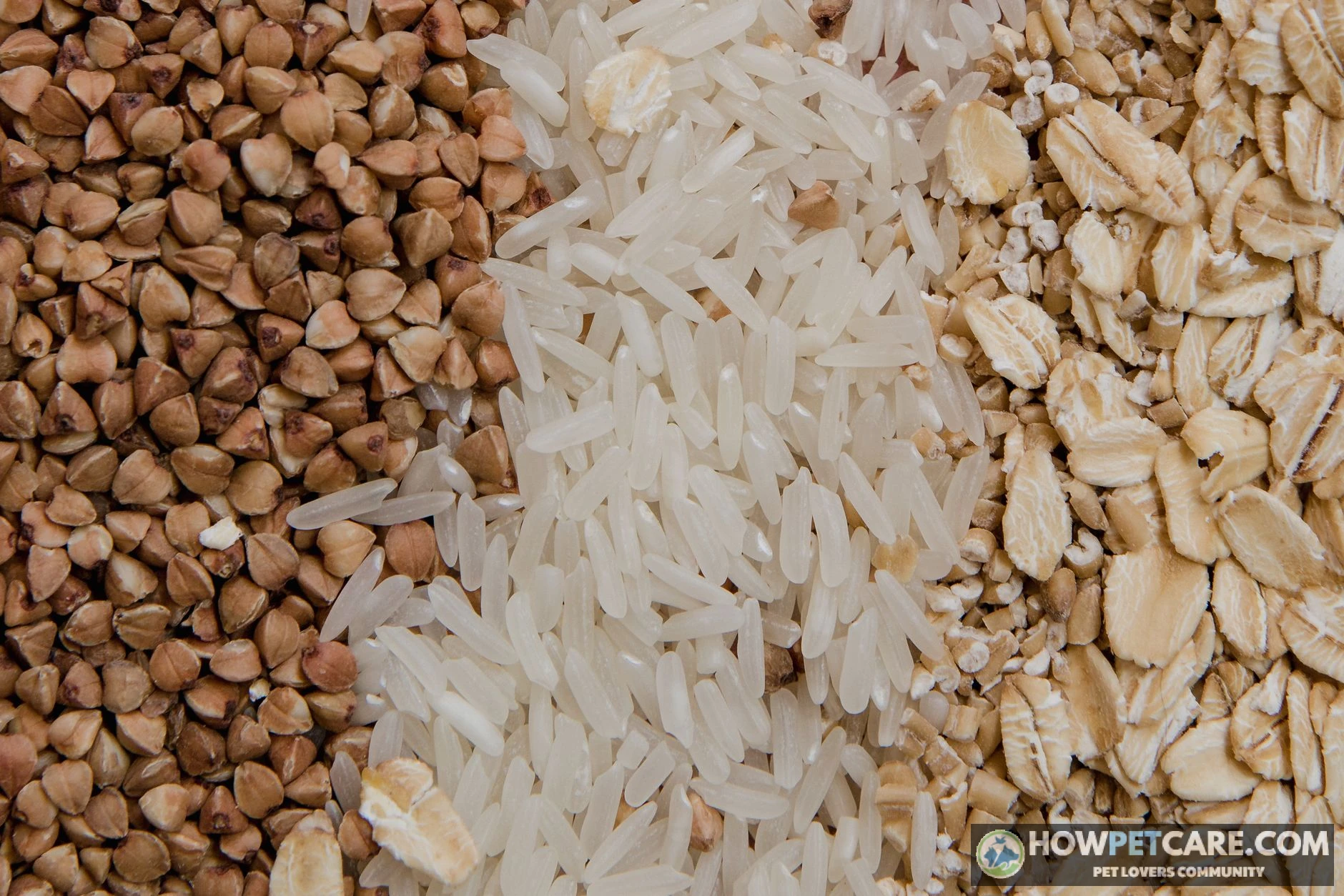
A grain free cat food is made without cereal grains such as wheat, corn, rice, barley, and oats. Manufacturers may replace them with ingredients such as potatoes, peas, lentils, chickpeas, or tapioca. Purina, for example, describes lentils and potatoes as alternative carbohydrate sources in grain-free recipes.
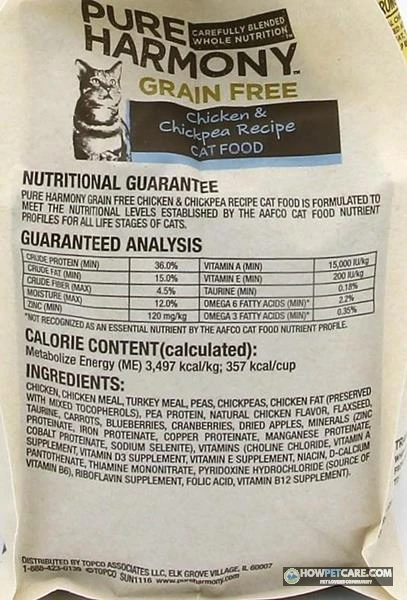
The phrase describes an ingredient choice. It doesn’t, by itself, establish nutritional adequacy or a particular protein or carbohydrate level. Look elsewhere on the package for the nutritional adequacy statement. It typically says that the food is complete and balanced for a specified life stage under AAFCO nutrient profiles or feeding-test protocols. AAFCO sets model standards; it doesn’t individually approve or certify every bag or can.
Grain-free vs. gluten-free vs. limited ingredient
Gluten-free and grain-free aren’t synonyms. Rice is a grain but doesn’t contain wheat gluten, so a gluten-free food can contain grain.
A limited-ingredient diet is marketed as having fewer ingredients or ingredient sources. It isn’t necessarily grain-free or suitable for diagnosing an allergy. “Natural” and “no fillers” are also marketing descriptions, not assurances that the food is nutritionally complete.
The term “filler” has no single useful nutritional definition on a pet food label. By-products aren’t automatically poor ingredients, either: animal organs and other permitted animal parts can provide valuable nutrients. Judge the finished diet and the manufacturer’s quality controls rather than assuming every unfamiliar ingredient is harmful.
Why “no grains” doesn’t mean “low carb”
A food can replace rice with potato or peas and still contain substantial starch. Grain-free dry kibble in particular may rely on starch-containing ingredients for texture and manufacturing. To compare products, estimate carbohydrate from their analyses on the same moisture basis. Don’t rely on front-of-package claims.
Grain-Free vs. Regular Cat Food: What Obligate Carnivore Biology and Veterinary Evidence Say
Cats are obligate carnivores: they need adequate protein and have dietary requirements for nutrients associated with animal tissues, including taurine. That doesn’t mean every ingredient in their food must be meat or that cooked grains are inherently harmful. Cats can digest properly prepared starch, and grains can contribute nutrients and energy to a balanced recipe.
The more useful question is whether the whole formula supplies the right nutrients, calories, and digestibility for your cat. Removing grain alone hasn’t been shown to improve digestion, produce a shinier coat, or extend a cat’s life.
Grain-free vs. grain-inclusive: side by side
| Factor | Grain-free | Grain-inclusive | What the evidence says |
|---|---|---|---|
| Starch source | May use potatoes, legumes, or tapioca | May use rice, corn, wheat, or other grains | Both can contain meaningful carbohydrate |
| Protein | Varies by recipe | Varies by recipe | Compare the nutrient analysis and overall formulation, not the grain claim |
| Allergy suitability | Avoids grains but may contain familiar animal proteins | May contain a grain a particular cat reacts to | The individual trigger matters more than the category |
| Nutritional adequacy | Can be complete or supplemental | Can be complete or supplemental | Check the AAFCO adequacy statement and life stage |
| Health advantage | Not established from grain removal alone | Not established from grain inclusion alone | A suitable, well-formulated diet matters more |
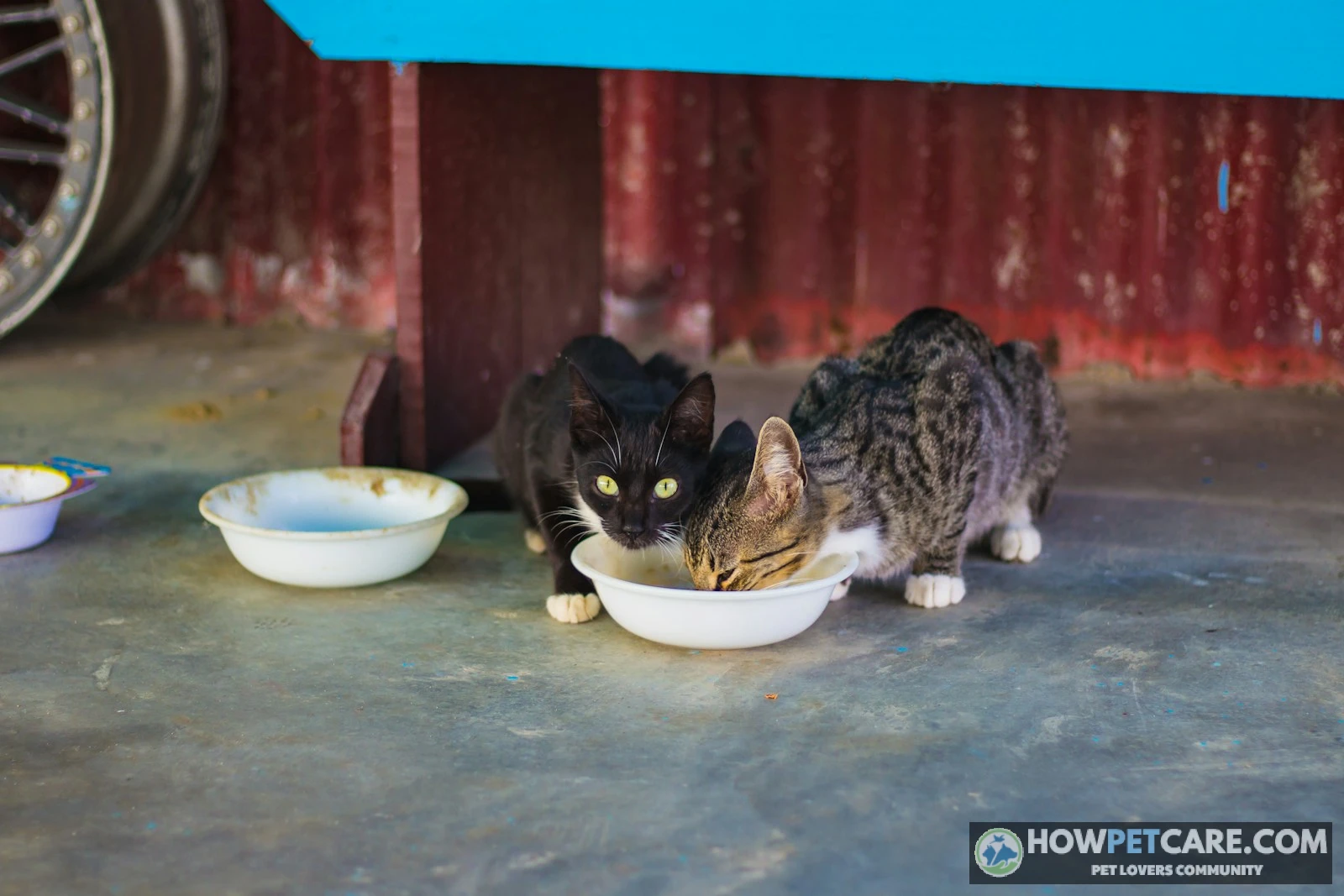
What the evidence does and doesn’t show
Some veterinarians may recommend a particular grain-free food because its overall composition, texture, or ingredient profile suits a patient, not because every cat should avoid grains. A “veterinarian recommended” claim on packaging isn’t a substitute for advice about your own cat.
When comparing manufacturers, ask who formulates the food, what nutrition training they have, what quality-control procedures the company uses, and whether it can provide typical nutrient analyses. The World Small Animal Veterinary Association’s pet food selection guidance offers useful questions for manufacturers. Meeting AAFCO standards is an important starting point, but the statement alone doesn’t answer every question about a food’s quality or suitability.
Is Grain-Free Cat Food Linked to Heart Disease? The DCM Question, Explained Without Panic
Dilated cardiomyopathy is a disease in which the heart muscle becomes weakened and enlarged, reducing its ability to pump effectively. Taurine deficiency was historically an important cause of DCM in cats. Cats require dietary taurine, and complete commercial cat foods are formulated to meet their taurine needs.
In 2018, the FDA began investigating reports of DCM in pets, especially dogs eating certain diets, many labeled grain-free and containing ingredients such as peas, lentils, or potatoes. The reports raised questions about diets and formulation; they did not prove that removing grain causes heart disease.

Does the FDA investigation apply to cats?
The investigation included some cat reports, but it was driven overwhelmingly by dogs. Reports to a regulator are useful signals, but they don’t establish how often disease occurs among all animals eating a food. On their own, they can’t show that a diet caused an individual case.
In its December 2022 public update, the FDA said it had not established a definitive causal link and did not plan further public updates until there was meaningful new scientific information. This draft can’t independently verify whether a subsequent update appeared, so check the agency’s latest DCM material before relying on that status in 2026.
For cats specifically, the evidence is too limited to quantify a grain-free-associated risk or rule one out. Potential influences include the full diet, nutrient availability, other medical conditions, and inherited predisposition. It would be misleading to say either that grain-free food causes feline DCM or that the question is definitively settled.
Taurine: what to look for on the label
Choose a complete-and-balanced cat food appropriate for your cat’s life stage. Taurine may appear in the ingredient list or guaranteed analysis, but seeing the word alone doesn’t prove that a finished food provides an adequate, usable amount. Formulation, manufacturing, and quality control matter as well. Don’t add a taurine supplement or replace a therapeutic diet without veterinary direction.
What to do if you already feed grain-free
There’s no reason to panic or abruptly discard a food solely because it’s grain-free. Check its adequacy statement and ask the manufacturer about formulation expertise and quality control. If you have concerns, discuss your cat’s full diet history with your veterinarian.
Rapid or labored breathing, marked lethargy, or collapse warrants urgent veterinary assessment. These signs have many possible causes and cannot be diagnosed from a food label.
Grain-Free Cat Food for Sensitive Stomachs and Allergies: Why Protein Is the Usual Culprit
Food allergies in cats more often involve proteins—including common animal ingredients such as chicken, beef, and fish—than grains. A grain-free chicken food can still contain the ingredient that causes a chicken-allergic cat’s reaction.
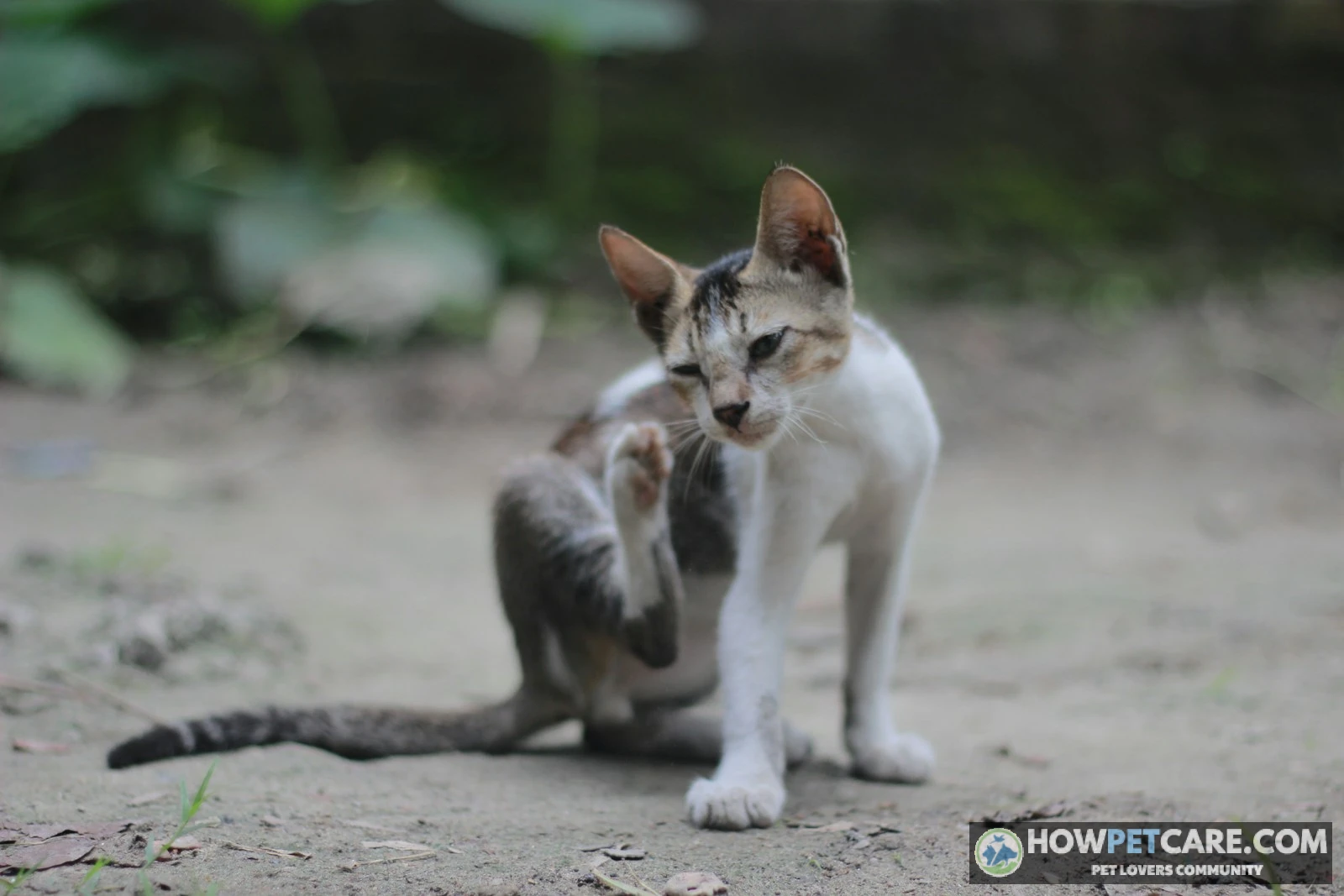
Itching, skin or ear problems, vomiting, and diarrhea can occur with food allergy, but they have many other causes, too. A veterinarian can help rule out parasites, infection, and other conditions before you spend money on repeated food changes.
Food allergy vs. food intolerance in cats
A food allergy involves the immune system. A food intolerance or digestive sensitivity doesn’t necessarily involve it. “Sensitive stomach” is a description, not a diagnosis: a sudden food change, the amount of food, fat content, fiber, or a separate illness could all be relevant.
A cat with occasional mild digestive upset doesn’t automatically need a grain-free or limited-ingredient diet. Persistent symptoms, blood in stool, repeated vomiting, weight loss, or reduced appetite deserve veterinary attention.
How an elimination diet works
If your vet suspects a food allergy, they may recommend a carefully controlled trial using either a novel protein your cat hasn’t previously eaten or a veterinary hydrolyzed diet, in which proteins are broken into smaller components. Trials commonly run for roughly 8–12 weeks, depending on the signs and the veterinarian’s protocol.
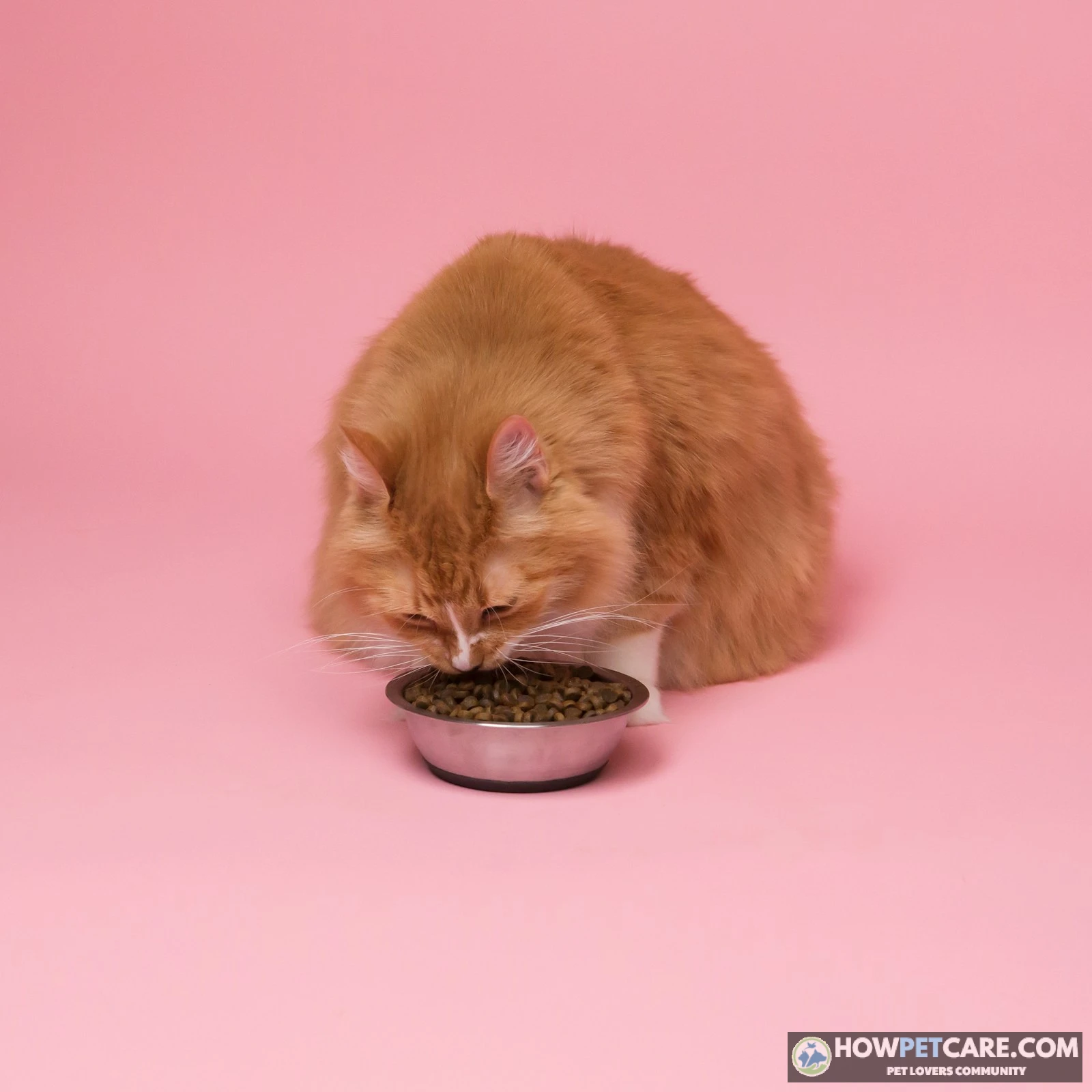
The trial must account for treats, flavored medications, supplements, and food stolen from other pets. Your veterinarian may also recommend a controlled reintroduction to help confirm whether a food is responsible. An over-the-counter limited-ingredient recipe isn’t automatically equivalent to a veterinary elimination diet; ingredient exposure and manufacturing controls can complicate interpretation.
When a limited-ingredient grain-free food makes sense
A complete limited-ingredient food may be a practical everyday option if its ingredients suit your cat and your vet agrees. The animal protein must actually be new to that cat to qualify as novel. A rabbit recipe isn’t novel for a cat that has already eaten rabbit, and a short ingredient list alone doesn’t establish that a food will resolve symptoms.
How to Compare Grain-Free Cat Foods: Protein, Carbs, Calories, and the AAFCO Statement
A useful label comparison starts with the cat, not the marketing. A kitten needs a growth-appropriate food; an adult maintenance formula isn’t a substitute. A senior with kidney disease or an overweight cat may have priorities that call for individualized veterinary advice.
Step-by-step label checklist
- Find the nutritional adequacy statement. Look for “complete and balanced” for growth, adult maintenance, or all life stages, as appropriate. “Intermittent or supplemental feeding only” means the food isn’t intended to be the sole diet.
- Check calories. Compare kcal per can, pouch, cup, or kilogram using the same serving basis. Measure portions: a more concentrated food can deliver more calories in a smaller volume.
- Review the guaranteed analysis. Protein and fat are usually minimums; fiber and moisture are usually maximums. They aren’t necessarily the food’s exact average composition.
- Scan the ingredient list. A clearly identified animal ingredient can make it easier to assess protein sources and allergy exposures. Ingredients are listed by weight before processing, so their order alone doesn’t reveal protein quality or the percentage in the finished food.
- Ask the manufacturer for more information. Typical nutrient values, ash, calorie content, formulation credentials, and quality-control information can make a comparison more meaningful.
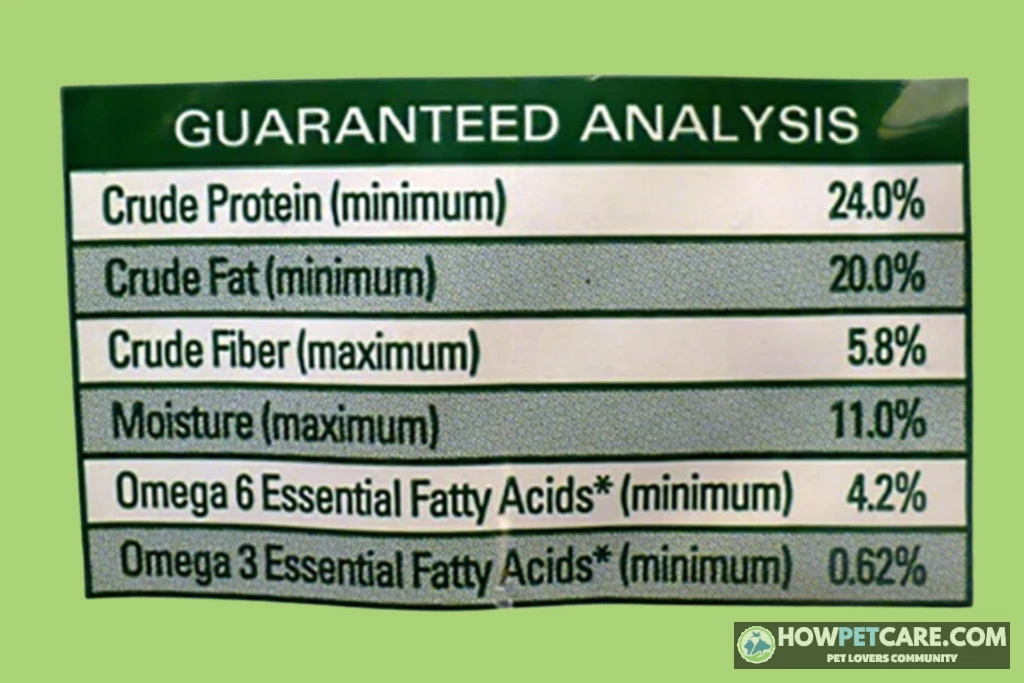
A named animal ingredient and listed taurine are useful clues, but neither proves that a food is complete, digestible, or right for your cat. An unfamiliar ingredient name or a by-product isn’t automatically a defect, either.
Estimating carbohydrate content from the guaranteed analysis
Labels often omit carbohydrate. A rough estimate on an as-fed basis is:
100 − protein − fat − moisture − fiber − ash = estimated carbohydrate percentage.
To put that estimate on a dry-matter basis, divide it by the proportion of the food that is dry. For example, if moisture is 10%, divide the as-fed result by 0.90. This is only a rough calculation: guaranteed minimums and maximums aren’t exact values, ash may be missing, and subtracting crude fiber doesn’t capture all dietary fiber. Ask the manufacturer for typical analysis when precision matters.
Worked example: Is the grain-free food actually lower in carbs?
These are illustrative foods, not product analyses. Both use an assumed ash figure because their hypothetical labels don’t provide one.
| Hypothetical dry food | Protein | Fat | Moisture | Fiber | Assumed ash | Estimated carbs, as fed | Estimated carbs, dry matter |
|---|---|---|---|---|---|---|---|
| A: grain-free chicken | 40% | 18% | 10% | 4% | 8% | 20% | About 22% |
| B: chicken and rice | 32% | 15% | 10% | 3% | 7% | 33% | About 37% |
For food A, the calculation is 100 − 40 − 18 − 10 − 4 − 8 = 20% as fed. Dividing 20 by 0.90 gives roughly 22% on a dry-matter basis.
Food A is lower in this example, but removing grain didn’t guarantee that outcome. Another grain-free kibble with a different formulation could resemble food B. Peas or potatoes near the top of an ingredient list are a reason to investigate the nutrient analysis, not proof of a particular carbohydrate percentage or a safety problem.
To compare protein between wet and dry foods, use the same dry-matter method. A wet food with 10% protein and 80% moisture has a minimum protein figure of 50% dry matter: 10 ÷ 0.20. That’s still a calculation from a guarantee, not necessarily the typical protein content.
To estimate cost per 100 kcal, divide the package price by total package calories, then multiply by 100. Compare the amount you actually feed, not just the price per pound.
Grain-Free Wet vs. Dry Cat Food: Which Format Is Better?
For many cats, a complete wet food is a useful first choice because it supplies water with the meal. If wet food alone doesn’t fit your budget or routine, a measured combination of complete wet and dry foods can work well. Neither format is automatically superior for every cat, and a grain-free label doesn’t determine moisture or calories.
When wet food is the better call
Wet cat food generally contains much more moisture than dry kibble. That can help increase water intake and may be useful when hydration is a priority. Many wet recipes are also lower in carbohydrate than dry recipes, but the specific analysis matters.
For an indoor or overweight cat, a moisture-rich diet can be worth discussing with a vet alongside a measured calorie plan. It’s not a guarantee of weight loss: portions, treats, activity, and the individual recipe all matter. Cats with urinary disease may need a specific therapeutic diet rather than just any wet food.
When dry food is the practical choice
Dry food is convenient to measure and store, and it works in puzzle feeders or automatic feeders. It can also be less expensive per calorie. Check the calorie content because kibble can be energy-dense, and provide fresh water regardless of format.
If you mix grain-free and grain-inclusive foods, use complete diets appropriate to your cat’s life stage, transition gradually, and count calories from both. Don’t assume that a cup of one food has the same calories as a cup of another.
Best Grain-Free Cat Foods by Use Case: Kitten, Indoor, Senior, Sensitive Stomach, Weight, and Budget
The right pick is a specific recipe that meets your cat’s needs and passes the label and manufacturer checks above. Our selection criteria are: an appropriate complete-and-balanced statement, identifiable protein sources, calorie transparency, a useful nutrient profile for the cat, manufacturer nutrition expertise and quality control, and value per calorie. Recall history is also worth checking in context, including how a company responded.
Important limitation: The supplied product information doesn’t establish current recipe-level guaranteed analyses, calories, ingredient lists, AAFCO statements, or prices. The foods below are therefore candidates to verify, not a tested ranking or a claim that every variety in a product line meets every criterion. Recipes and availability can change. Don’t use a product-line name alone to select a food.
| Use case | Product candidate | Format | Life stage and nutritional data | Why consider it | Main drawback or check |
|---|---|---|---|---|---|
| Kitten | Wellness CORE Grain-Free Kitten recipe | Dry | Verify growth statement, protein, carbs, and kcal per cup on the package | A kitten-specific recipe is the right starting category | Confirm the exact recipe is complete for growth and measure calorie-dense kibble |
| Indoor adult | Instinct Original Grain-Free chicken recipe | Wet or dry, depending on SKU | Verify adult suitability, analysis, and kcal per serving | A clearly specified adult recipe provides a starting point for comparing formats | Indoor status alone does not establish calorie needs; wet and dry versions differ |
| Senior | Instinct Original Grain-Free wet recipe | Wet | Verify the exact recipe’s life-stage statement, analysis, and calories | A complete wet option can be considered for a senior who benefits from added dietary moisture | Not a substitute for a diet tailored to kidney disease or another diagnosis |
| Sensitive stomach | Instinct Limited Ingredient Diet turkey recipe | Wet or dry, depending on SKU | Verify the full ingredient list, adequacy statement, and calories | A limited-ingredient candidate may make individual exposures easier to review | Turkey is not novel if the cat has eaten it before; not a substitute for a vet-directed trial |
| Weight management | A complete grain-free adult wet recipe, such as a specific Weruva chicken recipe | Wet | Verify complete adult maintenance statement and kcal per can | Moisture-rich food can fit a measured weight-loss plan | Some pouches or cans are supplemental only; confirm the exact label |
| Budget | American Journey Grain-Free chicken dry recipe | Dry | Verify adult adequacy statement, analysis, and kcal per cup | A dry recipe is a practical candidate for a cost-per-calorie comparison | Grain-free does not guarantee lower carbohydrate or the lowest feeding cost |
| Wet-food comparison | A specific Weruva grain-free chicken recipe | Wet | Verify complete-and-balanced status, protein, estimated carbs, and kcal per can | Useful candidate if water intake and texture are priorities | Product-line names cover different recipes; some foods may be supplemental |
Without verified labels, the table can’t responsibly provide numerical protein percentages, carbohydrate estimates, or calories. Get those figures from the exact package or manufacturer and use the calculations above. Check the first ingredients, too. Don’t assume a chicken-named food contains only chicken: another animal protein may appear elsewhere in the recipe.
Best grain-free kitten food
Start with Wellness CORE Grain-Free Kitten, provided the exact package confirms complete and balanced nutrition for growth. A kitten-specific recipe makes the shortlist because it fits the life stage, not because grain-free food is assumed to be better for development.
Before buying, check the calories per cup and feeding directions, then ask your vet about portions and growth monitoring. If the growth statement is absent or the recipe is only for adult maintenance, choose a different food.
Best for indoor and overweight cats
For a healthy indoor adult, compare Instinct Original Grain-Free chicken with your current food, using the exact wet or dry recipe’s calorie and adequacy information. Indoor cats differ in body size and activity; “indoor” on a bag isn’t a calorie plan.
For weight management, start by checking a complete Weruva grain-free chicken wet recipe. Choose a specific can that is complete for adult maintenance, calculate a daily portion with your vet, and include treats in the calorie budget. A veterinary weight-management diet may be a better fit for some cats. Avoid severe calorie restriction or rapid weight loss without supervision.
Best for senior cats
Consider a complete Instinct Original Grain-Free wet recipe if your senior cat is otherwise healthy and your vet agrees it fits. Wet food can be appealing when moisture intake is a goal, but age alone doesn’t make a formula suitable. A senior losing weight, eating less, or showing signs of kidney or other disease needs an assessment before a routine food change.
Best for sensitive stomachs and suspected allergies
Instinct Limited Ingredient Diet turkey is a candidate for a discussion, not an allergy diagnosis. Check the complete ingredient list and your cat’s exposure history. If your cat has eaten turkey before, it isn’t a novel protein for that cat. For persistent itching or digestive signs, ask whether a veterinary hydrolyzed or genuinely novel-protein elimination diet is more appropriate.
Best affordable grain-free cat food
Compare American Journey Grain-Free chicken dry food by cost per 100 kcal, not bag price alone. Confirm that the exact formula is complete for your cat’s life stage and check its current calorie content. A less expensive bag isn’t necessarily cheaper to feed if it contains fewer total calories or produces more waste.
Cross-retailer price and value comparison
Chewy, Amazon, Petco, and PetSmart can show different package sizes, delivery charges, promotions, and autoship discounts. No retailer prices were independently checked for this draft, so there’s no defensible lowest-price claim. Use the table as a shopping worksheet rather than a current price comparison.
| Product | Size compared | Chewy | Amazon | Petco | PetSmart | Lowest cost per 100 kcal | Date checked |
|---|---|---|---|---|---|---|---|
| Wellness CORE Grain-Free Kitten dry | Same package size at each store | Check current price | Check current price | Check current price | Check current price | Calculate from package calories | Enter your check date |
| Instinct Original Grain-Free chicken | Same exact recipe and size | Check current price | Check current price | Check current price | Check current price | Calculate from package calories | Enter your check date |
| Instinct Limited Ingredient Diet turkey | Same exact recipe and size | Check current price | Check current price | Check current price | Check current price | Calculate from package calories | Enter your check date |
| American Journey Grain-Free chicken dry | Same exact recipe and size | Check current price | Check availability | Check availability | Check availability | Calculate where available | Enter your check date |
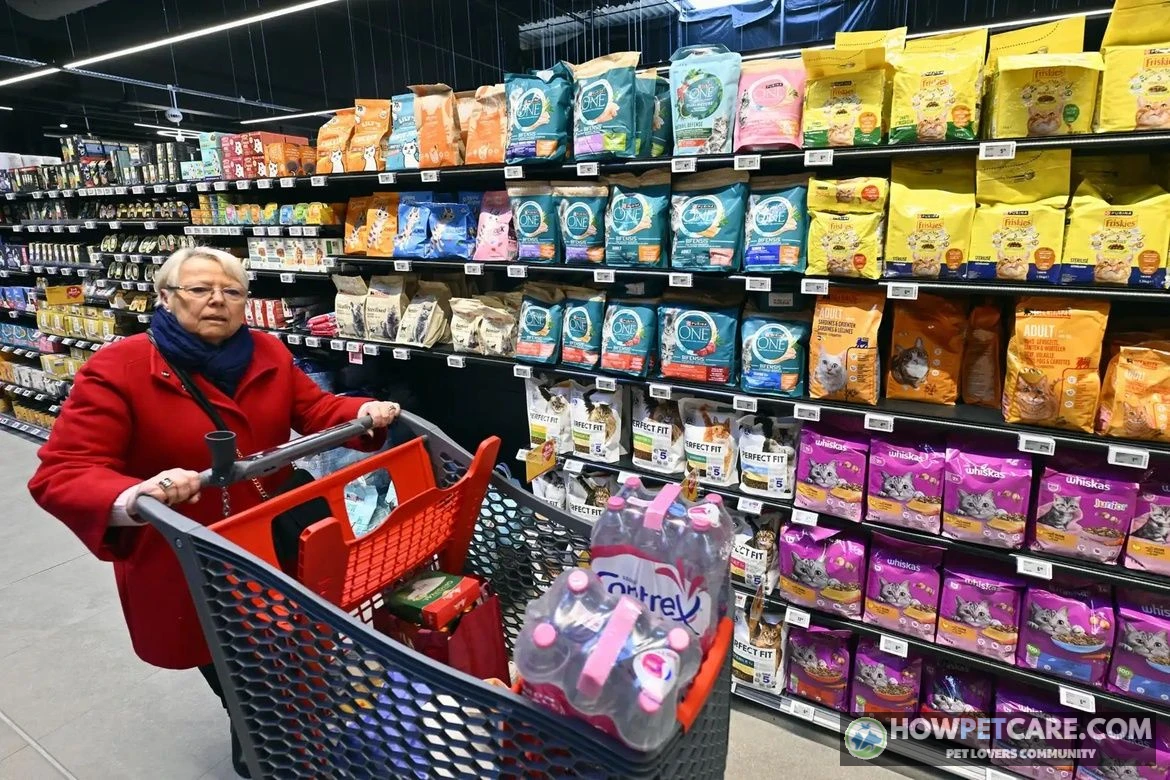
For each listing, use the ordinary price or clearly note the autoship price, then include shipping if it changes your real cost. Divide the price by total package calories and multiply by 100. If total calories aren’t provided, multiply the number of cans by kcal per can, or use the stated kcal per kilogram and package weight. Don’t assume every retailer carries every recipe.
Treat any food with a missing or unsuitable adequacy statement, unclear calorie information, or a supplemental-only label as a poor choice for a sole daily diet until you’ve resolved the issue. Legumes high on the ingredient list justify closer questions about the full formula; they don’t independently prove that a food is unsafe.
How to Switch to Grain-Free Cat Food and Pick Your Food: A Step-by-Step Plan
Once you’ve chosen a food that fits your cat’s life stage and health needs, change gradually. Keep a note of appetite, stool quality, vomiting, and the amount actually eaten. A veterinary elimination trial may require a different transition and stricter rules, so follow your vet’s instructions instead.
Seven-to-ten-day transition schedule
Mix the old and new foods in the following approximate proportions, adjusting portions for their different calorie densities:
-
Days 1–3
Offer about 75% old food and 25% new food.
-
Days 4–6
If your cat is eating comfortably, move to about half old food and half new food.
-
Days 7–9
Offer about 25% old food and 75% new food.
-
Day 10 onward
If the transition is going well, offer the new food as the full ration.
Some cats need a slower transition, especially if they’re wary of unfamiliar textures or have a history of digestive sensitivity. If your cat refuses the mixture, offer the familiar food and contact your vet for advice rather than waiting for hunger to force acceptance. Wet food can be offered slightly warmed to increase aroma; stir it and check that it isn’t hot.
Contact your veterinarian promptly if your cat stops eating, particularly if the cat is overweight, ill, or very young. Cats that go without adequate food can develop serious liver complications. Repeated vomiting, significant diarrhea, lethargy, or breathing changes also warrant veterinary advice; severe signs need urgent care.
Final checklist before you buy
- Does the cat have a diagnosed need? Ask your vet about the right diet for allergies, weight management, or an existing condition before prioritizing grain-free.
- Is the exact food complete and balanced for the right life stage? Check the adequacy statement on the can or bag, not just the product family name.
- Do the calories and estimated nutrients fit? Compare similar serving units and use dry-matter calculations cautiously. Ask the manufacturer for typical values if needed.
- Can you afford the feeding plan? Calculate cost per 100 kcal using the package size and current price you’ll actually buy.
- Is a switch necessary? If your cat is thriving on a suitable grain-inclusive food, staying with it is a valid choice.
Start by checking your current food’s adequacy statement and calories. If you still want a grain-free option, shortlist one exact recipe for your cat’s use case, verify its current label and price, and bring the details to your next veterinary visit.
1According to the source material, which of the following ingredients is a more common cause of food allergies in cats than cereal grains?
Feline food allergies most commonly involve animal protein sources such as chicken, beef, or fish rather than grains.
2What does a 'grain-free' claim on a cat food package directly indicate about the product?
The label simply confirms the formula was made without cereal grains, without establishing specific nutrient levels or overall adequacy.
3Which statement accurately reflects feline biological capabilities regarding dietary carbohydrates and grains?
Although cats are obligate carnivores with specific protein needs, they possess the biological capacity to digest properly cooked starches.
4What is the current status of veterinary evidence regarding grain-free cat food and Dilated Cardiomyopathy (DCM) in cats?
Scientific evidence in cats remains limited, and regulatory investigations have not established that grain-free food directly causes feline heart disease.
5Using guaranteed analysis values on a standard as-fed basis, which formula provides a rough estimate of carbohydrate percentage?
Subtracting the percentage minimums and maximums of protein, fat, moisture, fiber, and ash from 100 yields the estimated carbohydrate content as-fed.
6How does a gluten-free cat food recipe differ from a grain-free cat food recipe?
Grains like rice do not contain wheat gluten, allowing a product to be gluten-free while still including grain.
7When evaluating a suspected food allergy in a cat, what approach is typically recommended for a diagnostic elimination trial?
Veterinary elimination trials rely on proteins broken down into micro-components or animal proteins novel to that specific cat's diet history.
8What is the recommended method for accurately comparing the monetary value of different cat foods?
Comparing cost per calorie accounts for differences in dietary density and moisture content, reflecting true daily feeding expenses.
9According to the recommended 7-to-10-day food transition schedule, what ratio of old food to new food should be offered on Days 4 through 6?
The middle phase of a standard 7-to-10-day dietary shift balances equal parts of the familiar and new diets.
10Which specific dietary benefit is primarily associated with feeding complete wet cat food compared to dry kibble?
Wet cat food contains significantly higher water content than dry kibble, helping boost total daily fluid intake.
| Use Case | Product Candidate | Format | Life Stage and Nutritional Considerations | Why Consider It | Main Drawback or Check |
|---|---|---|---|---|---|
| Kitten | Wellness CORE Grain-Free Kitten recipe | Dry | Verify growth statement, protein, carbs, and kcal per cup on the package | A kitten-specific recipe is the right starting category | Confirm the exact recipe is complete for growth and measure calorie-dense kibble |
| Senior | Instinct Original Grain-Free wet recipe | Wet | Verify the exact recipe's life-stage statement, analysis, and calories | A complete wet option can be considered for a senior who benefits from added dietary moisture | Not a substitute for a diet tailored to kidney disease or another diagnosis |
| Indoor adult | Instinct Original Grain-Free chicken recipe | Wet or dry, depending on SKU | Verify adult suitability, analysis, and kcal per serving | A clearly specified adult recipe provides a starting point for comparing formats | Indoor status alone does not establish calorie needs; wet and dry versions differ |
| Sensitive stomach | Instinct Limited Ingredient Diet turkey recipe | Wet or dry, depending on SKU | Verify the full ingredient list, adequacy statement, and calories | A limited-ingredient candidate may make individual exposures easier to review | Turkey is not novel if the cat has eaten it before; not a substitute for a vet-directed trial |
| Weight management | A complete grain-free adult wet recipe, such as a specific Weruva chicken recipe | Wet | Verify complete adult maintenance statement and kcal per can | Moisture-rich food can fit a measured weight-loss plan | Some pouches or cans are supplemental only; confirm the exact label |
| Wet-food comparison | A specific Weruva grain-free chicken recipe | Wet | Verify complete-and-balanced status, protein, estimated carbs, and kcal per can | Useful candidate if water intake and texture are priorities | Product-line names cover different recipes; some foods may be supplemental |
| Budget | American Journey Grain-Free chicken dry recipe | Dry | Verify adult adequacy statement, analysis, and kcal per cup | A dry recipe is a practical candidate for a cost-per-calorie comparison | Grain-free does not guarantee lower carbohydrate or the lowest feeding cost |
FAQ
Do veterinarians recommend grain free cat food?
Most veterinarians do not recommend grain-free food as a default, because there is no solid evidence that removing grain benefits healthy cats. They do recommend complete and balanced diets from manufacturers with strong nutrition expertise, and some grain-free foods meet that standard.
Is grain free cat food okay for kittens?
Yes, if the label states it is complete and balanced for growth or all life stages under AAFCO standards. Kittens need more calories, protein, and certain nutrients than adults, so an adult-only formula is not appropriate.
Is grain free cat food more expensive than regular cat food?
Usually, yes. Grain-free formulas often cost more per pound, but comparing cost per 100 kcal gives a fairer picture, and some affordable grain-free options match grain-inclusive prices.
Can I mix grain free and regular cat food?
Yes. Mixing is safe as long as both foods are complete and balanced for your cat’s life stage. Keep the total daily calories in check and make any switch gradually.
Are by-products in cat food bad?
Not necessarily. Organ meats and other by-products can be nutritious for cats, and the quality depends on the manufacturer’s sourcing and quality control rather than the word itself. Vague terms like ‘meat meal’ with no named animal are a better reason for caution.
How long does it take to see a difference after switching cat food?
Digestive changes usually show within one to two weeks. Skin and coat changes, or a response to an elimination diet, can take 8 to 12 weeks to judge.