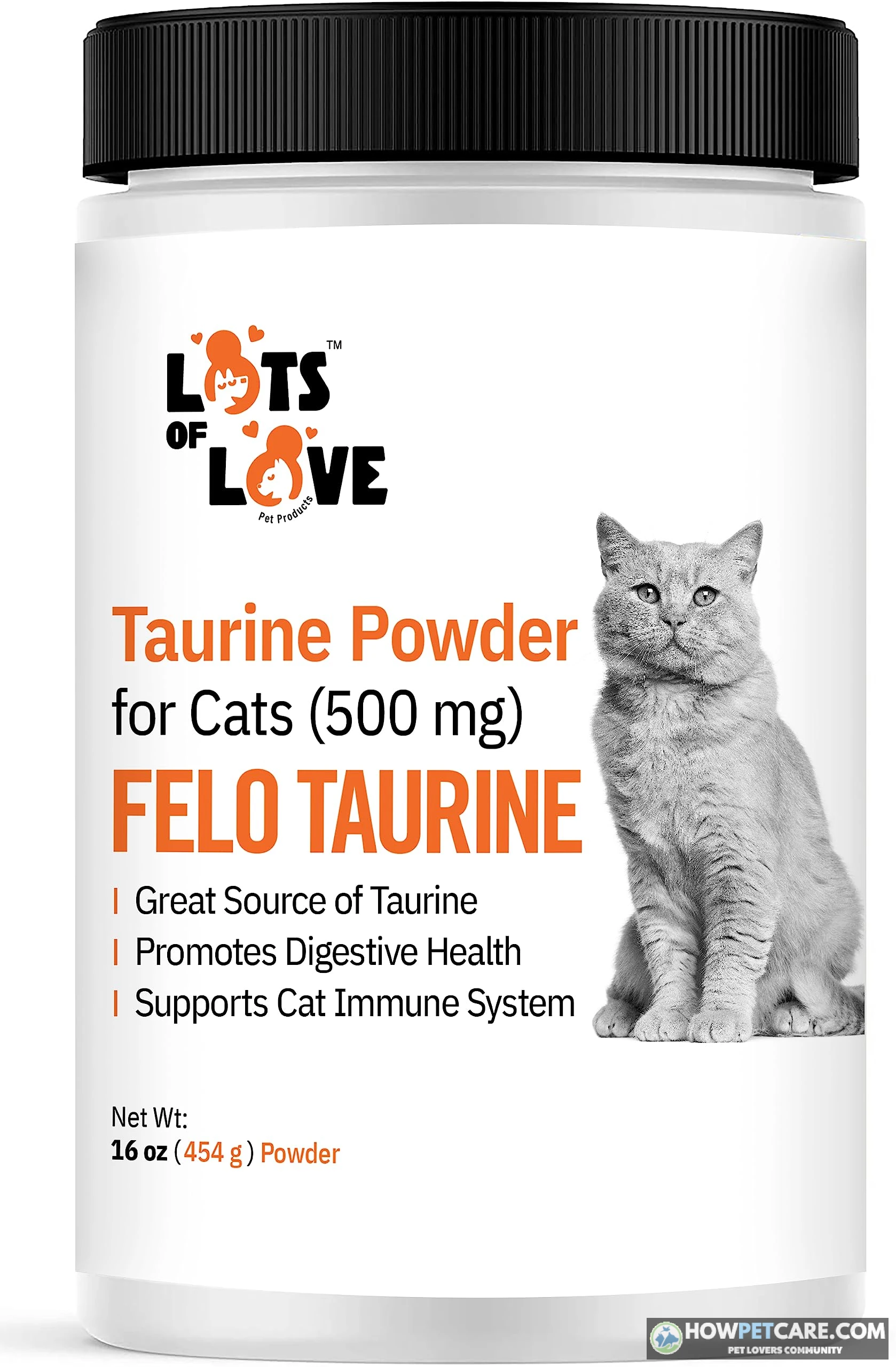

A healthy adult cat generally needs 100–300 mg of taurine daily depending on size and life stage, usually met by complete commercial food. Cats on homemade, cooked, boutique, high-fiber, or plant-heavy diets may fall short and need measured supplementation confirmed by a veterinarian.
Taurine is an essential amino acid for cats, and a healthy adult cat generally needs roughly 100–300 mg per day depending on body size and life stage, per practical veterinary guidance rather than a single fixed rule. Most cats eating a complete-and-balanced commercial diet already meet that need from food. Cats on homemade, cooked, boutique, high-fiber, or heavily plant-based diets are the ones most likely to fall short, and those cats may need measured supplementation after a veterinarian confirms the gap.
How Much Taurine a Cat Needs Each Day
Daily targets by life stage
Use these ranges as practical planning targets, not as AAFCO minimums. AAFCO minimums are formulation benchmarks for food, not ideal daily prescriptions for every cat; confirm your own cat’s target with a veterinarian.

| Life stage | Example cat weight | Daily target range (practical) | AAFCO minimum context | Notes |
|---|---|---|---|---|
| Kitten, growth | 1.5–2.5 kg | 100–200 mg/day | AAFCO sets a minimum in complete growth diets; exact value varies by diet form | Use a complete kitten food; supplement only if the diet is not complete or a veterinarian advises it. |
| Adult maintenance | 3.5–4.5 kg | 100–250 mg/day | AAFCO minimum applies to complete adult diets, not to an individual daily dose | Healthy cats on complete commercial food usually meet this from food alone. |
| Adult maintenance | 5.5–6.5 kg | 150–300 mg/day | Same AAFCO minimum as smaller adults; intake scales with calories eaten | Larger cats need more total taurine, but label percentages matter more than weight alone. |
| Pregnant or nursing queen | 3.5–5.0 kg | 200–400 mg/day | AAFCO minimum for gestation/lactation diets is set separately from adult maintenance | Needs rise with litter demands; use a formulated gestation/lactation diet when possible. |
| Senior | 4.0–6.0 kg | 150–300 mg/day | AAFCO adult minimum still applies; senior needs are not separately defined | Higher end is reasonable when appetite, digestion, or cardiac risk is a concern. |
| Cardiac-risk or confirmed low blood taurine | Any | Vet-directed, often 250–500 mg/day | No AAFCO benchmark; dosing is clinical, not label-based | Do not self-dose based on symptoms; use whole-blood testing and follow-up. |

Worked example: a 4.5 kg adult cat

A 4.5 kg adult cat eats 120 g cooked boneless chicken breast daily plus a small amount of rice and vegetables; no commercial complete food and no taurine supplement. Estimated taurine in cooked chicken breast is roughly 15–25 mg per 100 g as fed, so 120 g supplies about 18–30 mg. Using 150 mg as a working target, the shortfall is roughly 120–132 mg per day. To close a 120 mg shortfall with a powder labeled 500 mg taurine per 1/4 teaspoon, use about 1/4 teaspoon daily, then verify the label’s actual mg per scoop. If the cat is pregnant, nursing, a kitten, or has cardiac signs, do not use this estimate as a substitute for veterinary guidance. This is an illustration of arithmetic, not a prescription; homemade diets should be formulated or reviewed by a veterinary nutritionist.
Estimate the gap first, then confirm the dose, the blood test, or both with your veterinarian before supplementing a homemade or non-standard diet.
What Taurine Is and Why Cats Cannot Synthesize Enough
Taurine is an essential amino acid for cats, not a vitamin or generic supplement ingredient. It is an animal-protein amino acid that cats cannot manufacture enough of, so it must be consumed regularly. Cats have limited synthesis capacity because the enzyme needed to convert cysteine into taurine is in short supply and diverted to other pathways, so dietary intake is required. Taurine has the molecular structure C2H7NO3S and exists free in cells, tissues, and bile rather than being chained into proteins. It supports normal vision, digestion, heart muscle function, immune health, pregnancy, and fetal development. Taurine is essential for cats’ heart, eye, and brain function, and cats cannot synthesize it themselves, so it must come from food. Plant-based or heavily processed diets do not reliably supply usable taurine because taurine is concentrated in animal tissue.

Taurine Deficiency Symptoms and the Diseases It Causes
Symptom-to-disease map for taurine deficiency
These signs are nonspecific and overlap with many other conditions; this map is not a diagnosis. DCM suspicion in particular warrants prompt veterinary care, not a supplement trial.
| What you may notice | Possible taurine-related cause | Also commonly caused by |
|---|---|---|
| Reduced activity, exercise intolerance, lethargy | Early DCM (weakened heart muscle) | Kidney disease, hyperthyroidism, anemia, normal aging |
| Cough, rapid or labored breathing, fainting | DCM progressing toward heart failure | Primary heart disease, respiratory disease, other causes of collapse |
| Night-time hesitation, bumping into objects, vision changes | Central retinal degeneration (CRD/FCRD) | Hypertension, cataracts, other retinal disease |
| Appetite change, unexplained weight loss | General deficiency effect | Dental disease, GI disease, hyperthyroidism, cancer |
| Repeated vomiting, digestive disturbance | Digestive effects of deficiency | Dietary indiscretion, GI disease, parasites |
| Small litters, low birth weight, poor kitten growth | Reproductive and growth effects | Infectious disease, poor maternal nutrition, other causes |

Breathing difficulty, collapse, fainting, sudden vision loss, repeated vomiting, or severe weakness are emergencies regardless of whether taurine deficiency is suspected.
Heart-related warning signs
Taurine deficiency can cause dilated cardiomyopathy (DCM), a disease of weakened heart muscle. Early signs can include reduced activity, exercise intolerance, lethargy, cough, rapid breathing, or fainting. Roughly 250 mg of taurine given orally twice daily can reverse early taurine-deficiency DCM and prevent progression to congestive heart failure, but that is a veterinary treatment context, not a home dosing rule.
Eye and vision-related warning signs
The first disease linked to taurine deficiency was central retinal degeneration (CRD), also called feline central retinal degeneration (FCRD). Retinal and tapetum lucidum damage is irreversible, though early supplementation can save remaining vision. Owners may notice night-time hesitation, bumping into objects, or other vision changes. Deficiency develops slowly and can cause retinal degeneration leading to irreversible blindness, DCM that may reverse early with supplementation but can progress to heart failure, and digestive disturbances.
Other effects include reproductive failure, poor growth, and immune-related effects in kittens and queens. Low taurine in pregnancy can cause small litters, low birth weights, or fetal abnormalities, and deficiency can delay growth in kittens. Early signs such as lethargy, exercise intolerance, appetite change, and unexplained weight loss are easy to miss and overlap with many other conditions, including heart disease, kidney disease, hyperthyroidism, and normal aging. This list is a prompt for a veterinary conversation, not a diagnosis.
Which Diets Put Cats at Risk, and How Processing Reduces Taurine
Homemade and cooked diets
Homemade and cooked diets, especially those without formulated supplementation, carry the highest deficiency risk. Cooking a homemade diet can destroy or reduce taurine in the meat, and the loss can be substantial enough that the diet no longer meets a cat’s needs. Raw or cooked meat alone is not a complete feline diet. High-fiber or plant-heavy diets also raise concern because taurine is not reliably supplied by plants. For a safe plant-based enrichment option that is separate from the diet, see growing and feeding cat grass safely. Grain-free and legume-heavy diets have been discussed in the post-2018 DCM conversation; some can be complete and balanced, but owners should verify the AAFCO statement, taurine content, and veterinary guidance rather than assuming adequacy.

Processing and storage losses
Extrusion, canning, heat, moisture, and long storage can reduce taurine levels in food. Dry food can lose taurine during extrusion, and storage time or an opened bag may degrade it further. Opened bags, oxidation, and extended shelf life may further lower available taurine. Canned food has high moisture, so comparing wet and dry foods requires converting values to a dry matter basis. Treats, boutique foods, and single-protein diets can also contribute unpredictably.
How to Audit Your Cat’s Food Label for Taurine Adequacy
AAFCO statement check
Find the nutritional adequacy statement. Look for wording such as “complete and balanced” for the cat’s life stage. “For intermittent or supplemental feeding only” is a red flag for a sole diet. The statement tells you whether the food is intended as a complete diet, but it does not by itself prove taurine adequacy in every real-world feeding situation.
Guaranteed analysis check
Note taurine if listed. Treat a missing taurine line as “not disclosed,” not “zero.” A guaranteed analysis taurine percentage can be meaningful, but only with context: convert wet and dry values to dry matter before comparing. Dry matter basis means removing water from the comparison so wet and dry foods are judged on the same scale. Ingredient position also matters: scan the first 5–7 ingredients, and at least one clearly named animal tissue should appear before grains, legumes, or starches.

Five-Step Taurine Adequacy Audit:
- AAFCO statement check — find the nutritional adequacy statement and confirm “complete and balanced” for the cat’s life stage.
- Animal-protein position check — scan the first 5–7 ingredients for a clearly named animal tissue before grains, legumes, or starches.
- Guaranteed analysis read — note taurine if listed; treat a missing line as “not disclosed,” not zero; convert wet and dry values to dry matter before comparing.
- Diet-type risk flag — mark higher risk if the diet is homemade, cooked without a formulated supplement, raw without bone inclusion, heavily legume-based, or stored opened for more than 4–6 weeks.
- Test-or-supplement decision — if the food is complete commercial and the cat is healthy, no supplement is usually needed. If any risk flag is present, or if there are heart, eye, reproductive, or growth concerns, document labels and amounts and ask the veterinarian about whole-blood taurine testing before supplementing.
A missing taurine line is “not disclosed,” not “zero.” Read the AAFCO statement first, then the guaranteed analysis, then the ingredient order.
Supplement Forms Compared: Powder, Liquid, Chews, and Treats
| Form | Dosing precision | Palatability | Cost per daily dose | Stability notes |
|---|---|---|---|---|
| Powder | High if a scoop or milligram scale is used | Low to moderate; can be mixed into wet food | Usually lowest | Keep dry, cool, and tightly closed; moisture causes clumping |
| Liquid | Moderate; depends on dropper or syringe accuracy | Often higher for cats that accept flavored liquids | Moderate | Shorter shelf life after opening; check storage temperature and expiry |
| Chew or treat | Low to moderate; piece-to-piece taurine varies | Usually high | Highest | Convenient but easy to overcount; treats should not replace a measured dose |
| Capsule opened into food | High if weighed | Variable | Low to moderate | Useful for precise dosing; discard if the capsule shell sticks or clumps |

Powder versus liquid
Powder offers precise dosing and low cost per dose, but palatability can be a problem and mixing matters. A product such as Carlson Labs taurine powder is described as easy to mix into food with a 1/8 teaspoon serving and is framed as supporting heart function, vision health, metabolic function, and overall wellness; the company states its supplements are lab tested for potency and purity. Liquid can be easier for some cats and is dosed by volume, but the dose depends on the product’s concentration, not the form, so always follow the label’s milligrams per serving. Liquid products may have different storage and stability instructions, so check the expiration date and storage guidance. Liquid may also have a shorter shelf life after opening.
Chews and treats as a taurine source
Chews and treats are convenient and usually palatable, but taurine per piece varies and cost per dose is highest. Taurine cat treats alone are usually a small contributor compared with complete food and should not be relied on as the main taurine source. Check the taurine amount per treat and the feeding directions before counting them toward a daily total. Treats are often a rounding error in the daily total.
Choose powder if you need precision and low cost; choose liquid if the cat refuses powder; choose chews only for convenience or as a small supplemental top-up, not as the main measured dose.

Should You Supplement a Cat Already Eating Complete Commercial Food?
A complete-and-balanced commercial diet usually makes supplementation unnecessary. For a healthy cat eating such a food, adding taurine is usually unwarranted but not dangerous. Situations where a veterinarian may still recommend taurine include cardiac disease or confirmed low blood taurine. The research evidence has not established a clear toxic dose of taurine for cats, and higher intakes appear generally well tolerated, but “more is better” is not a useful feeding strategy. Practical downsides of adding supplements anyway include cost, palatability, and false reassurance: a supplement cannot fix an incomplete diet, an undiagnosed heart condition, or a feeding error. For a broader look at choosing a balanced diet for cats, use the pillar guide as the starting point for food decisions.
Diagnosis, Safety Limits, and Whether Taurine Can Reverse DCM
Blood testing options
Veterinarians may use whole-blood or plasma taurine testing. Whole-blood and plasma taurine measure different things, and reference ranges are lab-specific, so do not treat one universal cutoff as fact. Ask your veterinarian whether testing is appropriate based on diet, symptoms, or heart disease risk rather than requesting it routinely. If testing is done, ask what method was used, what the reference range is, and whether repeat testing is needed after a diet or supplement change. Blood taurine can rise within weeks of consistent supplementation, while energy, appetite, or cardiac changes may take longer and vary by cat.
Safety and reversibility
Available evidence has not established a clear toxic dose of taurine for cats, and higher intakes appear generally well tolerated, but unnecessary supplementation of a complete diet is usually unwarranted. If a cat gets into the powder, remove access, estimate the amount, check the label concentration, and call your veterinarian or pet poison service for guidance, especially for small cats, kittens, or cats with heart or kidney disease. For kittens and pregnant or nursing queens, use a formulated complete diet whenever possible and defer dosing decisions to a veterinarian. Taurine supplementation can improve or reverse early DCM in some cats, but cardiac damage may be permanent if disease has progressed. DCM suspicion warrants prompt veterinary care, not a supplement trial.
Your Taurine Action Plan for Tonight
- Audit the food: check the AAFCO statement, ingredient order, guaranteed analysis, and storage time.
- Estimate the daily total: convert wet and dry values to dry matter, then compare the result with the life-stage range.
- Watch for warning signs: lethargy, exercise intolerance, appetite change, unexplained weight loss, cough, rapid breathing, fainting, or vision changes.
- Document concerns: save labels, feeding amounts, symptoms, and dates.
- Decide: if the food is complete commercial and the cat is healthy, no supplement is usually needed. If any risk flag is present, or if there are cardiac, eye, reproductive, or growth concerns, ask the veterinarian about whole-blood taurine testing before supplementing.
- Reassess after a diet change, supplement change, or blood test.
Bring to the veterinary visit: food labels, feeding amounts, supplement labels and doses, symptom timeline, and any prior blood work. This keeps the discussion concrete and helps the veterinarian decide whether testing, diet reformulation, or supplementation is appropriate.
Use the five-step audit, the dosage table, and the supplement comparison together: audit first, estimate second, supplement only with a documented reason and veterinary guidance.

| Life Stage | Example Cat Weight | Daily Target Range | AAFCO Minimum Context | Usage Notes |
|---|---|---|---|---|
| Adult maintenance | 3.5–6.5 kg | 100–300 mg/day | AAFCO minimum applies to complete adult diets (not an individual daily dose); intake scales with calories eaten. | Healthy cats on complete commercial food usually meet this from food alone. Larger cats need more total taurine, but label percentages matter more than weight alone. |
| Kitten, growth | 1.5–2.5 kg | 100–200 mg/day | AAFCO sets a minimum in complete growth diets; exact value varies by diet form. | Use a complete kitten food; supplement only if the diet is not complete or a veterinarian advises it. |
| Senior | 4.0–6.0 kg | 150–300 mg/day | AAFCO adult minimum still applies; senior needs are not separately defined. | Higher end is reasonable when appetite, digestion, or cardiac risk is a concern. |
| Pregnant or nursing queen | 3.5–5.0 kg | 200–400 mg/day | AAFCO minimum for gestation/lactation diets is set separately from adult maintenance. | Needs rise with litter demands; use a formulated gestation/lactation diet when possible. |
| Cardiac-risk or confirmed low blood taurine | Any | Vet-directed, often 250–500 mg/day | No AAFCO benchmark; dosing is clinical, not label-based. | Do not self-dose based on symptoms; use whole-blood testing and follow-up. |
FAQ
How long does it take for taurine supplementation to show up in blood tests or in a cat’s behavior?
Blood taurine can rise within weeks of consistent supplementation, while energy, appetite, or cardiac changes may take longer and vary by cat. Your veterinarian can advise on repeat testing intervals.
Can taurine cat treats alone meet a cat’s daily taurine needs?
Treats are usually a small contributor compared with complete food and should not be relied on as the main taurine source. Check the taurine amount per treat and the feeding directions before counting them toward a daily total.
Is liquid taurine for cats dosed the same as powder, and does it have a shorter shelf life?
The dose depends on the product’s concentration, not the form, so always follow the label’s milligrams per serving. Liquid products may have different storage and stability instructions, so check the expiration date and storage guidance.
Can a grain-free or legume-heavy diet still be taurine-adequate?
Some grain-free or legume-heavy diets can be complete and balanced, but the post-2018 DCM discussion means owners should verify the AAFCO statement, taurine content, and veterinary guidance rather than assuming adequacy.
What blood test confirms taurine deficiency, and should an owner request it proactively?
Veterinarians may use whole-blood or plasma taurine testing, and the choice depends on clinical context and lab method. Ask your vet whether testing is appropriate based on diet, symptoms, or heart disease risk rather than requesting it routinely.