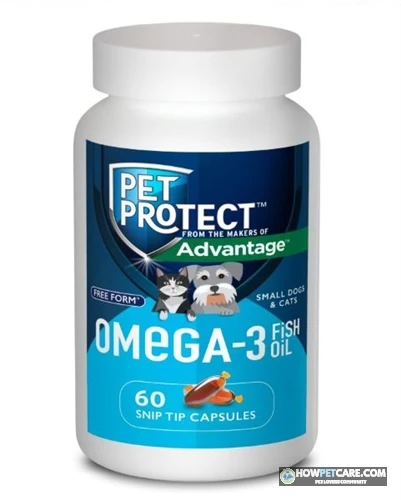

Omega-3 fatty acids—mainly EPA and DHA from fish oil—can support a cat’s skin, joints, and kidneys. A commonly cited supplemental range is 30–50 mg of combined EPA+DHA per kg of body weight daily, but ask your veterinarian first, especially if your cat’s food already contains omega-3s.
Omega-3 Fatty Acids for Cats: Do They Help, and How Much Is Safe?
Omega-3 fatty acids for cats can help in some cases, particularly when a veterinarian recommends EPA and DHA for a skin or joint problem. Benefits depend on the condition, and supplements don’t replace an examination or prescribed treatment. A healthy cat eating a complete and balanced diet may not need extra oil.
One veterinary recommendation cited in the available research is 30–50 mg of combined EPA and DHA per kg of body weight daily as a supplement. That’s not a universal requirement or a safe starting prescription for every cat. The food, the reason for use, and the cat’s health all matter. Higher condition-specific doses require veterinary direction.
Before buying fish oil for your cat, check the food first. If your cat has kidney disease, arthritis, cancer, a bleeding problem, or another diagnosed illness, ask your veterinarian whether a supplement fits the treatment plan and whether the diet already provides the intended amount.
What EPA and DHA Do in a Cat’s Body (and Why Flaxseed ALA Falls Short)
EPA vs DHA: what each does
EPA, or eicosapentaenoic acid, and DHA, or docosahexaenoic acid, are long-chain omega-3 fats. EPA helps regulate inflammatory processes; DHA is particularly important for the brain, eyes, and development. Fish oils supply both, though the proportions differ.
That distinction matters when you compare labels. A product’s total oil weight isn’t the same as its EPA and DHA content, and a formula chosen for a particular condition may need a particular balance of the two.
Why ALA from plants doesn’t convert efficiently in cats
Flaxseed, chia, and hemp oils primarily supply ALA, or alpha-linolenic acid. Cats convert ALA into EPA and DHA very poorly, so plant oil isn’t a reliable substitute when the goal is to provide those longer-chain fats. Cats and dogs differ in their ability to use plant-derived fatty acids; advice written for both species isn’t automatically interchangeable.
Signs of omega-3 deficiency in cats: what is and isn’t reliable
A dull coat, flaky skin, or itching may be a reason to discuss nutrition, but none proves an omega-3 deficiency. Parasites, allergies, pain that interferes with grooming, and other problems can cause similar signs. A veterinarian can assess your cat and the complete diet rather than treating the coat as a diagnosis.
AAFCO nutritional adequacy statements help identify foods formulated for a particular life stage; NRC recommendations address nutrient requirements and nutritional guidance. Neither a complete-food label nor a general nutrient recommendation automatically establishes a therapeutic EPA and DHA dose for an individual cat.
Omega-3 Benefits for Cats by Condition: What the Evidence Supports
Skin and coat
Fish oil may support skin and coat health, including in some cats with inflammatory skin problems. Evidence and response vary. A supplement won’t remove fleas or resolve every cause of itching.
Your vet can help identify the underlying problem and decide whether an oil belongs alongside treatment. Coat changes are gradual, so agree on a review date rather than judging the supplement after one meal.
Arthritis and joint health
EPA and DHA may help some cats with osteoarthritis move more comfortably. Research cited in the evidence reports improved mobility and jumping in affected cats, but fish oil is an adjunct, not a replacement for pain management, a mobility assessment, or a veterinarian-approved cat joint supplement plan.
Joint-support diets can already contain substantial omega-3s. Adding a full supplement dose without checking the diet can unintentionally increase the total. Ask whether the therapeutic diet alone is the intended intervention.
Kidney disease
Omega-3s are often considered as part of nutritional management for chronic kidney disease, including in renal diets. That doesn’t mean adding fish oil on top of every kidney diet has a proven benefit. The right diet and any additional supplement depend on the cat’s overall condition and nutritional intake.
A kidney diagnosis needs veterinary follow-up. Don’t substitute oil for a renal diet, medications, or recommended monitoring.
Inflammation, heart, and gut conditions
Omega-3s influence inflammatory pathways, but that broad biological effect doesn’t establish an effective dose for every inflammatory disease. Evidence for individual feline heart and gastrointestinal conditions is more limited than a general claim that fish oil treats inflammation would suggest.
A cited veterinary recommendation for cats with congestive heart failure uses approximately 115 mg/kg daily of EPA and DHA. It’s a condition-specific example, not a dose to try at home. A cardiologist or veterinarian must decide whether it applies and how to account for the diet.
Cancer: a supportive role, not a treatment
EPA and DHA are being studied as possible nutritional support in animals with cancer, but the evidence isn’t sufficient to claim that fish oil treats feline cancer, shrinks tumors, or extends a particular cat’s life. Findings in other species or mixed animal populations shouldn’t be assumed to apply to cats.
A cat receiving cancer treatment may have appetite problems, weight changes, medication interactions, or a procedure planned. Discuss any supplement, including fish oil or cbd products for cats, with the treating veterinarian or veterinary oncologist before giving it. Maintaining adequate food intake can be more important than adding an oil the cat refuses.
Omega-3 Dosage for Cats by Weight: Reconciling 30–50 mg/kg, DHA-Dominant, and Therapeutic Doses
The numbers you encounter can describe different things: a suggested supplement amount, a target for one fatty acid, or a disease-specific regimen. They aren’t interchangeable.
The available evidence cites 30–50 mg/kg daily of combined EPA and DHA as a supplemental recommendation, approximately 40 mg/kg daily of DHA as a separate recommendation, and approximately 115 mg/kg daily of EPA and DHA in a congestive-heart-failure context. The DHA figure is DHA alone, not a combined EPA+DHA target; using a combined total to meet it could leave the actual DHA short. None is an established universal maintenance requirement.
Step 1: Convert your cat’s weight to kilograms
Divide your cat’s weight in pounds by 2.2 to get an approximate weight in kilograms. Then multiply kilograms by the rate your veterinarian has selected. If your cat is overweight, ask which body weight to use rather than automatically calculating from current or ideal weight.
Step 2: Understand the dosing examples
The table translates the cited rates into daily amounts; it doesn’t prescribe a dose. The first column of amounts is a cited supplemental range. The DHA column is a single-fatty-acid recommendation, and the final column is a disease-specific example. A veterinarian must determine how a chosen recommendation relates to food intake before you subtract dietary amounts.
| Cat weight (lb) | Cat weight (kg) | Supplemental EPA+DHA at 30–50 mg/kg (mg/day) | DHA alone at approximately 40 mg/kg (mg/day) | Heart-disease example: EPA+DHA at approximately 115 mg/kg (mg/day; vet-directed only) | Notes |
|---|---|---|---|---|---|
| 5.5 | 2.5 | 75–125 | 100 | 288 | Do not use adult examples to dose a kitten without veterinary advice. |
| 7.7 | 3.5 | 105–175 | 140 | 403 | The DHA column is not combined EPA+DHA. |
| 9.9 | 4.5 | 135–225 | 180 | 518 | Check the amount already in food. |
| 12.1 | 5.5 | 165–275 | 220 | 633 | The therapeutic example is not a general target. |
| 14.3 | 6.5 | 195–325 | 260 | 748 | Ask the vet which body weight is appropriate. |
These figures are calculated from the cited rates and rounded to the nearest milligram where needed. A DHA-specific plan also requires knowing DHA per serving, not just the combined amount.
The chart describes different recommendations, not amounts to add together. A veterinarian should select the goal and clarify whether it refers to the whole diet or to a supplement on top of food.
Step 3: Phase in the dose
If your veterinarian recommends a supplement, ask how to introduce it gradually with food. A smaller initial amount can help you check acceptance and tolerance, but it isn’t a substitute for an agreed target. If your cat develops concerning symptoms, stop and contact the clinic rather than continuing to increase the oil.
Safe Upper Limits: NRC-Based Maximums for Kittens, Adults, and Seniors
The available evidence doesn’t establish a verified, cat-specific NRC safe upper limit for combined EPA and DHA that can be stated here for kittens, adults, or seniors. It also doesn’t establish separate numerical ceilings for pregnancy or lactation. Don’t treat the dosing examples above as NRC maximums or assume that a limit quoted for dogs applies to cats.
A nutritional maximum, where applicable, may be expressed relative to diet or energy intake rather than simply as mg/kg of body weight. A veterinarian or veterinary nutritionist can check the relevant source, life stage, diet, and total intake before applying a limit. Senior cats don’t automatically have a separately verified ceiling in the evidence supplied here, but age-related illness and medication can change the safety assessment.

Count EPA and DHA from the complete diet, treats, toppers, and all supplements when reviewing total intake. More isn’t necessarily better. Excess oil can cause digestive upset, contribute calories, and affect platelet function; high intakes may also raise questions about antioxidant nutrition, including vitamin E.
Fish Oil vs Salmon Oil vs Krill, Algae, Mussel, Flax, and Cod Liver Oil for Cats
The best omega-3 for a cat isn’t determined by the animal pictured on the bottle. The product should supply the fatty acids your veterinarian wants, at a measurable dose your cat will accept, with appropriate quality controls.
| Source | EPA and DHA content | Potential use | Safety notes | Palatability | Relative cost per effective dose |
|---|---|---|---|---|---|
| Fish oil, such as anchovy or sardine | Supplies EPA and DHA; concentration varies | A practical source when both are wanted | Check freshness, testing, and other ingredients | Fish odor may appeal to some cats and deter others | Compare label and price; often a useful baseline |
| Salmon oil | Supplies EPA and DHA; amounts vary | An alternative fish flavor | Salmon oil is fish oil; the same freshness and dosing checks apply | Some cats prefer the flavor | Variable; calculate per 100 mg EPA+DHA |
| Krill oil | Supplies EPA and DHA; amounts vary | An alternative marine source | Shellfish-derived; check other ingredients and actual dose | Acceptance varies | Often worth comparing carefully because capsule sizes and concentrations differ |
| Algae oil | Formulas vary; many emphasize DHA, while some also provide EPA | An option when avoiding fish | Confirm both fatty-acid amounts and check flavorings for fish ingredients | Can have a different odor from fish oil | Variable; compare the actual EPA+DHA delivered |
| Green-lipped mussel | Contains omega-3s, including ETA; EPA and DHA disclosure varies | Sometimes used in joint-support products | Shellfish-derived; joint claims and amounts depend on the product | Acceptance varies | Difficult to compare if EPA and DHA are not disclosed |
| Flaxseed, chia, or hemp oil | Mainly ALA, not meaningful preformed EPA and DHA | Not a reliable replacement for an EPA/DHA supplement | Adds fat and calories without reliably supplying the desired long-chain fats | Varies | Not comparable per effective EPA+DHA dose |
| Cod liver oil | Contains EPA and DHA, with amounts varying by product | Generally not the first choice for routine supplementation | Vitamin A and D content can make repeated dosing unsafe | Fishy; acceptance varies | Bottle price alone is misleading |
Cats convert plant ALA poorly, and green-lipped mussel contains another omega-3 called eicosatetraenoic acid, or ETA. Neither fact makes a product interchangeable with a measured EPA+DHA supplement.
Is krill or algae better than standard fish oil?
Not automatically. Krill oil carries some omega-3s in phospholipid form, but a label still needs to show enough EPA and DHA for the intended plan. Algae can be useful when fish must be avoided, provided the formula supplies the fatty acids the veterinarian wants and contains no problematic fish-derived flavoring.
To compare prices, divide the package price by the total milligrams of EPA plus DHA in the package, then multiply by 100. The result is the cost per 100 mg of combined EPA+DHA. For a DHA-specific plan, compare cost per 100 mg of DHA instead. Include delivery costs and any wasted partial servings if they materially affect the comparison.
Why cod liver oil needs special caution
Cod liver oil differs from ordinary fish-body oil because it can contain substantial vitamins A and D. Repeated use alongside a complete diet risks excessive intake. Don’t use it as a routine omega-3 supplement unless your veterinarian has checked the entire diet and product.
How to Read an Omega-3 Label: Worked Example and Netting Out EPA/DHA in Your Cat’s Food
Worked example: from fish oil mg to real EPA+DHA
The front of a bottle may advertise the total oil in a capsule. For a combined EPA+DHA plan, the relevant number is the sum of the separate EPA and DHA amounts on the supplement facts panel. Confirm whether those amounts are per capsule, per multiple-capsule serving, per milliliter, or per pump.
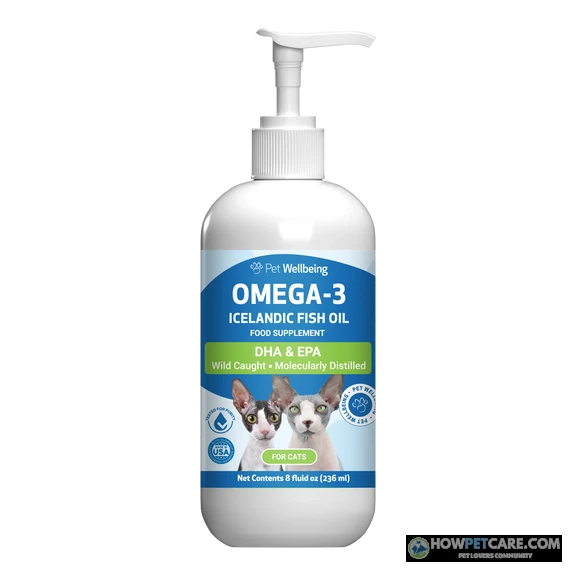
This example is illustrative, not a description of a named product or a dose recommendation:
| Step | What to look for | Example value | Calculation |
|---|---|---|---|
| Read the headline | Total fish oil per softgel | 1,000 mg | This is oil weight, not EPA+DHA. |
| Find EPA and DHA | Amount of each per softgel | 180 mg EPA + 120 mg DHA | 180 + 120 = 300 mg EPA+DHA per softgel. |
| Confirm the vet’s goal | Total daily EPA+DHA from all sources | 200 mg for a 5 kg cat | Illustrative total target: 5 kg × 40 mg/kg = 200 mg/day. |
| Account for food | EPA+DHA in the amount actually eaten | 90 mg/day | 200 − 90 = 110 mg/day remaining. |
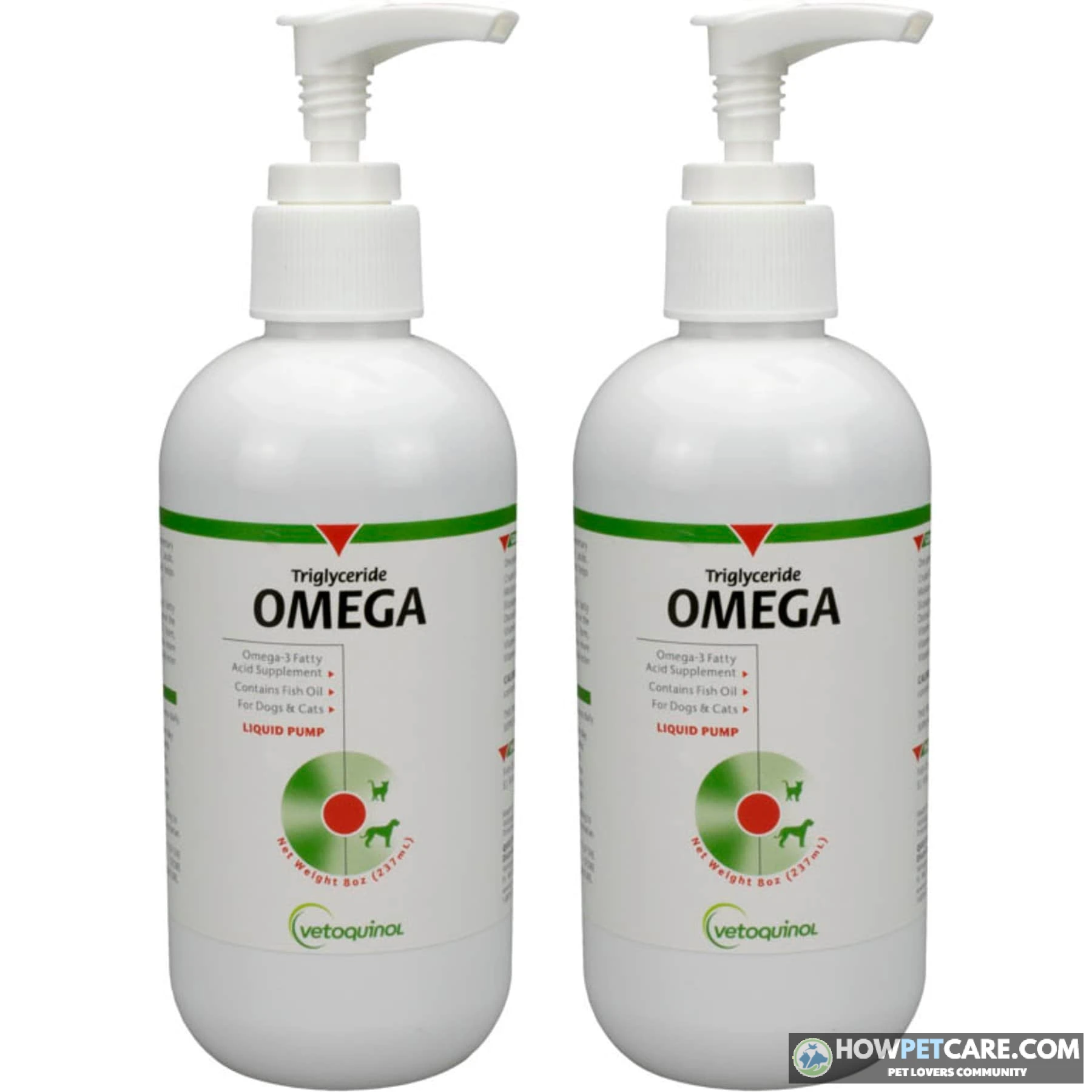
| Calculate the supplement | EPA+DHA per measured liquid pump | 110 mg per pump | 110 ÷ 110 = 1 pump/day. |
The 40 mg/kg combined total in this worked example is hypothetical arithmetic, not the separate 40 mg/kg DHA-only recommendation discussed in the chart. The example assumes the veterinarian has explicitly set a total-intake target. If the veterinarian instead prescribes a supplemental amount on top of the diet, ask for clarification before subtracting anything.
A whole 300 mg capsule would exceed the example’s 110 mg remaining amount. Don’t guess at a fraction or substitute an occasional whole capsule for a daily dose without veterinary agreement. A product with a reliably measurable smaller serving may be easier to use.
Subtracting what the food already provides
Ask the food manufacturer for EPA and DHA separately, or their combined amount, in the food as fed. Request mg per can, cup, gram, or kcal and use the same unit to measure what your cat actually eats. A percentage of total omega-3 alone may include ALA and may not reveal the EPA+DHA amount.
-
Confirm the target
Ask your veterinarian for a daily EPA+DHA goal and whether it includes food, treats, and supplements.
-
Measure the diet
Record the amount of each food and treat your cat actually eats per day.
-
Calculate food intake
Multiply the EPA+DHA per unit of food by the number of units eaten, then add any other known sources.
-
Find the remainder
If the veterinarian set a total-intake goal, subtract the daily dietary EPA+DHA from that goal. If the result is zero or less, do not add oil to reach that goal.
-
Measure the product
Divide the remaining milligrams by the EPA+DHA per capsule, milliliter, or pump. Confirm that the resulting portion can be measured accurately.
For example, if a food provides 0.45 mg EPA+DHA per kcal and the cat eats 200 kcal of that food daily, the food supplies 90 mg daily. Both figures are illustrative; obtain the actual values for your food and feeding amount. If intake varies or the manufacturer can’t provide EPA and DHA values, don’t invent a number—ask your veterinarian how to proceed.
If my cat eats a fortified diet, do they still need a supplement?
Not necessarily. A joint or kidney diet may already provide the amount the veterinarian intends, or its composition may be the reason it was selected. Bring the exact diet name, feeding amount, and manufacturer data to the appointment before adding oil. If the calculated diet contribution exceeds an agreed total target, ask the vet to interpret it rather than changing a prescription diet yourself.
How to Choose a Quality Cat Omega-3: Purity Testing, Freshness, and Red Flags
Use the same checks whether the label says pet supplement or human supplement. A recognizable brand name or a fish picture doesn’t tell you how much EPA and DHA are in a serving.
- ☐ EPA and DHA are listed separately. Check the serving size and whether the amount is practical to measure for your cat.
- ☐ Testing is transparent. Ask for a lot-specific certificate of analysis and the limits used for heavy metals, PCBs, and dioxins. An independent testing program can provide useful verification; check what it actually tests rather than assuming every seal covers every contaminant.
- ☐ Freshness information is available. Look for a dated product, appropriate packaging, storage instructions, and, where available, oxidation test results.
- ☐ Inactive ingredients are suitable for cats. Avoid propylene glycol and check flavors, sweeteners, and other additives with your veterinarian. Propylene glycol can harm cats, including their red blood cells.
- ☐ The oil matches the goal. Confirm the source, EPA-to-DHA profile, and any added vitamins. Don’t assume an ALA-only oil or a vitamin-rich liver oil is equivalent to fish-body oil.
The National Animal Supplement Council quality seal and independent testing programs can be useful signals, but a quality-system seal isn’t the same as a lot-specific contaminant and oxidation report. Ask the manufacturer what documentation applies to the actual product.
Signs your fish oil has gone rancid
Oxidation and rancidity can make oil unpleasant and undermine its quality. A markedly stale, paint-like, or unusually harsh odor is a reason not to use it, but smell alone can’t establish that an oil is fresh. Follow the manufacturer’s storage instructions, including refrigeration if directed; keep the container closed and away from heat and light.
Tocopherols, a form of vitamin E, may be added as antioxidants. Their presence doesn’t prove that an oil is fresh or that the cat needs a separate vitamin E supplement. Peroxide and anisidine values, when available with the testing date and applicable limits, offer more useful information than scent alone.
Contaminants to look for in testing
Ask whether the relevant batch was tested for heavy metals, PCBs, and dioxins and whether results met the laboratory’s stated limits. A certificate should identify the product or lot and the tests performed. If the company can’t explain its testing, consider another product.
Giving Omega-3 to Cats Safely: Human Capsules, Picky Eaters, and Side Effects
Human fish oil capsules: what to check
Some plain human fish oil products can be used for cats when a veterinarian approves the exact ingredients and dose. Human capsules are often inconveniently concentrated for a small cat, however, and flavored products may contain ingredients that aren’t appropriate for pets. Check EPA and DHA per capsule, inactive ingredients, and added vitamins; avoid propylene glycol and ask the veterinarian about any sweeteners or other unfamiliar additives.
Don’t force a large capsule into a cat. If a vet approves opening a softgel, use a clean implement and a way to measure the prescribed portion accurately. A liquid with a stated concentration may be more practical; refrigerate or discard opened portions according to the manufacturer’s instructions.
Workarounds for cats that refuse fish oil
A rejected supplement doesn’t mean your cat must go without food. Try mixing a small amount of the approved product into a separate spoonful of familiar wet food, and offer the rest of the meal plain. Warming the food slightly can change its aroma, but check its temperature before serving.
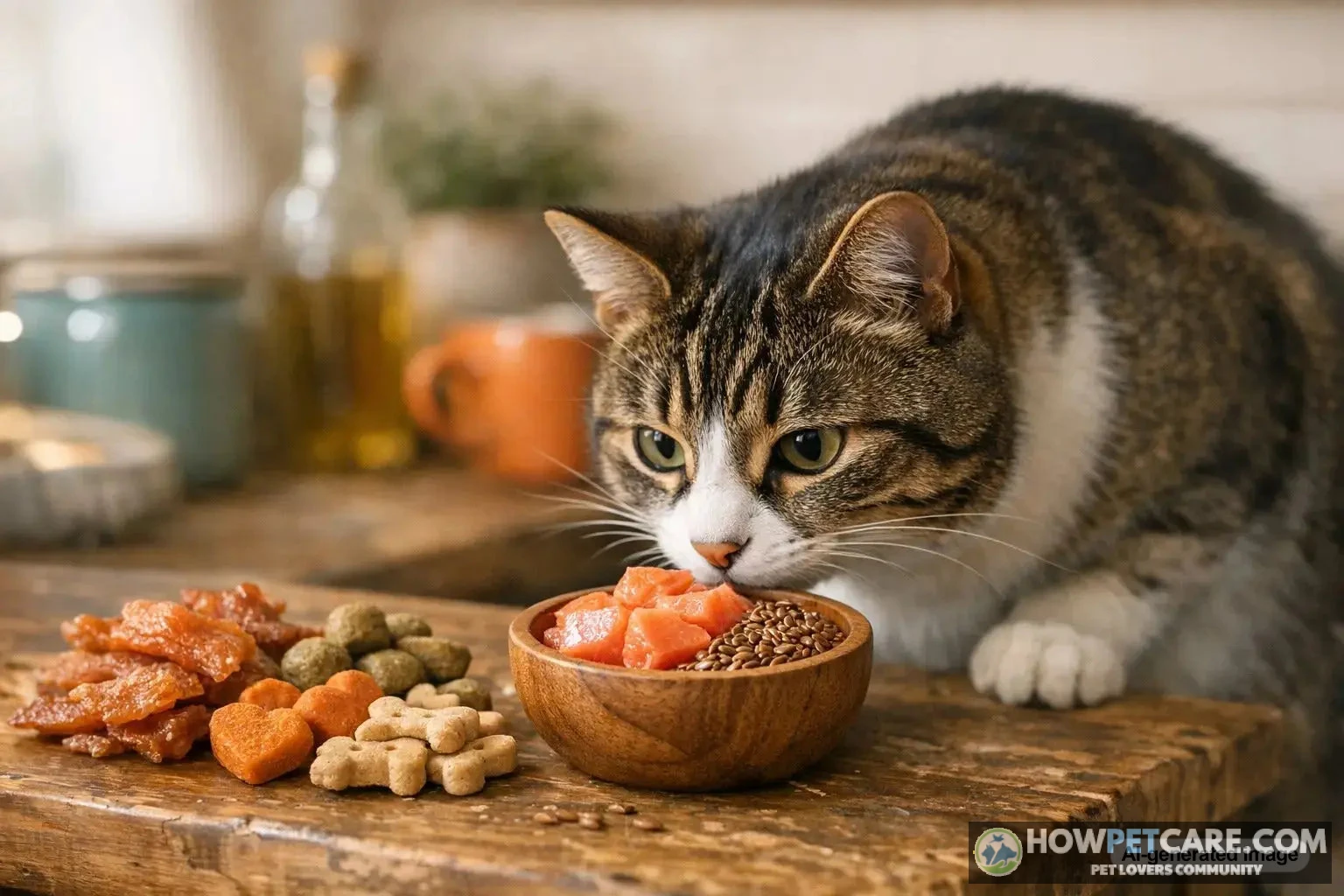
If your cat eats around the oil, ask about a different delivery form: a measured liquid, capsule contents, a cat-appropriate chew, or a powder that discloses its EPA and DHA. If the fish smell is the problem, another fish source or a suitable algae formula may be worth discussing. Introduce changes gradually and never force a cat to eat a disliked supplement.
Treats and toppers count toward the daily diet. Oil adds calories too, so ask the vet to account for it if your cat needs weight management or a restricted-fat plan.
Side effects and who should avoid it
Fishy odor, vomiting, diarrhea, and reduced appetite can occur, particularly when an oil is introduced quickly or the amount is poorly tolerated. Higher intakes can also affect platelet function and may contribute to delayed wound healing.
Use particular caution with bleeding disorders, upcoming surgery, anticoagulants, antiplatelet drugs, or NSAIDs. Cats with pancreatitis, hyperlipidemia, or a history of fat intolerance need a veterinarian’s assessment before added oil. Cats with diabetes or other chronic disease may also need monitoring when their diet changes. Don’t stop prescribed medication on your own.
Stop the supplement and contact your veterinary clinic for persistent vomiting or diarrhea, unusual bruising or bleeding, marked lethargy, or refusal to eat. Seek urgent advice for severe symptoms or significant bleeding.
If your cat tolerates the supplement, agree on what improvement would look like. A practical review of coat or mobility after about 4–8 weeks can help you and the veterinarian decide whether to continue; response may take longer or may not occur. Keep a simple record of appetite, stool, movement, and the amount actually given.
1Why is flaxseed oil considered an unreliable source of essential omega-3 fatty acids for cats?
Cats lack efficient enzymatic pathways to convert plant-based alpha-linolenic acid into the required long-chain fats EPA and DHA.
2According to the source material, what is the cited supplemental daily rate of combined EPA and DHA per kilogram of body weight for cats?
Veterinary research cites 30 to 50 mg per kg of body weight daily as a general supplemental range for combined EPA and DHA.
3Why should cat owners exercise special caution when considering cod liver oil as an omega-3 supplement?
Cod liver oil is derived from liver tissue rich in fat-soluble vitamins, making routine administration risky for vitamin A and D toxicity.
4What is the accurate method for calculating the cost per effective dose when comparing omega-3 supplement products?
Dividing total package price by total milligrams of active EPA and DHA yields the cost per milligram, which is standardized by multiplying by 100 to get cost per 100 mg.
5Which ingredient must be strictly avoided in cat omega-3 supplements due to its potential to damage feline red blood cells?
Propylene glycol is a harmful additive for cats that can damage red blood cells and should be avoided in pet foods and supplements.
6When adjusting a cat's omega-3 supplement to meet a specific vet-set total intake target, what step should be taken regarding their existing diet?
To avoid over-supplementation when working toward a total target intake, existing dietary EPA and DHA must be calculated and subtracted from that target goal.
7A cat owner notices their cat has a dull coat and flaky skin. Why is this insufficient to confirm an omega-3 deficiency?
Non-nutritional issues such as fleas, environmental allergies, and joint pain that prevents self-grooming produce coat changes identical to fatty acid deficiencies.
8High intakes of omega-3 fatty acids in cats carry potential safety risks. Which body function is specifically highlighted as being affected by excessive doses?
Excessively high marine oil intakes can impair normal blood clotting processes and prolong bleeding times by affecting platelet function.
9What distinguishes green-lipped mussel oil from standard marine fish-body oil?
Green-lipped mussel provides eicosatetraenoic acid (ETA) in addition to standard marine fats, though EPA and DHA disclosures vary across products.
10What practical strategy is suggested for introducing fish oil to a picky cat without risking food refusal?
Offering a small portion of oil in a dedicated single bite prevents the cat from rejecting their entire main meal if they dislike the taste.
Your Next Steps: When to Call the Vet and a Starter Plan
Speak with your veterinarian before starting omega-3 supplements for cats in any of these situations:
- Your cat has kidney or heart disease, arthritis symptoms, cancer, pancreatitis, hyperlipidemia, diabetes, a bleeding disorder, or a history of difficulty tolerating fat.
- Your cat takes medication, especially an anticoagulant, antiplatelet drug, or NSAID, or has surgery or another procedure planned.
- Your cat is a kitten, pregnant, nursing, or eating a therapeutic diet; ask how the whole diet meets that cat’s needs.
- Your cat isn’t eating normally, is losing weight, or has a new skin or mobility problem that hasn’t been examined.
For a useful appointment, bring the food name and amount eaten daily, any manufacturer EPA and DHA figures, the supplement label, and your calculations. Ask the vet to confirm the goal, whether it includes the diet, the appropriate weight and product portion, and how to introduce and monitor it.
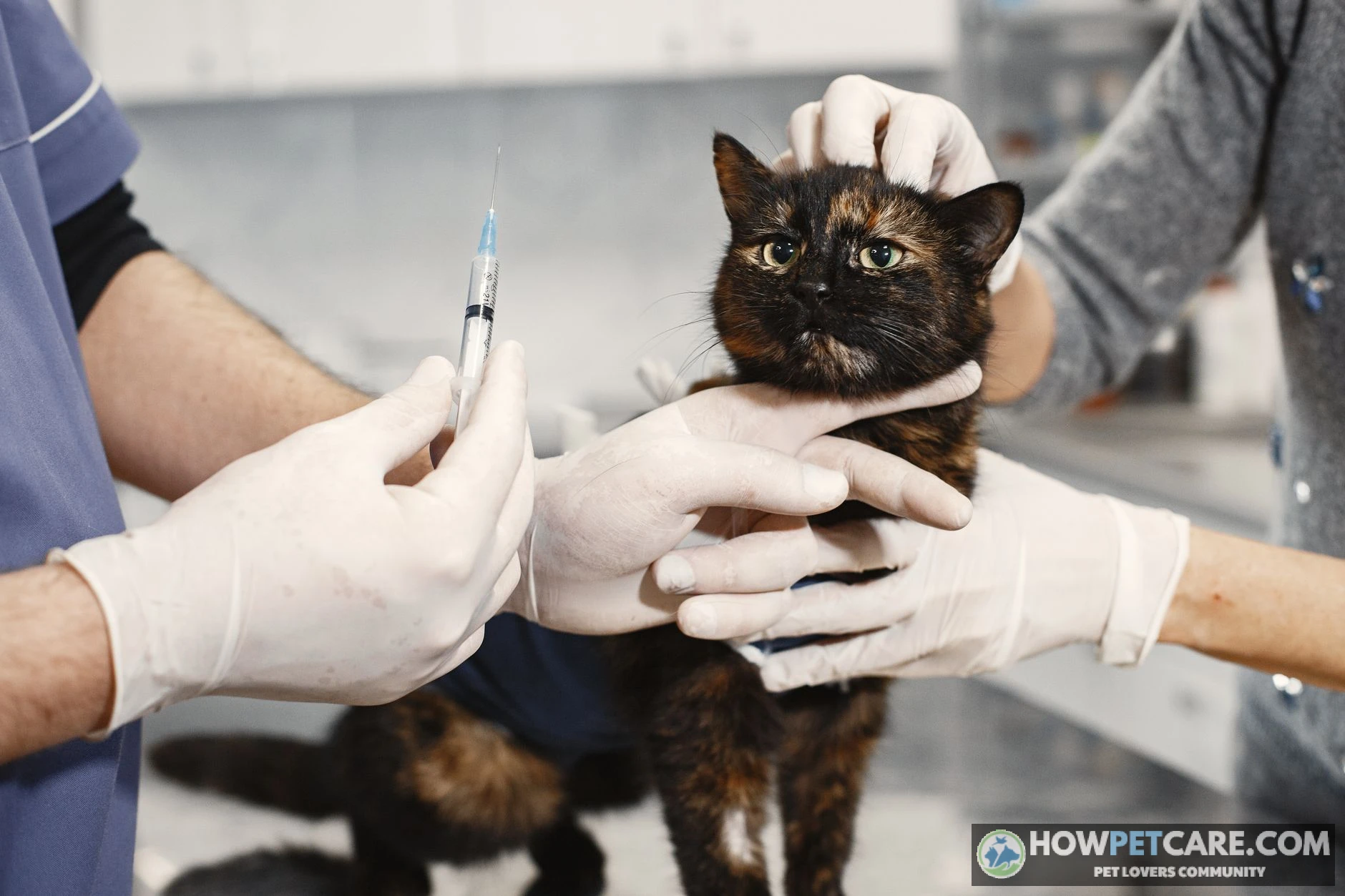
If the vet recommends a trial, measure the agreed amount, introduce it gradually, and track both benefits and side effects. Reassess together rather than increasing the dose because results are slow. If the diet already meets the agreed goal, the right starter plan may be no supplement at all.
| Source | EPA and DHA Content | Potential Use | Safety Notes | Palatability | Relative Cost per Effective Dose |
|---|---|---|---|---|---|
| Fish oil | Supplies EPA and DHA; concentration varies | Practical source when both EPA and DHA are wanted | Check freshness, testing, and other ingredients | Fish odor may appeal to some cats and deter others | Often a useful baseline; compare label and price |
| Salmon oil | Supplies EPA and DHA; amounts vary | Alternative fish flavor source | Salmon oil is fish oil; same freshness and dosing checks apply | Some cats prefer the flavor | Variable; calculate cost per 100 mg EPA+DHA |
| Krill oil | Supplies EPA and DHA; amounts vary | Alternative marine source | Shellfish-derived; check other ingredients and actual dose | Acceptance varies | Compare carefully; capsule sizes and concentrations differ |
| Algae oil | Formulas vary; many emphasize DHA, while some also provide EPA | Option when avoiding fish ingredients | Confirm fatty-acid amounts; check flavorings for fish ingredients | Can have a different odor from fish oil | Variable; compare actual EPA+DHA delivered |
| Green-lipped mussel | Contains omega-3s, including ETA; EPA and DHA disclosure varies | Used in joint-support products | Shellfish-derived; joint claims and amounts depend on product | Acceptance varies | Difficult to compare if EPA and DHA are not disclosed |
| Cod liver oil | Contains EPA and DHA; amounts vary by product | Generally not the first choice for routine supplementation | High Vitamin A and D content can make repeated dosing unsafe | Fishy odor; acceptance varies | Bottle price alone is misleading |
| Flaxseed oil | Mainly ALA; lacks meaningful preformed EPA and DHA | Not a reliable replacement for an EPA/DHA supplement | Adds fat and calories without reliably supplying long-chain fats | Acceptance varies | Not comparable per effective EPA+DHA dose |
FAQ
Are omega-3 fatty acids good for cats?
They can be, particularly marine EPA and DHA for cats with skin, joint, kidney, or other inflammatory problems. Most healthy cats on a complete diet need little extra, so check your cat’s food and talk with your vet first.
Is flaxseed oil a good omega-3 source for cats?
Not really. Flaxseed provides ALA, which cats convert to EPA and DHA very poorly, so marine sources like fish, salmon, or algae oil are more effective.
How long does it take for omega-3s to work in cats?
Coat and skin changes often take about 4-8 weeks to become noticeable, and joint or mobility benefits may take a similar time or longer. Improvement varies by cat and condition, so reassess with your vet.
Can I give my cat omega-3 every day?
Yes, daily dosing is the norm when a supplement is recommended, as long as the total EPA+DHA from food and supplements stays within a safe range. Start with a low dose and increase gradually.
Does fish oil make cats vomit or have diarrhea?
It can, especially at high starting doses or with rancid oil. Reducing the dose, building up slowly, giving it with food, and using fresh, quality oil usually helps; stop and call your vet if symptoms persist.