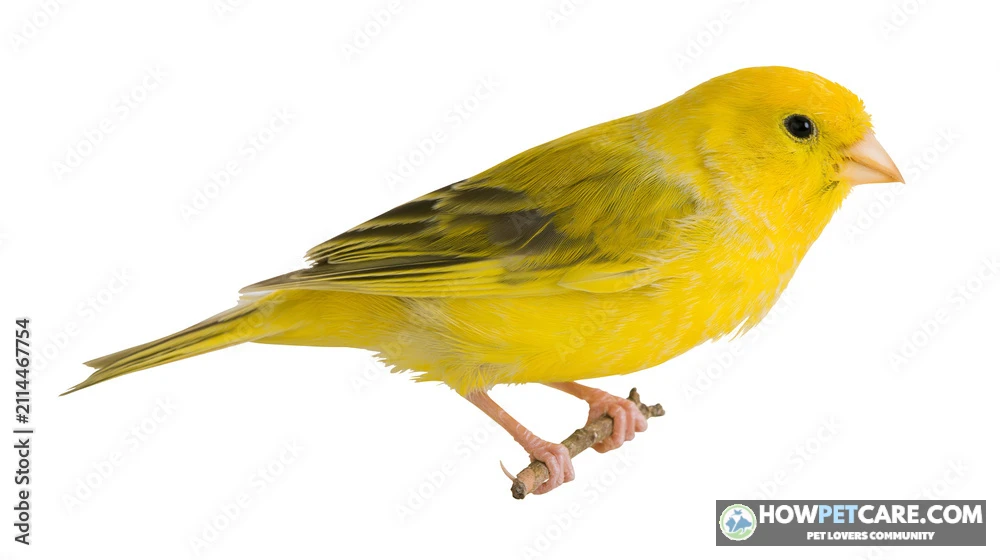

A canary needs a wide cage with safe bar spacing, daily fresh water, a seed or pellet base plus vegetables, steady sleep, and weekly cleaning. Keep air free of smoke and fumes, watch droppings and breathing, budget for routine and emergency care, and use an avian vet for checks.
A canary may suit a first-time bird owner who’d rather watch and listen than handle a pet. Good care starts with a roomy, horizontal cage, a varied diet, fresh water, daily observation, and access to an avian veterinarian. Before bringing one home, budget for the bird, its cage, routine care, and an emergency reserve. The guidance below makes sense of conflicting cage advice and lays out a practical care schedule.
Are Canaries Good Beginner Pets? A Quick Fit Check Before You Buy
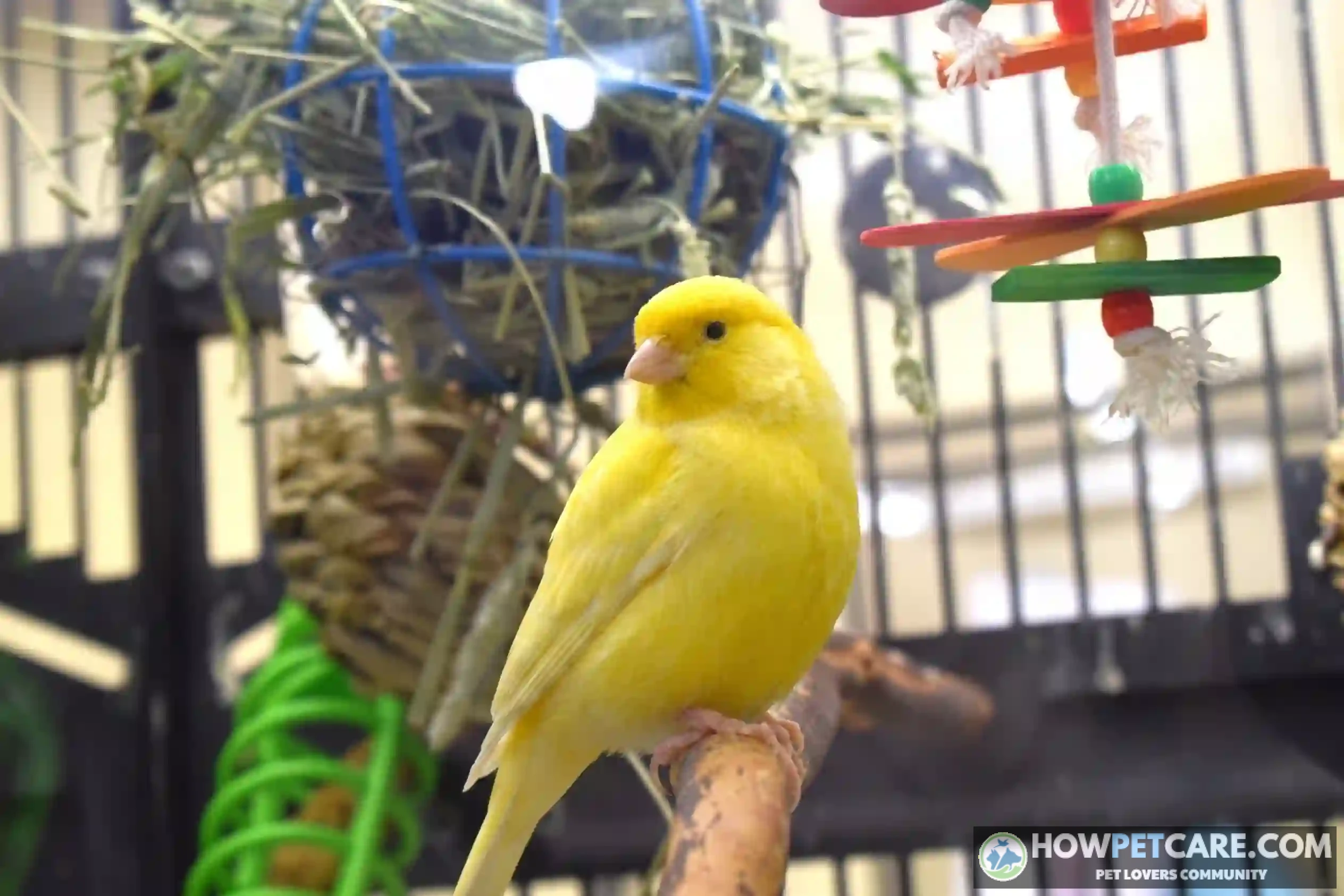
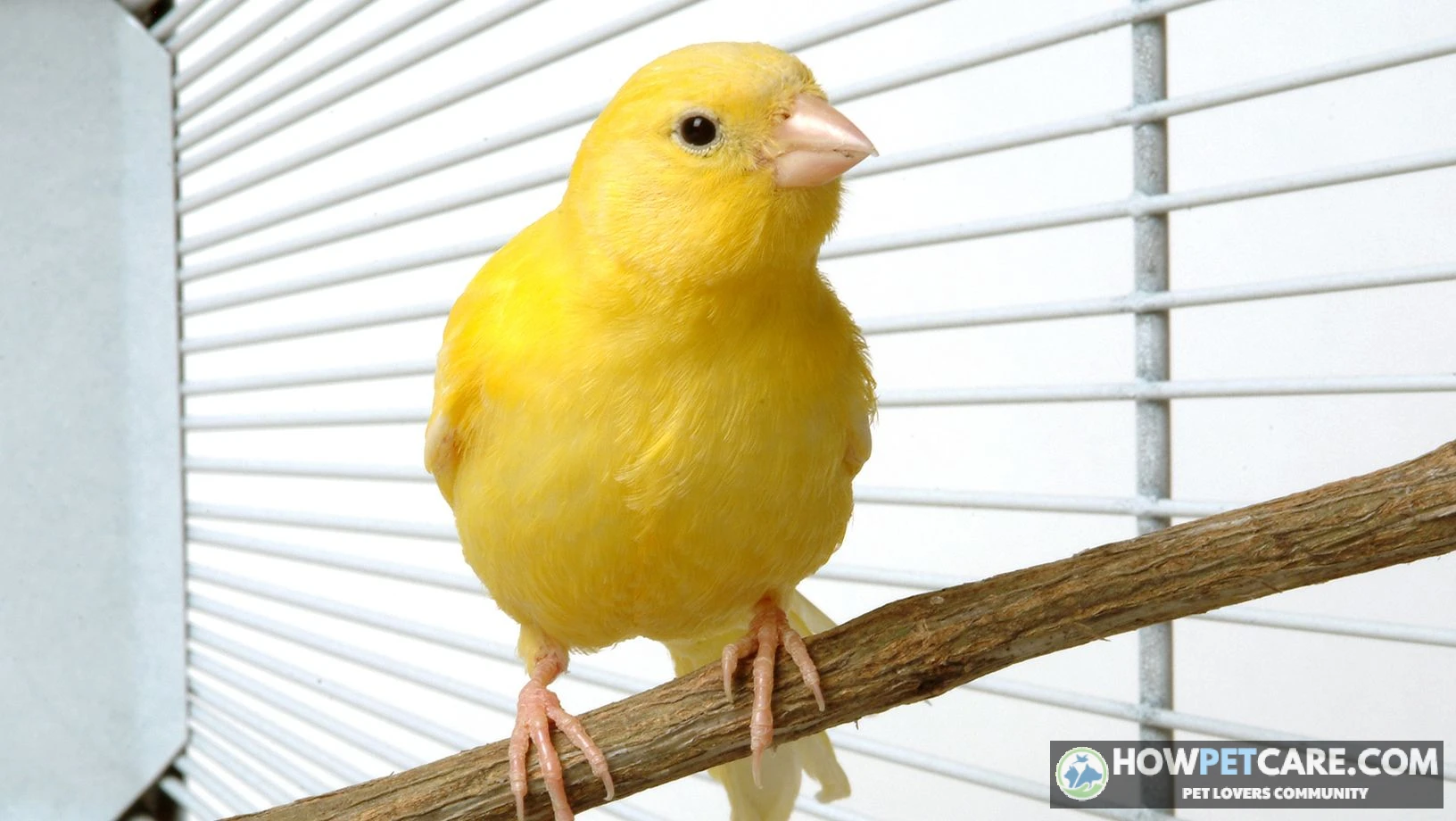
Canaries can be a reasonable choice for beginners, but they still need attentive care and aren’t especially hands-on pets. They need daily attention, safe indoor air, a steady sleep routine, and prompt veterinary care when something changes. Most prefer being observed to being handled. A canary may be a good match if you enjoy watching natural behavior and hearing birdsong rather than carrying a bird around.
Before you commit, think about whether you can keep your home free of smoke and hazardous cooking fumes, provide food and water every day, and arrange care when you travel. Keep cats and other pets away from the cage and any flight room. Canaries are small, shy birds best suited to observation, and a well-cared-for pet may live around 10–15 years.
Can a canary live alone, or does it need a companion bird?
A canary can live well without another bird. Sources differ on whether canaries should be housed in pairs, but keeping one bird is the simplest and safest option for a beginner. Two males may fight, while a male and female may breed. If you want more than one bird, use separate cages unless an avian-experienced professional advises otherwise. Canaries are often housed singly, and some care sources specifically discourage pairing.
Do only male canaries sing?
Males are known for full, sustained song. Females may chirp or trill, but it can be difficult to determine sex by appearance. Buying a male doesn’t guarantee a singer: age, health, stress, season, and molt can all affect song. Ask to hear the individual bird sing instead of relying only on a seller’s label.
Canary vs finch: which fits your home?
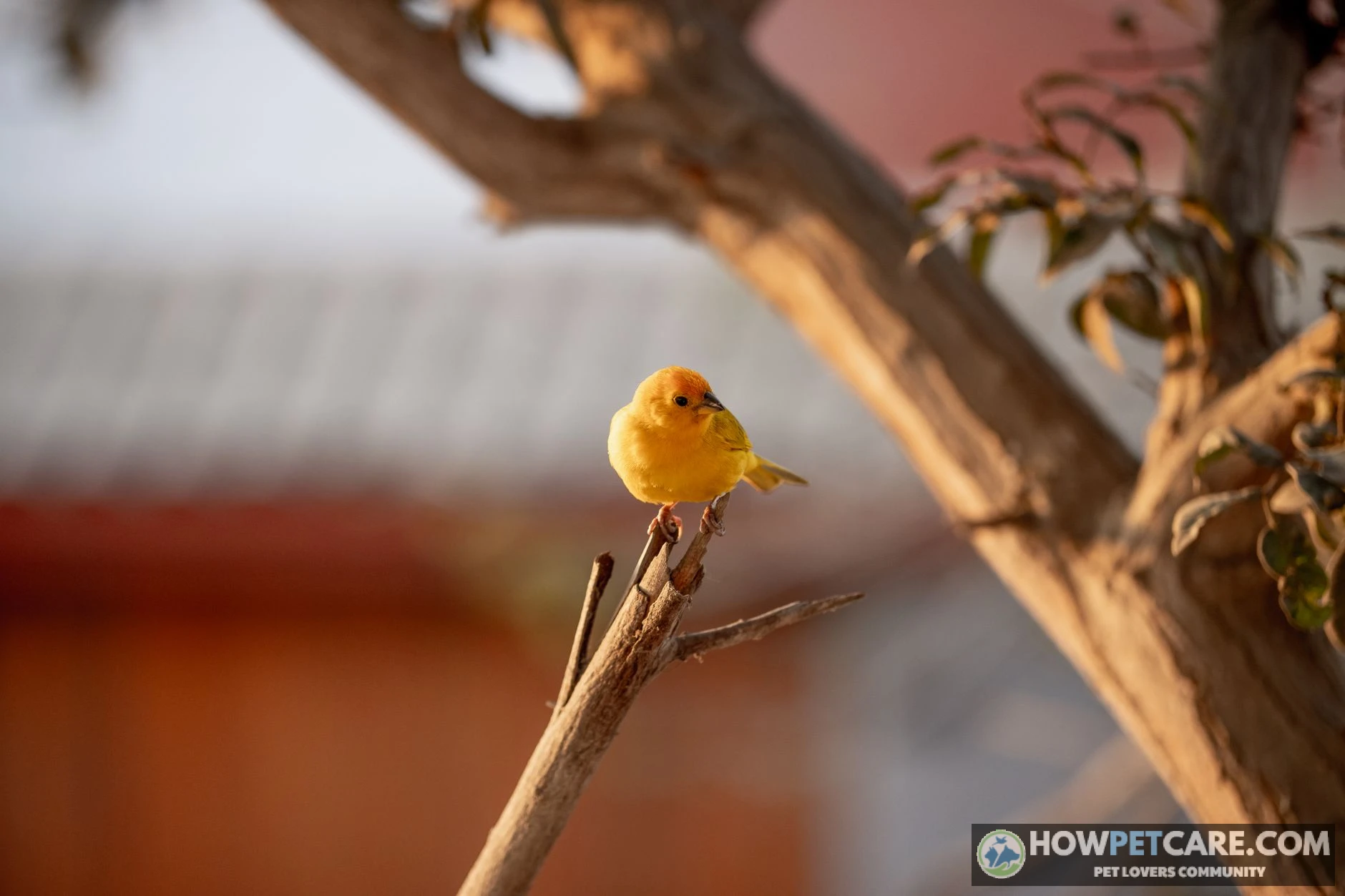
Both canaries and many finches are mainly birds to watch and listen to, rather than handle. A canary may suit you if you want one bird and value a male’s song. Finches are often kept in social groups, so you’ll need to plan for multiple birds and their interactions. Research the needs of the particular finch species before choosing; “finch” covers many kinds of birds.
Canary Cage Setup and Requirements: Minimum, Better, and Best Sizes
For most first-time owners, a cage around 24 x 18 x 18 inches (61 x 46 x 46 cm) is a practical starting point for one canary. Choose a wider flight cage if you can’t provide safe, supervised flight time. The shortest dimensions sometimes described as a minimum aren’t necessarily a good long-term choice. Width matters more than extra height because canaries need room to fly from side to side.
Why cage-size minimums conflict, and which to follow
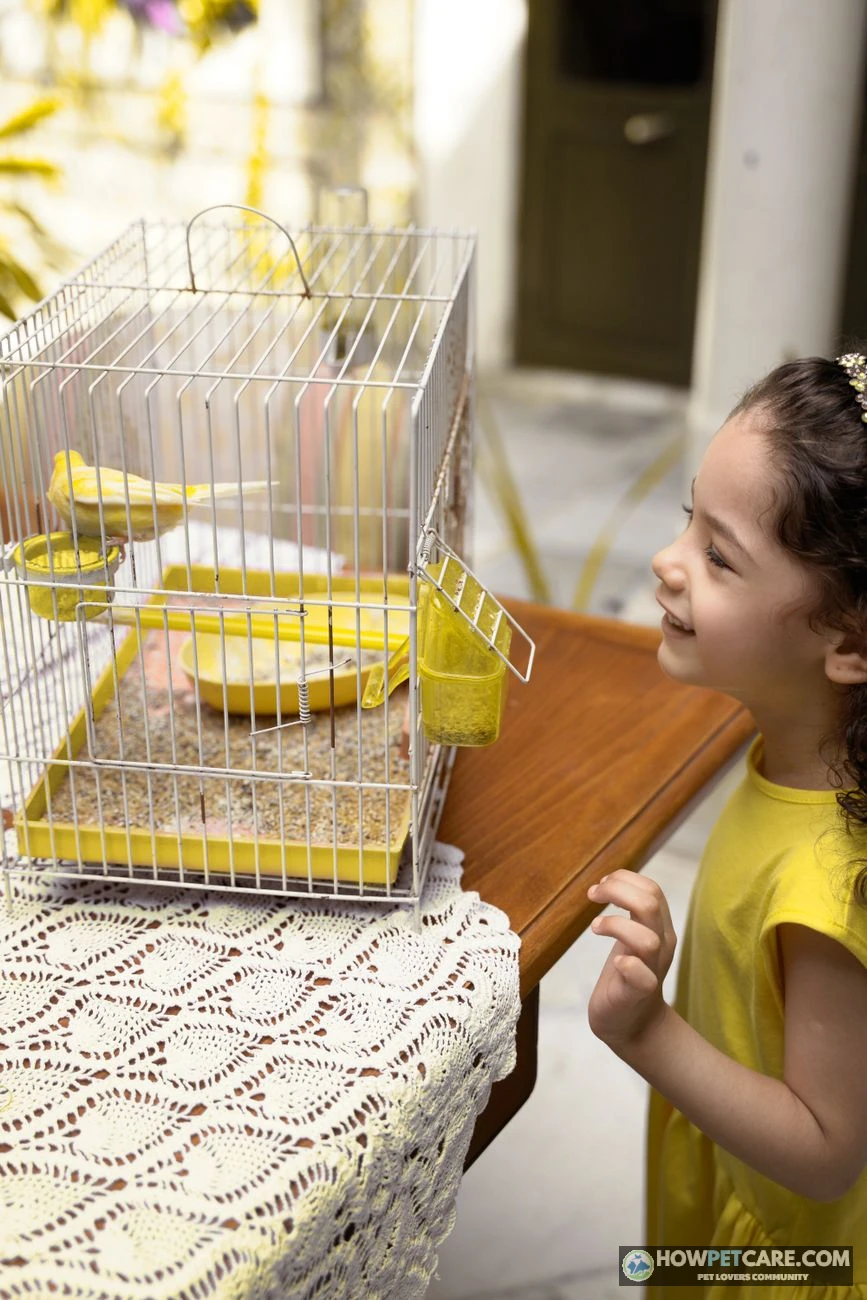
Published recommendations vary. One species-care source gives 12 x 12 x 15 inches as a minimum and 18 x 18 x 24 inches as a recommendation; another gives a minimum of 18 x 14 x 18 inches. The figures reflect different assumptions about minimum housing, access to flight, and how a cage will be used. They aren’t interchangeable guarantees of good welfare.
| Source or type | Stated dimensions (L x W x H, in) | Why the figure differs | Our tier (minimum / better / best) | Best for |
|---|---|---|---|---|
| Small starter-cage recommendation | 12 x 12 x 15 | A compact minimum in one species profile; little horizontal flying room | Below our practical minimum | Not recommended as a long-term home |
| Avian-care minimum | 18 x 14 x 18 | A stated minimum; does not by itself ensure ample flight room | Minimum | One bird only when the owner can also provide safe supervised flight |
| Species-profile recommendation | 18 x 18 x 24 | The recommended figure in the same species profile; adds height more than flight width | Minimum | An alternate sourced option where a wider cage will not fit |
| Practical beginner recommendation | 24 x 18 x 18 | Adds useful width while remaining manageable in many homes | Better | Most first-time owners; a sensible default |
| Roomier flight cage | 30 x 18 x 18 or wider | Prioritizes side-to-side flight space | Best | Owners who want to maximize in-cage flight room |
The 12 x 12 x 15-inch figure comes from a species profile, while another care source reports 18 x 14 x 18 inches as a minimum. The 24-inch and 30-inch tiers above are practical recommendations, not claimed source standards. If you’re choosing between a narrow, tall cage and a wider one, choose the wider cage. Avoid round cages: they waste usable space and lack secure corners.
Look for bar spacing around 3/8 inch or less; one source specifies 3/8 inch or less. Check the manufacturer’s actual measurements rather than trusting a “small bird” label. The bird’s head must not fit between the bars. A pull-out tray also makes routine cleaning easier.
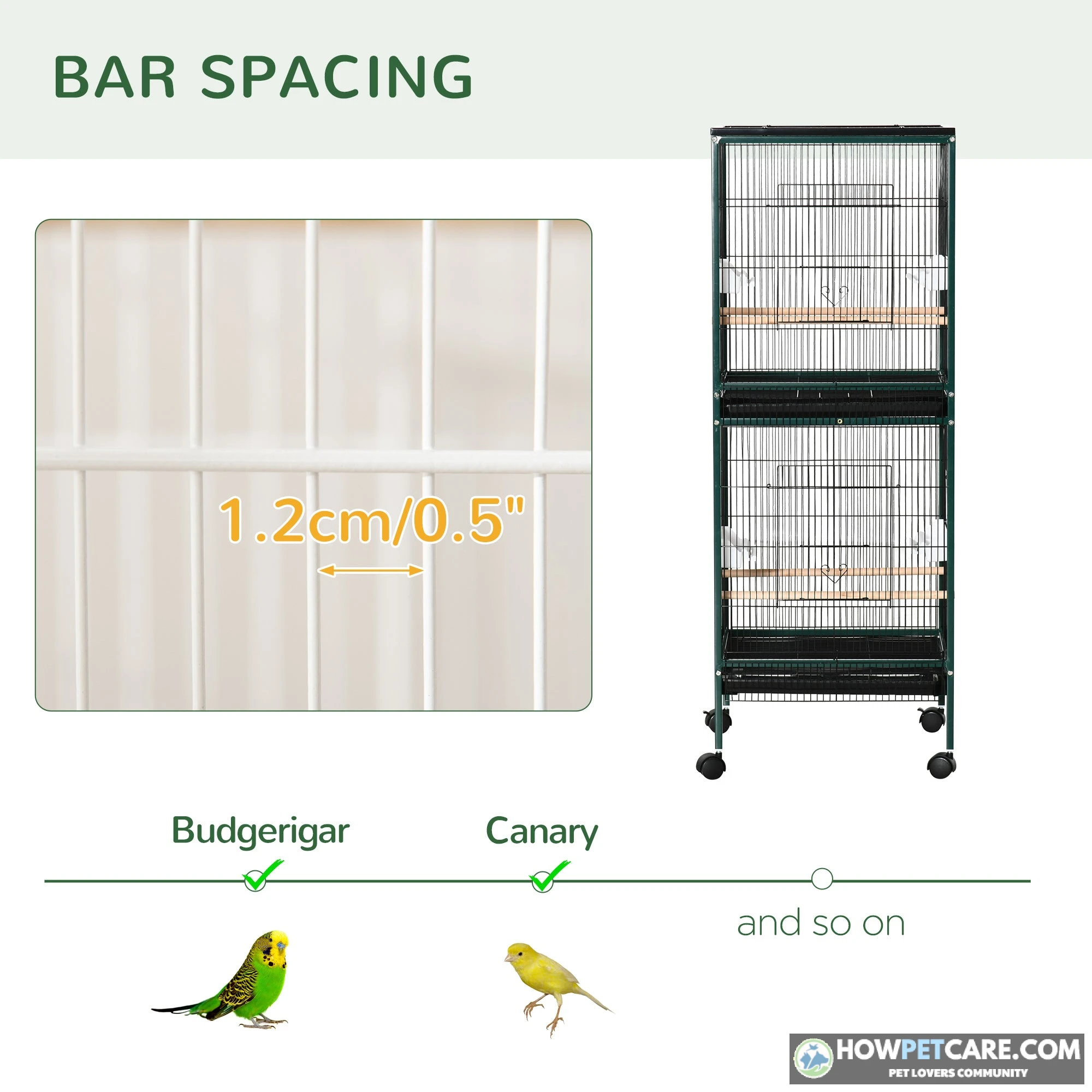
Bar spacing, placement, and room conditions
Place the cage around eye level or slightly above, with one side near a wall to give the bird a sheltered area. Keep it away from kitchens, drafts, direct sun, loud televisions, and busy doorways. Fumes from non-stick cookware can be dangerous to birds, so don’t place a canary’s cage in or near the kitchen. A care source recommends a room temperature of 60–75°F (15–24°C) and protection from drafts. Avoid sudden temperature changes, and don’t leave the cage in direct sun without a shaded area the bird can move to.
Set up the cage before bringing your bird home. Add food and water dishes, several perches, a bathing dish, a cuttlebone or mineral source, and a few safe enrichment items. Keep the center clear for flight.
Perches, dishes, and accessories that earn their place
Choose natural perches in varied diameters instead of filling the cage with identical dowels. Place them so droppings can’t fall into food or water. Avoid sandpaper perch covers, which can irritate a bird’s feet. Provide a separate, shallow bath with fresh water; canaries benefit from access to bathing water. A cuttlebone provides a source of calcium.
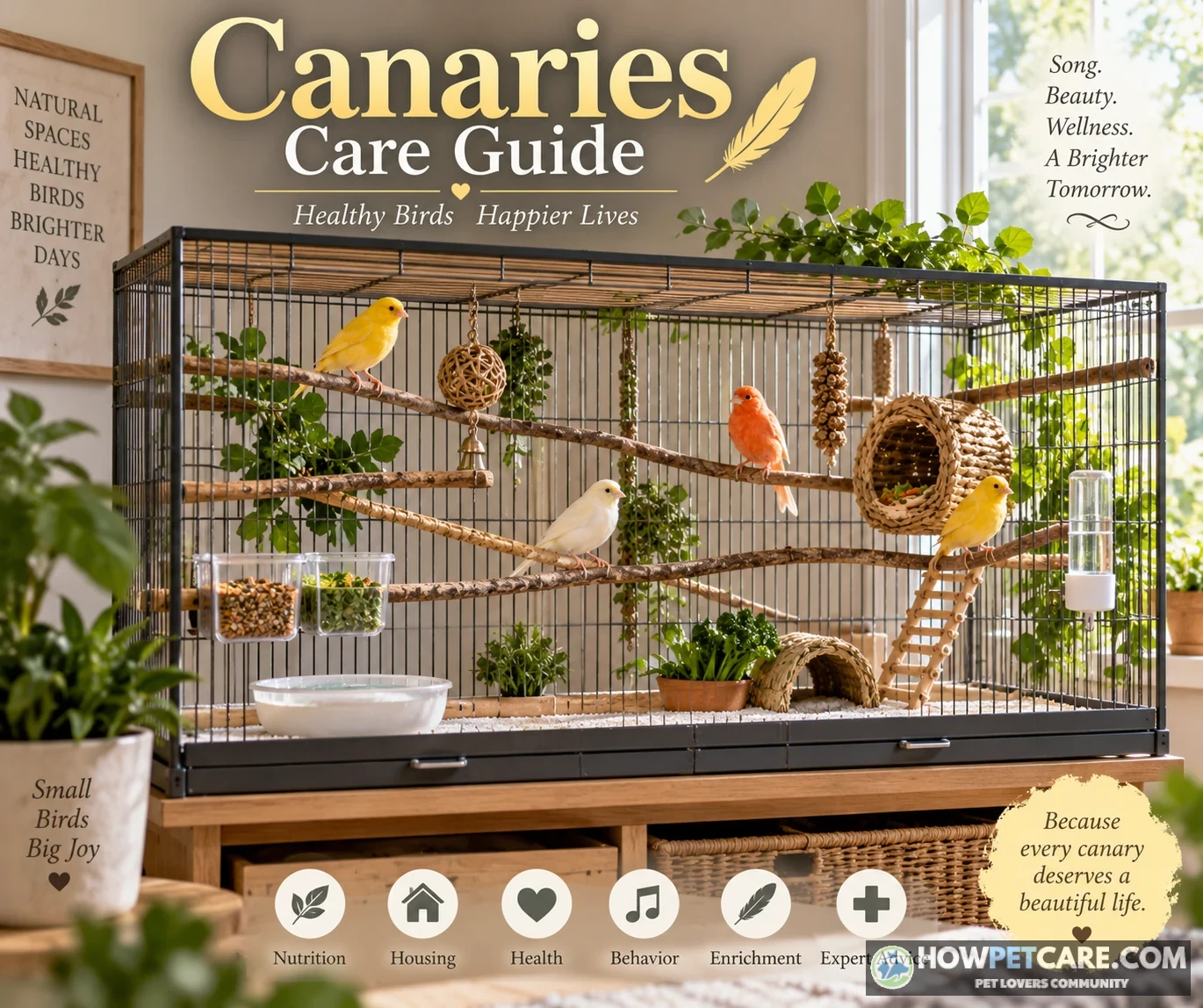
A few safe toys and simple foraging opportunities add enrichment, but too many accessories can block flight. Mirrors bother some birds, so watch how your canary responds. A breathable night cover can block household light, but it must allow airflow. Most important is a consistent period of dark, quiet sleep.
 You might be wonderingClownfish care guideClownfish Care Guide: Setup, Cycling, Feeding & DiseaseRead the answer
The Best Diet for a Pet Canary: Daily Feeding, Safe Foods, and Dangers
Offer a quality canary seed mix and/or formulated pellets, fresh vegetables and leafy greens, clean water, and a cuttlebone or other suitable mineral source. Seed alone isn’t a complete diet. One care source suggests roughly 70% quality seed or pellets, with fresh vegetables, greens, and limited fruit making up the rest; it also advises keeping treats under 10% of the diet. Follow the feeding guidance on a reputable canary food, and ask an avian vet how to transition a bird that has eaten only seed.
What to feed a canary each day
Refresh drinking water daily and wash the dish whenever it gets soiled. Check the seed bowl for empty husks; a bowl that looks full may contain very little edible seed. Offer a small portion of fresh produce, then remove leftovers within a few hours so they don’t spoil. Introduce new foods gradually. A bird used to seed may need repeated, calm opportunities to try vegetables.
Safe fresh vegetables and fruits
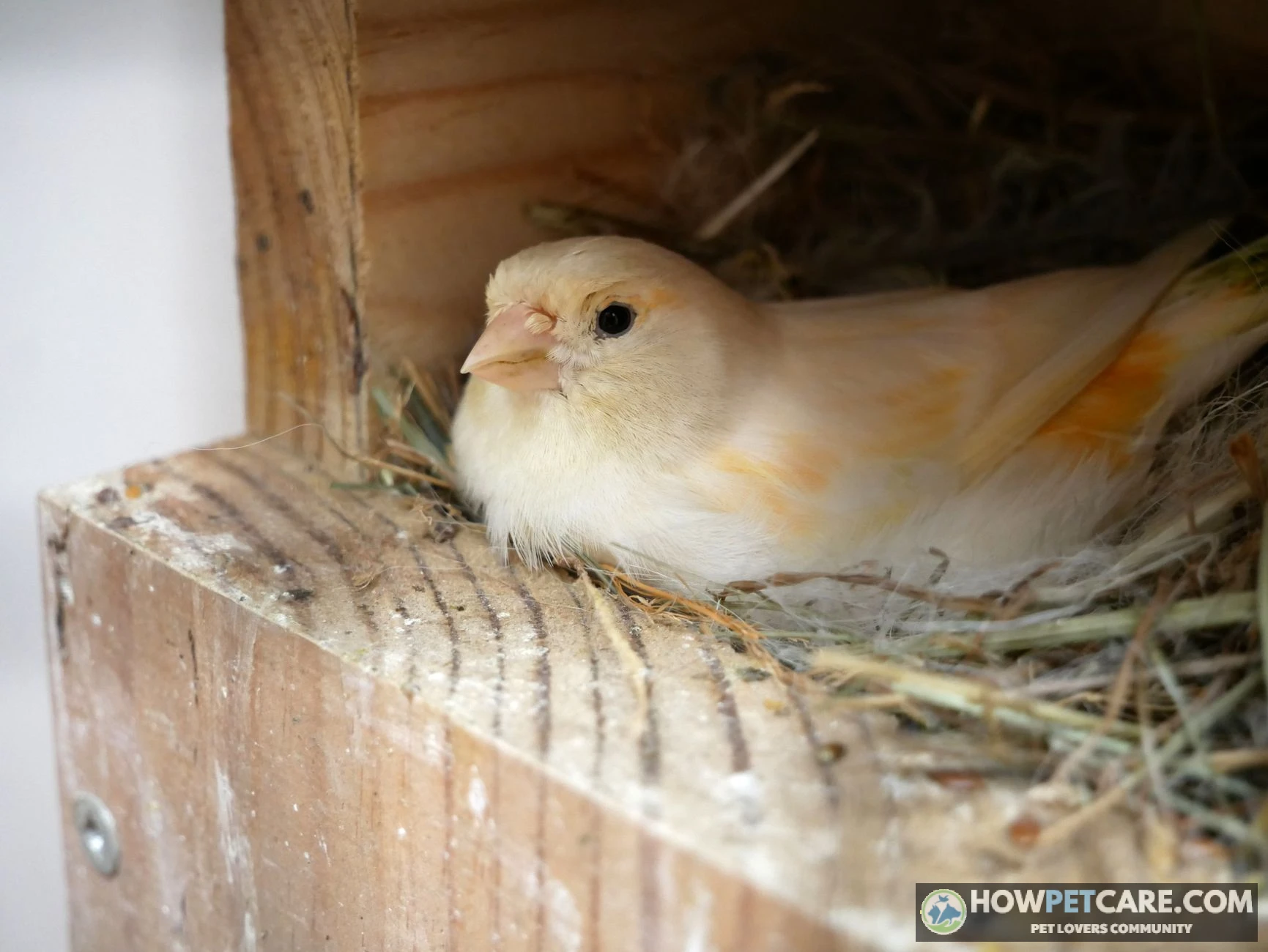
Try leafy greens — with the lettuce caveat noted under hazards below — and small pieces of vegetables such as bell pepper, carrot, or squash. Fruit can be an occasional extra in small amounts, not a main food. Wash produce and serve it plain. Remove pits and seeds from fruit; one care source lists fruit seeds among foods to avoid. Don’t assume a food is safe just because people eat it.
Toxic foods and airborne hazards
Avoid avocado, chocolate, alcohol, caffeine, rhubarb, and fruit seeds. Skip salty, heavily seasoned, or processed human foods, too. One source describes lettuce as unsafe. Since advice about individual foods can vary, stick to familiar vegetables and ask an avian vet before offering anything uncertain.
Airborne hazards matter just as much. Keep birds away from smoke, aerosols, scented candles, and cleaning fumes. Overheated non-stick cookware can release toxic fumes. Move the bird well away from cooking risks rather than relying on an open window. Don’t add vitamin or mineral supplements unless an avian vet recommends them. You can offer a cuttlebone as a mineral source.
Where to Buy a Canary, How to Pick a Likely Singer, and What It Really Costs
Consider a reputable breeder, a bird rescue, or a pet store that can answer questions about the bird’s history and care. A breeder may know the bird’s age and whether it comes from a song, color, or type line; canaries fall into these broad breed categories. A rescue may have a bird in need of a home but limited information about its age or sex. A pet store may be convenient, but inspect the birds’ housing and ask how the store monitors their health.
Breeder vs rescue vs pet store
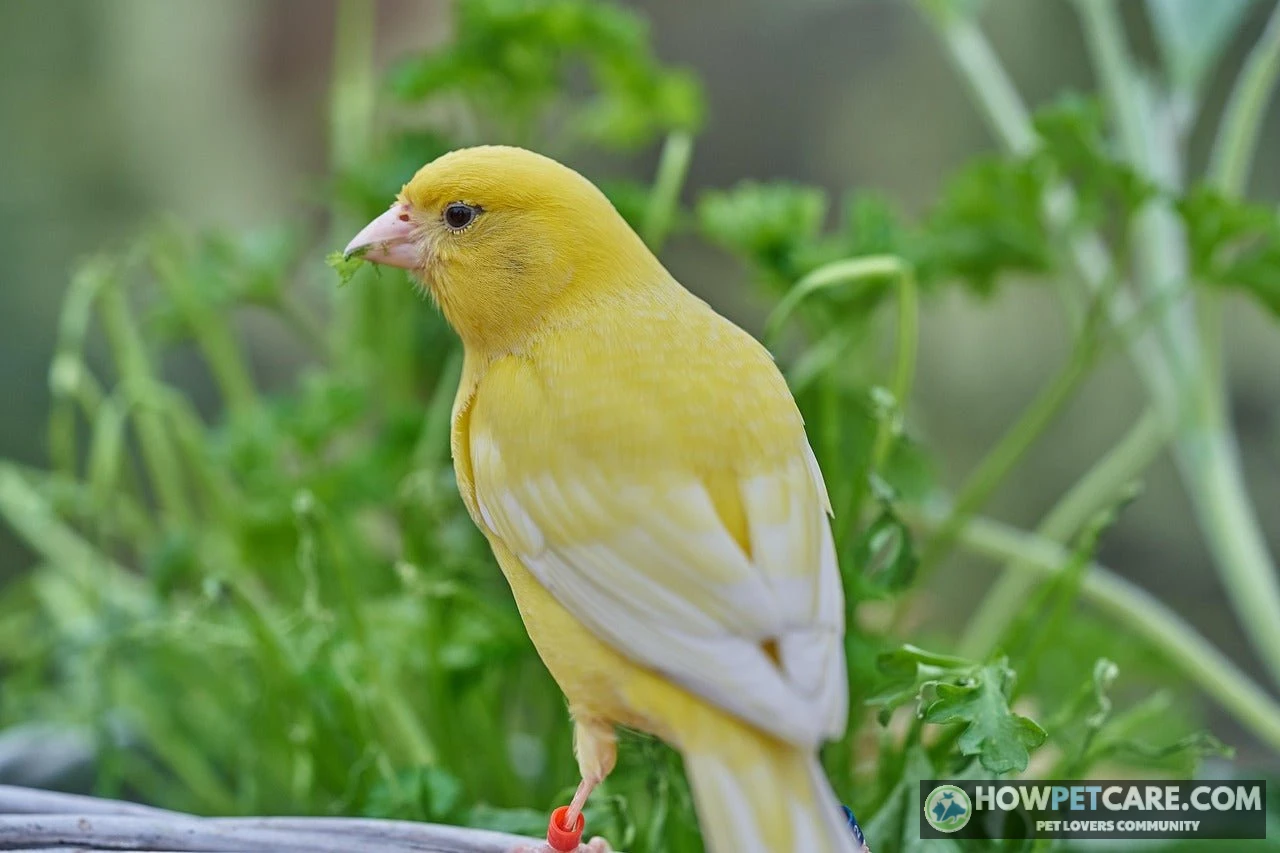
No source can guarantee a healthy bird or a singer. Ask how the bird is housed, what it eats, whether it has been examined, and what support or return policy is available. Watch the bird before deciding. Healthy signs listed in care guidance include being alert and upright, breathing quietly, and having bright eyes, dry nostrils, and smooth feathers. Avoid birds that sit fluffed up, seem sleepy, have crusted eyes or nostrils, show tail bobbing, or have a dirty vent. Walk away from dirty or crowded cages and sellers who avoid basic questions.
Buying checklist: questions to ask and red flags to spot
Ask the seller:
- What is the bird’s age or hatch date, and how was that determined?
- What food is it eating now, and how should I transition it?
- Is its sex known, and what evidence supports that identification?
- Can I hear this individual sing? Is it a song-breed canary?
- Does it have a leg band or other identification, and what does it indicate?
- Has it had health concerns or veterinary care? What health guarantee and return policy apply?
- How are the birds housed, and are new arrivals separated?
Most buyers can’t reliably sex a canary by appearance alone. A seller’s claim that a bird is male doesn’t prove it will sing. Ask to hear the bird sing on its own. A young bird may not have a mature song yet, and a quiet bird may be stressed or molting. Arrange a baseline check with an avian vet soon after purchase. If you already have birds, keep the newcomer separate until your vet advises that it’s safe to introduce them.
Setup, monthly, annual, and emergency costs in US dollars
These are planning estimates for a single canary in the United States, not fixed prices or national quotes. Local avian-vet fees, cage choices, and the bird’s source can change the total substantially. Call nearby avian practices and check current local listings before buying.
| Cost category | Item | Low estimate (USD) | High estimate (USD) | Assumptions and notes |
|---|---|---|---|---|
| One-time | Bird | $50 | $300+ | Store birds may be at the low end; sought-after song or color lines may cost more |
| One-time | Cage, around 24 x 18 x 18 inches | $80 | $250 | Choose safe spacing and useful width; do not buy by “starter kit” label alone |
| One-time | Stand or secure table | $0 | $80 | $0 if sturdy existing furniture is suitable |
| One-time | Perches, dishes, bath, cuttlebone, toys, cover | $40 | $120 | Assumes a basic, functional setup with varied perches |
| Monthly | Seed mix or pellets | $10 | $25 | Small bags help keep food fresh |
| Monthly | Fresh vegetables and greens | $5 | $15 | Often part of a household grocery shop |
| Monthly | Liners, cuttlebone, and small replacements | $5 | $15 | Plain paper liners are a low-cost option |
| Annual | Avian-vet wellness exam | $80 | $250 | Call local practices for their actual exam fees |
| Annual | Replacement perches, toys, and dishes | $20 | $60 | Depends on wear and cleaning |
| Reserve | Emergency veterinary fund | $300 | $1,000 | A planning reserve, not a guarantee that it covers every emergency |
Based on these assumptions, the first year may cost around $550–$2,000 or more, including the bird, initial supplies, ongoing food, and one wellness exam. A later year may run roughly $250–$500 or more before emergencies, depending on local vet fees and replacement needs. These totals are estimates based on the table, not verified prices for every region. Also budget for a pet sitter during travel and possible extra costs for safe lighting or temperature control.
Canary Care Calendar: Daily, Weekly, Monthly, and Seasonal Tasks
A steady routine makes care easier and helps you spot changes early. Use this schedule as a starting point, then adapt it to your bird, cage, and avian vet’s advice.
| Frequency | Tasks |
|---|---|
| Daily | Replace drinking water; refresh seed and remove husks; offer fresh produce and remove leftovers after a few hours; spot-clean droppings and the tray; check posture, appetite, eyes, and droppings; keep light and sleep times consistent. |
| Weekly | Wash food and water dishes with soap, rinse, and dry; wipe bars and clean perches; replace the cage liner; offer a shallow bath several times during the week; clean the area around the cage. |
| Monthly | Deep-clean the cage with a bird-safe cleaner, rinse thoroughly, and dry; inspect perches, toys, dishes, and cuttlebone; note nail or beak overgrowth rather than clipping without training; rotate one or two enrichment items; weigh the bird if it tolerates the process. |
| Seasonal and yearly | Adjust the routine for molt; watch for drafts in cold weather and overheating in warm weather; maintain consistent daylight; arrange an annual avian-vet exam; check emergency contacts and savings. |
Daily routine
Keep the start and end of the day consistent. Replace the water instead of simply topping it off. Check that the bird can reach its food and that the seed dish contains seed, not just husks. Watch the canary eat. Changes in appetite, droppings, posture, or activity can be early warning signs.
Weekly and monthly tasks
Wash dishes with hot, soapy water, rinse them thoroughly, and let them dry. Clear away droppings and food debris before they build up. For a deeper monthly clean, move the bird to a secure holding cage if needed. Wash the empty cage with a bird-safe cleaner, rinse it well, and let it dry before returning the bird. Avoid strong fumes, and don’t use a cleaning product around the bird unless you’ve checked that it’s bird-safe.
Seasonal and yearly tasks
Keep the light schedule steady and adapt care during molt. Protect the cage from drafts and direct sun as the seasons change. Arrange a wellness visit with an avian veterinarian each year, and find an avian-experienced practice before you need urgent care.
Bathing, nails, and grooming
Offer a shallow dish of clean, lukewarm water several times a week and let the bird choose whether to bathe. Don’t add soap or force a bath. Remove the dish afterward, and keep the bird in a comfortable, draft-free room while its feathers dry. Perches help wear down nails naturally, but they don’t guarantee that nails will stay a healthy length. If the nails or beak look overgrown, ask an avian vet to assess the cause and show you safe care. Don’t attempt trimming unless you’re trained; an inexperienced clip can injure the bird.
Building Trust with a Hands-Off Bird: Taming Steps and Safe Out-of-Cage Flight
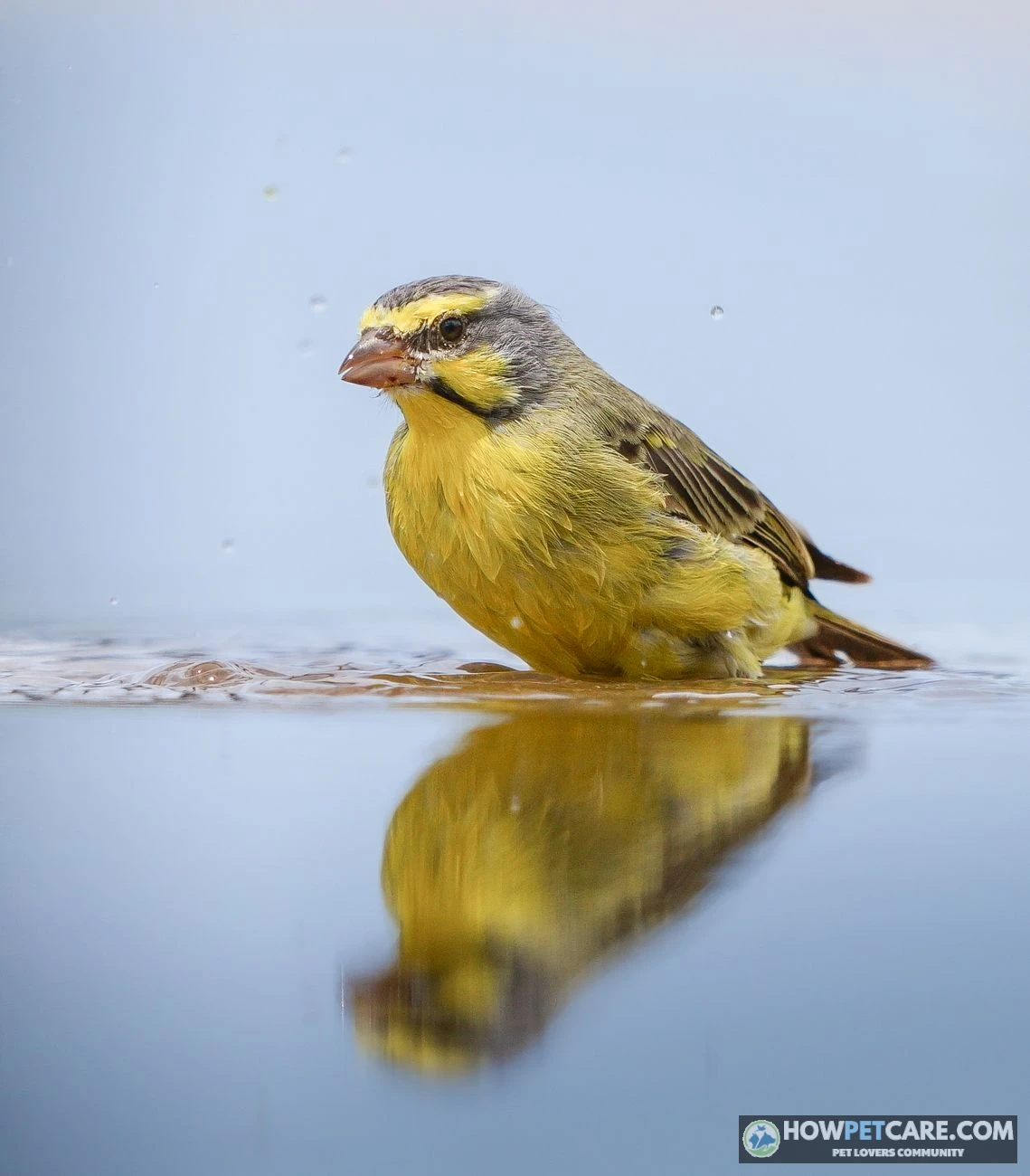
Build trust through predictability, not restraint. The aim is for the bird to stay calm around you and choose to approach—not necessarily to step onto your hand. Progress may take days or weeks. Stopping at a comfortable distance is a good outcome.
A gradual trust-building plan
- Give the bird several days to settle. Keep the room calm and limit interaction to essential care. Avoid reaching into the cage unless necessary.
- Spend quiet time nearby. Sit a few feet away, read, or speak softly. Let the bird eat or preen while you’re there before moving closer.
- Make daily tasks predictable. Refresh food and water slowly, at a similar time and in the same order. Move deliberately rather than startling the bird.
- Offer a favorite treat through the bars. Hold a small amount of millet or a safe green near the bird, then wait. Don’t chase it around the cage with your hand.
- Offer a treat at the open doorway. Open the door only when the room is secure, and let the canary decide whether to approach. Never grab it to force contact.
- Let the bird choose whether to fly under supervision. Once it’s settled and the room is ready, open the cage and let it come out on its own. Use a familiar treat and a calm return routine; don’t chase it back.

If the bird pants, flaps frantically, freezes, or won’t eat while you’re close, back off and return to an earlier stage for a while. Eating, preening, or singing in your presence can suggest greater comfort, though individual birds vary.
Reading stress and comfort signals
A canary that eats, preens, and moves normally around you may be settling in. Frantic flight, panting, persistent freezing, or repeated collisions with the bars signal distress. End the interaction calmly and give the bird space. Avoid handling unless it’s needed for safety or veterinary care.
Setting up a safe flight room
Out-of-cage flight is optional, but it can provide movement and enrichment when the room is safe. Before opening the cage:
- Close doors and windows; cover or clearly mark windows and mirrors.
- Turn off ceiling fans and keep the bird away from open water, hot surfaces, and other hazards.
- Remove toxic plants and secure cords or small objects the bird could reach.
- Keep cats, dogs, and other pets out of the room, with the door closed.
- Stay in the room and supervise continuously. Never take a pet canary outdoors in an open area; escape, predators, and weather make that unsafe.
To encourage a return, put a favorite food inside the cage and make it a calm, inviting place. Don’t chase or catch the bird unless there’s an immediate safety emergency.

Canary Molting, Daylight, and Singing: What’s Normal and What to Do
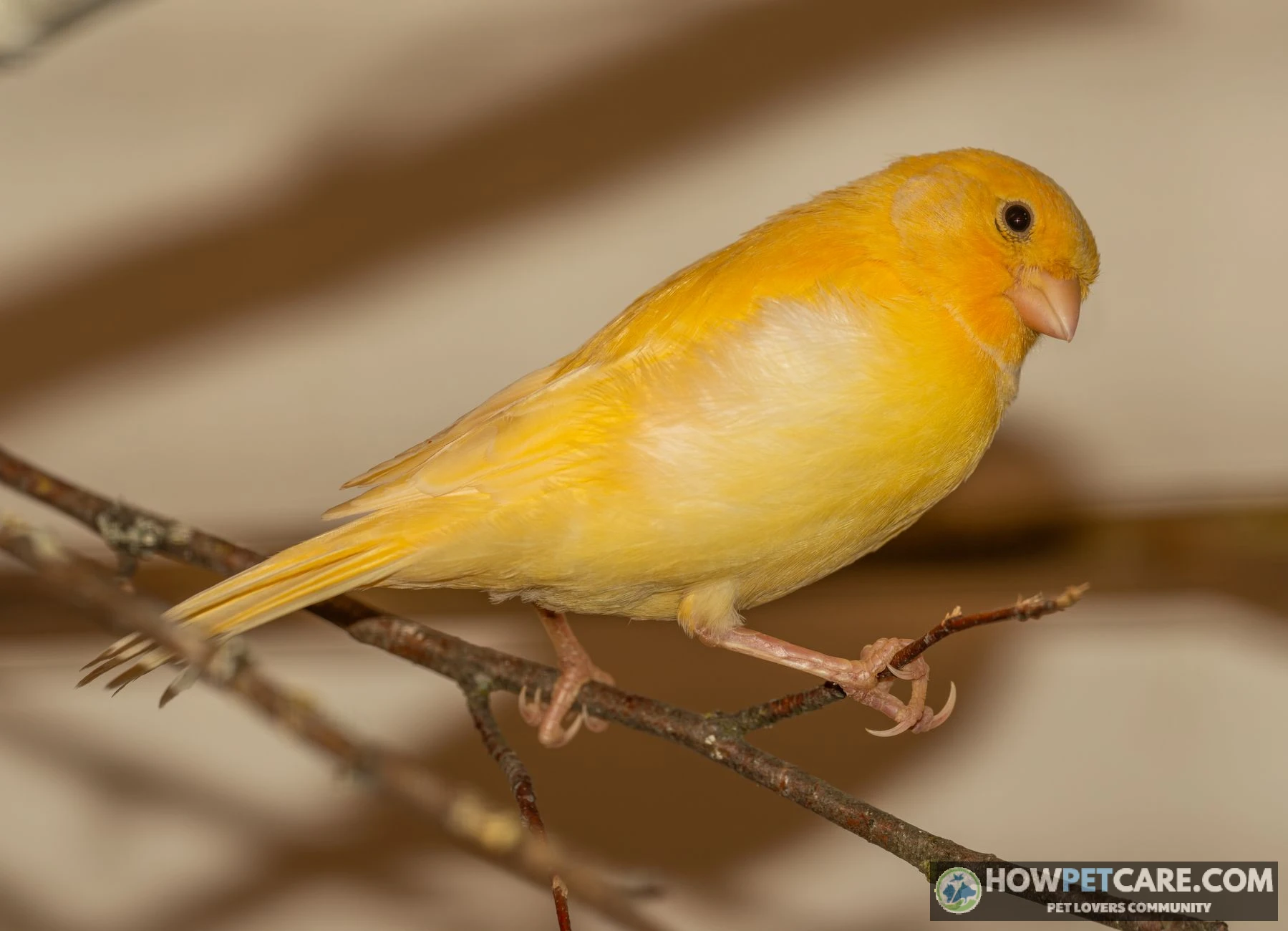
Molting is when old feathers are replaced with new ones. It commonly happens seasonally, and a male canary may sing less or stop singing during molt. One care source notes that males sing outside the summer molt. A quiet bird that’s otherwise eating, alert, and behaving normally may be going through a seasonal change. Quietness alongside signs of illness calls for veterinary attention.
How long molting lasts and what care the bird needs
Feathers may fall out and regrow over several weeks. The exact duration varies by bird, so don’t treat it as a precise deadline. Keep the room comfortable and draft-free, maintain a steady routine, and avoid unnecessary handling. Continue offering fresh water and a balanced diet. Don’t add protein powders, vitamins, or other supplements without veterinary guidance. Bathing water can stay available, but let the bird decide whether to use it.
Lighting schedule and singing seasons
Canaries respond to day length, and changes in light can affect singing and breeding condition. Keep a regular light-dark cycle. Don’t leave lights on late into the night or change the schedule abruptly. A consistent sleep routine is more helpful than trying to stimulate song with extra light. If you use artificial lighting, ask an avian vet how to manage it for your bird and home; don’t assume full-spectrum or UV lighting is automatically necessary.
When a quiet male is normal, and when it isn’t
A new home, young age, female sex, molt, stress, and illness can all explain a bird’s quietness. First check whether the bird is eating, active, and breathing normally, and whether it’s replacing feathers. Give a recently moved bird time to settle and keep its routine stable. If silence continues after molt or comes with fluffed posture, appetite changes, unusual droppings, or breathing symptoms, contact an avian vet.
A female can lay eggs without a male, but the eggs will be unfertilized. Avoid providing nesting material unless there’s a specific reason; nesting cues and long daylight can encourage breeding behavior. Signs of distress or straining need prompt veterinary care.
A canary with open-mouth or labored breathing, tail bobbing at rest, collapse, or suspected exposure to toxic fumes needs urgent veterinary advice. Small birds can hide illness, so do not rely on waiting for symptoms to become obvious.
Sick Canary Triage: Monitor at Home vs Same-Day Avian Vet Emergency
Canaries often hide illness until they’re seriously unwell. A lasting change in posture, appetite, breathing, activity, or droppings deserves attention. This table can help with triage, but it isn’t a diagnosis. When in doubt, call an avian vet and describe exactly what you see.
| Symptom or sign | Possible cause or named illness | Urgency level | Safe first step | When to contact the avian vet |
|---|---|---|---|---|
| A few loose droppings after eating fresh greens | Increased water from food | Monitor closely | Provide clean water and observe the next droppings | Call if abnormal droppings persist beyond a day or the bird seems unwell |
| Quieter than usual with dropped feathers, but alert and eating | Seasonal molt | Monitor closely | Keep routine steady and reduce stress | Call if quietness persists after molt or other symptoms appear |
| Fluffed up for much of the day or less active | Possible infection or chilling | Call soon | Keep the bird quiet and comfortably warm, away from drafts | Contact an avian vet promptly; escalate if appetite drops or signs worsen |
| Clicking, wheezing, voice change, or breathing difficulty | Air-sac mites or another respiratory problem | Call promptly; same-day if breathing is labored | Minimize stress and call for veterinary guidance | Same day for open-mouth breathing, severe effort, or tail bobbing at rest |
| Crusty patches on face, beak, or legs | Possible scaly face or leg mites | Call soon | Do not pick at it or apply home remedies | Arrange an avian-vet assessment promptly |
| Persistent sneezing or wet, crusted nostrils | Possible respiratory disease | Call soon | Keep the cage clean and the bird calm | Call for an appointment; escalate if breathing becomes difficult |
| Overgrown beak or nails | Perch, diet, or health issue | Routine prompt appointment | Note the change; do not trim unless trained | Ask an avian vet to assess and advise |
| Female sitting on the cage floor, straining, or fluffed | Possible egg binding | Same-day emergency | Keep handling minimal and call immediately | Go for urgent veterinary care; do not wait for it to resolve |
| Open-mouth or labored breathing, tail bobbing at rest | Severe respiratory distress or toxin exposure | Same-day emergency | Move away from fumes to fresh air and call | Contact an emergency avian vet immediately |
| Bleeding, seizure, collapse, or not eating | Trauma, toxin exposure, or serious illness | Same-day emergency | Place in a secure, quiet carrier; do not force food or water | Seek emergency veterinary care immediately |
| Exposure to smoke, aerosol, or overheated non-stick fumes | Possible airborne toxin exposure | Same-day emergency | Move the bird to fresh air without delaying veterinary contact | Call an avian vet or emergency clinic immediately, even if the bird looks normal |
Mites, respiratory or air-sac problems, and egg binding need a veterinarian’s assessment. Don’t try to diagnose or medicate them at home. For urgent symptoms, call an avian clinic before traveling so the team can advise you and prepare. If a symptom is mild but persists, or several mild signs appear together, contact the clinic instead of continuing to monitor.
For safe first steps, keep the bird quiet and comfortably warm, offer its usual food and clean water, and avoid unnecessary handling. Don’t give human medicine, leftover prescriptions, or unapproved mite treatments. Arrange an initial check soon after purchase and a wellness examination every year; ask the vet whether your bird’s history calls for a different schedule. Keep the clinic’s number handy, and bring notes on diet, droppings, behavior, and when symptoms began.
Your First 30 Days with a Canary: A Decision and Action Plan
Use the first month to establish a calm routine and learn what’s normal for your bird.
Before purchase: Make sure a hands-off pet fits your expectations. Choose a cage tier, find a local avian vet, set aside an emergency reserve, and remove household risks such as smoke, aerosols, and unsafe cookware exposure. Decide who’ll care for the bird when you travel.
Week 0: Set up the cage in a quiet, safe location with food, water, perches, and room to fly. Check the bar spacing and remove anything that obstructs movement. Ask the seller about the bird’s diet, age, sex, and health history, and observe it before committing.
Week 1: Keep the bird’s environment calm and predictable. Refresh food and water daily, watch its appetite and droppings, and schedule a baseline avian-vet visit. If you have other birds, keep the newcomer separate until your vet advises on introductions.
Weeks 2–4: Introduce fresh foods gradually, offer regular bathing opportunities, and begin trust-building only once the bird appears settled. Track changes in appetite, droppings, activity, and song. Weighing can help reveal changes if the bird tolerates it; ask your vet to show you a safe method.
A canary may be a good fit if you can provide a safe indoor environment, daily care, a spacious cage, and veterinary access—and you’re happy with a bird that may never enjoy handling. If you want a highly interactive, hand-tame pet, consider another kind of companion animal after researching its needs.
Before bringing a canary home, make a plan to avoid common mistakes: buying a cage that’s too small or narrow, relying on seed alone, leaving food and water unchanged, forcing handling or flight, ignoring changes in breathing or appetite, or buying without a plan for routine and emergency veterinary care.
 You might be wonderingHow to care for a cat?How to Care for a Cat: A Practical Beginner’s GuideRead the answer
FAQ
How long do canaries live in captivity?
With good diet, housing, and avian vet care, pet canaries commonly live around ten years, though individual birds vary. Genetics, diet, stress, and early health problems all affect lifespan.
Will a female canary lay eggs without a male?
Yes, a female can lay unfertilized eggs without a male, especially with long daylight hours or nesting material. Most healthy females need no intervention, but straining, lethargy, or sitting fluffed on the cage floor can signal egg binding and needs an immediate avian vet visit.
Can you keep two canaries in the same cage?
Usually not. Two males often fight and may stress each other, and a male and female will try to breed. If you want more than one canary, separate cages in the same room are the safer option.
Can I leave my canary alone while I travel?
Canaries need fresh food and water every day, so a short trip needs someone to check on the bird daily. For longer absences, arrange a trusted pet sitter who knows the routine and has your avian vet’s number.
Do canaries need a night cover?
A light cover can help the bird sleep by blocking evening light and household activity, but it must stay breathable and avoid blocking airflow. A consistent dark, quiet sleep period matters more than the cover itself.