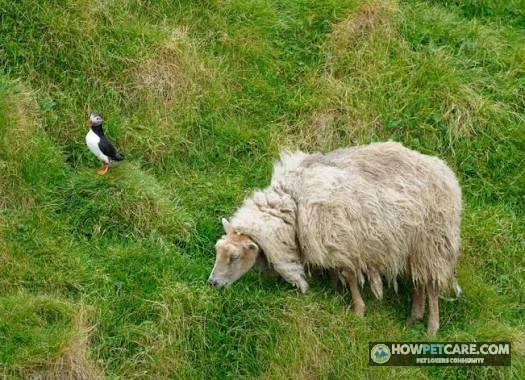

No. Birds are not mammals; they are class Aves, warm-blooded vertebrates nested within reptiles and theropod dinosaurs. Mammals are defined by hair or fur and mammary glands, while birds have feathers, beaks, and lay hard-shelled eggs. Shared endothermy and egg-laying exceptions do not change classification.
No. Birds are not mammals. They belong to class Aves, a group of warm-blooded vertebrates nested within reptiles and theropod dinosaurs, not within Mammalia. Birds and mammals share a backbone and endothermy — both generate body heat internally — which explains why people often confuse them. But birds have feathers, beaks, and hard-shelled eggs, while mammals are defined by hair or fur, mammary glands, and three middle-ear bones. Warm-bloodedness alone does not make an animal a mammal.
This guide explains the classification, anatomy, reproduction, and evolutionary evidence that separate birds from mammals. It also covers the common exceptions that trip people up: bats, penguins, monotremes, and crop milk.
What Qualifies an Animal as a Mammal?
A mammal is a member of the class Mammalia. The checklist below is the reliable way to tell one from a bird.
Mammary glands and hair define Mammalia
The two defining traits of mammals are hair or fur at some point in life and mammary glands in females that produce milk to feed young. These traits appear even in unusual mammals: whales have sparse hairs, and monotremes have mammary glands without nipples. Mammals also have three small bones in the middle ear — the malleus, incus, and stapes — and a brain region called the neocortex. All mammals are endothermic vertebrates, meaning they generate body heat internally.

Live birth versus egg-laying in mammals
Most mammals give birth to live young. The exceptions are monotremes such as the platypus and echidna, which lay eggs. Because monotremes still have hair and mammary glands, they remain mammals. Egg-laying alone therefore cannot exclude an animal from Mammalia, just as it cannot include birds.
Does it have hair or fur at some life stage? Does it have mammary glands that produce milk? Does it have mammal anatomy such as three middle-ear bones and a neocortex? Hair or fur plus mammary glands strongly indicates a mammal. Do not decide from warm-bloodedness or egg-laying alone: birds are warm-blooded, and a few mammals lay eggs.
Birds Are Aves: A Separate Class Within Reptiles and Dinosaurs
Birds are classified as class Aves. Aves is nested within reptiles (Sauropsida) and is the living descendant lineage of theropod dinosaurs. Birds and mammals share deep amniote ancestry, but their lineages split hundreds of millions of years ago.
Taxonomic class of birds: Aves
In modern taxonomy, birds are not a separate branch sitting beside reptiles. They are a subgroup of reptiles, specifically of theropod dinosaurs. Feathers, beaks, and hollow bones distinguish birds from mammals and from other reptiles. Feathers are specialized skin structures that evolved in dinosaur ancestors, likely first for insulation and later for flight. Birds also have a four-chambered heart and a highly efficient respiratory system with unidirectional airflow through anterior and posterior air sacs.

Simple phylogenetic tree: birds nested within reptiles and dinosaurs
The tree below shows the branching pattern in plain text. Read it top to bottom: each level nests inside the one above it.
Amniotes
├── Synapsids  →  Mammals (Mammalia)
└── Sauropsids (reptiles)
    ├── Non-avian reptiles (turtles, crocodiles, lizards, snakes)
    └── Theropod dinosaurs
        └── Birds (Aves)
This nesting means birds are reptiles in the evolutionary sense, even though everyday language treats "reptile" and "bird" as separate categories. Mammals branch off on their own line, the synapsids, long before birds appear.

Anatomy Comparison: Bird Traits Versus Mammal Traits
A side-by-side checklist makes classification straightforward.
Feathers, beaks, and egg-laying in birds
Birds are covered in feathers, have beaks without teeth in living species, and lay hard-shelled eggs. Many have lightweight bones and air sacs connected to the lungs. All birds are endothermic. These traits are avian, not mammalian.
Hair, mammary glands, and live birth in mammals
Mammals have hair or fur at some life stage, mammary glands that produce milk, and three middle-ear bones. Most give birth to live young. Mammals are also endothermic, which is the source of much of the confusion with birds.
| Trait | Birds (Aves) | Mammals (Mammalia) |
|---|---|---|
| Body covering | Feathers; legs may have scales | Hair or fur at some life stage |
| Mouth | Beak; living birds have no teeth | Usually teeth, though some mammals lack them |
| Bones and breathing | Many have lightweight bones and air sacs connected to the lungs | Typically denser bones; lungs ventilated with help from a diaphragm |
| Reproduction | All living birds lay eggs | Most give birth to live young; monotremes lay eggs |
| Milk | No mammary glands and no mammalian milk | Females produce milk with mammary glands |
| Temperature | Endothermic: generates body heat internally | Endothermic: generates body heat internally |
Shared endothermy does not make birds mammals. The combination of feathers and bird anatomy identifies a bird; hair and mammary glands are key mammal clues.

Reproduction and the Monotreme Exception
All living birds lay eggs. Nearly all mammals do not. The overlap comes from monotremes and from milk-like secretions in some birds.
Why monotremes are mammals despite laying eggs
Monotremes such as the platypus and echidna lay eggs but have hair and mammary glands. They qualify as mammals because of those traits, not because of how they reproduce. Egg-laying does not decide whether an animal is a mammal.
Crop milk versus mammalian milk: a biochemical comparison
Some birds, including pigeons and doves, feed their young with crop milk. This is not mammalian milk. It is a nutrient-rich secretion of cells from the lining of the crop, a food-storage pouch in the bird’s digestive tract. Mammalian milk is produced by mammary glands and contains water, fats, proteins, sugars, and other nutrients. Crop milk is rich in protein and fat and contains no lactose, the main sugar in many mammalian milks. The two secretions serve a similar purpose, feeding young, but differ in source and composition. Feeding young with a milk-like substance does not make a bird a mammal; mammary glands are the relevant trait.

| Group | Egg-laying | Milk production | Hair or fur |
|---|---|---|---|
| Birds | All living birds lay eggs | No mammary milk; some species feed young with other secretions | No; feathers are their characteristic covering |
| Most mammals | Usually do not lay eggs | Yes; females have mammary glands | Yes, at least at some life stage |
| Monotremes | Yes; platypuses and echidnas lay eggs | Yes; milk is produced by mammary glands | Yes |
Flight, Warm-Bloodedness, and Common Misconceptions
Flight and warm-bloodedness are the traits that most often confuse beginners.
Warm-blooded birds and mammals: endothermy without relation
Endothermy, the ability to generate body heat internally, evolved independently in birds and mammals. It is not a mammal-only trait, and it does not link the two groups. Birds and mammals simply arrived at the same solution separately.
Flying mammals versus flightless birds
Bats are warm-blooded flying mammals, not birds. They have fur and mammary glands and nurse their young. Flying squirrels glide but are mammals. Penguins and ostriches are flightless birds with feathers and beaks and no mammary glands. Flight, inability to fly, and egg-laying can all be misleading shortcuts. Check mammal traits instead.
Bat: has fur and mammary glands, females nurse young. Classification: mammal, even though it flies. Penguin: has feathers and a beak, lays eggs, no mammary glands. Classification: bird, even though it cannot fly. Platypus: has fur and mammary glands, lays eggs. Classification: mammal, specifically a monotreme. Ostrich: has feathers and a beak, lays eggs, no mammary glands. Classification: bird, even though it cannot fly. Flight, inability to fly, and egg-laying can be misleading shortcuts. Check mammal traits instead.
Molecular, Anatomical, and Fossil Evidence for Bird Classification
DNA, anatomy, and fossils all place birds inside the dinosaur lineage.
DNA evidence and bird tooth loss
Comparative DNA evidence, together with shared anatomy, places birds within theropod dinosaurs. Birds and theropods share skeletal features including a furcula, or wishbone, three-toed limbs, and air-filled bones. The ancestors of birds had teeth, as seen in fossils such as Archaeopteryx, but living birds lost the ability to form tooth enamel through molecular changes, leading to the development of beaks. Scientific classification places Aves within Sauropsida rather than on a separate branch from reptiles. The tooth loss is estimated at roughly 116 million years ago in the bird lineage, while early birds appear in the fossil record at roughly 150 million years ago; both figures are estimates rather than an exact dividing line.
Fossil record linking birds to dinosaurs
Fossil transitions show feathered dinosaurs and early birds such as Archaeopteryx, bridging the gap between non-avian dinosaurs and modern birds. These fossils demonstrate that feathers, wishbones, and other bird features appeared in dinosaur ancestors before true flight. Together with molecular and anatomical evidence, they support the classification of birds as living theropod dinosaurs.

Quick Classification Checklist and Next Steps
Use this decision-ready checklist when you meet an unfamiliar animal.
- Check for hair or fur and mammary glands to identify mammals.
- Check for feathers, beaks, and egg-laying to identify birds.
- Use the trait checklist when encountering unfamiliar animals.
- Explore related classes such as reptiles, amphibians, and fish for broader context.
- Bookmark the cladogram and comparison table for quick reference.
For broader context, compare birds with reptiles, amphibians, and fish. Reptiles share the amniote egg and scaly skin with birds but lack feathers and endothermy in most species. Amphibians and fish fall outside the amniote group entirely. Understanding where each class sits on the tree of life makes the bird-versus-mammal question easy to settle.
| Animal Group / Category | Taxonomic Class or Clade | Body Covering | Reproduction Method | Lactation / Youth Feeding | Skeletal & Dental Features | Thermoregulation |
|---|---|---|---|---|---|---|
| Birds | Aves (nested within Reptiles / Sauropsida and Theropod Dinosaurs) | Feathers; legs may have scales | All living birds lay hard-shelled eggs | No mammary glands / no mammalian milk; some species feed young with other secretions like crop milk | Beak without teeth in living species (lost enamel ~116 million years ago); lightweight/air-filled bones, wishbone (furcula), three-toed limbs, and air sacs connected to lungs; lack three middle-ear bones | Endothermic (generates body heat internally) |
| Most Mammals | Mammalia (Synapsids) | Hair or fur at some life stage | Usually give birth to live young (do not lay eggs) | Females produce milk via mammary glands | Usually have teeth; typically denser bones; lungs ventilated with a diaphragm; three middle-ear bones (malleus, incus, stapes) | Endothermic (generates body heat internally) |
| Monotremes | Mammalia (Synapsids) | Hair | Lay eggs (e.g., platypuses and echidnas) | Milk produced by mammary glands (without nipples) | Three middle-ear bones; neocortex present; denser bones typical of mammals | Endothermic (generates body heat internally) |
FAQ
Are birds animals?
Yes. Birds are animals, specifically vertebrates in the animal kingdom. They belong to the class Aves, separate from mammals.
Are birds mammals or reptiles?
Birds are not mammals. Taxonomically, birds are class Aves and are nested within reptiles (Sauropsida) as descendants of theropod dinosaurs.
Are birds warm-blooded mammals?
No. Birds are warm-blooded, but they are not mammals. Warm-bloodedness is called endothermy and evolved separately in birds and mammals.
Do birds have any mammal characteristics?
Birds share only broad vertebrate traits with mammals, such as being warm-blooded and having a backbone. They lack hair, mammary glands, and three middle ear bones.
Why are birds not considered mammals?
Birds lack defining mammal traits such as mammary glands and hair or fur. Instead, birds have feathers, beaks, and lay hard-shelled eggs, placing them in class Aves.
How are birds classified in the animal kingdom?
Birds are classified as vertebrates in class Aves, within the reptile clade Sauropsida and theropod dinosaur lineage. They are warm-blooded amniotes but distinct from Mammalia.