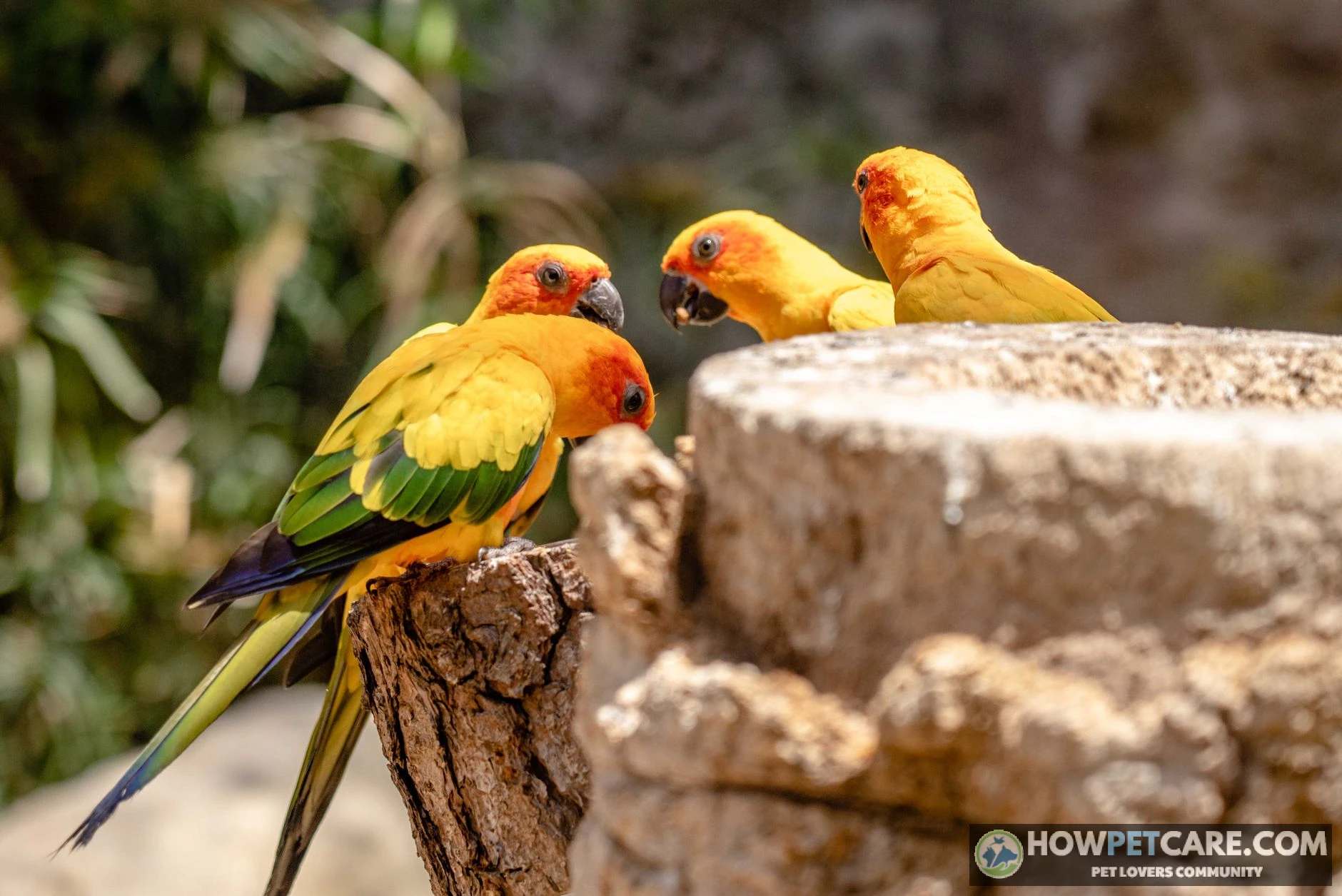

Conures are small-to-medium parrots from Central and South America, including green-cheeked, sun, jenday, nanday, and blue-crowned species. They can make rewarding pets for prepared owners, but they are loud, highly social, and long-lived—often 20–30 years—so they suit homes that can provide daily interaction and tolerate noise.
Are conures good pets for beginners?
A conure can be a good first parrot for a prepared owner, but it isn’t a quiet, low-maintenance starter pet. Expect daily interaction, supervised exercise, mess, possible biting, specialized veterinary care, and a commitment that may last 20–30 years. If you have noise-sensitive neighbors, limited time, or no budget for an avian veterinarian, a conure may be the wrong fit.
A conure is a small-to-medium New World parrot. The common name covers several related kinds of parrots, including species in the genera Pyrrhura and Aratinga. Many pet species come from Central and South America. Familiar companion birds include green-cheeked, sun, jenday, nanday, and blue-crowned conures.
Green-cheeked conures are a sensible first species to investigate because they’re smaller and generally less loud than sun, jenday, or nanday conures. That doesn’t mean an individual green cheek will be quiet or easy. Each bird has its own temperament, and all conures can call loudly, become nippy, and need substantial social contact.
A conure is a long-lived, social parrot—not a low-effort pet that happens to fit in a small cage. Make your decision based on the bird’s needs and your household, not just its size or appearance.
Is a conure right for me? A 5-question self-assessment
Answer honestly. Two or more “no” answers suggest that a conure is a risky fit right now.
- Noise: Can everyone at home—and, realistically, neighbors on the other side of a shared wall—tolerate loud calls at dawn, dusk, or when the bird wants contact?
- Daily time: Can you provide daily social interaction and at least an hour of supervised time outside the cage? A routine of one to two hours is a practical planning target, not a guarantee that a timer will meet every bird’s needs.
- Budget: Can you cover the bird, a suitable cage and setup, routine veterinary care, food and enrichment, plus an unexpected veterinary bill?
- Household: Do you have a safe plan for children, visitors, and other pets? Cats and dogs can injure a bird, and a conure may favor one person or bite someone who misreads its signals.
- Timeline: Are you prepared for a commitment that could last 20–30 years, including a written plan for the bird’s care if you move, become ill, or can no longer keep it?
Five yes answers mean you can move on to choosing a species and meeting individual birds. Three or four yes answers call for more research, a realistic noise check, and perhaps a foster or adoption trial if available. Fewer than three suggest that a conure probably isn’t the right pet for you at this time.

Conures can be playful, curious, and closely bonded with people. The trade-off is that they can be loud, destructive with toys and household items, messy eaters, and persistent about attention. Hand-feeding a baby doesn’t guarantee a friendly adult. A bird’s welfare depends on long-term care, not on whether it seems cuddly during a brief visit.
Types of conures compared: which species fits your home?
Use the table as a shortlist, not a promise about any individual bird. Noise tiers describe relative shared-wall risk: Tier 1 is the lower-risk group, Tier 2 is intermediate, and Tier 3 is the highest-risk group. Price figures are broad US asking or adoption ranges, not guaranteed 2026 market prices; location, age, source, and the bird’s history all affect cost. Lifespans are approximate planning ranges, not predictions for a particular bird.
| Species | Adult length | Noise and apartment-risk rating | Talking ability | Typical temperament | Lifespan | US purchase or adoption price | Beginner suitability |
|---|---|---|---|---|---|---|---|
| Green-cheeked | About 10 in | Tier 1: lower relative risk, but can still disturb close neighbors | Usually limited; some learn a few words or sounds | Playful and social; may nip when frightened or overstimulated | About 20–30 years | About $150–$600; rescue fees may be lower | Often the strongest first-conure candidate |
| Maroon-bellied | About 9–10 in | Tier 1 | Usually limited | Social; individual personalities vary | About 20–30 years | About $200–$500 | Worth considering for a prepared beginner |
| Peach-fronted | About 9–10 in | Tier 2 | Limited to moderate; varies | Active and social; may be shy | 20 years or more | About $300–$600 | Moderate; meet the individual bird |
| Dusky | About 11 in | Tier 2 | Usually limited | Often described as calmer than louder conure types; still needs daily interaction | About 30–40 years | About $300–$700 | Possible for a patient, well-prepared owner |
| Sun | About 12 in | Tier 3: sharp, far-carrying calls | Usually limited | Bold and highly social; can be intensely vocal | About 20–30 years | About $300–$800 | Poor fit for many apartments and noise-sensitive homes |
| Jenday | About 12 in | Tier 3 | Usually limited | Social and active; similar household noise challenge to a sun | About 20–30 years | About $300–$800 | Poor fit for shared-wall housing |
| Nanday | About 14 in | Tier 3: frequent, loud contact calls | Some individuals mimic words and sounds | Confident and active; needs space and engagement | About 20–30 years | About $300–$600 | Challenging where noise is restricted |
| Blue-crowned | About 14–15 in | Tier 3: high shared-wall risk | Some are stronger mimics than many conures | Often social; requires room, interaction, and noise tolerance | About 20–30 years | About $400–$900 | Better suited to an experienced, noise-tolerant home |

These figures are comparison estimates, not a verified price survey or a substitute for asking local rescues and veterinarians about typical costs. The supplied care references place green-cheeked conures around 10 inches and sun conures around 12 inches; conures overall can vary considerably by species. The ranges above are useful for planning, but the evidence available here doesn’t establish standardized lifespan or price data for each species.
Many Pyrrhura conures, including green-cheeked types, tend to be less piercing than the louder Aratinga conures commonly kept as pets. Individual birds and their environments can override that pattern. Don’t treat a species label as a noise guarantee.
Green-cheeked vs. sun conure for a first-time owner
A green-cheeked conure is smaller and generally has a lower noise profile. A sun conure is larger, typically much louder, and can be a difficult choice in a home with shared walls. Both need social contact, enrichment, safe housing, and veterinary care. A sun’s vivid color or reputation for affection shouldn’t obscure the daily reality of its calls.

If you’re comparing the two—and weighing sun conure traits and noise in particular—spend time listening to the actual bird in a normal home environment. Ask the caregiver what it does when left alone, at dawn and dusk, and when it hears people nearby. A short, quiet visit may not reveal the bird’s usual vocal behavior.
How to read the species ratings
“Beginner suitability” means only that a species may be more manageable for a prepared first-time owner. It doesn’t mean easy, quiet, or appropriate for every household. Ask about the individual bird’s history, handling preferences, diet, and behavior. A calm adult in a rescue may be a better match than a young bird of a species often recommended to beginners.
How loud are conures, and can they live in apartments?
Conures use contact calls to communicate with their flock. In a home, they may call when they wake, around dusk, when they hear someone but can’t see them, or when they want attention. A sudden scream can be startling even if the bird is otherwise quiet for much of the day.
Reliable, consistently measured decibel ranges for pet conures by species aren’t established in the evidence available for this guide. A precise species-specific number would give a false impression of certainty. For context, everyday sound references often put normal conversation around 60 decibels, a vacuum around 70, and an alarm clock at arm’s length around 80; these are general comparisons, not measurements of a conure. A conure’s sharp call may be heard clearly through a wall even if its measured level at a particular distance is unknown.
Average behavior and peak calls are different things. A bird may spend much of the day at a tolerable volume and still produce brief, piercing bursts. A quieter species can also become a neighborhood problem if stressed, under-stimulated, or repeatedly left alone.
Apartment verdict by tier: Tier 1 green-cheeked and maroon-bellied conures are the most plausible candidates for many apartments, but they aren’t silent and may still upset close neighbors. Tier 2 is marginal and depends heavily on the building and the individual bird. Tier 3 sun, jenday, nanday, and blue-crowned conures carry high complaint risk in shared-wall housing; assume neighbors will hear them.

Before committing, check your lease and local rules, talk with household members, and consider how sound travels in your building. If possible, foster or spend meaningful time with the specific bird. Stand outside the room while it vocalizes. Hearing it in person is more useful than relying on a promise that a species is “quiet.”
How much does a conure cost over its lifetime?
The purchase price is only the entry cost. You’ll also need a safe cage, a carrier, perches and toys, suitable food, routine veterinary care, and money set aside for emergencies. Adoption may reduce the initial bird fee, but it doesn’t remove the cost of proper setup or medical care.
Purchase or adoption and first-year setup
The species table gives broad price ranges for planning. Confirm current local prices with reputable rescues and breeders, and ask what the quoted fee includes. A bird with a low sticker price can still require a costly veterinary workup or replacement equipment.
For a small conure, a cage and initial setup can run several hundred dollars. The example below uses a $325 cage, $150 for a play stand, perches, carrier, and initial toys, and $200 for an initial veterinary visit and baseline testing. These are planning assumptions, not quotes. Cage costs vary with size and construction, and veterinary fees vary by clinic and region.

A responsible first-year budget should distinguish the bird’s cost from recurring care. Include the first exam, food, replacement toys, cleaning supplies, and a transport carrier. Ask a local avian veterinarian for an estimate before acquiring the bird.
Monthly, annual and 20-year ownership costs
| Expense | One-time or replacement cost | Monthly equivalent | Annual cost | 20-year example and assumptions |
|---|---|---|---|---|
| Bird acquisition | About $150–$900 in the comparison ranges, depending on species and source | Not recurring | Not recurring | Example uses $400 breeder purchase for a green-cheeked conure |
| Cage and initial setup | About $400–$600 combined in this example | Not recurring | Not recurring | Example uses $325 cage plus $150 for stand, perches, carrier, and initial toys |
| Food | Varies with diet and local produce costs | About $20–$30 | About $240–$360 | Example uses $300 per year |
| Toys, perches, and enrichment replacements | Replacement costs vary | About $15–$20 | About $180–$240 | Example uses $210 per year |
| Liners and cleaning supplies | Varies | About $2–$3 | About $30 | Example uses $30 per year |
| Routine avian veterinary exam | Clinic-dependent | About $8–$17 when averaged | About $100–$200 | Example uses $150 per year |
| Major equipment replacement reserve | Depends on wear and equipment | About $2–$3 | About $30 | Example includes a modest annual reserve |
| Recurring subtotal used in example | — | About $58 | About $700 | 19 years after year one: $13,300 |

Worked 20-year example: green-cheeked conure. The assumptions are one bird bought for $400, a mid-range cage and setup, routine veterinary care, and no emergencies or inflation. Year one is $400 for the bird, $325 for the cage, $150 for setup, $200 for the initial veterinary visit, and about $540 for food, toys, and supplies: approximately $1,615, rounded to about $1,600. The recurring estimate is approximately $700 per year. Add 19 years at $700, or $13,300, to the rounded $1,600 first year for an estimated $14,900, roughly $15,000 over 20 years. Averaged across 20 years, that’s about $63 per month.
This is a planning floor, not a lifetime guarantee. It excludes inflation, boarding or pet sitting, major equipment beyond the modest reserve, and emergencies. A single illness can substantially increase costs. Keep an emergency fund—$1,000 is a useful starting target—or investigate whether suitable avian insurance is available and understand its exclusions before relying on it.
Conure care: cage, diet and daily routine
A conure needs a secure cage, supervised time outside it, a balanced diet, regular cleaning, enrichment, and access to an avian veterinarian. The cage is a safe home base, not a substitute for exercise and interaction.
Cage size, safe setup and enrichment
One care reference gives a minimum cage size of 24 inches wide by 24 inches deep by 30 inches high, with bar spacing of one-half to three-quarters of an inch. Another reference gives a smaller minimum but recommends a larger enclosure. Because recommendations differ, use the larger practical cage you can safely accommodate, and confirm suitable dimensions and bar spacing for the specific bird with an avian veterinarian or reputable bird-care professional.
Choose a cage that lets the bird move freely without its tail constantly touching the bars. Make sure the bar spacing prevents its head from becoming trapped. Include perches of varied thickness, safe chewable toys, and a play gym or stand outside the cage for supervised activity. Conures benefit from a play gym, perches, and toys that support mental stimulation and bonding. Keep the cage away from kitchen fumes, drafts, direct harsh sun, and household hazards.

Bird-proof the room before letting a conure out. Close windows and doors, turn off ceiling fans, cover or remove hazards, and keep cats and dogs securely separated. Never assume that a familiar pet won’t chase or injure a bird.
What conures eat
Build a parrot diet around species-appropriate formulated pellets and a variety of fresh foods, with clean water available every day. Suitable vegetables and other produce can include broccoli, Brussels sprouts, cucumber, beets, and carrots; apple is also listed as a safe fresh-food option. Wash produce and remove uneaten fresh food before it spoils. Don’t make seeds or treats the whole diet. Ask an avian veterinarian how to transition foods and what proportions suit your bird.
Avoid avocado, chocolate, caffeine, alcohol, and foods containing xylitol. Keep the bird away from smoke, aerosols, scented products, and overheated nonstick cookware. A bird needs its own dishes: human saliva can be dangerous, so don’t share utensils or feed from your mouth.

Daily and weekly care checklist
Daily: plan for active care plus background company.
- Replace food and water with fresh servings; wash food and water bowls.
- Remove soiled cage liner and spot-clean dishes and perches.
- Observe the bird’s eyes, nostrils, breathing, droppings, appetite, and alertness. A change from its normal pattern matters.
- Provide supervised time outside the cage in a bird-proofed area. Many owners plan for one to two hours, adjusted to the bird and household.
- Offer calm social interaction and brief positive-reinforcement training, such as practicing a voluntary step-up.
- Protect a quiet, dark, uninterrupted sleep period. Ask your avian veterinarian what schedule is appropriate for your bird.
Weekly: clean, inspect, and refresh.
- Change the liner and clean the cage tray, grate, perches, and dishes with a bird-safe product, following its directions.
- Wipe nearby bars and surfaces; conures can scatter food beyond the cage.
- Rotate toys to keep the environment interesting while preserving familiar items.
- Inspect toys for broken parts, loose strands, sharp edges, or other hazards; remove damaged items.
- Check the bird’s nails, beak, and feet for changes, and track weight if your veterinarian recommends it.
- Recheck the room for open water, toxic plants, nonstick cookware, candles, aerosols, and other hazards.
Arrange routine examinations with an avian veterinarian. Contact one promptly if your bird is unusually quiet or fluffed up, sits on the cage floor, has labored or tail-bobbing breathing, stops eating, develops changed droppings, or bleeds. Birds can hide illness, so don’t wait for severe symptoms.
Conure behavior: reduce biting and screaming
Biting is communication, not proof that a bird is spiteful. Fear, forced handling, overstimulation, pain, fatigue, and changes in routine can all affect behavior. Some conures become nippier during hormonal or seasonal changes. Watch for a bird leaning away, pinning its eyes, holding its body tensely, or opening its beak. Give it room rather than insisting on contact.
For biting, use a consistent, humane approach:
- Look for the trigger. Note what happened just before the bite: a hand entering the cage, a sudden movement, a missed rest period, or an attempt to touch a bird that was moving away.
- Stop forcing contact. Don’t grab, corner, or punish the bird. Give it space and allow it to approach voluntarily.
- Offer a clear alternative. Teach a step-up cue using a perch or hand only if the bird is comfortable. Reward calm approach and stepping up; keep early sessions short.
- Build trust gradually. Repeat predictable, positive interactions. Let other household members participate in feeding and simple training so the bird’s social world doesn’t depend entirely on one person.
- Review health and environment. If biting begins suddenly or intensifies, arrange an avian veterinary check rather than assuming it’s a training problem.

For screaming, first check whether the bird is hungry, frightened, unwell, underslept, or lacking stimulation. Provide predictable social time and enrichment, and reward a quieter contact call or a calm pause with attention when practical. Avoid yelling back, covering the cage as punishment, or giving a dramatic response to every scream; those reactions may make the behavior more rewarding. Don’t try to suppress normal communication by leaving the bird isolated.
Persistent problems call for an avian veterinarian and, when appropriate, a qualified positive-reinforcement behavior professional. A hand-fed baby isn’t guaranteed to avoid biting or become bonded to every person.
Conure emergencies: fumes and broken blood feathers
Birds are highly vulnerable to fumes. If you suspect overheated nonstick cookware or another toxic household fume has exposed your conure, move the bird to fresh air only if you can do so without exposing yourself. Call an emergency avian veterinarian immediately and follow instructions for transport. Don’t wait to see whether the bird improves, and don’t delay professional care to try a home remedy.
A blood feather is a growing feather with a blood supply. If one is bleeding, keep the bird as calm as possible and apply gentle, direct pressure with clean gauze while contacting an avian veterinarian promptly. Persistent or heavy bleeding, weakness, or breathing trouble warrants emergency care. Don’t pull the feather unless a veterinarian specifically directs you; attempting removal can cause further injury.

Before bringing a bird home, identify an emergency clinic that sees birds and learn how to reach it after hours. In an emergency, professional veterinary guidance takes priority over online instructions.
Adopt or buy a conure: a responsible sourcing checklist
Rescues and breeders can both be responsible sources. A rescue may know an adult bird’s established preferences and behavior; a breeder may be able to explain the bird’s early history and care. In either case, evaluate the individual bird, its records, the conditions, and the source’s willingness to answer questions. Don’t choose only by color, age, or a promise that a bird is tame.
Breeder and rescue questions and red flags
Ask about the bird’s age, diet, medical and behavioral history, handling preferences, and any veterinary records. Ask what happens if you can no longer keep the bird and whether the organization or breeder offers ongoing support or a return policy. Meet the bird where practical and observe its living conditions and behavior. Don’t treat a brief handling session as proof of its long-term temperament.
Watch for these red flags:
- Pressure to take an unweaned baby. Don’t buy a hand-fed baby conure that hasn’t completed weaning. Feeding an unweaned parrot is specialized work, not a shortcut to bonding.
- No meaningful records or answers. Be wary of a seller who refuses to discuss health, diet, source, or the bird’s history, or won’t provide available documentation.
- Unwillingness to show conditions. A source that blocks reasonable questions or refuses to let you see where birds are kept deserves caution.
- Visible illness or unsafe conditions. Don’t ignore a bird with breathing difficulty, discharge, lethargy, or poor living conditions. Contact a veterinarian or appropriate animal-welfare authority rather than taking on an unassessed emergency.
- Unclear or suspicious wildlife paperwork. Avoid a bird whose origin or legal documentation cannot be explained.

Arrange an examination with an avian veterinarian soon after acquisition. If you already have birds, keep the new bird in a separate airspace and follow your veterinarian’s advice on quarantine duration, testing, and introductions. Don’t put a new bird straight into the existing flock.
Legality, quarantine and your final decision
Check current federal, state, and local wildlife rules, as well as lease and homeowners’ association restrictions, before acquiring a conure. CITES regulates international trade in listed species; it doesn’t automatically prohibit domestic ownership. Sun conures may be subject to wildlife-trade requirements, so verify the species’ current listing and any permit or documentation obligations with official authorities before buying or transporting one. Rules can change and vary by jurisdiction; don’t rely on a seller’s assurance alone.
Before you commit, confirm each item:
- You have chosen a species and individual bird that fit your home’s actual noise tolerance.
- Your lease, local rules, and household arrangements allow the bird.
- You can afford the initial setup, routine care, and a separate emergency reserve.
- You have time for daily interaction, supervised exercise, cleaning, and enrichment.
- An avian veterinarian and an emergency clinic are accessible to you.
- Your household has a safe plan for other pets and for people the bird may not immediately accept.
- Someone you trust—or a reputable rescue or family arrangement—can take responsibility if you can no longer care for the bird.

If any of these are unresolved, wait. Your next step may be visiting a rescue, meeting adult birds, or fostering before making a long-term commitment.

| Species | Adult length | Noise and apartment-risk rating | Talking ability | Typical temperament | Lifespan | US purchase or adoption price | Beginner suitability |
|---|---|---|---|---|---|---|---|
| Green-cheeked | About 10 in | Tier 1: lower relative risk, but can still disturb close neighbors | Usually limited; some learn a few words or sounds | Playful and social; may nip when frightened or overstimulated | About 20–30 years | About $150–$600; rescue fees may be lower | Often the strongest first-conure candidate |
| Maroon-bellied | About 9–10 in | Tier 1 | Usually limited | Social; individual personalities vary | About 20–30 years | About $200–$500 | Worth considering for a prepared beginner |
| Peach-fronted | About 9–10 in | Tier 2 | Limited to moderate; varies | Active and social; may be shy | About 20 years or more | About $300–$600 | Moderate; meet the individual bird |
| Dusky | About 11 in | Tier 2 | Usually limited | Often described as calmer than louder conure types; still needs daily interaction | About 30–40 years | About $300–$700 | Possible for a patient, well-prepared owner |
| Sun | About 12 in | Tier 3: sharp, far-carrying calls | Usually limited | Bold and highly social; can be intensely vocal | About 20–30 years | About $300–$800 | Poor fit for many apartments and noise-sensitive homes |
| Jenday | About 12 in | Tier 3 | Usually limited | Social and active; similar household noise challenge to a sun | About 20–30 years | About $300–$800 | Poor fit for shared-wall housing |
| Nanday | About 14 in | Tier 3: frequent, loud contact calls | Some individuals mimic words and sounds | Confident and active; needs space and engagement | About 20–30 years | About $300–$600 | Challenging where noise is restricted |
| Blue-crowned | About 14–15 in | Tier 3: high shared-wall risk | Some are stronger mimics than many conures | Often social; requires room, interaction, and noise tolerance | About 20–30 years | About $400–$900 | Better suited to an experienced, noise-tolerant home |
FAQ
Can conures talk?
Some conures learn a few words or sounds, but talking ability varies by species and individual. Choose a conure for its companionship rather than an expectation that it will speak.
How can you tell whether a conure is male or female?
In many conure species, males and females look alike, so appearance is not a reliable test. An avian veterinarian can advise on DNA sex testing and appropriate sample collection.
Do conures need another bird as a companion?
A conure does not automatically need another bird if its social and enrichment needs are met, and two birds may not get along. Adding a bird also increases costs and requires veterinary-guided quarantine and careful introductions.
Are conures cuddly?
Some enjoy close interaction, but preferences differ and can change with age or hormones. Respect the bird’s body language and avoid forcing handling.
How long do conures live?
Most pet conures live roughly 20–30 years, and some species such as the dusky conure may reach 30–40 years. Plan for a decades-long commitment, including arrangements for the bird if you can no longer care for it.