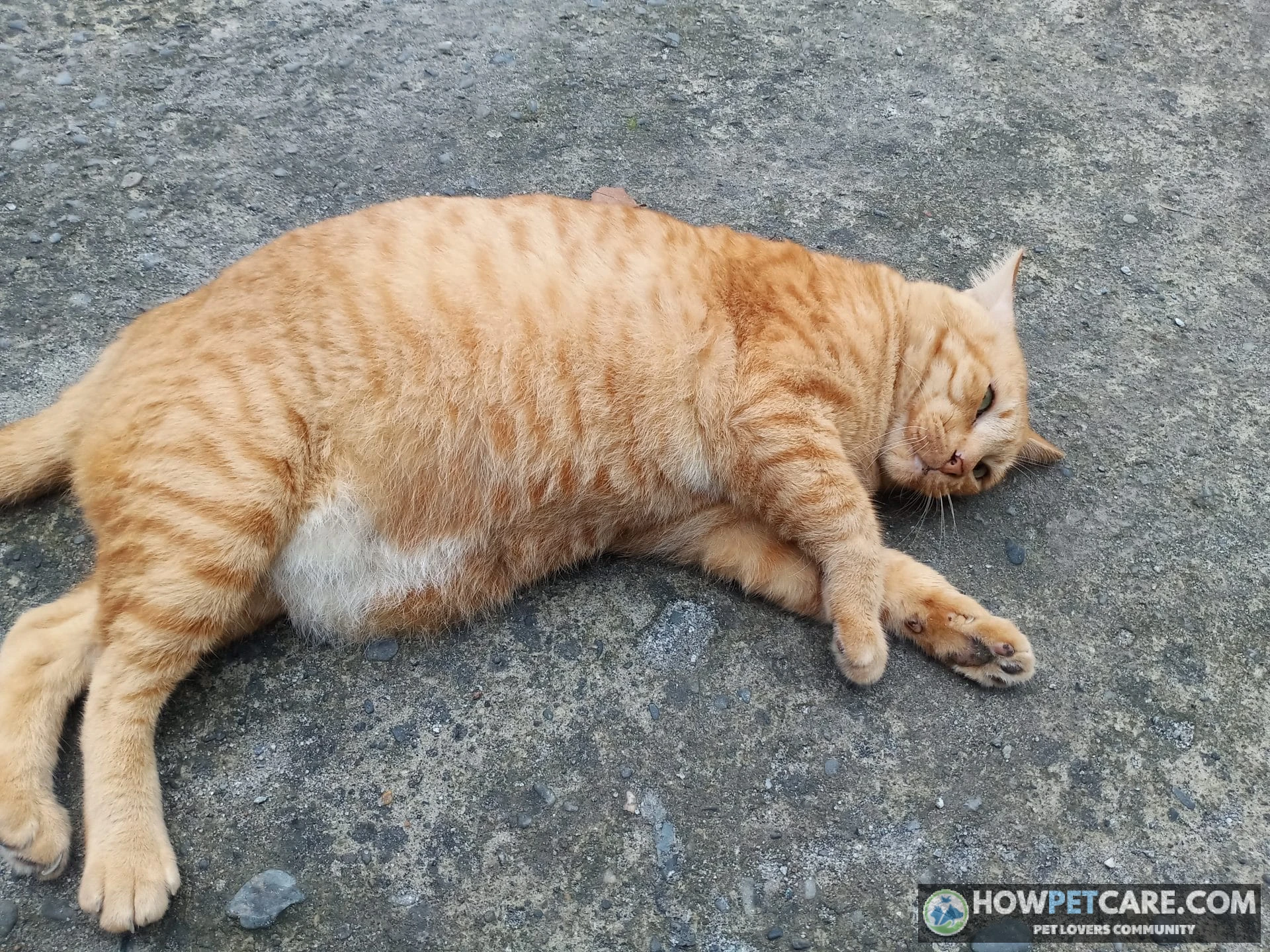

The fattest cat in the world on official record is Himmy, an Australian cat that weighed 46 lb 15.5 oz (21.3 kg) in 1986 and was verified by Guinness World Records. Guinness retired the category in 1998, so no living cat can hold an official title today.
The Fattest Cat in the World: Himmy’s 46 lb Guinness Record
Himmy, an Australian cat owned by Thomas Vyse, holds the Guinness World Records title for the fattest cat. He weighed 46 lb 15.5 oz (21.3 kg) in 1986. He died that year at about age 10.
Himmy is the clearest answer to “what is the fattest cat in the world?” But there’s an important qualification: Guinness retired the category in 1998 to discourage owners from overfeeding cats. Himmy remains the heaviest cat with an official Guinness entry. Later cats have sometimes been reported at greater weights, but without an equivalent official record.
This guide separates the Guinness record from shelter weigh-ins and owner or media claims. It also explains the difference between an unusually heavy cat and a naturally large breed, with a practical body-condition check for anyone concerned about their own cat’s weight. The table below compares the reported weights and how they were verified.
Fattest Cats Ever Recorded: Weights, Years and Verification Status
“Fattest cat ever recorded” can mean different things. Himmy’s weight is a Guinness record; the other figures below are reported measurements or claims, not Guinness titles. A shelter or clinic weigh-in carries more weight than an owner’s estimate, but it doesn’t make a cat an official record-holder.
| Cat name | Recorded weight (lb / kg) | Year | Location | Verification status | Source | Outcome |
|---|---|---|---|---|---|---|
| Himmy | 46 lb 15.5 oz / 21.3 kg | 1986 | Queensland, Australia | Guinness-verified | Guinness World Records | Died in 1986 at about age 10 |
| Katy | About 50 lb / 23 kg | 2003 | Asbest, Russia | Reported claim; no independent weighing established here | Russian press reports | Reportedly died; the weight is not confirmed by a neutral weigh-in |
| Prince Chunk (“Powder”) | About 44 lb / 20 kg | 2008 | New Jersey, United States | Reported as shelter-weighed; not a Guinness record | Shelter and media reports | Reportedly rehomed and put on a diet; later reports said he died in 2010 |
| Meow | About 39.7 lb / 18 kg | 2011 | Santa Fe, New Mexico | Reported as shelter-weighed; not a Guinness record | Santa Fe Animal Shelter and media reports | Died in 2012 during a foster weight-loss effort |
| Patches | About 42 lb / 19.1 kg | 2023 | Richmond, Virginia | Shelter-reported; not a Guinness record | Richmond Animal Care and Control reports | Adopted by Kay Ford, who began a vet-supervised weight-loss plan |
| Kroshik (“Crumbs”) | About 37 lb / 17 kg | 2024 | Perm, Russia | Reported as clinic- or shelter-weighed; not a Guinness record | Veterinary rehabilitation-center reports | Died weeks into weight-loss treatment after cancerous tumors were found |
These figures aren’t perfectly comparable. They come from different years, organizations, scales, and reporting practices. Himmy is the only cat in the table whose weight is identified as an official Guinness record. Katy’s often-repeated figure is an unverified claim, not a confirmed record.
How we sorted verified records from owner claims
“Guinness-verified” means Guinness entered the weight before retiring the category. “Shelter- or clinic-weighed” means an animal-welfare organization or veterinary setting reported a measurement. That’s a stronger basis than an owner’s estimate, but it doesn’t confer a world-record title. “Unverified” means the number has not been supported here by an independent weighing.
For any headline about the world’s fattest cat, ask three questions:
- Who weighed the cat? Look for a named shelter, clinic, or other independent organization.
- Is there a dated weigh-in? A date and named source make a claim easier to assess than an undated estimate.
- Is Guinness involved? Guinness retired the category in 1998, so later claims are unofficial.
If a story can’t identify who weighed the cat or when, treat the number as a reported figure rather than a verified fact.
Photos of the most famous fat cats
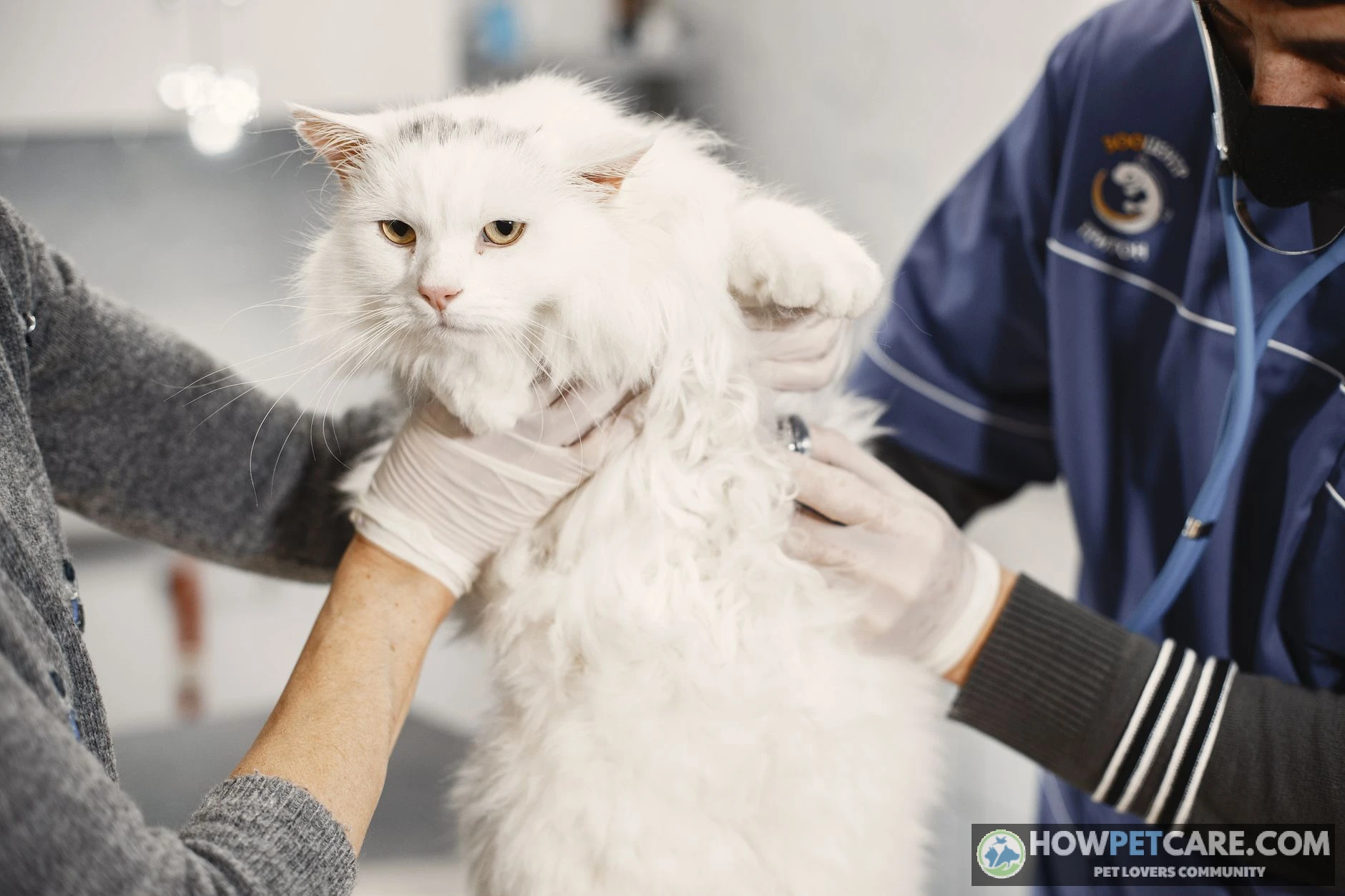
Photos of Himmy, Meow, Patches, and other famous cats often appear in news coverage and online galleries. This article doesn’t include images because a publishable piece should use only images with confirmed licensing or permission, and no image rights or source URLs are provided here. Captions should identify the cat and credit the licensed photographer or news outlet. A viral image alone doesn’t verify a record.
Famous Heavyweight Cats Beyond Himmy: What Happened Next
There’s more to these stories than a number on a scale. Many of the cats came to shelters because they needed care, and their weight loss required supervision. A headline weight doesn’t tell readers how a cat was weighed or what happened afterward.

Spice and Meow: the American heavyweights
Meow was a shelter cat in Santa Fe whose weight was reported at about 39.7 lb (18 kg) in 2011. Media accounts said he entered foster care and a weight-loss program, but he died in 2012. His story is a reminder that weight management is a health issue, not a spectacle.
Spice also appears in accounts of heavy American cats, but the evidence available for this article doesn’t establish a reliable weight, dated measurement, or outcome. Without a source to verify them, giving Spice a precise rank or number would be misleading.
Prince Chunk and other cats that lost weight
Prince Chunk, also known as Powder, was widely reported at about 44 lb (20 kg) after arriving at a New Jersey shelter. Reports said he was rehomed and placed on a diet; later accounts said he died in 2010. Both the weight and outcome should be attributed to those shelter and media reports, not described as Guinness-confirmed.
Patches was reported at 42 lb after being surrendered to a Virginia shelter. Kay Ford adopted him and began a veterinarian-supervised weight-loss plan. His care, rather than a claim to a larger number, was the point.
Kroshik, also reported as “Crumbs,” was reported at about 37 lb. He underwent diet and underwater-treadmill treatment, but died weeks into the effort after cancerous tumors were discovered. His case shows why weight change or difficulty losing weight shouldn’t automatically be blamed on feeding habits; a veterinarian may need to investigate underlying illness.
Garfield the cat: fiction, not a record
Garfield is a fictional character, not a real cat or breed. The familiar orange cartoon cat may be a memorable symbol of a fondness for food, but he can’t hold a real-world weight record. In real cats, obesity can contribute to serious health problems; it shouldn’t be treated as a cute target or achievement.
Why Guinness World Records Stopped Tracking the Fattest Cat
Guinness retired the heaviest-cat category in 1998 because it didn’t want a record to encourage owners to overfeed cats. Himmy’s entry remains a historical record, but Guinness no longer provides a way to name a new official fattest cat.
That left a gap in record-keeping. Modern stories may rely on a shelter’s scale, a veterinary clinic, an owner, or a local news report. Those sources aren’t interchangeable. A shelter weigh-in can be credible evidence of a cat’s weight without being a Guinness record.
Pet obesity isn’t a harmless contest. One cited estimate says 61% of cats are overweight, and excess weight can shorten a cat’s lifespan. The percentage depends on the population and assessment method, so it should be read as an estimate rather than a count of every cat.
Before trusting a headline, look for a named weigher, a dated measurement, and a clear statement of whether the figure is an official record or simply reported. Guinness retired the category in 1998, so a later “world record” claim is unofficial by default.
Who Is the Fattest Cat in the World Now? Living Contenders in 2026
There is no official “fattest cat alive” title in 2026: Guinness retired the category in 1998. Himmy’s is a historical record, not a title that passes to a living cat.
Recent heavyweight stories include shelter- or clinic-reported cats such as Patches and Kroshik, but the evidence cited here doesn’t establish a verified living contender in 2026. Patches was adopted into a vet-supervised weight-management plan; Kroshik died after tumors were discovered during treatment. Neither should be described as the current fattest cat alive.
Barsik and Tubcat, also called Tulle, appear in online lists of heavy cats, but the evidence available here doesn’t establish their measurements, dates, outcomes, or present living status well enough to rank them. A responsible current update should name a cat only when a dated, attributable weigh-in and current status can be confirmed. A viral headline isn’t an official title.

The official record is Himmy’s 46 lb 15.5 oz (21.3 kg) Guinness entry from 1986. No living cat can currently claim an official Guinness fattest-cat title because the category was retired in 1998.
Fat Cat or Big Cat? Overweight Individuals vs. the Biggest Cat Breeds
“Fattest” describes excess body fat in an individual cat. “Biggest” usually describes a breed’s natural frame, height, bone structure, or muscular build. A lean, large-framed cat can weigh more than a smaller cat without being overweight.
| Cat type | Typical adult weight | Cause of weight | Body shape | Health concern |
|---|---|---|---|---|
| Overweight domestic cat | Highly variable; some famous reported cats exceeded 20 lb | Excess body fat | Waist may disappear; ribs can be difficult to feel | Excess weight raises health concerns |
| Average domestic cat | Often around 8–10 lb as a rough reference | Typical frame and body condition | Waist visible; ribs easy to feel under a light fat layer | Weight alone cannot establish health |
| Maine Coon | Large breed; ranges vary by sex and individual | Large frame and bone structure | Long body; should still have a waist when lean | Size is not itself obesity |
| Savannah | Can be large and muscular | Tall build and serval ancestry | Long-legged, athletic build | A large frame is not the same as excess fat |
| Norwegian Forest Cat | Naturally large breed | Heavy frame and coat | Sturdy build; assess beneath the fur | Coat can make visual assessment harder |
| Ragdoll | Naturally large breed | Large, muscular frame | Broad-bodied, with a waist when lean | Fluff can conceal weight gain |
The Maine Coon is widely described as one of the largest domestic breeds. Savannahs can reach around 25 lb and may be muscular because of serval ancestry; that weight alone doesn’t mean a cat is obese. The evidence here doesn’t provide reliable, consistent breed-specific ranges for every breed in the table, so treat any general range as a starting point, not a diagnosis.
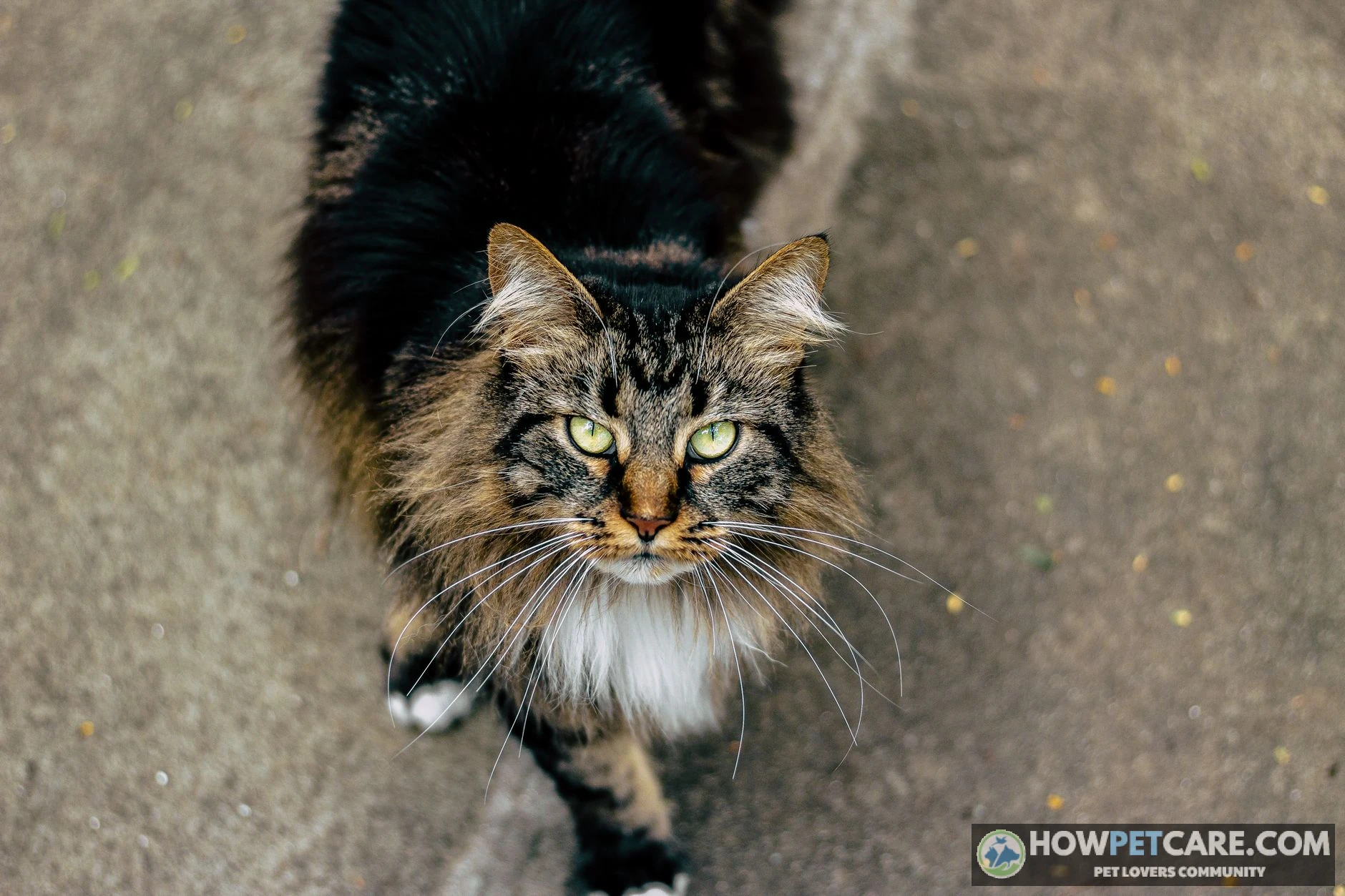
Domestic Shorthairs, British Shorthairs, and several other breeds are often included in lists of cats prone to weight gain. But breed alone doesn’t determine a cat’s body condition. Neutering, indoor activity levels, and access to food can affect weight. A veterinarian can assess an individual cat rather than relying on breed stereotypes.
Which cat breeds are biggest, and which are prone to gaining weight
Maine Coons, Norwegian Forest Cats, and RagaMuffins are frequently listed among the heavier domestic breeds. Savannahs are another notably large, athletic type, and their body weight can reflect muscle and frame rather than fat. Lists that identify Persian, British Shorthair, or Maine Coon cats as prone to weight gain describe tendencies, not a guarantee that any individual cat will become overweight.
The distinction is useful: breed size describes the frame; body condition describes the fat covering it. A cat weight chart can help start a conversation, but ribs, waist, and veterinary assessment are more useful than a number alone.
Is Your Cat Overweight? Healthy Weight Range and Body Condition Score
Many average adult domestic cats fall around 8–10 lb (3.6–4.5 kg), but a healthy weight varies with frame, age, and breed. The range is a reference point, not a pass-or-fail threshold. A vet’s body condition score is generally more informative than comparing every cat with the same number on a chart.
Body condition score at a glance
Veterinary body condition scoring commonly uses a 9-point scale. A score of 4–5 is generally considered ideal; 6–7 indicates overweight, and 8–9 indicates obesity. Some practices use a 5-point scale, so follow the scale your veterinarian uses.
| Score | Category | What you see and feel | What to do |
|---|---|---|---|
| 1–3 | Underweight | Ribs, spine, or pelvic bones are increasingly prominent | Contact a veterinarian, especially if weight loss is new |
| 4–5 | Ideal | Ribs are easy to feel under a light covering; waist is visible from above; abdomen tucks up | Maintain routine feeding and monitoring |
| 6–7 | Overweight | Ribs are harder to feel; waist is less visible or absent; fat may collect around the abdomen | Ask a veterinarian to assess weight and next steps |
| 8–9 | Obese | Ribs are difficult to feel; waist is absent; fat deposits are prominent | Arrange veterinary guidance before changing food intake |

How to check your cat at home
Try this 60-second check while your cat stands naturally:
- Feel the ribs. Run your hands gently along the ribcage. You should be able to feel the ribs beneath a thin layer of fat. If you have to press firmly, your cat may carry excess fat.
- Look from above. A healthy cat usually narrows slightly behind the ribs. A straight-sided or oval outline can indicate excess weight.
- Look from the side. A healthy abdomen generally rises behind the ribcage. A low-hanging belly can signal excess fat, though loose skin and coat can make it harder to tell.
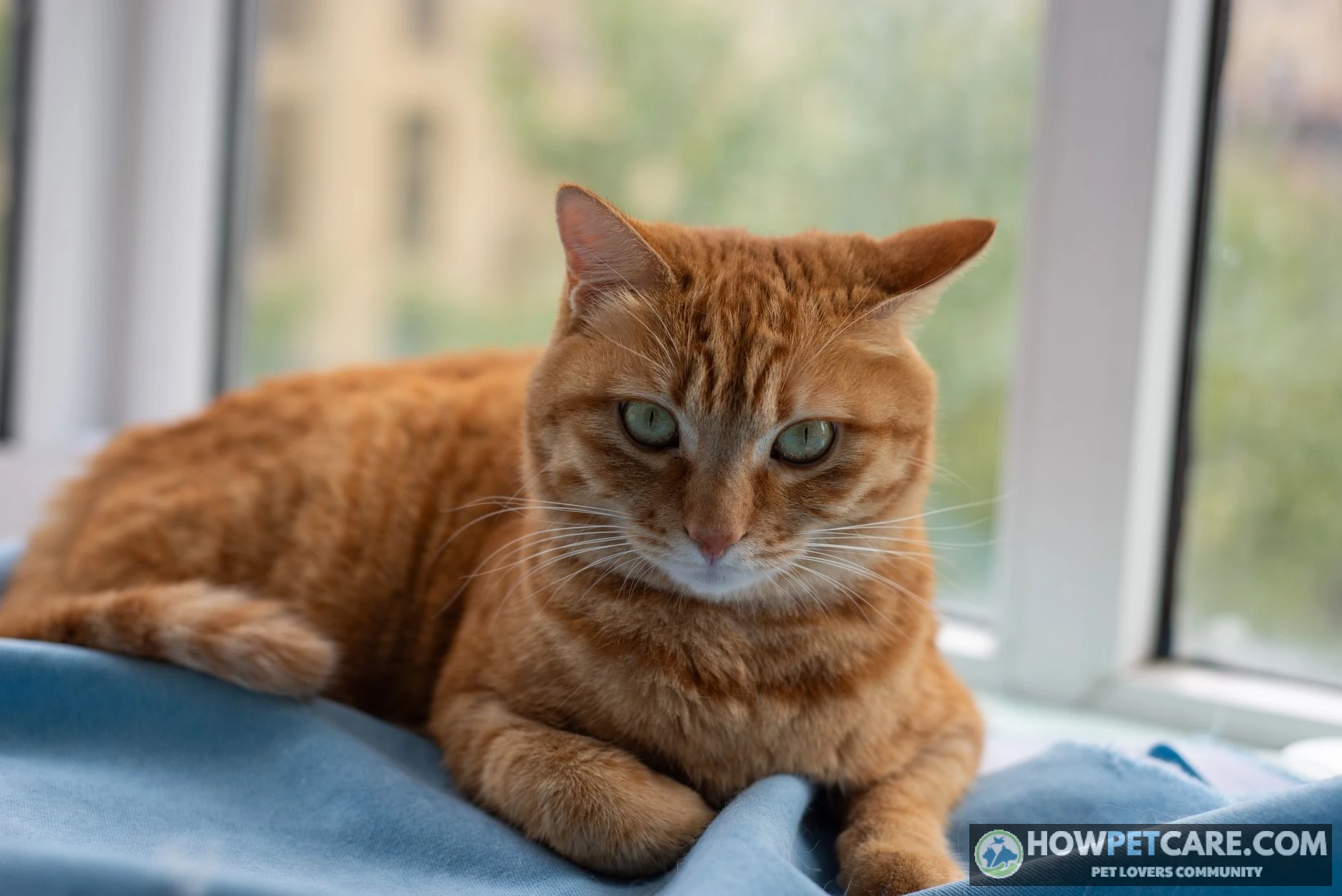
If your cat scores 6 or higher, or has gained or lost weight suddenly, arrange a veterinary assessment before changing its diet. A swollen belly or a cat that stops eating also warrants prompt veterinary attention. “Cat BMI” isn’t a substitute for this hands-on assessment; ask your veterinarian which body-condition method they use.
How to Help an Overweight Cat Lose Weight Safely
Don’t put a cat on a crash diet. Sudden fasting or severe calorie restriction can trigger hepatic lipidosis, a potentially fatal liver condition. Before a weight-loss plan begins, a veterinarian should check for medical causes of weight change and set an appropriate calorie target.
A commonly used gradual target is about 0.5–2% of body weight per week, but the safe pace and calorie amount depend on the individual cat and should be confirmed with a veterinarian. If a 20 lb cat lost weight at that rate, the arithmetic would be about 1.6–6.4 oz per week. That example isn’t a prescription or a substitute for a vet-set plan.
What not to do
- Don’t withhold food or sharply cut portions without veterinary advice; rapid restriction can cause hepatic lipidosis.
- Don’t assume a cat needs to lose weight based on its breed or a single scale reading.
- Don’t rely on an unmeasured scoop or let several household members feed the cat without tracking portions.
A simple 4-week starter plan
The first month should focus on assessment and consistent tracking, not an aggressive diet:
- Week 1: Arrange a veterinary visit. Ask for an ideal weight, body-condition score, and a safe calorie target. Discuss medical conditions and current food.
- Week 2: Measure what the cat eats. Use a kitchen scale for food portions and record treats. Ask the veterinarian whether scheduled meals are appropriate instead of free feeding.
- Week 3: Add gentle activity. Try short play sessions, puzzle feeders, or accessible climbing spaces. Increase activity gradually and stop if the cat seems distressed.
- Week 4: Review progress. Weigh the cat using the same scale and discuss the trend with the veterinarian before making further changes.
Keep treats within the limit your vet recommends; a commonly suggested ceiling is about 10% of daily calories. Monthly weigh-ins and photos from above can help track changes, but the veterinarian should guide adjustments.
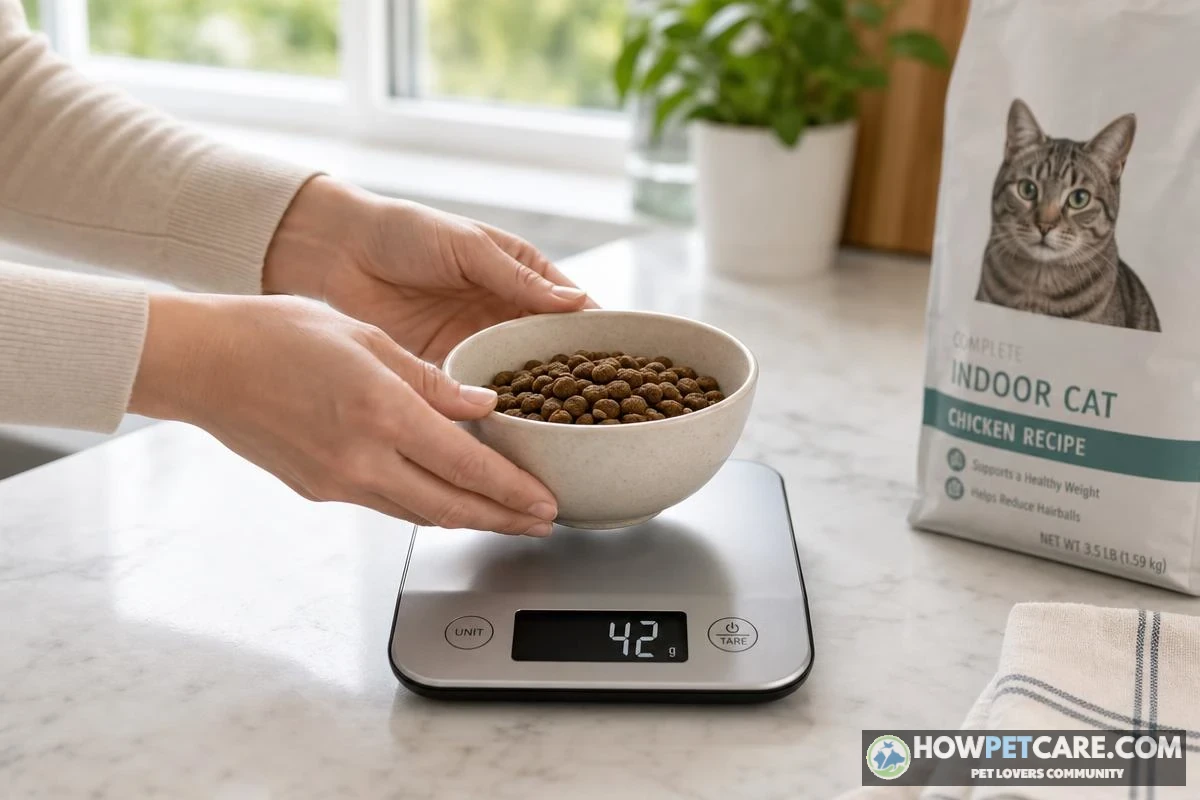
Cats that stop eating or lose weight too quickly can develop hepatic lipidosis, a dangerous fatty-liver condition. If your cat refuses food, contact a veterinarian rather than waiting for a planned weigh-in.
Your Next Steps: Check, Weigh and Plan
- Weigh your cat and note the date, using the same scale for future comparisons.
- Check its ribs, waist, and abdominal profile; ask a vet to confirm the body-condition score.
- Compare the result with your cat’s frame and breed, not just an average domestic-cat weight.
- If the score is 6 or higher, weight changes suddenly, or your cat stops eating, contact a veterinarian before changing its food.
- When headlines rank the fattest cats in the world, check who weighed the cat, when the measurement was taken, and whether the claim is an official Guinness record or a reported figure.
Himmy remains the heaviest cat with a verified Guinness entry, at 46 lb 15.5 oz (21.3 kg) in 1986. Later reported weights may be useful historical comparisons, but none should be presented as a current official title. Readers who find a dated shelter or veterinary weigh-in that changes the current picture can submit the source for review.
FAQ
What is the heaviest cat breed in the world?
The Maine Coon is the best-known big domestic breed, with males commonly weighing about 13–18 lb. Savannahs can be similar in size or larger. These are healthy weights for the breed, so they are different from the weights of obese record-holders.
Can a cat be too fat to survive?
Yes. Obesity raises the risk of diabetes, arthritis, breathing trouble and liver disease. Himmy died at about age 10, and a vet should supervise any weight-loss plan.
How much should a normal house cat weigh?
Most adult domestic cats are healthy at about 8–10 lb (3.6–4.5 kg). Frame size matters, so a vet’s body condition score is a better guide than weight alone.
Is Garfield a real cat or a breed?
Garfield is a cartoon character created by Jim Davis, so he holds no weight record. He is usually drawn as an orange tabby, which is a coat pattern and not a breed.
How fast can an overweight cat safely lose weight?
A common vet target is about 0.5–2% of body weight per week, set with your vet. Faster loss or fasting can cause hepatic lipidosis, a dangerous liver condition.