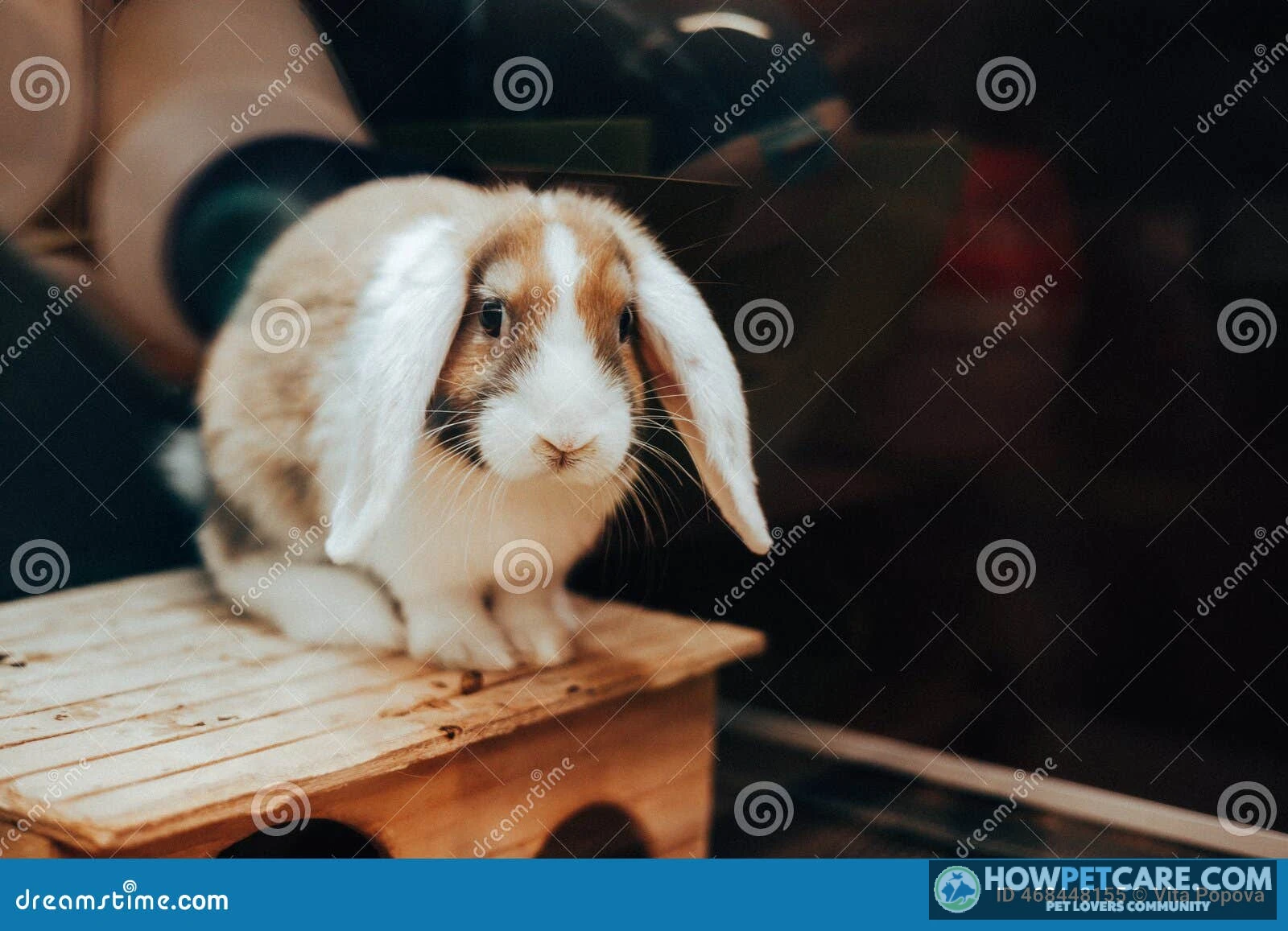

The Holland Lop is a dwarf rabbit breed weighing 2 to 4 pounds with a body length of 10 to 12 inches and an indoor lifespan of 7 to 12 years. Recognized by their compact build and floppy ears, Holland Lops require unlimited grass hay, solid-bottom housing, and gentle, ground-level handling.
If you’re wondering whether a Holland Lop fits your home, here are the quick facts: an adult weighs 2 – 4 lb (ARBA‑maximum show weight 4 lb / 1.8 kg) and measures about 10 – 12 in long; indoor life expectancy ranges from 7 to 12 years; the rabbit is social and curious but not automatically cuddly; daily care calls for precise feeding, safe indoor housing, and regular health checks.
This guide provides educational husbandry recommendations only. It does not replace diagnosis or treatment from a qualified exotic‑animal veterinarian. In emergencies, contact a rabbit‑experienced vet immediately.
Holland Lop Size, Lifespan, and Breed Profile at a Glance
Holland Lop breed specifications
Developed in the 1940s by crossing French Lop, English Lop, and Netherland Dwarf lines, the Holland Lop is a dwarf rabbit and the smallest of the recognized lop‑ear breeds in the United States. Full-grown Holland Lops reach an adult weight of 2 – 4 lb, with the ARBA capping show specimens at 4 lb; most healthy pets settle near 3 lb. In physical dimensions, measured from nose to the base of the tail, the body length averages 10 – 12 in, and shoulder height is roughly 4 – 5 in.
Key physical traits include:
- Compact, short‑bodied dwarf frame.
- Broad, brachycephalic head with a pronounced crown where the floppy ears attach.
- Lop ears that hang beside the face, typically 2 – 3 in long, and must lie below the horizontal line to meet ARBA standards.
- Dense, soft coat that sheds seasonally and requires weekly brushing.

The breed was formally recognized by the Holland Rabbit Club in 1964 and by the American Rabbit Breeders Association (ARBA) in 1979.
Holland Lop personality and temperament
The baseline temperament of a Holland Lop is social, curious, and energetic. They love exploring a safe space, chewing enrichment toys, and forming strong bonds with familiar people. Because they are prey animals, they seldom enjoy being lifted or held for long; they prefer floor‑level interaction and gentle chest‑support handling. Temperament can shift with sex, neuter status, and early socialization, so owners should budget daily interaction and patient bonding.
How long Holland Lop rabbits live indoors
Longevity depends on genetics, diet, housing, and veterinary care. Most sources place the expected lifespan indoors at 7 to 10 years, while some expert surveys extend the upper range to 10 – 12 years and occasional cases reach 14 years. Spaying or neutering, regular wellness exams, a high‑fiber diet, and prompt treatment of dental or gastrointestinal issues are the biggest longevity boosters.
Holland Lop Care: Indoor Housing, Exercise, and Daily Routine
How to set up a Holland Lop enclosure
The safest environment is a large, solid‑bottom exercise pen or a bunny‑proofed room, not a traditional wire‑cage or outdoor hutch. A single adult needs at least 24 × 36 in of solid flooring; a bigger area—such as a 4‑ft × 6‑ft pen—lets the rabbit hop naturally and stretch fully upright.
Essential components:
- Nonslip flooring: washable rugs, interlocking foam tiles, or sealed wood flooring.
- Hide box with two exits for retreat.
- Heavy ceramic water bowl (no wire) and a hay rack that keeps timothy hay upright.
- Litter box with low entry and rabbit‑safe paper litter or kiln‑dried wood pellets.
- Chew toys: untreated apple wood blocks, willow, or cardboard.
- Enrichment: tunnels, cardboard castles, and rotating toys.

Avoid wire‑bottom cages; they cause sore hocks and stress. Opt for solid flooring and provide a soft resting area to protect delicate feet.
Free‑roam rabbit‑proofing checklist
| Hazard | Prevention |
|---|---|
| Electrical cords | Cover with PVC tubing or move out of reach |
| Baseboard gaps | Seal with low‑profile trim or tape |
| Toxic plants | Remove houseplants such as oleander, philodendron, and poinsettia |
| Open cabinets | Install child‑proof latches |
| Furniture gaps | Block access with pet gates or furniture rearrangement |
| Small chewable items | Store wires, rubber bands, and small plastics out of reach |

Daily and weekly care schedule
| Frequency | Task |
|---|---|
| Daily | Refresh water, check hay pile, offer fresh leafy greens, spot‑clean litter, observe behavior and fecal output |
| Twice daily | Provide 15‑30 min of supervised exercise outside the pen |
| Weekly | Full litter change, hose down enclosure, rotate toys, brush coat, trim nails if needed |
| Monthly | Deep‑clean water bowls, inspect ear crowns, weigh rabbit, update food logs |
| Quarterly | Check dental wear with a vet, replace worn flooring mats, review enrichment rotation |
What Holland Lop Rabbits Eat: Exact Hay, Pellet, and Greens Guide
Adult Holland Lop feeding formula by body weight
| Adult Weight | Unlimited Grass Hay | Plain Pellets (1/4 cup / 5 lb) | Leafy Greens | Treat Limit | Adjustment Notes |
|---|---|---|---|---|---|
| 2 lb | 1 – 1.5 lb / day (body‑sized pile) | ~0.05 cup / day | 0.5 cup packed | ≤ 1 tbsp fruit/veg per week | Monitor weight; reduce pellets if gaining > 5 % body mass |
| 3 lb | 1.5 ‑ 2 lb / day | ~0.07 cup / day | 0.75 cup packed | ≤ 2 tbsp fruit/veg per week | Increase pellets slightly if rabbit is very active |
| 4 lb | 2 ‑ 2.5 lb / day | ~0.10 cup / day | 1 cup packed | ≤ 3 tbsp fruit/veg per week | Keep pellets low; excess can lead to obesity |
Hay should be timothy or another grass hay, available at all times in a pile about the size of the rabbit’s body. Pellets need to be high‑fiber (≥ 16 % crude fiber), low‑protein (≈ 16 % protein) and free of added sugars. Leafy greens are added gradually, rotating varieties such as romaine, cilantro, parsley, basil, dill, and bok choy; keep calcium‑rich greens like kale limited to prevent urinary crystals. Adhering to these core dietary proportions of hay, pellets, and greens is vital to prevent digestive failure and fatal gut slowdown.

- Rotate 2‑3 different greens each day for variety and to avoid selective feeding.
- Provide 1 cup packed greens per 2 lb of body weight each day.
- Treats (fruit, carrots, commercial bunny snacks) should stay below 1 % of daily calories; a small apple slice or a few berries each week suffices.
Foods Holland Lop rabbits should never eat
- Alfalfa hay for adults (high calcium, can cause bladder stones).
- Corn, beans, or seeds – non‑digestible and can cause GI blockage.
- Citrus fruits, avocado, onion, garlic – toxic.
- Cat litter, cedar or pine shavings – respiratory irritants and ear‑canal hazards.
- Processed human foods (cookies, chips, chocolate) – toxic and high fat.
Holland Lop vs. Mini Lop: Size, Head Shape, and Temperament
Understanding the exact physical and temperament difference between a Holland Lop and a Mini Lop helps prospective owners choose the right match for their living space.
| Characteristic | Holland Lop | Mini Lop | Ownership Implication |
|---|---|---|---|
| Typical adult weight | 2‑4 lb; ARBA max 4 lb (ideal ~3 lb) | 4.5‑6.5 lb; no strict ARBA max | Mini Lop needs larger enclosure, more food, and higher handling strength |
| Body build | Compact dwarf, short‑bodied, broad head | Heavier, more muscular, longer torso | Holland Lop fits tighter spaces; Mini Lop occupies more floor area |
| Crown anatomy | Prominent crown where ears fold; narrow ear canals | Broader head, less pronounced dwarf crown | Holland Lop requires weekly ear‑canal checks for otitis externa |
| Ear carriage | Ears hang 2‑3 in, lie below horizontal line | Ears also lop but appear proportionally larger on a bigger head | Both need ear hygiene; Mini Lop’s larger ears are less prone to blockage |
| Personality | Social, curious, quick‑moving, strong bond with humans | Often steadier, slightly less hyperactive, but individual varies | Holland Lop may need more frequent enrichment to prevent boredom |
| Handling sensitivity | Very fragile; must support chest and hindquarters, avoid lifting by ears | Larger body tolerates gentle handling better, still a prey animal | |
| Best fit clue | Small indoor companion, careful handling, limited space | Household with room for larger rabbit, willing to feed more |
Why a Mini Lop is larger than a Holland Lop
The Mini Lop was bred from larger foundation breeds (e.g., French Lop) and retains more skeletal mass. Although its name contains “Mini,” the breed standard emphasizes a full‑body length and muscular build that routinely exceeds the Holland Lop’s 4‑lb ceiling. The difference in skull shape—broader, less brachycephalic—also contributes to a larger head‑to‑body ratio.

Which lop breed better fits your household?
- Space: Holland Lop thrives in 24 × 36 in + pen; Mini Lop benefits from at least 30 × 48 in.
- Food budget: Mini Lop consumes ~30 % more hay and pellets.
- Handling: Holland Lop needs extra caution; Mini Lop can tolerate gentle lifting once trusted.
- Activity level: Holland Lop may need more varied enrichment to prevent boredom.
Litter Training a Holland Lop and Building Free‑Roam Habits
-
Limit the starting territory
Start with a solid‑bottom exercise pen that includes a sleeping corner, a food station, and a single litter zone. Keep the rabbit’s access to the rest of the home limited at first.
-
Choose a low‑entry litter box
Choose a litter box wide enough for the rabbit to turn around; a low front edge encourages entry, while high sides can deter a small Holland Lop.
-
Build the safe layers
Lay a thin layer of rabbit‑safe paper litter or kiln‑dried wood pellets on the floor, then top part of it with fresh timothy hay. Stay away from clumping cat litter, scented litter, cedar, or pine shavings.
-
Use natural grazing behavior
Place the hay rack so fresh hay rests over one end of the box. Holland Lops often eat and eliminate at the same time, so the hay cue reinforces proper box use.
-
Transfer the scent
Transfer stray droppings into the box. Blot urine accidents with a plain paper towel and clean the floor with an unscented enzyme cleaner after the rabbit is out of the area.
-
Reward, never punish
When the rabbit uses the box, give calm praise and a tiny herb treat. Never yell, push the rabbit’s face into the box, or force‑feed.
-
Check results after 24 hrs
If the rabbit consistently uses one corner, relocate the box to that corner instead of fighting its preference. Add a second box only if the pen is large or has multiple levels.
-
Expand gradually
After several days of reliable use, open one additional zone. Keep the original box, add a second where the rabbit shows interest, and watch for marking. If accidents rise, revert to the smaller area for a few days.
-
Account for marking
Spaying or neutering usually reduces territorial urine marking, but occasional pellets are normal after rearranging furniture or adding a new companion.
Troubleshooting urine and territorial marking
- Unneutered males often spray; consider spay/neuter.
- Stressful changes (new furniture, loud noises) can trigger marking; re‑introduce gradually.
- Incomplete box coverage: ensure the box is low‑entry and sized for the rabbit’s body.
Expanding from an exercise pen to free roam
- Confirm consistent litter use for 7‑10 days.
- Open one adjacent safe zone each week, keeping the original litter box.
- Add a second litter box in the new zone if the rabbit begins eliminating there.
- Maintain rabbit‑proofing in every opened area (cord covers, blocked gaps).
- Continue daily supervised play; gradually increase free‑roam time to 2‑3 hrs per day.
Holland Lop Health Risks: GI Stasis, Ear Infections, and Dental Disease
Knowing how to detect and respond to early warning signs of GI stasis and lop-specific ear canal infections can save your rabbit’s life.
GI stasis red flags and emergency response
- Fewer or smaller pellets than usual.
- Refusal of favorite hay or greens for more than 12 hrs.
- Hunched posture, reduced movement, or pressing belly to floor.
- Tooth grinding (chattering) that is continuous, not occasional.
- Abdominal bloating or a firm, distended gut.
First‑response protocol:
- Note the time of the last normal meal and normal fecal output.
- Contact a rabbit‑experienced exotic veterinarian immediately; do not wait overnight.
- Keep the rabbit warm (use a towel‑lined carrier) and quiet.
- Offer fresh timothy hay and fresh water; do not force‑feed.
- If trained, take a rectal temperature; normal range 101.5‑104 °F; below 100 °F or above 104 °F is urgent.
- Follow the vet’s instructions—do not give human pain meds or laxatives on your own.
Keep this checklist beside the enclosure:
- ☐ Compare feces with normal output (size, shape, amount).
- ☐ Offer normal foods; record exact time of last bite.
- ☐ Observe posture for hunching, stretching, or stillness.
- ☐ Listen for gut sounds (optional, not diagnostic).
- ☐ If trained, record rectal temperature.
- ☐ Call the vet with detailed observations.
- ☐ Keep rabbit warm, quiet, and provide hay.
- ☐ Do not medicate or massage abdomen unless directed.
- ☐ Have an emergency kit ready (carrier, towel, hay, vet contact).
How to inspect a Holland Lop’s ears safely
- Gently cup the ear base with one hand; the other hand supports the chest.
- Look for redness, swelling, heat, discharge, crust, or foul odor.
- Observe the rabbit’s reaction—head shaking, scratching, or ear‑tilting indicates discomfort.
- Never insert cotton swabs, liquids, or attempt deep cleaning; the ear canal is narrow and easily damaged.
- If any abnormality is noted, schedule a vet appointment; early treatment prevents chronic otitis externa.

Dental and skull‑related warning signs
- Drooling or wet chin.
- Selective eating (prefers soft foods, avoids hay).
- Facial swelling or visible overgrowth of incisors.
- Eye discharge or excessive facial scratching.
- Uneven chewing of toys or wood.
Because the Holland Lop’s brachycephalic skull limits natural wear, routine checks and a diet high in fibrous hay are vital to avoid malocclusion.
When symptoms require an emergency exotic veterinarian
- No fecal pellets for 12 hrs.
- Persistent refusal to eat hay.
- Sudden weight loss > 5 %.
- Severe abdominal distension or pain response.
- Uncontrolled bleeding from the ear canal or mouth.
- Rapid temperature change (hypothermia or fever > 104 °F).
Holland Lop Price and Lifetime Cost of Ownership
Evaluating the true lifetime cost of ownership requires budgeting for upfront supplies, recurring monthly care, and dedicated exotic veterinary emergency funds.
| Expense | Upfront Cost | Monthly Cost | Annual or Periodic Cost | 7‑ to 12‑Year Estimate |
|---|---|---|---|---|
| Adoption or breeder fee | $75‑$500 | $0 | None | $75‑$500 |
| Exercise pen, solid flooring, hide, bowls, carrier, litter boxes, hay rack, toys | $300‑$900 | $0‑$25 (replacements) | $50‑$200 (worn furnishings) | $650‑$3,300 |
| Rabbit‑proofing materials | $50‑$250 | $0‑$10 | $25‑$75 | $225‑$1,150 |
| Grass hay (establish storage) | $0‑$25 | $15‑$35 | $180‑$420 | $1,260‑$5,040 |
| Plain adult pellets | $0‑$25 | $5‑$15 | $60‑$180 | $420‑$2,160 |
| Leafy greens | $0 | $20‑$60 | $240‑$720 | $1,680‑$8,640 |
| Paper litter & cleaning supplies | $0‑$40 | $10‑$30 | $120‑$360 | $840‑$4,320 |
| Chews and enrichment | $0‑$40 | $5‑$20 | $60‑$240 | $420‑$2,880 |
| Initial exotic‑veterinary exam & baseline tests | $100‑$300 | $0 | Included in year 1 | $100‑$300 |
| Spay or neuter (if not done) | $250‑$800 | $0 | One‑time | $250‑$800 |
| Routine wellness care & recommended testing | $0 | $0 | $150‑$500 | $1,050‑$6,000 |
| Emergency reserve or insurance contribution | $0‑$1,000 reserve | $25‑$75 (gradual building) | Replenish after use | Keep $500‑$2,000 ready; serious emergencies can exceed this |
| Planning total | About $775‑$3,855 before emergency savings | About $55‑$175 | About $810‑$2,620 (excluding emergencies) | Roughly $7,000‑$31,000 over 7‑12 years, excluding major emergency treatment |
Adoption or breeder price
Reputable rescues may charge $75‑$200 inclusive of vaccination and spay, while specialty breeders often list $300‑$500 for show‑line kits. Verify health records, age, and whether the rabbit is already spayed/neutered.
Initial indoor setup budget
A quality exercise pen (e.g., 4 × 6 ft) costs $200‑$400. Add flooring ($80‑$150), a large hide ($30‑$60), water/food bowls ($20‑$40), litter boxes ($15‑$30), hay rack ($25‑$45), and toys ($30‑$70). Total‑up lies around $300‑$900 depending on material choices.

Monthly food and litter costs
- Hay: $15‑$35 per month (bulk packs last 2‑3 weeks).
- Pellets: $5‑$15.
- Greens: $20‑$60.
- Litter: $10‑$30.
- Chews/Enrichment: $5‑$20.
Veterinary budget and emergency reserve
A baseline wellness exam (including fecal test) runs $100‑$300. Spay/neuter ranges $250‑$800. Annual wellness visits, vaccinations, and dental checks add $150‑$500 per year. Because GI stasis or severe otitis can require $1,000‑$3,000 of emergency care, maintain a minimum $500‑$2,000 reserve or consider a pet‑insurance policy covering exotic animals.
Estimated 7‑ to 12‑year ownership cost
Adding all recurring costs gives a realistic $7,000‑$31,000 lifetime expense, far above the initial purchase price. Planning with a spreadsheet helps avoid surprise bills.
Is a Holland Lop Right for You? Pre‑Adoption Checklist
Lifestyle and handling readiness
- Commit to 7‑12 years of daily interaction and care.
- All household members must be comfortable with gentle, ground‑level handling; small children should never lift the rabbit unsupervised.
- Ensure you have time for 1‑2 hrs of supervised exercise daily and 15‑30 min for grooming and health checks.
Supplies to buy before adoption
- Large exercise pen or bunny‑proofed room.
- Solid, nonslip flooring and washable rugs.
- Hay rack with bulk timothy hay storage.
- Low‑entry litter box, rabbit‑safe paper litter or wood pellets.
- Heavy ceramic water bowl and stainless steel food bowl.
- Hide box, chew toys, and carrier for transport.
- Emergency kit (carrier, towel, spare hay, medication list, vet contact).
Veterinary and financial readiness
- Locate a rabbit‑experienced exotic vet within a reasonable travel distance.
- Schedule an initial health exam before or soon after adoption.
- Set up an emergency fund or insurance covering at least $500‑$2,000 for urgent care.
- Factor in annual wellness and spay/neuter costs into your budget.
How to choose a rescue or responsible breeder
- Ask for health records, age, sex, and spay/neuter status.
- Verify the source follows ARBA and Holland Rabbit Specialty Club guidelines.
- Visit the facility; observe clean housing, proper socialization, and lack of excessive handling.
- Ensure kits are not separated from the dam before 8 weeks and that they have been gradually weaned onto timothy hay.
- Request a written health guarantee covering genetic conditions for at least 30 days.
If you can meet the space, budget, and handling requirements outlined above, a Holland Lop can become a delightful, affectionate indoor companion. If any of these pillars feel uncertain, consider postponing adoption until you can fully prepare—your future rabbit will thank you for a safe, loving start.

| Expense Category | Upfront Cost | Monthly Cost | Annual or Periodic Cost | 7- to 12-Year Lifetime Estimate |
|---|---|---|---|---|
| Adoption or breeder fee | 75-500 | $0 | None | 75-500 |
| Exercise pen, solid flooring, hide, bowls, carrier, litter boxes, hay rack, toys | 300-900 | 0-25 (replacements) | 50-200 (worn furnishings) | 650-3,300 |
| Rabbit‑proofing materials | 50-250 | 0-10 | 25-75 | 225-1,150 |
| Grass hay (establish storage) | 0-25 | 15-35 | 180-420 | 1,260-5,040 |
| Plain adult pellets | 0-25 | 5-15 | 60-180 | 420-2,160 |
| Leafy greens | $0 | 20-60 | 240-720 | 1,680-8,640 |
| Paper litter & cleaning supplies | 0-40 | 10-30 | 120-360 | 840-4,320 |
| Chews and enrichment | 0-40 | 5-20 | 60-240 | 420-2,880 |
| Initial exotic‑veterinary exam & baseline tests | 100-300 | $0 | Included in year 1 | 100-300 |
| Spay or neuter (if not done) | 250-800 | $0 | One‑time | 250-800 |
| Routine wellness care & recommended testing | $0 | $0 | 150-500 | 1,050-6,000 |
| Emergency reserve or insurance contribution | 0-1,000 reserve | 25-75 (gradual building) | Replenish after use | Keep 500-2,000 ready; serious emergencies can exceed this |
| Planning total | About 775-3,855 before emergency savings | About 55-175 | About 810-2,620 (excluding emergencies) | Roughly 7,000-31,000 over 7‑12 years, excluding major emergency treatment |
FAQ
Do Holland Lops like to be held and cuddled?
Some Holland Lops enjoy petting and sitting beside trusted people, but many dislike being lifted because rabbits are prey animals. Build trust at floor level and support both the chest and hindquarters whenever lifting is necessary.
Are Holland Lops good pets for beginners?
They can suit a well-prepared beginner, but they are not low-maintenance starter pets. Beginners must provide safe indoor exercise pens, strict high-fiber diets, gentle handling, and access to a specialized exotic veterinarian.
How often do Holland Lops need grooming?
Brush a Holland Lop at least once weekly, increasing to daily brushing during heavy seasonal sheds to prevent digestive hair clogs. Regularly inspect the nails, skin, incisors, and folded ear bases, and never bathe the rabbit in water.
Can a Holland Lop live alone?
A single Holland Lop can thrive if given ample daily human attention and enrichment, but many do best with a bonded, desexed companion. Always introduce new rabbits through a slow, neutral-territory bonding process.
Can Holland Lop rabbits live outdoors?
Indoor housing is strongly recommended because outdoor hutches expose Holland Lops to predators, fatal temperature swings, and parasites. Living indoors ensures rapid detection of life-threatening issues like GI stasis.