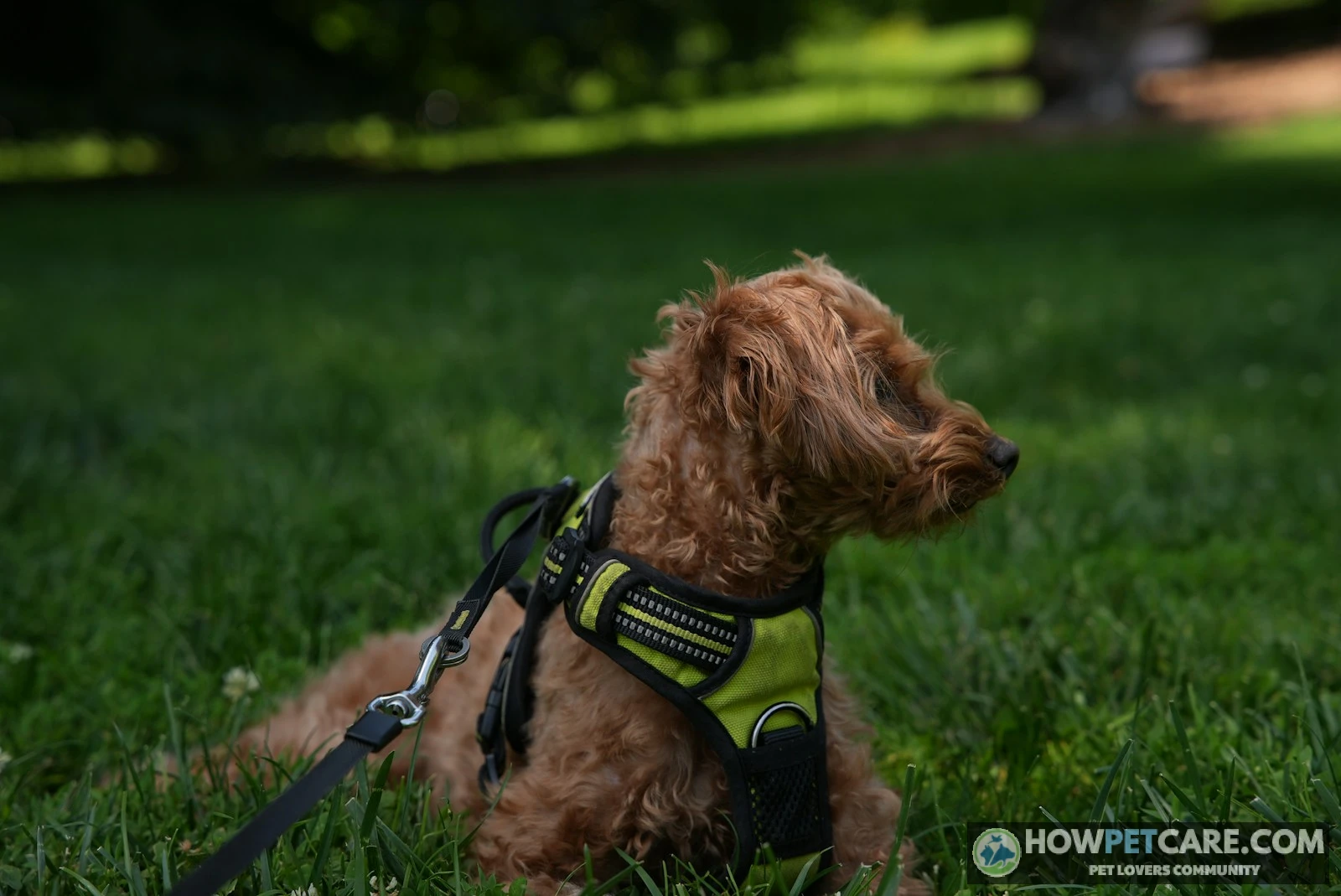

A helper dog is either a service dog trained to perform tasks for a person with a disability, or a calm, confident dog that helps a fearful dog practice coping skills during behavior rehabilitation. Only a task-trained service dog qualifies for ADA public-access rights.
A “helper dog” can be a service dog trained to assist a person with a disability or a confident dog that helps a fearful dog feel safer during behavior work. These are different roles. Only the first may qualify for public access under the Americans with Disabilities Act (ADA), and only if the dog meets the ADA’s task-training definition. Because “helper dog” is an informal term, start by identifying which meaning applies to your situation.
“Helper Dog” Means Two Different Things: Assistance Dog or Rehab Dog
In everyday conversation, “helper dog” may refer to a disability assistance dog. In animal shelters and behavior rehabilitation, it can mean a calm, social dog that models relaxed behavior for a fearful dog. Despite the shared label, these dogs have different training, purposes, and legal status.
Meaning 1: A trained assistance or service dog for a person with a disability
A service dog works with an individual handler and is trained to perform tasks related to that person’s disability. For example, a dog might guide a person who is blind, alert someone to a sound, retrieve an item, or interrupt a disability-related behavior. In the US, “service dog” is the term most people encounter; training organizations also use “assistance dog.”

Meaning 2: A confident dog that helps a fearful dog learn to cope
In behavior rehabilitation, a helper dog is a stable, confident dog chosen to provide a calm example or social support while another dog practices coping with people, places, or other triggers. The ASPCA Behavioral Rehabilitation Center uses helper dogs in this kind of work. The dog serves as a model, not as a provider of disability-related service to a person. This role grants no special public-access rights. A fearful pet should not be paired with another dog without guidance from a qualified behavior professional.

Which meaning matches what you’re looking for?
Use this self-check to find the right path:
- “I have a disability and want a dog trained to help me with it.” You mean a service or assistance dog. Start with the ADA definition and the application section.
- “My dog is fearful or under-socialized, and I want a calm dog to help.” You mean a behavioral helper dog. Ask a qualified trainer or behavior professional whether this approach suits your dog.
- “I mainly need my pet to live with me in housing that does not allow pets.” You may be asking about an emotional support animal (ESA) and a housing accommodation.
- “I want to visit hospitals or schools with my dog.” You mean a therapy dog; visits are arranged by invitation or through a program.
- “A school, clinic, or court wants a dog working at its site.” This may be a facility dog, a separate role associated with a professional or organization.
- “I’m unsure whether I need trained tasks or comfort.” Compare a psychiatric service dog with an ESA before choosing a route.
The rest of this guide uses “service dog” for a dog trained to assist an individual with a disability. By contrast, a therapy dog visits and supports multiple people in an approved setting, an ESA provides comfort to its owner through its presence, and a facility dog works in a particular professional setting.
What Legally Counts as a Service Dog: ADA Rules vs. ADI Assistance Dog Terms
Under the ADA, a service animal is a dog individually trained to do work or perform tasks for a person with a disability. The task must be directly related to that disability. The definition applies to physical, sensory, psychiatric, intellectual, and other mental disabilities; it does not depend on a particular diagnosis name.
ADA service animal vs. ADI assistance dog: what each term covers
The ADA uses “service animal” for dogs. It has a separate provision for miniature horses, which are assessed under additional factors and are not service dogs under the dog-specific definition.
Assistance Dogs International (ADI) uses “assistance dog” as an umbrella term for guide, hearing, and service dogs. ADI accredits programs and sets standards for member organizations. Those standards govern the programs; they are not a federal legal requirement for every US service dog or handler.
A dog’s comforting presence alone, without a trained task, does not meet the ADA service-dog definition. A psychiatric service dog, for example, must be trained to perform a disability-related task. An ESA may provide meaningful comfort but does not gain ADA public-access rights for that reason alone.
What businesses can and can’t ask
When it isn’t obvious what service a dog provides, staff at a place of public accommodation may ask only:
- Is the dog required because of a disability?
- What work or task has the dog been trained to perform?
Staff may not demand certification, registration, a vest, medical records, or a demonstration of the task. They may not ask about the person’s diagnosis. The handler remains responsible for keeping the dog under control and housebroken. A business may ask a handler to remove a dog that is out of control and not effectively corrected, or that is not housebroken. The business must still offer the person the opportunity to obtain goods or services without the dog.

The ADA grants access rights to the person with a disability who is accompanied by a qualifying dog; it does not give a dog independent public-access rights.
Which disabilities qualify for a service dog
The ADA does not publish a fixed list of qualifying diagnoses. Instead, the relevant questions are whether the person has a disability under the law and whether the dog is individually trained to perform work or tasks related to it. That task-based test—not a diagnosis label—is what matters for families considering dogs for Down syndrome support, autistic handlers, PTSD, and other needs. If you’re considering a dog, a clinician can help you think through whether the practical demands of handling one fit your needs. Programs may set placement criteria stricter than the ADA definition, so program eligibility and legal eligibility are not the same thing.
The core ADA service-animal definition has remained consistent over time. Check the ADA’s official materials for current federal guidance. State and local laws can provide additional protections or impose separate rules, including rules against misrepresenting a pet as a service dog.
Main Types of Service Dogs and the Tasks They Perform
It’s more useful to understand service dogs by the tasks they perform than by a fixed checklist of labels. Some dogs perform more than one task, and a suitable task depends on the handler’s disability and daily needs.
Guide, hearing, and mobility assistance dogs
- Guide dogs help people who are blind or have low vision navigate. They may stop at curbs, avoid obstacles, and use selective disobedience—refusing a handler’s cue when following it would lead into an immediate danger, such as traffic.
- Hearing dogs alert a deaf or hard-of-hearing handler to sounds such as a doorbell, alarm, or someone calling their name. A dog may touch the handler and lead them toward the source of the sound.
- Mobility assistance dogs may retrieve dropped objects, open doors, operate accessible controls, or help a handler with balance-related tasks. Bracing or weight-bearing support requires particular care: the dog’s size, health, training, and the handler’s clinical needs all matter. Don’t assume any dog is physically suited to brace a person.
Medical alert and seizure response dogs
A medical alert dog may be trained to respond to a change associated with a health condition, such as a blood-sugar change. A medical response dog may retrieve medication or get help. Seizure-response tasks can include staying with the person or bringing a phone or another needed item.
Some dogs are trained to alert to particular medical changes, but scent-based alerting and seizure prediction aren’t guaranteed and shouldn’t replace medical devices, treatment, or a safety plan. Reliability varies by dog and training, so discuss any planned role with the relevant clinician.
Psychiatric service dogs and autism support dogs
A psychiatric service dog supports a handler with a psychiatric disability by performing trained tasks. These may include interrupting a disability-related repetitive behavior, reminding a handler to take medication, guiding someone to an exit during a panic episode, or conducting a trained room check for a person with PTSD. The dog’s calming presence by itself is not a task.

A dog supporting an autistic handler might retrieve an item, interrupt a behavior that creates a safety risk, or help the handler respond to a particular cue. The task must address the handler’s disability; general companionship isn’t enough to establish ADA public-access rights.
Does breed matter? What temperament and health screening matter more
Labrador Retrievers, Golden Retrievers, and Standard Poodles are common choices for some service-dog programs because many individuals can be trainable and suited to the work. No breed is always best, and mixed-breed or rescue dogs can succeed. Individual temperament, health, structure, size for the intended task, and the ability to remain composed in varied settings matter more than a breed label. Many candidates don’t complete training, reflecting the demands of the work rather than a failure by the dog or handler.

Service Dog vs. Therapy Dog vs. Emotional Support Animal: Rights, Access, and Travel Compared
A dog may comfort people in different situations, but its legal category depends on its role and training, not how friendly or helpful it seems. The comparison includes facility dogs because they’re often confused with service dogs.
| Category | Service dog | Therapy dog | Emotional support animal (ESA) | Facility dog |
|---|---|---|---|---|
| What it does | Performs trained tasks for one person’s disability | Visits people in places such as hospitals or schools | Provides comfort to its owner through its presence | Works with a professional in a setting such as a school or clinic |
| Task training required? | Yes; tasks must relate to the handler’s disability | Not ADA disability-task training; the dog needs suitable behavior and may be evaluated by a program | No ADA task-training requirement | Trained for the organization’s work, not necessarily one handler’s disability |
| ADA public access | Yes, where the ADA applies, subject to behavior and control rules | No automatic access; visits are by invitation or arrangement | No | No general individual-handler public-access right; access depends on the workplace or site |
| Housing | May qualify as an assistance animal under the Fair Housing Act | Not automatically covered as an assistance animal | May qualify for a reasonable accommodation under the Fair Housing Act | Depends on the housing arrangement and facts |
| Air travel | Airlines may recognize a qualifying service dog and require DOT forms | No special service-animal access | Airlines are not required to treat ESAs as service animals | No special service-animal access unless separately qualified |
| Certification or registry | No federal certification or registry required | A visiting program may have its own evaluation or registration | No federal ESA registry | Usually managed by the employing organization or program |
| Typical handler or setting | A person with a disability in daily life | Volunteer handler on scheduled visits | Owner at home and in other pet-permitted settings | Professional and dog at a work site |
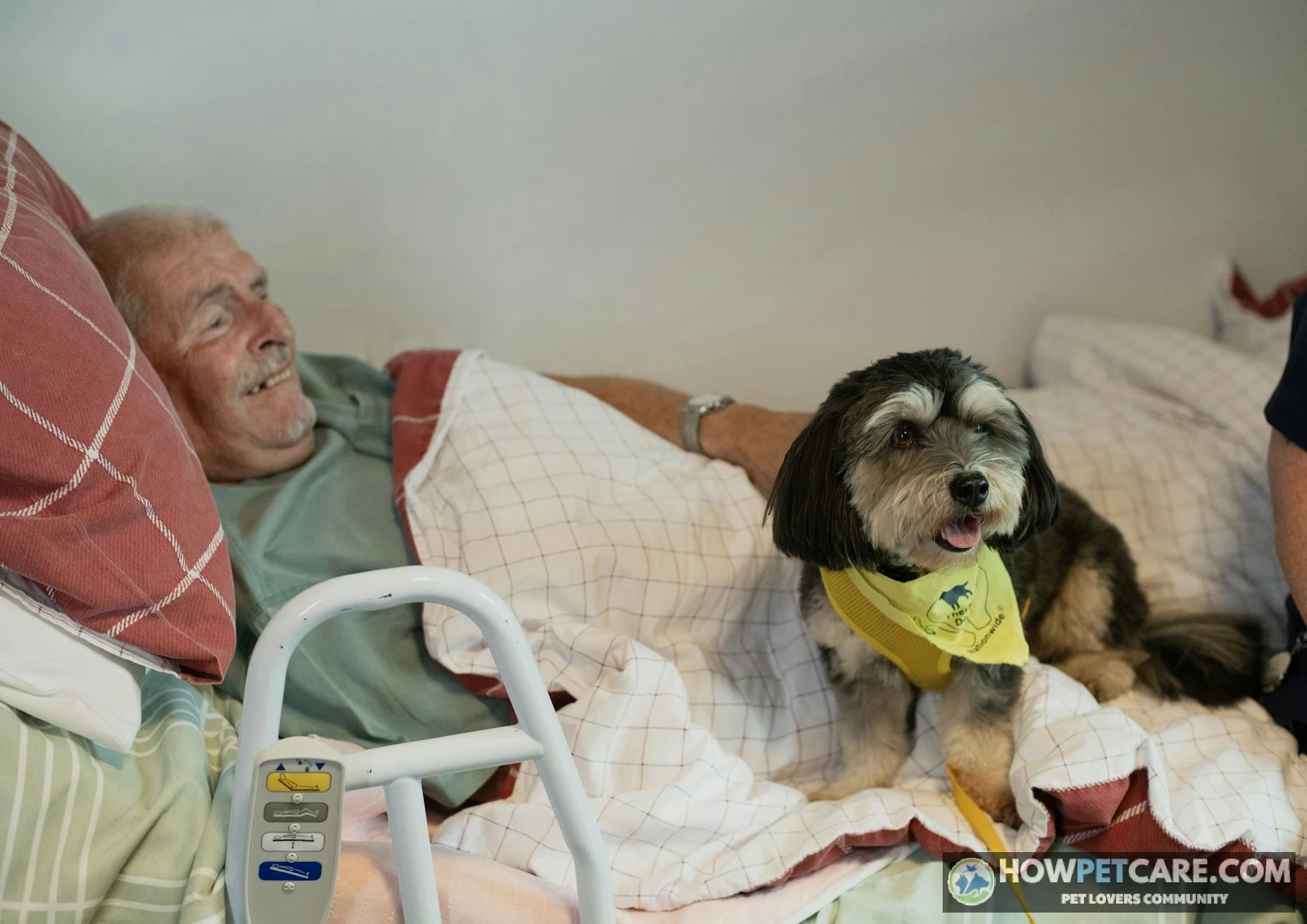
Housing law and ADA public-access law are separate. Under the Fair Housing Act, a person with a disability may request a reasonable accommodation for an assistance animal, which can include an ESA or service animal. When the disability or need isn’t apparent, housing providers may seek reliable disability-related information, subject to applicable rules. Assistance animals are generally not treated as pets for purposes such as pet fees, but exceptions and procedures depend on the facts and law. A housing accommodation doesn’t create a right to take an ESA into restaurants or stores.
What changed for ESAs after the 2020 DOT rule
The US Department of Transportation changed its air-travel rules effective in 2021. Airlines are no longer required to treat emotional support animals as service animals, and many treat them under their pet policies. Airlines may recognize dogs trained to perform tasks for a person with a disability, including a psychiatric disability, as service animals. They can require DOT forms and set submission deadlines, so confirm current requirements directly with the airline before booking.
International travel is a separate issue. Countries may have different service-animal definitions and may require advance import approval, vaccinations, health certificates, or quarantine. Check destination and transit-country rules well ahead of travel; US ADA access rules don’t automatically apply abroad.
Psychiatric service dog or emotional support animal? How to decide for PTSD, anxiety, or depression
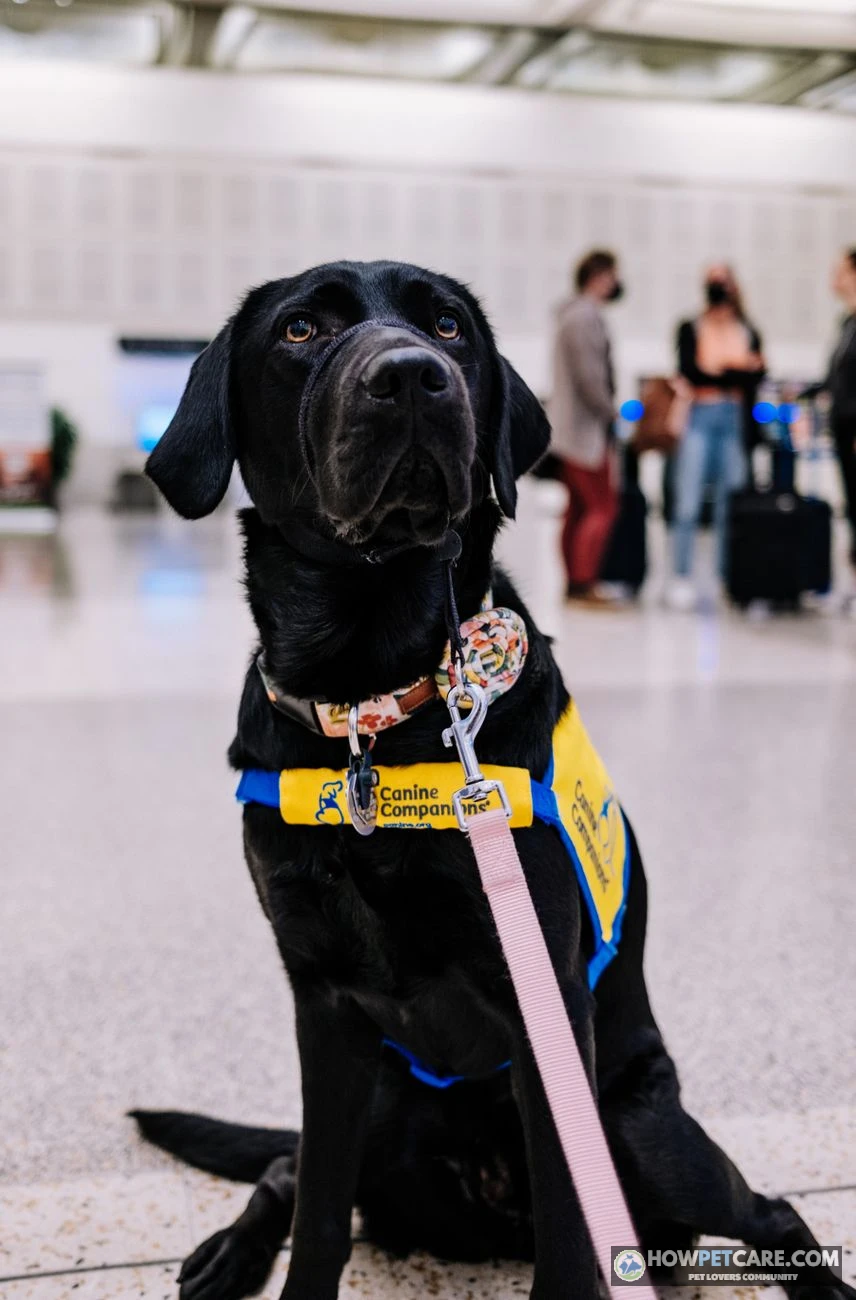
Consider what you need the dog to do. A psychiatric service dog may be relevant if you need a dog trained to perform a specific task related to a psychiatric disability, such as interrupting a behavior or guiding you to a safer place. If the benefit is the dog’s comforting presence, without a trained task, an ESA may be relevant for housing or other pet-permitted settings. A diagnosis alone doesn’t settle which category fits, and neither option is right for everyone. Discuss the practical and clinical side with a qualified clinician, then check the applicable rules for where you want to take the dog.
How to Get a Service Dog in the US: Eligibility, Application Steps, Costs, and Timelines
Getting a service dog involves more than finding a dog that seems helpful. You’ll need a suitable task, a workable training route, a dog whose temperament and health fit the job, and a plan for ongoing care. Nonprofit programs, private providers, and owner-training have different costs and requirements.
Eligibility questions to answer before you apply
Ask yourself:
- What disability-related barriers do I want a dog to address?
- What specific work or tasks could a dog perform to help with those barriers?
- Can I manage feeding, grooming, veterinary appointments, exercise, and relief breaks?
- Can I handle the dog in public and arrange care when I am ill or unavailable?
- Does my household, housing, transportation, and daily routine support a dog?
A clinician may help explain your needs, but program policies vary. Some programs focus on particular disabilities, locations, or handler circumstances. Those policies are placement criteria, not a universal ADA list of who can have a service dog.

Application roadmap in six steps
-
Define the task and discuss suitability
Write down the disability-related task you need and discuss the demands of a service dog with a treating clinician.
-
Choose a training route
Compare an accredited nonprofit, a private trainer or program, and owner-training. Consider your task needs, budget, support needs, and ability to manage the process.
-
Verify the organization
Check ADI or IGDF accreditation on the accrediting organization’s own website where relevant. Request written terms, costs, placement criteria, and follow-up details.
-
Prepare your application
Programs may ask for a clinician form or letter, a description of daily needs, household information, references, an interview, or a home assessment. Requirements differ.
-
Plan for matching and waiting
Waits can run from months to years, depending on the program, task, dog availability, and applicant pool. Treat any quoted date as an estimate, not a guarantee.
-
Complete team training and follow-up
Expect to learn how to work with the dog and maintain its skills. Ask how the program supports the team after placement.
Free and nonprofit options, and how to check them
Some nonprofit programs place trained dogs at low or no cost to recipients, while others charge fees or ask applicants to fundraise. Canine Companions says it provides trained service dogs and lifelong support at no cost to people with disabilities. That’s one organization’s policy, not a promise that every nonprofit is free or that every applicant will qualify.
ADI accreditation can help you identify programs that meet the organization’s standards. Guide-dog programs may be accredited through the International Guide Dog Federation (IGDF). Verify a program using the accrediting body’s own directory, not a logo or badge displayed by the provider. Accreditation indicates that a program meets that organization’s standards; it doesn’t guarantee a particular placement, eligibility, or wait time.
What a service dog really costs over a lifetime
| Route | Typical upfront cost (ranges vary) | Time to placement | Who it may suit | Main trade-offs and what to verify |
|---|---|---|---|---|
| Nonprofit or accredited program | Sometimes free or low-cost to the recipient; some programs charge fees or request fundraising | Waitlists may range from months to years, followed by matching and team training | Someone seeking a trained dog and structured follow-up | Eligibility can be narrow and waits long; verify accreditation, costs, ownership terms, and support |
| Private trainer or for-profit program | Often tens of thousands of dollars; quotes vary widely by task and provider | Months to years, depending on the dog and training route | Someone with funding who needs an individualized training plan | Ask for an itemized quote, contract, references, task plan, and clear washout and refund terms |
| Owner-training | Costs vary with dog, classes, trainer help, equipment, and veterinary needs | Often a long process; there is no guaranteed completion date | Someone able to manage training and willing to plan for the dog not to qualify | Less structured cost up front, but substantial time and washout risk; the dog still needs reliable task and public-access behavior |
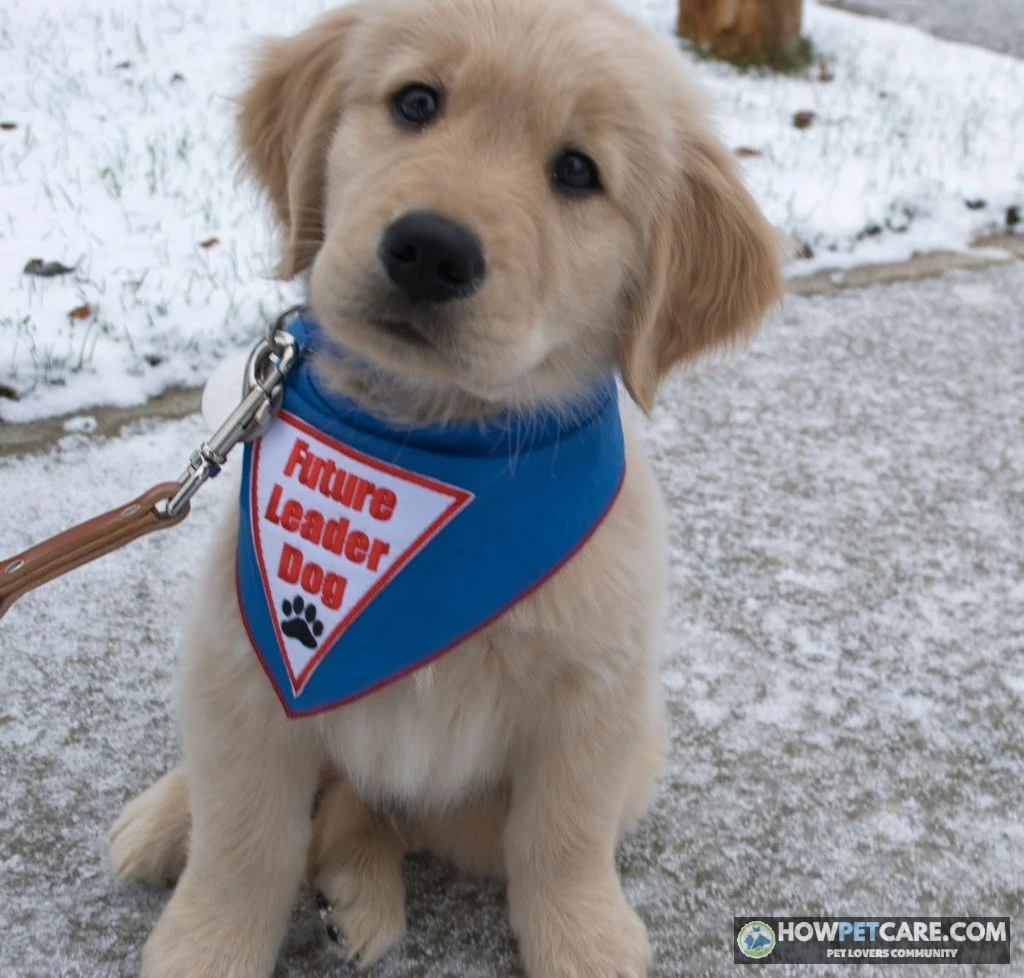
Don’t assume one national price or timeline applies to every dog. Ask providers to separate the dog or placement fee, training, travel, team instruction, equipment, and post-placement support. If you’re owner-training, budget for a suitable candidate dog, professional help where needed, veterinary care, and the possibility that the dog won’t be able to work.
After placement, budget for food, routine and emergency veterinary care, preventive medication, grooming, equipment, and training refreshers. Costs depend on location, dog, health, and insurance choices; an emergency can add a substantial bill. Pet insurance may help with some covered veterinary expenses, but it isn’t a service-dog placement benefit. Health insurance and Medicaid generally don’t pay for a service dog. Some veterans’ or state programs may help in specific circumstances—read up on service dog support for veterans and check their eligibility rules directly. The VA’s Dog of Record benefit is limited to veterans whose dog completes training through an ADI- or IGDF-accredited facility.
Retirement and succession planning
A service dog’s working life ends when age, health, stress, or task demands make continued work unsuitable. Plan for retirement before a crisis: decide who will care for the dog, how you’ll pay for its ongoing needs, and whether you’ll apply for a successor dog. A retired dog may remain with the handler, depending on the dog’s needs and the handler’s circumstances. Some programs help with transition planning; ask about this before accepting a placement. A successor application and matching process can take time, so discuss timing with your current program rather than assuming a new dog will be available immediately.

Ask prospective programs for written details on recipient costs, waitlist estimates, team training, follow-up, dog ownership, retirement, and what happens if a dog does not complete training.
Service Dog Certification and Registration: What’s Required and How to Spot a Fake Registry
Is service dog certification required?
No federal service-dog certification or registration exists under the ADA, and a business cannot require one as a condition of access. A vest, ID card, or certificate is optional; it doesn’t prove that a dog is task-trained or make an untrained pet a service dog. Training records can be useful for your own planning, but they aren’t federally required access documents.
Program accreditation is different from individual certification. ADI or IGDF accreditation evaluates a training organization against that organization’s standards. It doesn’t create an official federal registry for individual dogs or handlers.
Green flags vs. red flags when checking a program or registry
Green flags to look for:
- The program’s accreditation can be confirmed in the accrediting body’s own directory.
- The organization provides a written contract covering cost, waitlist terms, dog ownership, training, and post-placement support.
- The application includes a genuine assessment of the handler’s needs and suitability, rather than an instant purchase.
- The program explains team training and what happens if a dog does not complete training.
- The provider can describe the tasks the dog will learn and is candid about uncertainty and limitations.
Red flags that warrant caution:
- A fee buys same-day certification or registration without assessment or training.
- The site claims to operate an “official federal registry.” There is no federal ADA registry.
- A vest-and-ID package is sold as legal protection or proof of status.
- The provider talks about registration or emotional comfort but not disability-related task training.
- The provider guarantees a dog or a specific placement date, uses pressure tactics, or refuses to provide a written contract and references.
Misrepresenting a pet as a service dog may violate state or local law. It can also make it harder for businesses to trust legitimate handlers. Under the ADA, what matters is a qualifying disability-related task, a dog under control, and a handler who can explain the task if asked the permitted questions.
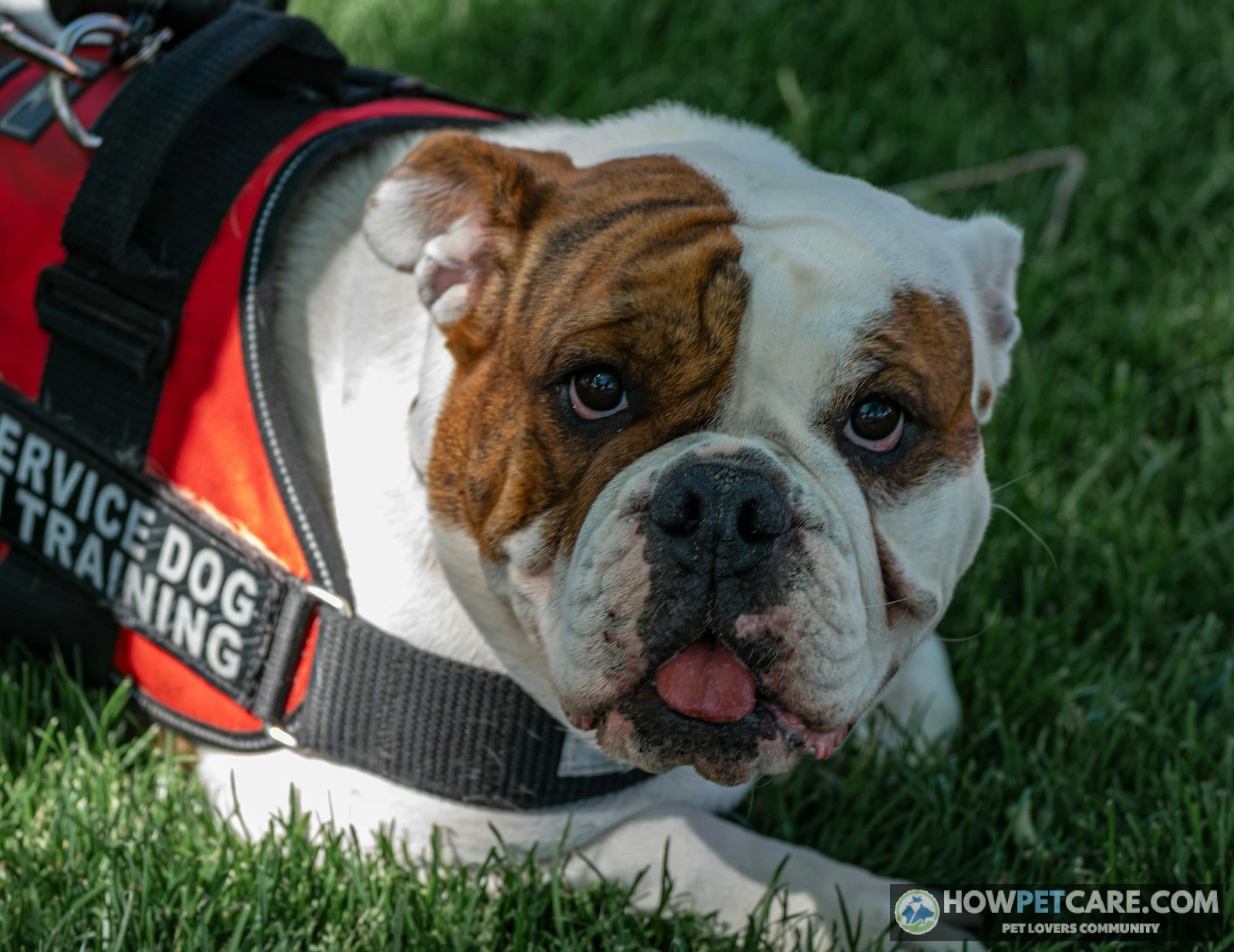
An online badge, certificate, registry entry, vest, or ID card cannot substitute for task training or create ADA rights. Verify programs through the accrediting organization, and read any contract before paying.
Can You Train Your Own Service Dog? Public Access Test Checklist and Reality Check
Yes. The ADA doesn’t require a service dog to be trained by a particular school, and it doesn’t set a required number of training hours. An owner-trainer still needs a dog trained to perform disability-related tasks, under control and housebroken. State and local rules may differ, and some places may have separate provisions for dogs in training.
What the law requires of an owner-trainer
Training has several parts: reliable everyday manners, comfort in public settings, and disability-specific task work. Build skills gradually. Begin in low-distraction environments and increase difficulty only when the dog can stay relaxed and respond reliably. Task training should address a real need; a dog that merely stays close or provides comfort doesn’t become an ADA service dog by being well-behaved.
An ADI-style Public Access Test can be a useful readiness gauge, but it isn’t a federal ADA certification or mandatory test. Programs and trainers may use different assessment methods. Passing one checklist doesn’t automatically establish a legal status, and a dog’s behavior must remain appropriate in daily work.

Public Access Test checklist
| Skill | What an evaluator checks | Common reason for failing |
|---|---|---|
| Leash manners and position | The dog walks calmly without pulling, forging, or blocking others | Persistent pulling, lunging, or wandering away from the handler |
| Entering and moving through a building | The dog enters calmly and navigates doors, aisles, and turns without disrupting others | Jumping, barking, or uncontrolled movement |
| Ignoring food and distractions | The dog leaves dropped food, people, and other animals alone | Snatching food, soliciting attention, or fixating on distractions |
| Settling under a table or beside the handler | The dog stays quietly in a small space for an appropriate period | Repeatedly getting up, vocalizing, or interfering with others |
| Crowds, traffic, and changing environments | The dog remains responsive and composed around ordinary activity | Fear, reactivity, or inability to recover from ordinary distractions |
| Handling and basic cues | The dog responds safely to the handler and tolerates necessary handling | Poor control or behavior that creates a safety concern |
| Recovery from distraction | The dog can return attention to the handler after an interruption | Prolonged distress or repeated loss of control |
A dog showing persistent fear, reactivity, or stress may not be suited to public work. Don’t force a dog through situations that frighten it. A qualified trainer can help assess whether to adjust the plan, take a break, or end public-access training. That’s a responsible outcome, not a failure.
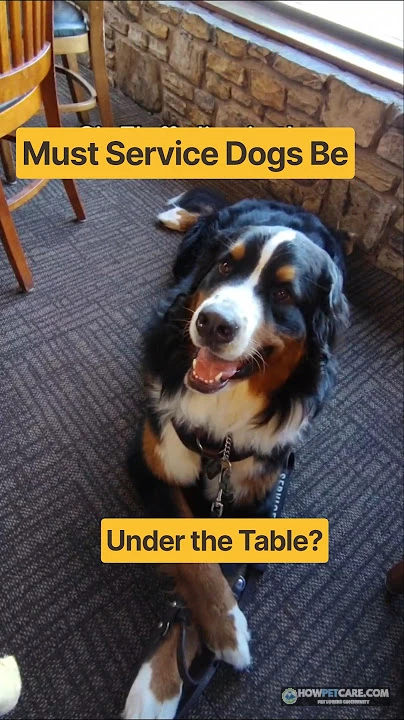
When to bring in a professional or reconsider the dog
Owner-training can be demanding, particularly when the handler is also managing a disability. A trainer with relevant service-dog experience can help select a candidate, break down tasks, and assess public behavior. Start at home with foundation cues and short, positive sessions. Add distractions in stages and keep training goals specific. Keep veterinary and vaccination records, plan for rest and bathroom breaks, and arrange backup care. Don’t take a dog into non-pet public spaces to “practice” if it isn’t legally entitled to be there; use locations where training access is permitted.
What to Do If a Restaurant, Taxi, Hotel, or Store Denies Access to Your Service Dog
Access rules have limits: a business may remove a dog that isn’t housebroken, is out of control and not corrected, or poses a direct threat based on an individualized assessment. A business cannot refuse service simply because staff or other customers are uncomfortable with dogs. If the dog is excluded, the handler must still be offered service without the dog.
De-escalation script for the first five minutes
Keep the exchange brief and calm. You can say:
“This is a service dog trained to perform tasks for my disability. Under the ADA, service dogs are allowed here. I’m happy to answer the two questions you’re permitted to ask: whether the dog is required because of a disability, and what task it is trained to do.”
If staff ask for papers, you can respond:
“There is no federal service-dog certification or registration, and businesses cannot require documentation. Could I please speak with a manager?”
Avoid arguing about your diagnosis or handing over medical records. If a manager still refuses access, state your concern once, then decide whether to leave and document what happened. Your safety and the dog’s welfare come first.
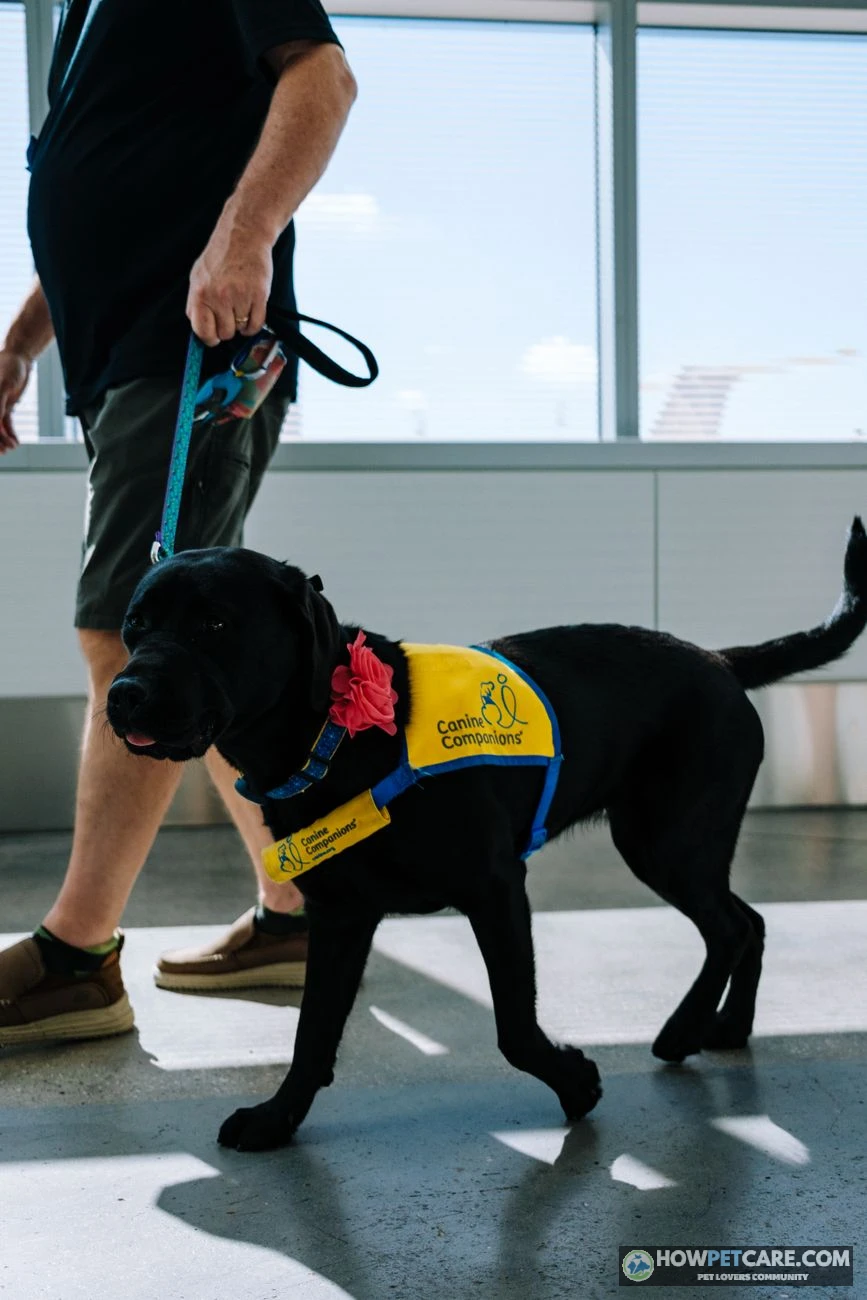
Documenting the incident
As soon as practical, write down the date, time, business or vehicle, location, staff names or descriptions, and the exact words used. Keep receipts, relevant messages or policies, photos where lawful and safe, and contact details for witnesses. Don’t put yourself or your dog at risk to collect evidence.
Where to file a complaint
For a restaurant, store, or hotel, you can submit an ADA complaint to the US Department of Justice and contact your state attorney general, civil-rights agency, or local human-rights commission. For an airline issue, use the US Department of Transportation’s aviation complaint process. For housing, contact the US Department of Housing and Urban Development about Fair Housing Act concerns. For a taxi or rideshare, report the incident to the company and consider a DOJ or state complaint. Serious or repeated incidents may warrant advice from a disability-rights attorney.
A printed card summarizing the two permitted questions can shorten an interaction, but it’s optional and not proof of status.
Note the exact time, location, staff involved, and words used. Keep receipts and witness details, then choose the complaint route that matches the setting: DOJ for public accommodations, DOT for air travel, or HUD for housing.
Your Next Steps: A Decision Guide by Situation
- If you meant a behavioral helper dog: Talk with a qualified dog trainer or behavior professional before introducing a second dog. Ask whether a calm model dog is appropriate for your dog’s fear and how the interaction will be managed safely.
- If you want a service dog: Write down the tasks that could help, discuss suitability with a clinician, and compare a few programs or training routes. Verify any accreditation directly and ask about cost, wait, team training, follow-up, and retirement.
- If you are deciding between an ESA and psychiatric service dog: Ask whether you need disability-related tasks or comfort through the dog’s presence. Check the different rules for housing, public access, and air travel before making plans.
- If you plan to owner-train: Assess the dog’s health and temperament with professional help, set a task-training plan, and use the Public Access Test checklist as a readiness tool—not as a certificate.
- If you already have a dog and plan to fly: Ask the airline for its current service-dog definition, required DOT forms, submission deadlines, and procedures. Check every destination and transit country’s animal-entry rules.
- If a business has denied access: Document the incident and follow the complaint steps for the setting. You don’t need to buy a certificate or registry card to establish ADA access rights.
Before you commit, make a written plan: define the disability-related need, choose a training route, verify the program or trainer, budget for everyday and emergency care, and decide how you’ll manage retirement and a possible successor dog.
1A dog trainer works with a stable, confident dog whose primary role is to model calm behavior for fearful rescue dogs during rehabilitation sessions. Under the Americans with Disabilities Act (ADA), does this behavioral helper dog qualify for public-access rights in places such as grocery stores or restaurants?
ADA public access requires that a dog be individually trained to perform work or tasks directly related to a human handler's disability, which does not apply to social modeling for other animals.
2A customer enters a hotel lobby accompanied by a dog that is not wearing a vest or harness. The front desk staff wants to clarify whether the dog is allowed in non-pet areas. When the disability is not obvious, which of the following is one of the two questions staff are legally permitted to ask under the ADA?
Staff are permitted to ask what work or task the dog has been trained to perform, alongside asking if the dog is required because of a disability.
3Which of the following scenarios describe a dog performing a task that meets the ADA standard for a service dog? (Select all that apply)
Interrupting a disability-related behavior is a specific, trained task designed to mitigate the effects of the handler's disability.
4When evaluating candidate dogs for service work, why are individual health screening, size, and temperament considered more important than the dog's breed?
The rigorous demands of public access and task work require specific physical soundness and calm composure, which vary across individual dogs regardless of breed.
5An online vendor claims that paying a fee for their 'official federal service dog registry package' guarantees public-access rights under the ADA. How should a handler evaluate this offer?
The ADA does not recognize or require federal registries, certificates, or vest packages to establish service-dog status.
6Under what circumstances may a business legally require a handler to remove a service dog from a public facility? (Select all that apply)
Handlers are legally required to maintain control of their service animals at all times.
7Which specific requirement must a veteran's service dog meet to qualify for the Department of Veterans Affairs (VA) Dog of Record benefit?
The VA restricts its Dog of Record benefit specifically to veterans whose service dogs graduated from accredited ADI or IGDF organizations.
| Category | Primary Role / Function | Task Training Required? | ADA Public Access Rights | Housing Rights (FHA) | Air Travel Policy | Certification / Registry Status |
|---|---|---|---|---|---|---|
| Service dog | Performs trained tasks for one person's disability | Yes; tasks must relate to the handler's disability | Yes, where the ADA applies, subject to behavior and control rules | May qualify as an assistance animal under the Fair Housing Act | Airlines may recognize a qualifying service dog and require DOT forms | No federal certification or registry required |
| Therapy dog | Visits people in places such as hospitals or schools | Not ADA disability-task training; the dog needs suitable behavior and may be evaluated by a program | No automatic access; visits are by invitation or arrangement | Not automatically covered as an assistance animal | No special service-animal access | A visiting program may have its own evaluation or registration |
| Emotional support animal (ESA) | Provides comfort to its owner through its presence | No ADA task-training requirement | No | May qualify for a reasonable accommodation under the Fair Housing Act | Airlines are not required to treat ESAs as service animals | No federal ESA registry |
| Facility dog | Works with a professional in a setting such as a school or clinic | Trained for the organization's work, not necessarily one handler's disability | No general individual-handler public-access right; access depends on the workplace or site | Depends on the housing arrangement and facts | No special service-animal access unless separately qualified | Usually managed by the employing organization or program |
FAQ
What are helper dogs called?
Helper dogs that assist people with disabilities are usually called service dogs or assistance dogs, and some have specific names such as guide dogs or hearing dogs. Dogs used to calm fearful dogs are called helper dogs or ‘neighbor’ or ‘demonstrator’ dogs in behavior work, and the name varies by organization.
Does a service dog have to wear a vest?
No. The ADA does not require a vest, harness, or ID. Gear can help the public recognize a working dog, but it does not prove the dog is a service dog.
Can I ask someone about their service dog?
Staff at a business may ask only two questions if the disability isn’t obvious: whether the dog is required because of a disability, and what task it has been trained to perform. The general public should not pet, distract, or question handlers about their medical condition.
Does insurance or Medicaid pay for a service dog?
Health insurance and Medicaid generally do not cover the cost of a service dog. Some veterans’ programs, state programs, and nonprofit grants may help in specific cases, so check eligibility with the VA, your state, and individual programs.
How long does it take to train a service dog?
Training commonly takes a year or more, and programs often cite roughly 18 months to two years for task and public access work, but timelines vary by dog, task, and trainer. Dogs that are not suited to the work may be released from training at any point.