
At every vet visit, prioritize these questions:
- "What is my pet’s body condition score, and what should it be?"
- "Which vaccines, parasite preventives, and screenings are due?"
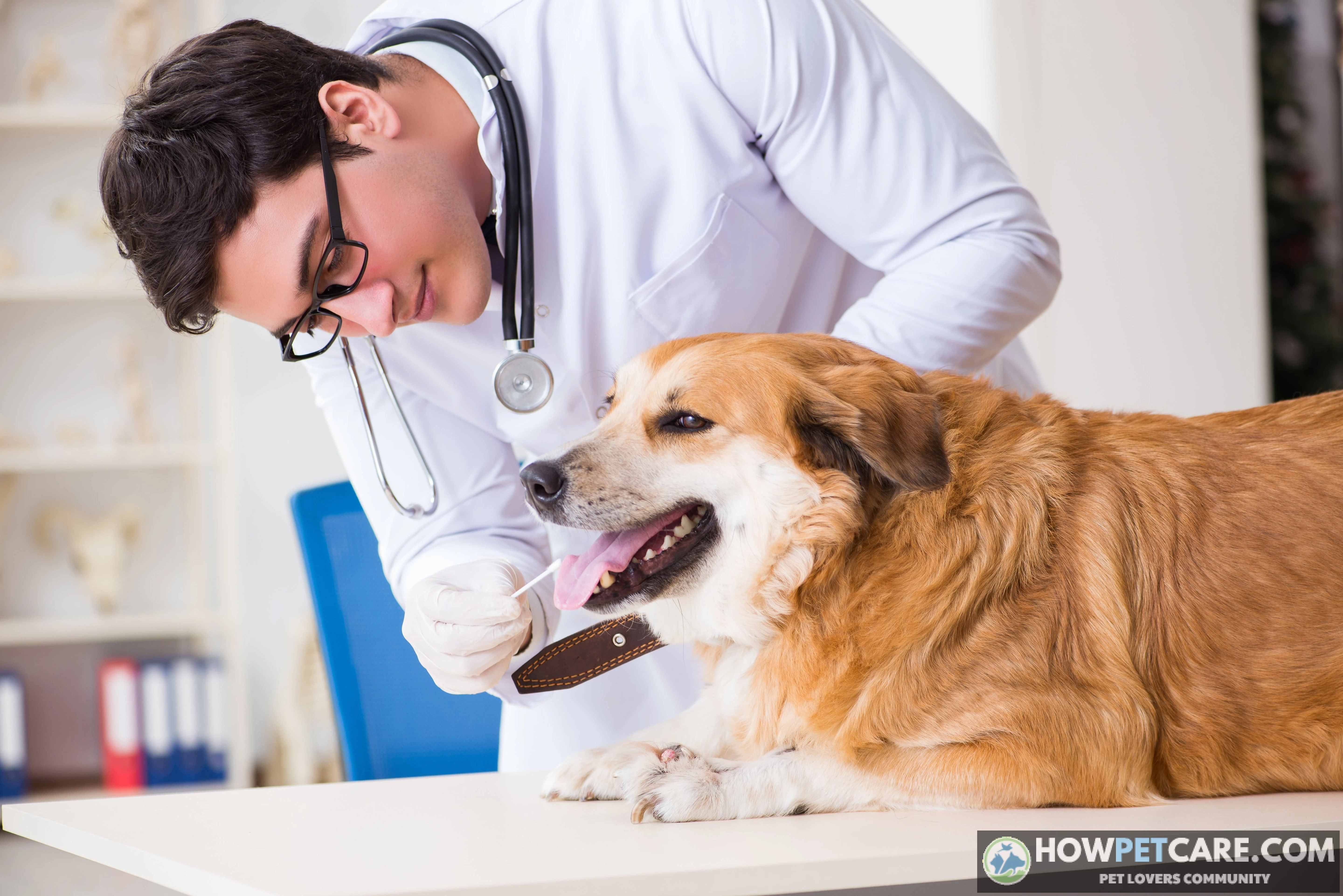
- "What did you find in my pet’s mouth, and is a dental cleaning advisable?"
- "Is this food, treat, and supplement routine right for my pet?"
- "I’ve noticed this change. Is it important?"
- "What preventive care or follow-up should we plan before the next visit?"
By the editorial team: Generalist pet-care editors covering animal welfare, health, and safety.
The questions to ask a vet change with the reason for the visit. For a routine appointment, focus on body condition, vaccines, parasite prevention, dental health, nutrition, and recommended screening. For a sick pet, ask what needs attention right now, what the options cost, and which changes mean you should call back. Take the scenario lists and printable checklist below into the exam room with you.
This guide is general information, not a diagnosis or a substitute for veterinary care. Your veterinarian can tailor recommendations to your pet’s history, examination, location, and needs. If your pet is struggling to breathe, has collapsed, or is straining to urinate with little or no output, seek emergency veterinary care instead of waiting for an appointment.
The Questions to Ask a Vet at Every Routine Wellness Exam
A wellness exam is your chance to talk about changes you’ve noticed at home and anything your vet finds during the physical exam. Most healthy adult pets need a wellness visit at least once a year, though your vet may suggest a different schedule.
Weight and body condition score questions
- "What is my pet’s body condition score on the 1–9 scale, and what should it be?" Weight alone tells only part of the story. Body condition score (BCS) also reflects body fat and shape. Follow up: "Can you show me how to feel the ribs and look for a waist at home?"
- "Has my pet’s weight changed since the last visit, and does that change concern you?" A trend can be more useful than a single measurement. Ask, "What weight range should we aim for, and when should we recheck?"
- "How much should I feed each day, including treats?" Food needs change with age, activity, and health; package directions are only a starting point. Ask for a daily calorie or portion target and a practical weight-management plan if needed.
Vaccines, flea and tick prevention, and parasite screening questions
- "Which vaccines are core for my pet, which depend on lifestyle, and what is the vaccination schedule?" Tell the vet about travel, boarding, daycare, outdoor access, and contact with other animals. For dogs, ask whether a Bordetella vaccine is appropriate or required by a boarding or daycare facility.
- "Which flea, tick, and heartworm preventives fit my pet’s age, species, location, and habits?" Ask how each product is given, when to start, and what to do if a dose is missed. Never assume a dog product is safe for a cat.
- "Is parasite screening due, and should I bring a stool sample?" Ask which parasites the screening checks for and whether your pet’s exposure changes the recommendation. If a result is positive, ask what treatment and household precautions are needed.
Dental, diet, and blood work questions
- "What did you find in my pet’s mouth, and is a dental cleaning under anesthesia advisable?" Ask the vet to describe or grade any dental disease, explain what a cleaning would involve, and suggest realistic home care. Follow up: "What signs of dental pain should I watch for?"
- "Is this food, treat, and supplement routine right for my pet?" Bring labels or photos. Ask whether the diet suits your pet’s life stage and health, and how to transition if a change is recommended.
- "Is blood work or other screening due, what would it check, and what would you do differently with the results?" The answer helps you understand both the purpose and the limits of a proposed test. Ask for the cost and when results will be available.
- "I’ve noticed this change. Is it important?" Mention lumps, changes in thirst or appetite, coughing, energy, behavior, and bathroom habits—even if they seem minor. Ask what to track and what would make the change urgent.
- "What preventive care or follow-up should we plan before the next visit?" Confirm the timing of rechecks, dental care, vaccinations, and prescriptions. Ask, "What would change that plan?"
- "Are my pet’s microchip details and emergency plan up to date?" Ask the clinic to scan the chip if appropriate, then confirm your contact details with the relevant registry. Ask whom to call when the clinic is closed.
Quick matrix: which questions matter most for which visit
| Visit type | Top questions to ask | What to bring | Follow-up if the answer is unclear |
|---|---|---|---|
| Routine wellness | What is the BCS? Which preventives and screenings are due? | Food labels, medication list, records | "What would change your recommendation?" |
| First puppy or kitten visit | What is the vaccine plan? When can we socialize safely? | Adoption records, vaccine history, sample if requested | "What should happen before the next visit?" |
| Cat-specific visit | Which litter box changes are urgent? How can we reduce stress? | Box-use notes, behavior videos | "Could a medical issue explain this change?" |
| Senior pet | What should we monitor for pain and quality of life? | Mobility videos, good-day/bad-day notes | "How will we know whether the plan is helping?" |
| Sick visit | What are the likely causes? Which tests are needed now? | Symptom timeline, videos, medication list | "What happens if we wait?" |
| Surgery | Why is the procedure recommended? How will pain be managed? | Medication list and questions about the estimate | "What are the alternatives and their trade-offs?" |
| Emergency | What is immediately life-threatening? What are my options and costs? | Medications and records if readily available; do not delay care | "What should we do first?" |
| Cost or second opinion | What is essential today? Can records be sent? | Budget range, estimate, prior results | "What could safely wait, and for how long?" |
What to Ask at a Puppy or Kitten’s First Vet Visit
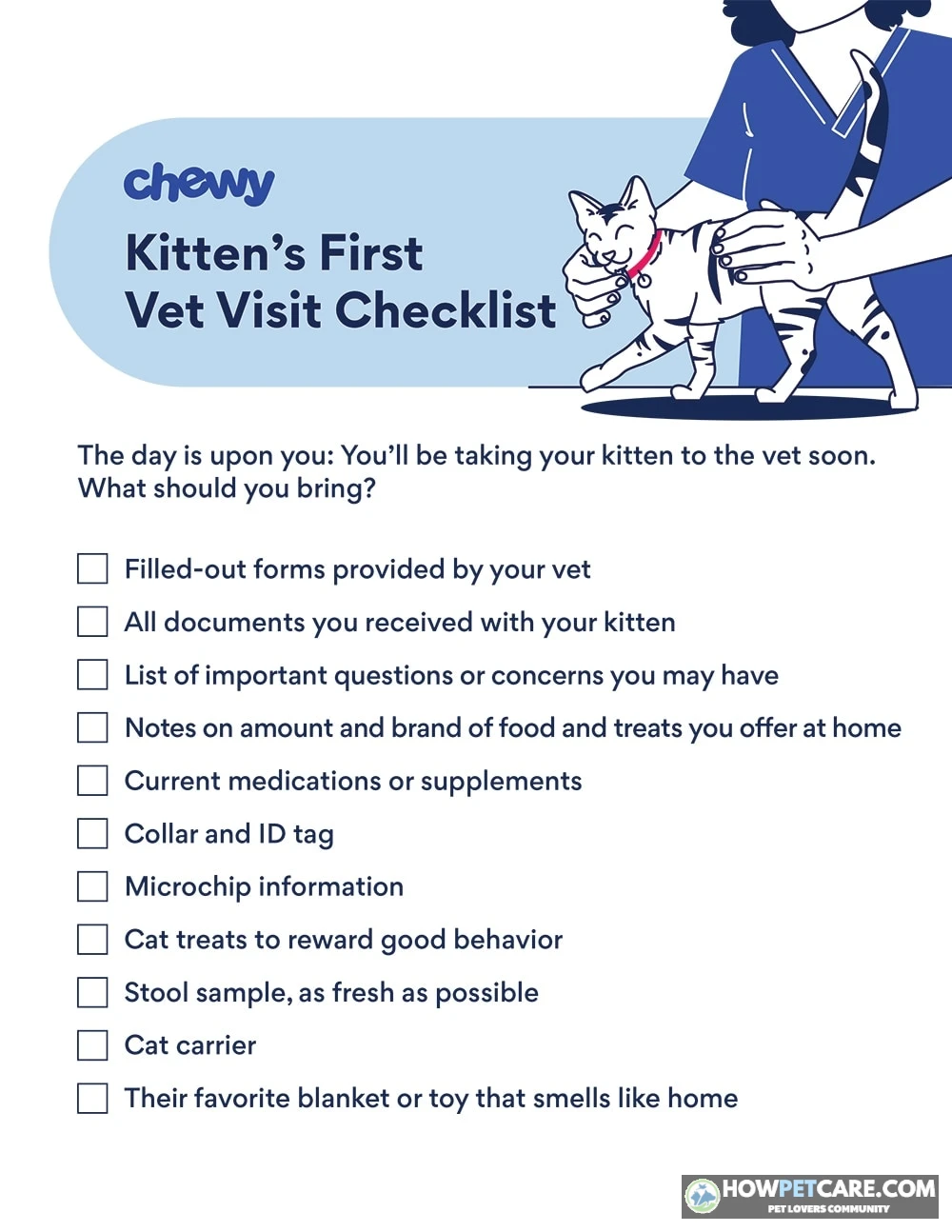
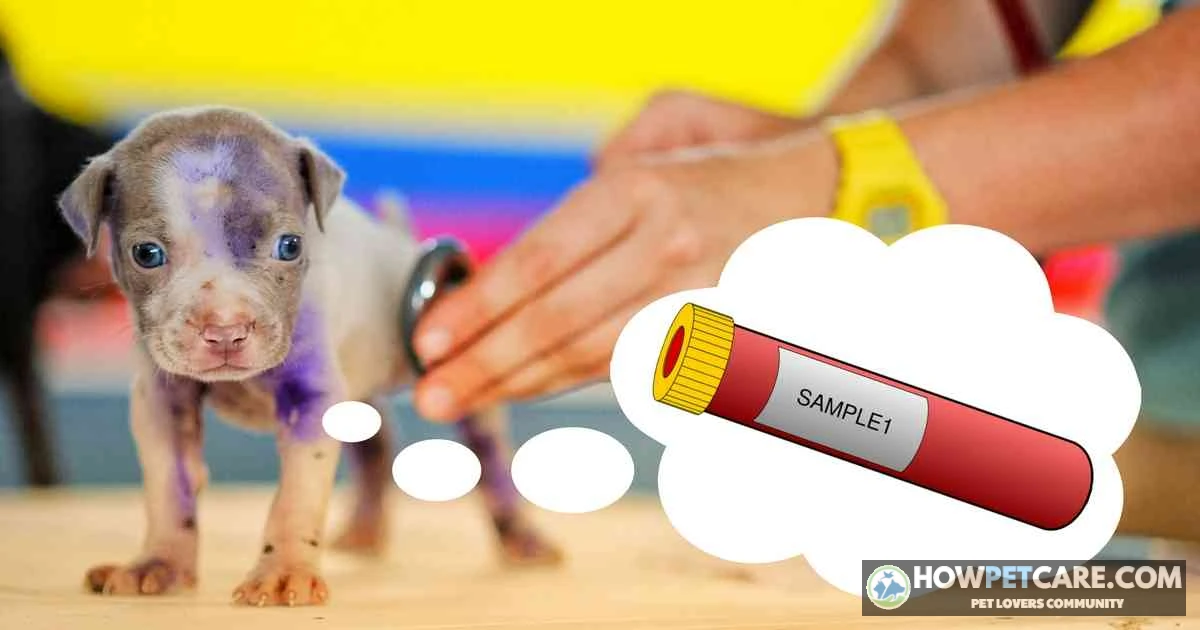
Bring any adoption, breeder, shelter, vaccination, and deworming records. If you don’t have any, say so—your veterinarian can build a plan from what is known. Call the clinic ahead of time to ask whether it wants a stool sample and how to collect and store it.
For either species, start with these questions:
- "Which vaccines are due now, when are boosters needed, and when is the next visit?" Ask for the plan in writing.
- "What parasite screening, deworming, and flea, tick, or heartworm prevention does my pet need?" Confirm the appropriate age and weight for any product.
- "When do you recommend spay or neuter for this pet, and what are the benefits, risks, and costs of different timing?" Species, size, breed, and individual health can affect the discussion.
- "Can you scan for a microchip, and how do I register or update the contact details?" A chip is most useful when its registry information is accurate.
- "What growth-stage food and portion do you recommend, and when should we discuss switching to adult food?"
- "What should I know about pet insurance before health problems appear?" Ask the insurer how its policy defines pre-existing conditions and waiting periods before relying on coverage.
First puppy visit questions
- "How can I socialize my puppy safely while the vaccine series is in progress? Which public places should we avoid for now?"
- "When can we start a training class, and what vaccination requirements should I check?"
- "What are good first steps for house-training, crate introduction, biting, and handling paws and ears?"
- "How quickly should this puppy grow, and when should I contact you about a feeding or weight concern?"
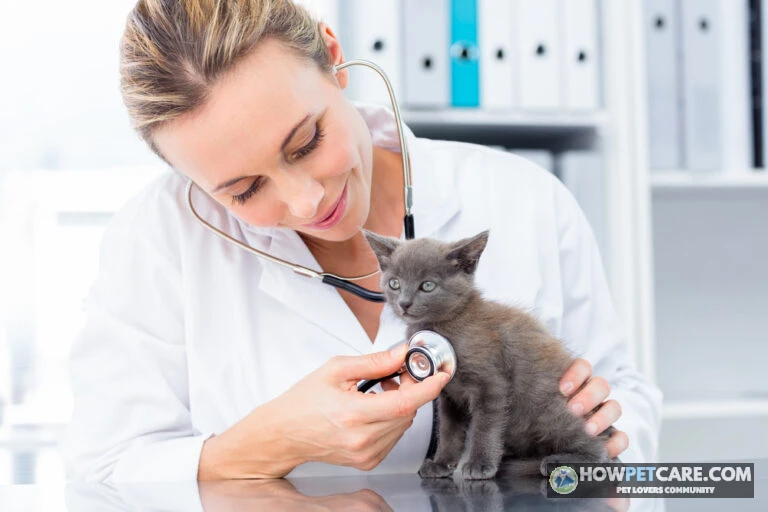
New kitten questions
- "Should my kitten be tested for feline leukemia virus or feline immunodeficiency virus, often called FeLV and FIV? Would testing need to be repeated?"
- "How should I set up litter boxes, scratching surfaces, and safe play in our home?"
- "How do I introduce my kitten to other pets, and what signs suggest the introduction is too stressful?"
- "What changes in eating, energy, or litter box use should prompt a call?"
Cat-Specific Questions Most Vet Lists Skip
Cats often reveal illness through small changes in routine. Tell your vet exactly what you’ve observed: how often your cat uses the litter box, how much it drinks, where it sleeps, and when a behavior changed.
Reducing stress before and during the visit
- "How can I make the carrier and car ride less stressful?" Ask about familiar bedding, carrier practice, and whether a vet-prescribed pre-visit calming option is appropriate.
- "Do you offer cat-friendly handling, a separate waiting area, or quieter appointment times?" Explain if your cat has had a difficult visit before.
- "My cat is scratching more, avoiding the box, or fighting with another cat. Could there be a medical cause as well as a behavior issue?" Ask what information or videos would help.
Urinary and litter box questions
- "Which changes in litter box use mean I should call the same day?" Mention frequent trips, accidents, vocalizing, or changes in urine volume.
- "Is my cat’s food and water intake appropriate for their urinary health?" Ask whether any dietary change is actually indicated for your individual cat.
- "How many boxes and what locations should I consider for this household?" Share the number of cats, box locations, and any recent changes.
A cat straining to urinate and passing little or no urine needs emergency veterinary care. Male cats are especially at risk. If you can, call an emergency clinic while you arrange transport—but do not delay care.
Indoor-only cat care questions
- "Does my indoor cat still need flea prevention, and which vaccines fit their situation?" Discuss other pets, travel, and possible escapes rather than assuming indoor life eliminates every risk.
- "How can I provide enough play, climbing, scratching, and exercise indoors?" Ask for ideas suited to your cat’s age and mobility.
- "At my cat’s age, should we consider screening for kidney disease or hyperthyroidism, or checking blood pressure?" Ask what each test can and cannot tell you.
- "Can you show me how to assess my cat’s body condition and dental health at home?" Follow up with: "What change should prompt a call?"
Questions About Senior Pet Care, Quality of Life and End-of-Life Decisions
Routine questions for aging dogs and cats
A senior pet’s needs can shift gradually. Ask how often your dog or cat should have an exam and which screening tests make sense for their health history.
Bring a video if your pet has changed how it walks, uses stairs, rises from a bed, or enters a litter box. Ask:
- "Could the changes I’m seeing reflect pain, arthritis, dental problems, or another condition? What should we check?"
- "What changes in sleep, confusion, weight, thirst, or toileting should I track?"
- "Would ramps, nonslip surfaces, different bedding, a lower-sided litter box, or a feeding change make my pet more comfortable?"
- "What pain-management options are available, what side effects should I watch for, and how will we know if the plan works?"
Quality-of-life and palliative care questions
You don’t have to wait for a crisis to talk about comfort. One way to begin: "I want to talk about what’s best for my pet, not just what’s possible."
Ask your vet whether a structured quality-of-life scale would help. You can also record the following observations regularly. This is a conversation aid, not a validated score or a test that determines when a pet should die.
| Indicator | What to note |
|---|---|
| Appetite | Interest in meals and treats; difficulty eating |
| Mobility | Ability to get up, walk, and reach a bed or litter box |
| Comfort | Restlessness, hiding, difficulty settling, or other possible pain signs |
| Enjoyment | Interest in people, toys, and familiar routines |
| Hygiene | Grooming and ability to toilet comfortably |
Mark good and difficult days and bring the notes to your veterinarian. More difficult days, or a sudden deterioration at any point, can be a reason to discuss the plan; there is no universal number of days that makes the decision for you.
Ask: "What does a good day look like for my pet?" "Which symptoms can we relieve?" "What palliative or hospice care is available locally, what does it involve, and what might it cost?" Also ask how you and the vet will recognize when comfort care is no longer meeting your pet’s needs.

Questions about euthanasia and aftercare
If euthanasia may be part of the discussion, you can ask direct questions without committing to a decision:
- "How will we know when it may be time, and what choices do we have now?"
- "What happens during the procedure? Will medication be given beforehand to help my pet relax?"
- "Can it be done at home, and what arrangements or costs would that involve?"
- "What aftercare choices are available, and may we have a quiet room or extra time?"
These decisions are personal and often difficult. Your veterinarian can explain medical options and likely outcomes; you can discuss what comfort and a meaningful day look like for your pet.
Questions for Sick Visits, Surgery, Emergencies and Telehealth
For routine care, use the wellness list above. For a problem visit, lead with the change that worries you most and when it started.
Sick pet or new symptom visits
- "What are the likely causes, and what else could explain these signs?"
- "Which tests are important today, and which could reasonably wait? What would each result change?"
- "What treatment options do we have, including their benefits, risks, and costs?"
- "If this were your pet, how would you weigh these choices—and what might make your choice different from mine?"
- "What should improve, by when, and which signs mean I should call sooner or go to an ER?"
If the answer is complicated, ask the vet to explain the leading possibility and the next decision in plain language.
Before surgery or anesthesia
Ask why the procedure is recommended, what alternatives exist, and what could happen without it. For major or complex surgery, ask whether referral to a board-certified veterinary surgeon, known as an ACVS Diplomate, would be useful.
Then ask:
- "Is pre-anesthetic blood work or other testing advised for my pet, and why?"
- "Who will monitor anesthesia, and how will my pet be monitored during recovery?"
- "What is the pain-control plan during and after the procedure?"
- "When should my pet eat or drink before surgery, and should any regular medication be changed?" Follow the clinic’s individual instructions rather than applying a generic fasting rule.
- "What activity restrictions, incision care, recheck appointments, and warning signs should I expect?"
- "Can I have an itemized written estimate with a range and the circumstances that could increase it?"
Emergency and ER visits
In an emergency, you can ask a short set of questions while the team assesses your pet:
- "What is life-threatening right now, and what can wait?"
- "What do you recommend doing first to stabilize my pet?"
- "What are the realistic possible outcomes with each option?"
- "What is the estimated cost and deposit, and when might the estimate change?"
- "If my budget is limited, which steps should we prioritize and what are the risks of postponing others?"
- "When will you update me, and what decision might I need to make next?"
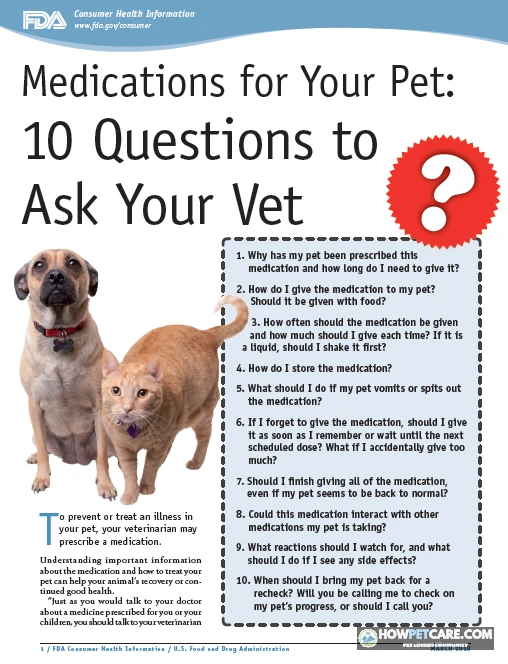
If you can only remember one line, use: "What are my options, what does each cost, and what happens if we wait?"
Telehealth vet visits: what to ask and what needs an exam
A video visit may be useful for discussing behavior, an established treatment plan, medication follow-up, or whether an in-person visit is needed. Ask: "Can you assess this safely by video, or should my pet be examined?"
New lumps, testing that requires a sample or imaging, and symptoms needing hands-on assessment may require an in-person visit. Breathing trouble, collapse, or urinary straining with little or no urine warrants urgent in-person care—not a routine video appointment. Ask whether the veterinarian can prescribe in your state and whether an existing veterinarian-client-patient relationship is required; rules vary by jurisdiction and circumstances.
Wearable activity data or pet DNA results can also be worth discussing: "How reliable is this result for my pet, what can’t it tell us, and would it change care?" Bring the report rather than treating it as a diagnosis.

How to Talk About Costs, Insurance and Generic Medication Without Awkwardness
It’s reasonable to share your budget before agreeing to a plan. Estimates vary by clinic, location, and your pet’s needs. A lower-cost option may involve different risks or less information. Ask the vet to explain those trade-offs rather than assuming that every option is interchangeable.
Word-for-word scripts for money conversations
| Situation | Word-for-word script | What the answer tells you | Next question |
|---|---|---|---|
| Before treatment | "Could I get an itemized estimate in writing, with what’s essential today and what could safely wait?" | The proposed services and expected range | "What could make the total change?" |
| Budget concern | "My budget is limited. Can we prioritize the most important steps?" | Whether the plan can be staged | "What risks come with waiting?" |
| Comparing plans | "Is there a recommended plan and a lower-cost alternative? What would I be trading off?" | Differences in information, treatment, and risk | "How would we monitor the alternative?" |
| Understanding a bill | "Can you walk me through these charges?" | What each billed item covers | "Is this different from the estimate, and why?" |
| Hesitating about a test | "I’d like to start with X and revisit Y if there’s no improvement. Does that sound reasonable?" | Whether the proposed delay is medically appropriate | "What change means we should not wait?" |
| Paying over time | "What payment plans, financing, deposits, or local assistance options are available?" | The clinic’s actual payment requirements | "Are there fees, interest, or application conditions?" |

You can ask for an explanation of individual charges without making an accusation. If treatment is urgent, say your budget early so the team can explain feasible choices promptly.
Generic drugs and outside pharmacy prescriptions
Try: "Is there a generic or human-equivalent medication that is safe for my pet? Could I have a written prescription to fill at an outside or online pharmacy?"
Also ask whether another formulation could reduce cost without compromising the dose or treatment. The veterinarian must determine what is appropriate; do not substitute a human medication, change the dose, or split a product without veterinary direction. Ask the clinic how prescription requests and refills are handled.
Pet insurance and pre-existing conditions
The clinic can provide an estimate and medical records, but the insurer—not the vet—determines coverage under the policy. Before relying on reimbursement, ask the insurer:
- "How do you define a pre-existing condition, including signs recorded before enrollment or during a waiting period?"
- "Are any conditions excluded permanently, and are there exceptions under this policy?"
- "What are the waiting periods, deductible, reimbursement percentage, annual limits, and exclusions?"
- "Do I pay the clinic first and submit a claim, or is direct payment available and accepted?"
- "Does a wellness add-on cover preventive care, and what are its limits?"
- "Can you review an estimate in advance, and does that review guarantee payment?"
Ask the clinic for records, test results, or a letter if the insurer requests them. Keep the final coverage decision in writing where possible.
How to Ask for a Second Opinion or Switch Vets Without Hurting the Relationship
A second opinion can help when a diagnosis is unclear, a treatment isn’t working, major surgery is proposed, or you want another explanation before deciding. It’s also reasonable to ask whether a specialist should be involved—for example, a DACVIM internal medicine specialist for complex medical cases. If your pet is unstable, ask your current vet how to keep care moving while a referral is arranged.
Scripts for requesting a second opinion
Say: "I’d like to get a second opinion so I feel confident about this plan. Could you send my pet’s records and test results to the specialist?"
Ask the second veterinarian what experience they have with the condition, what they agree or disagree with, and whether additional tests are likely to change the plan. Confirm how they will communicate findings to you and your regular vet.
Scripts for transferring records or changing clinics
Say: "We’re moving to a clinic that fits our needs better. Could you send the full records, including lab results, imaging, and vaccine history, to them?"
Ask how long the transfer will take and whether you can receive copies in a usable format. Bring the same symptom timeline and medication list to the new appointment so treatment continues safely.
If you repeatedly can’t get clear explanations, raise concerns, or understand estimates, it may be worth discussing those issues or seeking another clinic. For continuity, ask the receiving practice how it handles test results, estimates, and after-hours emergencies.
Before, During and After: A Vet Visit Prep and Follow-Up Framework
What to bring and when to prepare it
A day or two before a planned visit, write down when symptoms began, how often they happen, and whether they’re changing. Short phone videos of a limp, cough, itching, or other unusual behavior can help because a pet may not show the problem in the exam room. Photograph skin changes or lumps and note when you took them.
Bring a list of medications, doses, supplements, parasite preventives, foods, and treats; a photo of labels can help. Include prior medical and vaccine records and insurance details if relevant. Ask the clinic in advance whether it needs a stool or urine sample, how fresh it should be, and how to collect and store it. Do not delay urgent care to collect a sample.
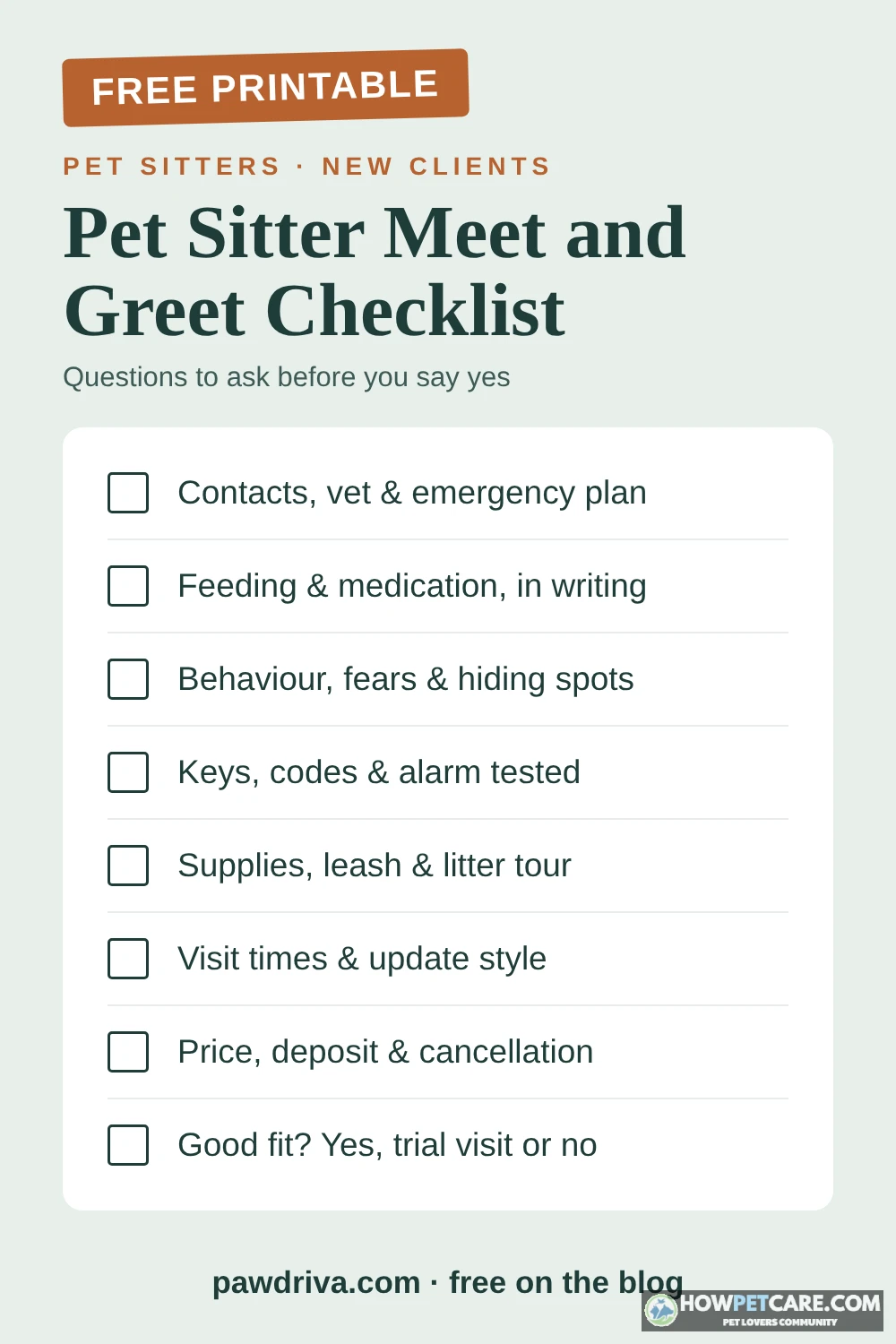
Rank your top three concerns. If you have a complex problem or a long list, ask whether a longer appointment or follow-up is available.
What to ask and do in the exam room
Start with your most important concern. Take notes or ask permission to record; ask whether a support person can join you if that would help. If an explanation is unclear, say: "Could you explain that another way?"
Before leaving, ask for written discharge instructions and confirm:
- The working diagnosis or next diagnostic step.
- Each medication’s name, dose, route, schedule, duration, and important side effects.
- What improvement should look like and when to expect it.
- What changes require a call or emergency care, and which number to use after hours.
- The estimate, pending results, and recheck date.
What to monitor in the 24–72 hours afterward
Track appetite, drinking, energy, breathing, bathroom habits, and medication doses during the first 24–72 hours, or for the period your vet recommends. A little tiredness after vaccination or sleepiness after sedation can occur, but your clinic’s discharge instructions should tell you what is expected for your pet and when to call.
| Sign | Usually normal if | Call your vet if | Go to the ER if |
|---|---|---|---|
| Energy | Mild sleepiness after a procedure was expected and is improving as instructed | Tiredness persists, worsens, or worries you | Your pet collapses, is unresponsive, or cannot stand |
| Eating and drinking | A temporary change was specifically discussed in discharge instructions | Your pet refuses food or water, or intake is not returning as your vet advised | Refusal occurs with severe weakness, repeated vomiting, or collapse |
| Vomiting or stool | Your vet has explained a mild change to expect | Vomiting, diarrhea, or discomfort persists or worsens | Vomiting is repeated, the abdomen appears swollen and painful, or your pet is weak or collapsing |
| Incision | Mild changes match the written instructions | Swelling, discharge, increasing redness, or persistent licking occurs | The wound opens, tissue is exposed, or bleeding is uncontrolled |
| Urination | Your pet passes urine normally | Frequency, accidents, or urine volume changes | Your pet strains with little or no urine |
| Breathing or medication response | Your pet is comfortable and recovering as instructed | You notice a persistent cough or a concerning change after medication | Breathing is labored, gums are pale or blue, a seizure occurs, or your pet collapses |
Do not wait for a monitoring window to end if your pet is getting worse. Call your vet or an emergency clinic promptly; severe breathing difficulty, collapse, seizures, or inability to pass urine require emergency care.
Your Printable Vet Visit Checklist and Next Steps
Print or screenshot this section, check the questions that fit, and bring it to your appointment. For a routine visit, prioritize the wellness questions; for an older pet, add comfort and quality of life; for a financial concern, use the estimate script. Add the cat, surgery, emergency, or second-opinion questions from the relevant section as needed.
The one-page vet visit checklist
Pet details
- Name / species / age / last known weight: ____
- Medications, supplements, and preventives: ____
- Top concerns: 1. __ 2. __ 3. __
- When they began and how they have changed: ____
- Food, treats, appetite, water, and bathroom changes: ____
Bring with me
- ☐ Previous records and vaccine history
- ☐ Medication list, food labels or photos, and insurance details
- ☐ Symptom video or photos, if useful
- ☐ Stool or urine sample only if requested; confirm collection instructions
Choose my questions
- ☐ Routine: "What is my pet’s body condition score, and which vaccines, preventives, and tests are due?"
- ☐ First puppy or kitten visit: "What is the vaccine plan, when can we socialize safely, and when should we discuss spay or neuter?"
- ☐ Cat: "Which litter box changes are urgent, and how can we reduce visit stress?"
- ☐ Senior: "What comfort and quality-of-life signs should I track?"
- ☐ Sick pet: "What are the likely causes, and which tests are needed now versus later?"
- ☐ Surgery: "What are the alternatives, anesthesia and pain plan, recovery instructions, and estimated costs?"
- ☐ Emergency: "What is life-threatening, what are my options and costs, and what happens if we wait?"
- ☐ Costs: "Can I have an itemized estimate showing what is essential today and what could safely wait?"
- ☐ Second opinion: "Could you send the records and test results to the other veterinarian?"
Notes before I leave
- Working diagnosis / next step: ____
- Medication name / dose / duration: ____
- Watch for / call if: ____
- Follow-up contact / recheck date: ____
- Estimate / pending results: ____
Save the completed sheet with your pet’s records and bring it to the next visit. Before leaving, ask your clinic which contact method it prefers for follow-up questions.
FAQ
What should I ask when choosing a new veterinarian?
Ask about appointment length, how emergencies and after-hours care are handled, whether they see cats and dogs equally, how they provide estimates, and how they communicate test results. A short visit or phone call can show whether the clinic answers questions patiently.
Is my pet’s odd behavior or symptom worth bringing up to the vet?
Yes. Changes in appetite, thirst, bathroom habits, energy or behavior can be early signs of illness, especially in cats, who tend to hide problems. Write it down with dates and take a short video if you can.
Are wearable health monitors or pet DNA tests worth asking my vet about?
They can be worth a conversation, but ask what the results can and cannot tell you and whether they would change your pet’s care. Bring any data to the visit so the vet can judge its accuracy and relevance.
Can I record my vet appointment or bring someone with me?
Most clinics are fine with a support person, and many allow recording if you ask first. Taking notes or a recording helps you remember medication instructions and next steps.
How many questions can I realistically ask in one appointment?
Routine visits are often short, so rank your top three questions and ask those first. For a long list or a complex problem, call ahead and ask for a longer appointment or a follow-up call.