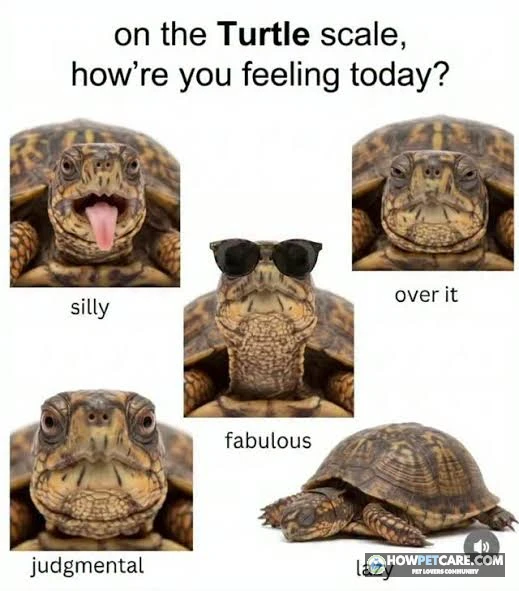

Neither a turtle nor a tortoise is universally better as a pet. Choose an aquatic turtle if you can provide a large, filtered tank and manage water quality; choose a tortoise if you have dry, secure adult floor or yard space and can maintain its heat and UVB needs. Both require substantial setup, ongoing care, and a commitment that may last decades.
Choosing a turtle or tortoise as a pet is less about personality or appearance than space, water, electricity, and a commitment that may last decades. In this guide, turtles are aquatic or semi-aquatic reptiles that need filtered water and a dry basking area. Tortoises are fully terrestrial animals that need dry, escape-proof floor or yard space, along with consistent heat and UVB. Neither is a low-effort pet, and neither should be chosen because it is small as a hatchling.
The key biological difference is habitat: an aquatic turtle lives in water and comes ashore to bask, while a tortoise lives on land and cannot swim well. That distinction shapes nearly every part of care — tank versus enclosure, filter versus substrate, water chemistry versus dry bedding, and the daily work required throughout the animal’s life.
Turtle vs Tortoise at a Glance: Side-by-Side Comparison

| Factor | Pet Turtle (Aquatic/Semi-Aquatic) | Pet Tortoise (Dry Land) | Beginner Fit |
|---|---|---|---|
| Adult space | Large tank, stand, and equipment footprint | Substantial indoor floor space or secure outdoor pen | Both need adult-sized housing from day one |
| Daily workload | Feeding, water checks, spot-cleaning, filter monitoring | Feeding, temperature checks, enclosure cleaning, outdoor supervision | 20–30 minutes most days plus weekly maintenance |
| Handling tolerance | Low; mostly observe and care | Low; heavy shells and strong legs | Neither is a cuddle pet |
| Odor | Can be strong if water quality slips | Generally mild with dry bedding | Odor follows husbandry quality |
| Setup cost | Tank, stand, filter, heater, UVB, basking dock | Enclosure, substrate, hides, fencing, climate control | Both front-load cost |
| Monthly cost | Electricity, water, filter media, food | Electricity, food, substrate replacement | Utilities dominate both |
| Beginner suitability | Moderate with planning and a reptile vet | Moderate with climate-appropriate space | Depends on owner, not species hype |
Aquatic turtles need hiding places, ventilation, and temperatures maintained between 28–30°C in their enclosure. Turtle enclosures should be cleaned at least weekly, with water changed every three days. That routine is what the “low maintenance” myth leaves out. Both groups are long-lived — lifespans commonly run from several decades to 25–100 years depending on species — so this is a multi-decade commitment, not a starter purchase.

For renters, people with limited floor space, or anyone without outdoor access, use this table as a filter rather than a shopping list. If you cannot safely place a filled aquarium or provide dry, secure adult floor or yard space, wait. A small temporary enclosure does not solve the problem; it only postpones it.
Both turtles and tortoises are long-lived, specialized reptiles. If your plan depends on the animal staying small or being handled often, stop and reconsider.
Pre-Purchase Decision Tree: Space, Climate, Budget, and Experience

Use the fit scorecard below before comparing species. Score each statement: 2 = yes, 1 = partly, 0 = no.
- ☐ I can dedicate an adult-sized habitat now, not after the animal outgrows a hatchling setup. Aquatic turtle: room for a large tank and equipment; tortoise: substantial indoor floor space or a secure outdoor pen. ___ /2
- ☐ I have the right kind of space. Turtle: a level, water-safe location that can support a filled aquarium and tolerate splashes. Tortoise: dry, escape-proof floor or yard space with shade, shelter, and predator protection. ___ /2
- ☐ I can spend about 20–30 minutes most days feeding, checking temperatures, and spot-cleaning, plus a longer weekly maintenance session. ___ /2
- ☐ I can afford the complete enclosure, heat, UVB, food, replacement bulbs, utilities, and an unexpected reptile-veterinarian visit. ___ /2
- ☐ I accept that this is mostly an observe-and-care pet, not a pet that should be passed around or handled by children. ___ /2
- ☐ I can arrange competent care during trips and commit for several decades. ___ /2
- ☐ My lease, household rules, local laws, and available veterinary care all allow the species before I bring it home. ___ /2
Your result
- 12–14: Continue by choosing a species whose adult housing fits your home.
- 8–11: Resolve the lowest-scoring item first; do not use a small temporary enclosure as the solution.
- 0–7: Wait. A different pet may fit your present housing, schedule, or budget better.
Tie-breaker: Choose an aquatic turtle only if you are willing to manage water quality and heavy equipment. Choose a tortoise only if you can provide dry, secure adult floor or outdoor space. If neither statement is true, do not get one yet.
Start with space. An aquatic turtle needs a level, water-safe location that can support a filled aquarium and tolerate splashes; a tortoise needs dry, escape-proof floor or yard space with shade, shelter, and predator protection. Then consider climate: tortoises need outdoor-appropriate conditions or a large indoor setup with heat and UVB, and winter heating can dominate their budget. Finally, assess experience and time. Beginners should favor species with well-documented care and an available reptile veterinarian. Separate the purchase price from setup, utilities, food, and veterinary care — the animal is often the least expensive part.

For children, interaction should be supervised only. Many reptiles can carry Salmonella without appearing ill, so young children, older adults, and immunocompromised people should not handle these animals. Handwashing after any contact is mandatory. Keep reptiles out of kitchens and food-prep areas.
If your lease, climate, or budget cannot support adult housing today, do not acquire a hatchling as a placeholder. Growth is fast and housing debt compounds.
Beginner-Suitable Species and Their Adult Housing Demands

Skip generic species lists and match adult size, habitat type, and diet to the home you actually have. Common musk turtles are small, reaching about 3–5 inches as adults, while red-eared slider care needs and yellow-bellied sliders reach about 12 inches and need correspondingly larger tanks. Species range from 3–5-inch spotted turtles to 12-inch sliders, with lifespans of 25–100 years. Avoid species poorly suited to captivity, such as snapping turtles, because of dangerous bites and very large adult weights.
| Species | Type | Adult Size | Primary Housing | Diet | Best For |
|---|---|---|---|---|---|
| Common musk turtle | Aquatic turtle | ~3–5 in | Moderate tank with basking dock | Omnivorous | Small-space aquatic setups with filtration |
| Spotted turtle | Semi-aquatic | ~3–5 in | Shallow water plus land area | Omnivorous | Owners who can provide mixed habitat |
| Red-eared slider | Aquatic turtle | ~10–12 in | Large tank, strong filter, basking | Omnivorous | Owners with space for a big filtered tank |
| Eastern box turtle | Semi-terrestrial | ~4–6 in | Outdoor pen or large indoor enclosure | Omnivorous | Owners with secure yard space |
| Russian tortoise | Tortoise | ~8–10 in | Dry enclosure plus outdoor pen | Herbivorous | Beginners with dry, secure space |
| Hermann’s tortoise | Tortoise | ~6–8 in | Dry enclosure plus outdoor pen | Herbivorous | Smaller homes with climate control |
| Greek tortoise | Tortoise | ~8–10 in | Dry enclosure plus outdoor pen | Herbivorous | Owners in suitable climates |
Habitat type drives care. Aquatic turtles need a basking area with UVB lighting and a temperature gradient, as well as consistent water quality management. Tortoises need dry substrate, hides, and UVB over a basking area, with temperatures maintained in the 28–30°C range for reptile enclosures. Box turtles fall between those two needs: they require both moisture and a dry basking zone, making their housing less forgiving than either extreme.

Diet follows habitat. Aquatic turtles are generally omnivorous and need species-appropriate pellets plus greens and protein; tortoises are herbivorous and need weeds, greens, hay, and calcium; box turtles are intermediate omnivores. Avoid calling any species the easiest or friendliest without defining the standard and allowing for individual variation. A species that does well in a large, stable, well-filtered tank may struggle in a cramped setup, and temperament varies with the individual and its handling history.
Realistic Startup and Ongoing Costs

Prices below are planning ranges for a buyer in the continental United States in 2026, using typical new retail equipment, a $0.16 per kWh electricity rate, and one healthy captive-bred juvenile. The turtle example uses a 75-gallon indoor setup; the tortoise example uses a 4 x 8-foot indoor enclosure plus a simple secure outdoor pen where weather permits. These are not quotes and exclude the animal’s purchase or adoption fee.
| Line item | Aquatic turtle: first year | Tortoise: first year | What this example includes |
|---|---|---|---|
| Enclosure and support | $350–$550 | $300–$650 | 75-gallon tank and stand; or indoor table/pen and outdoor-pen materials |
| Filtration or substrate/hides | $180–$300 | $100–$220 | Oversized canister filter and media; or substrate, hides, and trays |
| Heat, basking, and UVB | $180–$300 | $220–$420 | Fixtures, bulbs, timers, heater where needed, thermometers |
| Water-conditioning supplies | $45–$90 | $0–$20 | Turtle water conditioner and test supplies; minimal for tortoise |
| Food and supplements | $180–$300 | $240–$480 | Pellets plus greens/protein for turtle; weeds/greens/hay and calcium for tortoise |
| Electricity and water | $150–$260 | $180–$360 | Lights, heat, filter; actual climate changes this materially |
| Routine veterinary allowance | $120–$250 | $120–$250 | Initial exam and a reserve for fecal testing or routine care |
| Estimated first-year total | $1,205–$2,050 | $1,160–$2,400 | Before animal cost, permits, major repairs, or emergency care |
Recurring-year planning range: Set aside about $650–$1,150 per year for the turtle and $650–$1,300 per year for the tortoise, assuming the original habitat remains appropriate. Replace UVB bulbs on the manufacturer’s schedule even if they still emit visible light. Keep a separate emergency fund: a single urgent reptile-veterinarian visit can exceed the routine-care allowance.

Why the totals can reverse: A turtle usually costs more in tank, stand, and filtration; a tortoise can become more expensive when outdoor fencing, winter indoor heating, or a larger adult enclosure is necessary.
| Cost Category | Aquatic Turtle | Tortoise | Assumptions |
|---|---|---|---|
| Startup equipment | Tank, stand, filter, heater, UVB, basking dock | Enclosure, substrate, hides, fencing, climate control | Adult-sized from day one |
| Recurring utilities | Electricity for filter, heat, UVB; water changes | Electricity for heat and UVB; lower water use | $0.16/kWh, 2026 U.S. planning figures |
| Food | Pellets, greens, protein | Greens, weeds, hay, calcium | Juvenile, healthy animal |
| Veterinary | Initial exam plus fecal testing reserve | Initial exam plus fecal testing reserve | Reptile veterinarian, not general practice |
Monthly electricity and water for heaters, UVB, and filtration are real expenses, not rounding errors, and they scale with climate and enclosure size. Water changes every three days for aquatic turtles also require ongoing time and water use.
Aquatic Turtle Tank Setup and Pre-Purchase Equipment Checklist
Set up the habitat so it operates reliably before the animal arrives. Tank size must suit adult size, not hatchling size, to avoid repeated upgrades.
Pre-purchase equipment check
- ☐ Adult-appropriate aquarium and stand rated for the filled tank’s weight
- ☐ Tight-fitting lid or barrier that still allows safe fixture clearance
- ☐ Filter rated above the tank’s water volume, with replacement media
- ☐ Water conditioner and liquid water-test kit
- ☐ Submersible heater with a guard, if the selected species and room temperature require it
- ☐ Two thermometers: one for water and one for the basking surface
- ☐ Fully dry basking dock or platform with an easy climb-out route
- ☐ UVB fixture and bulb, plus a separate basking heat lamp and timer
- ☐ Species-appropriate food, calcium source if advised for that species, siphon, bucket used only for the enclosure, algae pad, and net
Setup sequence
- Put the empty tank on its final stand, away from direct sun, drafts, kitchen food-prep areas, and outlets that cannot use a drip loop.
- Rinse tank, dock, and decor with plain water only. Install the filter, heater guard, and basking platform before filling.
- Fill with conditioned water. Start the filter and heater; do not place the turtle in an unheated or unfiltered new tank.
- Position the basking platform so it stays completely dry. Mount UVB and heat fixtures above it at the distance specified by each fixture manufacturer; do not put glass or plastic between the UVB source and the turtle.
- Put water and basking-surface thermometers in place. Use timers to create a consistent daytime lighting period.
- Run the habitat without an animal while checking for leaks, stable temperatures, secure cords, and a dry basking zone. Test water quality and establish the filter’s biological cycle according to the test-kit instructions.
- Only acquire the turtle after the enclosure has operated reliably and the seller or rescue has confirmed the species’ adult size and care needs.

Before adding the turtle: Record the water temperature, basking-surface temperature, and test-kit readings for three consecutive days. If they swing widely, correct the equipment or room conditions first.
Water changes, filter maintenance, and odor control are recurring work. Enclosures should be cleaned at least weekly.
-
Place and prepare
Put the empty tank on its final stand away from sun, drafts, and kitchen food-prep areas; rinse with plain water only.
-
Install equipment
Fit the filter, heater guard, and basking platform before filling; mount UVB and heat fixtures above the dry dock.
-
Cycle and verify
Fill, run, and test for leaks, stable temperatures, and water quality for three consecutive days before acquiring the animal.
Legal Checks, Sourcing, and Responsible Acquisition
Legality and permit requirements vary by jurisdiction and species. Some native species are illegal to keep without permits, even if they are sold online. Before buying, check your state wildlife or natural resources agency along with county and city ordinances; confirm the answer in writing where possible.
Information to collect first
- ☐ Exact common name and scientific name
- ☐ Captive-bred, rescue, or other source
- ☐ Your full city, county, state, and ZIP code
- ☐ Whether the animal is native to your area: yes / no / unsure
- ☐ Seller’s permit or breeder documentation, if applicable
Contact order
- Check your state or regional wildlife agency’s species, captive-wildlife, and native-reptile rules.
- Check your city and county animal-control or code-enforcement rules; local bans or permit rules may be stricter.
- If importing, shipping, or crossing a border, ask the relevant state, provincial, or federal wildlife authority about transport rules.
- Save the agency reply, regulation link, staff member’s name, and date.
Do not proceed if the answer is only a seller’s assurance, if the species identification is vague, or if the agency says a permit is required and you do not have it. Online availability does not prove that possession is legal where you live.
Distinguish captive-bred animals from wild-caught sourcing. Wild-caught pets are discouraged because of stress, parasites, and population impact. Request health records and a fecal test from any breeder or rescue, and ask how the animal was housed and fed. Do not treat vendor availability or marketing claims as proof that a species is easy or suitable for a beginner.
Save the agency reply, regulation link, and date. A seller’s assurance is not a permit.
Health, Hygiene, Brumation, and Transport Safety
Salmonella prevention protocol. Many reptiles can carry Salmonella without appearing ill. Wash hands with soap and water after handling the animal, its enclosure, or anything in it. Keep reptiles out of kitchens and food-prep areas. Avoid contact for young children, older adults, and immunocompromised people. Do not kiss or hold reptiles near your face. Clean enclosures with dedicated buckets and tools, not kitchen sinks if avoidable, and disinfect surfaces afterward.
Signs needing prompt veterinary attention, not home treatment. Seek a reptile veterinarian promptly for soft or pitted shell areas, foul odor, discharge, wheezing, open-mouth breathing, lethargy, refusal to eat, or swelling. These can indicate shell rot or respiratory illness. Do not attempt diagnosis or treatment at home beyond basic hygiene and isolation from other animals.
Brumation. Brumation is species- and individual-specific. Some tortoises and a few turtles may brumate under precise temperature and humidity conditions, but it is not a universal beginner task and should not be attempted without appropriate expert guidance. Unhealthy animals should not be brumated. If you are unsure, keep the animal warm and active and consult a reptile veterinarian.
Safe transport. Use a secure, escape-proof container with ventilation and insulation, sized so the animal cannot slide but can turn. Maintain species-appropriate temperature: avoid cold drafts and direct sun, and use a heat pack wrapped in cloth if needed, never touching the animal. Transport during mild weather when possible, and minimize trip length. Do not transport a sick animal without veterinary direction.
Emergency versus routine. Emergency care is warranted for severe lethargy, respiratory distress, prolapse, trauma, or suspected poisoning. Routine wellness checks, fecal testing, and nail or beak maintenance belong in a scheduled reptile-veterinarian relationship established before acquisition.
Your Next Steps: Choose, Prepare, or Wait
- Review your fit scorecard result and confirm legal status, space, budget, and care-time fit.
- Run the pre-purchase equipment checklist and verify the enclosure is running before acquisition.
- Locate a reptile veterinarian and schedule an initial wellness visit within the first weeks.
- Set expectations for lifespan, shell health monitoring, and long-term commitment.
- Decide to acquire a captive-bred animal, prepare further, or postpone ownership if any requirement is unmet.
A turtle or tortoise can be a rewarding, long-lived companion for an owner who plans housing, budget, and care before purchase. Sometimes the right choice is to wait — a far better outcome than keeping an animal in an inadequate enclosure.

| Species | Type | Adult Size | Primary Housing | Diet | Best For |
|---|---|---|---|---|---|
| Common musk turtle | Aquatic turtle | 3–5 in | Moderate tank with basking dock | Omnivorous | Small-space aquatic setups with filtration |
| Spotted turtle | Semi-aquatic turtle | 3–5 in | Shallow water plus land area | Omnivorous | Owners who can provide mixed habitat |
| Red-eared slider | Aquatic turtle | 10–12 in | Large tank with strong filter and basking area | Omnivorous | Owners with space for a big filtered tank |
| Eastern box turtle | Semi-terrestrial turtle | 4–6 in | Outdoor pen or large indoor enclosure | Omnivorous | Owners with secure yard space |
| Russian tortoise | Tortoise | 8–10 in | Dry enclosure plus outdoor pen | Herbivorous | Beginners with dry, secure space |
| Hermann's tortoise | Tortoise | 6–8 in | Dry enclosure plus outdoor pen | Herbivorous | Smaller homes with climate control |
| Greek tortoise | Tortoise | 8–10 in | Dry enclosure plus outdoor pen | Herbivorous | Owners in suitable climates |
FAQ
Do turtles and tortoises carry Salmonella?
Many reptiles can carry Salmonella without appearing ill. Wash hands after contact, keep reptiles out of food-preparation areas, and avoid contact for young children, older adults, and immunocompromised people.
Can tortoises live up to 500 years?
No. Common pet tortoises often live several decades, and some large species can reach 50–100 years or more, but 500 years is not supported for pet tortoises. Plan for a multi-decade commitment before acquiring one.
Is it cruel to keep a tortoise as a pet?
It is not inherently cruel if the owner can provide proper dry-land housing, temperature gradients, diet, UVB, veterinary care, and space for the animal’s adult size. Inadequate enclosures, poor diet, and underestimating lifespan create significant welfare risks.
How do I check whether a turtle or tortoise species is legal where I live?
Check your state wildlife or natural resources agency, plus county and city ordinances, before buying; some native or protected species require permits or are prohibited. Confirm legality in writing where possible and source only captive-bred animals from responsible breeders or rescues.