
| Who to call | Number | Cost |
|---|---|---|
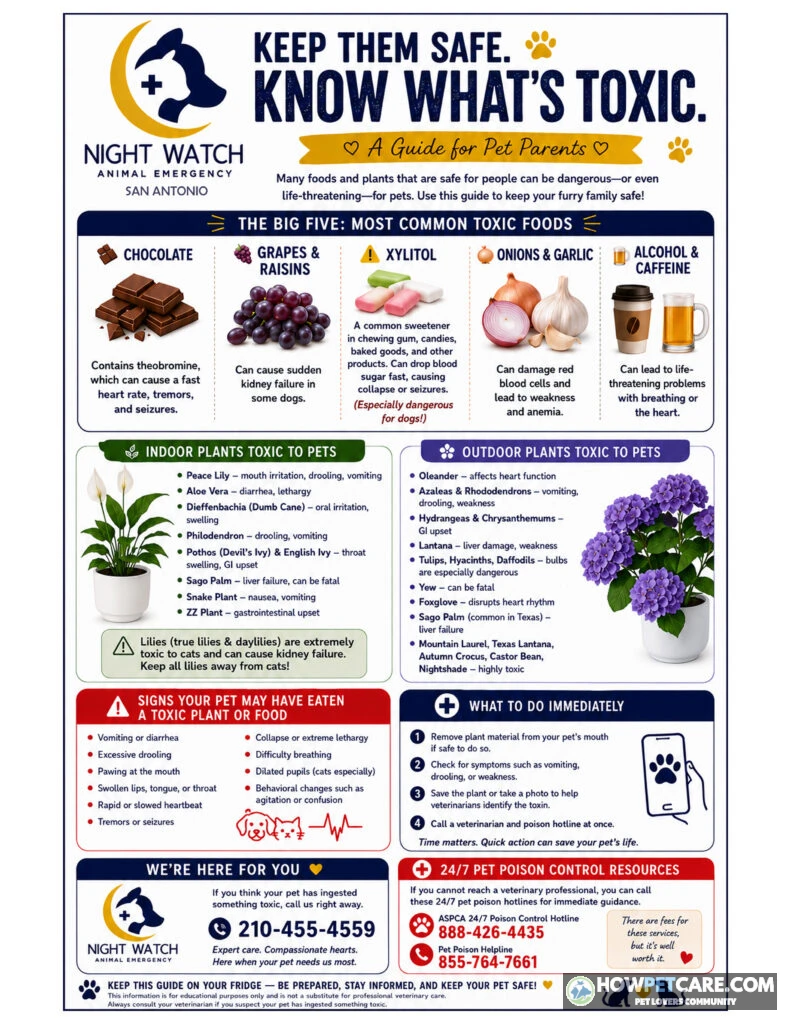
| ASPCA Animal Poison Control | 888-426-4435 | Per-case fee (~$95, verify) |
| Pet Poison Helpline | 855-764-7661 | Per-case fee (~$85–$89, verify) |
| Poison Control (human exposures) | 800-222-1222 | Free |
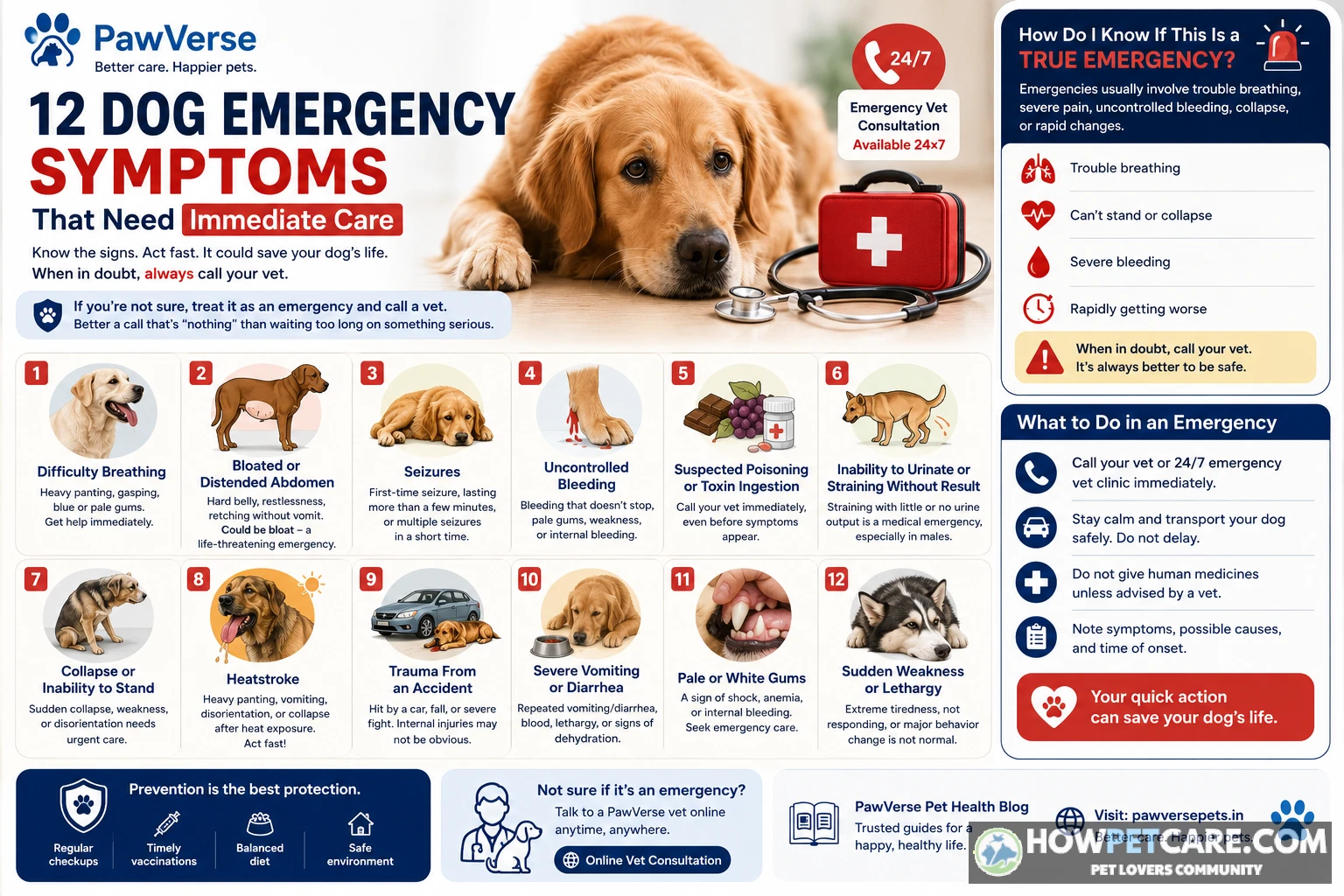
| Trouble breathing, collapse, seizure, trauma | Nearest 24-hour emergency vet clinic — go now | Exam ~$100–$250+ |
If your pet may have eaten something poisonous, call ASPCA Animal Poison Control at 888-426-4435 or Pet Poison Helpline at 855-764-7661; both are fee-based services described as available 24/7. If your pet is struggling to breathe, collapsing, seizing, or badly injured, call the nearest 24-hour emergency vet clinic and leave now. Your regular veterinarian is also a good first call when reachable, because they know your pet’s history—but don’t wait for a callback when minutes may matter.
Poison Control for people: 800-222-1222. This free, 24/7 line is for human exposures, not pet treatment. Call it if a person was exposed to the same substance or you are worried about a human exposure.
Who to Call Right Now: Emergency Vet and Animal Poison Control Numbers

Choose the right line based on your pet’s symptoms. Poison control centers handle possible toxin exposures. Veterinary tele-triage can help with other health concerns. An emergency animal hospital provides hands-on assessment and treatment. A hotline can help you plan your next steps, but it can’t stabilize a critically ill pet remotely.
If your pet ate something poisonous
Call one of the two U.S. animal poison control centers below. The ASPCA Animal Poison Control Center and Pet Poison Helpline are separate services; each charges a per-case fee. The numbers and fee estimates below are drawn from the available service information and should be confirmed when you call, since pricing and terms can change.
| Service | Phone number | Best for | Hours | Fee | Who answers |
|---|---|---|---|---|---|
| ASPCA Animal Poison Control Center | 888-426-4435 | Suspected poisoning from food, plants, medications, chemicals, or other substances | Listed as 24/7/365; confirm when calling | Per-case fee; recent estimate about $95, verify | Veterinary professionals; the service describes poison-control guidance |
| Pet Poison Helpline | 855-764-7661 | Suspected poisoning in dogs, cats, and other pets | Listed as 24/7/365; confirm when calling | Per-case fee; recent estimate about $85–$89, verify | Veterinary professionals with toxicology expertise, according to service information |
| Poison Control (human exposures) | 800-222-1222 | A person exposed to a substance, including a pet medication | 24/7 | Free | Poison specialists; the line is primarily for people, not pet treatment |
For suspected poisoning, do not wait for symptoms before calling. Some substances can cause delayed signs, and the risk depends on the substance, amount, and pet’s size. Keep the packaging or take a clear label photo. Do not induce vomiting or give a home remedy unless a veterinary professional tells you to for this specific exposure.
If your pet is injured, struggling to breathe, or collapsing
Call the nearest 24/7 emergency vet clinic. Tell the clinic what happened, your pet’s species, and your estimated arrival time. If the pet is critically ill, start driving rather than waiting on a tele-triage queue; a passenger can call ahead.
There is no single federal emergency vet hotline. The FDA Center for Veterinary Medicine is a regulatory agency, not an emergency advice line; its veterinarians do not provide treatment, advice, or diagnoses. For pet-food or pet-drug problems, the FDA’s general contact number is 888-463-6332, but it is not for urgent care and is not a substitute for a veterinarian.
If you are not sure it is an emergency
Use your regular veterinarian’s after-hours message if you have it; many clinics direct clients to a partner emergency hospital. If no clinic is reachable and your pet is stable, a veterinary tele-triage service may help assess urgency. Service availability, hours, eligibility, and fees vary, so check the current terms in the app or on the service’s official site.
Examples of services that offer veterinary telehealth or triage include Vetster, Airvet, Pawp, and Chewy’s Connect with a Vet. These services aren’t identical: some offer video consultations, some provide chat, and access may depend on a membership or other eligibility. Verify current hours and pricing before relying on one. A clinic-based after-hours hotline such as InstaVet’s 917-525-2579 is described as a 24/7/365 pet-care line; confirm that it serves your location and situation before calling.

Is There a Free 24-Hour Vet Hotline? What Free and Paid Lines Actually Cover
A genuinely free, nationwide line that provides complete veterinary assessment for every pet emergency should not be assumed. The two main animal poison control centers charge per-case consultation fees. Some other routes may cost nothing extra if you already qualify, but free often means bundled with a policy, account, or product—not open-ended medical care for anyone.
| Option | Cost | Who qualifies | What it can do | What it cannot do |
|---|---|---|---|---|
| ASPCA Animal Poison Control Center | Per-case fee; recent estimate about $95, confirm | Callers with a suspected poisoning | Assess exposure and provide case guidance | Examine or treat the pet |
| Pet Poison Helpline | Per-case fee; recent estimate about $85–$89, confirm | Callers with a suspected poisoning; confirm availability for your location | Assess exposure and provide case guidance | Examine or treat the pet |
| Tele-triage included with pet insurance | May be included at no extra charge; depends on plan | Eligible policyholders | General guidance and triage | Guarantee that an emergency is absent or provide hands-on care |
| Retailer or veterinary telehealth app | Free, discounted, subscription, or per-consult; terms vary | Depends on account, membership, location, and service | Triage or a remote consultation, depending on the service | Physical examination or emergency treatment |
| Product manufacturer’s helpline | Often no separate charge for product questions; check the label | Callers asking about that specific product | Product-specific information and label directions | A complete assessment of your individual pet’s risk |
| Regular vet’s after-hours message | Usually no charge to hear the message | Existing clients | Referral details; sometimes an on-call contact | Guaranteed live advice |
| Animal Humane Society Pet Helpline | Free resource and referral support | Callers seeking pet-care resources | Help with referrals and community resources | Diagnosis or medical advice; medical emergencies are directed to veterinary care |
Poison control fees: what you pay and what it covers
The available fee estimates are about $95 for ASPCA Animal Poison Control and $85–$89 for Pet Poison Helpline. Treat these as estimates, not guaranteed 2026 prices: confirm the fee and payment process directly with the service before proceeding. A poison-control consultation is focused on the exposure and its risk. Ask what the fee includes, whether follow-up calls are covered, and how the case information can be shared with your veterinarian.
Free and insurance-linked tele-triage options
Check your pet insurance documents or member app for a 24/7 vet line. Some plans include one, while others may offer a discounted service or no tele-triage benefit. Your regular clinic’s voicemail may name its referral ER. A product label may provide a manufacturer contact for questions about that specific product. These options can be useful, but they are not interchangeable with an animal poison control case assessment.
The Animal Humane Society’s Pet Helpline offers free resource and referral support, but its representatives cannot diagnose a pet or give medical advice; medical emergencies are referred to veterinarians or emergency animal hospitals. This is help finding resources, not a free veterinary emergency consultation.
Limits of any free helpline
A free line may help you decide where to seek care or find a resource, but it may not have the clinical staff or information needed to calculate a toxin risk. A tele-triage provider may offer guidance but cannot physically examine your pet. If symptoms are severe, go to an emergency clinic rather than treating a free call as a clearance to stay home.
Emergency, Call First, or Wait Until Morning? A Decision Path
Use the first branch that fits. This is a practical triage guide, not a diagnosis; it is not exhaustive. When in doubt, call a veterinarian or go in. If your instincts say something is badly wrong, do not wait for a symptom checklist to confirm it.
Go now: signs that should not wait for a call
Drive to an emergency animal hospital now for any of these signs. Call the clinic from the car if another person can do it:
- Trouble breathing, or blue, gray, or very pale gums.
- Collapse, unresponsiveness, or inability to stand.
- A seizure lasting more than a few minutes, repeated seizures, or failure to recover normally.
- Bleeding that will not stop with gentle pressure.
- A swollen, hard abdomen with repeated unproductive retching, which may signal bloat.
- A vehicle strike, major fall, or other significant trauma—even if your pet initially appears normal.
- Straining to urinate with little or no urine, especially in a male cat.
- Heavy panting, drooling, weakness, or collapse after heat exposure.
- A known dangerous toxin exposure with symptoms, such as suspected xylitol, rodenticide, antifreeze, or lilies in a cat.

A suspected toxin exposure can be urgent even before symptoms appear. If your pet has already developed signs of poisoning—such as vomiting, drooling, tremors, weakness, unusual lethargy, or seizures—call poison control or an emergency veterinarian while arranging care. Do not delay transport for a long call if your pet is unstable.
Call first: situations a hotline can sort out in minutes
Call poison control for a possible toxin exposure when your pet is acting normally, or when the amount or product is unclear. Have the packaging and your pet’s weight ready. The specialist can assess the exposure and advise whether you need an emergency clinic.
For non-poison concerns, call your veterinarian’s after-hours number or a veterinary tele-triage service when your pet is stable. Examples include one or two episodes of vomiting or diarrhea with otherwise normal behavior, or a small wound that has stopped bleeding. If signs continue, worsen, or are accompanied by weakness, pain, blood, or behavior changes, upgrade to urgent veterinary care.
Monitor at home: what is safe to watch and the red flags that change the plan
Monitoring until morning is appropriate only when signs are mild and not worsening, and your pet is eating, drinking, responsive, and behaving close to normal. Re-check every 30–60 minutes: breathing, gum color, alertness, and whether vomiting or other symptoms recur. If you cannot monitor reliably, call for advice instead.
Move to a call or an emergency visit if symptoms worsen, new signs appear, your pet becomes weak or unusually quiet, or your pet is a puppy, kitten, senior, or very small. A pet who looks normal after a possible toxin exposure is not automatically safe: xylitol and some rodenticides can cause delayed signs.
Can a hotline tell me definitively whether to come in?
A hotline can give a risk-based recommendation, but it cannot guarantee an outcome or diagnose your pet without an examination. The recommendation may be to go in, especially when the substance or dose is uncertain or the pet is especially vulnerable. It may also be to monitor or contact your regular vet. The decision depends on the details of the case, and a remote call cannot replace hands-on care.
What Happens on an Emergency Vet Hotline Call: Who Answers, Wait Times, and What to Have Ready
A call generally starts with basic intake: who you are, where you are, what happened, and how your pet is doing. A fee-based poison line may ask for payment information as part of opening a case. Staff roles vary; an intake representative or veterinary technician may gather details before a veterinarian or toxicology professional provides guidance. Tele-triage services also vary in whether you speak with a veterinarian or a technician, so check the provider’s description.
Waits depend on the service and how busy it is; there is no reliable guarantee of an immediate answer. If your pet is unstable, start toward emergency care and have a passenger call. For a toxin exposure, ask for the case number and how to share the record with the clinic.
Step-by-step: what the call sounds like
- Explain the immediate problem. Say whether your pet is breathing normally, conscious, and showing symptoms.
- Give the exposure details. Name the product or substance, the estimated amount, and when it happened.
- Answer questions about your pet. Provide species, age, weight, medical conditions, and medications.
- Follow the guidance and clarify the next step. Ask whether to go to an ER, contact your regular vet, or monitor—and what changes should trigger an immediate visit.
- Record the details. Write down the case number, instructions, and any information the emergency clinic needs.

The 60-second information checklist
Gather what you can before or while the call connects:
- Substance: product name, active ingredients, and packaging or a clear label photo.
- Amount: estimate honestly, even if it is a rough comparison such as part of a bar or a missing pill.
- Timing: when exposure happened, or the best estimate.
- Pet: species, breed, age, and current weight.
- Symptoms: what you see and when it started.
- Health background: conditions and current medications.
- Veterinary contact: your regular vet’s name and number.
- Practical details: payment card for a paid line, a pen for instructions, and the clinic’s location if you are driving.
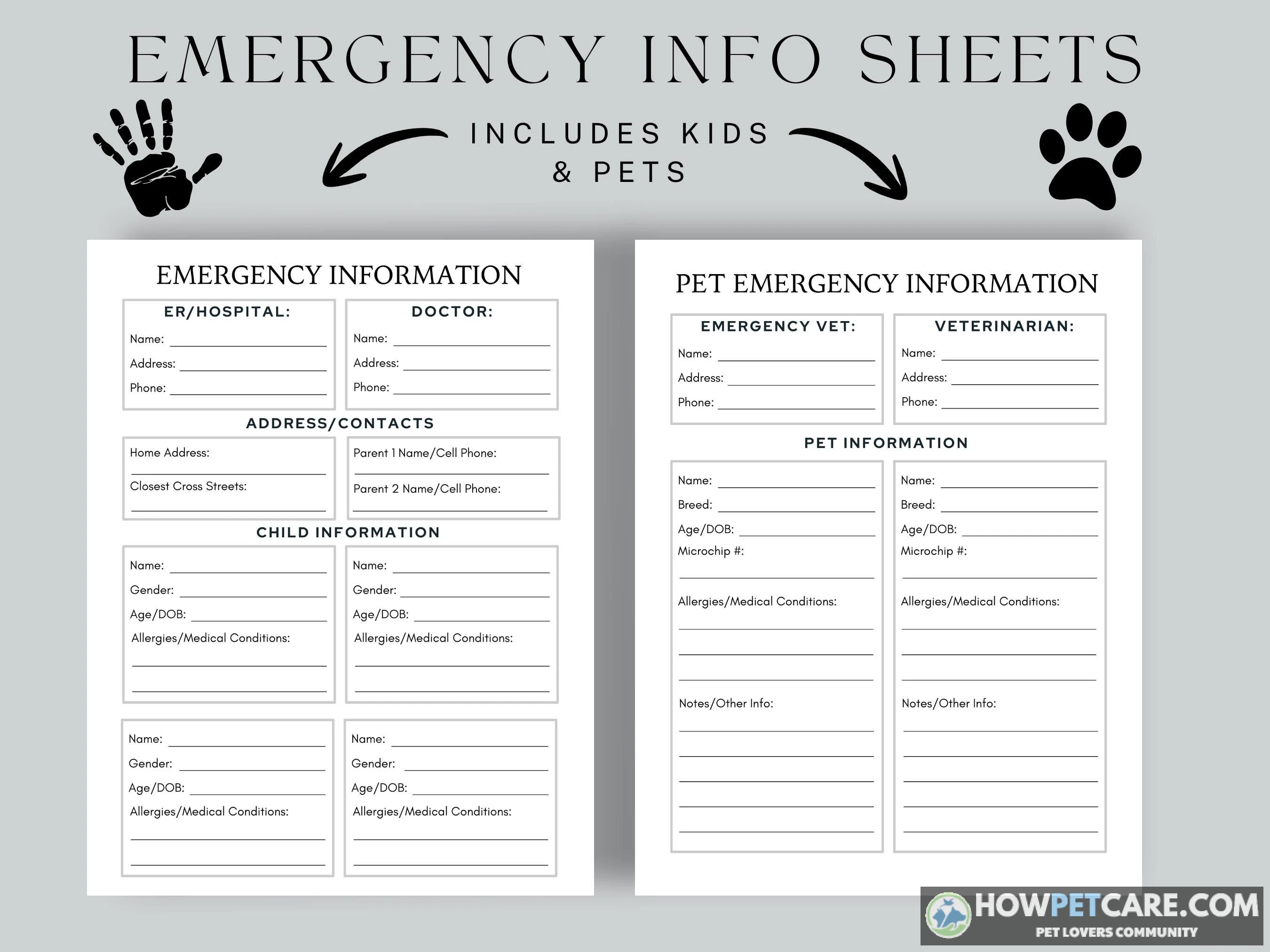
Keep the packaging and bring it if you go to the ER. Do not induce vomiting or give milk, salt, hydrogen peroxide, or another home remedy unless a veterinary professional tells you to do so for this specific case.
What Emergency Vet Care Costs: Hotline Fees, Tele-Triage Pricing, and ER Visit Ranges
The poison-control estimates in this guide are about $85–$95 per case, subject to confirmation. Tele-triage prices are harder to compare: a service may charge per consultation, offer a subscription, or bundle access into an insurance or retail membership. Check the fee before you start a non-emergency consultation; in a critical emergency, prioritize getting care.
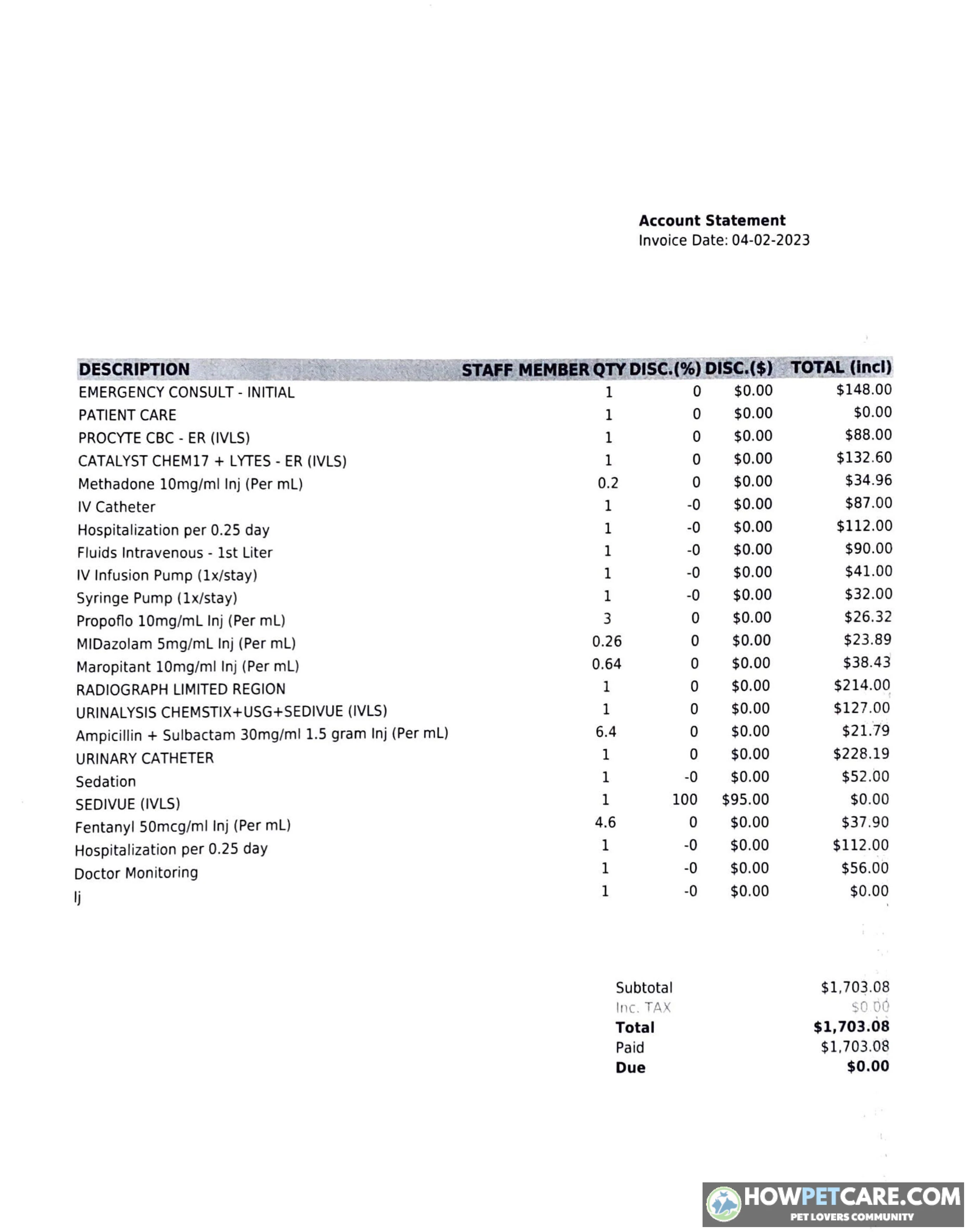
A U.S. emergency clinic may charge roughly $100–$250 or more for an initial exam, but this is a planning estimate, not a verified national average. The total bill depends on location, severity, tests, treatment, and whether hospitalization is needed. Ask the clinic for its current exam fee and deposit requirement.
| Service or care type | Typical price range | What affects the price | Cost-saving options |
|---|---|---|---|
| ASPCA Animal Poison Control | Recent estimate about $95 per case; confirm | Current fee and case terms | Ask what follow-up and clinic coordination are included |
| Pet Poison Helpline | Recent estimate about $85–$89 per case; confirm | Current fee and case terms | Ask whether follow-up is included |
| Tele-triage | Per consultation, subscription, or bundled access; verify with provider | Service, membership, location, and consultation type | Check insurance, employer, or retailer benefits |
| Emergency exam | Rough estimate $100–$250 or more | Region, time, clinic, and urgency | Ask the exam fee and deposit before arrival if doing so will not delay care |
| Testing, medication, or treatment | Varies widely; request a written estimate | Tests needed, treatment, supplies, and severity | Ask for a staged plan and discuss priorities with the veterinarian |
| Hospitalization, imaging, or surgery | Can substantially increase the bill; clinic estimate required | Length of stay, equipment, staffing, and procedure | Ask about payment options and whether a referral is appropriate |
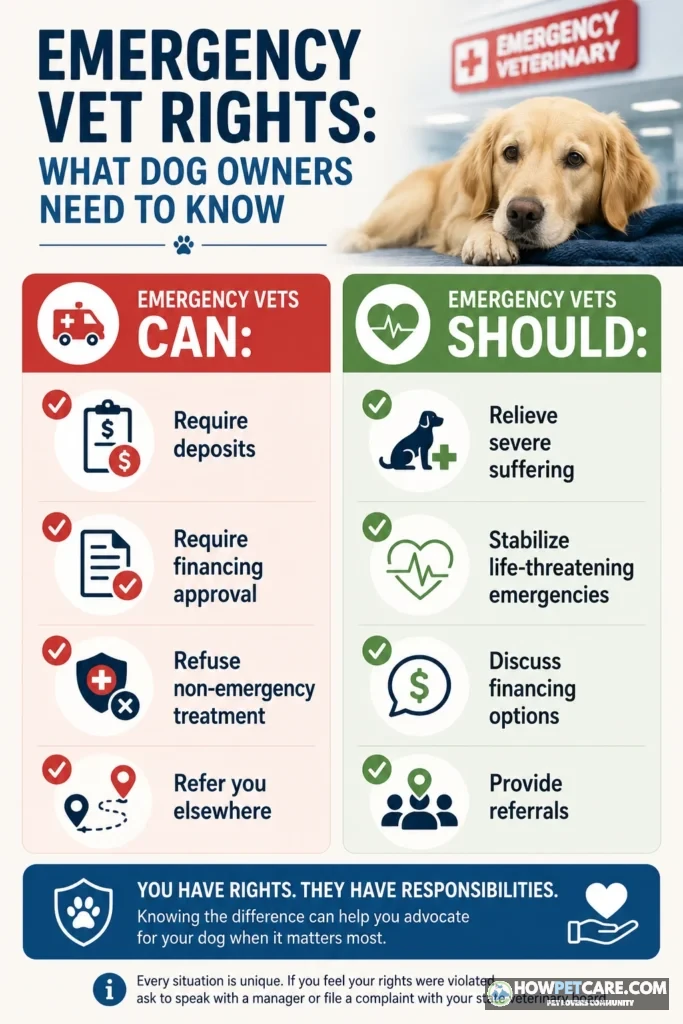
Typical emergency visit price ranges
The exam fee is only the cost of being assessed. Bloodwork, imaging, medication, toxin decontamination, IV fluids, overnight hospitalization, or surgery can add substantially to the total. Because clinic prices and treatment needs vary, a single national figure would be misleading. Ask for an estimate before treatment when time allows, and ask the veterinarian to explain what is urgent now versus what can safely wait.
Ways to lower or spread the cost
At check-in, ask: "What is the exam fee and deposit?" and "Can you give me a written range before treatment?" You can also ask whether the clinic can outline a staged treatment plan, discuss payment plans, or accept CareCredit or Scratch Pay. Options differ by clinic and approval terms. Check whether your pet insurance covers emergency treatment, tele-triage, or poison-control fees; policies vary. Veterinary teaching hospitals and nonprofit clinics may be worth asking about when they can safely meet your pet’s needs, but do not delay urgent care to search for a cheaper option.
How to Find the Nearest 24-Hour Emergency Vet Clinic From Anywhere in the U.S.
A map listing is a starting point, not proof that a clinic is open or able to treat your pet. Use a short search, verify directly, then save a backup. “Urgent care for pets” clinics may not operate overnight and may not have the staff or equipment for critical emergencies.
A 4-step method to find an open ER vet
- Search by location and service. Try “24 hour emergency vet [city or ZIP],” “open now emergency animal hospital,” or “veterinary emergency and specialty center [city].”
- Filter map results to “Open now.” Sort by distance to identify the closest options, but treat map hours as unconfirmed.
- Check the clinic’s own current information. Look for its emergency hours, accepted species, and location. Your regular veterinarian’s voicemail or website may name its referral ER.
- Call before arrival when safe. Confirm that the clinic is open, accepting your pet’s species, and able to see emergencies. Ask whether a doctor is on site and your estimated wait.
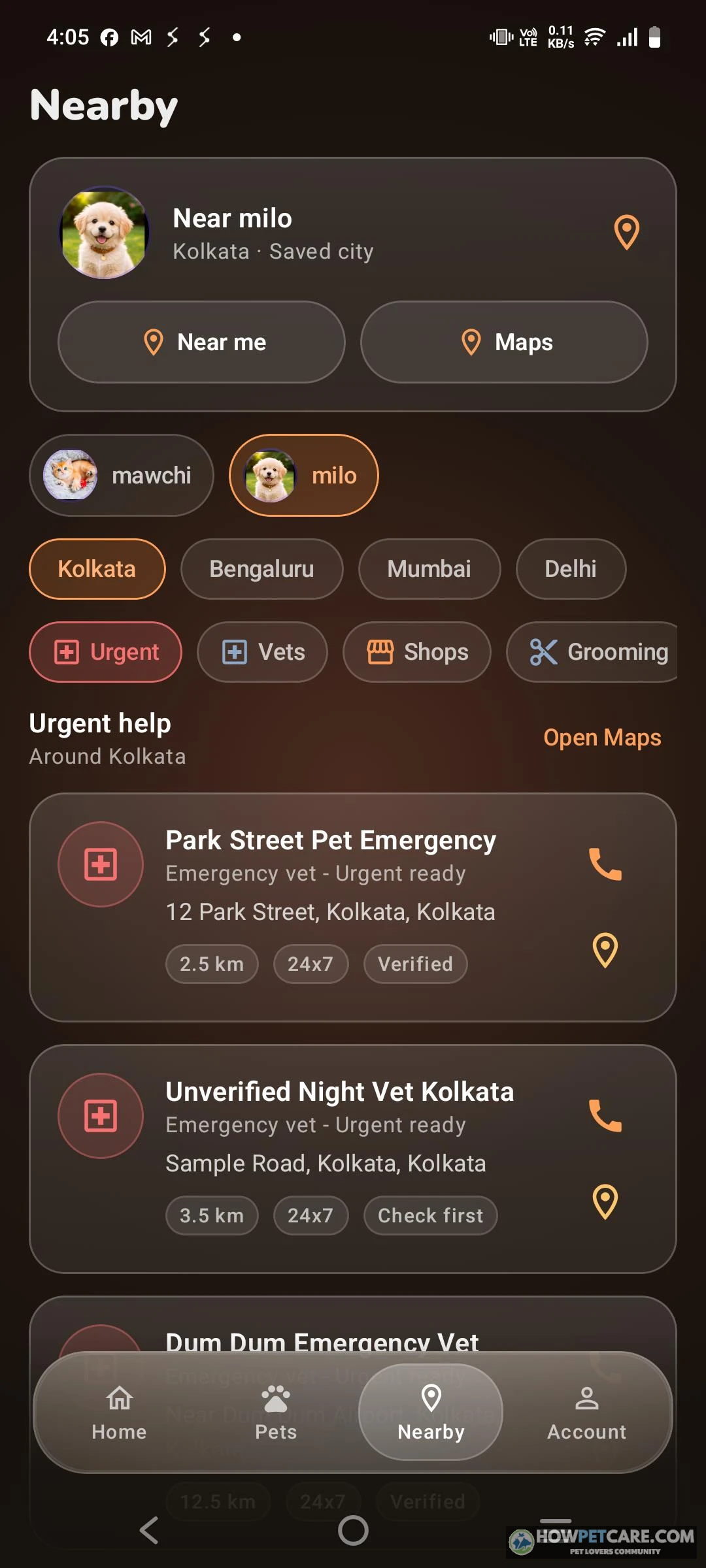
The AAHA-accredited hospital finder, emergency facility listings from veterinary emergency organizations, and state veterinary medical association directories may help you identify clinics. Verify any listing directly with the hospital before driving; directories and map listings can be out of date. Save the closest confirmed ER and a backup in your phone before an emergency happens.
What to ask when you call ahead
Keep the call brief if you are already on the way: ‘I’m bringing a [species] with [main problem]. Are you open and accepting patients? Is a doctor on site? We expect to arrive in about [time]. What should we do during transport?’ Ask about the exam fee and deposit if it will not delay leaving. Emergency clinics triage by severity, so a stable pet may wait while critical patients are treated first.
Searching in a rural area or a small town
If the nearest ER is far away, call the hospital to confirm it is appropriate for your pet and ask whether it recommends another facility. Contact your regular vet’s after-hours number for its referral instructions. If your pet is stable, a tele-triage service can help you think through next steps while you arrange travel; it cannot replace emergency treatment. If the pet has severe signs, begin the trip and have a passenger call.
What to Do Before and During the Drive to the Emergency Vet
The goal is a safe, quick trip—not home treatment. Call ahead if you can do so without delaying departure, bring relevant information, and keep the pet secure. If possible, have one person drive while another monitors the animal and handles calls.
- Call the clinic. State your pet’s species, the problem, and estimated arrival time. Confirm it is open and accepting your pet.
- Bring evidence and records. Take the toxin packaging or label photo, medication list, and any relevant veterinary records.
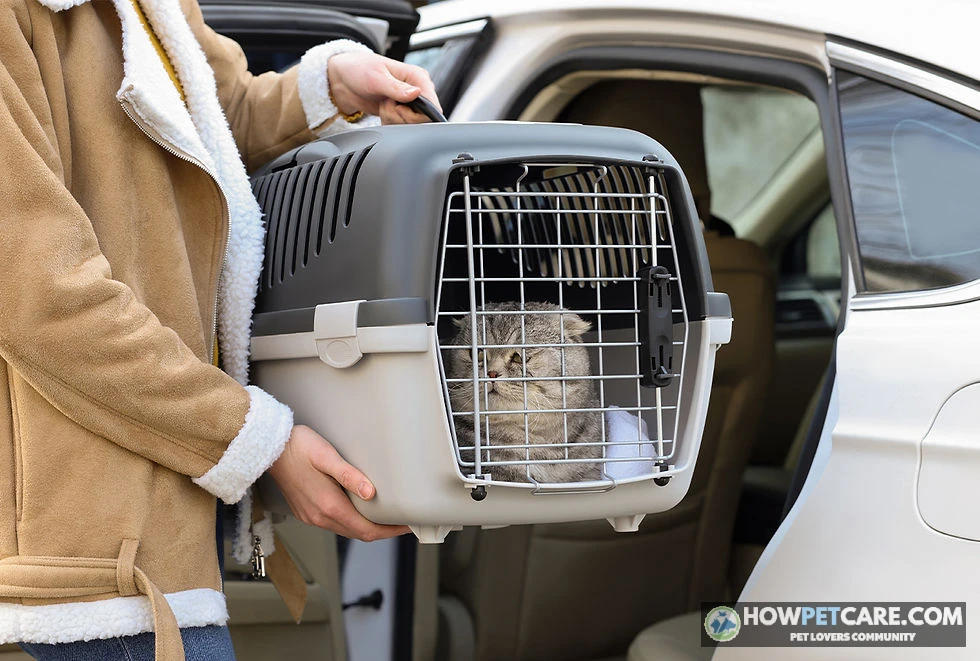
- Contain safely. Place a cat or small dog in a carrier. If one is unavailable, use a secure alternative that prevents escape. For a large dog unable to walk, use a blanket as a stretcher and minimize movement.
- Protect people and pet. A frightened or injured animal may bite. Do not muzzle a pet that is vomiting, struggling to breathe, or seizing. Avoid pressure on the chest or abdomen.
- Match handling to the situation. For suspected poisoning, do not induce vomiting unless instructed. During a seizure, keep hands away from the mouth and move hazards away. For breathing trouble, keep the pet calm and avoid restricting the chest or neck. For heat exposure, use air conditioning and airflow; do not use ice-cold water. For bleeding, apply gentle pressure with a clean cloth. For possible spinal or fracture injury, minimize movement and support the body.
- Secure the ride. Keep the pet contained and away from the driver’s lap. Keep the car comfortable, without overheating the animal.
- Call from the car only if safe. A passenger can update the clinic or contact poison control. Give the clinic the poison-control case number if you have one.
Pet Emergency Hotlines in Canada, Australia, and for Birds, Reptiles, and Other Pets
Canada
Pet Poison Helpline is described as accepting calls from Canada; confirm current service availability, fees, and species coverage when you call. For emergency treatment, search for a local 24-hour veterinary emergency hospital and verify directly that it is open and accepts your pet. Provincial veterinary associations and your regular clinic may provide local referral information. Do not assume U.S. clinic directories or hours apply across the border.
Australia
Australia has an Animal Poisons Helpline, but the current number, service hours, fees, and eligibility should be checked on the helpline’s official information before you rely on it. Because the number and terms can change, search the official Animal Poisons Helpline listing or contact a local veterinary emergency hospital. For treatment, confirm the nearest open emergency veterinary hospital directly.
Birds, rabbits, reptiles, and other non-dog/cat pets
Do not assume every poison line or emergency clinic handles every species. When you call, state the species immediately and ask whether the service has relevant coverage. Search specifically for an avian or exotic-animal emergency veterinarian, then call to confirm that a clinician is available. Birds and rabbits can hide illness, so breathing difficulty, collapse, or known toxin exposure calls for urgent veterinary contact rather than prolonged observation.
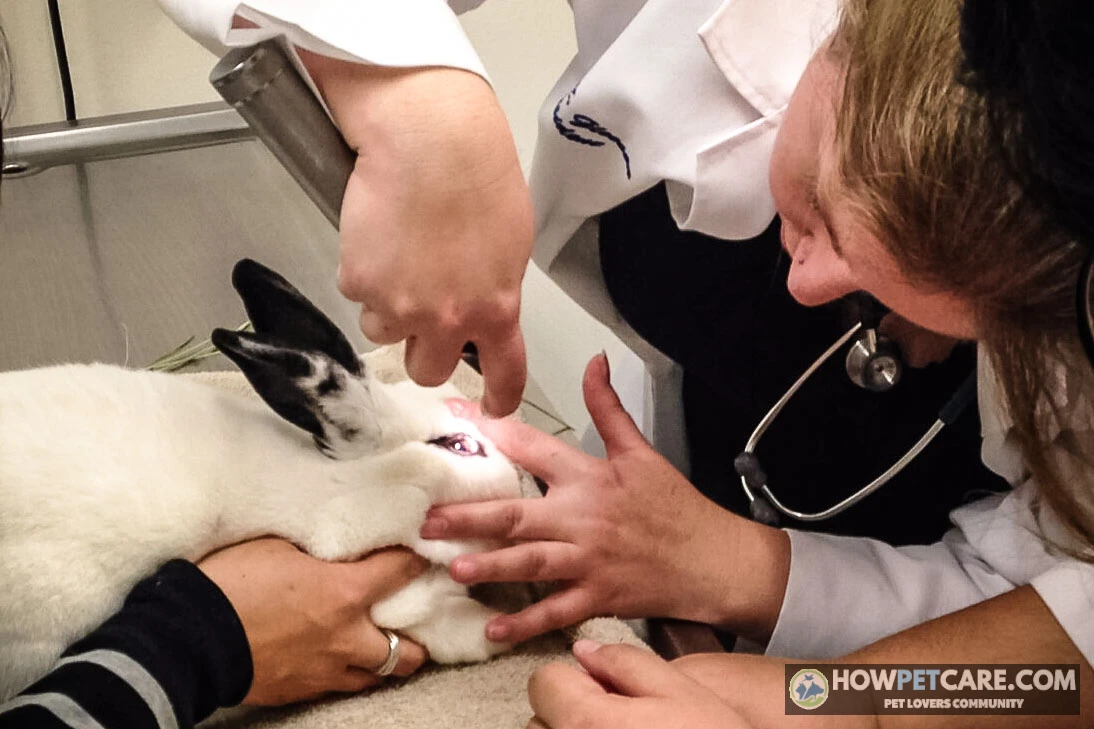
The same practical rule applies across species: breathing trouble, collapse, severe injury, or a known dangerous exposure warrants urgent professional guidance. If you cannot find an appropriate local specialist quickly, call the nearest emergency hospital and ask where to go.
Your 60-Second Pet Emergency Plan: Save These Numbers Before You Need Them
Save these contacts in your phone now: one animal poison control center, your regular veterinarian, the nearest confirmed 24-hour emergency clinic, a backup ER, and a tele-triage service you have checked for eligibility and hours. Put the same clinic numbers on the fridge with your pet’s current weight, medications, and allergies. Keep a carrier or leash accessible and know where your pet’s records are.
When an emergency happens, use this three-part plan: severe symptoms or major trauma—drive now and call from the car; possible toxin exposure or uncertain risk—call poison control; mild, stable signs—monitor closely or call a veterinarian for guidance. Re-check saved numbers and service fees periodically, because hours and pricing can change.
FAQ
Can I call my regular vet’s after-hours number instead of a hotline?
Yes. Many clinics have a recorded message that names the emergency hospital they refer to, and some have an on-call vet. Call your clinic first if you have the number, but don’t wait for a callback if your pet has severe symptoms.
Does pet insurance cover poison control or tele-triage fees?
It depends on the insurer and the plan. Some plans include a 24/7 vet helpline at no extra charge, and some reimburse emergency treatment but not a hotline fee, so check your policy documents.
Should I make my pet vomit before calling poison control?
No, not unless a veterinary professional tells you to for your specific case. Inducing vomiting can be dangerous with some substances and in some situations, such as caustic products or a pet that is already drowsy.
Can a vet hotline diagnose my pet or prescribe medication?
Generally no. Hotlines and tele-triage services give risk-based guidance and tell you whether to be seen, but they can’t examine your pet. Prescribing rules vary by location and service.
Is a poison control fee worth paying if my pet seems fine?
Often yes. Some toxins cause delayed signs, and a toxicologist can estimate whether the amount your pet ate is dangerous. That can save you an unneeded ER visit, or tell you to go in before symptoms appear.