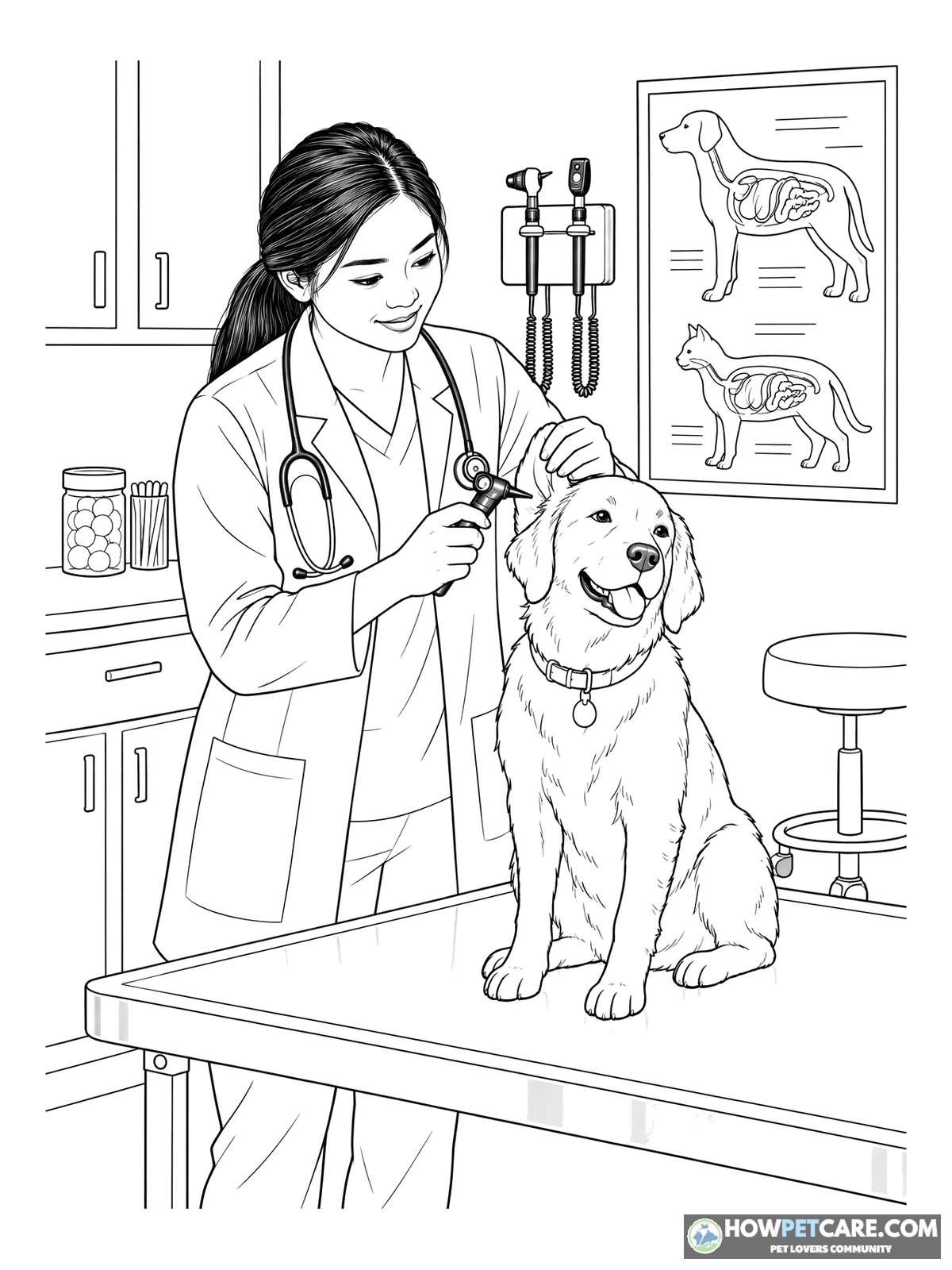

Veterinary terminology is the specialized vocabulary vets use, built almost entirely from Greek and Latin word parts. Decode any term by finding the suffix first (what happened, like -itis = inflammation), then the root (the body part, like cardi = heart), then any prefix (location or amount, like peri- = around).
How to Decode Any Veterinary Term in Four Steps
Breaking a veterinary term into its parts lets you figure out its meaning without reaching for a dictionary. Most veterinary terminology comes from Greek and Latin roots, prefixes, and suffixes. A combining vowel—almost always "o"—joins these elements so the word rolls off the tongue.
The four word parts and what each one does
- Prefix – sits at the start and modifies the root. Prefixes usually point to location, direction, amount, or rate. Examples: peri- (around), hyper- (high/excessive), hypo- (low), poly- (many), tachy- (fast), brady- (slow), sub- (under), intra- (within).
- Root – the core of the word. It names an organ, tissue, or condition, typically drawn from Greek or Latin. Examples: cardi (heart), gastr (stomach), hepat (liver), nephr/ren (kidney), dermat (skin), oste (bone), arthr (joint).
- Combining vowel – almost always ‘o’. It joins roots and suffixes to make words pronounceable. It adds no independent meaning.
- Suffix – sits at the end and describes a procedure, condition, or diagnostic test. The suffix is usually the most useful clue to what is happening.
Worked examples: pericarditis, ovariohysterectomy, gastroenteritis
| Term | Split it | What each part means | Plain-English meaning |
|---|---|---|---|
| pericarditis (pair-ih-kar-DY-tis) | peri- + cardi + -itis | around + heart + inflammation | inflammation of the sac around the heart |
| ovariohysterectomy (oh-VAIR-ee-oh-hiss-ter-EK-toh-mee) | ovari + o + hyster + -ectomy | ovary + (vowel) + uterus + surgical removal | removal of ovaries and uterus — the formal name for a spay |
| gastroenteritis (GASS-troh-en-ter-EYE-tis) | gastr + o + enter + -itis | stomach + (vowel) + intestine + inflammation | inflamed stomach and intestines |
A decoding checklist you can reuse at the clinic
- ☐ Step 1 — Find the suffix first. Check the ending. It signals the action: removed, inflamed, opened, or enlarged.
- ☐ Step 2 — Find the root(s). The root names the target organ or tissue: cardi = heart, gastr = stomach, enter = intestine.
- ☐ Step 3 — Check the front for a prefix. Prefixes add direction, amount, or speed: peri- = around, tachy- = fast, hypo- = low.
- ☐ Step 4 — Slot in the combining vowel. Usually ‘o’. Disregard it for definition.
- ☐ Step 5 — Read it back as: suffix → prefix → root. Match the result against what your vet discussed in the room.
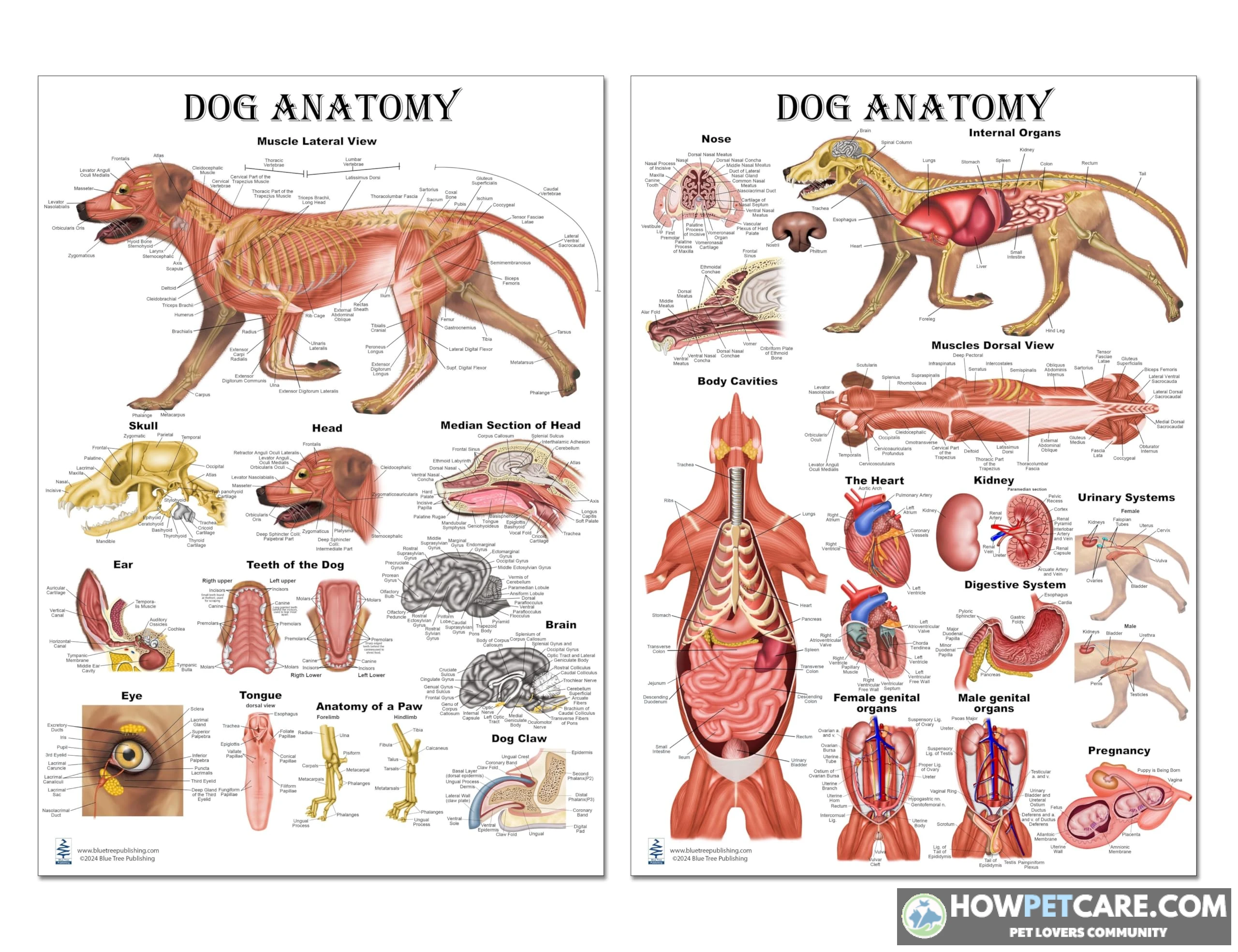
When decoding fails: eponyms (Cushing’s disease, Addison’s disease), abbreviations (BCS, CBC), and brand or generic drug names (carprofen, gabapentin) do not break down into classical word roots. Look them up directly or ask the clinic team.
Suffixes and Prefixes That Unlock Most Vet Terms: -ectomy, -otomy, -stomy, -itis, -ology
Clinical vocabulary feels much simpler once you recognize a handful of recurring building blocks. The table below pairs surgical, diagnostic, and disease suffixes with everyday prefixes, giving their direct definitions and pet-specific examples.
| Word part | Type (prefix or suffix) | Meaning | Plain-English example |
|---|---|---|---|
| -ectomy | suffix | surgical removal | ovariohysterectomy = removal of ovaries and uterus (spay) |
| -otomy | suffix | cut into, then close | cystotomy = a cut into the bladder; often used for stone removal |
| -ostomy / -stomy | suffix | create a lasting opening | cystostomy = a permanent opening into the bladder for drainage |
| -itis | suffix | inflammation | pancreatitis = inflammation of the pancreas |
| -ology | suffix | study of | dermatology = the study of skin conditions |
| -scopy | suffix | looking inside | arthroscopy = looking inside a joint with a camera |
| -centesis | suffix | puncture to withdraw fluid | cystocentesis = fluid withdrawal from the bladder with a needle |
| -emia | suffix | blood condition | anemia = a low red‑blood‑cell count |
| -uria | suffix | urine condition | polyuria = excessive urination |
| -megaly | suffix | enlargement | hepatomegaly = enlarged liver |
| peri- | prefix | around | pericarditis = inflammation around the heart |
| hyper- | prefix | high / excessive | hyperthyroidism = overactive thyroid |
| hypo- | prefix | low | hypothyroidism = underactive thyroid |
| poly- | prefix | many | polydipsia = excessive drinking |
| dys- | prefix | difficult / abnormal | dysuria = difficult or painful urination |
| brady- | prefix | slow | bradycardia = slow heart rate |
| tachy- | prefix | fast | tachycardia = fast heart rate |
| sub- | prefix | under | subcutaneous = under the skin |
| intra- | prefix | within | intradermal = within the skin |
Surgical and procedural suffixes side by side
- -ectomy: surgical removal. Examples include ovariohysterectomy (spay) and orchiectomy (neuter). The suffix tells you tissue or an organ was fully excised.
- -otomy: cutting into tissue, then closing it up. A common example is cystotomy, where a surgeon cuts open the bladder to retrieve stones and stitches it shut. The organ stays in place.
- -ostomy / -stomy: forming a permanent or semi-permanent passage. In a cystostomy, a surgeon creates an external port for long-term urine drainage instead of removing tissue.
Condition and test suffixes
- -itis: tissue inflammation. Frequent clinic examples include otitis (ear infection), gastritis (stomach inflammation), and pancreatitis (pancreas inflammation).
- -ology: study of a discipline. Examples: ophthalmology (eye care) and dermatology (skin disease).
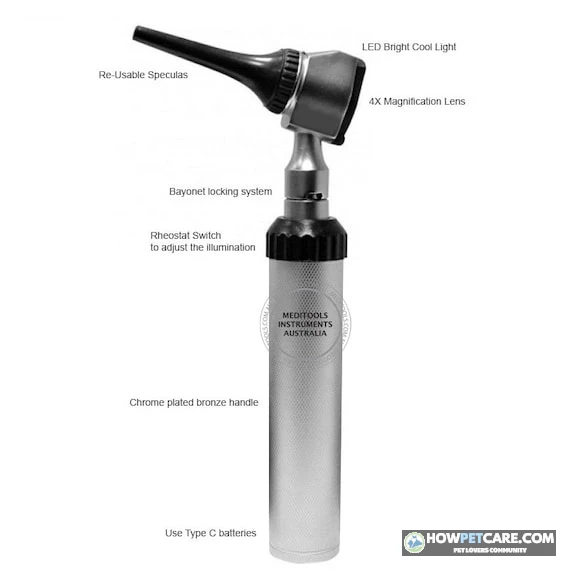
- -scopy: direct examination with an optical scope. Examples: otoscopy (examining the ear canal) and arthroscopy (viewing inside a joint).
- -centesis: using a needle to draw out fluid. Examples include abdominocentesis (draining belly fluid) and cystocentesis (sampling urine straight from the bladder).
- -emia: state of the blood. An example is hyperleukemia (elevated white cell counts).
- -uria: state of the urine. Examples: proteinuria (protein in urine) and hematuria (blood in urine).
- -megaly: abnormal organ enlargement. Example: splenomegaly (an enlarged spleen).
Prefixes for location, direction and amount
- peri- = around (pericarditis, peritonitis).
- hyper- = high, excessive (hyperglycemia, hyperthyroidism).
- hypo- = low, underactive (hypoglycemia, hypothyroidism).
- poly- = many (polyuria, polydipsia).
- dys- = difficult, abnormal (dyspnea, dysuria).
- brady- = slow (bradycardia).
- tachy- = fast (tachycardia).
- sub- = under (subcutaneous fluids, subdermal).
- intra- = within (intradermal injection, intravenous).
Recognizing these elements lets you translate dozens of complex medical labels. Next, we address how to say them out loud.
How to Pronounce Intimidating Veterinary Terms
Medical charts can be daunting to read aloud, but saying terms with confidence helps during conversations with your clinic team. The guide below breaks down pronunciation using standard American English phonetics, highlighting the stressed syllable in CAPITAL letters with syllables separated by hyphens.
How to read the respellings
- Emphasize the syllable written in capital letters.
- Read each hyphenated chunk as an individual sound.
- Keep the combining vowel ‘o’ when speaking, even though you ignore it when translating meaning.
- Greek-derived terms often have silent opening letters (such as pneumonia or psoriasis).
- A Greek ‘ch’ almost always sounds like a hard ‘k’ (cholangio-).
- Suffixes like -centesis and -pexy pronounce their trailing ‘e’.
- Letter pairs like ‘ae’ and ‘oe’ usually sound like a long ‘ee’ (subdermal, nephroureterostomy).
Pronunciation list for terms owners ask about most
| Term | Respelling |
|---|---|
| ovariohysterectomy | oh‑VAIR‑ee‑oh‑hiss‑TER‑EK‑toh‑mee |
| abdominocentesis | ab‑DOM‑ih‑no‑sen‑TEE‑sis |
| pyometra | pie‑oh‑MET‑rah |
| cystocentesis | sys‑toh‑sen‑TEE‑sis |
| pancreatitis | pan‑kree‑uh‑TY‑tis |
| hyperthyroidism | hy‑per‑THY‑roid‑iz‑m |
| leptospirosis | lep‑to‑spi‑RO‑sis |
| gastroenteritis | GASS‑troh‑en‑ter‑EYE‑tis |
| tachycardia | tak‑ih‑KAR‑dee‑uh |
| hypothermia | hy‑poh‑THER‑mee‑uh |
| otitis | oh‑TI‑tis |
| gastritis | gas‑TRI‑tis |
| dermatitis | der‑ma‑TIGHT‑is |
| osteoarthritis | os‑tee‑o‑ar‑THRI‑tis |
| nephrolithiasis | nef‑roh‑li‑THY‑uh‑sis |
| pulmonary | pul‑mo‑NAR‑ee |
| ophthalmoscopy | off‑thal‑mo‑SCO‑pee |
| cystoscopy | sis‑TOH‑sko‑pee |
| ovariohysterectomy (alternate) | oh‑VAIR‑ee‑oh‑hiss‑ter‑EK‑toh‑mee |
Three rules that cover most of the tricky words
- Stress falls on the root syllable. Voice emphasis usually lands on the section naming the organ, such as cardi in tachycardia.
- Greek ‘ch’ is ‘k’. Forms like cholangio‑ and choledocho‑ take a hard k sound.
- Final ‘e’ is said. Suffixes ending with -e (‑centesis, ‑pexy, ‑tomy) sound the terminal vowel instead of dropping it.
If you get stuck, run through the four-step breakdown, say each segment separately, and connect them. Veterinarians care about clear communication, not linguistic perfection.

What Your Vet Says vs. What It Means: Exam‑Room Medicalese in Plain English
Veterinarians speak in technical shorthand for speed and clinical precision. Here is a direct translation of common exam-room phrases, what they indicate about your pet, and practical questions you can ask to clarify the diagnosis.
| What the vet may say | What it means | Plain‑English alternative you can ask for |
|---|---|---|
| ‘The exam was unremarkable.’ | Nothing abnormal was found. | ‘So the exam was normal?’ |
| ‘Results are within normal limits.’ | The numbers are in the expected range. | ‘Is that a normal result?’ |
| ‘It appears to be idiopathic.’ | There’s no known cause. | ‘So we don’t know why it’s happening?’ |
| ‘I’ll palpate the abdomen.’ | I’ll feel the belly with my hands. | ‘What are you feeling for?’ |
| ‘I’ll auscultate the chest.’ | I’ll listen to the heart and lungs with a stethoscope. | ‘How do the heart and lungs sound?’ |
| ‘He’s still ambulatory.’ | He can still walk. | ‘He can move around normally?’ |
| ‘We can offer palliative care.’ | Treatment focuses on comfort, not cure. | ‘Is the goal comfort rather than curing this?’ |
| ‘My differentials are…’ | This is my list of possible causes. | ‘What are the most likely explanations?’ |
| ‘We need to rule out a blockage.’ | We’ll test to confirm it’s NOT a blockage. | ‘What are you ruling out, and how?’ |
| ‘The prognosis is guarded.’ | The outcome is uncertain — could go either way. | ‘What’s the best‑ and worst‑case outcome?’ |
| ‘It’s acute, not chronic.’ | It started suddenly rather than building over time. | ‘Did this just start, or has it been developing?’ |
| ‘The mass looks benign.’ | It appears non‑cancerous. | ‘So it’s not cancer?’ |
| ‘There’s a risk it’s malignant.’ | It could be cancer. | ‘How will we know for sure?’ |
| ‘He needs sedation, not full anesthesia.’ | He’ll be calmed/drowsy but not fully unconscious. | ‘Will he be asleep or just relaxed?’ |
| ‘There’s some erythema.’ | The skin is red/irritated. | ‘So the skin is inflamed?’ |
| ‘It’s likely pruritus.’ | It’s itching. | ‘So he’s itchy — what’s causing it?’ |
| ‘Any vomiting or emesis?’ | Has the pet been throwing up? | — (same meaning, different wording) |
| ‘She’s been lethargic.’ | Unusually tired, low energy. | ‘More tired than her normal?’ |
| ‘She’s showing anorexia.’ | She’s not eating (medical term, not the human disorder). | ‘So she’s lost her appetite?’ |
| ‘Signs of hemorrhage.’ | Bleeding. | ‘How serious is the bleeding?’ |
| ‘That’s contraindicated.’ | It shouldn’t be used in this situation. | ‘Why is that option off the table?’ |
| ‘We’ll monitor and recheck in two weeks.’ | Watch for changes; come back for a follow‑up. | ‘What specific changes should I watch for?’ |

Clarifying diagnosis vs. prognosis vs. symptoms
- Diagnosis identifies the specific condition (for instance, a "cranial cruciate ligament rupture").
- Prognosis outlines the expected clinical outlook (such as "guarded", "good", or "guarded with surgery").
- Symptoms encompass the observable signs the animal displays (such as lethargy, vomiting, or limping).
Asking your vet to separate these three points prevents misunderstandings about care plans.
How to ask for plain language without slowing the visit
- ‘Could you say that in everyday words?’
- ‘What does that mean for Max day‑to‑day?’
- ‘What should I watch for that would mean we need to call you?’
Clinicians welcome these questions. Clear communication makes it easier for you to administer home treatments safely.
Common Veterinary Terms by Visit Type and Body System
The glossary below organizes clinical language around visit types and anatomical systems so you can review words where they naturally occur. Each entry provides a concise definition, clinical context, and relevant applications.
Wellness‑visit terms
| Term | Plain‑English definition | Body system | Typical scenario |
|---|---|---|---|
| vaccination | injection that trains the immune system to fight a specific disease | Immune | Given at routine exams; DHPP for dogs, FVRCP for cats |
| fecal exam | laboratory check of a stool sample for parasites | Digestive | Part of annual wellness; detects roundworms, hookworms |
| heartworm test | blood test that detects heartworm infection | Cardiovascular | Recommended annually in endemic areas |
| fleas and ticks | external parasites that cause itching, skin disease, and can transmit illnesses | Skin, systemic | Preventive monthly products discussed |
| microchipping | implantation of a tiny ID chip under the skin | None (procedure) | Often done at spay/neuter or adoption |
| body condition score (BCS) | a 1‑to‑5 or 1‑to‑9 scale assessing fat cover; 3/5 or 5/9 is ideal | None (assessment) | Vet assigns BCS during physical exam |
| parasite prevention | monthly or quarterly medications that kill or repel fleas, ticks, heartworms | Multiple | Discussed based on lifestyle and region |
| zoonotic disease | illnesses that pass between animals and people (e.g., ringworm, leptospirosis) | Various | Hand‑washing and hygiene emphasized |
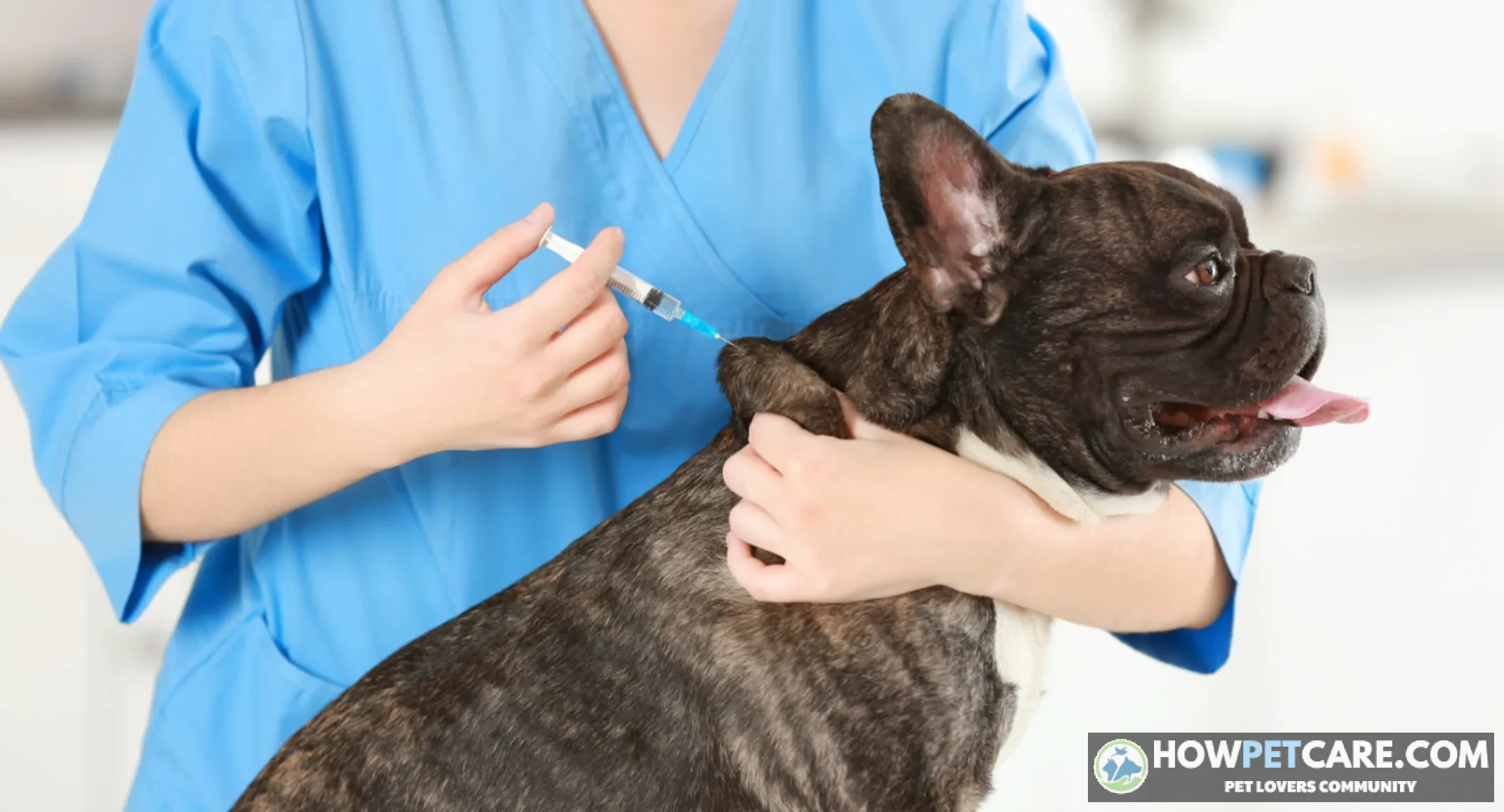
Sick‑visit and diagnostic test terms
| Term | Plain‑English definition | Body system | Typical scenario |
|---|---|---|---|
| blood panel | group of tests measuring various blood components | Multiple | Often the first test for sick pets |
| complete blood count (CBC) | red‑blood‑cell, white‑blood‑cell, and platelet counts | Hematologic | Part of a blood panel; screens for infection, anemia |
| urinalysis (UA) | laboratory analysis of a urine sample | Urinary | Checks for infection, crystals, kidney function |
| radiographs (X‑rays) | images of internal structures using ionizing radiation | Various | Used for bones, chest, abdomen |
| antibiotic | medication that kills or inhibits bacteria | Various | Prescribed for bacterial infections; finish the full course |
| NSAID | non‑steroidal anti‑inflammatory drug; reduces pain and inflammation | Multiple | Commonly prescribed after surgery or for arthritis |
| subcutaneous fluids | fluids given under the skin to rehydrate | Hydration | Administered at clinic or sent home for owners to give |
| body condition score (BCS) | same as wellness; reassessed if weight changed | None | Often repeated during sick visits |
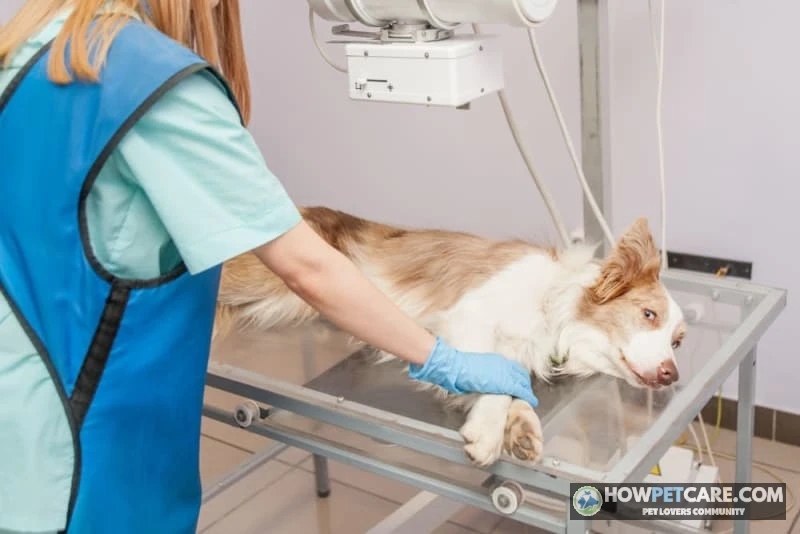
Surgery, anesthesia and dental terms
| Term | Plain‑English definition | Body system | Typical scenario |
|---|---|---|---|
| ovariohysterectomy | surgical removal of ovaries and uterus (spay) | Reproductive | Standard sterilization for female cats and dogs |
| orchiectomy | surgical removal of testicles (neuter) | Reproductive | Standard sterilization for male cats and dogs |
| anesthesia | drug‑induced loss of sensation; can be local or general | Nervous, systemic | Used for surgery, dental cleaning |
| pre‑anesthetic bloodwork | blood tests done before anesthesia to assess organ function | Hepatic, renal | Reduces anesthetic risk |
| dental prophylaxis | cleaning tartar and plaque from teeth, polishing | Oral | Performed under anesthesia |
| biopsy | removal of a small tissue sample for laboratory examination | Various | Helps differentiate benign vs. malignant |
| histopathology | microscopic examination of tissue to diagnose disease | Various | Often follows a biopsy |
| e‑collar / Elizabethan collar | plastic cone that prevents licking or chewing at a site | None (device) | Post‑surgical or wound protection |
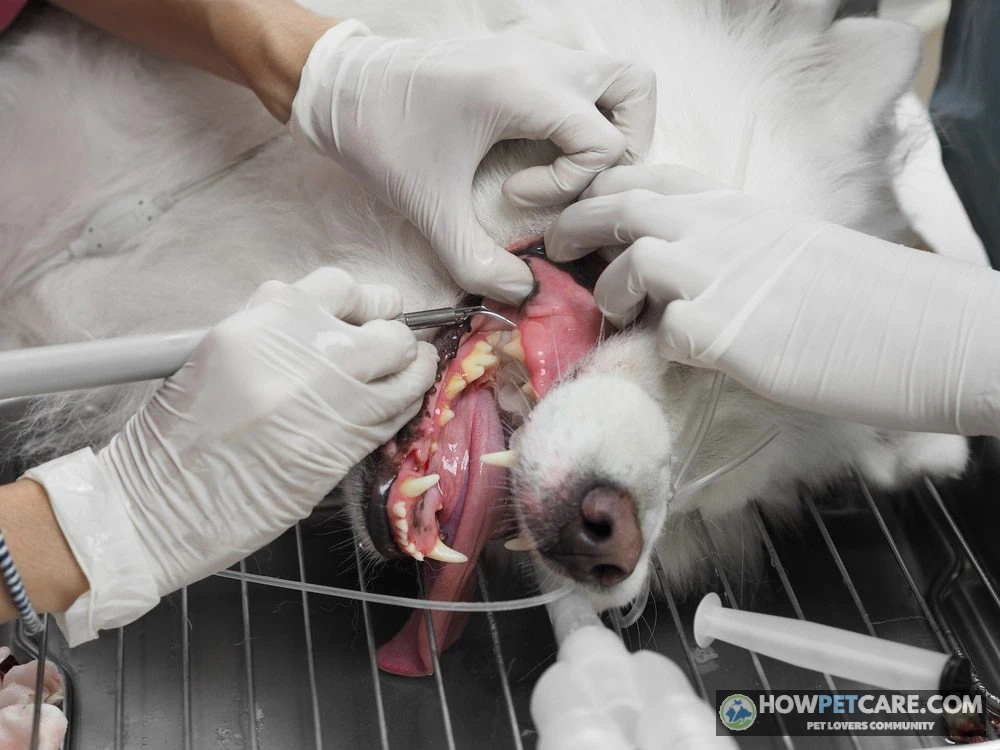
Chronic illness and end‑of‑life terms
| Term | Plain‑English definition | Body system | Typical scenario |
|---|---|---|---|
| chronic kidney disease (CKD) | gradual loss of kidney function over months to years | Renal | Common in senior cats and dogs; managed with diet and meds |
| hyperthyroidism | overactive thyroid gland producing excess hormone | Endocrine | Almost exclusive to older cats |
| diabetes mellitus | body can’t regulate blood sugar; requires insulin or diet | Endocrine, metabolic | Requires owner‑administered insulin injections |
| palliative care | treatment focused on quality of life, not cure | Various | Often used in cancer or advanced organ disease |
| hospice | supportive care at home for pets nearing end of life | Various | Owner‑led comfort measures |
| euthanasia | humane ending of a pet’s life, usually by injection | None (procedure) | Discussed when suffering outweighs quality of life |
| guided prognosis | veterinarian’s estimate of likely outcome | Various | Helps owners plan and make decisions |
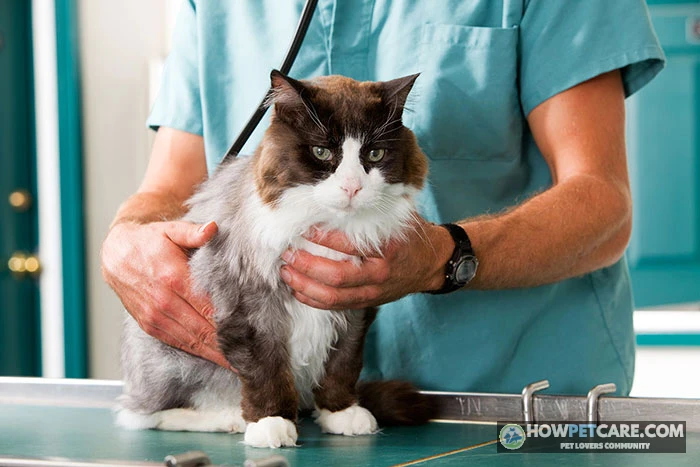
Body‑system quick index
- Digestive: gastritis, pancreatitis, enteritis, colitis, vomiting, diarrhea
- Urinary: cystitis, polyuria, polydipsia, urinalysis, kidney disease
- Skin: dermatitis, pyotraumatic dermatitis (‘hot spots’), allergic dermatitis, pruritus
- Heart: tachycardia, bradycardia, murmur, cardiomyopathy, heartworm disease
- Eye/ear: conjunctivitis, otitis, glaucoma, cataract
- Reproductive: ovariohysterectomy, orchiectomy, pyometra, dystocia
- Endocrine: hyperthyroidism, hypothyroidism, diabetes mellitus, Cushing’s disease, Addison’s disease
Organizing terms by organ system makes it easier to trace symptoms back to specific health issues. Next, we will break down the shorthand that appears on charts, medication bottles, and billing slips.
Veterinary Abbreviations and Where You’ll See Them: Records, Prescription Labels and Invoices
Veterinary charts, pharmacy labels, and invoices rely heavily on abbreviations. Learning these designations helps you interpret care sheets and dosing instructions accurately. The following reference table categorizes everyday abbreviations by document type.
| Abbreviation | Spelled out | What it means or tells you to do | Where you’ll see it |
|---|---|---|---|
| TPR | Temperature, pulse, respiration | The three vital signs recorded at every exam | Exam notes / record header |
| BAR | Bright, alert, responsive | Pet seemed normal and aware | Exam notes |
| QAR | Quiet, alert, responsive | Pet was calmer than usual but aware | Exam notes |
| WNL | Within normal limits | Result is normal | Exam notes, lab reports |
| CRT | Capillary refill time | Gum color test for circulation | Exam notes |
| BCS | Body condition score | Weight assessment on a 1–5 or 1–9 scale | Exam notes |
| Hx | History | What you reported about symptoms | Record header |
| Dx | Diagnosis | The identified condition | Record header |
| Tx | Treatment | What was done or prescribed | Record header |
| CBC | Complete blood count | Red/white blood cell and platelet screen | Lab results |
| UA | Urinalysis | Lab analysis of a urine sample | Lab results |
| BUN | Blood urea nitrogen | Kidney function marker (high = concern) | Lab results |
| ALT | Alanine aminotransferase | Liver enzyme marker | Lab results |
| BID | Twice a day | Give medication two times daily, roughly 12 hours apart | Prescription label |
| TID | Three times a day | Three doses, roughly 8 hours apart | Prescription label |
| SID | Once a day | Once daily (some clinics write QD; both are being phased out because they can be misread — confirm if unclear) | Prescription label |
| q8h | Every 8 hours | Dose every 8 hours, not ‘three times whenever’ | Prescription label |
| PRN | As needed | Give only when symptoms appear, not on a schedule | Prescription label |
| PO | By mouth | Give orally (pill, liquid) | Prescription label |
| SQ | Subcutaneous | Injection under the skin | Prescription label, discharge sheet |
| IV | Intravenous | Into a vein (clinic‑administered) | Prescription label |
| IM | Intramuscular | Into a muscle | Prescription label |
| OD / OS / OU | Right eye / left eye / both eyes | Which eye to treat — confusingly, OD can also mean ‘once daily,’ so always confirm | Prescription label |
| NPO | Nothing by mouth | No food or water (usually before anesthesia) | Pre‑surgery instructions |
| PU / PD | Polyuria / polydipsia | Urinating and drinking more than normal | Records, invoices |
| DHPP | Distemper, hepatitis, parvo, parainfluenza | Combination dog vaccine | Invoices, records |
| FVRCP | Feline viral rhinotracheitis, calicivirus, panleukopenia | Combination cat vaccine | Invoices, records |
| FeLV / FIV | Feline leukemia virus / feline immunodeficiency virus | Cat viruses screened by blood test | Lab results |
| NSAID | Non‑steroidal anti‑inflammatory drug | Class of pain/inflammation drugs — human versions (ibuprofen, naproxen) can be toxic to pets | Records, discharge sheets |
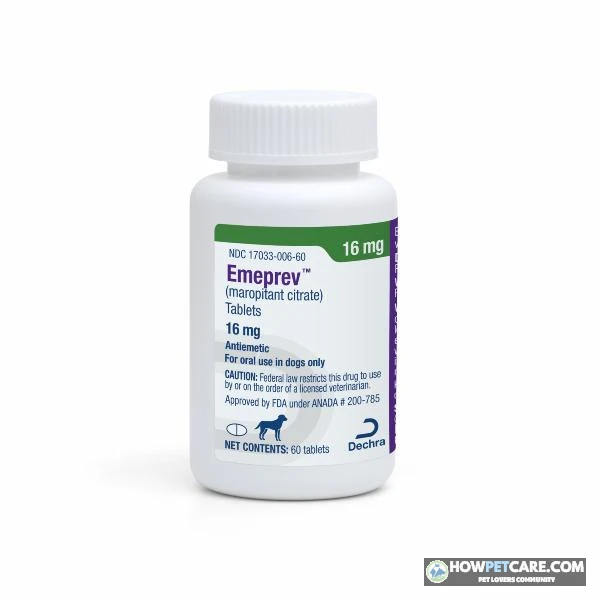
Dosing frequency notes
- BID = twice daily: space doses approximately 12 hours apart. Giving doses too close together risks adverse reactions, while waiting too long reduces efficacy.
- TID = three times daily: space doses roughly 8 hours apart (such as 6 am, 2 pm, 10 pm). If daily schedules conflict with precise 8-hour blocks, distribute them as evenly as possible.
- SID / QD = once daily: administer at the same time each day. Many veterinary teams avoid SID and QD because they can be misread as ‘once every day’ vs. ‘every 24 hours.’ If either appears on your bottle, verify the intended schedule with your clinician or pharmacist.
- PRN = as needed: do not administer on a rigid timetable. Give doses only when your pet exhibits the target symptom, such as restlessness or pain, and never exceed daily dose limits.
- PO = by mouth: medication should be swallowed, never injected or placed on the skin.
- SQ = subcutaneous: an injection into the tissue beneath the skin using a small needle. If administering fluids or medications at home, alternate injection sites to minimize irritation.
- q8h = every 8 hours: set recurring reminders; this directive calls for steady intervals, not random administration during waking hours.
- NPO = nothing by mouth: withhold all food and water for the designated period, typically the night before general anesthesia. Adhere strictly to the clinic’s timeframe.
Known ambiguities
- SID vs. QD: Both denote once-daily dosing. Because handwriting or hurried reading can confuse SID with ‘six times daily’, modern practices increasingly spell out ‘once daily’. Check with your team if you see either abbreviation.
- OD/OS/OU: OD indicates either ‘right eye’ or ‘once daily’. Always clarify ocular versus systemic directions with your veterinary team.
- NSAIDs: Never give human anti-inflammatory products like ibuprofen, naproxen, or aspirin to an animal without explicit clinical direction. Toxicity thresholds vary sharply across species.
Reading Real Documents: A Discharge Sheet and a Prescription Label, Line by Line
Knowing how to interpret post-visit paperwork ensures your pet receives proper care at home. The annotated examples below illustrate standard clinical paperwork. Note that your attending vet’s specific directions always take priority.
SAMPLE Discharge Sheet — Annotated So You Can Practice Decoding
PATIENT: Biscuit (canine, 4 yrs)
DISCHARGE DATE: 3/14
DX: Cranial cruciate ligament rupture, left hind
↑ Diagnosis. ‘Cranial’ = front part; you know -ure = structure. A torn knee ligament.
TX: Cystotomy NOT performed. Surgical repair of the CCL completed.
↑ Treatment. ‘-otomy’ on a different line would mean they cut INTO something — here the surgery repaired the ligament itself.
MEDICATIONS:
Carprofen 75 mg — 1 tablet PO BID x 10 days, with food
↑ NSAID pain relieverby mouth twice daily for 10 days
Trazodone 100 mg — 1 tablet PO PRN for restlessness
↑ only when needed, not on a schedule
ACTIVITY: Strict rest 6 weeks. No stairs, no jumping.
Leash walks to urinate/defecate only.
E-COLLAR: Must be worn at all times until suture removal.
↑ ‘Elizabethan collar’ — the plastic cone
SUTURES: Skin staples — removal scheduled 3/28.
CALL US IMMEDIATELY IF:
- Refusing food > 24 hrs
- Swelling, discharge or odor at the incision
- Vomiting more than twice in 24 hrs
- Lethargy that worsens after day 3
RECHECK: 3/28 (suture removal + progress exam)
Try it yourself before reading the callouts:
- Find the two ‘give by mouth’ abbreviations on the medication lines. (Both = PO.)
- One drug is scheduled, one is PRN — which is which? (Carprofen is scheduled BID; Trazodone is PRN.)
- Which line tells you what counts as an emergency versus what can wait for the recheck? (The ‘CALL US IMMEDIATELY IF’ list.)
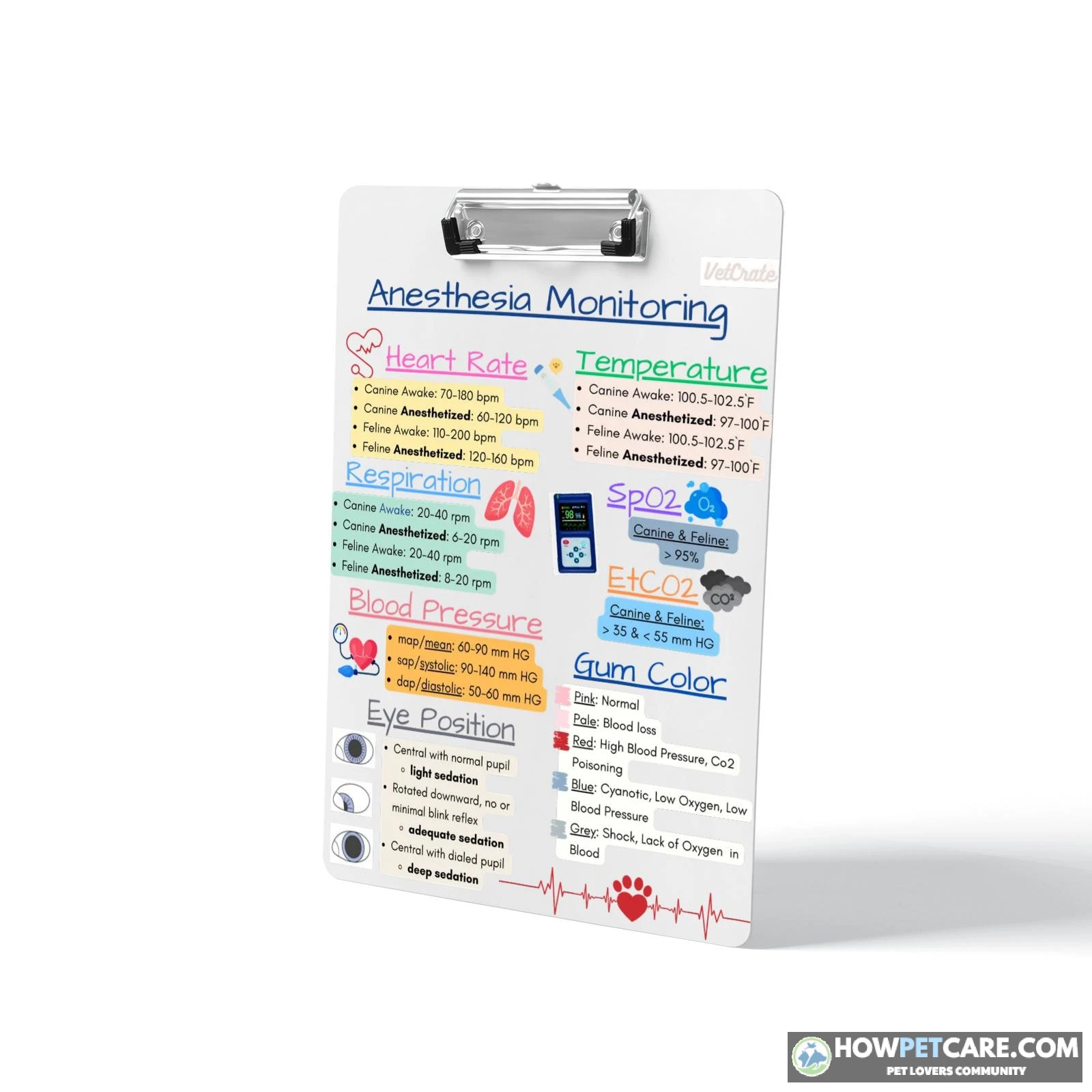
Annotated Prescription Label
Drug: Carprofen 75 mg tablets
Quantity: 30 tablets
Route: PO (by mouth)
Frequency: BID (twice daily)
Duration: 10 days
Refills: 0 (new prescription needed after course ends)
Line‑by‑line breakdown
- Drug name and strength — Carprofen 75 mg; this is an NSAID anti‑inflammatory.
- Quantity — 30 tablets; enough for a 10‑day course at BID.
- Route (PO) — by mouth; do not crush unless your vet says it’s okay.
- Frequency (BID) — twice daily, roughly 12 hours apart. Set a reminder if needed.
- Duration (10 days) — finish the full course even if the pet seems better.
- Refills (0) — you’ll need to call the clinic for a new prescription when the supply runs out.
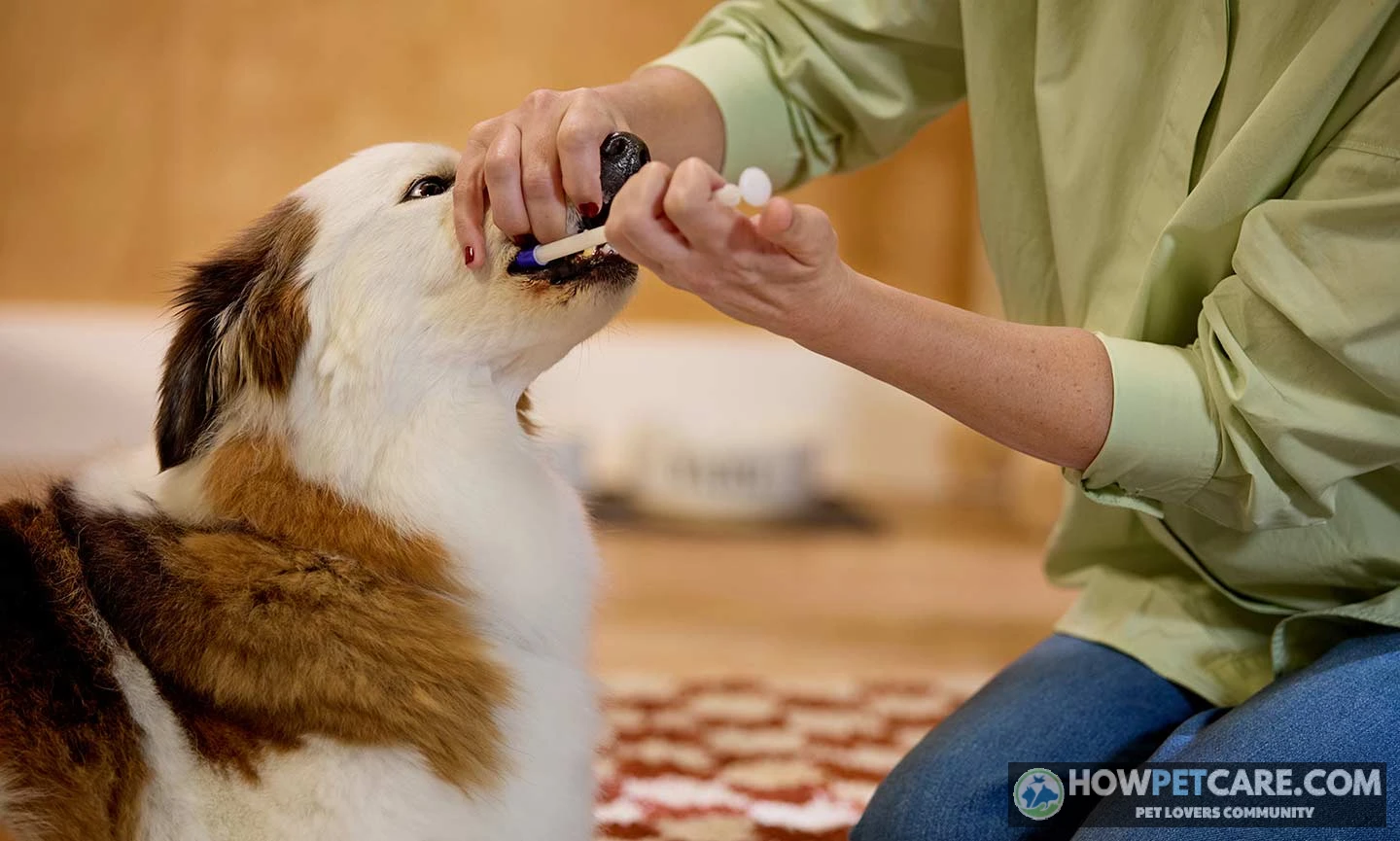
Questions to confirm before leaving the clinic
- What does each abbreviation on the label mean (PO, BID, etc.)?
- Should I give this with food or on an empty stomach?
- What side effects should I watch for, and what do I do if they occur?
- When is the next recheck, and what should have improved by then?
- Who do I call after hours if I have concerns?
Study Tools: Cheat Sheet, Flashcards, Self‑Quiz and Reference Sources
These study resources offer practical reference points for pet sitters, veterinary assistants, and technician students reviewing clinical terminology.
One‑page cheat sheet
Copy everything below this line onto one page and keep it in your pet’s records folder.
TOP SUFFIXES (the ending tells you what happened)
- -ectomy = surgical removal
- -otomy = cut into, then close
- -ostomy = create a lasting opening
- -itis = inflammation
- -ology = study of
- -scopy = looking inside
- -centesis = puncture to draw fluid
- -emia = blood condition
- -uria = urine condition
- -megaly = enlargement
TOP PREFIXES (the front modifies location/amount)
- peri‑ = around
- hyper‑ = high/excessive
- hypo‑ = low
- poly‑ = many
- dys‑ = difficult/abnormal
- brady‑ = slow
- tachy‑ = fast
- sub‑ = under
- intra‑ = within
HIGH‑FREQUENCY ROOTS
- cardi = heart
- gastr = stomach
- hepat = liver
- nephr/ren = kidney
- dermat = skin
- oste = bone
- arthr = joint
- rhin = nose
- ot = ear
- ophthalm = eye
- cyst = bladder
- enter = intestine
PRESCRIPTION SHORTHAND
- BID = twice daily
- TID = 3x daily
- SID = once daily
- q8h = every 8 hrs
- PRN = as needed
- PO = by mouth
- SQ = under the skin
- NPO = nothing by mouth
RECORD & LAB SHORTHAND
- TPR = temp/pulse/respiration
- BAR = bright, alert, responsive
- WNL = within normal limits
- BCS = body condition score
- Hx = history
- Dx = diagnosis
- Tx = treatment
- CBC = complete blood count
- UA = urinalysis
- NSAID = anti-inflammatory pain drug
PHRASES DECODED
- idiopathic = cause unknown
- guarded prognosis = outcome uncertain
- unremarkable = normal exam
- palliative = comfort care
- benign = not cancerous
- ambulatory = can walk
FIVE QUESTIONS TO ASK YOUR VET
- What is the diagnosis in everyday words?
- What does this mean for my pet day to day?
- What should I watch for, and what counts as an emergency?
- What are my treatment options, and what does each cost?
- When is the recheck, and what should improve by then?
This is a practical starter set, not a complete glossary — for terms not listed here, ask the clinic to spell them, then decode with the four‑step method.
Quick decode quiz with answers
Instructions: Match the term on the left with the correct plain‑English meaning on the right. Write the letter of the correct meaning.
- pericarditis
- ovariohysterectomy
- tachycardia
- polydipsia
- cystitis
A. inflammation around the heart
B. removal of ovaries and uterus (spay)
C. abnormally fast heart rate
D. excessive drinking
E. inflammation of the bladder
Answer key: 1‑A, 2‑B, 3‑C, 4‑D, 5‑E
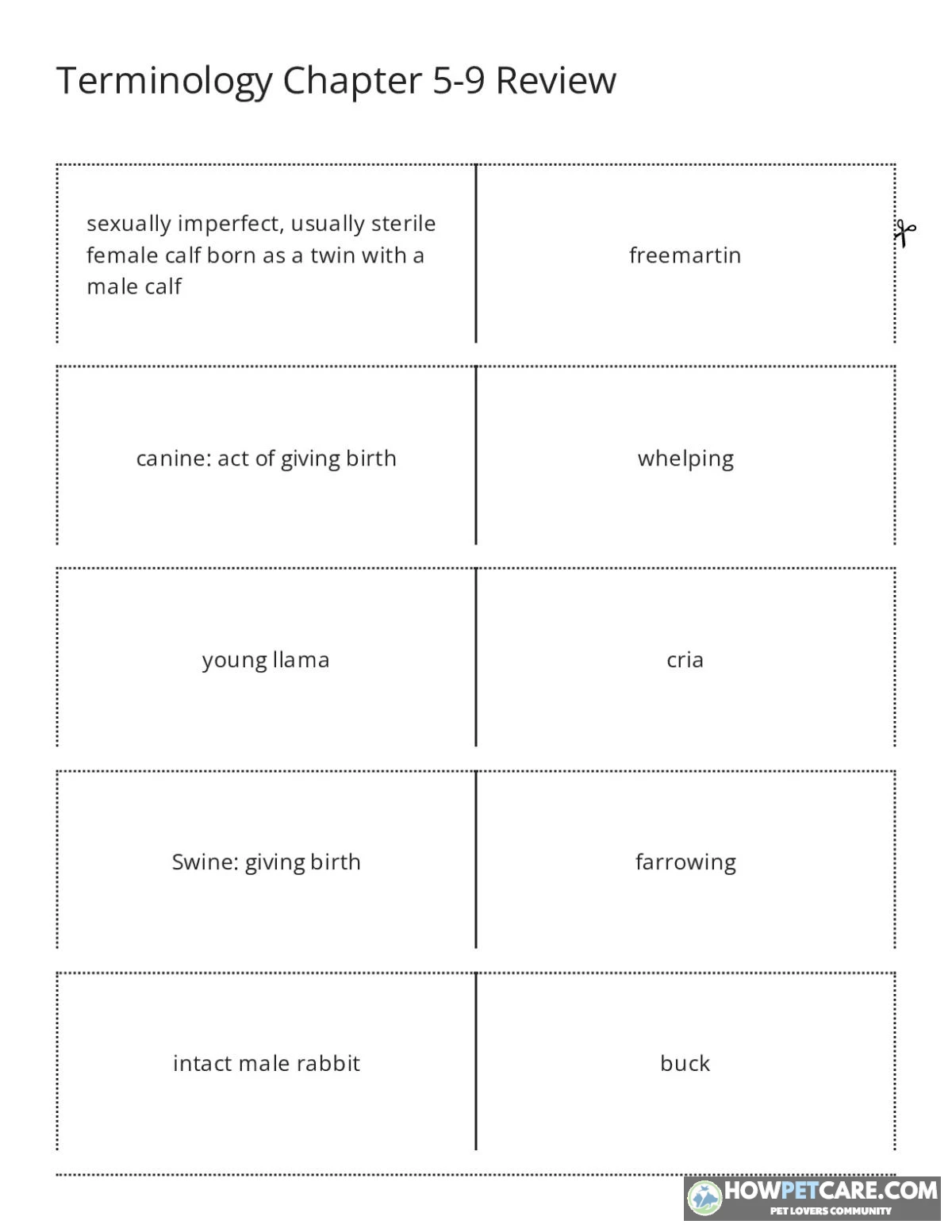
How to turn the article’s tables into flashcards
- Write the term on the front of a card.
- On the back, write the word‑part breakdown and the plain‑English meaning.
- Include the suffix first, then the root, then any prefix, per the four‑step method.
- Review daily, spacing out reviews over increasing intervals (spaced repetition).
Recommended learning order and reference sources
- Start with suffixes. Master the high‑yield endings (-ectomy, -itis, -otomy, etc.) before tackling roots.
- Add prefixes next. Learn the most common location and amount prefixes (peri-, hyper-, hypo-, poly-).
- Study body‑system roots. Focus on the roots you’ll meet most often: cardi, gastr, hepat, nephr, dermat.
- Finish with abbreviations. Learn the dosing and record abbreviations (BID, TID, CBC, etc.) last, since they’re the most context‑dependent.
- Use spaced repetition. Review a set of 10 terms daily for a week, then twice a week for a month, then monthly.
Reference sources for ongoing lookup
- Merck Veterinary Manual — comprehensive, freely available online; covers diseases, drugs, and terminology across species.
- VCA Animal Hospitals client education pages — clear, owner‑focused definitions of common terms and procedures.
- Purdue University Libraries’ Veterinary Medical Database — academic‑level terminology with word‑part breakdowns.
- Flashcard apps (Anki, Quizlet) — create decks from the cheat sheet; many users have already shared ‘veterinary terminology’ decks.
- Veterinary‑school client handouts — many colleges of veterinary medicine publish free client‑education PDFs that include term lists and illustrations.
The glossary here is a practical starter set, not complete — use the sources above for terms not listed.
Your Next Appointment: A Checklist for Understanding What Your Vet Tells You
Applying these concepts in the exam room helps ensure you understand your pet’s treatment plan. Use these checklists before, during, and after your visit to communicate clearly with your veterinary team.
Before the visit
- ☐ Skim the visit‑type glossary (the sections on wellness, sick, surgery, or chronic care) and jot down any terms you’ve heard before but don’t fully understand.
- ☐ Write down a list of current medications, including supplements and over‑the‑counter products, with dosage and frequency.
- ☐ Note any questions you want answered, such as ‘What is the diagnosis in plain English?’ or ‘What should I watch for at home?’
- ☐ Bring a notebook or phone to record the vet’s explanations, or ask if you can record the conversation (many clinics allow it with notice).
During the visit
- ☐ Ask the vet to spell or say unfamiliar terms slowly; you can then apply the four‑step decode method.
- ☐ Repeat the diagnosis and plan back in your own words (‘So, Max has a torn knee ligament, and the plan is surgery plus two weeks of rest?’). This confirms understanding.
- ☐ Ask ‘What does this mean for my pet day to day?’ and ‘What should I watch for that would mean we need to call you?’
- ☐ Request plain‑English alternatives if the vet uses a phrase you’re not comfortable with (‘Could you say that in everyday words?’).
- ☐ Clarify any abbreviation on a prescription or discharge sheet before you leave the exam room.

After the visit
- ☐ Decode any term you still don’t know using the four‑step method (suffix first, then root, then prefix).
- ☐ Check every abbreviation on the prescription label against the table in the ‘Veterinary Abbreviations’ section; call the clinic about anything unclear.
- ☐ Call the clinic about anything still ambiguous rather than guessing—your vet would rather clarify than have a medication given incorrectly.
- ☐ Place the discharge sheet and prescription label where you’ll see them (e.g., on the fridge, in a pet‑care binder).
- ☐ Schedule the recheck appointment and note what specific improvements you hope to see by then.
Questions to ask your vet
- What is the diagnosis in everyday words?
- What does this mean for my pet day to day?
- What should I watch for, and what counts as an emergency?
- What are my treatment options, and what does each cost?
- When is the recheck, and what should improve by then?
- Are there any lifestyle or diet changes recommended?
- What follow‑up tests or monitoring are needed?
- Who do I contact after hours if concerns arise?

Reminder: Owners can generally ask for a copy of their pet’s records and test results; rules vary by location, but most clinics will provide them upon request.
Disclaimer: This article defines veterinary terminology for informational purposes only and does not constitute medical advice, diagnosis, or treatment recommendations for any specific pet condition. Always consult your veterinarian for guidance tailored to your pet’s health. Reliable sources for further reading include the Merck Veterinary Manual and VCA Animal Hospitals client education resources.
FAQ
Is veterinary terminology the same as human medical terminology?
Mostly yes. Both use the same Greek and Latin word parts, so -itis means inflammation in either. Veterinary medicine adds species-specific terms, such as FeLV for cats or DHPP for dog vaccines.
What does ‘within normal limits’ or ‘unremarkable’ mean on my pet’s record?
Both mean the vet found nothing abnormal in that body system or test result. They describe the finding on that day and are not a guarantee about the future.
What does ‘idiopathic’ mean?
Idiopathic means the cause of a condition is unknown. Idio- means ‘one’s own’ and -pathic refers to disease, so the disease arises without an identified cause.
What is a differential diagnosis?
It is the list of possible conditions that could explain your pet’s symptoms. Your vet uses tests and observation to narrow the list down to the most likely cause.
Can I ask my vet to explain things in plain English?
Yes. Vets generally welcome the request, and asking them to repeat a diagnosis or instruction in everyday words helps you follow the treatment plan correctly.