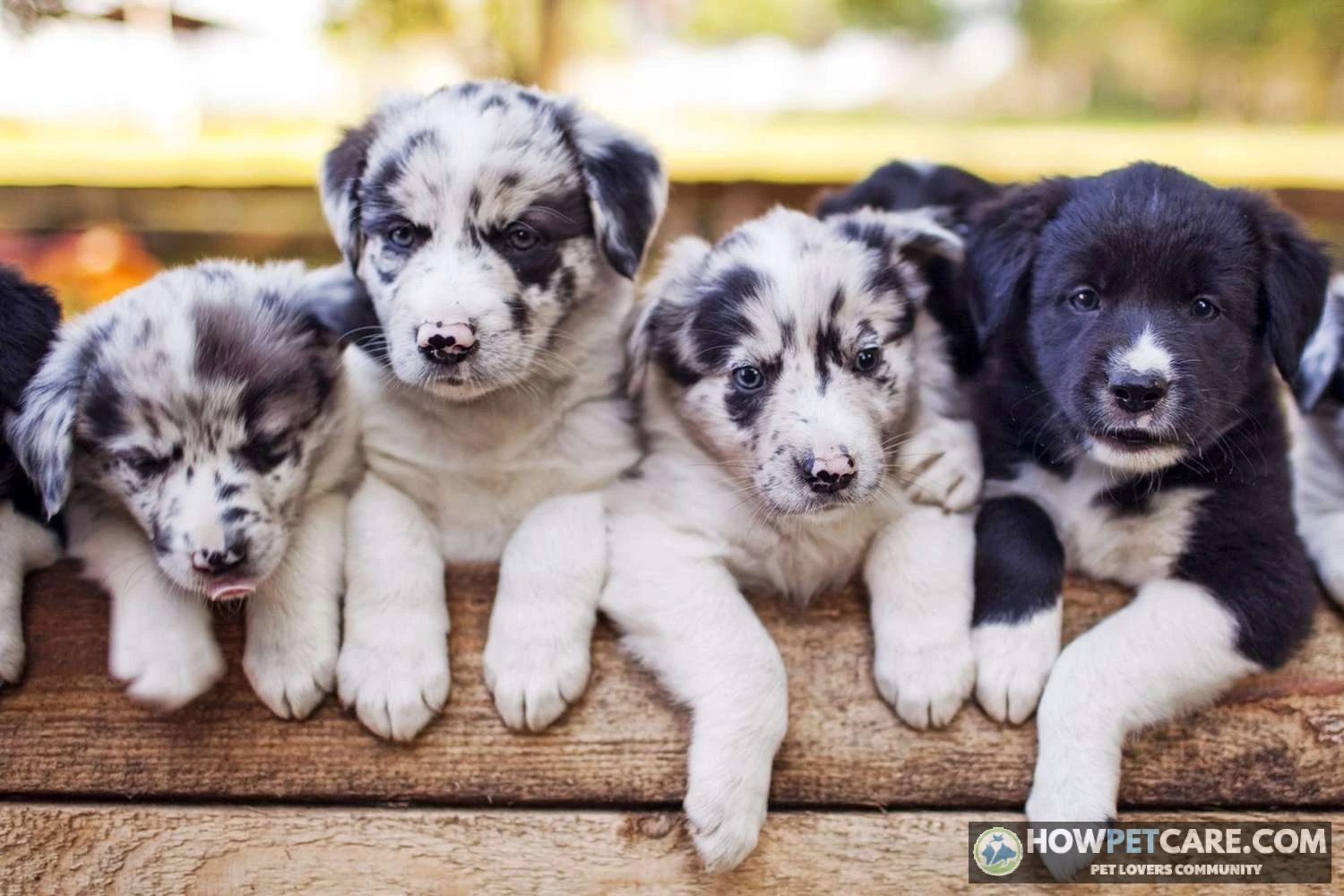

To find a reputable dog breeder, work through this seven-step verification process:
- Decide whether adoption or a purpose-bred puppy fits your needs.
- Build a shortlist through national breed parent club referrals.
- Filter candidates by breeder type: preservationist, backyard breeder, or mill.
- Verify OFA, CHIC, and USDA records for both the dam and sire.
- Interview the breeder and expect screening questions in return.
- Inspect the whelping environment in person or via live video.
- Audit the contract, health guarantee, and take-back clause before paying.
Finding a healthy, well-socialized puppy starts long before you choose a collar or a name. In the United States, roughly 68% of households own a pet, according to 2017 APPA research, part of a companionship tradition spanning roughly 15,000 years. But finding a puppy in today’s pet market carries risks. Prospective owners considering more than 400 dog breeds worldwide [#N] must sort through slick websites, social media storefronts, brokers, and commercial facilities. Knowing how to find a reputable dog breeder means using verifiable documentation to distinguish ethical preservation breeders from backyard operators and puppy mills.
How to Find a Reputable Dog Breeder: The 7-Step Verification Workflow
A responsible breeder does more than sell puppies. They take responsibility for canine health, temperament, and genetic lineage. To vet a breeder independently, look beyond first impressions and marketing claims. Public registries, health databases, and legal records give you a way to check those claims for yourself.
The 7 steps at a glance
Follow this seven-step workflow from your initial search through bringing a puppy home:
-
Step 1: Decide Between Adoption and Purchase
Decide whether your family needs the predictable lineage, working drives, and health screening of an ethically bred purebred, or whether adoption through a shelter or breed-specific rescue fits your goals.
-
Step 2: Source Shortlist Candidates Through Parent Clubs
Skip open internet searches and commercial puppy classifieds. Build your initial list through national breed parent club referral officers, specialty sport clubs, and licensed events.
-
Step 3: Filter Candidates by Observable Breeder Types
Compare each candidate with the physical and operational profiles that distinguish reputable hobby preservationists from casual backyard breeders and commercial puppy mills.
-
Step 4: Execute the Five-Minute Verification Circuit
Search independent databases—including the Orthopedic Foundation for Animals (OFA), the Canine Health Information Center (CHIC), and USDA APHIS licensing records—to verify that both the dam and sire hold passing clearances.
-
Step 5: Conduct Two-Way Interviews
Ask the breeder about their breeding goals, puppy socialization programs, and health guarantees. Expect them to ask detailed questions about your lifestyle and home, too.
-
Step 6: Inspect Facilities In Person or Via Live Video
Visit the whelping environment to check sanitation, the dam’s temperament and physical condition, and the puppies’ vitality. Review original medical documents as well.
-
Step 7: Audit the Purchase Contract and Guarantee Before Payment
Before placing a deposit, examine the written agreement for protections including a non-negotiable lifetime return-to-breeder clause, genetic replacement terms, and limited registration designations.
This guide is for buyers who want to verify credentials themselves rather than rely on opaque third-party screening badges from online pet marketplaces. Some platforms do evaluate breeders, but buyers should still check public records and health documentation independently.
How long the process takes
Getting a puppy from a responsible preservation breeder takes patience. Ethical breeders generally specialize in only one or two breeds and plan litters infrequently, often producing just one to three litters annually. They breed to preserve conformation, temperament, and field ability, not to maintain retail inventory.
The timeline from initial application to pickup typically spans several months to a full year or more. The process generally includes an application review, an in-depth interview, placement on an advance waitlist, notification of a confirmed pregnancy, an eight- to nine-week rearing period, a facility evaluation, and pickup. A seller advertising multiple breeds with puppies perpetually available for immediate purchase is showing a primary operating pattern of a commercial broker or volume breeder.
This framework focuses on the steps needed to locate, evaluate, and verify an ethical breeder. It doesn’t provide breed-selection advice, puppy training curricula, or commercial endorsements for specific breeding programs.
Adopt From a Shelter or Rescue, or Buy From a Breeder? How to Decide First
Before searching for a breeder, consider whether a purpose-bred puppy or a dog from a rescue organization better fits your living circumstances, budget, and long-term expectations. Neither option is inherently superior; each serves different needs within companion animal welfare.
Buying from an ethical breeder can make sense when an owner needs predictability in adult size, coat type, drive, and innate temperament. Service dog organizations, competitive dog sport handlers, working farms, hunting enthusiasts, and families managing severe canine allergies or precise housing restrictions often depend on the standardized traits of purebred lines. An ethical breeding program provides verified multi-generational health testing on both the dam and sire, so buyers can assess genetic predispositions toward orthopedic or organ disorders before a puppy is conceived.
Shelter and rescue adoption is an important, compassionate path for households with more flexibility about breed mix, mature size, and ancestral medical history. Adoption fees are significantly lower than purebred purchase prices, and shelters regularly care for adolescent and adult dogs whose mature temperaments, house-training habits, and energy levels are already established.
Breed-specific rescue networks offer a middle path between municipal shelters and private breeders. Almost every recognized purebred dog breed has associated non-profit rescue organizations, often working directly with regional or national breed clubs. Because ethical breeders maintain contractual lifetime return-to-breeder policies, purebred dogs appearing in public shelters often originate from commercial mills or backyard breedings. Breed-specific rescues evaluate these dogs, place them in foster homes, rehabilitate behavioral quirks, and match them with knowledgeable owners.
To decide which path fits, consider these three criteria:
- Predictability: Do you require specific working drives, predictable physical traits, or documented ancestral health clearances, or can your lifestyle accommodate an unpredictable mix of behavioral and physical traits?
- Timeline Flexibility: Are you prepared to wait six to twelve months on a waitlist for a planned pairing, or do you have the immediate availability and willingness to welcome an animal today?
- Financial Commitment: Are you prepared to invest a substantial upfront sum for extensive genetic screening and parent health clearances, or would you prefer to direct funds toward adoption fees and initial veterinary setup?
If a purpose-bred companion fits your needs, start by identifying sourcing channels you can verify.

 You might be wonderingHow to find a lost pet?How to Find a Lost Pet: Hour-by-Hour Recovery PlanRead the answer
Where to Find a Reputable Dog Breeder: Breed Clubs, Directories and Referrals
Standard commercial search results are not the best starting point. Phrases like "puppy for sale" or an unfiltered search for a "responsible dog breeder near me" frequently lead to high-budget pet portals, third-party broker sites, or local backyard operations that market convenience over welfare.
Sourcing Pathway Hierarchy:
National Parent Club (AKC / CKC)  ──▶  Specialty Shows & Field Trials  ──▶  Local Licensed Vets & Clubs
  (Highest Verification Density)             (Direct Observation)               (Local Intelligence)
Start with the breed parent club
Start a US purebred search with the national parent club for your chosen breed. The American Kennel Club (AKC) recognizes one official parent club for each recognized breed, such as the Golden Retriever Club of America or the Collie Club of America. These organizations maintain member codes of ethics that set minimum breeding ages and standards for health screening, living conditions, and humane treatment.
Most national parent clubs have public websites with breeder referral contacts or searchable member directories. A breed club referral coordinator can connect you with established hobbyists who breed according to published breed standards and club ethics. A place on a referral list isn’t a blanket legal warranty, though. You still need to verify every candidate’s health clearances and contract clauses yourself.
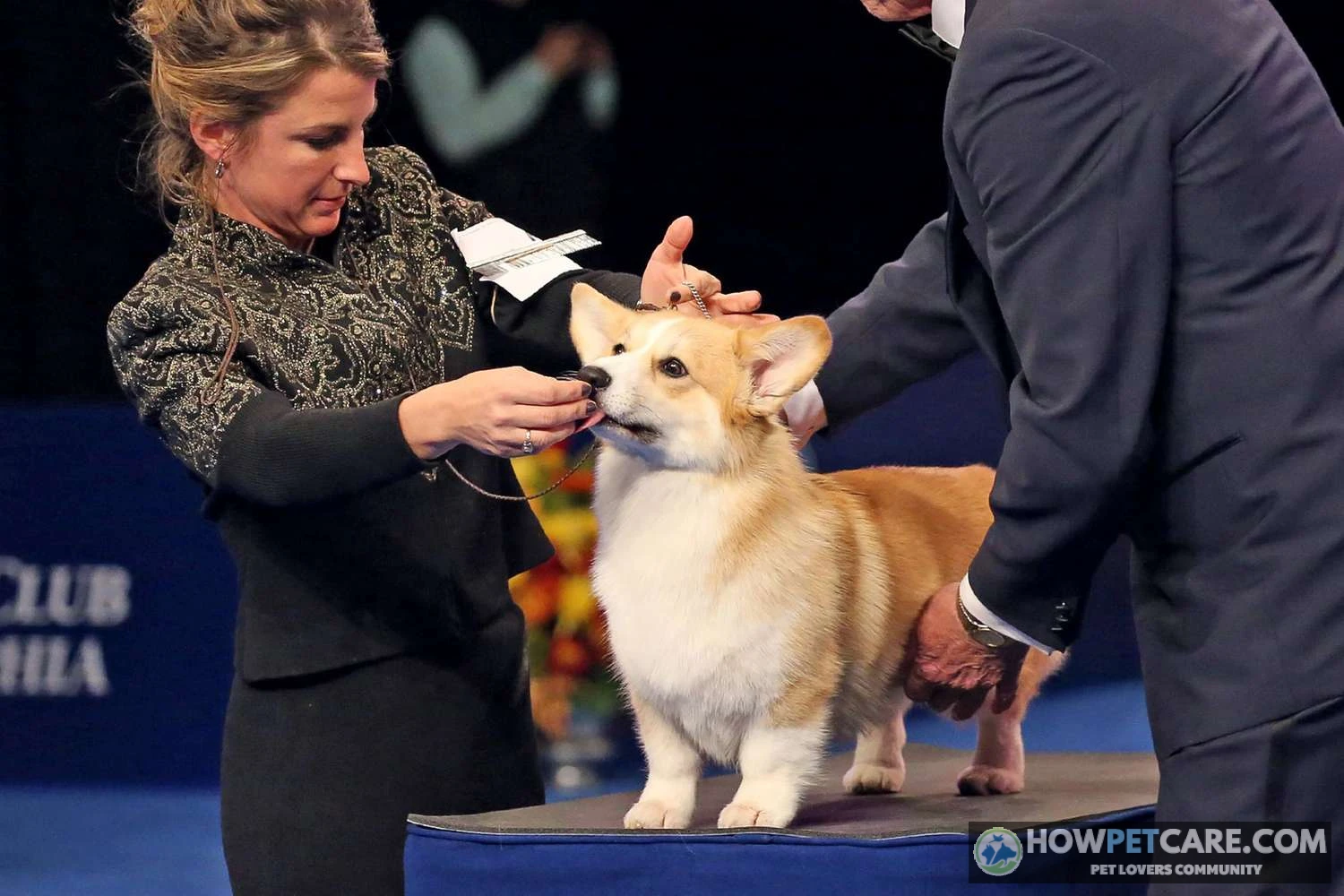
Sanctioned conformation dog shows, agility trials, scent work trials, and field events also offer opportunities to meet breeders in person. Preservation breeders exhibit their dogs so licensed judges can evaluate conformation, working drive, and stability against the official breed standard. At an event, you can observe adult dogs in stimulating surroundings, see their natural temperaments, and meet preservation handlers.
Local veterinary clinics, licensed canine physical therapists, professional trainers who run competition obedience facilities, and regional breed-specific rescues can also provide referrals. Professionals who manage canine sports injuries or complex genetic disorders know which local breeders consistently produce structurally sound, behaviorally stable dogs.
Directories and marketplaces: what they verify and what they don’t
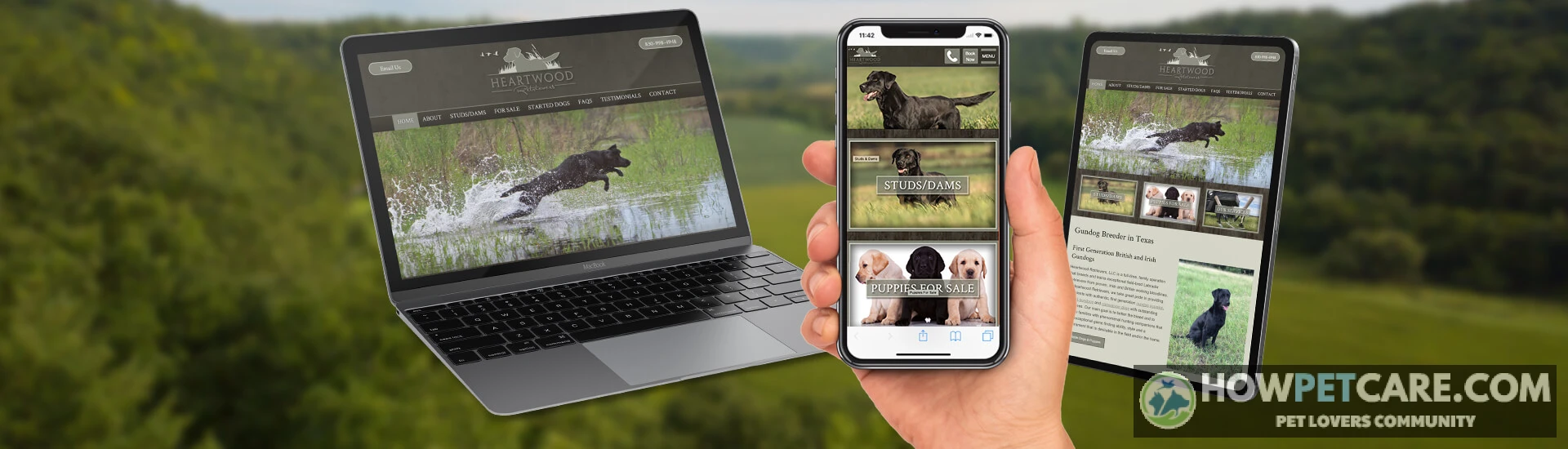
Many buyers start with national registry portals such as AKC Marketplace or specialized matching platforms like Good Dog. It’s important to understand what these directories do—and don’t—verify.
Basic AKC registration documents that a puppy’s parents were registered members of the same breed. It’s an ancestral record, not a seal of quality, structural soundness, or ethical handling. A puppy born in a commercial facility or neglected environment can have AKC registration papers if both parents hold registration numbers. The AKC also offers advanced recognition programs, such as "Breeder of Merit" and "Bred with H.E.A.R.T.," which require participants to certify that health testing follows parent club recommendations and to agree to potential facility inspections. Standard classified listings on AKC Marketplace, however, remain open to casual breeders without mandatory health testing thresholds.
Specialized online platforms use tiered screening. For example, research indicates Good Dog approves approximately one out of every five applicants (20%) into its network after screening against welfare criteria, having evaluated over 175,000 breeding programs nationally [#N] and placed dogs with more than 300,000 families. Curated platforms provide a higher baseline of screening than open classified sites, but third-party badges can’t replace independent verification. Buyers still need to complete the health database lookups and contract reviews outlined in this guide.
Finding breeders outside the US
If you live outside the United States or are seeking bloodlines internationally, kennel club governance varies by jurisdiction:
- Canada: The Canadian Kennel Club (CKC) is the primary registry under the federal Animal Pedigree Act. US buyers searching near the northern border should note that "CKC" can also refer to the Continental Kennel Club, a US-based commercial registry with far less stringent lineage and parentage standards. Verify that Canadian breeders are registered with the official Canadian Kennel Club based in Ontario.
- United Kingdom: The Kennel Club (UK) oversees breed standards and manages the Assured Breeders scheme, which mandates specific health screening tests and pre-breeding inspections before issuing official endorsements.
- Australia: The Australian National Kennel Council (ANKC), operating as Dogs Australia, administers purebred registration, health testing registers, and breeder member codes of conduct across all Australian states and territories.
Don’t make proximity your primary selection filter. Ethical preservation breeders are distributed unevenly across the country, and finding a physically sound, health-screened puppy may require driving several hours or traveling across state lines. Be cautious of sellers who insist on shipping puppies via third-party air cargo without an in-person handover. Sight-unseen transactions remain the primary distribution method for puppy mills and scam operations.
Reputable Breeder vs. Backyard Breeder vs. Puppy Mill: How to Tell Them Apart
To evaluate a breeding program, it helps to understand how the main operating models differ. The pet industry comprises three broad categories: ethical preservation breeders, backyard breeders, and commercial puppy mills or brokers.
An ethical breeder pairs animals to preserve or improve the physical health, functional capability, and sound temperament of their chosen breed. They specialize in one or two breeds, know their multi-generational pedigrees, complete the health testing required by parent clubs, and take personal responsibility for every puppy throughout its natural life.
A backyard breeder is typically a well-intentioned pet owner or casual hobbyist — often described as casual home breeding — who pairs dogs without formal health testing or knowledge of genetics. They may breed for extra household income, to let children experience birth, or because they own two friendly unregistered or untested family pets. Their animals may be loved, but backyard breeders rarely screen for hereditary orthopedic, cardiac, or ocular conditions. They offer minimal early socialization and may lack the financial and logistical resources to reclaim dogs years later if an owner faces an emergency.
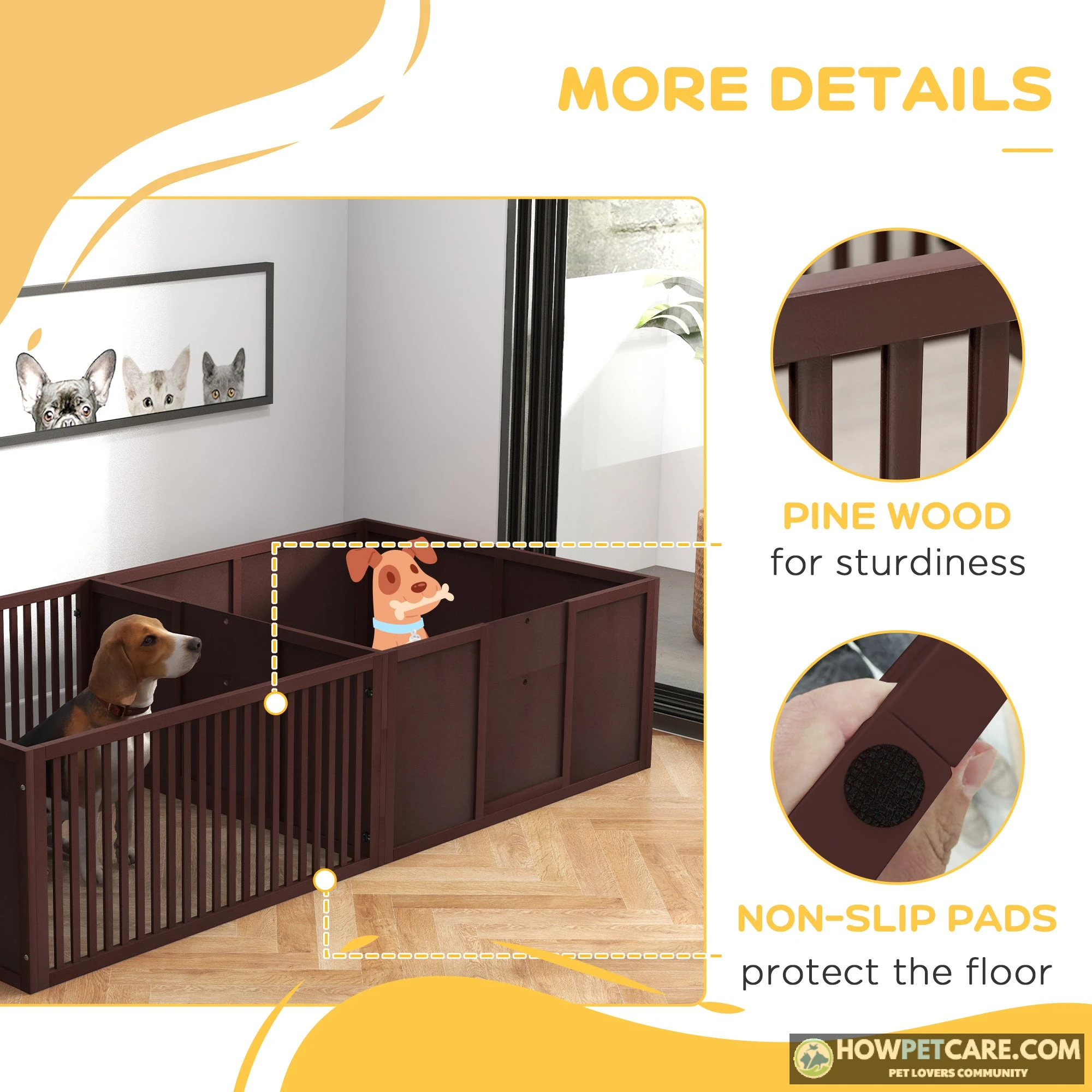
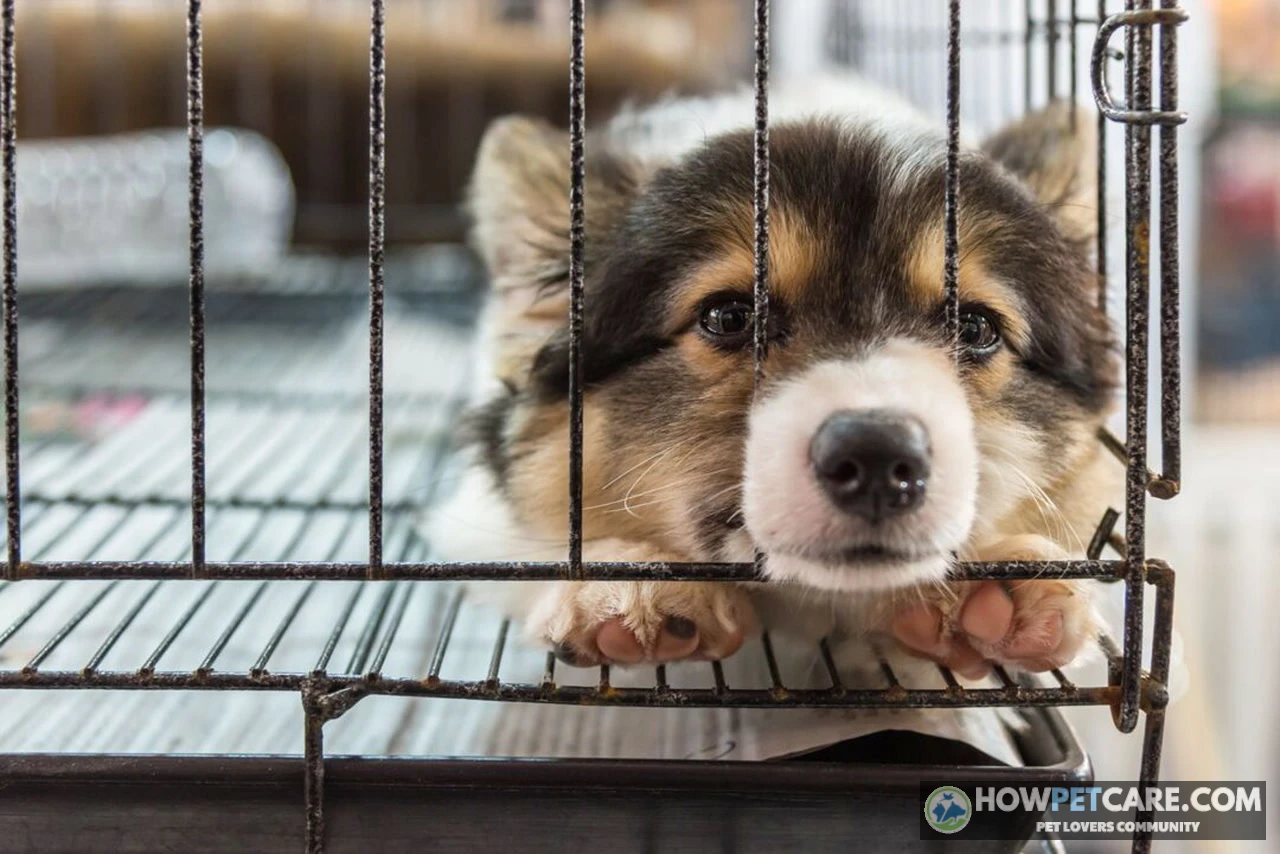
A puppy mill is a commercial operation that puts volume and profit ahead of animal welfare. Dams are bred every heat cycle from an early age until their bodies are exhausted. They’re often kept in wire cages, outdoor sheds, or unsanitary outbuildings without meaningful human interaction or veterinary care. Mills distribute puppies to retail pet stores, through online storefronts, or through brokers who pose as legitimate family breeders.
Side-by-side comparison
Compare candidates against these checkable criteria:
| Criteria | Reputable Breeder | Backyard Breeder | Puppy Mill / Broker |
|---|---|---|---|
| Number of breeds | 1–2 breeds, deep focus on the standard | 1–2 breeds, casual pairing | Many breeds or "designer" mixes in volume |
| Litter frequency | 1–3 litters/year total; each dam bred a limited number of times in her life | Occasional litter from a family pet | Continuous litters; puppies always available |
| Dam’s age and breeding history | First litter after dam is physically mature and health-tested (typically 2+ years); retired young | Often unknown or too young (under 24 months) | Bred every heat cycle from an early age; discarded when barren |
| Health testing | OFA/CHIC numbers plus DNA results for both parents, shown on request | "Vet checked" only; no named tests | No testing, or documents that don’t match the dogs |
| Where puppies are raised | Inside the home, handled and socialized daily | Home or yard, minimal socialization plan | Kennels, barns, or off-site; no viewing offered |
| Parents on site | At least the dam on site; sire’s records shared | Sometimes dam only, no records | No parents shown; "partner breeder" excuses |
| Buyer screening | Application, interview, waitlist, matching puppy to buyer | First-come, cash-in-hand | No questions; sells to anyone who pays |
| Sales channel | Referrals, breed club, own website; you visit | Local classifieds, social posts | Online ads, pet stores, third-party shipping |
| Contract and take-back | Written contract, health guarantee, lifetime take-back clause | Verbal agreement or simple receipt | No contract, or contract protecting only the seller |
| Registration | AKC/CKC (or national equivalent) papers with litter registration | "Papers available" but vague, or designer registries | Paperless, or registries with no health or parentage verification |
| Price pattern | $1,500–$4,000 for most pet puppies, reflecting testing and rearing costs | Below market ($300–$900) | Either very cheap or inflated "rare" pricing |
| Puppy age at pickup | 8 weeks minimum; toy breeds often 9–12 weeks | Sometimes earlier if pushed | Ships at 6–7 weeks or younger |
If a seller can’t provide verifiable, independent health-test documentation from an established registry AND offers puppies immediately with zero buyer screening, classify them as a puppy mill or commercial broker, regardless of how professional their website looks.
Green flags you can verify
Look for signs backed by evidence, not just a pleasant conversation:
- Public Registry Testing: The breeder provides the full registered names and registration numbers for both the dam and sire so you can independently confirm normal health test clearances in public databases.
- Observable Breed Engagement: The breeder participates in recognized events, such as AKC conformation shows, obedience trials, hunt tests, or agility trials, showing that their breeding stock meets structural and behavioral benchmarks evaluated by objective third parties.
- Direct Maternal Interaction: You’re invited to meet the mother dog (dam) in the home where the litter was born and raised. She has a sound, stable temperament and interacts comfortably with the breeder and visitors.
- Structured Socialization: The breeder describes a detailed puppy-raising curriculum, such as Puppy Culture, Avidog, or Early Neurological Stimulation, that exposes puppies to different surfaces, household sounds, and gentle handling during critical developmental windows.
- Mandatory Rehoming Protection: The purchase contract contains a legally binding, non-negotiable lifetime return-to-breeder clause stating that the breeder will reclaim the dog at any point in its life if you can’t care for it.
Red flags with specific evidence
Watch for evidence of low-welfare operations, broker fronts, or backyard breeding:
- "Vet Checked" Substituted for Genetic Clearances: The seller says their stock is healthy because a veterinarian gave basic vaccinations and listened to the heart. A standard physical exam doesn’t evaluate hereditary joint dysplasia, degenerative ocular disorders, or inherited cardiac conditions.
- Puppies Released Prior to Eight Weeks of Age: Releasing a puppy at six or seven weeks of age violates animal welfare laws in numerous states and disrupts the critical bite-inhibition socialization puppies learn from littermates. Ethical breeders keep puppies until at least eight weeks, and often ten to twelve weeks for toy breeds.
- Multiple Breeds in High Volume: The facility breeds three or more distinct breeds simultaneously, or advertises an endless succession of hybrid "doodle" combinations and unstandardized "rare" color variations, such as "merle" or "silver" in breeds where those genes are non-standard.
- Off-Site or Neutral Transaction Locations: The seller refuses a home or facility visit and offers to deliver the puppy to a highway rest stop, retail parking lot, or airport curb instead.
- No Buyer Vetting: The seller asks nothing about your employment schedule, fencing, household members, breed experience, or living arrangements and requires only immediate payment.
How to Verify a Breeder’s Claims: OFA, DNA Tests, USDA and State Licenses
Don’t rely on verbal assurances or digital screenshots of genetic health results or government licenses. Marketing phrases like "our lines are completely health tested" can mislead inexperienced buyers. Use this five-minute verification circuit to check claims independently.
How to search the OFA database and CHIC registry
The Orthopedic Foundation for Animals (OFA) hosts the central public repository for canine health screening records in North America. To check a breeding pair, follow this five-step lookup:
- Obtain Official Registered Identifiers: Ask for the full registered kennel club name (e.g., Mountain Creek’s Golden Radiance) or the alphanumeric OFA registration number for both the dam and the sire. Don’t search using casual call names like "Bella" or "Duke."
- Access the Public Database: Go to the official OFA database lookup portal (ofa.org) and enter the registered name or number.
- Audit Identity and Exam Dates: Check that the dog’s breed, sex, registered name, and date of birth match the breeder’s documentation.
- Differentiate Preliminary vs. Final Orthopedic Certifications: For hip and elbow evaluations, official OFA clearance numbers are granted only after the dog reaches 24 months of age (two years). Radiographs taken before 24 months yield "preliminary consultations" only. These don’t carry official OFA certification numbers and don’t guarantee that an animal will remain clear of dysplasia into maturity. Ethical breeders don’t breed dogs before securing final clearances at two years of age.
- Check CHIC Program Requirements: Check whether both parents have earned a Canine Health Information Center (CHIC) designation. A CHIC number confirms that the dog completed every breed-specific health exam designated mandatory by its national parent club. CHIC status confirms that the required tests were performed and made publicly accessible; you must still open each result to check that the rating is normal or passing.
Health tests to expect by breed group
Health screening requirements vary by breed according to known genetic and structural vulnerabilities. This table illustrates required parent-club testing panels across major breed groups:
| Breed Group | Common Required Tests (OFA / DNA) | Where to Verify | Example Breeds |
|---|---|---|---|
| Sporting Group | Hip dysplasia, elbow dysplasia, annual eye clearance (CAER), advanced cardiac evaluation, genetic DNA panel (PRA, EIC) | OFA Public Database, Paw Print Genetics, Embark Vet Veterinary Portal | Labrador Retriever, Golden Retriever, German Shorthaired Pointer |
| Toy & Companion Group | Patellar luxation, congenital cardiac evaluation, annual eye exam (CAER), breed-specific DNA (Dry Eye Curly Coat, Episodic Falling) | OFA Public Database, University Veterinary Diagnostic Labs | Cavalier King Charles Spaniel, Havanese, Pug |
| Working & Giant Group | Hip and elbow dysplasia, advanced echocardiogram cardiac evaluation, eye clearance, DNA for degenerative myelopathy (DM) | OFA Public Database, Orthopedic Board Radiologist Records | Bernese Mountain Dog, Boxer, German Shepherd Dog, Rottweiler |
| Herding Group | Hip dysplasia, annual eye clearance, MDR1 multi-drug sensitivity DNA test, CEA (Collie Eye Anomaly) | OFA Registry, Washington State University (WSU) Veterinary Genetics | Australian Shepherd, Border Collie, Shetland Sheepdog |
| Hound Group | Cardiac evaluation, patellar luxation, thyroid evaluation, eye exam, breed-specific DNA | OFA Public Database, Veterinary Registry Archives | Beagle, Dachshund, Basset Hound, Whippet |
| Non-Sporting Group | Patellar luxation, cardiac exam, hip dysplasia, juvenile hereditary cataract (JHC) DNA, respiratory function (RFG) | OFA Public Database, Animal Health Trust Registries | French Bulldog, Boston Terrier, Standard Poodle |
Looking up USDA APHIS and state license records
Licensing records can help you assess a breeder’s scale and regulatory compliance. Work through these checks in order:
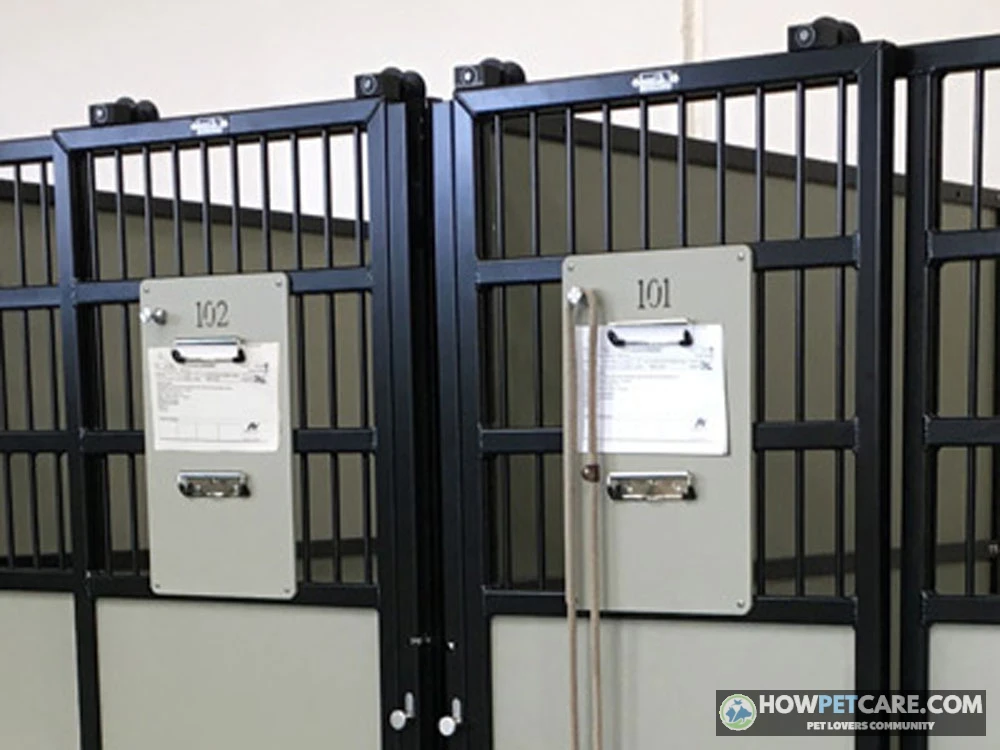
- Search USDA APHIS Licensing Records: Under the federal Animal Welfare Act administered by the United States Department of Agriculture (USDA) Animal and Plant Health Inspection Service (APHIS), breeders with more than four breeding females who sell puppies sight-unseen via phone, internet, or shipping brokers are classified as commercial breeding facilities and must hold a federal license. Search the USDA APHIS Animal Care Public Search Tool by business name, licensee name, or state. Non-profit advocacy databases like Bailing Out Benji track more than 5,000 licensed facilities [#N] and compile historical USDA inspection reports detailing animal welfare infractions. Multiple citations for poor veterinary care, unsafe wire housing, or severe sanitation issues should disqualify a breeder immediately.
- Apply the Small Hobby Breeder Exemption: A preservation hobby breeder with two or three breeding females who sells puppies directly to buyers during in-person meetings is legally exempt from federal USDA licensing. It’s standard for small, ethical hobby breeders not to have a USDA license; a commercial USDA license indicates high-volume commercial breeding rather than small-scale preservation breeding.
- Check State and Municipal Kennel Licenses: Many states, such as Pennsylvania, Ohio, Missouri, and Indiana, have commercial kennel licensing divisions within their departments of agriculture. Municipal and county codes also frequently require kennel permits for properties housing more than a set number of intact adult dogs. Search your state’s Department of Agriculture licensee portal for kennel inspection reports.
What to do when records don’t match
If a breeder claims the pair has passing OFA or genetic certifications but your independent search finds no records under their official registered names:
- Ask the breeder for direct links to the dogs’ OFA profiles or clear digital PDF copies of the official OFA and diagnostic laboratory certificates.
- Cross-reference the alphanumeric tattoo, microchip, or registry numbers on the certificates against the dog’s microchip documentation.
- If the breeder makes excuses, such as "the database hasn’t updated," "the vet kept the paperwork," or "my lines are clean so we don’t need tests," remove that candidate from your shortlist immediately. Ethical breeders are proud of their dogs’ health clearances and provide proof without hesitation.
Questions to Ask a Dog Breeder and What a Good Breeder Will Ask You
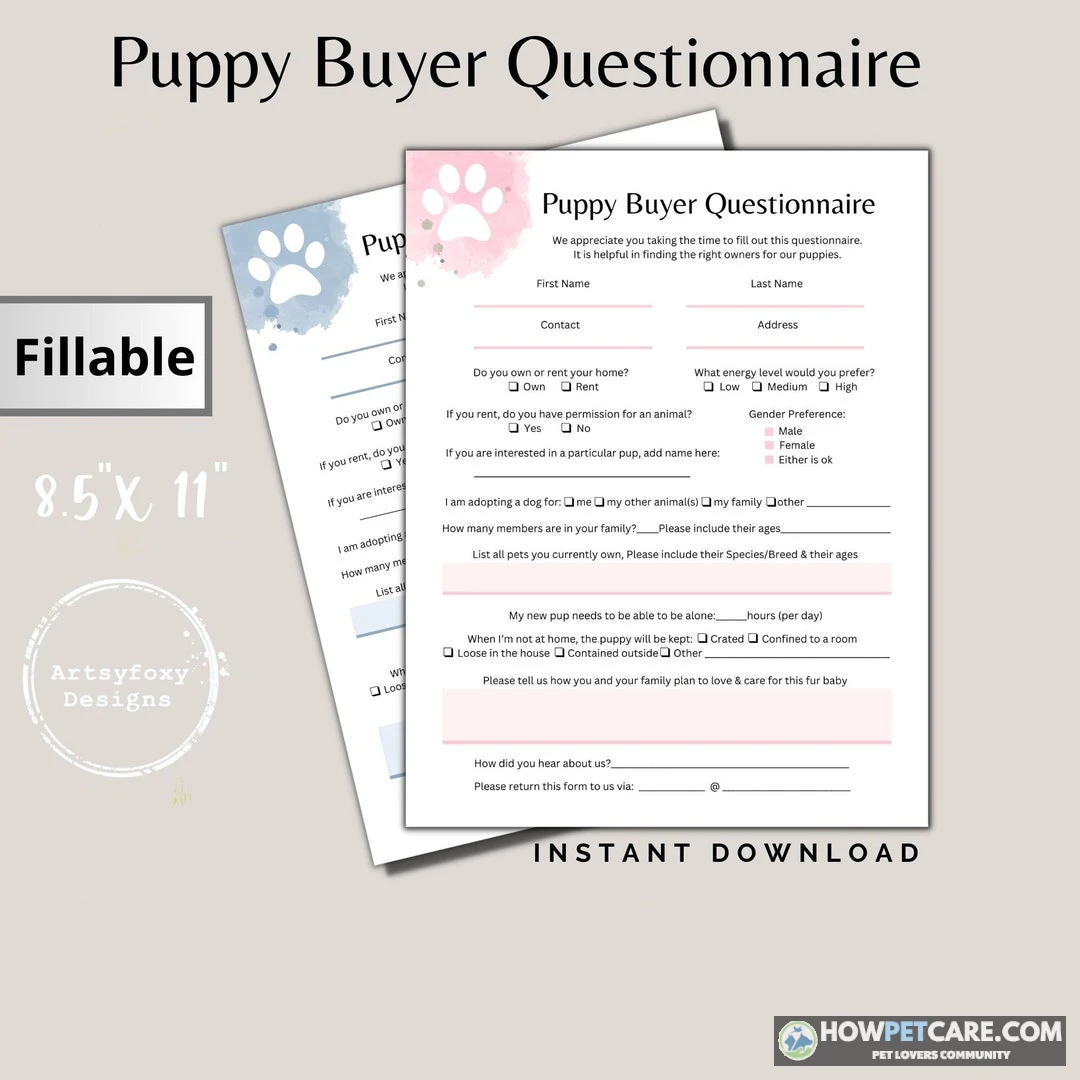
A breeder interview should be an open, two-way conversation. As you assess the breeder’s ethics, facility, and lineage, expect an ethical breeder to screen you thoroughly to make sure their puppy will thrive in your home.
Questions about the parents and health testing
Ask about medical and developmental history you can verify:
- "Which specific health clearances recommended by the parent club have the dam and sire passed?"
- Acceptable answer: "Both parents hold passing OFA clearances for hips, elbows, eyes, and heart. Here are their registered names and OFA certificate numbers to verify in the registry."
- Unacceptable answer: "Our vet gave them a thorough checkup and said they’re in perfect health. We don’t need expensive tests because our bloodlines have never had issues."
- "How old are the dam and sire, and how many litters has the dam produced?"
- Acceptable answer: "The dam is three and a half years old. We waited until she completed her final OFA screenings at age two before her first litter. This is her second and final planned litter before retirement."
- Unacceptable answer: "She just turned eighteen months old. She’s such a natural mother that we breed her every heat cycle."
- "Why did you select this specific pairing?"
- Acceptable answer: "The sire complements the dam’s structural front assembly and brings exceptional biddability and focus to balance her high drive, aligning directly with our parent club’s breed standard."
- Unacceptable answer: "Our neighbor owns a handsome male of the same breed, so it was convenient."
Questions about the litter and puppy raising
Ask about daily development, medical milestones, and socialization:
- "What specific puppy-raising and socialization protocol do you implement?"
- Acceptable answer: "We follow a structured program incorporating Early Neurological Stimulation (ENS) from days 3 through 16, followed by exposure to varied textures, gentle handling, crate introductions, and household sounds."
- Unacceptable answer: "They stay with their mother in the garage until they are ready to go home."
- "What veterinary care will the litter receive before placement, and what documentation is provided?"
- Acceptable answer: "Puppies will be dewormed on a bi-weekly schedule, receive their initial core vaccinations administered by our veterinarian, undergo microchipping, and leave with complete veterinary clinical records."
- Unacceptable answer: "I give the vaccinations myself with supplies purchased at the farm feed store; you can do the rest later."
What a good breeder will ask you
A breeder who asks no questions is selling a retail product, not placing a living companion. Be ready for direct, detailed questions about your lifestyle:
- What is your daily work schedule, and how many hours will the puppy spend alone?
- Do you own or rent your residence? If renting, does your lease explicitly permit this specific breed and mature weight?
- Do you have a securely fenced yard, and what are the perimeter dimensions and fencing materials?
- What prior experience do you have with the working drives, grooming needs, and exercise requirements of this specific breed?
- Which veterinary practice and positive-reinforcement training facility do you plan to use?
- What arrangements will you make for the dog if you travel or experience a sudden medical emergency?
Don’t take an exhaustive application or detailed lifestyle questions personally. Thorough screening shows that the breeder cares about the puppies’ lifelong welfare and works to prevent them from ending up in rescue facilities.
From application to pickup day: a realistic timeline
An ethical breeding program follows a structured process over several months:
Phase 1: Research & Application (Weeks 1–4)
  │   Submit detailed lifestyle profile, veterinary references, and home environment details.
  ▼
Phase 2: Comprehensive Interview & Waitlist Placement (Months 1–3)
  │   Two-way phone/video conference; advance waitlist deposit placed upon mutual approval.
  ▼
Phase 3: Breeding & Pregnancy Confirmation (Months 3–6)
  │   Dam is bred; pregnancy confirmed via ultrasound at ~30 days; gestation spans ~63 days.
  ▼
Phase 4: Whelping & Early Development (Weeks 0–6 Post-Birth)
  │   Litter born; early neurological stimulation and socialization begin; regular updates shared.
  ▼
Phase 5: Evaluation & Temperament Testing (Weeks 7–8)
  │   Structural conformation assessments and standardized temperament testing (e.g., Volhard) performed.
  ▼
Phase 6: Final Matching & In-Person Pickup (Weeks 8–12)
      Breeder matches puppy to buyer lifestyle; contract signed; medical/microchip records transferred.
What a Puppy From a Reputable Breeder Costs, and What the Contract and Health Guarantee Should Say
A purpose-bred puppy from fully health-tested lineage is a significant investment, reflecting the cost of responsible breeding.
Typical price and deposit ranges
Market benchmarks can help you recognize scams and sub-standard breeding programs. Prices for purebred puppies from verified, health-tested parents vary by breed size, geographic region, and reproductive complexity. Brachycephalic breeds like French Bulldogs, for example, often require surgical artificial insemination and planned cesarean deliveries, which increase expenses.
| Breed Group | Typical Price Range (USD) | Typical Deposit | Typical Wait Time | Price Warning Sign |
|---|---|---|---|---|
| Sporting Group (e.g., Labrador Retriever, Golden Retriever) | $1,500–$3,000 | $300–$500 (10–20%) | 3–9 months | Under $800 with "papers" |
| Toy / Companion Group (e.g., Cavalier King Charles Spaniel, Havanese) | $2,000–$4,000 | $300–$500 | 6–12+ months | Under $1,000; "always in stock" |
| French Bulldog / Specialized Brachycephalic Lines | $3,000–$6,000 | $500–$1,000 | 3–12 months | Premium charged for non-standard "rare" colors without health tests |
| Herding Group (e.g., Border Collie, Australian Shepherd) | $1,000–$2,500 | $200–$400 | 3–6 months | Classified farm ads under $500 with zero joint or eye clearances |
| Working & Giant Group (e.g., Bernese Mountain Dog, German Shepherd) | $2,000–$4,500 | $300–$600 | 6–12 months | Cheap giant breeds; orthopedic testing is expensive and non-negotiable |
| Hound Group (e.g., Beagle, Dachshund) | $800–$2,500 | $200–$400 | 2–6 months | "Teacup" or extreme miniaturization marketed at high prices |
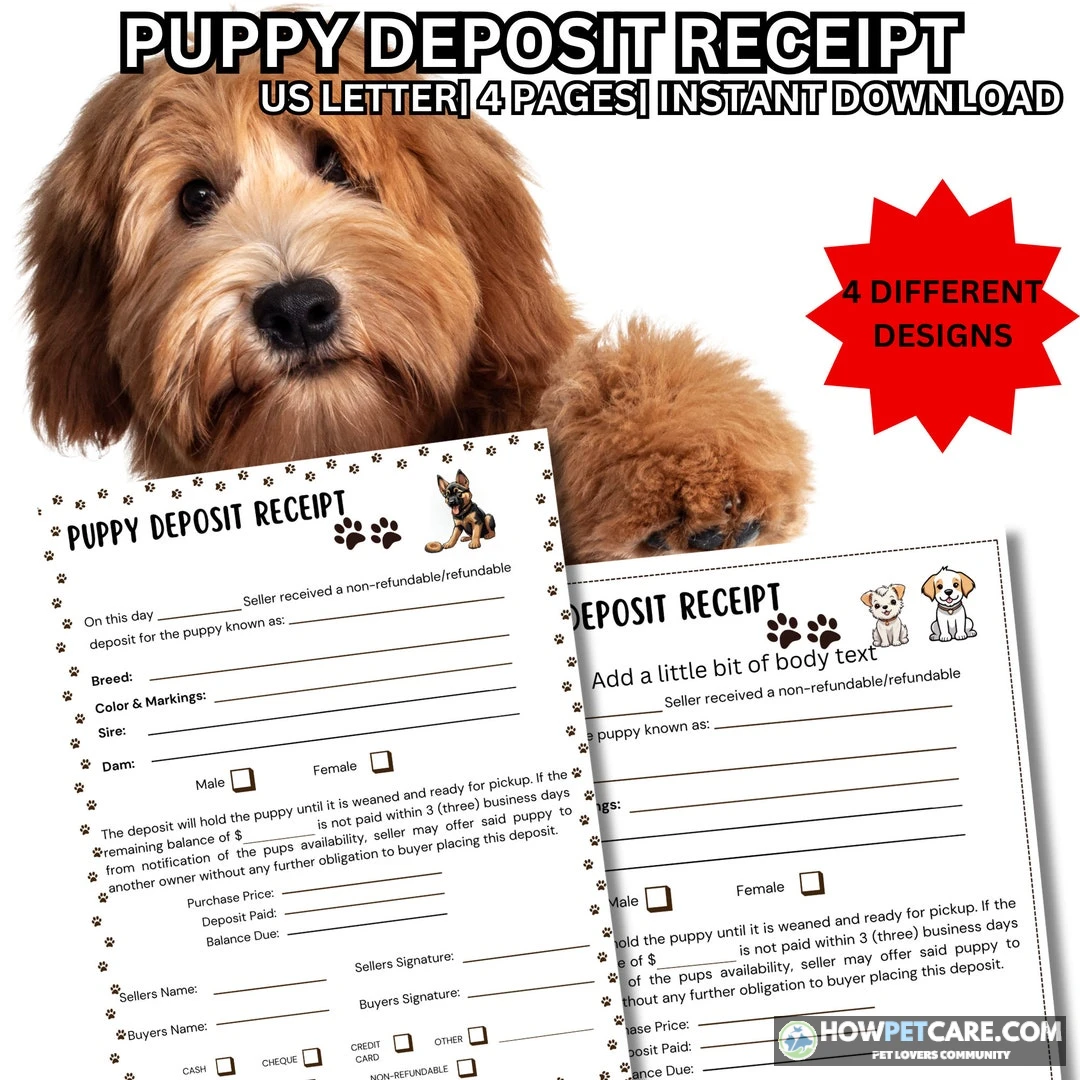
A standard reservation deposit ranges between 10% and 25% of the total purchase price. Always get a written receipt stating whether the deposit is refundable and what happens if a pregnancy fails or a litter doesn’t produce a puppy suited to your lifestyle. A demand for full payment before a litter is born or evaluated is a major warning sign.
Reading the purchase contract clause by clause
Don’t purchase a puppy without a comprehensive written contract signed by both parties. An ethical contract includes these protections:
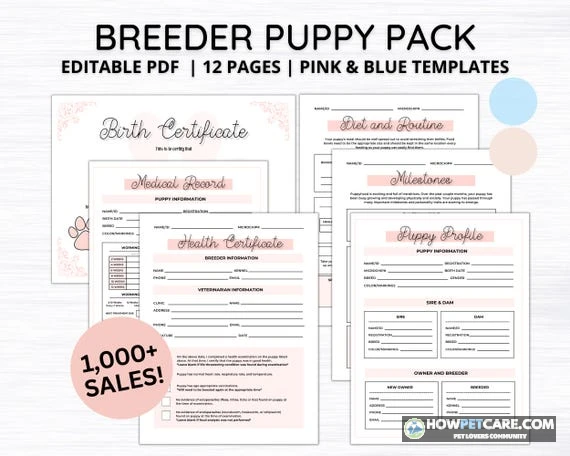
- Full Legal Identification: Identifies the buyer and seller, their physical addresses, the puppy’s individual microchip number, whelping date, sex, breed, and the registered names and registration numbers of both parents.
- Registration Classification: Specifies whether the puppy is sold with Full Registration or Limited Registration. Responsible breeders place companion puppies on AKC Limited Registration. This permits participation in all performance, obedience, and agility events, but ensures that any offspring produced by the dog cannot be registered, helping prevent casual breeding.
- Spay/Neuter Provisions: Sets out clear reproductive requirements. Modern veterinary science highlights orthopedic and endocrine benefits to allowing large and giant breeds to reach physical maturity before gonadectomy. Ethical contracts specify age-appropriate spay/neuter windows (e.g., between 12 and 24 months) rather than demanding pediatric alterations at eight weeks.
- Veterinary Examination Window: Gives the buyer a defined window, typically 48 to 72 hours post-pickup, to have the puppy examined by an independent licensed veterinarian. If the veterinarian finds a pre-existing medical issue, the contract permits returning the puppy for a full refund.
- Non-Negotiable Lifetime Take-Back Clause: This is the centerpiece of an ethical contract. The breeder guarantees that if the buyer can’t keep the dog at any point in its life, it must be returned to the breeder. Ethical breeders ensure their dogs never burden public shelters or rescues.
What a genetic health guarantee covers
A legitimate health guarantee protects buyers against severe inherited defects that compromise quality of life, such as severe hip dysplasia, congenital cardiac abnormalities, or juvenile blindness.
Reputable breeders provide a two-year genetic health guarantee, since major orthopedic conditions cannot be officially diagnosed by the OFA until 24 months of age. Watch for clauses requiring the buyer to return the original dog before receiving a replacement. Families bond deeply with their companion animals and won’t abandon a sick dog to a breeder. Fair guarantees offer remedies such as covering necessary veterinary care up to the purchase price or providing a replacement puppy from a future litter without demanding surrender of the affected dog.
Documents you should receive at pickup
When you take custody of your puppy at eight weeks of age or older, make sure you receive the following:
- Counter-signed original purchase contract and genetic health guarantee.
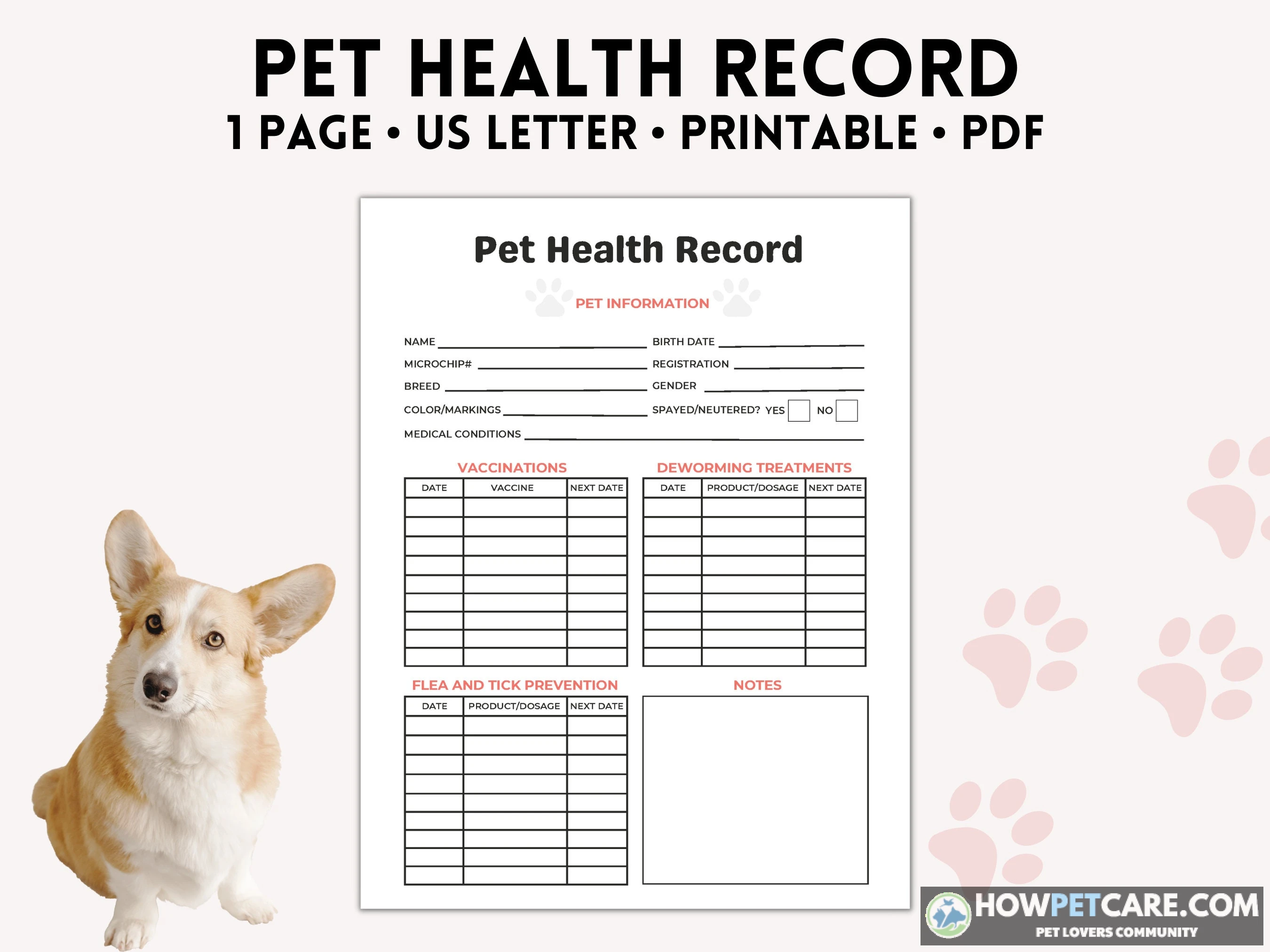
- Official clinical vaccination and deworming record signed by a licensed veterinarian.
- ISO-standard 15-digit microchip registration paperwork and transfer instructions.
- Official kennel club litter registration application or individual registration certificate.
- Verified multi-generational pedigree chart detailing ancestral titles.
- Clear photocopies of official OFA and diagnostic laboratory health test clearances for both parents.
- Detailed dietary transition instructions and feeding schedules.
How to Spot Online Breeder Scams, Fake Websites and Puppy Brokers Before You Send Money
Online pet scams can be sophisticated, organized operations. Fraudulent networks take genuine photos from preservation breeders’ social feeds, build modern websites, and run deceptive ads aimed at eager buyers.
Fake breeder website checklist
Check any breeder website for these signs:
- Domain Registration History: Use a free public WHOIS lookup service to check the website’s creation date. Scammers often launch new domains that have been active for only a few weeks or months. Be wary of a site registered within the past year that claims decades of breeding experience.
- Reverse Image Searches: Download puppy and parent images from the site and run them through reverse image search engines (e.g., Google Images). If the identical puppy photo appears on multiple active websites across different states or on international platforms, the site is fraudulent.
- Language and Content Audits: Look for generic, copy-pasted testimonials that don’t name specific people or locations. Statements like "We love our puppy so much, thank you lovely breeder" without verifiable details are common on fraudulent sites.
- Contact Transparency: Confirm that the site provides a verifiable physical address and landline telephone number. Exercise caution if it lists only an unlinked contact form, automated web-chat system, or free generic email address.
Scam message and listing language
These examples show common scam patterns and why they warrant scrutiny:
"AKC Registered Golden Retriever Puppies — $650 — SHIPPED ANYWHERE IN THE US!"
Why it’s flagged: The $650 asking price is far below the $1,500–$3,000 benchmark for health-screened retrievers. Unrestricted nationwide delivery points to either a high-volume broker or an outright scam in which no puppy exists.
"Only 2 left — deposit today to hold yours! We accept Zelle, Venmo, CashApp, or Apple gift cards."
Why it’s flagged: The seller combines pressure to skip vetting with untraceable, non-refundable peer-to-peer payment methods. Ethical breeders never accept retail gift cards for transactions.
"Our puppies come with a complete health certificate and shots. Parents are healthy family pets."
Why it’s flagged: An entry-level "health certificate" confirms only that a puppy had a basic veterinary check before transport; it doesn’t replace parent-club genetic and orthopedic health clearances. Calling breeding stock "healthy family pets" avoids providing verified OFA or CHIC numbers.
"Due to strict bio-security safety protocols, we do not permit home visits, but our private courier will deliver the puppy directly to your home."
Why it’s flagged: Refusing to show the living environment is an immediate red flag. Scammers use this excuse because they have no animals; commercial mills use it to hide poor conditions. A live interactive video call showing the puppy and mother is the minimum acceptable alternative.
"Payment complete. Now you must wire an additional $250 refundable transport insurance fee for the climate-controlled electronic crate before dispatch."
Why it’s flagged: This is a classic extortion tactic. After a buyer pays a deposit, scammers invent follow-up fees for temperature-controlled crates, airport quarantine clearances, or special insurance policies, counting on the buyer’s sunk-cost commitment.
Safe payment practices
Protect your money with careful payment practices. Don’t send deposits or payments by wire transfer, peer-to-peer mobile apps without merchant purchase protection (such as standard personal Zelle or CashApp), or retail gift cards. Use credit cards with consumer fraud protection or commercial invoicing systems that document specific service terms. The name on the invoice must match the breeder’s registered legal identity and contract paperwork.
If you encounter a fraudulent pet listing, report it to the Federal Trade Commission (FTC), the Better Business Bureau (BBB) Scam Tracker, your state Attorney General’s Consumer Protection Division, and the FBI’s Internet Crime Complaint Center (IC3).
Your Pre-Purchase Checklist: Facility Visit, Video Call and When to Walk Away
Your final evaluation should include the physical environment where the puppies are raised. Don’t finalize a purchase without an on-site visit or, for long-distance adoptions, an interactive live video inspection.
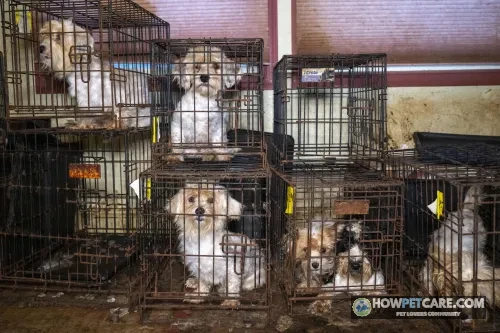
Printable facility visit checklist
Print this checklist and bring it to your visit. Mark each item pass or fail:
INSPECT (Physical Observations)
- ☐ Puppies are housed inside the primary residential home, directly exposed to typical domestic sounds, sights, and activity.
- ☐ Whelping and puppy-pen areas are clean, well-ventilated, dry, and sanitary.
- ☐ The mother dog (dam) is on site, physically sound, comfortable around the breeder, and accessible for direct evaluation.
- ☐ Puppies are energetic, clean, alert, and maintain healthy body weight without distended, pot-bellied abdomens.
- ☐ No observable signs of infectious illness: no nasal discharge, crusty eyes, coughing, skin lesions, or loose stool.
- ☐ The breeder maintains a manageable scale on the premises, without dozens of barking dogs housed in separate commercial kennel buildings.
PHOTOGRAPH (Document with Permission)
- ☐ The primary puppy whelping, feeding, and enrichment spaces.
- ☐ The dam resting calmly alongside her litter.
- ☐ Physical laboratory health certificates, pedigree folders, or performance awards.
- ☐ The specific puppy under consideration, alongside a handwritten date for your records.
ASK (Immediate Verbal Inquiries)
- ☐ "May I handle the dam and observe her response to unfamiliar visitors?"
- ☐ "What specific early enrichment steps have these puppies experienced this week?"
- ☐ "Which local veterinary hospital provides clinical care for this litter?"
- ☐ "What is your policy if an independent veterinary exam reveals an unexpected medical issue within 72 hours?"
- ☐ "Under what circumstances would you refuse to accept this dog back in the future?" (The only acceptable answer is none).
COLLECT (Documents Required at Handover)
- ☐ Original signed purchase contract including detailed lifetime take-back terms.
- ☐ Complete clinical veterinary records with batch stickers for all administered vaccinations.
- ☐ Microchip registration certificate with unique identification digits.
- ☐ Official kennel club registration certificate or completed litter application form.
- ☐ Complete copies of passing OFA joint, cardiac, and ocular certifications for both parents.
- ☐ Written dietary, feeding, and transitional care guidelines.
Video-call vetting for out-of-town breeders
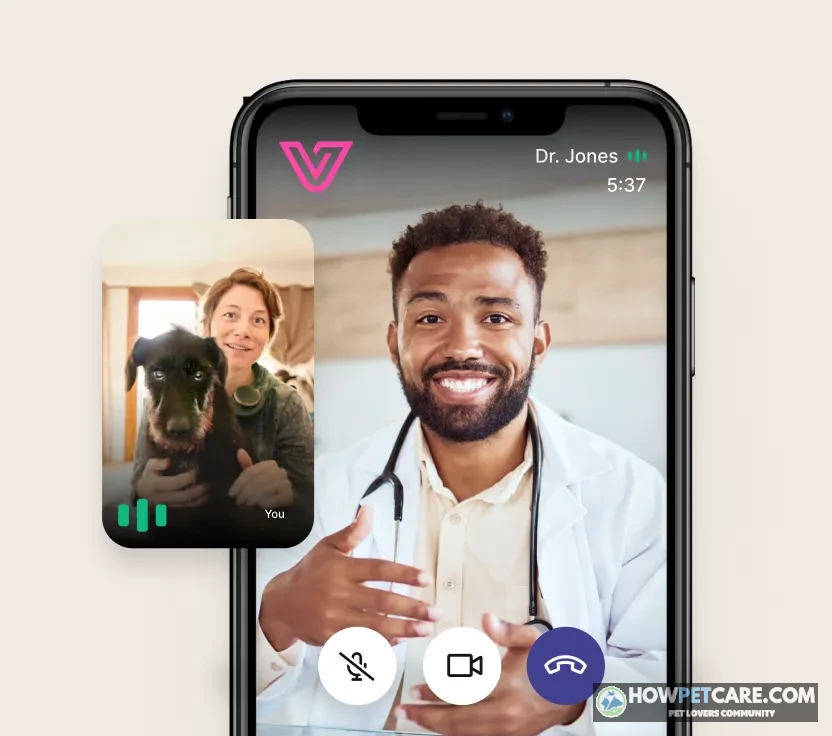
If distance prevents an in-person visit, arrange an interactive video call via FaceTime, Zoom, or Google Meet. Don’t accept pre-recorded videos. During the live call:
- Ask the breeder to introduce the dam and show the full litter nursing or playing naturally in their daily living area.
- Ask the breeder to place a handwritten piece of paper bearing your name and the current date in the camera frame next to the puppy.
- Ask the breeder to pan around the room so you can see its cleanliness, enrichment toys, and household environment.
- Review the parent dogs’ registered names and health certifications together in real time.
Commit or walk away: a decision rule
Base your decision on evidence, not emotional attachment. If a breeder fails any of the following non-negotiable points, walk away immediately, even if you’ve already invested time or paid an advance deposit:
Leave the transaction immediately if the breeder: (1) cannot provide verifiable, passing OFA or DNA health clearances for both parents; (2) refuses to let you see the dam or the home raising environment; (3) pressures you to make an immediate payment decision; (4) refuses to provide a written contract with a lifetime take-back clause; or (5) attempts to release a puppy before it reaches eight full weeks of age.
If you decline a purchase, state your decision clearly: "Thank you for speaking with me about your litter. After reviewing parent-club health testing recommendations, I have decided to work only with a program that provides full, verifiable OFA and genetic clearances on both parents. I will not be proceeding with this adoption." If the seller violated the conditions of a deposit, such as by failing to provide promised health certificates, request a refund in writing. If they refuse, dispute the charge through your credit card provider.
To move forward, identify two to three candidate breeders through your national parent club’s referral network. Run each through the five-minute verification circuit, examine their contract terms, and inspect the whelping environment. Sign an agreement only after you’ve verified the health and safety terms.
 You might be wonderingHow to make a dog throw up?How to Make a Dog Throw Up: Peroxide Dose & When Not ToRead the answer
FAQ
Does AKC registration mean a breeder is reputable?
No. AKC registration only confirms that a puppy’s parents are registered with the AKC. It does not confirm health testing, good breeding practices or how the puppies were raised, so you still need to check OFA results, the contract and the breeder’s references.
Does a reputable breeder need a USDA license?
Not always. Under the Animal Welfare Act, breeders with more than four breeding females who sell puppies sight-unseen (online, by phone or by mail) generally need a USDA license. Small breeders who sell only in person are typically exempt, but may still need state or local licenses.
Is it a red flag if a breeder always has puppies available?
Usually, yes. Responsible breeders plan a limited number of litters, so they tend to keep waitlists. Constant availability, especially across several breeds, suggests volume breeding or a broker.
What is limited registration and why do breeders use it?
Limited registration lets a puppy be registered but prevents its offspring from being registered. Reputable breeders often use it for pet-quality puppies to keep them out of breeding programs.
Is it safe to buy a puppy that is shipped to me without a visit?
It carries higher risk, and shipping is the most common route for scams. If distance makes a visit impossible, require a live video call with the puppy and its parents, a signed contract, and verification through a breed club or vet reference. Never pay by gift card, wire transfer or crypto.