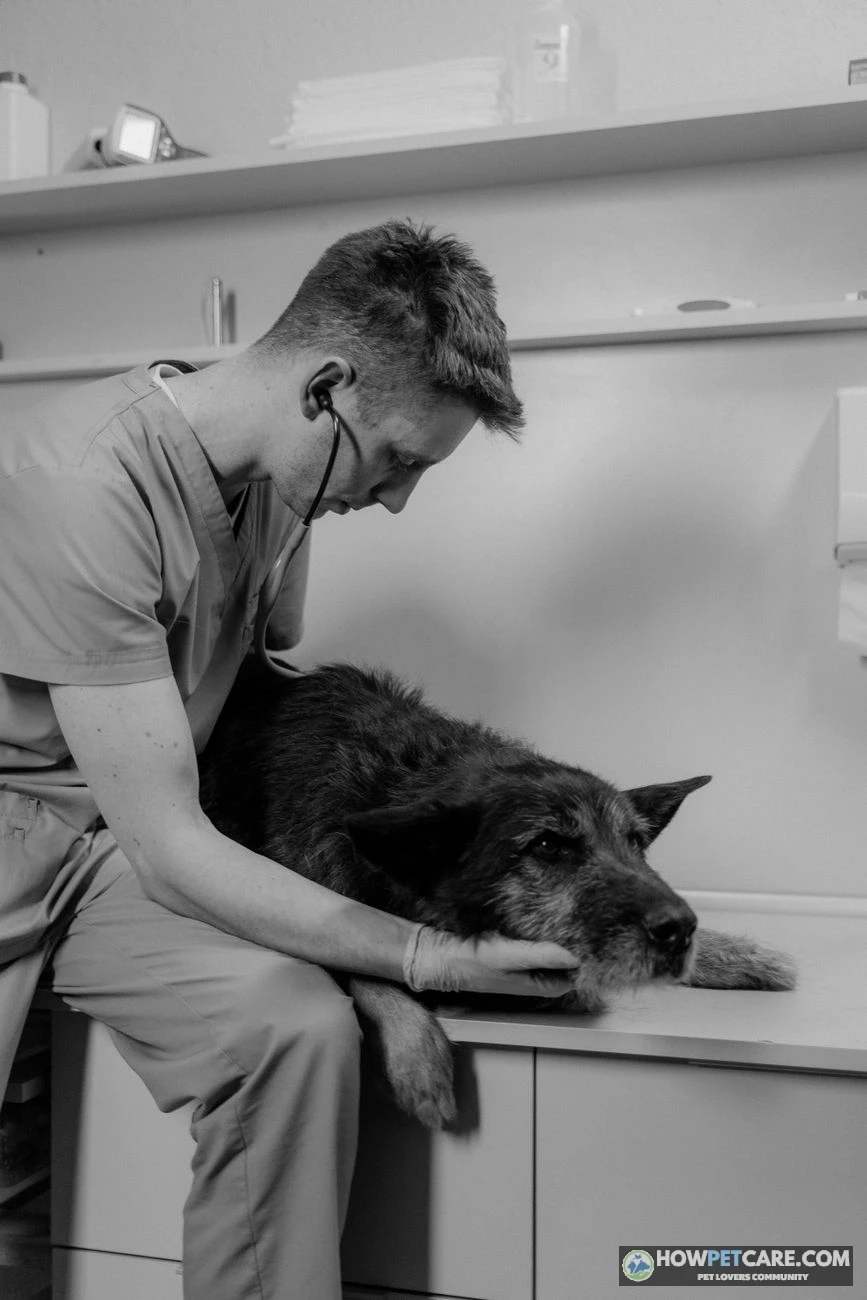

The best animal career depends on the education you can invest in and how much hands-on contact you want:
| Career path | Typical education | Hands-on contact |
|---|---|---|
| Veterinarian | Veterinary degree + state license | High |
| Veterinary technician | Accredited associate degree + state credential | High |
| Kennel attendant or shelter caretaker | Often no degree; employer training | High |
| Dog trainer or groomer | Training or apprenticeship; certification optional | High |
| Wildlife or marine biologist | Bachelor’s, often graduate degree | Low to medium |
| Pet-tech or nonprofit support role | Varies; uses existing skills | Low |
Working with animals might mean treating patients in a veterinary clinic, caring for pets at a shelter, training dogs, monitoring wildlife, or supporting an animal-focused business. Some jobs require a professional degree and state license; others provide on-the-job training without a college degree. Your starting point depends on how much animal contact you want, how soon you need income, and what you can invest in training.
Animal Careers at a Glance: Pay, Education Required, and Hands-On Contact
The comparison below distinguishes direct animal care from work that may involve more research, administration, or customer service. The U.S. Bureau of Labor Statistics (BLS) publishes wage and outlook information for many animal occupations, though it doesn’t report a separate median for every job title.
Pay-data limitation: The source material for this guide doesn’t establish the most recent BLS median wages or projections. Rather than present older or unverified figures as current, the table identifies the BLS occupational category to check. A category median covers workers across experience levels; it isn’t a starting salary or a guarantee for a particular title.
| Career | Median annual pay: BLS category to check | Job outlook | Minimum education or credential | Hands-on animal contact | Best for |
|---|---|---|---|---|---|
| Veterinarian | Veterinarians; verify latest BLS median | Check current BLS projection | Veterinary degree and state license | High | Medical decisions and advanced study |
| Zoologist or wildlife biologist | Zoologists and wildlife biologists; verify latest BLS median | Check current BLS projection | Bachelor’s for many entry roles; advanced study for some research | Medium | Research and conservation |
| Veterinary technician | Veterinary technologists and technicians; verify latest BLS median | Check current BLS projection | Usually an accredited associate degree and state credential | High | Clinical work without veterinary school |
| Animal control officer | Animal control workers; verify latest BLS wage data | Check state and local hiring | High school diploma often expected; local training or certification may apply | High | Public safety and animal welfare |
| Dog trainer | Animal trainers; verify latest BLS median | Check current BLS projection | No universal degree or license; experience and optional certification help | High | Teaching animals and their people |
| Veterinary assistant | Veterinary assistants and laboratory animal caretakers; verify latest BLS median | Check current BLS projection | Often a high school diploma and on-the-job training | High | An entry-level clinical role |
| Kennel or shelter caretaker | Animal caretakers; verify latest BLS median | Check current BLS projection | Often no college degree; employer training | High | A practical care-focused start |
| Pet sitter or dog walker | Animal caretakers may provide context, but may not represent self-employed earnings | Check local demand | No universal degree; business requirements vary | High | Flexible schedules |
| Groomer | Animal caretakers may provide context; groomer-specific earnings vary | Check local demand | Employer training, grooming school, or apprenticeship | High | A hands-on trade |
| Zookeeper | Animal caretakers may provide context; zoo-specific pay varies | Check individual facilities | Requirements vary; many employers prefer relevant education and experience | High | Structured care of zoo animals |
| Marine biologist | Zoologists and wildlife biologists may be a relevant comparison, depending on duties | Check current BLS projection and specialty | Usually a bachelor’s; advanced degrees for some research | Low to medium | Marine science and field research |
| Wildlife rehabilitator | No dependable separate BLS median identified here | Paid openings vary by organization | Applicable permits; supervised training is valuable | High | Direct wildlife care |
| Farrier | No dependable separate BLS median identified here | Check local equine demand | Training or apprenticeship; requirements vary | High | Equine hoof care and independent work |
| Conservation field technician | Relevant BLS category depends on duties | Often project- or season-dependent | Varies from field training to college coursework or a degree | Low to high | Outdoor monitoring and fieldwork |
| Pet-tech support or content specialist | Use the BLS category for the actual support, writing, or product role | Depends on the underlying occupation | Varies by role | Low | Applying transferable skills to animal-related work |
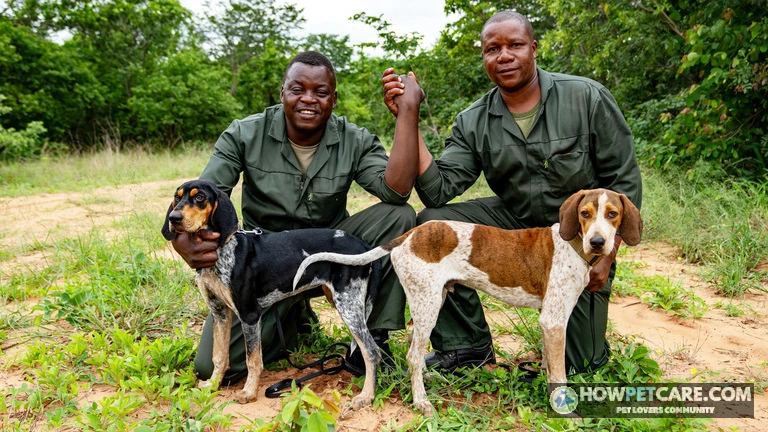
Contact levels describe a typical role, not every shift. A wildlife biologist may spend considerable time analyzing data, while a shelter caretaker may spend much of the day cleaning as well as handling animals. To compare opportunities locally, check the BLS Occupational Outlook Handbook and its Occupational Employment and Wage Statistics state and metro data. Then compare posted wages for the employers and schedules you’re considering.
Need paid work soon? Investigate kennel attendant, shelter caretaker, and veterinary assistant openings. For flexibility, consider pet sitting or relief shifts. If you can invest in formal education and want clinical responsibility, explore veterinary technology. If you already have a degree or field experience, compare zoo, wildlife, and conservation roles by reading their job descriptions closely.
Jobs Involving Animals, Grouped by Type of Work
An animal career is an occupation centered on animals or their care, health, behavior, or conservation. Direct contact isn’t guaranteed: some animal-related jobs primarily involve people, records, equipment, or data. The field extends well beyond veterinary medicine to include care, training, conservation, and other sectors.
Clinical and Medical Roles
A veterinarian examines animals, diagnoses illness, recommends treatment, performs procedures within their scope of practice, and communicates with owners or caretakers. The work requires extensive education and carries substantial responsibility for medical decisions.
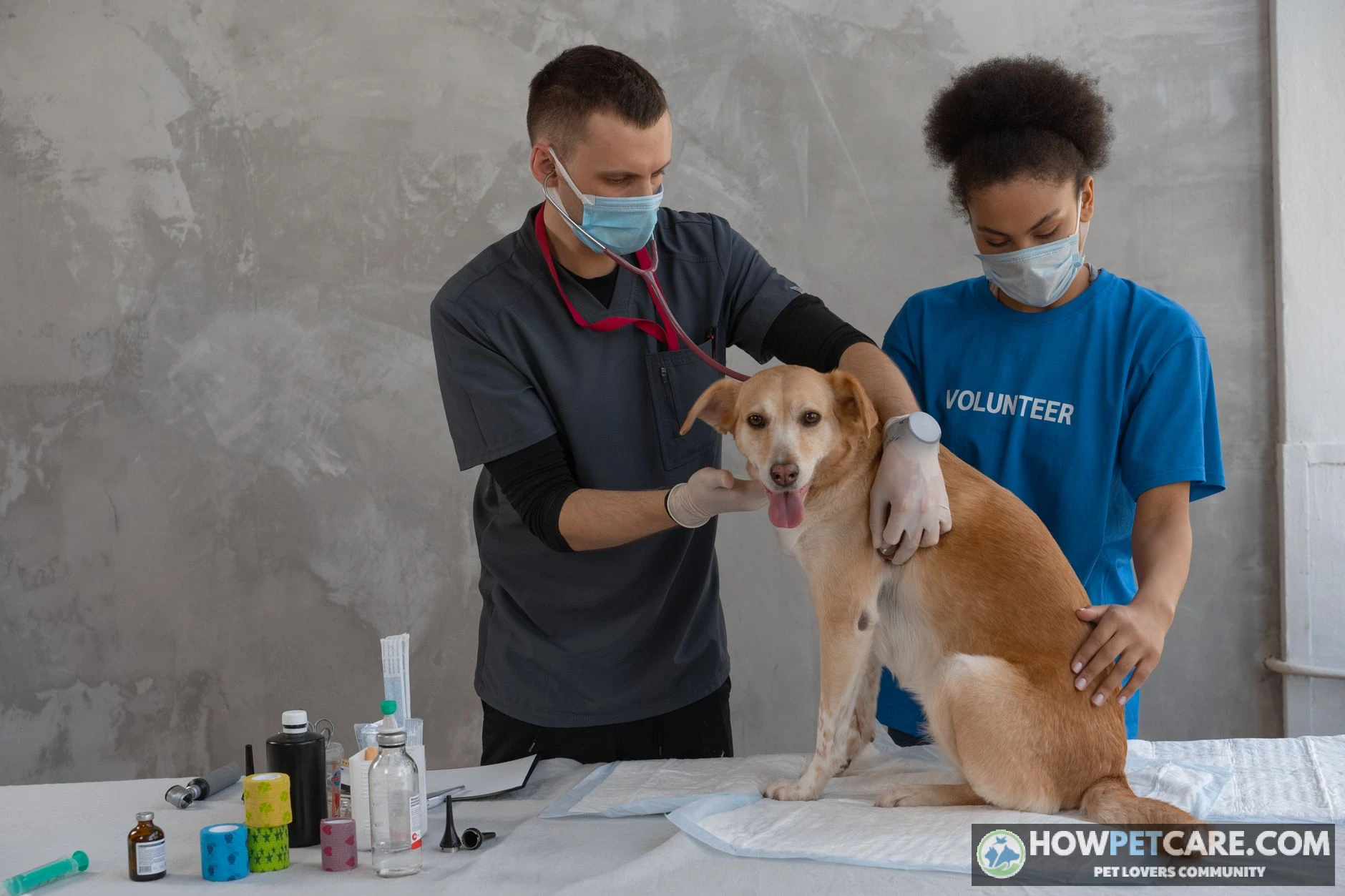
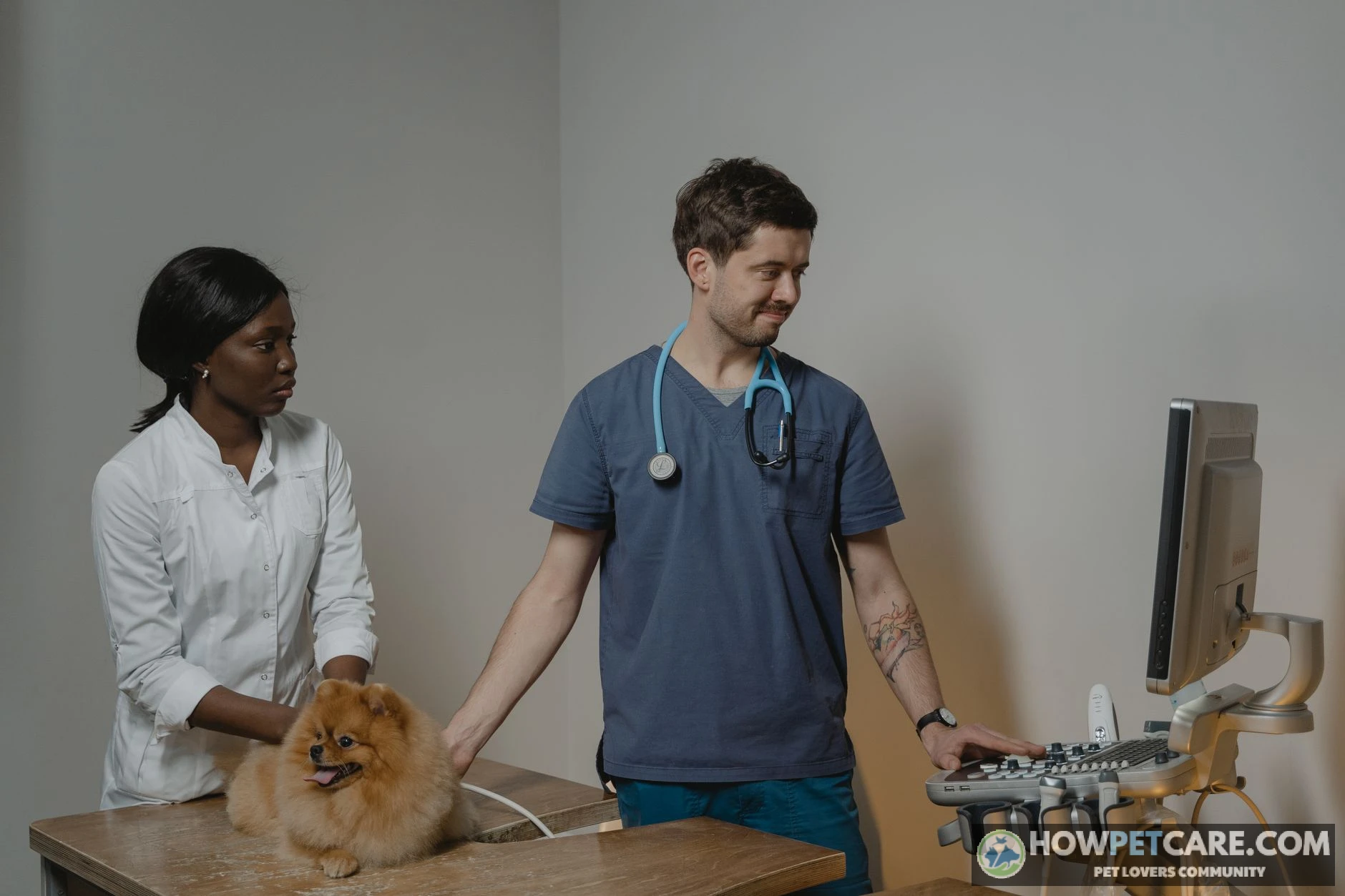
For day-to-day veterinary technician duties, a veterinary technician supports veterinary care by collecting samples, assisting with procedures, and monitoring patients, among other duties. Allowed duties and supervision rules depend on state law. A veterinary assistant helps the team with animal care, cleaning, restraint, and other tasks assigned under the practice’s supervision. Working as an assistant can be a useful way to try clinic work before committing to a technician program.
Care, Shelter, and Rescue Roles
A kennel attendant or shelter caretaker feeds animals, cleans housing, observes behavior and health, and follows handling procedures. A rescue coordinator may arrange foster placements and transport while managing records and communicating with adopters; the title doesn’t necessarily mean constant hands-on rescue work. Pet sitters and dog walkers care for clients’ animals in homes or during visits. They also manage schedules, safety, and customer expectations.
Public safety offers another route. An animal control officer may respond to reports, contain loose animals, investigate welfare concerns, and document incidents. Humane law enforcement authority varies by jurisdiction; an animal control job doesn’t automatically carry police powers.

Training and Behavior Roles
A dog trainer teaches practical skills and helps owners practice them. For anyone drawn to working with dogs professionally, the job involves coaching people as much as handling dogs. An animal behaviorist studies or addresses behavior using advanced training appropriate to the role; the title alone doesn’t establish a person’s qualifications. A veterinary behaviorist is a veterinarian with additional specialty training, not simply a dog trainer with a different title.
Wildlife, Zoo, and Marine Roles
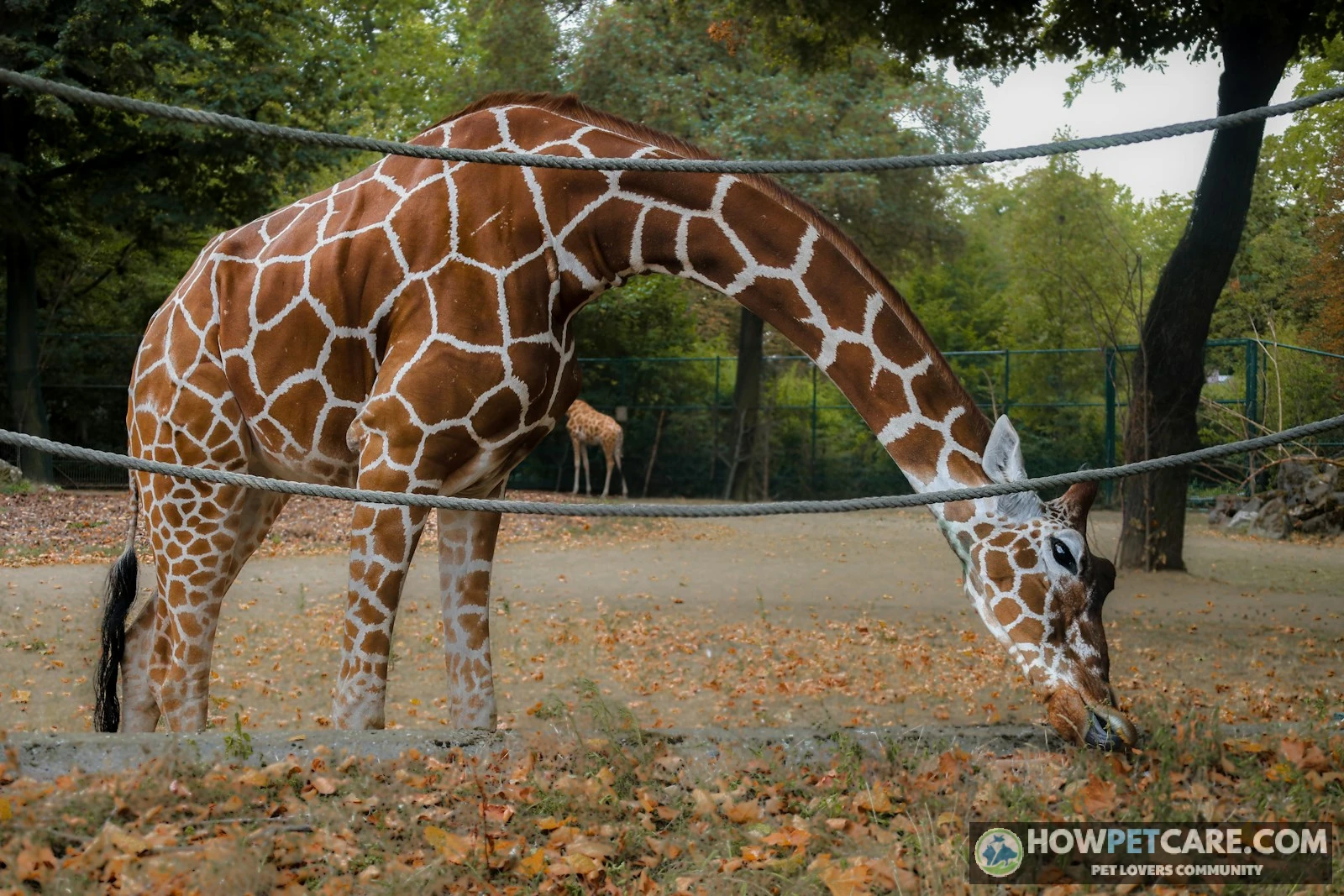
A zookeeper prepares diets, maintains habitats, observes animals, keeps records, and participates in enrichment and training. A wildlife rehabilitator cares for injured or orphaned wild animals, with the goal of appropriate release when possible; permits and supervision rules matter. A marine biologist may conduct surveys, analyze samples, or study habitats rather than handle marine mammals. Conservation technicians can support surveys, habitat restoration, or equipment maintenance.
These fields can be competitive, and paid wildlife rehabilitation positions may be limited. Before deciding whether a posting matches your goal, check how much it involves animal handling, field observation, laboratory work, or administrative support.
Salary and Job Outlook for Animal Careers: What Roles Actually Pay
Animal-care wages and opportunities vary by occupation, employer, location, experience, and hours. A national median is the midpoint for an occupation, not a prediction of what a beginner will earn. BLS publishes occupational wage and outlook data, including for several animal-care and veterinary roles.
For a useful comparison, check the publication and data year on each BLS profile, then look at the lower end of the wage distribution as well as the median. Search local postings for hourly rates, scheduled hours, benefits, and required experience. An hourly wage for occasional shifts isn’t the same as dependable full-time income.
Highest-Paying Animal Careers
Veterinary medicine offers a path to higher earnings, but it requires a veterinary degree and licensing. Compare the full cost of education, financing, and time out of the workforce with wages and working conditions where you intend to practice. Marine biology, zoology, and advanced animal behavior work can also require substantial education; don’t assume a specialist title automatically brings a high salary.
For veterinary technology, compare accredited program costs and credentialing expenses with local technician wages. For training or grooming, weigh education costs against local employee wages or, if you plan to work independently, revenue after equipment, insurance, travel, and other business expenses.
Lower-Paying Roles Worth Taking as Entry Points
Kennel, shelter, and veterinary assistant jobs can provide paid exposure to animal handling, sanitation, teamwork, and client service. They may also come with modest wages and physically demanding schedules. Treat one as a stepping stone only if the pay fits your budget and you’ve identified a plausible next move, such as lead caretaker, grooming trainee, or an accredited veterinary technology program.
Ask about guaranteed hours, overtime, benefits, training, and advancement as well as the posted wage. A higher hourly rate with unpredictable shifts may not meet your income needs.
Education, Certifications, and Licenses Required for Each Role
Requirements depend on the occupation and, for regulated work, the state or local jurisdiction. A certificate from a course isn’t necessarily a license to perform regulated duties.
- Veterinarian: Complete a veterinary degree and meet state licensing requirements. Specialty practice involves additional training and credentialing.
- Veterinary technician: Most states regulate technicians, though titles and requirements vary. An accredited veterinary technology program and the Veterinary Technician National Examination are common parts of the credentialing route; confirm the exact rules with your state veterinary board. An associate program commonly takes about two years of full-time study, though prerequisites and enrollment schedules can extend that time.
- Veterinary assistant, kennel attendant, or shelter caretaker: Employers commonly train new hires. Some ask for a high school diploma, relevant experience, or specific handling skills; a college degree isn’t universally required.
- Dog trainer: There is no universal U.S. degree or license requirement. Professional certification, such as the Certification Council for Professional Dog Trainers’ CPDT-KA, is optional and has eligibility requirements. Check those requirements before buying a course.
- Groomer or farrier: Training routes include employer programs, schools, and apprenticeships. Certification may show skills, but requirements and employer expectations vary; check local rules and insurance requirements if you plan to work independently.
- Wildlife rehabilitator: State permits are commonly required to possess and rehabilitate wildlife, and federal authorization may also be necessary for certain species. Work under an appropriately permitted rehabilitator while you learn the rules.
- Animal control officer: Hiring, academy training, certification, and enforcement authority depend on the jurisdiction. Read the city or county posting and applicable state requirements.
- Applied animal behaviorist or marine biologist: Advanced credentials and research roles can require graduate education. For an applied animal behavior certification, check the Animal Behavior Society’s current education and experience criteria rather than assuming every behavior-related certificate is equivalent.
For accredited veterinary technology programs, consult the American Veterinary Medical Association’s program listings. Before enrolling in any program, ask about total costs, accreditation where relevant, scheduling, and whether it meets your state’s credentialing requirements.
Jobs Working With Animals Without a Degree
Kennel work, shelter care, pet sitting, grooming, veterinary assisting, stable work, and dog training can offer routes without a college degree. That doesn’t mean every employer hires without experience, or that training is unnecessary. Safe animal handling is a skill, and some roles require substantial supervised practice.
The table distinguishes a role’s typical entry route from a guaranteed starting wage. Reliable, current starting-pay figures for these individual titles weren’t supplied; check local postings and the relevant BLS wage category before accepting an offer.
| Entry-level role | Experience needed | Typical starting pay | Part-time friendly? | Where to apply | Likely next role |
|---|---|---|---|---|---|
| Kennel attendant | Some employers train beginners | Verify local hourly offers; BLS animal caretakers provide context | Often | Boarding facilities, daycares, clinics | Lead attendant or veterinary assistant |
| Shelter caretaker | Beginner openings exist; handling experience helps | Verify shelter or municipal pay scale | Sometimes | Humane societies, SPCAs, municipal shelters | Adoption counselor or care-team lead |
| Veterinary assistant | Employer-dependent; some train beginners | Verify clinic offers; check BLS assistant wages | Sometimes | General and emergency veterinary practices | Lead assistant or veterinary technician after required education |
| Pet sitter or dog walker | References and animal-handling skills help | No reliable universal starting rate; compare local offers and expenses | Often | Pet-care companies or your own local client network | Experienced sitter or business owner |
| Grooming bather or trainee | Some salons train beginners | Verify employee wage and any training terms | Sometimes | Grooming salons and pet-care employers | Groomer after supervised training |
| Stable hand | Some employers teach basics; horse experience may be preferred | Verify wage, hours, and any lodging arrangements | Sometimes | Barns, equestrian centers, farms | Barn lead or specialized equine work |
| Trainer’s assistant | Requirements vary; mentorship is valuable | Verify employee wage and paid training terms | Sometimes | Training schools and pet-care employers | Dog trainer after supervised practice |
| Conservation field crew member | Varies by project; some introductory roles train | Verify posted seasonal wage and hours | Often seasonal rather than part-time | Conservation organizations and public agencies | Experienced technician or crew lead |
Roles Accessible With No Experience
For a beginner, practical targets include postings that explicitly offer training for kennel attendants, shelter caretakers, bathers, or veterinary assistants. Pet sitting can also be accessible, but independent workers must earn clients’ trust and plan for safety and liability. Start with this short sequence before expanding your search:
- Choose one target job and check its local pay, schedule, and physical requirements.
- Apply to beginner-friendly openings while seeking a supervised shelter or rescue shift to build relevant experience.
- Record the tasks and hours you complete, then use them in tailored applications. Add a role-specific course only after checking that it’s useful to the employers you want to join.
The longer roadmap later in this guide explains where to find opportunities and how to progress.
Groomers, Trainers, and Farriers: Duties and Pay
A groomer bathes, brushes, dries, trims, and monitors animals while working with sharp tools and sometimes anxious pets. A bather position can introduce salon routines before supervised grooming training. Employee wages, commissions, and independent-business revenue aren’t directly interchangeable; ask how cancellations, supplies, and training costs affect take-home pay.
A dog trainer plans exercises, reads canine body language, coaches owners, and adapts sessions to individual dogs. Start by observing a trainer’s methods and asking about a supervised assistant or apprenticeship role. Optional certification can show knowledge, but it doesn’t guarantee clients or higher earnings.
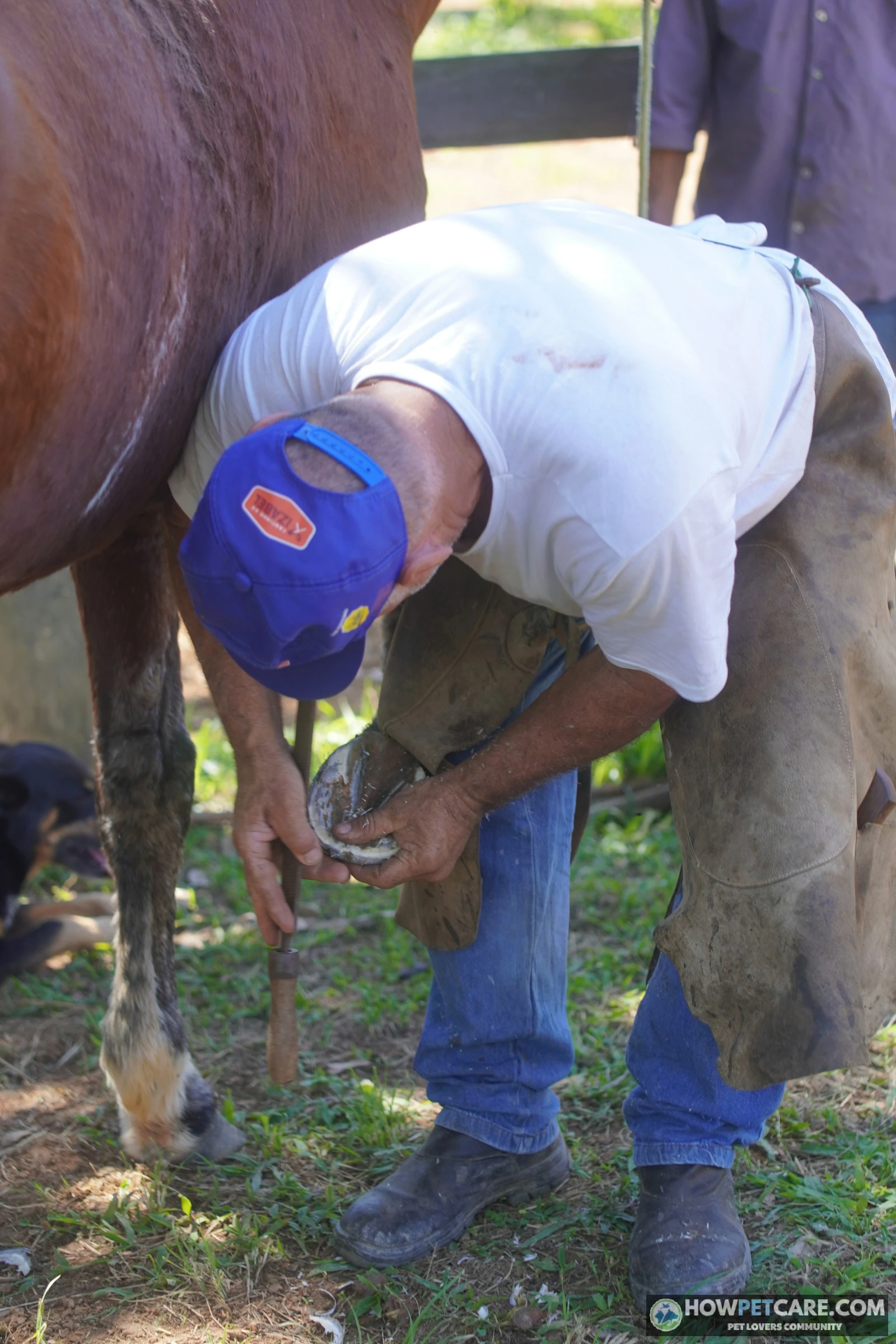
A farrier trims and cares for horses’ hooves and may fit horseshoes. The work involves lifting, bending, travel, and close contact with large animals. Ask established farriers about shadowing and training routes, and investigate equipment and insurance costs. BLS doesn’t provide a farrier-specific median in the evidence available here, so local quotes or business revenue shouldn’t be presented as employee take-home pay.
Kennel, Shelter, and Vet Assistant Roles
A typical kennel shift may involve preparing food, disinfecting runs, moving dogs safely, washing bedding, and reporting changes in behavior. A shelter caretaker may do similar work while following intake and disease-control procedures. A veterinary assistant’s day may include preparing exam rooms, restraining patients under direction, cleaning equipment, and helping clients or staff.
Each job builds different skills. Choose a clinic if you want to try medical work; consider a shelter if intake, adoption, and community welfare interest you. Neither role automatically qualifies you to perform a credentialed technician’s duties.
Conservation Technician and Field Crew Work
Conservation technicians may collect samples, record observations, maintain trails or equipment, and help restore habitat. Some assignments involve wildlife; others rarely require handling animals. Openings can be seasonal and may require travel, outdoor work, a driver’s license, field skills, or college coursework. Check the posted wage and whether housing, travel, or benefits are included. Don’t assume a seasonal job supplies year-round income.

Beyond Clinics and Zoos: Pet-Tech, Remote, and Conservation Careers
Animal-focused companies and nonprofits also need customer support, software, product, communications, logistics, and research staff. A pet-tech support specialist might troubleshoot a wearable device; a content specialist might explain pet-care services; a veterinary telehealth support worker might coordinate appointments or records. These roles can suit existing professional skills, but they usually involve indirect animal work.
Remote coaching may be an option for an experienced dog trainer, while writers and researchers can support animal organizations from home. Remote clinical work remains subject to veterinary licensing and applicable rules; an administrative support role doesn’t grant permission to diagnose or treat an animal.
For conservation, search state wildlife agencies, public land agencies, universities, and conservation organizations for field technician and research assistant positions. Ask whether the work includes live-animal handling, whether permits or a degree are required, and how much time you’ll spend outdoors versus entering data.

How to Get a Job Working With Animals With No Experience: A Step-by-Step Roadmap
A useful first experience helps you test the work and gives you specific skills to describe to an employer. Shelter work, shadowing, and conversations with working professionals are practical ways to explore whether a career fits.
- Pick a target and a constraint. Choose one or two roles and write down the income, hours, commute, physical demands, and training you can accept. Find several local job descriptions and note their repeated requirements.
- Build relevant exposure while applying. Ask a shelter, rescue, clinic, boarding facility, or permitted wildlife rehabilitator about supervised opportunities. Apply to paid beginner roles at the same time; volunteering is helpful, not a universal prerequisite.
- Track evidence of your skills. Record dates, hours, species, duties, safety procedures, and the name of a supervisor who can verify your work. Only claim tasks you actually performed.
- Choose training deliberately. Ask prospective employers which animal-handling or pet first-aid course they value. If you want to train dogs, investigate mentorship and certification eligibility; if you want to become a veterinary technician, investigate accredited programs and state rules.
- Tailor your applications. Match your resume to each posting. Include animal-care experience, customer service, reliable attendance, cleaning or safety procedures, and examples of working calmly with people. Follow the employer’s application instructions.
- Review and progress. After initial shifts or interviews, decide whether you want more of the daily work. Ask a supervisor what experience or formal education the next role requires, and make a plan that fits your budget.
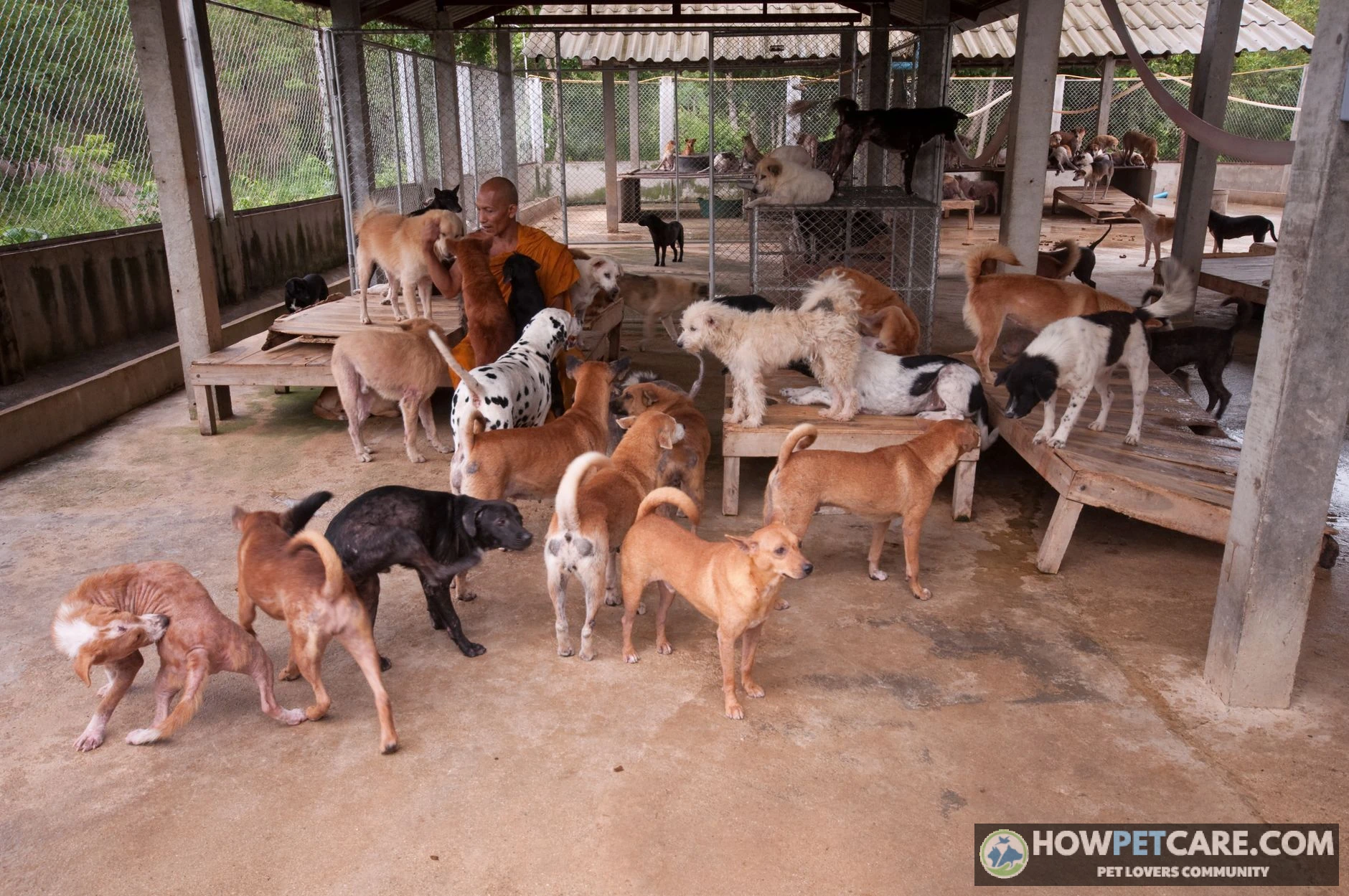
A volunteer position should provide appropriate supervision and training. Do not handle wildlife independently without the required authorization, and do not pay for a credential until you understand what it qualifies you to do.
Where to Find Volunteer, Internship, and Entry-Level Openings
| Source | Opportunity type | Best for | Typical requirements |
|---|---|---|---|
| Local humane societies, SPCAs, and municipal shelters | Volunteer shifts and paid care roles | Shelter care and adoption experience | Application, orientation, and role-specific training |
| Petfinder shelter and rescue directory | Finding nearby organizations to contact | Locating rescue and shelter programs | Requirements set by each organization |
| City and county employment portals | Animal control and municipal shelter jobs | Public-sector work | Posting-specific screening, training, and qualifications |
| State wildlife agencies | Permit information, volunteer programs, and seasonal work | Wildlife rehabilitation and fieldwork | Species, permit, and position-specific rules |
| Association of Zoos and Aquariums job listings | Zoo and aquarium openings | Comparing facility requirements | Varies; some positions require relevant education or experience |
| Idealist and individual nonprofit career pages | Nonprofit jobs and internships | Rescue, outreach, and administrative roles | Varies by organization |
| University extension and career offices | Training, contacts, and some field opportunities | Agriculture, livestock, and conservation exploration | Varies by program |
| General job boards and employer career pages | Paid entry-level jobs | Comparing local wages and shifts | Employer application and screening |
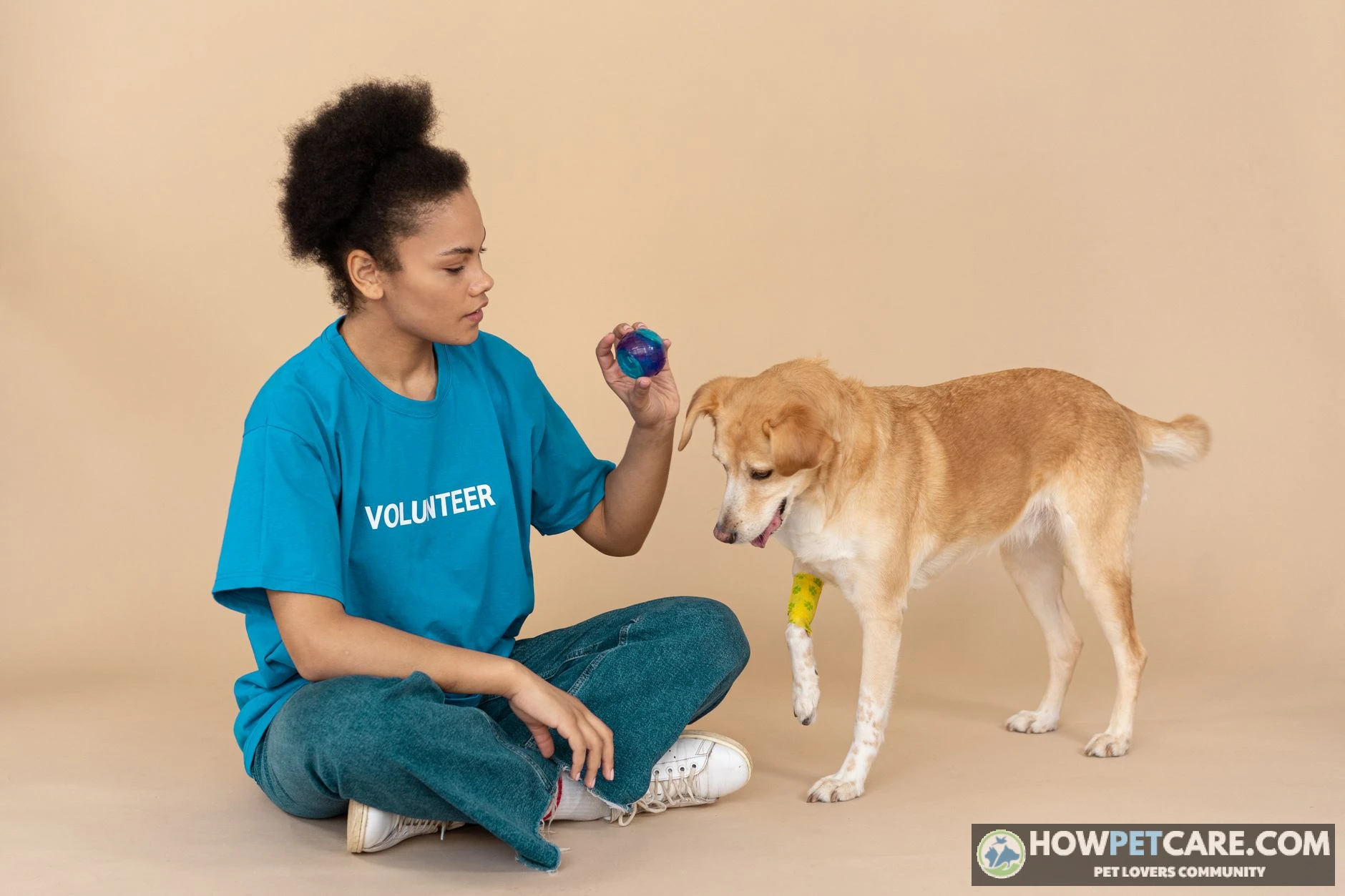
For a local search, use terms such as “kennel attendant,” “veterinary assistant,” or “animal care technician,” add your city, and filter for entry-level or part-time openings. Contact organizations directly to confirm whether a listed volunteer or animal welfare internship program is active.
From Volunteer to Paid Mid-Level Role: A Typical Progression
There’s no fixed timetable from volunteer to paid work: some people are hired directly, while others wait for a suitable opening. A shelter volunteer might build a reference and apply for a paid caretaker position, then pursue a lead role as experience and vacancies allow. A veterinary assistant might enter an accredited technician program and seek the state credential after meeting its requirements. A kennel worker interested in grooming might move into a supervised bather or trainee position.
A full-time veterinary technology associate program commonly takes about two years, but prerequisites, part-time attendance, examination scheduling, and state processing can make the overall path longer. Advancement in shelter care, grooming, or training depends on employer openings and demonstrated skills, not a guaranteed number of months.
Animal Careers for Career Changers and Part-Timers
You don’t have to leave an existing job to test this field. Look for weekend kennel shifts, part-time veterinary assistant openings, or paid work with a pet-care company. A supervised shelter shift can help you decide whether cleaning, handling, and emotionally difficult cases suit you before you reduce your current hours. Pet sitting may offer scheduling flexibility, but travel, cancellations, supplies, insurance, taxes, and unpaid administrative time affect the income you keep.
Transferable skills matter. Customer-service experience can support adoption counseling or clinic reception; healthcare administration can translate to scheduling and records; logistics experience can help with transport coordination; marketing or software skills can fit an animal nonprofit or pet-tech employer. On your resume, connect those skills to the posting instead of assuming an employer will make the connection.
A practical transition example: An office administrator who can’t afford a pay cut could keep their current schedule, complete shelter orientation, and request a regular weekend shift. After documenting supervised care duties, they could apply for a part-time clinic or kennel opening and compare its actual hourly rate and guaranteed hours with their current income. If clinical work appeals to them, the next decision is whether an accredited technician program’s cost and schedule are manageable. The sequence is illustrative, not a promise of an opening or earnings.

Before buying a certificate, ask whether it’s required for a specific role and whether employers recognize it. Before enrolling in a degree, compare program cost, financial aid, completion requirements, and local wages. Federal Student Aid is a free starting point for information about financial aid.
The Reality Check: Pros, Cons, and Burnout Risks of Animal Work
Animal work can offer meaningful service, active days, varied tasks, and a community of people who care about welfare. It can also involve modest pay, physical labor, irregular hours, cleaning, difficult conversations, and exposure to bites, scratches, and diseases that can pass between animals and people. BLS’s overview of animal occupations emphasizes that the work has both rewards and demanding realities.
Shelter and veterinary teams may encounter neglect, serious illness, or euthanasia. Wildlife workers may care for animals that can’t be released. These experiences affect people differently, so ask prospective employers how they train staff, handle safety incidents, schedule breaks, and support employees after difficult cases.
A role with less direct exposure to emergency care, such as some pet-tech or education positions, may be a better fit for someone who wants to contribute without daily clinical or shelter work. Training and grooming aren’t stress-free alternatives: they can still involve fearful animals, injuries, demanding clients, and business pressures. Choose based on the actual working conditions, not the job title alone.
Pick Your Path: A Decision Checklist and Your First Step for Each Role
Use these questions to narrow your list to two or three realistic options:
- Income: What minimum reliable pay and benefits do you need, and can you absorb variable hours or business expenses?
- Education: Can you commit to a degree, or do you need a role that trains on the job?
- Contact: Do you want daily handling, occasional field contact, or an animal-focused role using existing office skills?
- Conditions: Can you manage lifting, outdoor weather, evening or weekend shifts, and potentially distressing cases?
- Schedule: Do you need part-time work while maintaining your current income?
Match your answers to a first move:
- Fast, no-degree start: Search local kennel attendant, shelter caretaker, and veterinary assistant postings that mention training. Apply to suitable openings and request one shelter orientation.
- Flexible schedule: Ask pet-care companies and boarding facilities about weekend work. If considering independent pet sitting, research local business, insurance, and safety requirements before accepting clients.
- Trade or training path: Contact a grooming salon about bather openings, or ask a dog trainer about supervised observation and assistant roles. Compare training terms before paying for a course.
- Clinical credential: Find two AVMA-accredited veterinary technology programs and ask each about total cost, prerequisites, scheduling, and eligibility for your state’s credential.
- Zoo or wildlife path: Review AZA facility openings or your state wildlife agency’s opportunities. Identify the experience and permits required for the specific species and duties that interest you.
- Transferable-skills path: Search animal nonprofits and pet-tech companies for your existing occupation, then tailor your resume to the organization’s work.
For your first 30 days, choose your target roles in the first week; identify employers and apply to suitable openings in the second; attend an orientation, interview, or supervised observation if available in the third; and use the fourth to update your resume and reassess what you learned. If an opportunity takes longer to arrange, keep applying and use the time to compare requirements rather than buying a credential you may not need.
1What is a primary distinction between a veterinary technician and a veterinary assistant according to the source material?
Veterinary technicians generally complete an AVMA-accredited associate program and pass a credentialing exam, while veterinary assistants frequently gain skills through employer-provided training.
2Why does the source guide refrain from publishing specific national median salary numbers in its career comparison table?
To prevent presenting older or unverified wage data as current, the guide identifies the specific BLS category to check for up-to-date regional numbers.
3What key point regarding legal authority and education is highlighted for Animal Control Officers?
Humane law enforcement authority varies by jurisdiction, meaning an animal control position does not inherently carry law enforcement status.
4Which occupation explicitly lists optional professional certifications, such as the CPDT-KA, where eligibility criteria should be verified before buying a course?
Dog training lacks a universal degree or state license requirement, making independent certifications optional credentials with specific eligibility criteria.
5What regulatory requirement is essential for individuals planning to care for injured or orphaned wild animals as a wildlife rehabilitator?
Possessing and rehabilitating wild animals legally requires specific state permits and, depending on the species, federal authorization.
6How does the source text distinguish a veterinary behaviorist from an animal behaviorist or dog trainer?
Unlike general trainers or uncredentialed behaviorists, a veterinary behaviorist holds a professional veterinary degree plus advanced specialty credentials.
7Why does the guide advise treating entry-level care roles—such as kennel attendant or shelter caretaker—carefully when planning a career move?
Because entry care roles involve physical labor and limited starting pay, they are most effective when tied to a clear advancement plan such as technician schooling or lead roles.
8What is true regarding remote or corporate roles in animal-focused industries, such as pet-tech support or content development?
Pet-tech, communications, and administrative support roles leverage existing office or technical skills in animal-centered sectors without guaranteed direct animal handling.
9When evaluating potential take-home income as an independent groomer, farrier, or pet sitter, which factor must be accounted for beyond total client payments?
Self-employed revenue differs from employee wages because independent operators must cover equipment, travel, insurance, cancellations, and administrative labor out of gross receipts.
10According to the step-by-step roadmap for beginners, what should a job seeker do during the first week of exploring an animal career?
The initial step of the roadmap requires selecting one or two target positions and evaluating personal requirements against local job listings.
| Career | BLS Occupational Category | Minimum Education or Credential | Hands-On Animal Contact | Best For |
|---|---|---|---|---|
| Veterinarian | Veterinarians; verify latest BLS median | Veterinary degree and state license | High | Medical decisions and advanced study |
| Zoologist or wildlife biologist | Zoologists and wildlife biologists; verify latest BLS median | Bachelor's for many entry roles; advanced study for some research | Medium | Research and conservation |
| Veterinary technician | Veterinary technologists and technicians; verify latest BLS median | Usually an accredited associate degree and state credential | High | Clinical work without veterinary school |
| Animal control officer | Animal control workers; verify latest BLS wage data | High school diploma often expected; local training or certification may apply | High | Public safety and animal welfare |
| Dog trainer | Animal trainers; verify latest BLS median | No universal degree or license; experience and optional certification help | High | Teaching animals and their people |
| Veterinary assistant | Veterinary assistants and laboratory animal caretakers; verify latest BLS median | Often a high school diploma and on-the-job training | High | An entry-level clinical role |
| Kennel or shelter caretaker | Animal caretakers; verify latest BLS median | Often no college degree; employer training | High | A practical care-focused start |
| Pet sitter or dog walker | Animal caretakers may provide context, but may not represent self-employed earnings | No universal degree; business requirements vary | High | Flexible schedules |
| Groomer | Animal caretakers may provide context; groomer-specific earnings vary | Employer training, grooming school, or apprenticeship | High | A hands-on trade |
| Zookeeper | Animal caretakers may provide context; zoo-specific pay varies | Requirements vary; many employers prefer relevant education and experience | High | Structured care of zoo animals |
| Marine biologist | Zoologists and wildlife biologists may be a relevant comparison, depending on duties | Usually a bachelor's; advanced degrees for some research | Low to medium | Marine science and field research |
| Wildlife rehabilitator | No dependable separate BLS median identified here | Applicable permits; supervised training is valuable | High | Direct wildlife care |
| Farrier | No dependable separate BLS median identified here | Training or apprenticeship; requirements vary | High | Equine hoof care and independent work |
| Conservation field technician | Relevant BLS category depends on duties | Varies from field training to college coursework or a degree | Low to high | Outdoor monitoring and fieldwork |
| Pet-tech support or content specialist | Use the BLS category for the actual support, writing, or product role | Varies by role | Low | Applying transferable skills to animal-related work |
FAQ
What jobs involve working with wild animals?
Common options include zookeeper, wildlife rehabilitator, wildlife biologist, marine biologist, and conservation field technician. Most require a degree or substantial volunteer experience, and rehabilitators also need state or federal permits.
Do I need a degree to work with animals?
No. Roles like kennel attendant, pet sitter, groomer, veterinary assistant, and dog trainer commonly hire without a degree. Veterinarians, vet techs, biologists, and certified behaviorists need formal education.
What is the easiest job to get working with animals?
Kennel attendant, pet sitter, dog walker, and shelter caretaker usually have the lowest barriers, often needing no prior experience. They also build the hands-on experience that qualifies you for higher-paying roles.
Can I work with animals part-time?
Yes. Pet sitting, dog walking, relief kennel shifts, weekend shelter work, and mobile grooming or training are common part-time options. They suit people keeping another job during a transition.
Are there remote jobs involving animals?
Yes, though they are fewer and usually not hands-on. Examples include veterinary telehealth support, pet-tech customer and product roles, online training coaching, and writing or research for animal organizations.