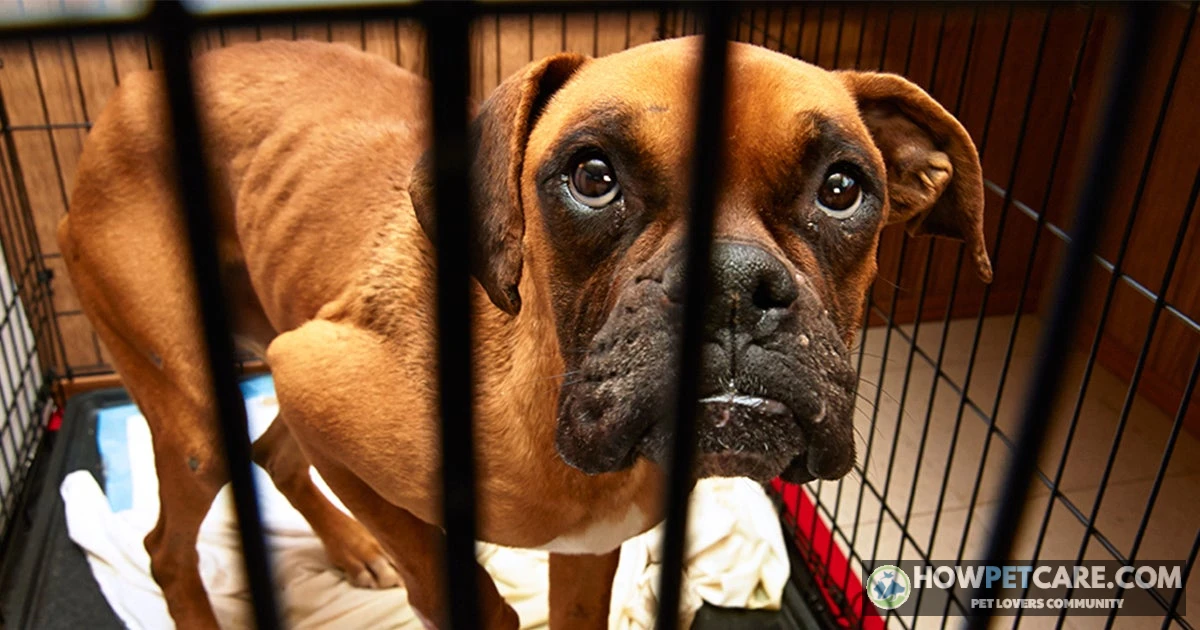

Animal abuse means intentionally harming an animal or failing to provide necessary food, water, shelter, or veterinary care (neglect). If an animal is in immediate danger, call 911. Otherwise, report what you saw to local animal control, police, or the sheriff—you don’t need proof to request a welfare check.
Animal Abuse Emergency? What Counts and What to Do in the Next 60 Seconds
If an animal is in immediate danger, call 911. Give the dispatcher the location and explain what’s happening. For a non-emergency concern, report suspected animal abuse or neglect to local animal control, police, or the sheriff. You don’t have to prove a crime to request a welfare check.
Animal abuse can mean deliberately harming an animal or failing to provide necessary care. Whether a situation violates animal cruelty laws depends on the facts and the law where it happened. Authorities—not the person making the report—determine whether a law was broken.
60-second triage box: who to call for each type of emergency
- Protect yourself. Don’t confront someone you suspect of abuse, enter private property, or approach a dangerous animal.
- Call 911 if cruelty is happening now, an animal is severely injured, or an animal is in immediate danger in a hot car. Tell the dispatcher if a weapon or other people are involved.
- Give the location first: an address, intersection, parking space, or landmark. Describe the animal, what you can see, and whether anyone is in danger.
- Follow the dispatcher’s instructions. Stay nearby if it’s safe, and update the dispatcher if the situation changes.
- For an injured but stable animal, call animal control or the police non-emergency line. Keep your distance; a frightened or injured animal may bite.
You don’t need to know the right legal term. Tell the dispatcher what you see and ask who can respond. If the situation becomes life-threatening while you wait, call 911 again.
Dog in a hot car: first minutes and the legal limits on intervening
Call 911 if the animal appears to be in immediate danger. Heavy panting, collapse, vomiting, or unresponsiveness are urgent warning signs. Give the dispatcher the vehicle’s location, color, make, model, and license plate, if visible. Note the time and outside temperature if you know them.
If you can do so safely, ask a nearby business to page the owner while you stay with the vehicle. Ask the dispatcher what to do next. A cracked window doesn’t necessarily make the situation safe.
Some states offer limited protections for people who enter vehicles to rescue animals, but the requirements and eligible people vary. Don’t break a window or enter the vehicle yourself. Alert responders and follow their instructions rather than assuming you have legal immunity.

Cruelty, Neglect, or Lawful but Poor Care? A Checklist for Classifying What You Saw
Intentional cruelty generally means deliberately harming an animal, such as by beating or poisoning it. Animal neglect means failing to provide required care, such as necessary food, water, shelter, or veterinary treatment. Neglect can be harder to see than deliberate violence, but either can be serious. Neglect is a common form of animal mistreatment.
You don’t need to know the owner’s intentions to decide what to do. Focus on whether the animal may be suffering or lack necessities, and whether it needs a prompt welfare check.
Decision checklist: act now, report, monitor, or probably not actionable
Ask yourself:
- Immediate danger: Is the animal severely injured, trapped in dangerous heat or cold, or being harmed now? Call 911.
- Basic care: Can you see whether the animal has adequate water, shelter, space, and necessary care? Not seeing a bowl once doesn’t prove none is available.
- Condition: Is the animal extremely thin, weak, injured, or unable to move normally?
- Duration and context: Have you seen the problem more than once? Is the weather dangerous? Could there be an explanation you can’t see?
- Safe evidence: Can you describe what you observed from somewhere you’re legally allowed to be?
| Situation observed | Likely classification | Key questions to ask | Recommended action |
|---|---|---|---|
| A person hits an animal or fighting is underway | Possible intentional cruelty; potentially an emergency | Is it happening now? Is anyone in danger? | Call 911 if it’s in progress or dangerous; otherwise report promptly. |
| An animal repeatedly appears without water or protection from severe weather | Possible neglect | Is the need unmet over time? Is the animal in distress? | Report promptly; call 911 if danger is immediate. |
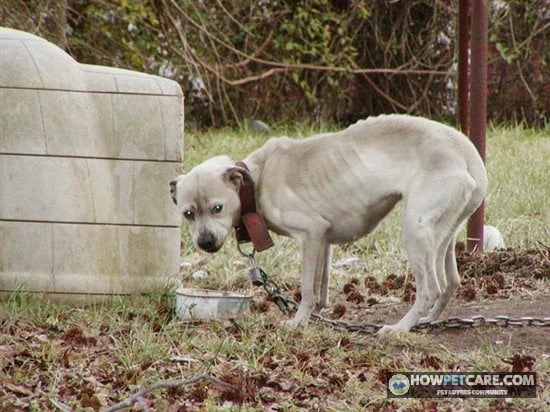
| A dog is tethered outside | Depends on conditions and local law | Can it reach water and shelter? Is it tangled? How long has it been outside? | Report unsafe conditions; check local tethering rules. |
| An outdoor animal is very thin | Possible neglect, illness, age-related change, or another condition | Is it weak or deteriorating? Are other needs visibly unmet? | Report a concerning condition; don’t wait for repeated observations if it appears seriously ill. |
| Many animals and strong odors are apparent from a public place | Possible hoarding or neglect | How many animals can you actually see or hear? Are any in distress? | Report what you observe without entering the property. |
| A yard is messy or a dog barks | Not enough information by itself | Is an animal injured, without necessities, or exposed to dangerous conditions? | Monitor if safe; report specific welfare concerns or a separate local ordinance issue. |
Chained dogs, outdoor cats, and other borderline situations
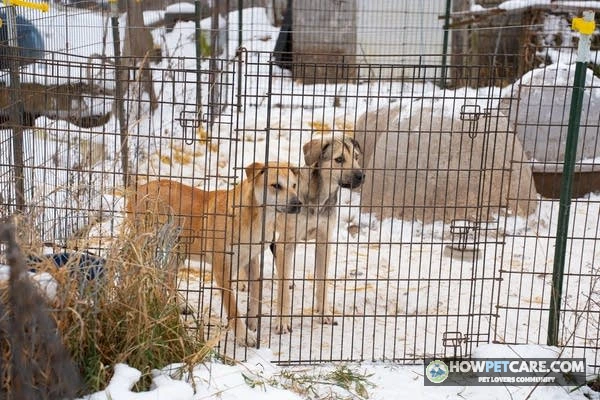
A dog outside in cold weather isn’t automatically being mistreated. Shelter, water, the dog’s condition, time outdoors, and state or local requirements all matter. A dog left in dangerous weather without enough protection may need urgent help. Tethering rules vary by location, too.
A thin outdoor cat may be ill, elderly, naturally lean, or receiving care you can’t see. Visible ribs alone don’t establish emaciation or prove neglect. Severe thinness, weakness, or an untreated injury calls for a prompt report. If the animal is stable, dated observations can help show a pattern without requiring you to diagnose it.
You also can’t tell by looking whether an animal is vaccinated. A licensing or vaccination concern may belong to a different local reporting process; it isn’t proof of cruelty.
Hoarding, dog fighting, and mills: when it’s more than one animal
Animal hoarding can become neglect when the person responsible can’t provide adequate sanitation, food, space, or care. Report the conditions you can observe and give an honest estimate of the number of animals. Don’t assume you know the person’s motive.
Dog fighting and other organized fighting may involve serious criminal conduct. Don’t investigate a suspected event yourself. Call police; use 911 if violence is happening or anyone is in immediate danger.
Poor conditions at a commercial breeding operation, sometimes called a puppy or kitten mill, may also warrant a report. Keeping or breeding many animals doesn’t, on its own, establish a violation. Describe the conditions you witnessed.
 You might be wonderingAnimal advocacyAnimal Advocacy: How to Choose and Take Effective ActionRead the answer
Signs of Animal Abuse and Neglect: Physical, Behavioral, and Environmental Clues
Signs of animal abuse and neglect are clues, not a diagnosis. An animal may have a medical condition, be recovering under veterinary care, or act fearfully for reasons unrelated to its current home. The clearer the signs of suffering or danger, the sooner you should report them.
Physical signs
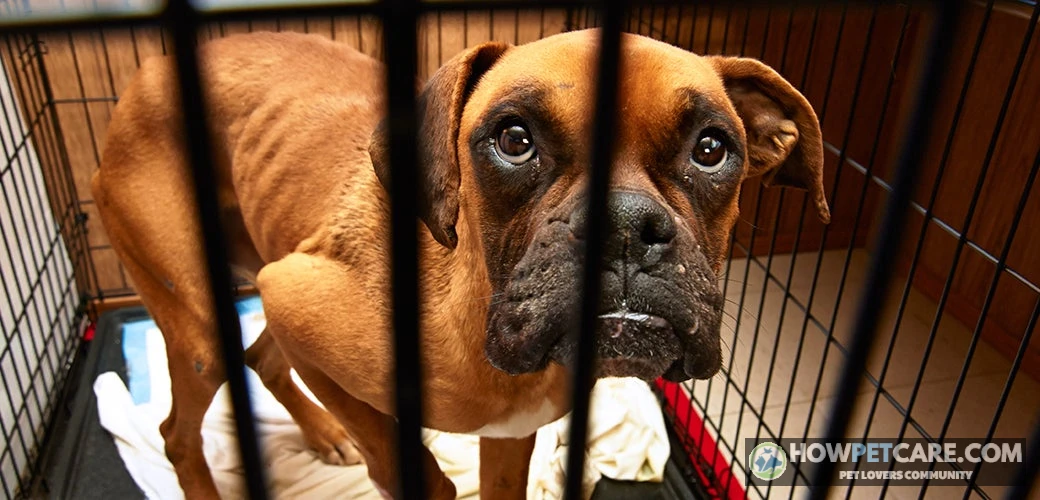
Watch for severe thinness or apparent emaciation, an embedded collar, wounds that appear untreated, a pronounced limp, heavy parasite infestation, or a coat so matted that it seems to restrict movement. Describe what you can see; don’t claim to know the cause or whether the animal has seen a veterinarian.
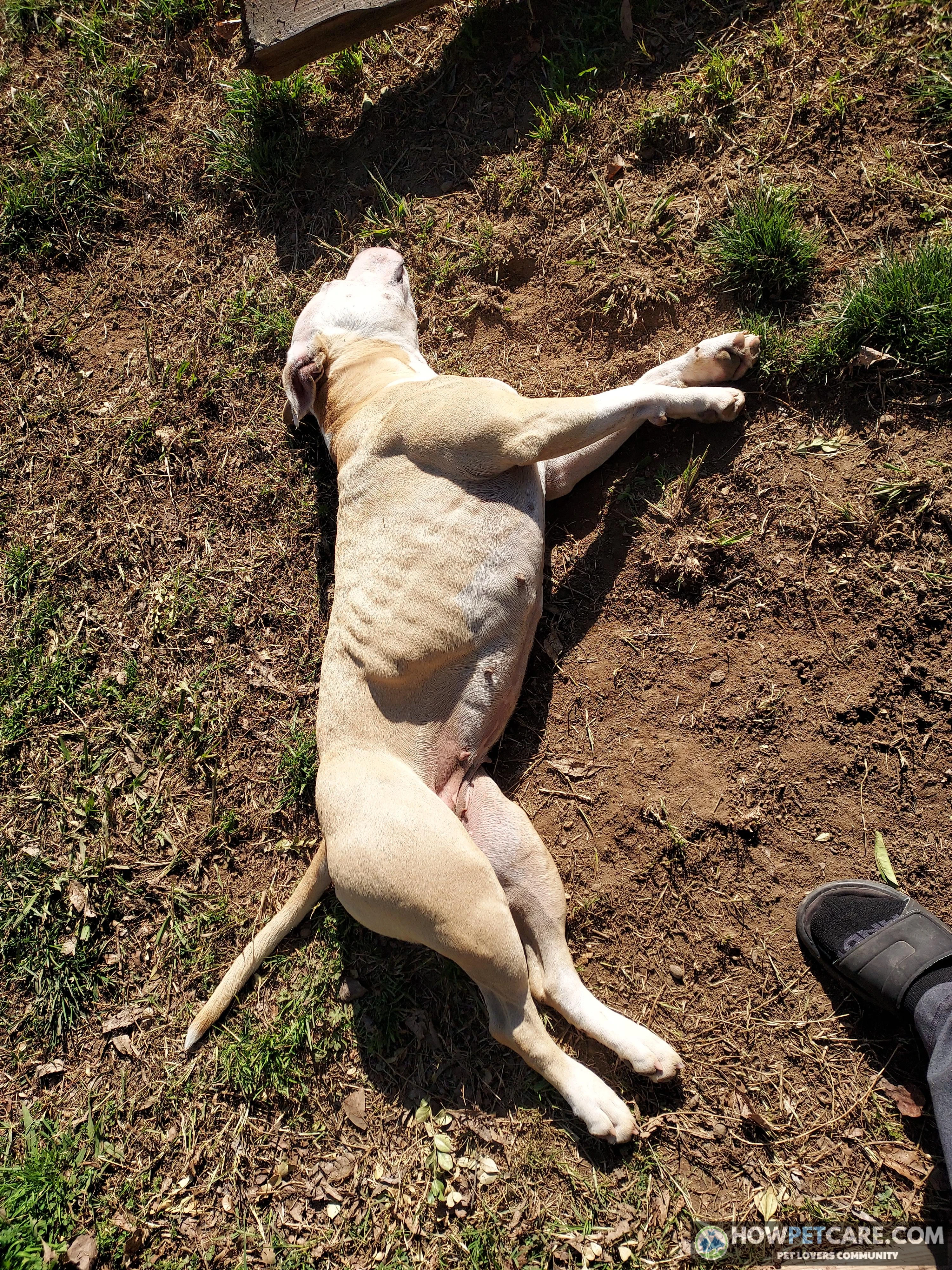
An animal that can’t stand, is unresponsive, or appears severely injured needs an emergency response. For less urgent concerns, a dated description and a photo taken safely can help an officer assess the situation.
Behavioral signs
Extreme fear, cringing, unusual withdrawal, aggression, or persistent hiding may deserve attention, particularly alongside visible injury or unsafe conditions. Behavior alone can’t establish abuse: pain, illness, unfamiliar people, and temperament can lead to similar reactions in dogs and cats.
Environmental signs
Possible warning signs include no accessible water, inadequate protection from severe weather, an animal tangled on a tether, accumulated waste, or an enclosure that prevents normal movement. An animal left alone for a long time may raise concern, though a bystander may not know when anyone last checked on it.
Dog abuse and cat abuse: how the signs differ
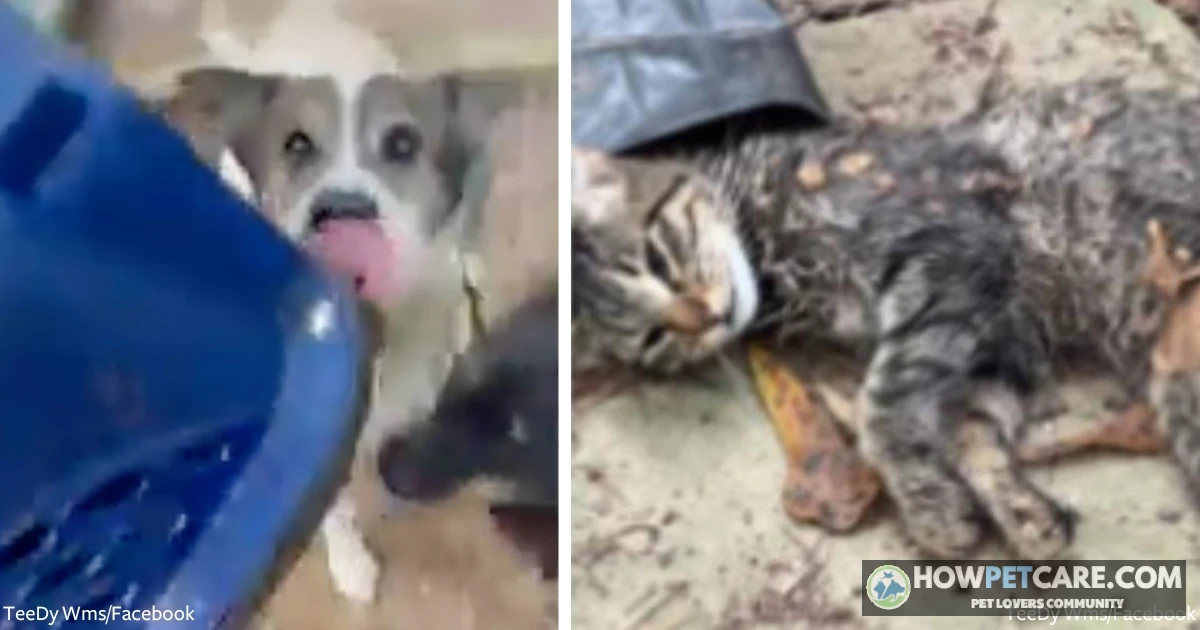
A dog may be visibly tethered, unable to reach shelter, or wearing a collar that appears embedded. Scars can justify concern, but they don’t prove fighting on their own. A cat may hide, lose weight, or have an unkempt coat; those signs can also point to illness. Report the combination of things you observe, not a conclusion about how the animal got that way.
How to Report Animal Abuse in the US: Who to Call, What to Say, and Whether You Can Stay Anonymous
For a non-emergency, start with local animal control, police, or the sheriff. In some places, a humane society or SPCA has officers authorized to investigate. Elsewhere, it may provide shelter or referrals but have no enforcement role. No single national hotline investigates every local animal cruelty report.
Step-by-step: finding the right agency in your county
- Search your city or county government’s website for animal control or animal cruelty report. If you can’t find a contact, call the police or sheriff’s non-emergency line.
- Give the location and ask whether that agency investigates cruelty at that address. If it doesn’t, ask for the right agency’s name and contact details.
- Describe what happened, the animal’s apparent condition, and any immediate risk. Ask how to submit evidence securely.
- Request a case or reference number, the intake person’s name, and a suitable time to follow up. An investigator may not have been assigned yet.
- Keep your notes and original evidence. If conditions get worse, make a new report and refer to the original case number.
National groups such as the ASPCA and Humane World for Animals may offer educational resources or referral guidance. Don’t assume they can send an officer to your location.
What to say and what evidence to gather
You can adapt this script:
I want to report possible animal cruelty or neglect at [address or landmark]. I observed [specific conditions] on [dates and times]. The animal is [species, color, size, and visible condition]. I have [photos, video, or witness information] taken from [public location]. Is your agency responsible for this address? How can I provide the information, and may I have a reference number?
Your evidence pack can include:
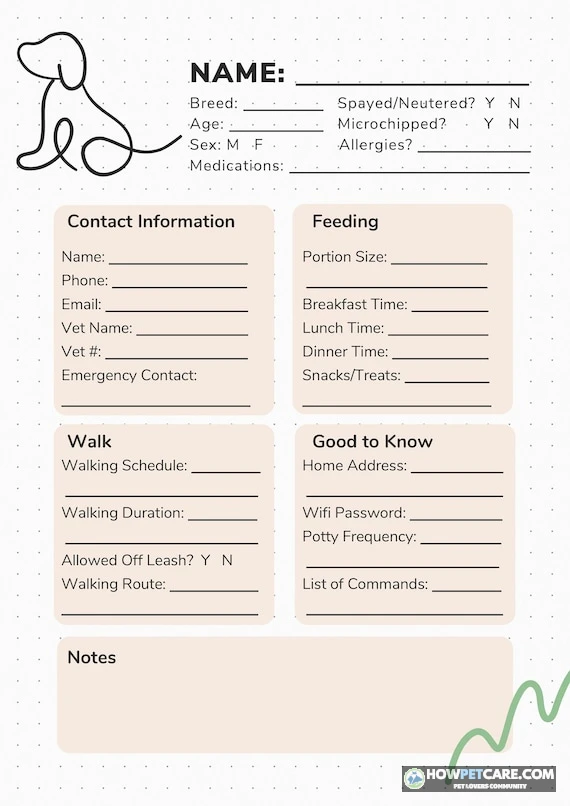
- The exact address, the animal’s location on the property if visible, and useful landmarks.
- Dates and times of each observation, including the most recent.
- A factual description of the animal, the conditions, and any person you actually saw involved.
- Weather conditions where relevant, along with visible water, shelter, tethering, injury, or waste.
- Original photos or video taken from a public place, plus contact information for witnesses who agree to share it.
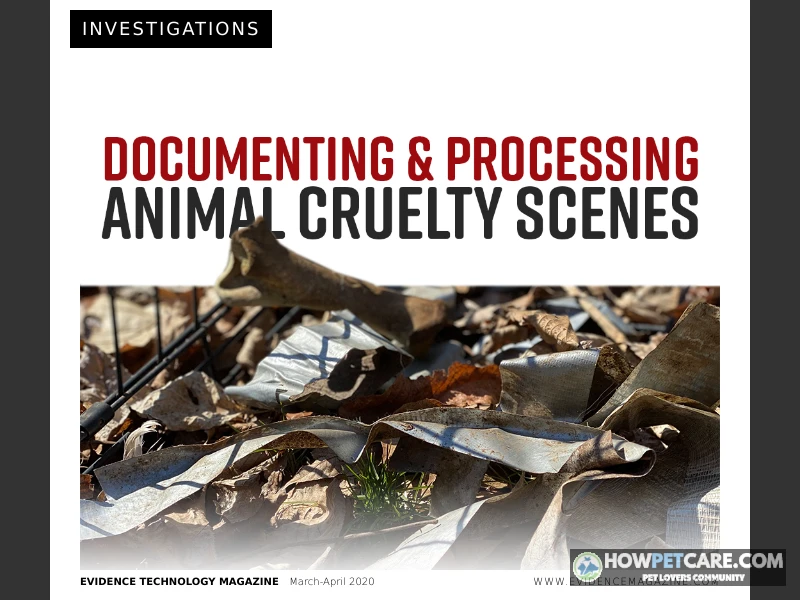
Don’t trespass, open gates, use a drone to investigate private property, or risk your safety to gather evidence. Record what you saw yourself, and distinguish it from what someone else told you.
Reporting anonymously: trade-offs and protections
Some agencies accept anonymous tips. Before giving your name, ask whether you can remain anonymous, how the agency handles your identity and records, and whether it guarantees confidentiality. Don’t assume a report is confidential just because you ask.
A named witness gives investigators a way to ask follow-up questions and may be better able to provide evidence if a case proceeds. Anonymous information can still help, especially with an exact location and specific, recent observations. Report honestly and in good faith; don’t embellish or knowingly make a false allegation.
Is Animal Abuse a Felony? State Law, the PACT Act, and FBI Tracking Explained
State and local laws primarily address animal cruelty. All 50 states have felony-level provisions for at least some animal cruelty offenses, but the conduct, mental state, exceptions, and penalties vary. Owners can be investigated or charged for mistreating their own animals.
Infraction, misdemeanor, felony, federal: how the tiers compare
| Charge level | Typical conduct covered | Who prosecutes | Possible consequences; verify locally |
|---|---|---|---|
| Infraction or civil violation | Certain licensing, tethering, shelter, or sanitation violations, depending on the jurisdiction | A local government or authorized agency | A fine or compliance order; the applicable process varies. |
| Misdemeanor | Some neglect or less severe cruelty offenses | A local or state prosecutor | Possible fines, probation, restrictions on animal ownership, or jail, depending on the statute. |
| Felony | Certain serious cruelty, severe neglect, repeat offenses, or fighting-related conduct | A state or local prosecutor | Possible imprisonment, fines, forfeiture, or ownership restrictions; triggers vary widely. |
| Federal: PACT Act | Qualifying extreme conduct with the required federal jurisdiction | A U.S. Attorney | Up to seven years in prison, a fine, or both under the statute. |
| Federal: animal fighting laws | Certain conduct involving animal fighting ventures covered by federal law | A U.S. Attorney | Felony penalties may apply; the offense and circumstances matter. |

These are broad patterns, not a guide to charging decisions. Serious neglect can be a felony in some circumstances, and similar conduct may be treated differently across state lines. A citation, criminal charge, and conviction are separate outcomes.
For animal abuse laws by state, consult your state legislature’s official statutes and your city or county ordinances. Search for the state’s name and animal cruelty statute, then check definitions, exceptions, and penalties. A local agency or prosecutor can explain which authority handles a report.
What the PACT Act covers and what it leaves to the states
The Preventing Animal Cruelty and Torture Act, or PACT Act, became law in 2019. It covers specified extreme conduct involving living non-human mammals, birds, reptiles, or amphibians, including crushing, burning, drowning, suffocating, impaling, and sexual exploitation, subject to statutory definitions and exceptions.
Federal jurisdiction is required. For example, qualifying conduct must occur in or affect interstate or foreign commerce, or take place within federal special maritime and territorial jurisdiction. The law doesn’t make every instance of pet abuse a federal case. Report a local incident to local authorities first; they can decide whether to refer it to federal investigators. Separate federal animal fighting provisions cover certain conduct involving fighting ventures.
What FBI NIBRS data says about animal cruelty, and its limits
In 2016, the FBI began tracking animal cruelty as a distinct offense in its National Incident-Based Reporting System, or NIBRS. Its categories distinguish simple or gross neglect, intentional abuse and torture, organized abuse, and animal sexual abuse.
NIBRS records incidents reported through participating law enforcement agencies; it doesn’t count every animal harmed. Reporting coverage and practices vary, and many incidents may never reach authorities. The categories help researchers study reported crime, but they don’t tell you whom to call or establish how common abuse is across the country. These reports alone can’t provide a reliable, comprehensive national prevalence figure.
Cruelty and domestic violence: what research shows
Animal abuse can occur alongside violence against people, including domestic violence. Threats to a pet can also be used to control someone in a household. This association doesn’t mean everyone who mistreats an animal will harm a person, or that an animal report proves domestic violence.
Call 911 if a person is in immediate danger. If it’s safe, someone concerned about a partner’s violence can seek confidential safety planning from a domestic violence service and ask about options for pets. Don’t confront the suspected abuser or reveal someone else’s plan to leave.
What Happens After You File a Report: Investigation Steps, Timelines, and Likely Outcomes
From report to resolution: the investigation, step by step
An agency usually records a complaint and prioritizes it based on the apparent danger, available information, and staffing. An officer may check on the animal, interview the owner or witnesses, photograph conditions, and seek veterinary input. Investigators may need legal authority to enter property or remove an animal.
A veterinary forensic examination can document an animal’s body condition, injuries, and other findings for an investigation or court. An officer may also check whether the owner was told to correct a problem and whether they did so.
There is no reliable nationwide timeline. Emergencies may receive a same-day response, while a routine welfare check can take longer. A case referred for prosecution may take months or longer. Ask the agency when to follow up rather than assuming that silence means nobody acted.
Possible outcomes: warning, seizure, misdemeanor, felony
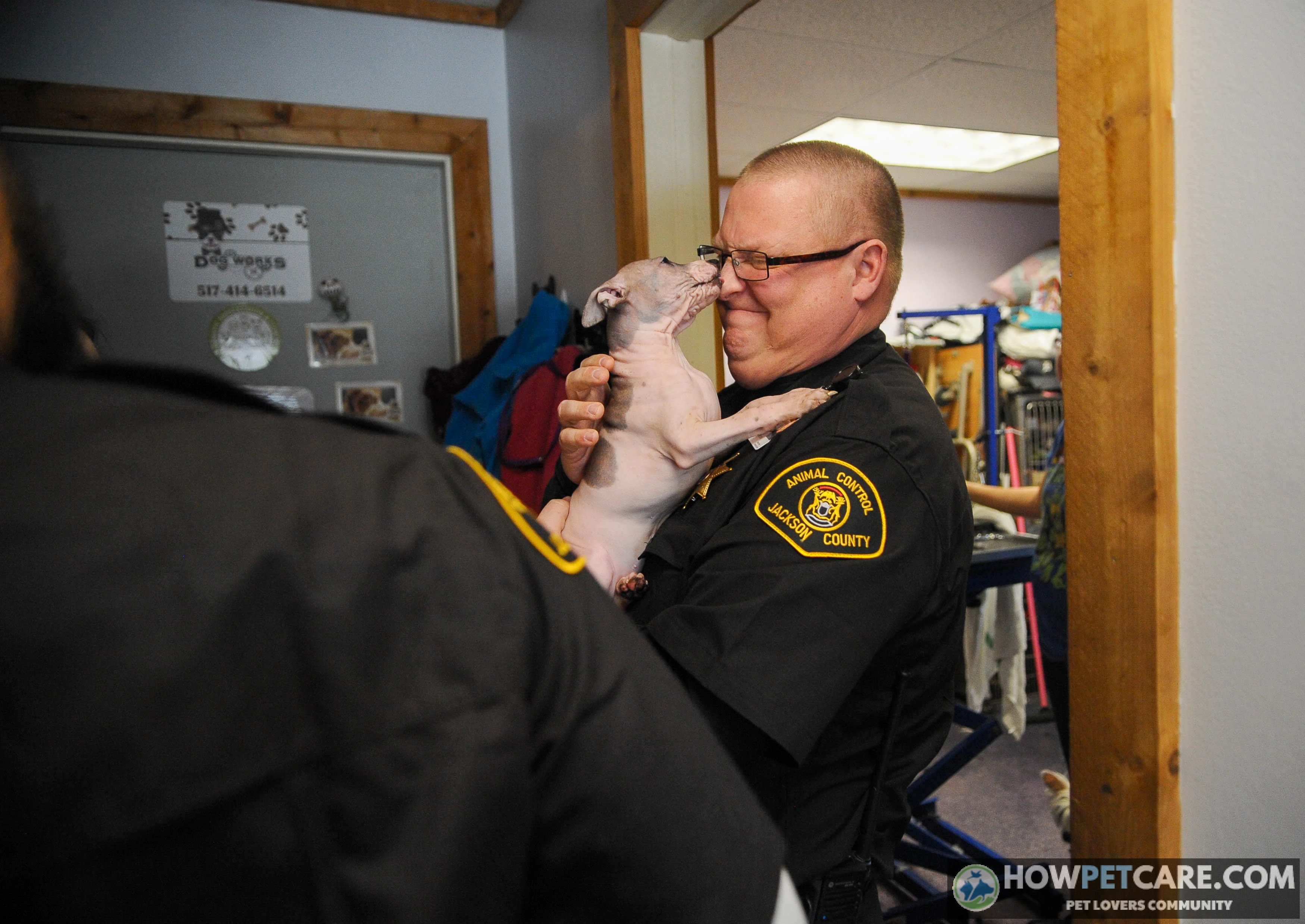
An investigation may find no violation, insufficient evidence, or conditions that don’t meet the legal threshold. Other possible outcomes include education, a warning and deadline to correct conditions, a citation, voluntary surrender, lawful seizure, or referral for misdemeanor or felony charges. A prosecutor decides whether to bring a criminal case; filing a report doesn’t guarantee prosecution.
An animal won’t necessarily be removed right away. Officers may need a warrant or another lawful basis, and an agency may not share details of an open investigation. Ask whether it received your report, whether more information would help, and when you can check back.
After rescue: how to help an abused dog or cat recover
An animal surrendered or lawfully seized may go to a shelter, rescue, veterinary facility, or another authorized placement. Detailed rehabilitation guidance is outside this article’s scope; if you’re later responsible for the animal’s care, arrange a veterinary exam and ask about behavior support if needed.
Don’t automatically label a fearful pet abused; focus first on safe, appropriate care.

If Police or Animal Control Won’t Act: An Escalation Ladder
No visible action doesn’t necessarily mean no investigation is underway. Start by asking for a status update and confirming which agency has jurisdiction. If the animal becomes life-threateningly ill or violence starts, call 911 instead of waiting for another follow-up.
Escalation ladder: who to contact, in what order, and what to send
| Step | Who to contact | What to send or say | When to move to the next step |
|---|---|---|---|
| 1 | Original agency or intake office | Case number, address, dates, recent observations, and safely obtained evidence | After a reasonable follow-up if there’s no response, or sooner if new facts increase the risk. |
| 2 | Supervisor or director | Ask who has jurisdiction, whether the report was assigned, and what information would help. | If responsibility remains unclear or the concern isn’t addressed. |
| 3 | County prosecutor or district attorney | Provide the report number and factual evidence; ask about the appropriate referral. | If local agencies can’t clarify the route or important evidence remains unaddressed. |
| 4 | Applicable state animal welfare agency, state humane officer, or attorney general’s constituent office | Explain the jurisdiction problem and provide the same concise record. | If local routes are exhausted or the matter belongs to a state agency. |
| 5 | Humane organization, state humane federation, or reputable local rescue | Ask for guidance on documentation and available enforcement contacts. | Use for advice at any stage; these groups may not have enforcement powers. |
| 6 | Local media, with care | Share only verified facts after considering advice from an advocate. | Treat publicity as a last resort; it may alert a suspect or complicate an investigation. |
A county commissioner or city council member may also help identify the responsible agency or raise an administrative concern. Elected officials and outside organizations can’t guarantee an investigative or charging decision.
How to write a follow-up that gets a response
Keep your message short and specific:
I reported possible neglect at [address] on [date], reference [number]. On [new date], I observed [specific current condition]. I have attached dated photographs taken from a public location. Could you confirm which agency has jurisdiction, whether further information is needed, and when I should follow up?
Log the date, agency, person or office contacted, channel, case number, information supplied, response, and next follow-up date. Avoid presenting public accusations as proven facts. If you’re considering media attention, first discuss the risks to the animal and investigation with an advocate.
Reporting Animal Cruelty You See Online Without Destroying the Evidence
Evidence-preservation steps before you report
A platform may remove or restrict a post after you report it. If it’s safe and lawful, record identifying details first. You don’t need to keep watching distressing material.
- Record the post URL, account name and profile link, platform, and the date and time you saw it. Note any stated location, but don’t assume it’s accurate.
- Capture screenshots of the post, account, captions, and visible identifiers. Keep the originals unedited and uncropped, and note what each image shows.
- Keep the material private for investigators. Don’t repost it, send it widely, or download it just to circulate it. Ask law enforcement how it wants evidence submitted and follow applicable law.
- Don’t contact or threaten the account holder. If preserving the content could expose you to illegal material or put you at risk, stop and tell law enforcement where it can be found.
Where to report: law enforcement first, then the platform
If you know the location, report the incident to police or animal control in that jurisdiction and provide the link and identifying details. If the location is unknown, contact your local police non-emergency line for guidance. An animal-protection organization may also help you find the right reporting route. Call 911 if there’s an immediate, identifiable threat.
Report the post through the in-app tools on YouTube, TikTok, Facebook, or Instagram. Choose an animal cruelty or graphic violence category if available, or the closest option. If a video is monetized, mention that in your report and use any available advertiser or monetization-policy reporting channel. A platform report doesn’t necessarily reach law enforcement.
Tell the receiving officer about any information that suggests a federal connection; the officer can assess whether to make a referral. A video appearing online doesn’t, on its own, establish that the conduct violates the PACT Act.
Save identifying details before reporting when it’s safe, but don’t share cruelty content to draw attention to it. A private, factual report gives investigators a lead without amplifying the material.
Your Action Plan: A One-Page Checklist for What to Do Next
Checklist: report, document, follow up, escalate
- Immediate danger: Call 911, give the location, and follow the dispatcher’s instructions.
- Other concerns: Contact local animal control, police, or the sheriff. Report serious warning signs without waiting for proof.
- Document safely: Record dates, address, and visible conditions. Take photos only from a public place. Don’t trespass or confront anyone.
- Make the report: Explain what you saw, ask about anonymity if needed, and request a reference number and follow-up instructions.
- Track the response: Keep a contact log and share new evidence. If the report stalls, ask for a supervisor or clarification about jurisdiction.
- Escalate appropriately: Contact the prosecutor, applicable state agency, or an animal-protection organization for guidance. Call 911 if the situation becomes an emergency.
Where to go for deeper guidance on prevention and real cases
For broader prevention ideas, look for guidance on how to help prevent animal cruelty.
For context on investigations and outcomes, consult reporting on documented animal cruelty cases. Neither replaces a timely local report when an animal may be in danger.
 You might be wonderingFarm animal welfareFarm Animal Welfare: A U.S. Guide to Standards and LabelsRead the answer
FAQ
Is leaving a dog outside in cold weather considered animal abuse?
It depends on state and local law, the temperature, and whether the dog has adequate shelter, food, and water. Many places set tethering or shelter rules, so a dog left in dangerous cold without protection can count as neglect, while a healthy dog with proper shelter usually does not.
Is animal hoarding considered animal abuse?
Often yes. Hoarding typically involves neglect, because the person cannot provide adequate food, space, sanitation, or veterinary care for the number of animals. Many cases are prosecuted under neglect or cruelty statutes.
Is dog fighting a felony?
Dog fighting is a felony under federal law, and states also treat it as a serious crime. Penalties for spectators, owners, and organizers vary by state, so check your state’s statute.
Can I get in trouble for reporting animal abuse that turns out to be unfounded?
Good-faith reports are generally protected, and many states include immunity provisions for people who report in good faith. Knowingly false reports can create legal problems, so describe only what you saw.
What is the link between animal abuse and domestic violence?
Research shows that animal cruelty and violence against people often occur in the same households, and abusers sometimes harm pets to control or threaten a partner or child. Many states now allow pets to be included in protective orders, and anyone worried about a person’s safety should contact a domestic violence hotline or local law enforcement.
Can a pet owner be charged with animal cruelty for their own animal?
Yes. Anti-cruelty laws apply to owners as well as strangers, and failing to provide food, water, shelter, or necessary veterinary care can be charged as neglect.