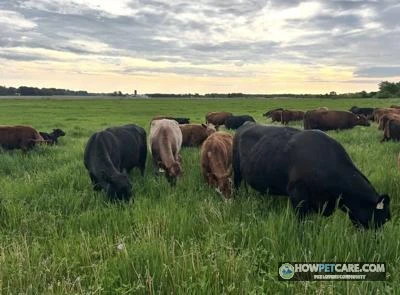

Farm animal welfare is how well animals cope with the conditions in which they are bred, raised, handled, transported, and slaughtered. It covers physical health, mental state, and natural behavior. In the U.S., standards and labels vary, so credible welfare claims should be independently verified.
Farm animal welfare is about more than marketing claims. It depends on how animals’ needs for physical health, mental well-being, and natural behavior are met in practice. Consumers and advocates can look beyond broad terms by examining how animals are kept, handled, transported, and slaughtered—and which standards have independent oversight that can be verified.
What Farm Animal Welfare Means: Health, Mental State, and Natural Behavior
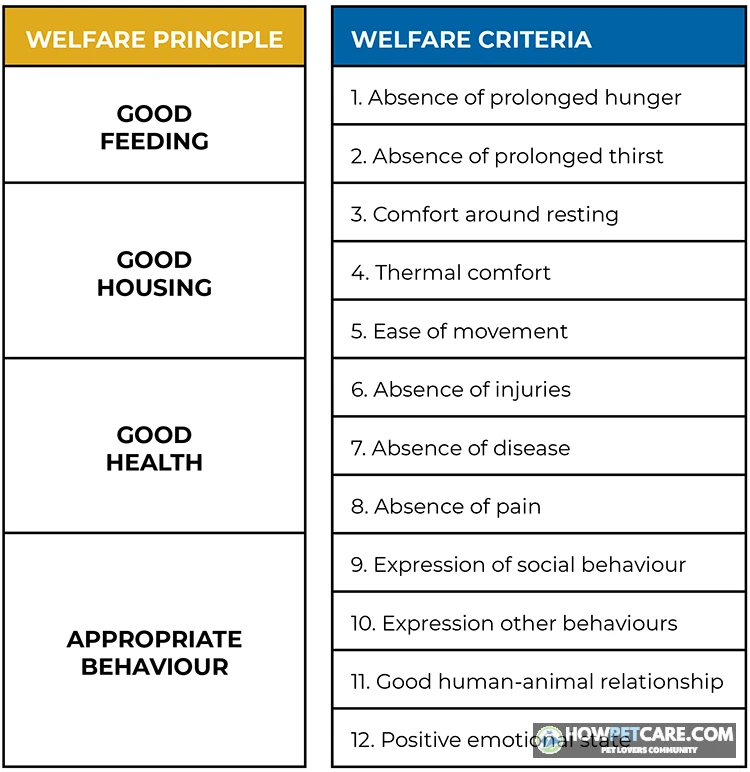
Farm animal welfare describes how well an individual animal is coping with its living conditions. It covers three core areas: physical health, mental well-being (including the absence of fear, pain, frustration, and discomfort), and the ability to perform natural, species-typical behaviors.
The Five Freedoms and Five Domains in plain terms
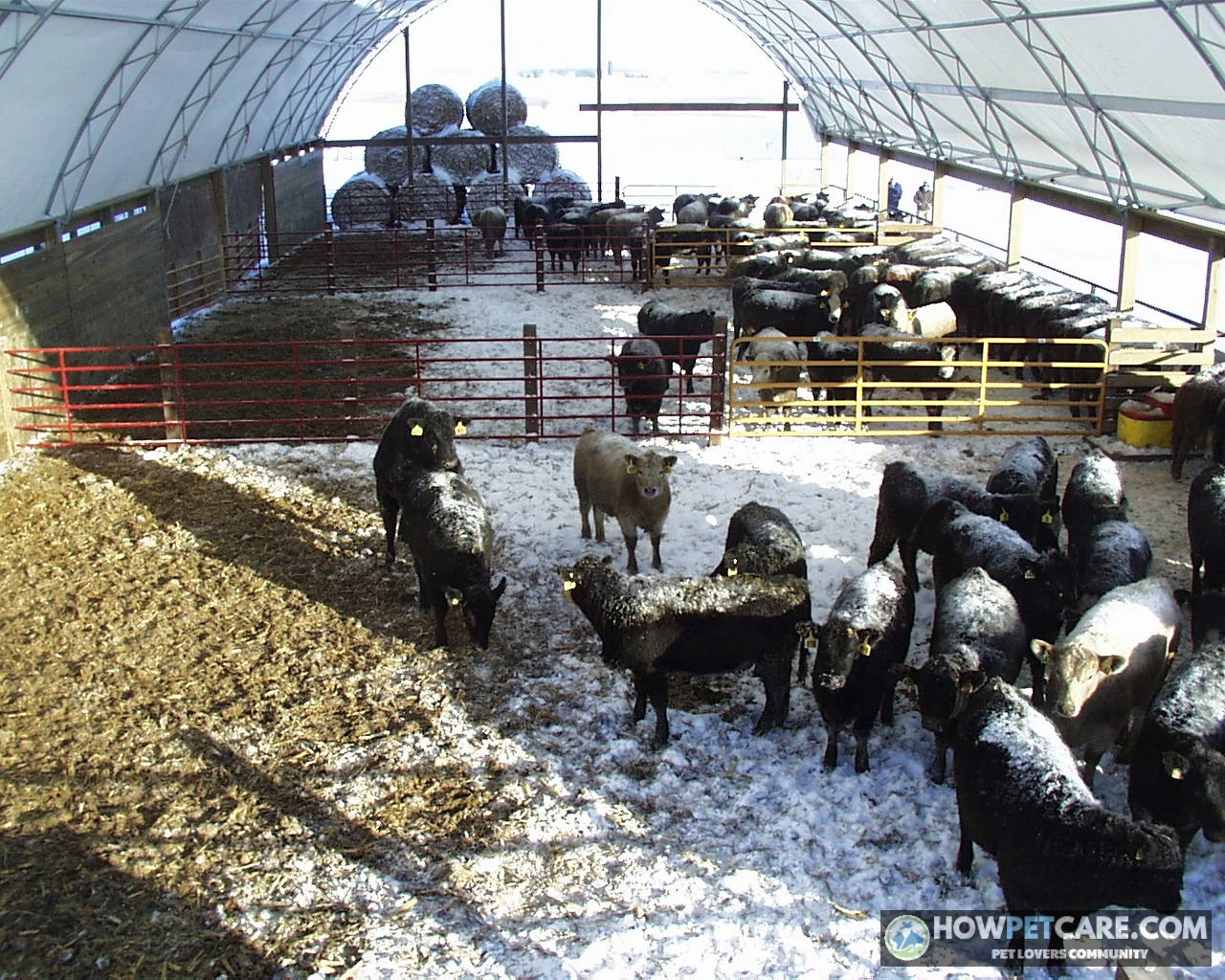
Welfare is often described using the "Five Freedoms," a model developed from UK farm animal welfare reviews in the 1960s and 1970s. The freedoms emphasize food and water, appropriate shelter, preventive veterinary care, and the ability to express normal behavior. The newer "Five Domains" model builds on that foundation. It includes nutrition, environment, physical health, behavioral interactions, and mental state, and is increasingly used to focus on the animal’s lived experience rather than just the absence of negative conditions. For example, a farm might provide feed and veterinary care while severely restricting behavior through intensive confinement that prevents movement or social interaction.
Differences between farm animal welfare and animal rights
Farm animal welfare and animal rights have different goals. Welfare focuses on improving how animals are kept, handled, and slaughtered while they continue to be used for food, fiber, or other products. Animal rights, by contrast, generally holds that animals have interests or rights that limit or rule out their use for human purposes. The distinction helps clarify the objectives of organizations and the standards they promote, whether you’re reading a product label or following a policy debate. This guide focuses on welfare within current U.S. agricultural systems. It examines conditions for major species without taking a moral position on the use of animals for food.
How to Assess Welfare: Link Animal Needs, Living Conditions, and Observable Outcomes
A consistent three-step framework can help you assess welfare for any species, product claim, or certification program.
Inputs versus outcomes: why both matter
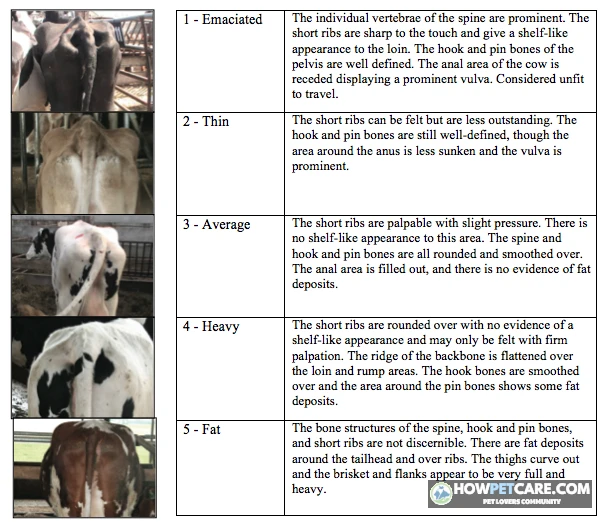
Many conventional welfare standards focus on "inputs": physical specifications such as cage size, stocking density, or pasture access. These can be easier to audit and regulate. "Outcome-based" measures look instead at animal health and behavior, using indicators such as body condition, lameness, skin lesions, or fear responses. They can offer a more direct picture of how animals experience their environment, though individual measures have limitations. Formal welfare assessments and audits may use both approaches, reviewing facilities and management plans (inputs) while observing the animals on the farm (outcomes).
A five-question checklist for any welfare claim
When evaluating a claim, ask:
- Who defined the standard?
- Who verifies that the farm follows it?
- Does it cover the entire life cycle, including housing, handling, transport, and slaughter?
- Are the requirements enforceable, or is it a voluntary "best effort"?
- Are there public reports on compliance or failures?
The table below connects animal needs with conditions to investigate and outcomes to observe.
| Species | Key animal needs | Common U.S. conditions to ask about | Observable welfare outcomes | Claims or programs that address it |
|---|---|---|---|---|
| Broiler chickens | Sound legs, comfortable litter, rest, suitable light, and room to move and perform comfort behaviors | Growth rate or breed, stocking density, litter management, enrichment, catching and transport procedures | Lameness, footpad lesions, injuries, mortality, and ability to walk | Some welfare programs specify slower-growing breeds, space, enrichment, and handling; check the exact standard and species scope |
| Laying hens | Nesting, perching, dust-bathing, movement, and protection from injury and disease | Cage or cage-free housing, usable perch and nest space, flock size, outdoor access, and beak treatment | Feather loss, wounds, keel bone damage, mortality, and signs of feather pecking | Cage-free claims address confinement in cages, not outdoor access; certification standards may add housing and management requirements |
| Pigs | Rooting and exploration, social contact, comfortable resting areas, and freedom from avoidable pain | Sow housing during gestation and farrowing, flooring, tail docking, castration, and access to manipulable material | Tail and ear wounds, lameness, body condition, lesions, and abnormal repetitive behavior | Certification standards may restrict crates or require enrichment; state laws and company pledges differ in scope and enforceability |
| Dairy cattle | Adequate feed and water, comfortable rest, social contact, and timely treatment of illness and pain | Tie stalls or freestalls, pasture or dry-lot access, bedding, calf housing and separation, and dehorning pain control | Lameness, swollen joints, mastitis, body condition, and injuries | Dairy assurance programs and certifications address different subsets of care; check whether criteria cover housing, calves, and pain management |
| Beef cattle | Space to rest, adequate feed and water, protection from weather, and low-stress handling | Pasture and feedlot conditions, shade, mud management, handling, transport, and slaughter | Lameness, injuries, body condition, heat stress, and illness | Some programs address pasture access or handling; a pasture claim alone does not establish conditions at later life stages |
| Turkeys, sheep, goats, and farmed fish | Species-specific space, social and environmental needs, suitable feed and water, and protection from injury and disease | Stocking and housing, access to appropriate substrate or shelter, handling, transport, and slaughter or harvest methods | Injuries, lameness or gait problems, abnormal behavior, mortality, and species-specific health measures | Coverage varies substantially by species and program; confirm that the named standard includes the species and production stage |
Use this check for a farm, product claim, or certification. Record a specific answer for each step rather than relying on a label alone.
- Name the animal’s needs. Choose the species and life stage. For example, a laying hen needs suitable food and water, protection from injury and disease, and opportunities to perch, nest, dust-bathe, and move.
- Check what the system enables or restricts. Ask which housing, space, flooring, enrichment, outdoor access, handling, transport, and slaughter practices are specified. Note which details are measurable and which are left open.
- Look for outcomes in the animals. Seek observations or records relevant to those needs: injuries, lameness, body condition, mortality, feather or skin damage, and signs of fear or repetitive behavior. A written rule isn’t proof that animals experience good outcomes.
Quick read: A strong answer connects a named need to a specific farm practice and a way to check its effect. If one link is missing, mark it “not established,” not “good” or “bad.”
 You might be wonderingAnimal advocacyAnimal Advocacy: How to Choose and Take Effective ActionRead the answer
Welfare Concerns by Species: Chickens, Pigs, Cattle, and Other Farmed Animals
U.S. farming practices vary considerably by species. Some animals are raised in Concentrated Animal Feeding Operations (CAFOs), where housing and stocking density vary; the designation alone does not establish an animal’s welfare.
Broiler chickens and laying hens
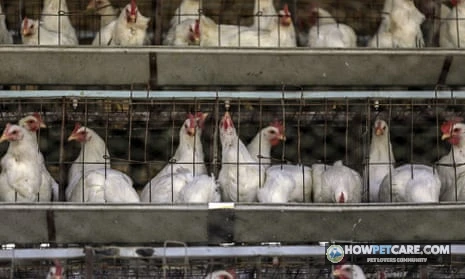
Broiler chickens, raised for meat in systems often described as factory farm chicken production, are frequently bred for rapid growth. Their skeletal systems may not keep pace with muscle development, which can cause lameness or leave birds unable to stand. One reported U.S. estimate puts broilers’ time to market weight at about 5.5 weeks. Stocking densities can be high, with one reported figure of less than 0.75 square feet per bird. Laying hens have traditionally been kept in battery cages, though cage-free systems have expanded; one reported count puts global company pledges to move away from cages at over 2,000. These figures lack dated context here and should not be treated as current national estimates. Cage-free systems allow more movement, but they can still present challenges such as feather pecking and keel bone fractures associated with aviary design.
Pigs and gestation crates
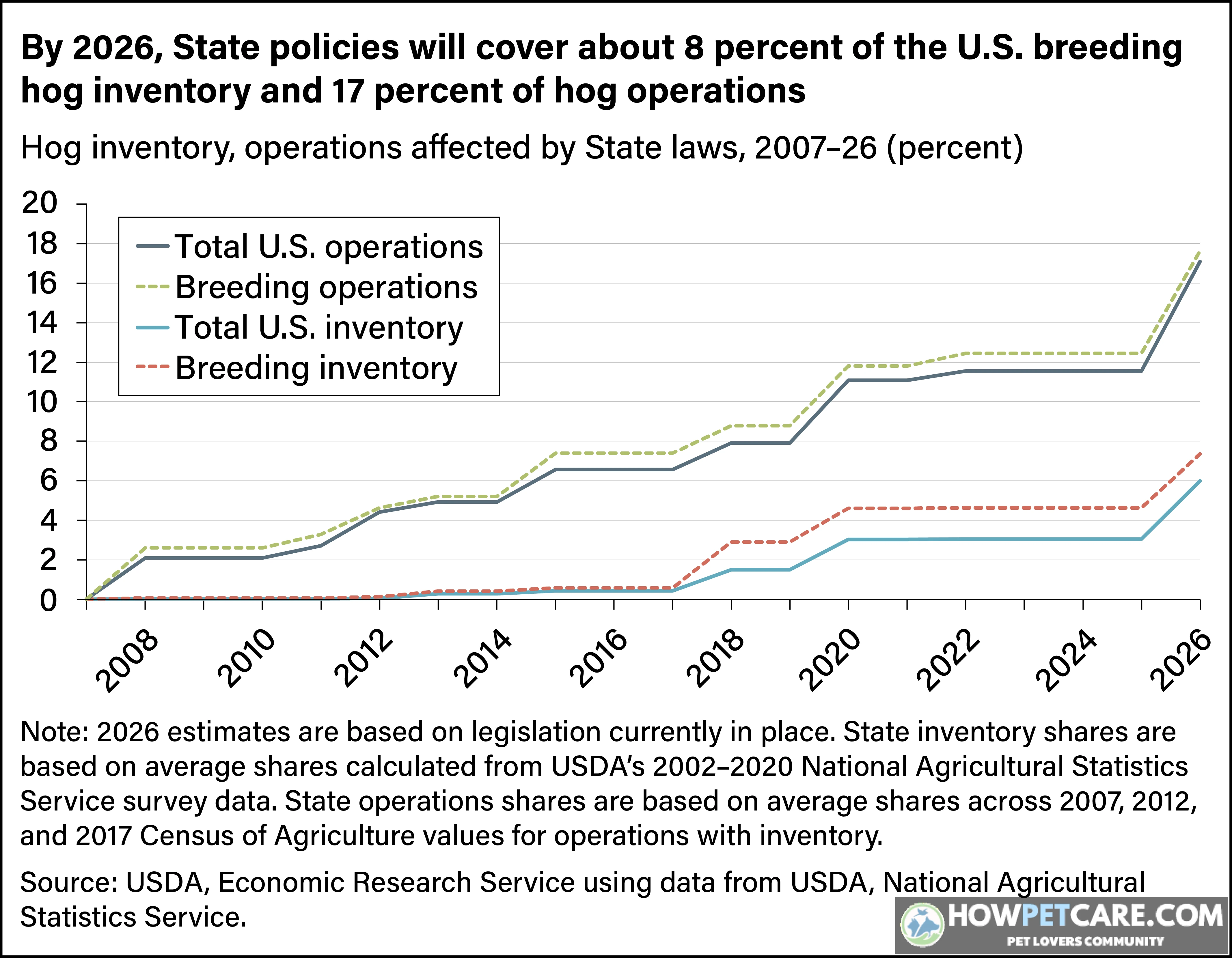
In intensive systems, pigs are often subject to tail docking and castration, frequently without pain medication. During pregnancy, sows have historically been confined in gestation crates so narrow that they cannot turn around. Some states have introduced laws restricting the practice, and industry pledges aim to phase out the crates.
Dairy cattle and beef cattle
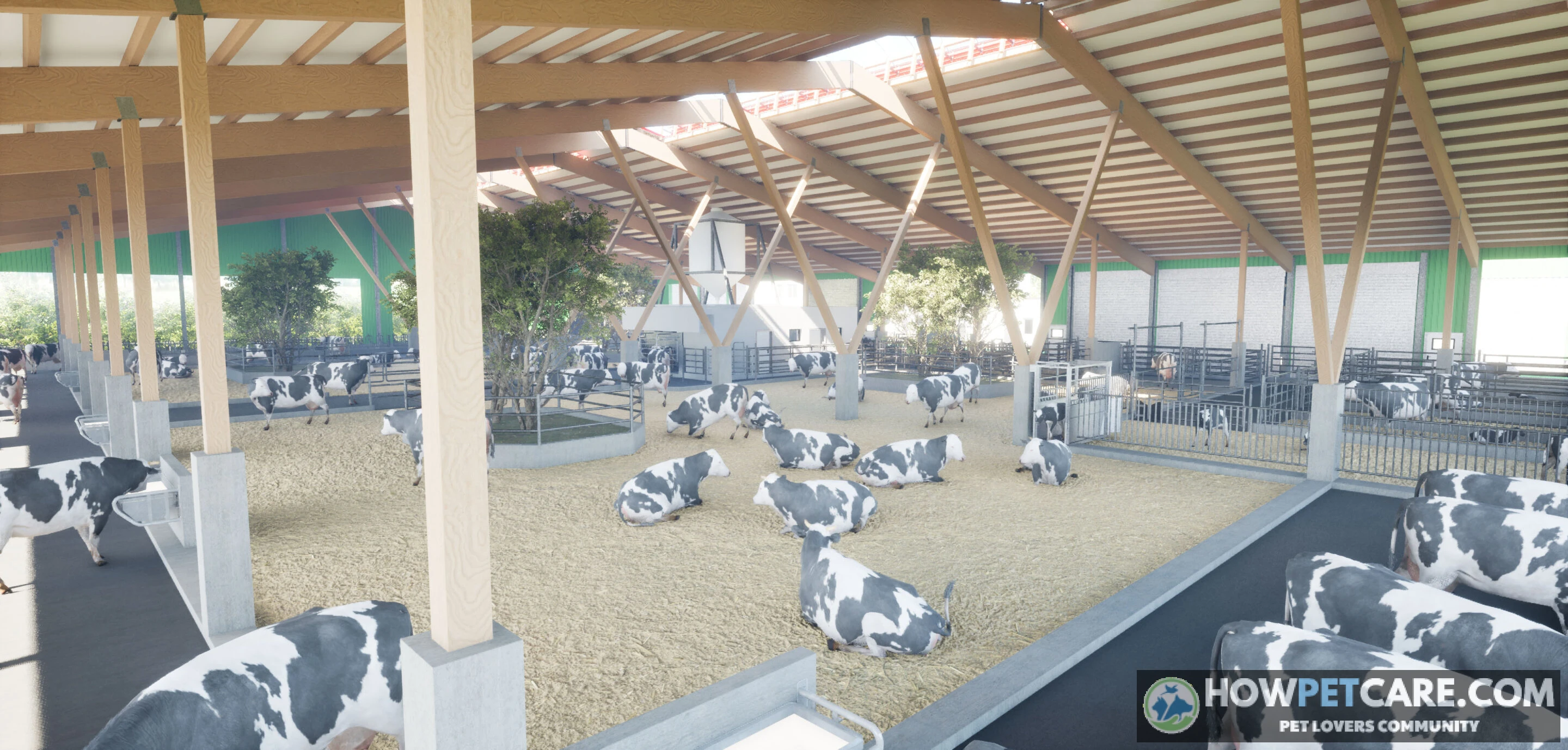
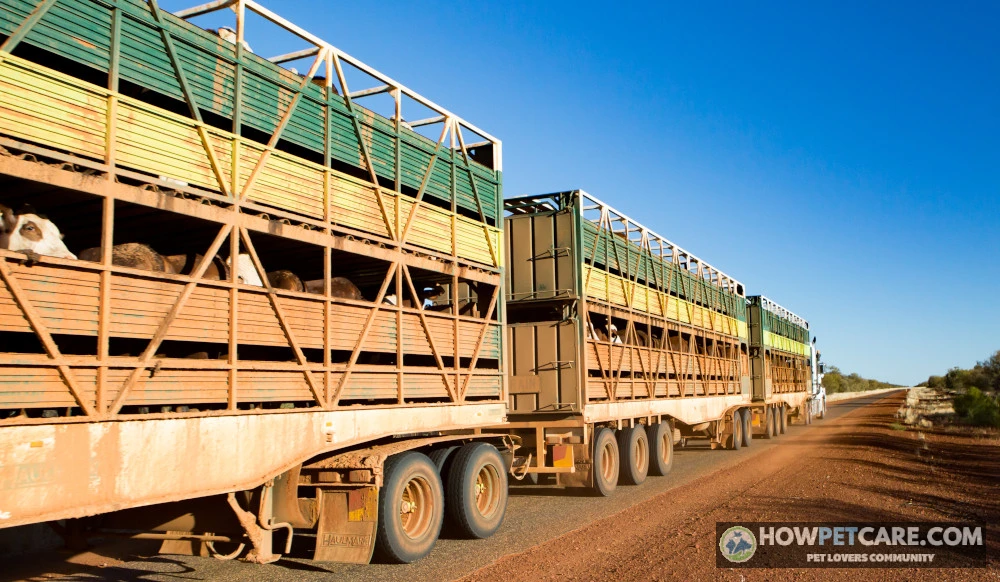
One reported estimate puts average dairy production at nearly 20,000 pounds of milk annually; without a date, it should not be treated as a current average. Dairy cattle are often housed in freestall or tie-stall facilities. Key welfare concerns include mastitis (an infection of the udder), lameness, and early separation of calves from their mothers. Beef cattle generally spend their early lives on pasture, but many finish their growth in feedlots. Heat stress and long-distance transport remain significant welfare concerns for them, including the risk of moving animals too weak to stand.
Turkeys, sheep, goats, and fish
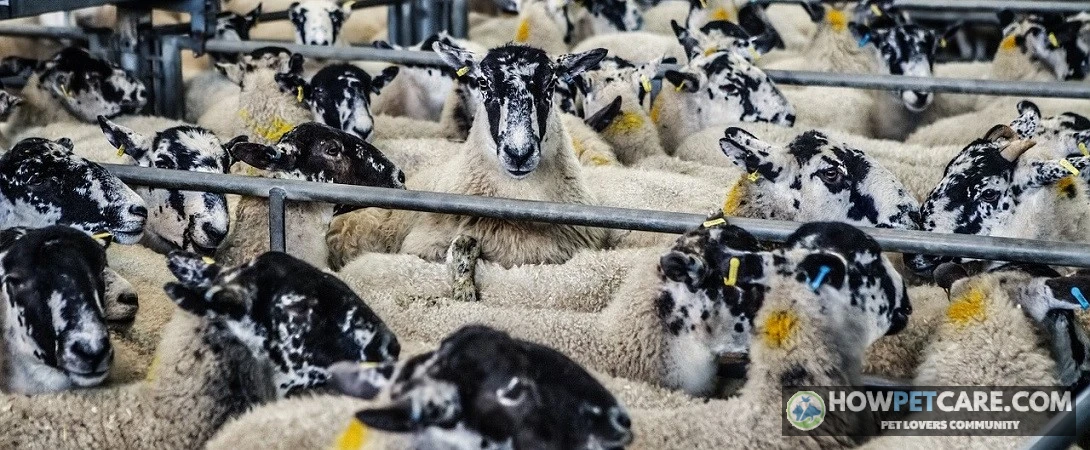
Turkeys, sheep, goats, and farmed fish may have fewer public-facing standards or certification programs than chickens, pigs, and cattle. Welfare risks for these animals can include stocking density, transport, and inadequate species-specific handling or slaughter practices.
Cage-Free, Free-Range, and Pasture-Raised: What Each Claim Means and Who Checks It
Food packaging terms can be confusing. Not all have consistent, legally binding definitions, and not all require independent verification.
Cage-free versus pasture-raised: the practical difference
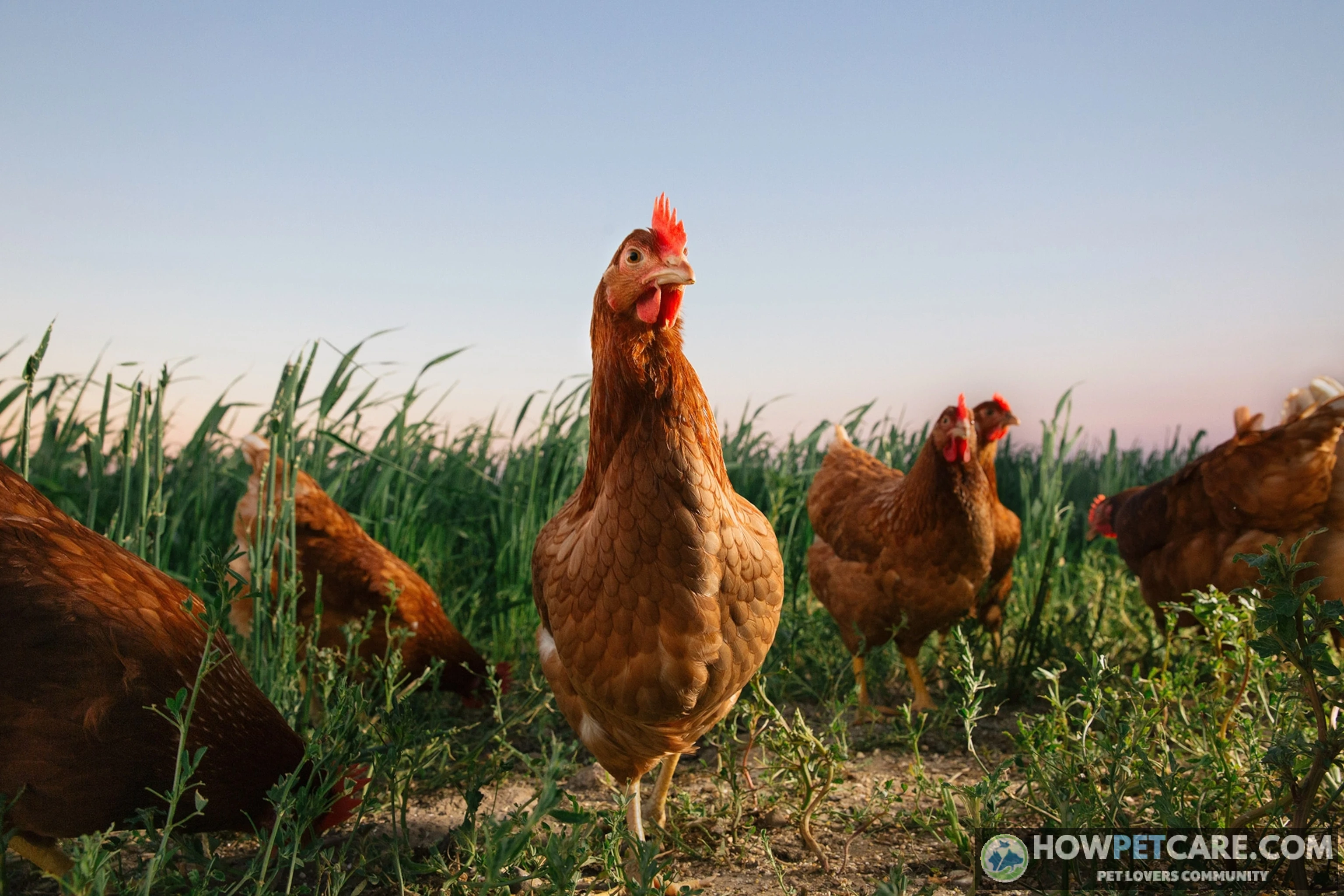
For eggs, "cage-free" generally means hens are not confined to cages. It doesn’t guarantee outdoor access or a specific amount of space. For poultry meat, "free-range" implies outdoor access, but the definition varies and doesn’t mandate how much time an animal spends outside or the quality of that space. "Pasture-raised" typically suggests that an animal spends a portion of its life on pasture. There is no uniform federal definition, however, so the actual conditions depend on the producer’s standard or a third-party certification program.
Claims that sound humane but have no verification requirement
Labels such as "humanely raised" or "natural" lack a single, standardized welfare definition in the U.S. A verified certification may supply specific welfare criteria; a phrase alone does not. Check what a particular label covers rather than assuming it sets welfare requirements. Applicable labeling rules can make a misleading claim enforceable even when no independent farm audit is required.
| Claim | Who defines it | Verification | What it generally requires | What it does not guarantee |
|---|---|---|---|---|
| Cage-free | USDA label rules apply to relevant egg claims; the precise claim and product matter | May be supported by records or a certification audit; check the package or program | Laying hens are not kept in cages under the claim’s applicable terms | Outdoor access, a particular stocking density, freedom from feather pecking, or standards for transport and slaughter |
| Free-range | USDA has guidance or definitions for certain products, including poultry meat; do not assume one definition covers every product | Depends on the claim and any named verification program | For poultry meat, access to the outdoors under applicable USDA criteria | A large or enriching outdoor area, meaningful time outside, or standards for breed, handling, transport, and slaughter |
| Pasture-raised | No single binding federal definition applies across all products | A named third-party or USDA Process Verified program can specify and verify requirements; otherwise check the claim’s basis | The meaning depends on the specific standard or producer’s stated practice | A uniform minimum for time or space on pasture, year-round pasture access, or protections across the entire production chain |
| “Humanely raised” | No single binding federal definition for all products | Depends on the claim and any named certification or verification | Whatever the applicable claim and named standard explicitly require; the phrase by itself gives no consistent criteria | Any particular housing, outdoor access, handling, transport, or slaughter practice |
| “Natural” or “vegetarian-fed” | USDA rules address limited aspects of some meat and poultry label claims; neither phrase is a general welfare standard | Claim-specific; look for documentation or a separate welfare certification | A limited product or feed attribute, as applicable to the claim | Better living conditions, outdoor access, low-stress handling, or good animal health |
U.S. Welfare Certifications Compared: Criteria, Verification, and Limitations
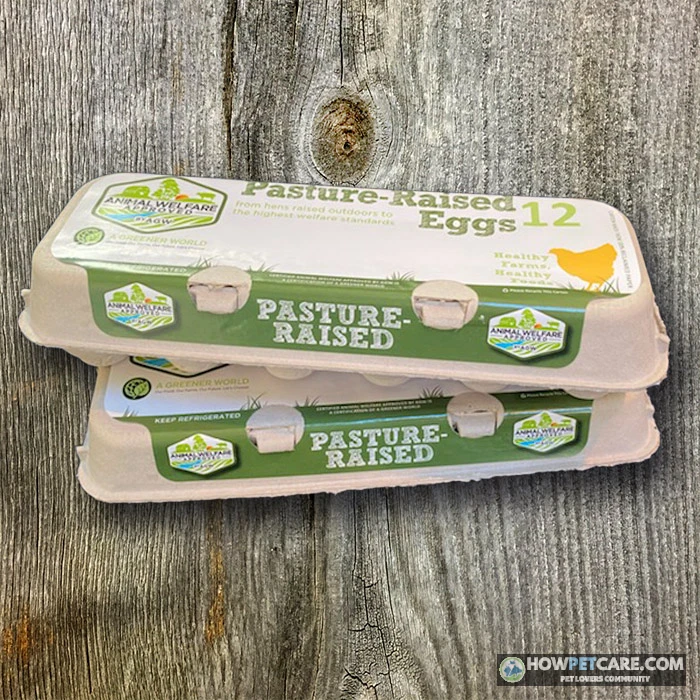
Independent third-party certifications can provide evidence that a farm meets a published standard, but criteria and oversight differ. Major programs include Certified Humane, Global Animal Partnership (GAP), Animal Welfare Approved (A Greener World), and American Humane Certified.
| Program | Criteria | Verification | Limitations |
|---|---|---|---|
| Certified Humane | Species-specific standards address housing, care, and handling | Independent inspections assess compliance | Outdoor access and other requirements vary by species and claim; the logo alone does not establish every life-stage condition |
| Global Animal Partnership (GAP) | Tiered standards address housing and management, with requirements varying by species and tier | Independent certification bodies audit participating operations | A lower tier does not imply the outdoor access or other provisions of a higher tier; check the specific label |
| Animal Welfare Approved (A Greener World) | Species-specific standards emphasize pasture or range access and cover management and handling | Independent audits assess participating farms | Species and product coverage are limited; check the standard for transport, slaughter, and exceptions |
| American Humane Certified | Species-specific standards address housing, management, and animal care | Independent audits assess compliance | Requirements and outdoor access vary by species; certification does not mean every animal is raised on pasture |
How to read a certification’s standard instead of its logo
Don’t stop at the logo. Read the program’s written criteria to see whether they address housing, outdoor access, handling, and slaughter. Check who audits farms and how often, whether visits can be unannounced, and what consequences apply for noncompliance, such as suspension or loss of certification.
What happens when a certified farm falls short
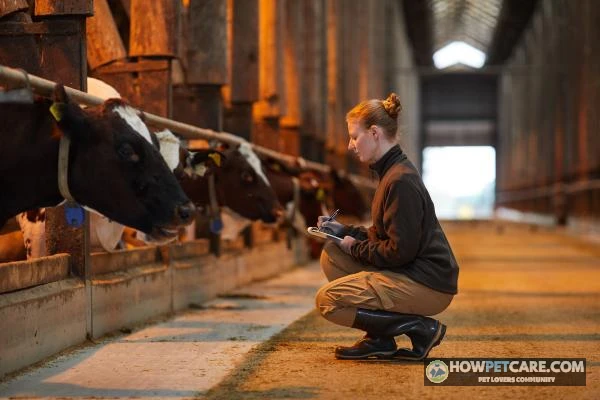
Programs may require corrective actions or suspend certification when a farm falls short. Check the program’s published procedures and whether audit findings or compliance results are available; a logo alone does not show how an individual problem was resolved.
The National Dairy FARM Animal Care Program: Requirements and Oversight
One reported figure states that more than 99% of the U.S. milk supply comes from farms participating in the National Dairy FARM (Farmers Assuring Responsible Management) Animal Care Program. The figure has no dated context here, so its current scope should be checked with the program.
What the program requires
FARM is an industry-led program based on a written manual covering animal care, handling, veterinary care, pain management, housing, and nutrition. Participating farms must follow the applicable manual, including requirements for a veterinary relationship, staff training, and documented care practices. Specific requirements and deadlines depend on the manual version.
How evaluations and corrective actions work
Program-approved evaluators assess participating farms, and independent third-party evaluations provide additional oversight of a sample. Deficiencies can trigger corrective action plans and follow-up; serious or unresolved noncompliance can affect a farm’s participation. Check the current program manual for procedures and consequences.
Industry-led program versus independent certification
FARM differs from independent third-party certifications because industry organizations govern its standards, even though independent evaluators provide a further check. It provides a common baseline rather than a consumer-facing product label signifying higher-welfare practices compared with other certified dairy products. Critics of industry-led programs argue that allowing an industry to define and monitor its own standards can lead to less stringent requirements and conflicts of interest. Proponents point to FARM’s reach, saying it creates a broad industry safety net that smaller independent certifiers cannot achieve alone.
U.S. Farm Animal Protections: Federal Rules, State Laws, and Enforcement Gaps
Legal protections for farm animals in the U.S. are complex and often limited.
Federal laws and what they cover
The Animal Welfare Act (AWA) is the primary federal animal welfare law, but it explicitly excludes animals raised for food. The Humane Methods of Slaughter Act generally requires covered livestock to be rendered insensible to pain before slaughter, with an exception for ritual slaughter. It does not apply to poultry, which account for a large portion of food animals killed. The 28-Hour Law generally requires covered animals transported for more than 28 hours to be offloaded for food, water, and rest, subject to exceptions and extensions. It does not apply to poultry and can be difficult to enforce.
State laws and confinement rules
Some states have passed laws restricting confinement, including California’s Proposition 12, which sets space requirements for egg-laying hens, breeding pigs, and calves raised for veal and affects covered products sold in the state. The U.S. Supreme Court upheld the law against a constitutional challenge in 2023, though other legal challenges can concern different issues.
Where enforcement and coverage fall short
Federal law provides limited protection for routine on-farm conditions, and state exemptions for accepted agricultural practices can narrow cruelty-law coverage for suspected farm animal neglect. Inspection resources and enforcement vary. Some states have "ag-gag" laws restricting certain forms of access or documentation at agricultural facilities, although courts have blocked or narrowed provisions in some cases.
How to Read Farm Animal Statistics Without Being Misled
When assessing farming statistics, such as estimates of animal populations or the impact of CAFOs, check the source and how the terms are defined.
Why ‘factory farm’ and CAFO numbers are not the same thing
Advocates often use "factory farm" to describe intensive agriculture, while "CAFO" is a technical EPA term for a specific size and type of operation. The terms have different definitions, so statistics using them are often not directly comparable.
A four-question test for any statistic
When you see a statistic, check:
- Who produced the data?
- What is the specific definition of the terms used?
- What was the exact methodology for counting?
- What is the date of the data?
How to Support Better Farm Animal Welfare on Any Budget
Supporting welfare doesn’t always require premium spending. There are meaningful actions you can take on any budget.
If you can’t pay a premium
Advocacy is one option. Support legislation or ballot measures in your state, ask retailers about their welfare policies, and share verified information about farming practices. Consumers can also press brands for answers about their sourcing. These actions need not add to a food budget.
If you have access to specialty stores or farms
When your budget allows, look for products with independent third-party certifications such as Certified Humane or Animal Welfare Approved, and check their applicable standards. You can also shop at local farmers’ markets and speak directly with producers; local sourcing alone does not guarantee welfare conditions.
Questions to ask a farmer, brand, or retailer
Use this template to ask food providers about their practices.
I’m trying to understand the welfare standards behind your [egg/chicken/pork/beef/dairy] products. Which farms or written standard cover them? Could you tell me what the standard requires for housing and space, outdoor access or enrichment, handling, transport, and slaughter? Who checks compliance, how often are checks conducted, and what happens if a supplier does not meet the requirements? If this product uses a claim such as “free-range” or “humanely raised,” where can I read the criteria and verification details?
-
Identify Needs
Identify the species’ specific needs, focusing on natural behaviors and health.
-
Check Standards
Check whether the product has a third-party certification rather than relying on package claims.
-
Verify Oversight
Find out who conducts audits and whether audit results are transparent or enforced.
-
Action
Use your purchasing power or advocacy voice to support systems that meet your criteria.
 You might be wonderingMaltrato animalAnimal Abuse: How to Recognize, Report, and Escalate ItRead the answer
FAQ
Does organic mean higher animal welfare?
Not automatically. USDA organic rules require organic feed, no antibiotics or added hormones, and some outdoor access for livestock, but they are not a complete welfare standard. How much a given organic farm protects welfare depends on the species and the details of its housing and handling.
Does ‘antibiotic-free’ or ‘no added hormones’ mean animals were treated humanely?
No. These claims describe drug use, not housing, space, handling, or slaughter. They can also overlap with other rules, since hormones are not permitted in poultry or pork production in the U.S.
Are small or local farms always better for animal welfare?
Not always. Welfare depends on management, housing, health care, and handling, and these can be good or poor on farms of any size. Ask the farmer about the animals’ living conditions and whether a third party verifies them.
Does grass-fed mean the animal had better welfare?
Not by itself. Grass-fed describes diet, and an animal can be grass-fed and still have limited shade, poor handling, or a stressful transport and slaughter experience. Look for pasture access requirements and a third-party verified standard.
Do farm animals feel pain and stress?
Yes. Scientific evidence shows that mammals and birds used in farming can feel pain, fear, and distress, and evidence for fish is also strong. This is why welfare assessments consider mental state as well as physical health.