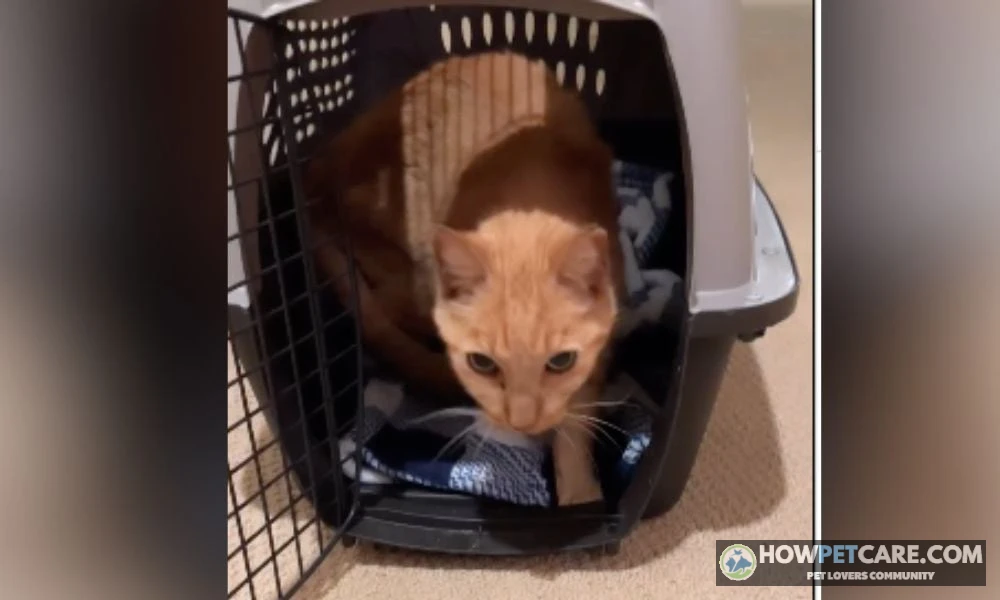

To adopt a cat, follow these steps:
- Confirm your household is ready and set a realistic budget.
- Choose a channel: municipal shelter, rescue, breed rescue, or adoption event.
- Search listings and shortlist cats by temperament and household fit.
- Meet the cat, then submit an application with ID, housing, and reference details.
- Complete screening (interview, reference checks, or home visit).
- Review the contract, fee inclusions, and return policy before signing.
- Bring home the cat, its medical records, and set up a quiet safe room.
To adopt a cat, choose a shelter, rescue, or partner adoption event and meet a cat whose needs fit your household. Complete the organization’s application and screening, review the contract and fee, and bring the cat home with its medical records and a safe-room plan. Some municipal shelters complete adoptions the same day, while foster-based rescues may take days or weeks to check references, conduct interviews, or arrange a home visit. Processes, fees, and return terms vary, so confirm them before applying or paying.
Adopting a cat is a long-term commitment: many cats live 10–20 years. Before you begin, agree on who will provide daily and backup care, check for household allergies, and consider how a new cat will fit in with children and existing pets.
How to Adopt a Cat from a Shelter or Rescue: The Steps from Search to Homecoming
Step-by-step: searching to signing
Here’s how to adopt a cat, from checking your readiness to helping your new pet settle in:
- Check readiness. Set a realistic budget, make sure everyone in the household agrees, and decide who will care for the cat during travel or illness.
- Choose an adoption channel. Compare municipal shelters, private rescues, breed rescues, and adoption events with local partners.
- Search listings. Browse shelter and rescue websites or platforms such as Petfinder. A listing platform connects you with the organization; it doesn’t set that organization’s requirements or fees.
- Shortlist by fit. Ask about age, energy, health, handling, and experience with children or other animals. A cat’s needs matter more than appearance or breed alone.
- Meet the cat. Follow the organization’s meet-and-greet process, and ask what staff or foster caregivers have observed at home or in the shelter.
- Submit an adoption application. Give accurate information about your household, housing, work schedule, current pets, and veterinarian or personal references.
- Complete screening. Depending on the organization, this may include an interview, reference checks, landlord confirmation, or a home visit.
- Review the agreement and fee. Before signing, ask what medical services are included, what post-adoption obligations apply, and what the return policy says.
- Collect the cat and records. Bring government-issued photo ID and a secure carrier. If you rent, bring proof of address and written landlord approval if requested. Take home the signed contract, available vaccination and spay/neuter records, and microchip registration instructions.
- Start slowly at home. Set up a quiet base room and let the cat adjust at its own pace.
There’s no guaranteed timeline from application to pickup. Some municipal shelters offer same-day adoption after approval; other shelter processes take a few days. Foster-based rescues may need days to weeks for references, interviews, or home checks. Ask the organization about its typical timeline and whether it can hold a particular cat while screening is completed.
How long does it take to adopt a cat?
The process can take a day or several weeks, depending on the organization, the cat, and how quickly you provide the requested information. Missing landlord permission, an unavailable reference, a medical procedure that still needs to be completed, or multiple applicants for the same cat can all cause delays. Having your documents ready can prevent avoidable back-and-forth, but it doesn’t guarantee approval or a particular adoption date.
Foster-to-adopt: trying before you commit
Some shelters and rescues offer foster-to-adopt or a trial period. You care for the cat at home while the organization retains ownership until an agreed decision point. The arrangement can help households assess compatibility, especially if there are resident pets or allergy concerns. Ask whether there’s a deadline, who pays for medical care during the trial, and how the cat must be returned if it isn’t a fit. Not every organization offers this option.
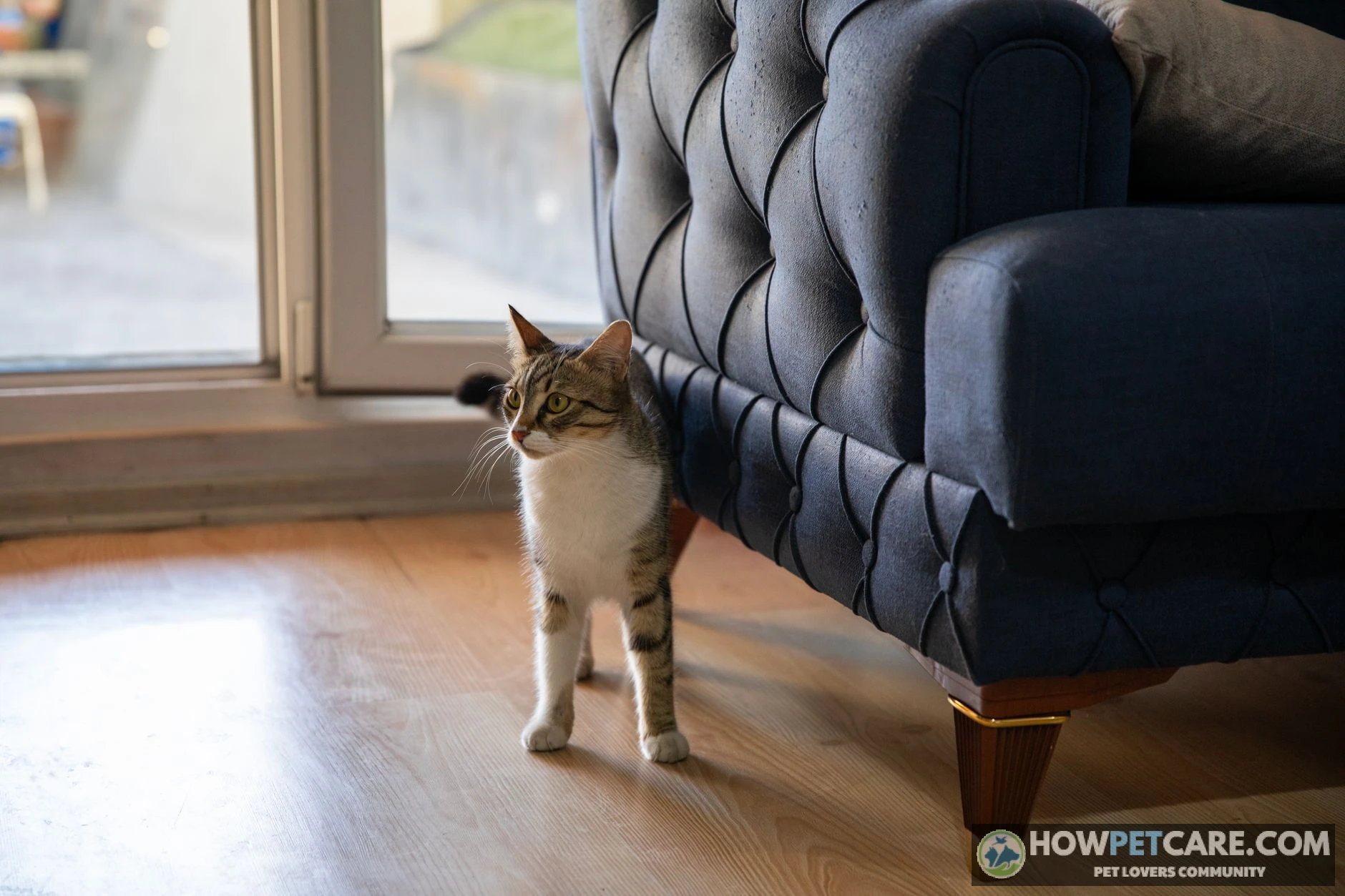
Where to Adopt a Cat: Municipal Shelter vs. Rescue vs. Online Platform vs. Retail Adoption Event
A municipal animal shelter is operated by a city or county, while a private or foster-based rescue is usually an independent organization. Breed rescues focus on particular breeds. Online platforms display listings from participating organizations, and PetSmart or Petco adoption events are generally run with local shelter or rescue partners. The organization caring for the cat—not the platform or store—sets the adoption terms.
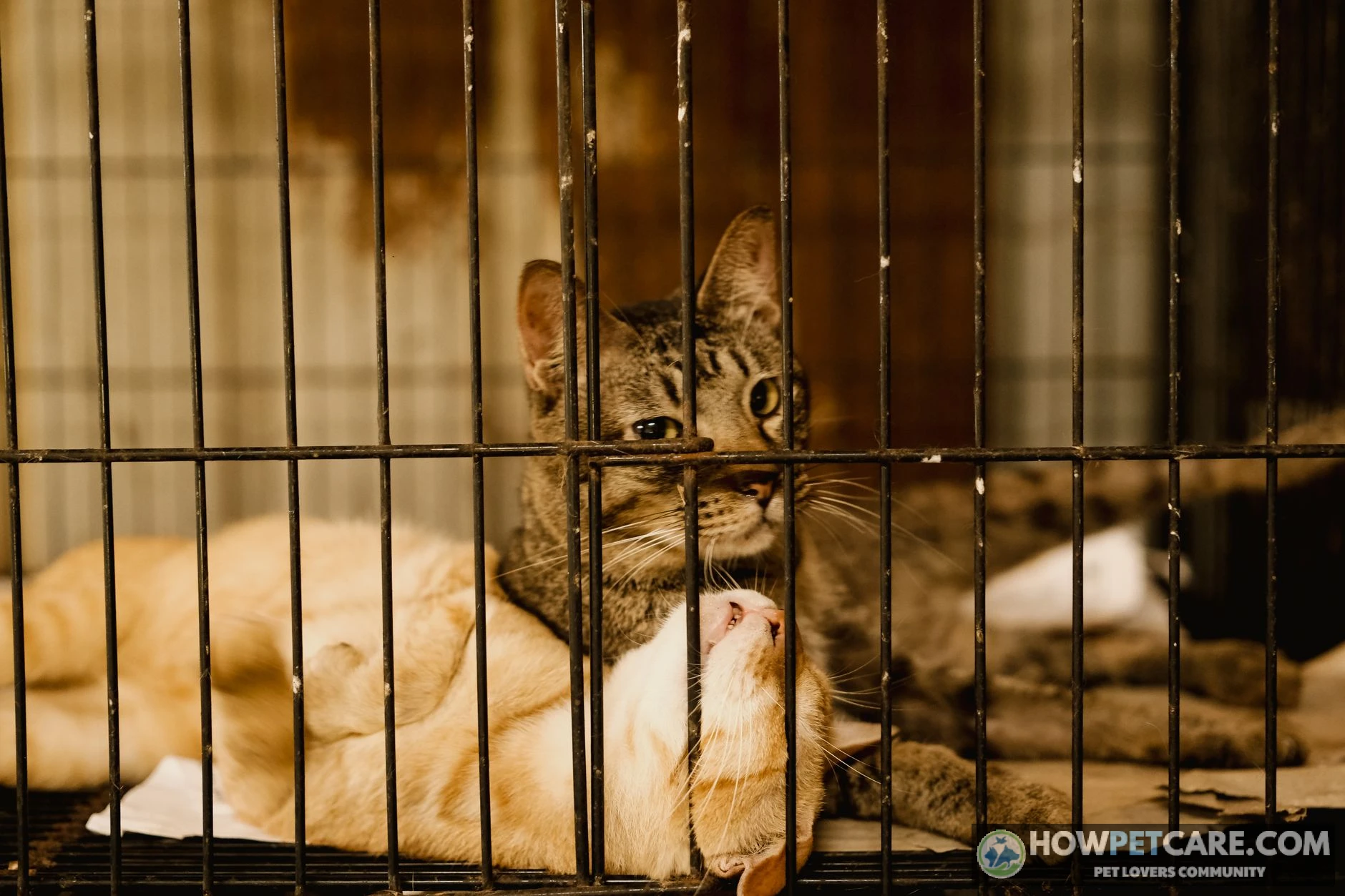
Channel comparison at a glance
The fee ranges below are broad planning estimates, not verified current fee schedules for every organization. They can vary by state, locality, cat age, medical services, and promotions. Confirm the actual 2026 fee with the organization before applying or visiting, and ask for its current fee schedule in writing. Screening and return policies vary, too.
| Channel | Typical adoption fee range (2026 planning estimate; confirm with organization) | Screening rigor and typical timeline | What the fee may include | Support and return terms | Best for |
|---|---|---|---|---|---|
| Municipal shelter or county animal control | About $0–$200; fee-waived promotions may be offered | Often light to moderate; same-day to several days is possible | Services vary; may include spay/neuter, vaccinations, and microchip | Ask about post-adoption support and the written return policy | Lower-cost options, a quicker process, and meeting cats in a shelter setting |
| Private or foster-based rescue | About $75–$350; kittens may cost more and some cats may be discounted | Often more detailed; references, interview, or home visit may take days to weeks | May include spay/neuter, vaccinations, microchip, and testing; confirm what was done | Support and return requirements depend on the rescue; ask before signing | More information from a foster caregiver and help assessing household fit |
| Online listing platform | Set by the shelter or rescue behind each listing; the platform itself does not set the adoption fee | The underlying organization screens applicants and sets its timeline | Whatever the listed organization includes | Whatever the listed organization provides | Searching multiple organizations and filtering listings |
| Retail adoption event with a local partner | Often about $50–$250, set by the partner; promotions may reduce it | The partner’s rules apply; event format may allow a quicker meet-and-greet | Whatever the partner organization includes | The partner organization’s policy applies | Meeting cats at an event and getting a partner-led handoff |
These ranges are estimates, not a survey of current fee schedules. No verified, consistent national dataset establishes a precise 2026 fee by channel, so use them as a budgeting guide and check local prices directly. A fee-waived event doesn’t mean veterinary care is free: ask which services are complete and what remains due.
Picking a channel for your situation
Consider a municipal shelter or humane society if you want to learn about cats available in your area and ask about lower-cost options, including promotions timed to national Adopt a Cat Month. A foster-based rescue may be a better starting point if you’d like detailed notes on a cat’s behavior in a home or need help finding a match for other pets. A breed rescue can help if you have a strong preference for a particular breed, though breed alone doesn’t guarantee a certain temperament or health outcome.
Petfinder-style platforms make it easier to browse multiple organizations at once, but you still apply to the organization named in the listing. Before sending money, verify that the organization is a government agency or a legitimate nonprofit and that the payment method and recipient match its stated process. Be wary of pressure to pay immediately, requests to send money through unusual channels, or a seller who won’t let you verify the cat and organization.
Adopting vs. buying from a breeder
Adopting typically means working with a shelter or rescue that cares for cats needing homes; the fee may include some medical services. Buying from a reputable breeder may suit someone seeking a particular breed and documented lineage, but it requires careful checks on the breeder’s practices and health records. A breed rescue can be another route for people interested in a specific breed. Don’t make the choice on price alone: assess the animal’s needs, the source’s transparency, and your ability to provide lifelong care.
How Much Does It Cost to Adopt a Cat? Adoption Fees, What They Include, and First-Year Costs
Adoption fees by channel (2026 planning ranges)
Use the table above as a starting point, not a quote. Actual fees vary by organization and may change with location, age, season, or a sponsored promotion. Ask what the fee covers and request a written breakdown before you commit. Remember that the adoption fee is only one part of the cost of adopting a cat.
What the adoption fee includes
Many shelters and rescues include some combination of spay or neuter surgery, core vaccinations, a microchip, and an initial veterinary exam. Some organizations also test for FeLV or FIV, but practices vary. Ask for the cat’s records and clarify what’s complete, what’s scheduled, and what you’ll need to pay for after adoption. Don’t assume a fee covers every vaccine, parasite treatment, follow-up exam, or future medical need.
Kittens may have higher fees than adult cats because of demand and care needs. Organizations sometimes reduce or waive fees for senior cats, bonded pairs, cats with special needs, or black cats highlighted during the Black Cat Appreciation Day event. Fee-waived events and sponsored adoptions may be available, but check the medical records and remaining care needs just as you would for a full-fee adoption.
Free and reduced-fee adoption: what’s the catch?
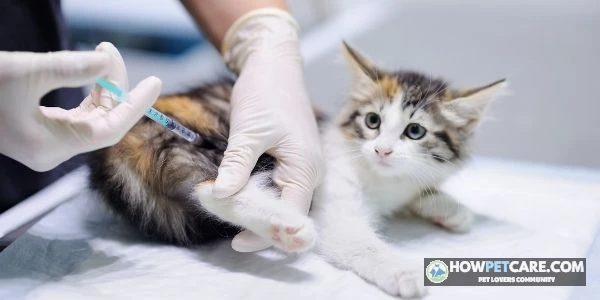
Legitimate low-cost routes can include shelter promotions, sponsored adoption fees, and publicly funded or nonprofit programs. A fee waiver can make the initial adoption less expensive, but ask whether spay/neuter, vaccinations, microchipping, and an exam are still included.
A free cat offered by a neighbor or through classifieds may not have had veterinary care, vaccination, parasite treatment, or spay/neuter surgery. Budget for an exam and any recommended care. Verify that the person has the right to rehome the cat, and don’t pay a stranger who uses urgency or a questionable delivery story to avoid letting you verify the animal.
First-year cost worksheet
The figures below are illustrative U.S. planning ranges for 2026, not national price quotations. Veterinary and supply costs vary by location, the cat’s health, and what the adoption fee includes. Ask local clinics for estimates and replace the ranges with prices in your area.
| Cost category | One-time or recurring | Budget-conscious estimate | Typical planning estimate | Notes and ways to save |
|---|---|---|---|---|
| Adoption fee | One-time | $0–$75 | $50–$350 | Depends on channel, age, location, and promotions |
| Carrier | One-time | $25–$40 | $30–$100 | Choose a secure carrier that fits the cat |
| Litter box and initial litter | One-time | $20–$40 | $25–$80 | Start with the litter type the cat already uses |
| Bowls, bed or hiding spot, scratcher, and toys | One-time | $50–$100 | $75–$250 | Prioritize safe basics; add items as you learn the cat’s preferences |
| Initial veterinary exam and uncovered care | One-time | $75–$150 | $100–$350 | Request a written estimate and share shelter records |
| Spay/neuter if not completed | One-time | $0–$200 | $100–$500 | Ask about low-cost clinics and whether surgery is already included |
| Food | Monthly | $25–$40 | $35–$80 | Cost depends on diet, size, and health needs |
| Litter | Monthly | $15–$25 | $20–$50 | Costs vary by type and household use |
| Wellness care and preventive needs | Yearly | $100–$200 | $150–$500 | The veterinarian can advise what is appropriate for this cat |
| Pet insurance or dedicated vet savings | Monthly | $20–$40 | $30–$70 | Insurance premiums vary; a savings account has no coverage exclusions but needs time to build |
| Emergency savings | Ongoing until funded | Save what is affordable | Work toward a reserve of $1,000–$3,000 | This is a planning target, not a guarantee that it will cover every emergency |
Worked example: Suppose the adoption fee is $125, a carrier costs $50, other initial supplies cost $125, and the first exam costs $175. Those one-time costs total about $475. If food is $45 per month, litter is $30 per month, and insurance is $40 per month, those recurring items add $1,380 in the first year. Add $250 for wellness care and a $600 contribution toward emergency savings, and the example totals about $2,705 for year one, including the adoption fee and emergency-fund contribution. Replace each figure with local quotes; costs can be lower or substantially higher, especially if surgery or illness care isn’t included.
The worksheet separates spending from savings: an emergency-fund contribution remains yours unless you use it, while insurance premiums pay for a policy subject to its terms. Boarding, pet sitting, dental treatment, medication, and unexpected illness can add costs. Over a 10–20 year life, plan for recurring care and possible age-related needs such as dental disease or kidney problems. There’s no single dependable lifetime total because prices and health needs differ.

Insurance vs. emergency fund
Pet insurance can help reimburse eligible veterinary expenses, but coverage depends on the policy, deductible, reimbursement rate, exclusions, and waiting periods. Pre-existing conditions are commonly excluded, so read the policy and understand its effective dates before relying on it. A dedicated emergency account gives you flexibility but may not have enough money when an early large bill arrives. Some households use both, if their budget allows. Ask a veterinarian about likely care needs, and compare policy terms rather than choosing on premium alone.
What Shelters Look for in a Cat Adoption Application (and Why Applications Get Denied)
Common adoption requirements in the US
Many U.S. organizations require adopters to be at least 18 because the adoption agreement is a legal contract; some set a higher minimum age. Applicants commonly need government-issued photo ID and may need proof of address. Each shelter or rescue sets its own policies, so check before applying.
Applications often ask about your housing, household members, allergies, daily schedule, prior pet experience, and plans for indoor or outdoor access. If you have pets, expect questions about their health records and how you’ll introduce the new cat. A rescue may ask for a veterinarian reference or personal references. First-time owners can ask what alternative information is accepted if they haven’t had a vet before.

The home visit and reference check
Some rescues conduct a phone interview, contact references, or arrange a home visit in person or by video. A home visit is generally an opportunity to discuss the cat’s safety and setup, not a test of whether your home looks perfect. Be ready to show where the cat will settle, how windows or balconies are secured, and how you’ll manage hazards and other pets.
Top reasons applications are denied
Policies differ, but common concerns include:
- No landlord approval: The lease prohibits cats or the applicant can’t provide requested written permission.
- Current pets lack needed care: Incomplete vaccination or spay/neuter records may raise concerns, depending on the organization’s requirements.
- No usable references: A listed veterinarian or personal reference can’t confirm the information or doesn’t respond.
- Inconsistent answers: Housing, household agreement, or indoor/outdoor plans change between the application and interview.
- A poor match for the cat: The household’s schedule, children, or other animals don’t suit that individual cat’s known needs.
- Unstable housing or an unclear backup plan: The organization isn’t confident the cat can stay with the applicant if they move.
- Applying without preparation: The applicant hasn’t considered costs, care responsibilities, or the organization’s contract terms.
A denial doesn’t necessarily mean you can’t adopt. Politely ask about the specific concern, correct anything you can, and consider a different cat or adoption channel. Don’t argue with staff or submit repeated applications to the same organization without addressing its reason.
How to strengthen your application
Use this pre-application checklist to catch missing information before you submit:
- ☐ Read the lease and confirm cats are permitted; note any limits, pet rent, or deposit.
- ☐ Get landlord approval in writing if required; don’t rely only on a verbal conversation.
- ☐ Prepare photo ID and proof of address.
- ☐ Gather current veterinary records for resident pets and have the clinic’s contact details ready.
- ☐ Ask a veterinarian whether they can serve as a reference; if you’re a first-time owner, identify a clinic and explain your plan for care.
- ☐ Ask personal references before listing them so they know to respond.
- ☐ Confirm every adult in the home agrees and discuss allergies before applying.
- ☐ Give consistent answers about your schedule, housing, and plans for keeping the cat safe.
- ☐ Explain specifically why the cat suits your household, based on the organization’s notes about temperament and needs.
- ☐ Apply for the cat you’re prepared to care for, rather than sending multiple applications that don’t reflect a considered match.
Can You Adopt a Cat if You Rent? Landlord Approval, Pet Deposits, and Lease Questions
Renters can adopt, but should confirm their housing rules before applying. Shelters may verify that a cat is allowed because a move or lease violation could put the animal’s housing at risk.
Getting written landlord approval
Read the lease’s pet clause for restrictions on the number or type of pets, pet rent, deposits, and required addenda. Ask the landlord or property manager for written approval describing the cat and any charges. A short cat résumé can help: include age, temperament notes, spay/neuter and vaccination status when known, and a veterinary contact if available. Offer to follow the lease and sign the required pet addendum.
You can adapt this email:
Subject: Request for written approval to adopt a cat
Hello [Landlord or Property Manager],
I’m considering adopting one cat and would like written confirmation that a cat is permitted in my unit before I apply. I’ll follow the lease’s pet requirements and can provide the shelter’s available vaccination, microchip, and spay/neuter records. Please confirm any required pet addendum, deposit, and monthly pet rent.
Thank you,
[Name] — [Unit and address]
Assistance animals are governed by different rules from pets. Check applicable local and federal guidance for your situation rather than assuming a standard pet policy answers that question.
Pet deposits and pet rent
A landlord may charge a deposit or monthly pet rent if permitted under the lease and applicable local law. Whether a deposit is refundable depends on the agreement and law. Don’t assume a standard amount: request the charges in writing and verify local requirements. Also ask whether your renters insurance has any relevant liability terms, and plan for scratch prevention and cleaning.

Answering lease and housing-stability questions
If your lease is short-term or month-to-month, explain your housing history and how you’ll find cat-friendly housing if you move. A written plan and references may help an organization assess stability. If you’re uncertain whether a cat is allowed, resolve that before paying an adoption fee or bringing a cat home.
Roommates and moving plans
Get every roommate’s agreement before applying. Decide who will be legally responsible for the cat, who pays for care, and who keeps the cat if someone moves out. If the cat is yours, make a plan for taking the cat to your next home and maintaining care during a move.
Kitten or Adult Cat? How to Match a Cat’s Personality to Your Household
Kitten vs. adult cat: which fits your life
Kittens are energetic and still developing; they need supervision, play, and a plan for age-appropriate veterinary care. An adult cat’s established habits and temperament may be easier to assess, though behavior can change as the cat settles into a new home. Senior cats may suit someone looking for a quieter companion, but ask about known health needs and likely care costs.
| Factor | Kitten | Adult cat | What to ask the shelter |
|---|---|---|---|
| Energy and supervision | Often needs frequent play and close supervision | Activity level may be more established | How active is this individual cat? |
| Temperament | Still developing | More behavior may be known from observation | How does the cat respond to handling and new people? |
| Veterinary care | May need a series of age-appropriate visits and vaccines | Records and care needs depend on history | Which treatments are complete, and what is due next? |
| Household fit | Can be lively and unpredictable | May have known experience with children or pets | Has the cat lived with cats, dogs, or children? |
| Training and routine | Needs help learning household routines | May already use a litter box and scratching surfaces | What routines or preferences are known? |

Two kittens or a bonded pair may be a good fit for some households, but two cats also mean more food, litter, and veterinary costs. Ask the shelter whether the cats are bonded and whether it recommends adopting them together.
Reading personality from shelter and foster notes
Ask about activity level, tolerance for handling, hiding, play, and behavior around visitors. Find out whether a cat has lived with other animals and what happened during those interactions. Shelter behavior is useful information, not a guarantee of how a cat will act at home. Stress and unfamiliar surroundings can affect what you see during a brief meeting.
Testing for cat allergies before you commit
Spend time with the specific cat before adopting, and talk with an allergist if anyone in the household has a history of allergies or asthma. Symptoms may not appear during one short visit, and no cat can be guaranteed allergy-free. Ask whether a foster-to-adopt arrangement or trial period is available, and agree on what happens if symptoms become unmanageable. Don’t bring a cat home without a plan everyone in the household can support.
Fit with kids, dogs, and other cats
Choose based on observed temperament and the cat’s known history, not on assumptions that every kitten or adult cat will behave the same way. Ask the shelter how the cat responds to children, dogs, and other cats, and whether it needs a quiet home. For existing pets, plan separate spaces and gradual introductions rather than putting animals together immediately.
How to Prepare Your Home and Supplies Before Adoption Day
Supplies checklist
Have these basics ready before pickup:
- A secure carrier for transport.
- A litter box, litter, and scoop; start with the litter the cat already knows if possible.
- Food and water bowls and the food the shelter has been feeding.
- A scratching surface, toys, and a bed or other hiding place.
- Grooming basics suited to the cat’s coat.
- Identification and current microchip registration details. Confirm that the chip is registered to you after adoption.

Ask the organization what food and litter the cat uses and how to transition to any new type. Changing too much at once can make the first days harder.
Setting up a safe room
Choose a quiet room with a closed door, litter box, water, food, hiding places, and a comfortable resting spot. Keep the carrier available as a familiar hiding place if the cat chooses to use it. Let the cat explore this base room before opening access to the rest of the home. Keep children and other pets from crowding the cat while it settles.

Cat-proofing your home
Secure window screens and balcony access; a cracked window or open balcony can still be dangerous. Put away cords, string, small swallowable objects, and human foods such as chocolate, onions, and garlic. Remove toxic plants, especially lilies, from areas the cat can reach. Check dryers, vents, recliners, and other spaces where a cat could hide or become trapped before using them.
Introducing a new cat to existing pets
Keep the new cat separate at first. Let the animals get used to each other’s scent by exchanging bedding or using a cloth to transfer scent between spaces. When both seem settled, allow brief, supervised visual contact and then short meetings. Keep sessions calm and end them before tension escalates. Hissing or avoidance can mean the pace is too fast; separate the animals and slow down. Don’t force contact, and ask the shelter or veterinarian for help if there’s persistent aggression or serious distress.
Book a veterinary appointment within the timeframe the shelter recommends and bring the adoption and medical records. If the cat is already unwell, or you’re unsure what care is due, contact a veterinarian promptly.
The First 90 Days: The 3-3-3 Adjustment Rule, Health Warning Signs, and What to Do if It Doesn’t Work Out
What 3-3-3 looks like day by day
The 3-3-3 rule is a rough guide: a cat may need about three days to decompress, three weeks to learn the household routine, and three months to feel at home. It’s not a medical standard or a deadline. Some cats settle faster; others need much longer.
At first, hiding, skittishness, sleeping more, or eating less for a short time can be part of adjustment. Give the cat a quiet room, a predictable routine, and the choice to approach you. Avoid pulling it from hiding or inviting a crowd to meet it. As the cat becomes more comfortable, expand access gradually.
Normal stress vs. signs you need a vet
Use the distinction below as a guide, not a diagnosis. Contact a veterinarian if you’re worried; kittens, seniors, and cats with known medical issues may need a faster response.
| May be adjustment stress: monitor and keep the home calm | Contact a veterinarian promptly |
|---|---|
| Hiding during the first days, especially if the cat eats, drinks, and uses the litter box | Refusing food for about 24 hours or longer, or sooner if a kitten or medically fragile cat is affected |
| Reduced appetite for a short time while settling | Repeated vomiting or diarrhea, or symptoms that persist or worsen |
| Skittishness or avoiding touch | Labored, open-mouth, or unusually rapid breathing at rest; seek urgent care |
| Sleeping more in a quiet safe room | Straining or crying while trying to urinate; this can be an emergency |
| Slow progress with the litter box while learning the new space | Marked lethargy, collapse, or difficulty waking |
| Mild, brief behavior changes after the move | Thick eye or nose discharge, worsening symptoms, or a sudden decline |
If your new cat gets sick: FeLV, FIP, and other early illnesses
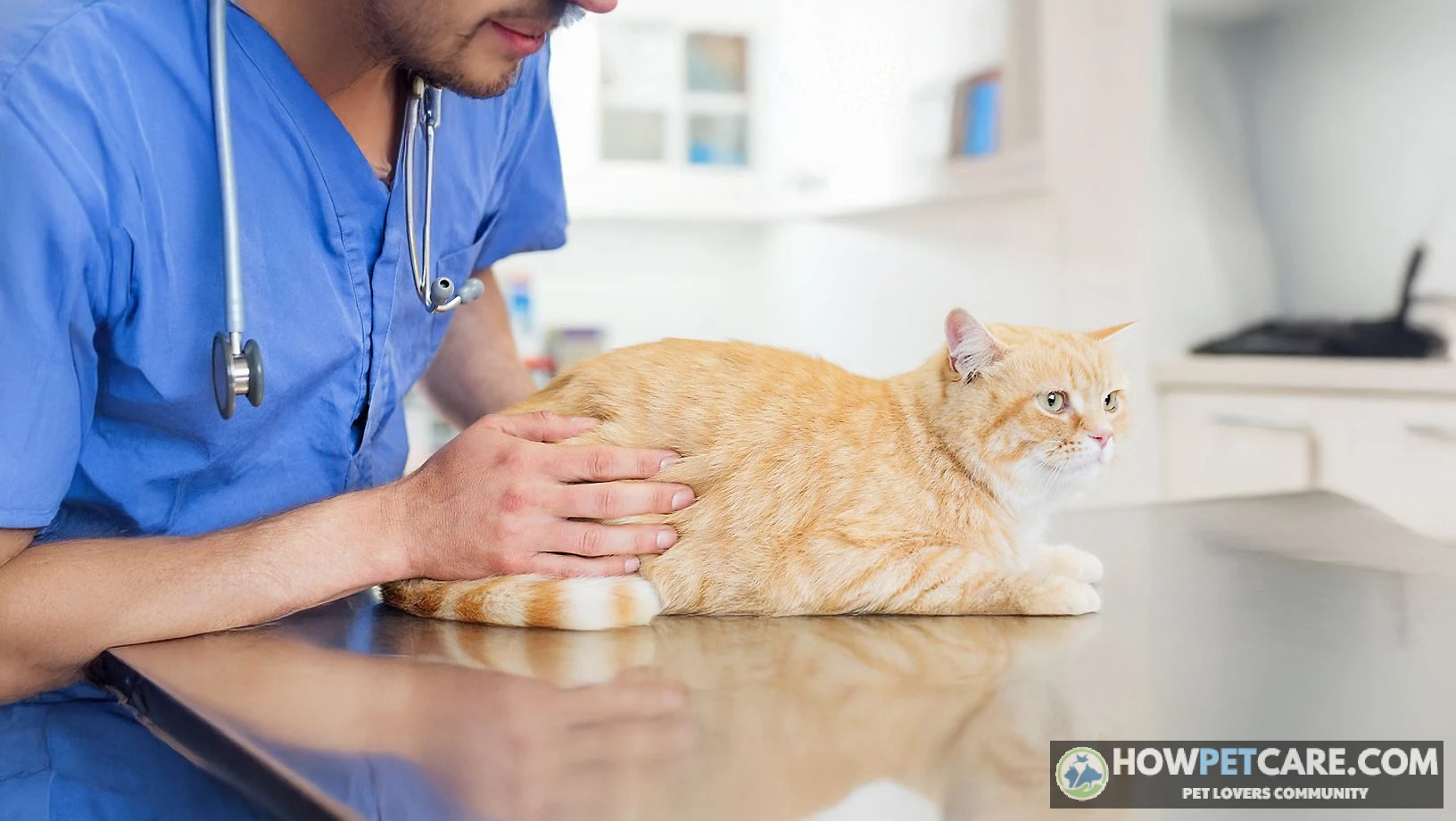
A new illness can be stressful and may have been developing before adoption, but symptoms alone can’t tell you whether a cat has FeLV, FIP, an upper respiratory infection, parasites, or another condition. Contact a veterinarian for an examination and follow their testing and treatment advice. If symptoms appear soon after adoption, notify the shelter or rescue promptly and ask about its health-support window, available records, and any procedures for coordinating care. Keep invoices, test results, and treatment notes.
Ask the veterinarian which signs need urgent care and what to do outside normal clinic hours. Don’t delay care while waiting for the organization to respond. Testing and treatment decisions should be made with a veterinary professional.
Return and surrender policies: what to check in the contract
There’s no universal return policy. A contract may require you to contact the original organization, return the cat to it rather than rehome the cat yourself, or notify it within a stated health or trial period. The organization may refund the fee, offer no refund, or handle the situation another way. Some contracts also set follow-up requirements or include no-declaw and indoor-only clauses. Ask for the terms in writing before signing.
A shelter or rescue may have contractual rights if an adopter violates the agreement, but the consequences depend on the contract and applicable law. Don’t assume every organization can reclaim a cat under the same circumstances. Ask what each clause means and what the process is if your housing, health, or household circumstances change.
If the adoption isn’t working: your options
If the cat is unsafe with a household member or another animal, separate them and contact the organization for guidance. For other problems, first ask the shelter, foster caregiver, or veterinarian whether a medical issue or gradual adjustment may be involved. Keep the cat in a secure space while you decide; don’t release it outdoors or rehome it through classifieds.
If you can’t keep the cat, contact the original organization as early as possible. Ask about its return timeline, whether there’s a fee or refund, what records to bring, and how the cat will be cared for next. A return isn’t automatically a failure: a responsible organization can help protect the cat and find a more suitable placement. Be honest about what happened so the organization can make a safe plan.
Your Cat Adoption Action Plan: A Checklist and Decision Guide
Pre-application checklist
Before you apply, make sure you can answer yes to the essentials:
- I have confirmed that my household is ready for a long-term commitment and assigned a backup caregiver.
- If I rent, I have checked the lease and obtained any required written approval.
- I know what the first-year budget will cover and have a plan for unexpected veterinary costs.
- I have identified an adoption channel and shortlisted cats based on temperament and household fit.
- I have my ID, proof of address, pet records, and references ready.
- Everyone in the home has discussed allergies, children, existing pets, and who is responsible for care.
Questions to ask before you sign
Ask the shelter or rescue:
- What does the adoption fee include, and what care is still due?
- Can I have the cat’s available vaccination, spay/neuter, testing, and microchip records?
- What is the written return policy, including any deadline, refund, or fee?
- Do you offer post-adoption support or a health window, and how do I contact you?
- Are there indoor-only, no-declaw, follow-up, or other contract requirements?
- What behavior, medical needs, and household experiences are known for this cat?
Which path fits you: a quick decision guide
- First-time adopter with stable housing: Start by comparing municipal shelters and rescues. Ask about adult cats with known behavior, included veterinary care, and the return policy.
- Renter or apartment dweller: Confirm lease terms and written landlord approval first, then apply with the documents the organization requests.
- Household with allergies or existing pets: Ask about a meet-and-greet, foster-to-adopt option, or trial period, and choose an organization that can discuss the individual cat’s history and introduction plan.
Contact two or three local organizations, compare their fees and written terms, and schedule a meet-and-greet with a cat whose needs fit your household.
1A prospective cat owner wants detailed notes on a cat's behavior inside a residential environment and needs guidance on matching the cat with existing pets. Which adoption channel is best suited for this situation?
Foster-based rescues place cats in home settings with foster caregivers, allowing them to provide detailed observations on daily behavior and compatibility with other animals.
2Which of the following issues are common reasons that a shelter or rescue organization might deny an adoption application?
Shelters check landlord approval to ensure the lease permits cats, preventing potential lease violations or housing loss for the animal.
3An adopter incurs 400 in initial one-time expenses (adoption fee, carrier, litter box, food bowls, initial vet exam). Their ongoing monthly costs (food, litter, pet insurance) total 100 per month. What is the total baseline cost for the first year, excluding separate wellness care additions or emergency savings?
Adding the 400 one-time initial cost to 1,200 (100 per month for 12 months) yields a total baseline cost of 1,600 for the first year.
4During the first week after adoption, a cat displays several new behaviors. Which of the following medical or behavioral warning signs requires prompt contact with a veterinarian rather than simple observation for stress?
Straining or vocalizing during urination can indicate a dangerous urinary tract blockage or severe medical issue requiring urgent veterinary care.
5When cat-proofing a living space prior to bringing a new cat home, which of the following items or areas should be secured or completely removed?
Lilies and certain other plants are highly toxic to cats and must be eliminated from reachable areas to prevent fatal poisoning.
6A household with a busy work schedule and a desire for a predictable activity level is choosing between a 10-week-old kitten and a 4-year-old adult cat. Why might the adult cat be the more suitable choice?
Adult cats have known behavioral patterns and lower supervision needs, making them easier to integrate into households with limited daytime availability.
7Which details should an adopter review and clarify in the legal contract before signing an adoption agreement?
Understanding return policies ensures the adopter knows their contractual obligations if household circumstances change.
| Channel | Typical Adoption Fee Range | Screening Rigor and Timeline | Included Services | Support and Return Terms | Best For |
|---|---|---|---|---|---|
| Municipal shelter or county animal control | About 0–200; fee-waived promotions may be offered | Often light to moderate; same-day to several days is possible | Services vary; may include spay/neuter, vaccinations, and microchip | Ask about post-adoption support and the written return policy | Lower-cost options, a quicker process, and meeting cats in a shelter setting |
| Private or foster-based rescue | About 75–350; kittens may cost more and some cats may be discounted | Often more detailed; references, interview, or home visit may take days to weeks | May include spay/neuter, vaccinations, microchip, and testing; confirm what was done | Support and return requirements depend on the rescue; ask before signing | More information from a foster caregiver and help assessing household fit |
| Retail adoption event with a local partner | Often about 50–250, set by the partner; promotions may reduce it | The partner's rules apply; event format may allow a quicker meet-and-greet | Whatever the partner organization includes | The partner organization's policy applies | Meeting cats at an event and getting a partner-led handoff |
| Online listing platform | Set by the shelter or rescue behind each listing; the platform itself does not set the adoption fee | The underlying organization screens applicants and sets its timeline | Whatever the listed organization includes | Whatever the listed organization provides | Searching multiple organizations and filtering listings |
FAQ
What is the difference between a stray cat and a feral cat?
A stray cat has lived with people and is usually comfortable around them, so it can often be socialized and adopted. A feral cat grew up with little or no human contact and typically stays fearful of people. Feral cats are usually better suited to trap-neuter-return programs than to indoor adoption.
Should I adopt a cat or buy one from a breeder?
Adopting usually costs less because the fee often includes spay/neuter, vaccines, and a microchip, and the cat’s temperament is often already observed. A breeder can be a better fit if you want a specific breed and predictable traits, but check that the breeder is reputable and provides health records. Breed rescues are a middle option for people who want a particular breed.
Is it better to adopt two cats instead of one?
Two cats can keep each other company, especially two young kittens or a bonded pair, but they double your food, litter, and vet costs. Ask the shelter whether a cat has lived well with other cats before adopting a second one.
Can I adopt a cat that I found outside?
Yes, but first check for a microchip at a vet or shelter, and look for a lost-pet report in case the cat has an owner. Then get the cat a vet exam and testing before it meets other pets.
Do adopted cats come spayed or neutered and vaccinated?
Many shelters and rescues spay or neuter, vaccinate, and microchip cats before adoption, but not all do. Ask what is included in the fee and get the records in writing.