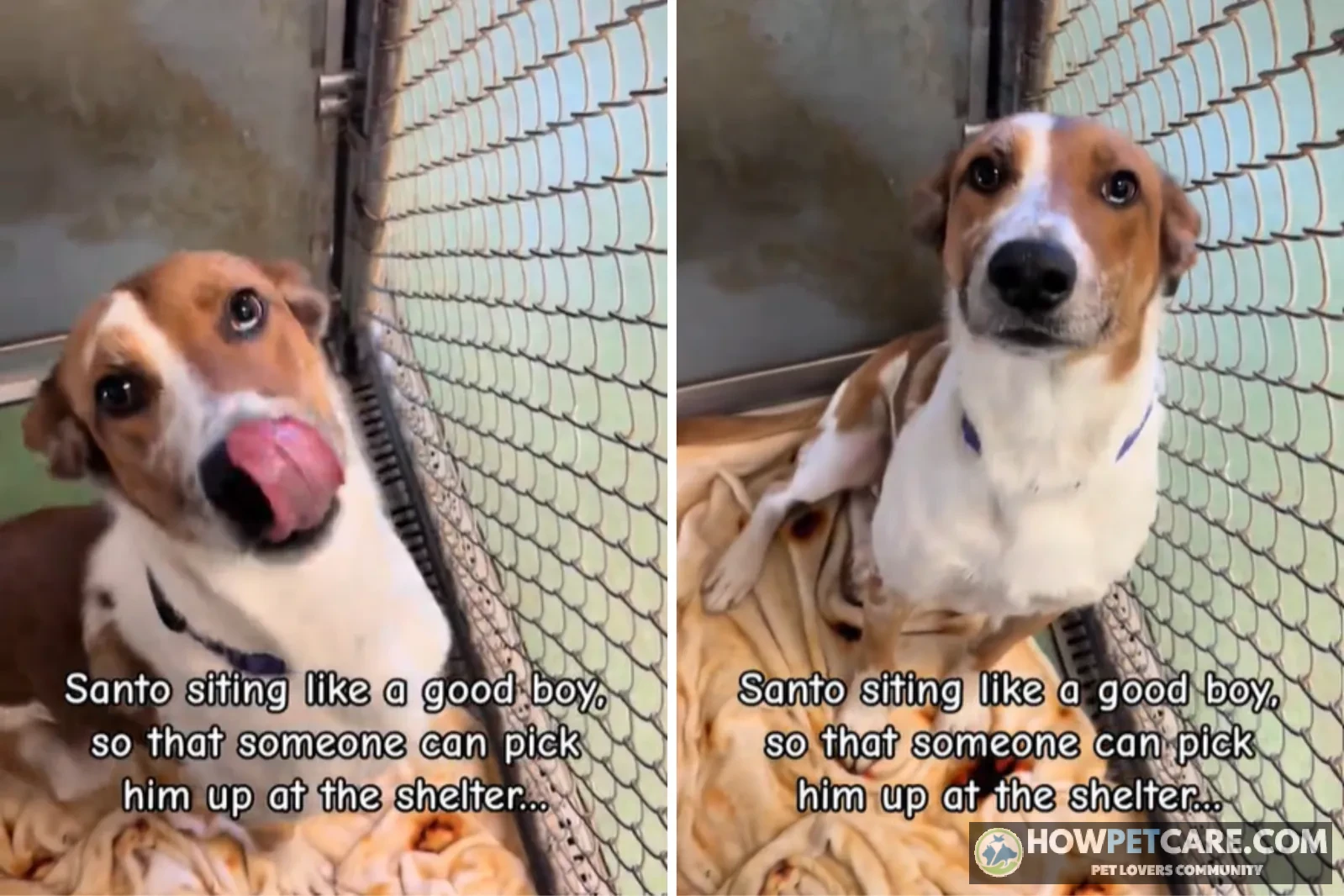

Top reasons to adopt a dog:
- Lower upfront cost — adoption fees run $50–$600 versus $1,000–$3,500+ from a breeder.
- Vet care already included — spay/neuter, vaccines, and microchip are usually covered in the fee.
- You can assess temperament first — adult dogs show their real size, energy, and personality.
- Wide choice — shelters have every age, size, and breed mix, including purebreds and puppies.
- You ease shelter crowding — your fee funds the shelter and frees a kennel, reducing euthanasia pressure.
- Less demand for puppy mills — adoption redirects money away from substandard commercial breeding.
Adoption works well as the default for most households because the upfront cost is lower, basic veterinary care is usually already done, and you can observe an adult dog’s temperament before committing. If you need predictable breed traits, a dog for service or sport work, or a coat that meets specific allergy needs, a responsible breeder is the better fit. Among the reasons to adopt a dog, cost and clarity about what you’re getting rank high—but this article covers real costs, honest risks, the adoption process, the first 90 days, and a balanced verdict so you can decide with confidence.
Adoption usually means a lower upfront fee, with basic veterinary care already included. You can observe an adult dog’s temperament before committing, and shelters offer a wide range of ages, sizes, and energy levels. Your fee supports shelter operations and reduces crowding, which directly eases euthanasia pressure. A responsible breeder still fits specific needs—predictable traits, service or sport work, and allergy-related coat requirements.
Jump ahead to the cost comparison, risk assessment, process walkthrough, or the 3‑3‑3 adjustment rule.
The Benefits of Adopting a Dog From a Shelter, Backed by Current Data
According to the latest Shelter Animals Count annual report (2023), about 3.6 million dogs and puppies enter US shelters and rescues each year, while only 1.5 million are adopted. Approximately 390,000 dogs are euthanized annually, a 25% increase since 2021. Adopting frees a kennel for another animal and eases capacity pressure that drives euthanasia. Shelters see predictable seasonal surges — puppies in spring, strays in summer, escaped pets during the holidays, and fee‑waived pushes during October’s Adopt a Shelter Dog Month.

Pet overpopulation means more animals than homes. Each adoption reduces the number of dogs competing for limited space and lowers the chance that a healthy dog will be euthanized for lack of room.
Mixed‑breed dogs give you variety in size and energy, but the claim that they are always healthier is not settled science. Purebred dogs also end up in shelters, and breed‑specific rescue groups exist for readers who want a particular breed.
Emotional‑support benefits are real but specific: a dog adds routine, daily walks, and companionship that can improve mental health. Research links pet ownership to lower stress and increased physical activity, but generic "unconditional love" padding adds no decision value.
The slogan "adopt, don’t shop" correctly highlights that adoption reduces demand for commercial breeding and puppy mills, which keep dogs in substandard, profit‑driven conditions. It oversimplifies when it implies every breeder is unethical; responsible breeders exist and serve legitimate needs.
Lower upfront cost and vet care already done
You can assess an adult dog’s temperament before committing
A wide choice of ages, sizes, and energy levels, including mixed breeds
Your adoption fee supports the shelter’s work
Adopting reduces shelter crowding and euthanasia pressure
What the slogan ‘adopt, don’t shop’ gets right and wrong
Is Adopting Cheaper Than Buying? Real Adoption Fees, Breeder Prices, and First-Year Costs
Typical 2026 US price ranges (prices vary by region and breed):
| Source | Typical price range (US, 2026) | Spay/neuter included | Vaccines included | Microchip included | Health guarantee or return policy | Notes |
|---|---|---|---|---|---|---|
| Municipal shelter | $50–$200 | Usually yes | Usually yes (age-appropriate) | Usually yes | Rarely a guarantee; most accept returns within a set window | Puppies cost more; fee‑waived events can drop this to $0–$25 |
| Nonprofit rescue | $150–$500 | Almost always yes | Yes | Yes | Commonly a 2–4 week trial or return clause | Higher fees often reflect foster care and medical work already done |
| Breed‑specific rescue | $200–$600 | Yes | Yes | Yes | Usually a return‑to‑rescue contract clause | Lower than breeder prices for the same breed |
| Responsible breeder | $1,000–$3,500+ | No (you pay ~$200–$500 later) | First round only | Sometimes | Health guarantee (often 1–2 years for genetic conditions) + take‑back clause | Predictable breed traits; waitlists of 3–12 months are normal |
| Pet store / online seller | $800–$5,000 | No | Partial | Sometimes | Weak or none; ‘lemon laws’ vary by state | Highest price with the least vetting transparency |
How to read this table: These are typical US ranges as of 2026 — actual prices vary by region, breed, and organization, so verify locally before budgeting. The real gap is bigger than the sticker price: a $1,500 breeder puppy typically needs another $400–$800 in first‑year vet work (spay/neuter, full vaccine series, microchip) that a $250 adoption fee already covers.
What an adoption fee covers
Most fees include spay/neuter, age‑appropriate vaccines, microchipping, a basic health exam, and often deworming or flea/tick treatment. Coverage varies by organization.
Adoption vs breeder vs pet store: price comparison
(See table above.)
Your first-year budget beyond the fee
Scenario: You adopt “Max,” a 40 lb, 2‑year‑old neutered mixed breed from a nonprofit rescue.
| Line item | Cost (low–high) | Notes |
|---|---|---|
| Adoption fee | $250 | Included neuter, vaccines, microchip, deworming |
| Supplies (crate, bed, leash/harness, bowls, toys, ID tag) | $150–$300 | One‑time |
| First vet visit + baseline bloodwork | $100–$300 | Recommended within the first week even if the dog was “vetted” |
| Food (mid‑range kibble, ~12 months) | $300–$600 | Larger dogs and premium diets push the high end |
| Flea/tick + heartworm preventatives (12 months) | $200–$350 | Prescription products; skip‑the‑vet versions are riskier |
| Group training class or 2–3 private sessions | $150–$400 | Budget more if behavior issues surface after the honeymoon |
| License + microchip registration | $15–$50 | Often overlooked but legally required in most areas |
| Pet insurance OR self‑funded emergency fund | $300–$600 | A single emergency vet visit can run $800–$2,500 |
| Boarding / pet sitting / daycare | $100–$400 | Depends on travel and work schedule |
| First‑year total | ~$1,765–$3,350 |
Compare: the same list for a breeder puppy adds the $1,500 purchase price and ~$500 in vet work the adoption fee already covered — pushing the puppy’s first year toward $4,000–$5,700 before food. Caveat: an adopted dog with an undisclosed condition can erase the savings fast, which is why the insurance/emergency line is not optional.
Build a $1,000 emergency fund before you bring a dog home. Even a “healthy” shelter dog can develop an issue the shelter didn’t catch.
 You might be wonderingHow to adopt a cat?How to Adopt a Cat: Steps, Real Costs & Return PoliciesRead the answer
Are Shelter Dogs Health- and Behavior-Vetted? What Is and Isn’t Guaranteed
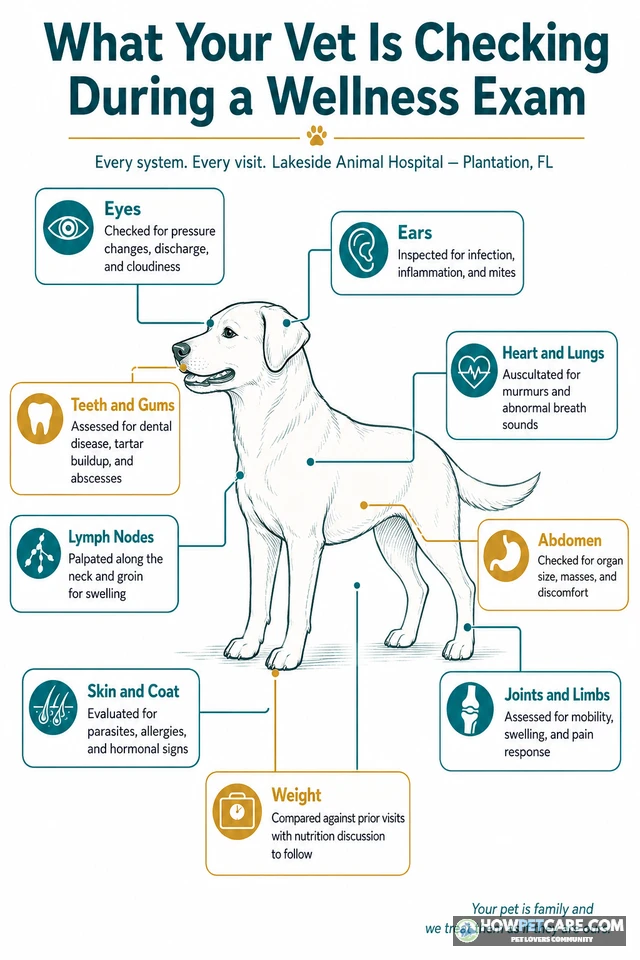
What health vetting usually includes
Intake exam, core vaccines, parasite checks, heartworm testing where relevant, and spay/neuter. Coverage varies; some conditions only appear later.
How temperament assessments work and where they fall short
A dog temperament assessment is a snapshot taken in a kennel — a stressful setting. Behavior there may not predict behavior at home, so treat it as a data point, not a guarantee.
Questions to ask before you sign
- Surrender or stray status
- Known triggers (resource guarding, separation anxiety)
- Time in foster and foster notes
- Complete medical records
- Behavior notes from staff/volunteers
- Return policy and post‑adoption support
“All shelter dogs are damaged” — false. Many are owner surrenders due to housing, finances, or lifestyle changes, not behavior. “They’re all old or mixed” — false; puppies and purebreds appear regularly. “They’re all unhealthy” — false; most receive core vet care before adoption.
Why Adopt an Adult or Senior Dog Instead of a Puppy
Adult dogs: what you see is closer to what you get
Housetraining is often established, destructive teething is over, size and energy are known, and personality is visible.
Senior dogs: the trade‑offs
Calm temperaments and lower exercise needs balance against higher expected vet costs and a shorter time together. Many shelters discount senior fees heavily or run fee‑waived events.

Try before you commit with foster‑to‑adopt
Foster‑to‑adopt programs let you trial a dog in your home for a set period (often 2–4 weeks) while the rescue covers medical costs. It’s a low‑risk way to test fit.
Puppy: 8‑12 weeks of intense socialization, frequent potty breaks, teething destruction. Adult: known routine, less sleep disruption, immediate companionship.
The Real Downsides and Risks of Adopting a Rescue Dog
Unknown history and behavior surprises
You may not know bite history, trauma, or genetic health issues. Mitigation: ask for all records, request a foster‑to‑adopt trial, schedule a vet visit within the first week.
Separation anxiety and adjustment problems
Many rescue dogs develop separation distress after the honeymoon period. Mitigation: gradual alone‑time training, crate conditioning, and a certified trainer if needed.

How often adoptions are returned, and why
Return rates vary; limited current data exist, but behavioral problems, mismatched expectations, housing/landlord issues, inadequate preparation, and impulse adoptions are top predictors. Reducing returns starts with honest self‑assessment and thorough meet‑and‑greets.
Who should wait or choose differently
- No time for training or a 1–3 month adjustment period
- Unstable housing or landlord restrictions
- Household cannot tolerate potential behavioral work
Rehoming through a shelter’s return policy is a responsible option if the match truly fails.
When Buying From a Responsible Breeder Is the Better Choice (and How to Spot a Backyard Breeder)
Situations where a breeder fits better
- Predictable size, coat, or temperament needed (service, sport, therapy work)
- Allergy‑related coat requirements (test exposure first)
- Ability to meet parents and review health testing
Responsible breeder vs backyard breeder: how to tell
Green flags — a responsible breeder should check every box:
- ☐ Performs breed‑appropriate health testing (OFA hips/elbows, cardiac, eye exams, relevant DNA panels) and shows actual certificates
- ☐ Lets you visit where puppies are raised and meet at least the mother
- ☐ Has a written contract with a return‑to‑breeder clause for the dog’s life
- ☐ Keeps a waitlist — litters are planned, not always available
- ☐ Asks you questions about home, schedule, experience
- ☐ Breeds one or two breeds, not a rotating menu
- ☐ Doesn’t release puppies before 8 weeks
- ☐ Provides vaccination/deworming records and stays available after sale

Red flags — walk away if you see any of these:
- ☐ Multiple litters or breeds available “right now”
- ☐ Offers to meet in a parking lot or ship sight‑unseen
- ☐ Sells through pet stores or third‑party websites
- ☐ No health records, or “health tested” with no documentation
- ☐ Pressures for a deposit before meeting the puppy or visiting
- ☐ Won’t let you see where the dogs live
Before you pay anything: verify the breeder through the national breed club’s referral list, ask for two buyer references, and run the contract past your vet. Legitimate breeders expect this scrutiny — scammers rely on you skipping it.
A middle path: breed‑specific rescue
If you want a particular breed without the breeder route, breed‑specific rescues often have adults with known temperaments and lower fees than breeders.
How the Pet Adoption Process Works: Where to Adopt, Applications, Home Checks, and Adoption Day
Where to adopt
Municipal shelters, humane societies, nonprofit rescues, breed‑specific rescues, and foster‑based groups. Search tools: Petfinder, Adopt‑a‑Pet, local shelter websites.
Step by step: from application to going home
-
Browse and shortlist
Identify 2–3 local organizations and note dogs that fit your lifestyle.
-
Submit application
Complete online or paper form; be honest about schedule, housing, and experience.
-
Interview / reference check
Expect a phone call, landlord verification, and possibly a home visit.
-
Meet‑and‑greet
Meet the dog (and your current pets) at the shelter or foster home.
-
Home check (if required)
Shelter staff may inspect fencing, safe spaces, and hazard removal.
-
Fee, contract, and pickup
Pay adoption fee, sign contract, receive medical records and microchip info.
Timelines: same‑day at many municipal shelters; several days to weeks at rescues due to screening. Strict screening protects dogs — honest answers and landlord approval speed the process.
Adoption day checklist
- Government‑issued ID
- Proof of residence or landlord approval
- Leash, harness, and ID tag with your phone number
- Crate or car restraint
- Signed contract and fee payment
- Request: medical records, microchip registration details, current food brand
Register the microchip in your name immediately and update contact details.

Your Rescue Dog’s First Days, Weeks, and Months: The 3-3-3 Rule
First 3 days: decompress
Dog may be overwhelmed, shut down, or hyper‑alert; may not eat well, sleep constantly, or pace. True personality often hidden.
What you should do: Set up one quiet room, keep visitors away, short leash walks only, consistent feeding/potty times, no dog parks.
When to call a vet: Not eating or drinking at all after 48 hours; vomiting, diarrhea, coughing.
First 3 weeks: build routine
Testing boundaries; real personality emerging; possible behavior issues (barking, guarding, house‑soiling) as honeymoon ends.
What you should do: Lock in predictable schedule, start basic training (name, sit, crate comfort), introduce household routines gradually, begin short positive exposures.
When to call a trainer: Persistent house‑soiling, resource guarding, growling, reactivity on walks — book a certified trainer early.
First 3 months: settle in
Feeling at home; bonding deepens; setbacks (regression, new fears) still normal.
What you should do: Expand socialization, practice alone‑time gradually to head off separation anxiety, address remaining issues with a training plan, schedule wellness check if not done.
When to call a vet or trainer: Severe separation distress (destructive escape attempts, self‑injury), aggression toward people, sudden behavior change.
| Stage | What your dog may be feeling or doing | What you should do | When to call a vet or trainer |
|---|---|---|---|
| First 3 days — decompress | Overwhelmed, shut down, or hyper‑alert; may not eat well, may sleep constantly or pace; ‘true’ personality often hidden | Set up one quiet room or corner; keep visitors away; short leash walks only; consistent feeding and potty times; no dog parks or busy outings | Not eating or drinking at all after 48 hours; signs of illness (vomiting, diarrhea, coughing) |
| First 3 weeks — learn the routine | Testing boundaries; real personality emerging; possible behavior issues surfacing (barking, guarding, house‑soiling) as the ‘honeymoon’ ends | Lock in a predictable schedule; start basic training (name, sit, crate comfort); introduce household routines gradually; begin short positive exposures to new people and places | Persistent house‑soiling, resource guarding, growling, or reactivity on walks — book a certified trainer early, not after it’s a habit |
| First 3 months — settle in | Feeling at home; bonding deepens; trust is built but setbacks (regression, new fears) are still normal | Expand socialization; practice alone‑time gradually to head off separation anxiety; address remaining issues with a training plan; schedule a wellness check if you haven’t | Severe separation distress (destructive escape attempts, self‑injury), aggression toward people, or any sudden behavior change |
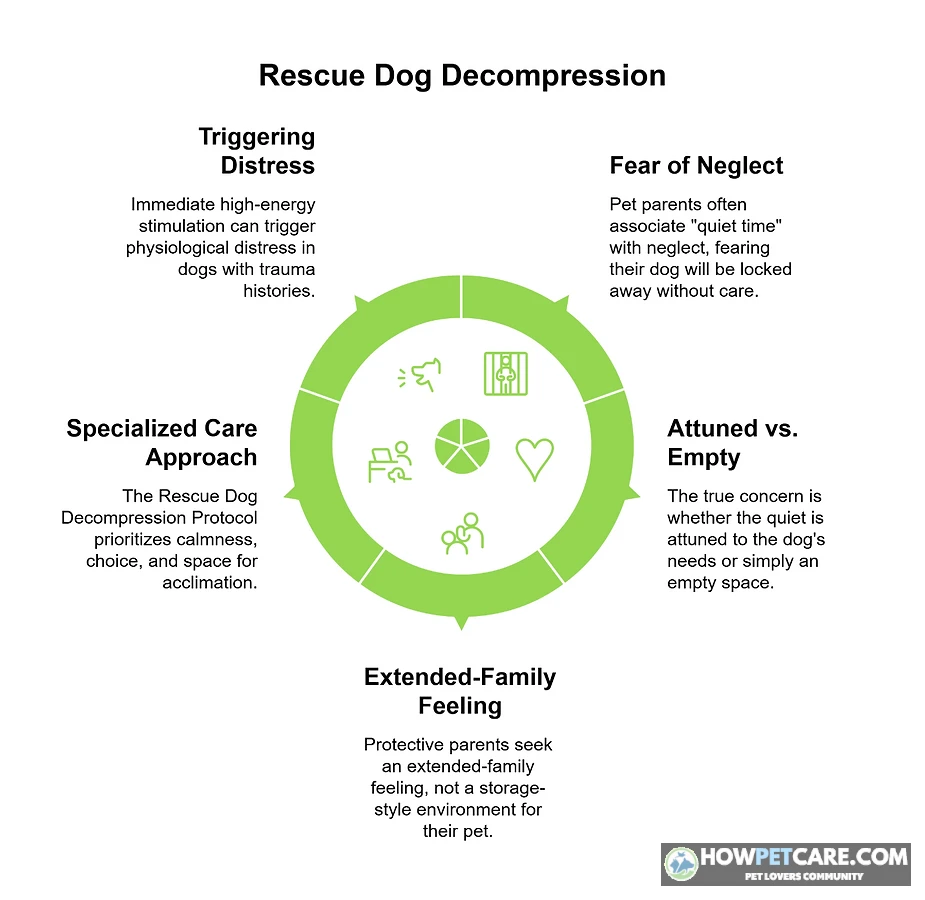
Keep in mind: 3‑3‑3 is a rough guide, not a rule. Confident adults may settle in two weeks; seniors and dogs with trauma histories may take six months. Slow progress is still progress — the worst move in month one is flooding a decompressing dog with stimulation.
Pet‑proofing checklist before pickup
- Secure trash, medications, and cleaning supplies
- Remove chewable items (shoes, cords, children’s toys)
- Gate off rooms you don’t want accessed
- Check fencing and doors for gaps
- Plan double‑leash or harness for first outings

Decide and Act: Adopt, Buy, or Help Without Adopting
A quick fit check
Answer honestly — your pattern of answers points to the right route.
1. Time. Can you give a dog 1–2 focused hours daily (walks, training, play) for the next 10+ years?
- Yes → keep going. No → wait, or consider fostering first.
2. Budget. Can you cover roughly $1,800–$3,400 in year one plus a $1,000+ vet emergency?
- Yes → keep going. No → wait and build the fund first.
3. Housing. Do you have written landlord approval and stable housing for 2+ years?
- Yes → keep going. No → wait — housing issues are a top reason dogs are returned.
4. Predictability needs. Do you need a specific size, coat (allergy‑related), or temperament — for service work, sport, or a very particular fit?
- No → adopt; shelters and rescues cover the full range of sizes and energy levels.
- Yes → adopt an adult first (temperament is observable), consider breed‑specific rescue, and only then a vetted breeder.
5. Tolerance for unknowns. Can you handle a dog whose history is partly a mystery and a 1–3 month adjustment period?
- Yes → adopt. No → an adult foster‑to‑adopt trial or a responsible breeder fits better.
6. Household. Kids, other pets, or seniors in the home?
- Yes → prioritize a dog with known history or foster notes; arrange a meet‑and‑greet including your current dogs.
How to read your results: Mostly “adopt” answers → set a budget and shortlist 2–3 local shelters/rescues this week. Pointed toward “buy” → run candidates through the breeder checklist before any deposit. Landed on “wait” → fostering, volunteering, or donating supplies lets you help without a 10‑year commitment.
Next steps if you’re adopting
- Set a realistic first‑year budget (see the worked example).
- Shortlist 2–3 local shelters or rescues.
- Pet‑proof your home using the checklist above.
- Schedule meet‑and‑greets this week.
If you’re buying
Run every breeder through the 10‑point responsible‑breeder checklist. Do not pay a deposit before meeting the puppy, seeing the parents, and reviewing health certificates.
If you’re not ready yet
- Foster a dog short‑term.
- Volunteer at a shelter.
- Donate supplies (food, blankets, toys).
- Share adoptable dogs on social media.
- Support local spay/neuter and microchipping programs.
Pick one concrete action for this week — whether it’s filling out an application, calling a shelter, or signing up to foster — and do it.
 You might be wonderingHow much to microchip a dog?How Much to Microchip a Dog: 2026 Price by ProviderRead the answer
FAQ
Can I adopt a purebred dog from a shelter?
Yes. Purebreds end up in shelters and in breed-specific rescues, which are often the best route to a particular breed without buying from a breeder. Search by breed on Petfinder or contact the national breed club’s rescue network.
Are mixed breed dogs healthier than purebreds?
Not reliably. Research on this is mixed, and health depends on the individual dog’s genetics and care. Mixed breeds can avoid some breed-specific conditions but are not guaranteed healthier, so a vet exam still matters.
Can I adopt a dog if I rent?
Often yes, but most shelters and rescues ask for landlord approval or a lease that allows pets. Check breed and weight restrictions and any pet deposit or monthly pet rent before applying.
Can I adopt a dog if I work full time?
Many people do. Adult dogs often handle regular work hours better than puppies, but you need a plan for midday breaks, exercise, and company, such as a dog walker or daycare. Tell the shelter your schedule so staff can match you with a suitable dog.
What does foster-to-adopt mean?
It is a trial arrangement where you take a dog home for a set period before finalizing the adoption. It lets you see how the dog fits your routine and household, and the shelter or rescue typically covers or shares medical costs during the trial.