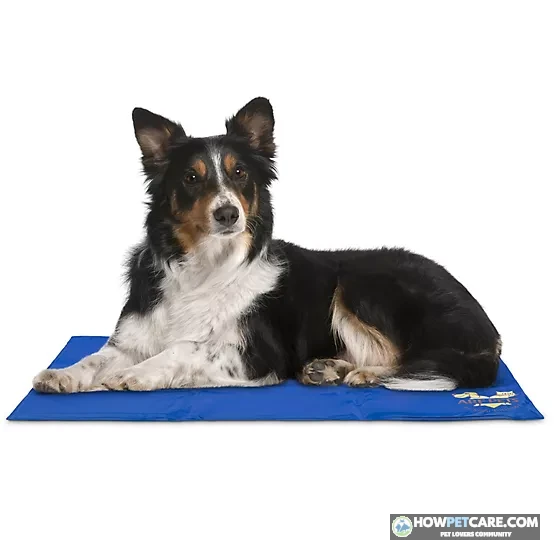

Most pet cooling beds are safe; the documented danger concentrates in gel-filled (hydrogel) mats. Testing found residual acrylamide, a neurotoxin, at 12,900–51,800 ppm in sampled fills, linked to tremors, seizures, and deaths when pets puncture the shell and swallow the gel. Elevated mesh beds are the safest default.
Are Cooling Beds Safe for Dogs and Cats? The Verdict by Bed Type
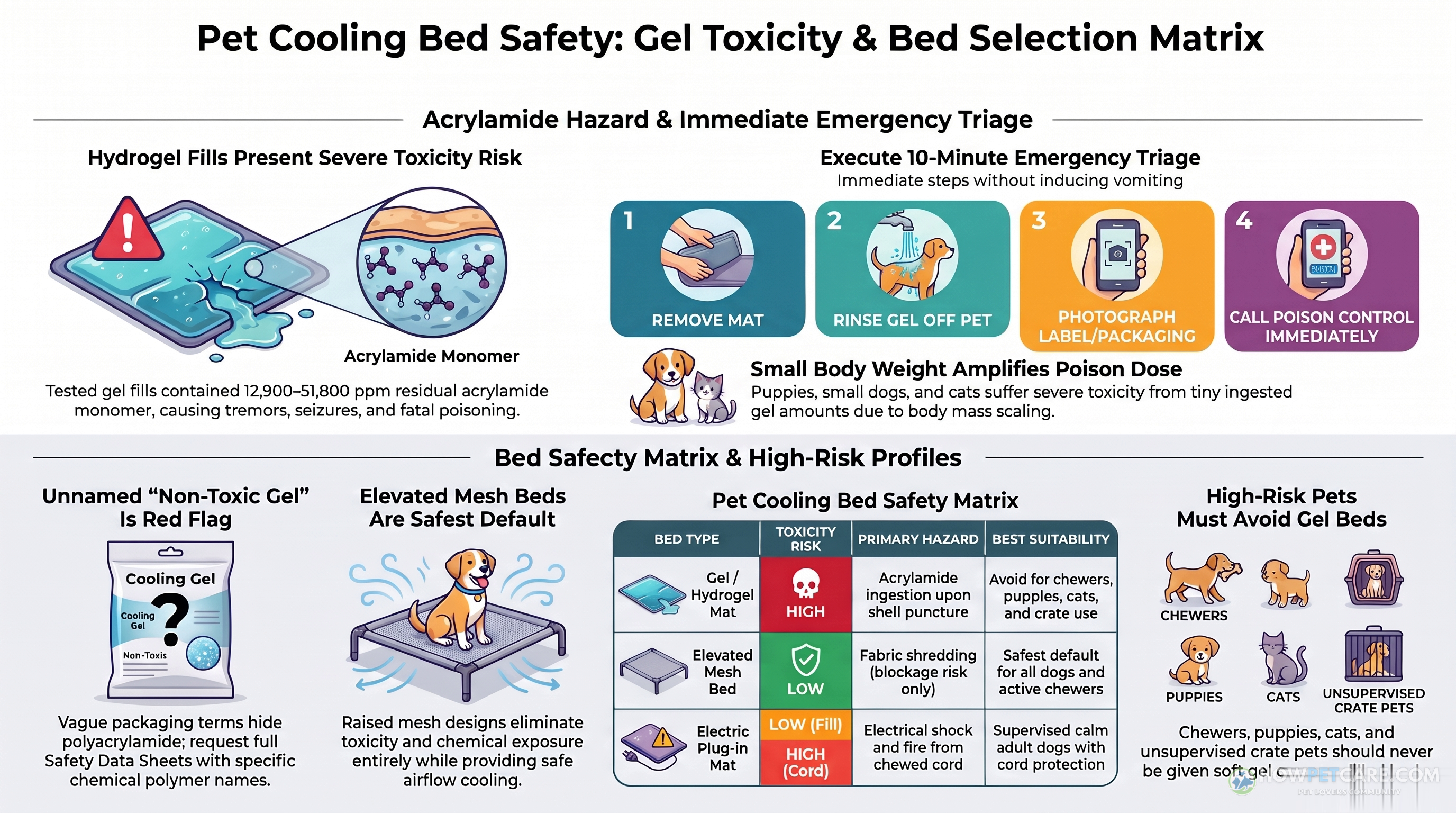
Most cooling beds are safe — the danger concentrates in one type. The safety of a cooling bed depends on its contents and whether your pet chews. Elevated mesh beds and evaporative or ice-silk fabric mats carry little toxicity risk. Water-filled beds are low-toxicity but can leak and grow mold inside. Electric plug-in mats add shock and fire risks unrelated to their fill. Gel-filled (hydrogel) cooling mats have a documented poisoning risk when a pet punctures the shell and swallows the gel. Testing reported by the ASPCA and the Journal of the American Veterinary Medical Association (JAVMA) measured residual acrylamide at 12,900–51,800 ppm in sampled gel fills, high enough to cause the tremors, seizures, and deaths logged by ASPCA Animal Poison Control.
That finding challenges advice still circulating on older pages and product listings. Many vendor guides and pre-2026 articles say that "the gel is non-toxic" and a swallowed mouthful causes "at most mild stomach upset." The acrylamide data directly contradicts that claim and is the clearest reason to treat a soft gel mat differently from other cooling beds.
The scope matters, though. The findings cover hydrogel-type fills specifically, not every cooling product on the shelf, and they don’t show that touching an intact mat harms your pet. The hazard is swallowing the fill. Body weight matters too: a small dog, puppy, or cat eating the same amount of gel takes a far larger dose per pound than a 70-pound Labrador would.
Use this guide according to your situation. If your pet chewed a mat in the last few minutes, go straight to the triage section. If you already have a gel mat and want to know whether it’s the risky kind, go to the identification section. If you’re still shopping, use the pre-buy checklist to screen each product before you pay.
What the ASPCA and JAVMA Acrylamide Findings Actually Showed
Polyacrylamide is the water-holding polymer inside many "self-cooling" gel mats. Its long molecular chains soak up water and stay cool when pressed. The finished polymer isn’t the poison. The concern is residual acrylamide, an unreacted monomer left behind during manufacturing. Acrylamide is an established neurotoxin, and the ASPCA and JAVMA analyses detected it in the gel fills they examined.
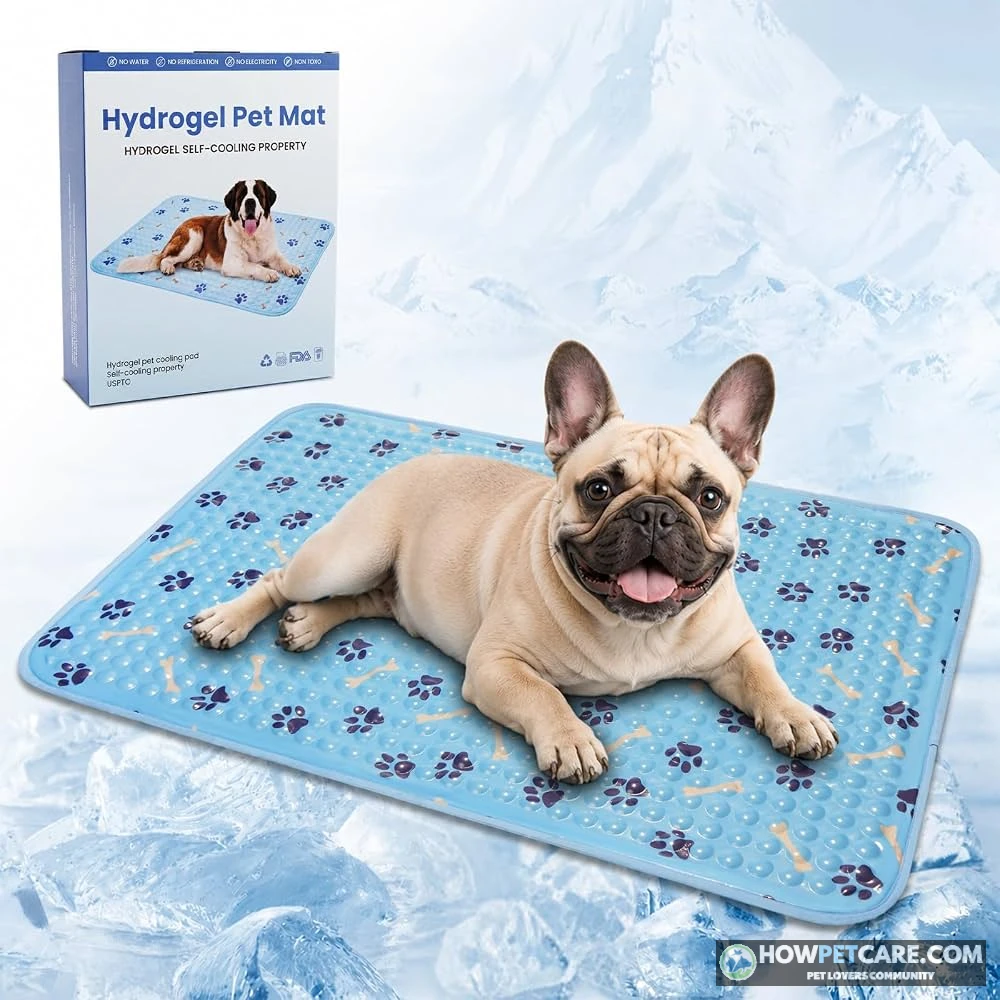
What was tested and what the numbers mean
When a dog chews through a mat’s vinyl shell and swallows gel, it takes in residual monomer along with the polymer. The reported concentrations of 12,900–51,800 ppm are measured in parts per million within the tested fills. They come from a case series of 45 dogs that developed signs after ingesting gel from cooling pads and hot/cold packs. ASPCA Poison Control documented vomiting, tremors, ataxia (loss of coordination), sensitivity to sound and touch, low blood pressure, an elevated heart rate, seizures, and in some cases death.
The limits of the data matter just as much. It doesn’t prove that every gel mat is toxic, that pressing or lying on an undamaged mat is dangerous, or exactly how much acrylamide a specific dog must swallow to be harmed. That last unknown is a reason to call a professional rather than estimate a dose at home. The case series shows that the outcome can be severe and fast, so any tremor, wobble, or seizure after gel contact is an emergency, not a situation to watch and wait.
Dose is the practical takeaway. Because harm scales with milligrams of gel per kilogram of body weight, the same swallowed amount is a much bigger insult to a 6-pound Chihuahua or a 4-pound kitten than to a large adult dog. Small animals face greater risk for a physical reason, not just a behavioral one.

Which products were named, and what to do when the source names none
The published ASPCA warning is a cross-brand safety alert, not a recall list with brand names and lot numbers. It doesn’t identify specific products as dangerous, so naming them without published evidence would be irresponsible. K&H Pet Products, a major maker of cooling beds, has publicly addressed cooling-mat safety and directs owners to its fill and care guidance; treat manufacturer safety statements as one input, not proof of safety. Because the warning doesn’t identify specific models, avoiding one brand isn’t enough. Your protection comes from classifying the mat in your own home, using the identification section below.
My Dog Chewed a Cooling Mat or Ate the Gel: Step-by-Step Triage
Follow this sequence if you find a punctured mat and your pet has gel on its mouth or gel is missing from the mat. Don’t skip ahead to home monitoring.

First 10 minutes: what to do and what not to do
-
Remove access
Take the mat away and move your pet out of the area. Wipe or rinse gel off the mouth, paws, and fur so it isn’t licked back up later.
-
Collect the evidence
Photograph the mat and its label. Write down the product name, the fill type on the label, roughly how much gel is missing (a dime-sized patch? half the mat?), the time of exposure, and your pet’s weight.
-
Check for red-flag signs now
Look for tremors, muscle twitching, unsteady walking, weakness, seizures, repeated vomiting, or collapse.
-
Call before symptoms appear
ASPCA Animal Poison Control: 888-426-4435. Pet Poison Helpline: 855-764-7661. Both charge a consultation fee (typically $75–$95). Have your notes ready.
-
Do not induce vomiting
Don’t induce vomiting unless a poison-control professional or your vet explicitly tells you to. Doing it on your own can cause aspiration.
-
Follow the tier that fits your pet
Use the decision list below: ER now, follow professional instructions, or monitor at home only on professional advice.
Call poison control or your vet before symptoms appear, not after. Don’t induce vomiting unless a professional instructs you to. ASPCA Animal Poison Control: 888-426-4435. Pet Poison Helpline: 855-764-7661.
ER, poison control, or monitor at home: how to decide
Choose the highest tier that fits your situation. When in doubt, treat it as an emergency. Go to an emergency vet now if your pet shows tremors, seizures, weakness, or collapse; is repeatedly vomiting; swallowed what looks like a large amount; or is a small dog or puppy that ate an uncertain amount. For a small, clearly limited exposure in a healthy adult dog showing no signs, follow the specific instructions poison control or your vet gives you. Monitor at home only if a professional explicitly tells you to; typical monitoring runs 24–48 hours. If you’re transporting your pet, bring the mat, its packaging, or a photo of the label so the clinic knows exactly what the fill was. Keep your pet calm and in a dim space, and never put your fingers or any object into the mouth of a seizing pet.
Symptoms of acrylamide and gel exposure in dogs, and how fast they can appear
ASPCA Poison Control has reported vomiting, tremors, loss of coordination (ataxia), unusual sensitivity to sound and touch, low blood pressure, an elevated heart rate, and seizures after gel ingestion. Signs can develop quickly after a swallowed dose, so don’t wait for a full cluster before acting. A single tremor or an unsteady gait in a dog that just punctured a gel mat is reason enough to call.
Other signs that need a vet: gastrointestinal blockage and heat illness
Not every chewed mat is a toxicity case. If no gel is visible but a piece of fabric, vinyl, or foam is missing, assume a possible intestinal blockage instead. That’s a separate emergency. Signs include vomiting, loss of appetite, and straining without producing stool, and they can take 24–72 hours to appear. Call your vet even if your dog seems fine at first. If your pet is panting heavily, drooling, has bright red gums, or looks weak while lying on the mat, you may be seeing heat illness rather than poisoning. That needs real cooling and a vet call too, as covered later in this guide.
How to Tell Whether Your Cooling Mat Contains Polyacrylamide Hydrogel
A label that says "non-toxic gel" doesn’t tell you what’s in the fill or rule out polyacrylamide. Use what you can see, read, and ask to classify a mat into one of three buckets: confirmed hydrogel, unknown gel, or non-gel.
| Clue | Where to look | What it suggests | Next step |
|---|---|---|---|
| "Pressure-activated gel," "self-cooling gel," "gel-infused," or "non-toxic gel" with no chemical name | Label, box, product-page bullets | Unnamed gel — treat as unknown risk until proven otherwise | Email the seller for the fill’s chemical name |
| "Polyacrylamide," "acrylamide copolymer," "hydrogel," "sodium polyacrylate," or an unnamed "polymer" | Ingredient list, manual, safety data sheet (SDS) | Confirmed or likely hydrogel-type fill | Reclassify as risky; follow inspect/quarantine steps |
| "Medical-grade gel" or "food-grade gel" marketing | Product page, packaging | Marketing term — says nothing about residual acrylamide | Ask if the fill was tested for residual acrylamide, and by which lab |
| Translucent, jelly-like fill in a sealed chamber that pools under a finger and slowly re-forms | Press the intact mat — never cut it open | Consistent with hydrogel | With vague labeling, classify as "unknown gel" |
| Bead-like or grainy swelling texture inside the chamber | Feel through the shell | Consistent with superabsorbent (polyacrylate) polymer | Treat as hydrogel-class; keep away from chewers |
| Sloshing liquid, solid foam, or woven fabric with no gel layer | Press and tilt the mat | Likely a non-gel type (water, foam, fabric) | Lower toxicity concern; check mold, cord, coatings instead |
| Seller refuses to name the fill or only repeats "non-toxic" | Email or chat response | Red flag — no verifiable safety data | Default to a non-gel bed or skip the product |
Label and ingredient-list language to look for
Vague phrases are a clue. Words like "gel," "cooling gel," "self-cooling," "pressure-activated," "gel-infused," and "non-toxic gel" describe a sensation, not a chemical composition. None excludes polyacrylamide. Look instead for an ingredient or specification: polyacrylamide, acrylamide copolymer, hydrogel, sodium polyacrylate, or a named polymer. Check the packaging, printed manual, full product page, and, if you can get it, the safety data sheet, which lists contents for anything sold or handled commercially.

What the fill looks and feels like
Press the intact mat through its cover. A hydrogel fill is a translucent, jelly-like layer that pools under your finger and slowly oozes back into shape; a superabsorbent (polyacrylate) type can feel bead-like or grainy when it swells. Compare that with the sloshing liquid of a water bed, the firm push of solid foam, or the flat give of a woven fabric mat. Never cut a mat open to check. If a seam is already leaking, wear gloves, keep pets and children away, and treat the mat as damaged. Phase change material (PCM) mats use a different technology from hydrogel, but "different" doesn’t necessarily mean "safe." Ask the vendor for the fill’s spec before assuming a PCM mat is fine.

Questions to ask the seller
Email or open a chat and ask four things: What is the fill’s chemical name? Can you provide a safety data sheet? Has the fill been tested for residual acrylamide, and by which lab? Do you have a lot-specific test report from the current production run? Look for a plain answer. If a seller refuses to name the fill or only repeats the word "non-toxic," rate that mat as unknown gel at best.
If you can’t get the fill’s chemical name after asking, stop treating the mat as safe. Confirmed hydrogel = a named polymer or SDS. Unknown gel = gel language plus a squishy fill and no name. Non-gel = water, foam, or fabric you can verify.
Gel, Water, Elevated, Evaporative, and Electric Cooling Beds: Risk Matrix
Compare bed types by the hazards they present, then match the product to your pet. "Low," "medium," and "high" reflect real-world risk, not marketing.
| Bed type | Toxicity risk | Chew/puncture risk | Electrical risk | Hygiene (mold/bacteria) risk | Overheating/failure risk | Best suited to / avoid for |
|---|---|---|---|---|---|---|
| Gel / hydrogel mat | HIGH — acrylamide measured at 12,900–51,800 ppm in tested fills; dangerous if swallowed | MEDIUM-HIGH — soft vinyl shell punctures under molars | LOW — no cord or power | MEDIUM — slow seam leaks and contamination as the mat ages | MEDIUM — stops cooling once it warms to body temperature (often 30–60 min of contact) | Avoid for chewers, puppies, cats, unsupervised crate use; supervised use only for calm adult dogs |
| Water-filled bed | LOW — if filled with plain water only (verify no added algicide or gel packets) | MEDIUM — a puncture means a full leak, not a slow seep | LOW | HIGH — standing water inside chambers breeds mold and bacteria | MEDIUM — water warms to room temperature; heavy to move | Acceptable for non-chewers with regular cleaning; avoid for chewers and puppies |
| Elevated mesh bed | LOW — fabric and frame only, nothing toxic to swallow | LOW-MEDIUM — determined chewers can shred mesh, but ingested fabric is a blockage risk, not a toxicity one | LOW | LOW — airflow keeps the surface dry; hose off to clean | LOW for safety, MEDIUM for efficacy — passive airflow cannot prevent heatstroke in a hot room | Safest default for most dogs, including sturdy chewers; weak cooling in extreme heat |
| Evaporative / ice-silk fabric mat | LOW — unless an unnamed coating or gel insert is present (check the spec) | LOW-MEDIUM — fabric tears but fill risk is minimal | LOW | MEDIUM — evaporative types stay damp and can mildew | MEDIUM — evaporative cooling fails in humid air; ice-silk is a feel, not active cooling | Acceptable for most pets; verify coatings; seniors may find damp surfaces uncomfortable |
| Electric / plug-in mat | LOW for the fill, but see electrical column | MEDIUM — the mat plus the cord as a chew target | HIGH — a chewed live cord can shock a pet or start a fire | LOW-MEDIUM — depends on cover washability | LOW for failure, but a malfunctioning unit can overheat the pet instead of cooling it | Only for non-chewers under supervision, with a UL/ETL listing and cord protector; never in an unsupervised crate |
For a calm adult dog in a mild climate, any type can work, and an elevated bed is the simplest safe default. A chewer or puppy should use an elevated bed only. A senior or a small or short-haired dog can use any type but needs watching for chilling. For a cat or rabbit, choose a non-ingestible option: an elevated bed or a plain ceramic tile. The safest choice depends on whether your pet chews, which is why the pre-buy checklist screens products against your animal’s profile.
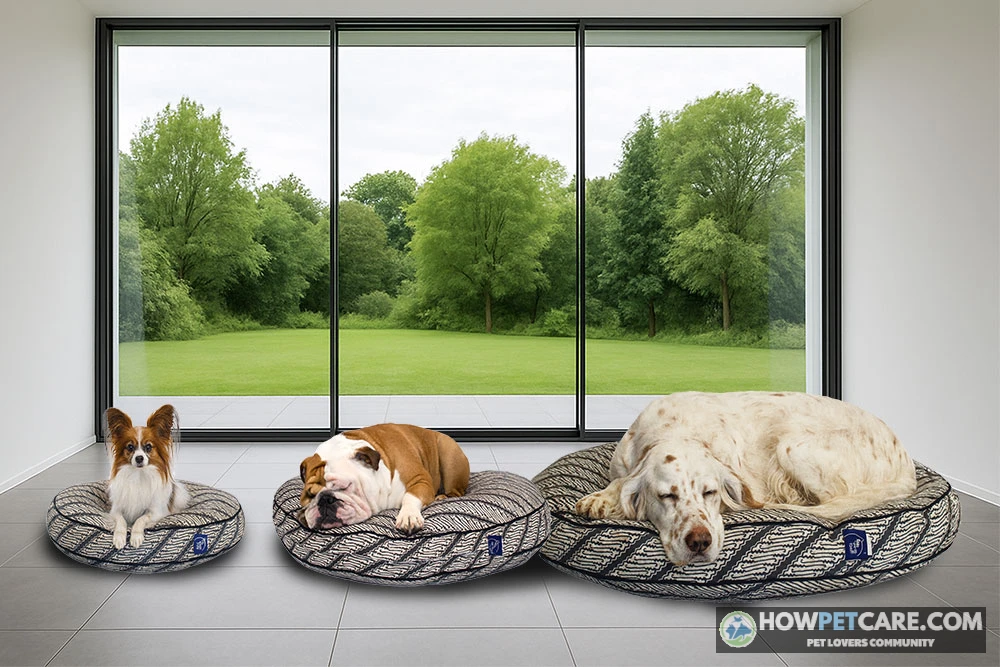
Cord Chewing, Mold, Overcooling, and Failure in Extreme Heat: The Hazards Competitors Skip
Toxicity isn’t the only concern. Other problems can be more mundane and more common than poisoning.
Can a plug-in cooling mat shock a pet that chews the cord?
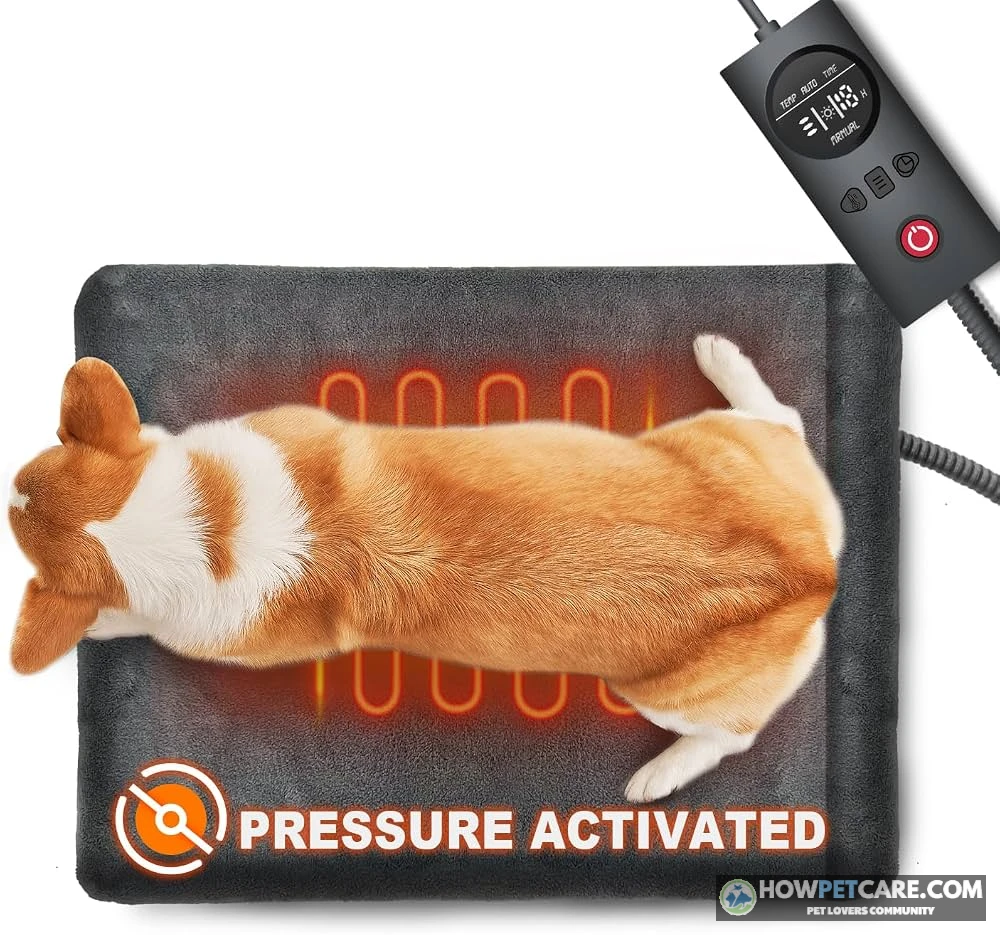
Yes. A powered cooling mat runs electricity to the sleeping surface, and the cord is a natural chew target for a bored or teething dog. A chewed live cord can deliver a shock or even start a fire. Public data doesn’t quantify how often these incidents happen, so treat this as a plausible, serious hazard rather than a rare fluke. If you use a plug-in mat, supervise every session, route the cord through a chew-resistant sleeve or conduit, and unplug the mat whenever you leave the room or house. Never place one in an unsupervised crate.
Mold, bacteria, and when to replace a mat
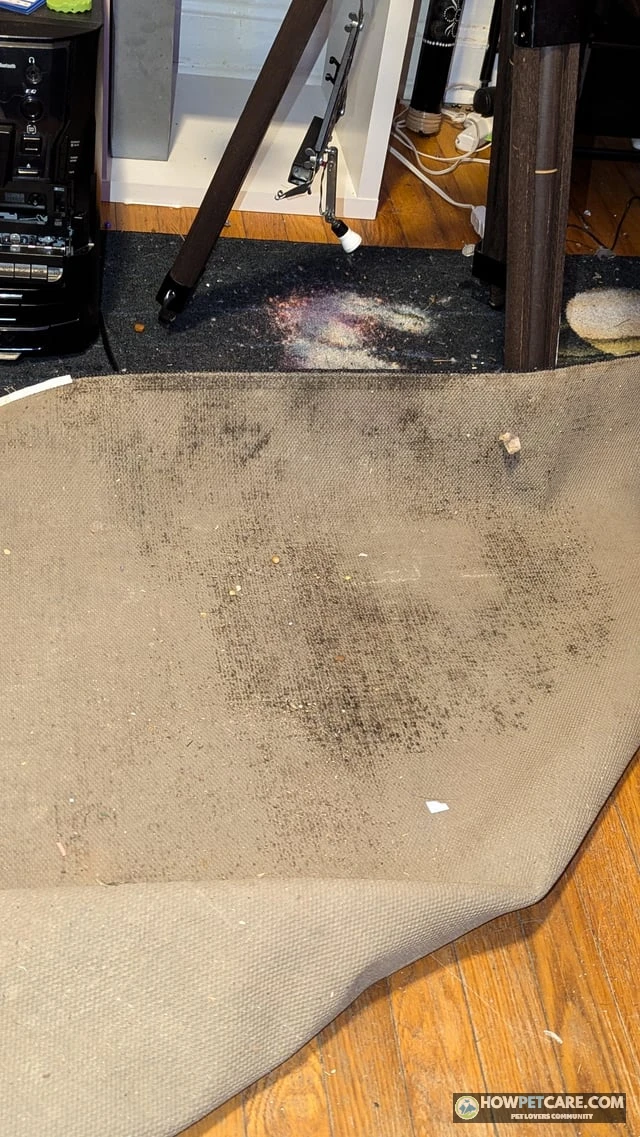
Water beds and aging gel mats share a slow-developing problem: sealed chambers that stay damp are ideal for mold and bacteria. This contamination risk is well documented in analogous products like water beds and reusable gel packs, though its true prevalence in pet mats hasn’t been studied at scale. Look for a persistent musty odor, cloudy or discolored fill, or seams that feel sticky or slimy. Wipe covers regularly and dry them fully, follow the maker’s cleaning directions, and inspect seams every few weeks. Retire any mat that keeps its smell after cleaning, shows residue, or has a leaking seam.
Can a cooling bed make a pet too cold?
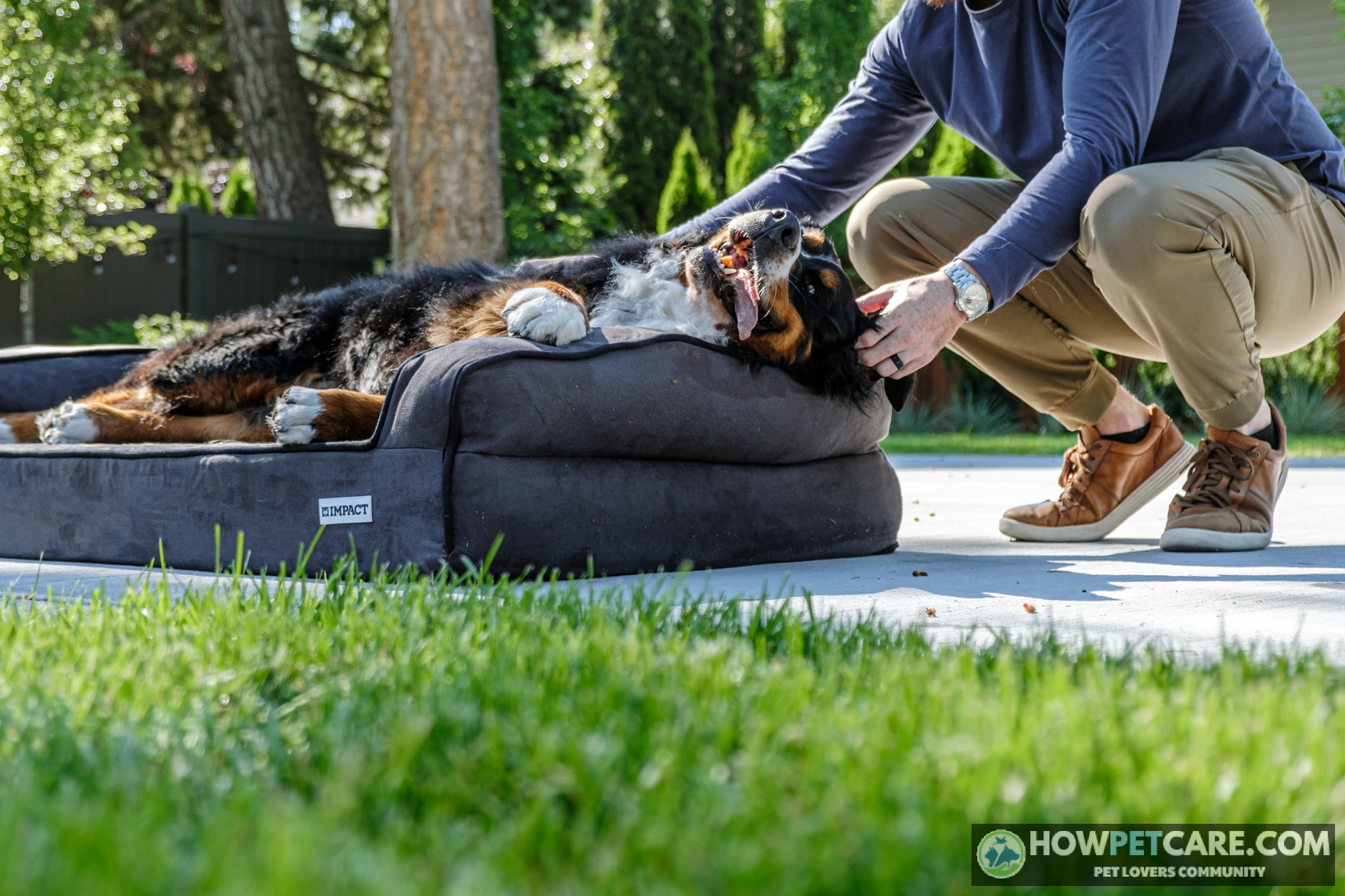
It can, especially for pets less able to shrug off a chill: small breeds, thin- or short-coated dogs, seniors, and animals with poor circulation. Long contact with a cold surface in an air-conditioned room may drop a small dog’s comfort range. Watch for shivering, avoidance or stepping off the mat, and curling up tightly to conserve heat. Whether a mat alone can push a healthy dog into true hypothermia is less certain than the poisoning risk. Treat overcooling as a comfort and caution issue, and let a visibly cold or shivering pet move to a warmer spot.
If the mat stops working in extreme heat
A cooling mat stops cooling once it warms to the pet’s body temperature. In a hot room or direct sun, it can’t prevent heat exhaustion. It’s a comfort aid, not a life-support system. On a hot day, a panting dog still needs shade, airflow, and fresh water; a mat doesn’t replace any of them. Panting is a dog’s main way to shed heat, so heavy panting, drooling, bright red gums, weakness, or vomiting on a mat signals heat illness that needs real cooling and a vet call. A mat can help a calm pet shed a little heat in mild conditions, but that benefit is limited and short-lived.
A gel or water mat stops working once it reaches body temperature. In real heat, rely on shade, ventilation, and water first. Heavy panting, drooling, red gums, or weakness is heat illness — cool the pet and call your vet.
Which Pets Should Avoid Cooling Mats: Chewers, Puppies, Seniors, Small Dogs, and Cats
Follow the strictest rule that applies to your pet. Profiles stack: a small senior dog that also chews follows all three rules at once. This quick reference shows when to avoid gel and water mats, supervise their use, or use them freely.
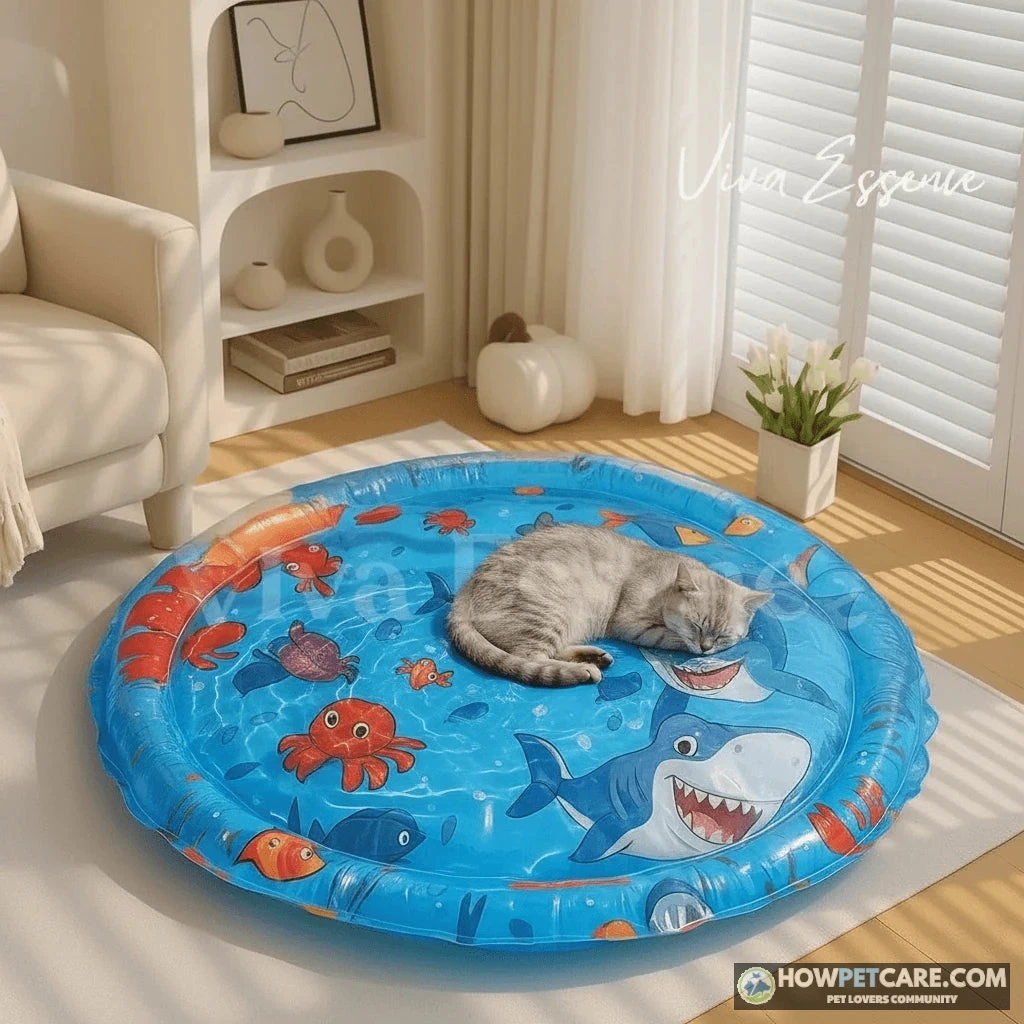
- ☐ AVOID gel and water mats (use non-chewable options only): heavy chewers and destructive dogs, whose puncture risk makes swallowing gel a matter of when, not if — give them a sturdy elevated bed; puppies, mouth-first explorers whose low body weight turns a small swallow into a large dose per kilogram; cats, whose grooming and licking raise exposure odds and whose small size amplifies any dose; rabbits and other small pets, who are dedicated chewers better served by ceramic tiles, frozen water bottles, or elevated surfaces; and any pet left unsupervised in a crate with a mat.
- ☐ SUPERVISED USE ONLY: adult dogs with an occasional chewing history on gel mats, and any pet on an electric/plug-in mat, where cord risk applies even to mild chewers.
- ☐ GENERALLY ACCEPTABLE (watch for chilling): calm adult dogs on a bed matched to the risk matrix; and seniors, small/toy breeds, short-haired dogs, and pets with arthritis or circulation problems — acceptable, but watch for shivering, mat avoidance, and curling up, and ask your vet first if the pet has kidney or heart conditions.
Dogs: chewers, puppies, seniors, and small breeds
Behavior and dose drive the risk. A determined chewer will eventually breach a soft shell, so gel and water mats are the wrong choice for that dog, regardless of how durable the cover claims to be. Puppies combine puncture risk with tiny body weight, so even a modest swallow is a big dose. Seniors and dogs with arthritis, poor circulation, kidney disease, or heart conditions may find prolonged contact with a cold surface uncomfortable or unwise. Ask your vet rather than guessing. Small, toy, and short-haired breeds chill faster and feel small ingested amounts more, so they warrant caution on both fronts.
Cats, rabbits, and other pets
Cats are nearly absent from the incident data, but that doesn’t put them off the hook. A cat’s grooming routine makes it more likely to lick gel off its coat, and its small body size magnifies any dose. Avoiding gel mats for cats is a precaution based on behavior and size, not a proven track record of feline poisoning. Prefer an elevated bed, a fabric mat with a verified coating, or a plain ceramic tile. Rabbits and other small mammals are enthusiastic chewers; give them ceramic tiles or a frozen water bottle wrapped in a towel rather than anything they can puncture and swallow.
Already Own a Gel Cooling Mat? Inspect, Quarantine, or Dispose of It Safely
If you already have a suspect mat, inspect it before deciding whether to keep using it, quarantine it, or dispose of it.
A 5-minute inspection routine
Lay the mat out and check six things: punctures or bite marks, leaking seams, bulging or uneven chambers, a musty odor, sticky or slimy residue on the surface, and fill that looks cloudy or discolored rather than clear. Stop using it immediately if you find any damage. Then classify it using the identification steps above: a confirmed or unknown gel mat is a risk for chewers, puppies, and cats even if it looks perfect. If you’re not sure, treat it as gel. Quarantine options range from supervised use only to keeping the mat out of reach whenever you’re away to retiring it entirely. For disposal, seal the mat in a bag and check your local waste guidance for gel or polymer products. Don’t pour large amounts of gel down a drain without confirming that local rules allow it.
Who regulates pet cooling products, and how to file a report
Pet cooling products fall into a regulatory gap. The Consumer Product Safety Commission (CPSC) oversees consumer products, and the Food and Drug Administration (FDA) oversees animal drugs and food, but a cooling mat is neither. Mandatory toxicity testing for the fill is largely absent, and most oversight happens after harm is reported. Confirm the current status before relying on it, and remember that the absence of a recall isn’t proof of safety. If a product harmed your pet, file a report with the CPSC at SaferProducts.gov, notify the manufacturer and retailer, and report the illness to your vet and a poison-control center so it enters the clinical record. Keep your lot number, purchase date, receipt, and photos; they help turn a complaint into an actionable report.
Pet cooling mats sit between CPSC consumer-product oversight and FDA animal-product oversight, so a product can reach shelves with no mandatory fill testing. Check CPSC recalls and SaferProducts.gov for the brand and product name, and report any illness or defect to both regulators and your vet.
1What specific substance within hydrogel pet cooling mats presents a documented neurotoxicity risk if ingested by a pet?
While the finished polyacrylamide polymer is not toxic, unreacted acrylamide monomer remaining from manufacturing is a documented neurotoxin detected in high concentrations in tested fills.
2Based on clinical case data reported by ASPCA Animal Poison Control, which of the following signs are associated with residual acrylamide toxicity following gel mat ingestion?
Tremors are a primary neurological sign documented by ASPCA Poison Control following gel ingestion.
3Why can a pet cooling mat containing toxic residual compounds enter retail markets without mandatory fill safety testing?
Cooling beds fall outside both CPSC standard consumer product jurisdiction and FDA drug/food oversight, resulting in a lack of mandatory toxicity testing prior to sale.
4According to safety guidelines for pet cooling beds, which of the following animal profiles should completely avoid using soft gel-filled or water-filled mats?
Heavy chewers will inevitably puncture soft shells, turning gel exposure into an immediate probability.
5How does an unpowered hydrogel cooling mat behave over time when a pet lies on it during warm conditions?
Unpowered hydrogel mats rely on passive heat transfer; once the gel absorbs heat and reaches the pet's body temperature (often in 30–60 minutes), the cooling effect ceases.
6What is an essential step to take within the first 10 minutes of discovering a pet has punctured a gel bed, prior to contacting poison control?
Removing access and cleaning residual gel off the body prevents the pet from grooming and swallowing additional fill while you make emergency calls.
Pre-Buy Safety Checklist: Screen a Cooling Bed Before You Buy It
Run every product you’re considering through this checklist before you pay. A red flag on any of the first three items or on the electrical listing means skip it.
- ☐ Named fill. The listing or seller states the fill’s actual chemical name, not just "non-toxic gel." No name is a red flag.
- ☐ Documentation exists. The seller can provide a safety data sheet or third-party lab report for the fill, including residual acrylamide testing for any gel product.
- ☐ Pet-profile match. The bed type passes your pet’s profile — no gel or water mats for chewers, puppies, or cats.
- ☐ Fabric denier stated. A denier rating (for example, 600D or higher) or explicitly reinforced seams is published. Higher denier is tougher, though nothing is truly chew-proof.
- ☐ Chew-resistance claims are specific. "Chew-resistant cover" describes an actual material, not just a marketing adjective.
- ☐ Electrical listing (plug-in mats only). A recognized certification such as UL or ETL, plus a chew-resistant or detachable cord.
- ☐ Clean recall record. A quick search of CPSC recalls and SaferProducts.gov for the brand and product name shows no cooling-mat reports.
- ☐ Washable or wipeable cover. A removable cover or cleanable surface, since damp sealed chambers are a recurring real-world problem.
- ☐ Honest cooling claims. The listing admits the limits — recharge time, how long the effect lasts — instead of promising all-day cooling.
- ☐ Return window. Enough time to inspect seams, fill, and odor at home before you commit.

The reference table puts those checks alongside the specific red flags and ways to verify each one.
| Criterion | What to look for | Red flag | How to verify |
|---|---|---|---|
| Named fill | Actual chemical name of the gel or fill | "Non-toxic gel" with no name | Email the seller; ask for the SDS |
| Safety documentation | SDS or third-party lab report, including acrylamide testing | Seller cannot or will not produce one | Request the document; check the lab name |
| Pet-profile fit | Type matches whether your pet chews and its size/age | Gel or water mat recommended for a chewer, puppy, or cat | Cross-check the pet-profile list above |
| Fabric toughness | Stated denier (e.g., 600D+) or reinforced seams | No rating and vague "durable" claims | Read the spec sheet; check reinforced seams |
| Electrical safety | UL/ETL listing and a protected or detachable cord | Plug-in mat with no listing | Look for the certification mark |
| Recall record | No CPSC or SaferProducts.gov cooling-mat reports | Any leak or illness cluster for that product | Search brand + product + "recall" and "sick" |
| Honest claims | Realistic cooling duration and recharge time | "All-day cooling" with no caveat | Compare against the cooling limits vendors usually bury |
Red flags that mean "skip this product"
Walk away if the fill is unnamed, the seller can’t produce documentation, a plug-in mat lacks a recognized electrical listing, or a gel or water mat is being sold for a chewer, puppy, or cat. Vague "pet-safe" or "vet-approved" language with nothing behind it is marketing, not evidence. If the seller won’t name the fill or produce an SDS, that silence is your answer.
Five-step recall and safety-record check
Before you buy, spend two minutes checking the product’s record. First, search the CPSC recalls database for the brand and product name. Second, check SaferProducts.gov for owner-submitted incident reports. Third, read the manufacturer’s site for safety and recall notices. Fourth, search the exact brand and product name alongside "leak," "recall," and "sick," and scan retailer reviews for repeat complaints. Fifth, confirm you searched the brand and product name together, since either alone can hide a hit. If all five come back clean and the product passes the checklist, match the bed type to your pet’s profile and buy with confidence. If the fill is unknown, your pet chews, or the seller can’t produce documentation, choose a different bed type or skip the purchase. An elevated mesh bed is a safe fallback for almost any dog.
FAQ
Is it safe for a dog to sleep on a cooling mat all night?
It can be for a calm dog that doesn’t chew, on a mat whose fill you have identified, and with the room kept at a reasonable temperature. Take the mat away for chewers, puppies, or any dog that shivers or avoids it, and don’t leave a plug-in mat on and unattended.
Do cooling mats for dogs actually work?
They can help a dog shed some heat while it lies on the mat, but the effect fades as the mat warms to body temperature. In hot rooms or direct sun they do little, so they work best alongside shade, airflow, and fresh water.
My dog is panting hard on a cooling mat. Is the mat enough?
No. Heavy panting, drooling, red gums, weakness, or vomiting can signal heat exhaustion, which needs real cooling and a call to your vet. Move the dog to a cool, shaded or air-conditioned space, offer small amounts of water, and cool the body with cool (not ice-cold) water.
Can I use a cooling mat for a cat?
Be cautious with gel-filled mats because cats groom and lick, which makes gel exposure more likely, and most safety data covers dogs only. A fabric or elevated option, or a ceramic tile for a cat that won’t chew, avoids the gel question.
How often should I clean a water bed or cooling mat?
Wipe the cover regularly and dry it fully, and inspect seams and chambers for odor, cloudiness, or discoloration. Follow the manufacturer’s cleaning directions, and replace any mat that develops a persistent smell, residue, or damage.