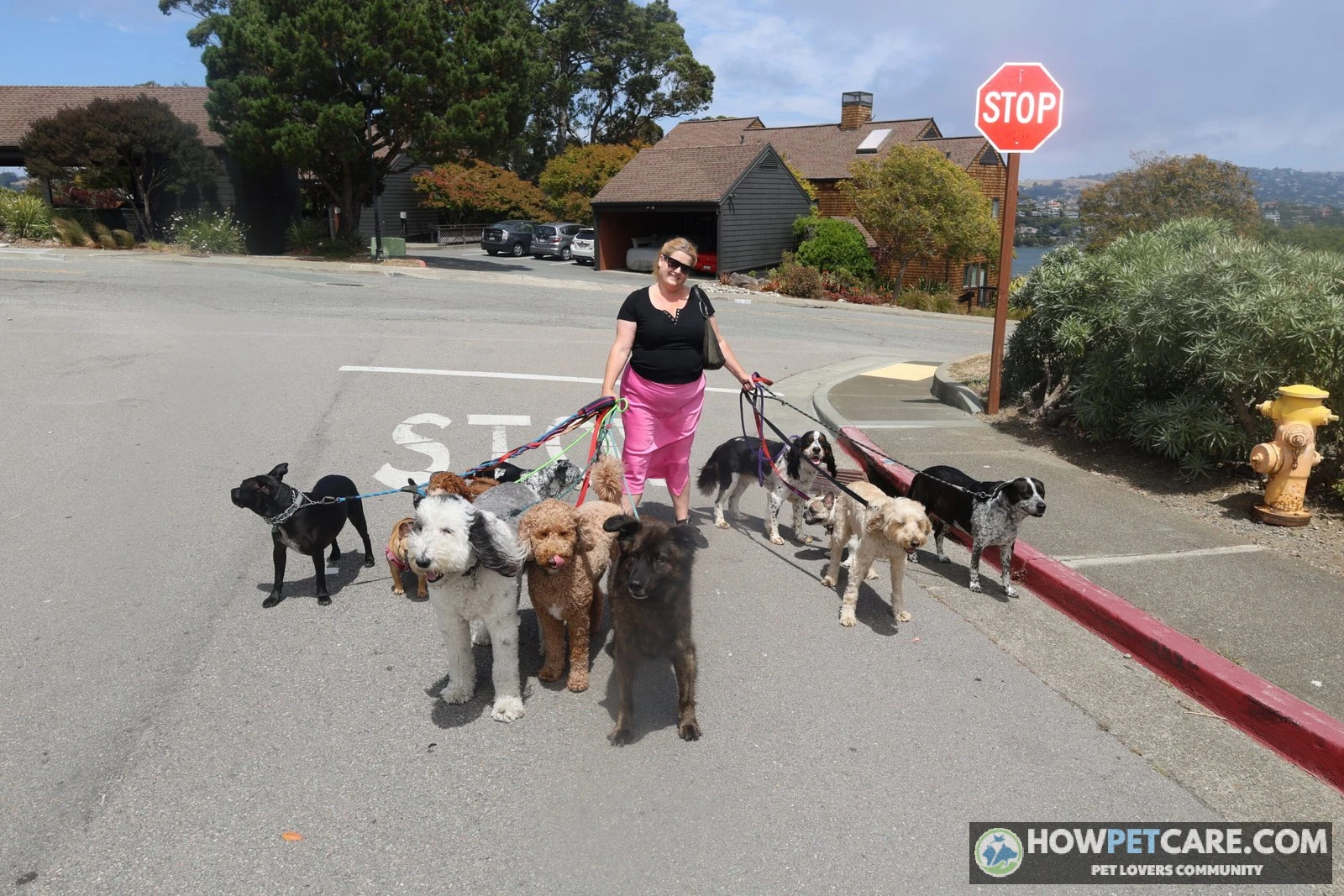

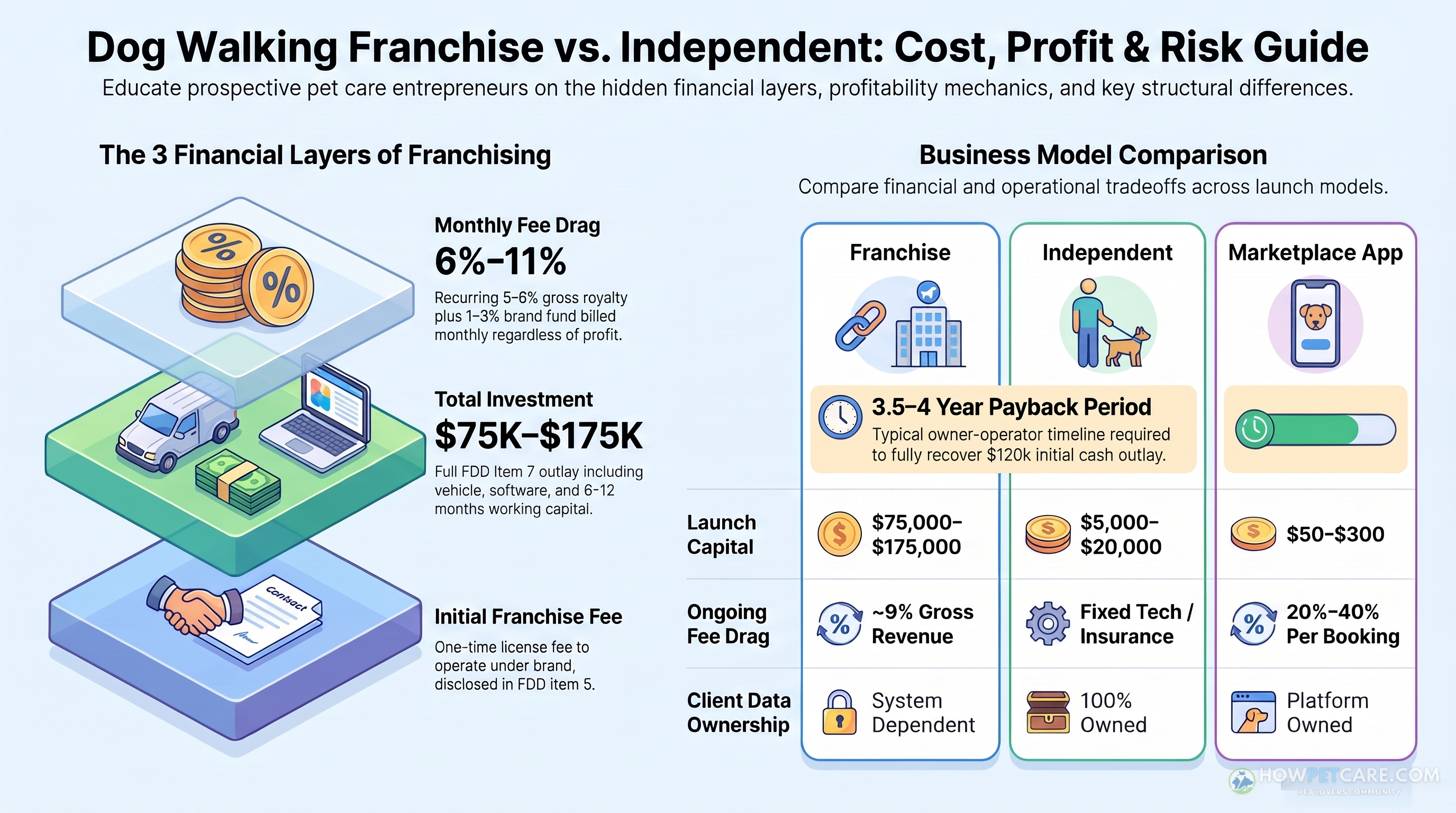
A US dog walking franchise has three cost layers to budget for:
| Cost layer | What it covers |
|---|---|
| Franchise fee | One-time payment for the license to operate under the brand (FDD Item 5) |
| Total initial investment | Fee plus vehicle, insurance, training travel, software, launch marketing, and working capital — typically ~$75,000–$175,000 (FDD Item 7) |
| Ongoing fees | Royalty of roughly 5–8% of gross revenue plus a 1–3% brand/marketing fund, often with monthly minimums (FDD Item 6) |
A dog walking franchise has three layers of cost: a one-time franchise fee, a total initial investment that usually runs much higher, and ongoing percentage fees charged on revenue each month. The authoritative figures for each layer are in the franchisor’s Franchise Disclosure Document: Item 5 covers initial fees, Item 6 covers other ongoing fees, and Item 7 estimates the initial investment. This guide explains how those costs add up, compares franchising with launching independently, models the economics for an owner-operator, and lays out what to check before signing.
Many pages on this topic are franchisor recruitment materials that sell the lifestyle without spelling out prices, earnings, or contract terms. Here, you’ll find cost figures, profit scenarios with visible assumptions, and questions to take to the FDD. Treat the guide as an educational framework, not legal or financial advice. Verify every figure against each brand’s current-year FDD, and have a franchise attorney review any agreement before you sign.
What a Dog Walking Franchise Costs: Fees, Total Investment, and Ongoing Charges
Separate the cost into three buckets so you don’t mistake the sticker price for the full outlay.
- The franchise fee — a one-time payment for the right to open. It’s the smallest number in the deal and the one you’re most likely to hear first.
- The total initial investment — the franchise fee plus a vehicle, insurance, training travel, software, launch marketing, and working capital to get through the ramp-up. This is the number to budget around.
- Ongoing percentage fees — royalties and a brand or marketing fund, billed on gross revenue every month, whether or not you’re profitable.
It’s tempting to focus on the franchise fee. Low-cost pet franchise opportunities in 2026 are often marketed around that figure alone, but a dog walking operation still needs 6 to 12 months of working capital to cover payroll, insurance, and the owner’s salary while client volume builds. A low fee won’t protect a buyer who runs short of cash in the first year.
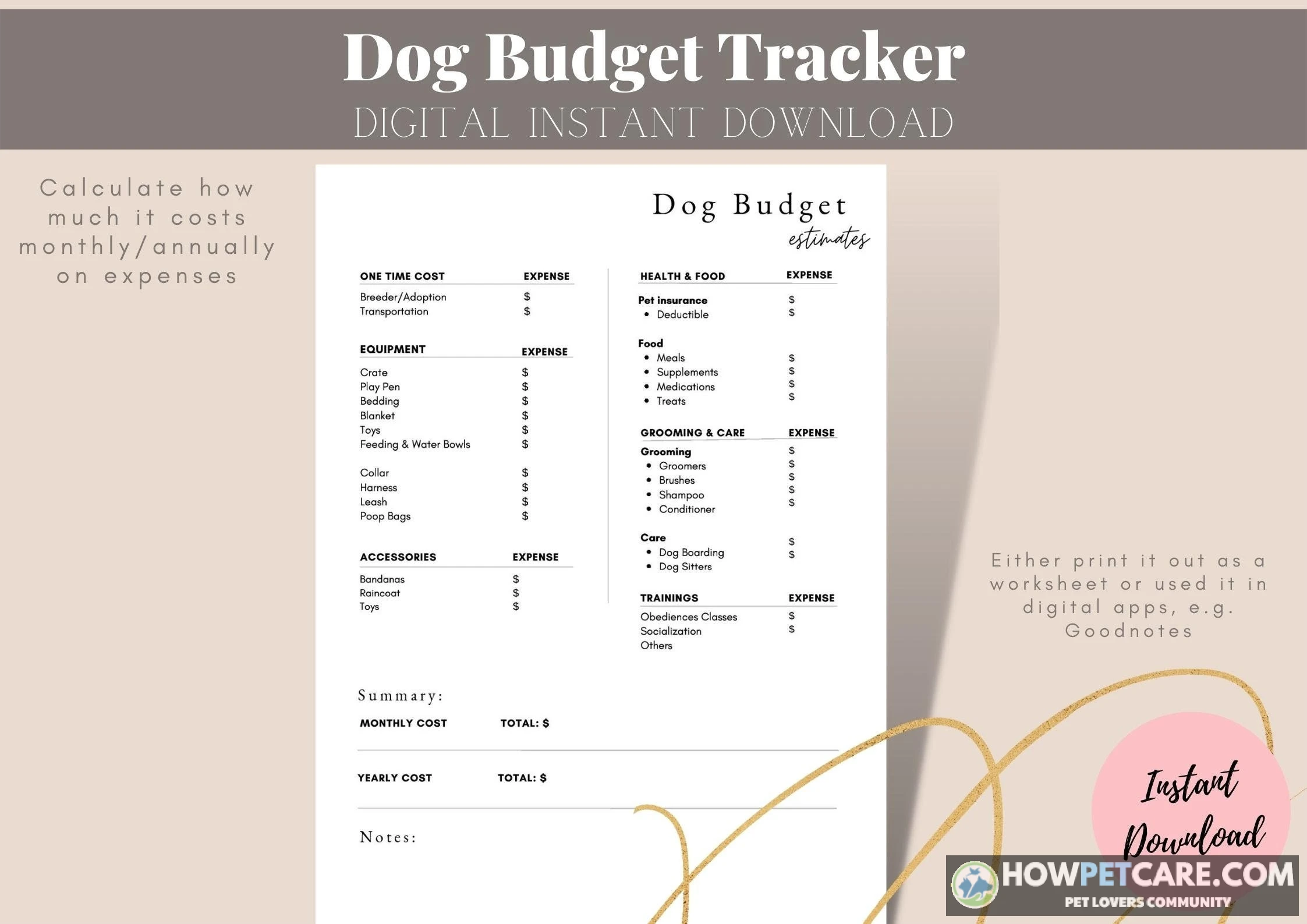
The figures in this guide are either published by franchisors or labeled as illustrative. Where a brand withholds pricing, the guide identifies the FDD item to request. Don’t fill a gap with a guess: the authoritative source for a brand’s fees is Items 5, 6, and 7 of its own disclosure document.
Franchise fee vs. initial investment: what each number includes
The franchise fee buys a license to operate under the brand and access to its playbook. It doesn’t buy a vehicle, insurance, or a single month of payroll.
The initial investment accounts for those other startup costs. A pet care franchise typically needs a vehicle or vehicle livery, insurance deposits, training travel and lodging, booking and dispatch software setup, launch marketing, and working capital. That last expense is easy to overlook, but it isn’t optional. A business that breaks even at month 12 still loses money in months 1 through 11, and something has to cover the gap.
Royalty and marketing fund percentages: how they scale with revenue
Royalties in the US pet services franchise space commonly run roughly 5–8% of gross revenue, with a brand or marketing fund of roughly 1–3% on top. Some franchisors also set a monthly minimum. These are category benchmarks, not quotes for a specific brand. Because royalties are charged on gross revenue, they rise as the business grows and are due even in a losing month. That’s different from a loan payment, which at least shrinks as principal falls. A monthly minimum can be especially painful early on, when revenue is lowest.
Costs the franchise fee does not cover
Budget separately for expenses outside the franchisor’s fees:
- General liability insurance, and often care, custody and control coverage specific to animals
- A commercial or business-use auto policy, plus the vehicle payment, gas, and maintenance
- Walker payroll, payroll taxes, and workers’ compensation where your state requires it
- Business licenses, permits, and any local dog-walker rules
- The owner’s salary during ramp-up — often the biggest number buyers forget
Financing the startup: SBA loans, ROBS rollovers, franchisor financing, and equipment leasing
Most buyers finance part of the purchase. Common options include an SBA 7(a) loan; a ROBS (Rollover for Business Startups), which taps a retirement account without the early-withdrawal penalty; direct financing from the franchisor; and equipment or vehicle leasing to spread the capital cost. An established brand with a franchisee repayment history can make lenders more comfortable. That’s a genuine, if narrow, advantage of buying into a system. Ask each franchisor which lenders it works with, and confirm current rates and terms directly with a lender, since they change constantly.
Best US Dog Walking and Pet Care Franchises Compared on Fees, Territory, and Support
Rather than rank brands without enough data to verify the rankings, this section offers a neutral shortlist and identifies the FDD cells you need to fill in. Use it to narrow your search to two or three franchisors, then request current documents and complete the table yourself.
How we compared (and what we left out)
The selection criteria are straightforward: the brand must be US-based and operating in the US, its franchise offering must be open to new buyers, and figures must come from published franchisor data or the FDD. The brands aren’t ranked or given superlatives because most of the pricing and earnings data needed for a fair ranking is unpublished.
UK and Australian brands such as Pets at Play and Cockapoo Crew are excluded deliberately. Their fee structures, exclusive-territory conventions, and franchise laws don’t transfer to a US purchase, so they would be misleading evidence for a US decision. They do offer a contrast: many overseas systems quote a low, spread-out setup fee rather than a US-style Item 7 range. The difference shows how much the market and legal regime shape what gets published.
For a sense of the US market, one franchisor cites industry figures showing the US dog walking sector grew to about $1.3 billion in market size in 2023. That demand backdrop matters, but the national market isn’t your territory. What matters for your business is whether your specific zip codes contain enough pet-owning households to fill your routes.
Marketplace apps (Wag!, Rover) as a non-franchise comparison point
Wag! and Rover aren’t franchises. They’re app marketplaces where you work as an independent contractor and the platform takes a fee on each booking. You don’t pay a franchise fee, royalty, or brand fund, but you don’t get an exclusive territory or a brand you own either. They belong in the franchise-versus-independent comparison later in this guide, not in the franchisor table below. If you see a current Wag! franchise offering advertised, verify it directly against the franchisor’s FDD before assuming it works like the offerings here.
| Franchisor | Core services | Franchise fee | Total initial investment (FDD Item 7) | Royalty | Marketing/brand fund | Territory model | Training and support | Item 19 earnings claim? | Source and year |
|---|---|---|---|---|---|---|---|---|---|
| Woofie’s | Dog walking, pet sitting, mobile pet spa services | Request FDD Item 5 | Request FDD Item 7 | Request Item 6 | Request Item 6 | Territory granted by defined area — confirm exclusivity and boundaries in Item 12 | Initial training plus ongoing support; ask for training days, location, and who covers travel | Confirm whether Item 19 exists in current FDD | Franchisor site; request current-year FDD |
| Fetch! Pet Care | Dog walking, pet sitting, overnight care, pet taxi, medication visits | Request FDD Item 5 | Request FDD Item 7 | Request Item 6 | Request Item 6 | Territory-based model — confirm whether exclusive and how boundaries are drawn in Item 12 | Established system with a centralized dispatch/scheduling app; ask who owns customer data in the app | Confirm whether Item 19 exists in current FDD | Franchisor site; request current-year FDD |
| Snaggle Foot | Dog walking, pet sitting, overnight care | Request FDD Item 5 | Request FDD Item 7 | Request Item 6 | Request Item 6 | Confirm territory definition and exclusivity in Item 12 | Confirm training format and post-launch field support | Confirm whether Item 19 exists in current FDD | Franchisor site; request current-year FDD |
| Out-U-Go | Dog walking, pet sitting, house sitting | Request FDD Item 5 | Request FDD Item 7 | Request Item 6 | Request Item 6 | Confirm territory definition and exclusivity in Item 12 | Confirm training scope and whether software is proprietary | Confirm whether Item 19 exists in current FDD | Franchisor site; request current-year FDD |
Notes for the table:
- Where to get the FDD: Request it directly from the franchisor. By law, the franchisor must give it to you at least 14 days before you sign or pay. You can also pull filed copies from state registration portals such as the California DFPI, Minnesota Commerce, or Wisconsin’s securities filing system.
- Category benchmark to calibrate expectations: US pet care franchise royalties commonly run roughly 5–8% of gross revenue plus a brand fund of roughly 1–3%, sometimes with monthly minimums. Use that as a sanity check only; each brand’s actual figures are in Items 5 and 6.
- Third-party franchise directories sometimes quote fees for these brands. Treat those figures as unverified until they match Items 5–7 of a current FDD. FDDs update annually, so write your verification date at the top of the table as you fill it in.
For context, Woofie’s sells dog walking alongside pet sitting and a mobile pet spa. Walking visits can include exercise, playtime, water bowl refreshing, waste pickup, and snuggles, and each new client starts with a free consultation. A broader service mix raises the revenue ceiling, but it also increases the staffing and scheduling burden. Weigh both sides when comparing a walking-only model with a multi-service business.
What’s Actually in a Dog Walking Franchise Package, and What You Still Build Yourself
Treat the package as a value audit, not a gift list. The royalty buys systems; it doesn’t buy customers, staff, or a working vehicle.
Typical inclusions are brand and trademark licensing, initial training, scheduling and billing software, an operations manual, marketing templates, vendor discounts on insurance, and ongoing field support. Ask the franchisor for specifics on each: how many training days are offered, where training takes place, and who pays for travel; whether the software is proprietary or a rebranded third-party tool; and, critically, who owns the customer data.
Most of the actual work isn’t included. You still hire and manage dog walkers, generate local leads, pay for and maintain a vehicle, and put in the owner’s hours. Some overseas franchisors supply a starter kit: one UK brand ships branded workwear, leads, first-aid kits, and first-year liability insurance. A US buyer should ask exactly what their brand supplies on day one, then price everything else.
Training and ongoing support: questions that separate real help from a brochure
"Full training and ongoing support" means little until you know what’s included. One UK franchise’s training covers practical dog care, canine first aid, customer service, business administration, and local marketing. That mix is a reasonable benchmark for evaluating a US franchisor. Ask about training duration and format, whether there’s a field or hands-on component rather than just online videos, who covers travel, and what ongoing support looks like in month 12 rather than month 1.
Software, branding, and customer data ownership
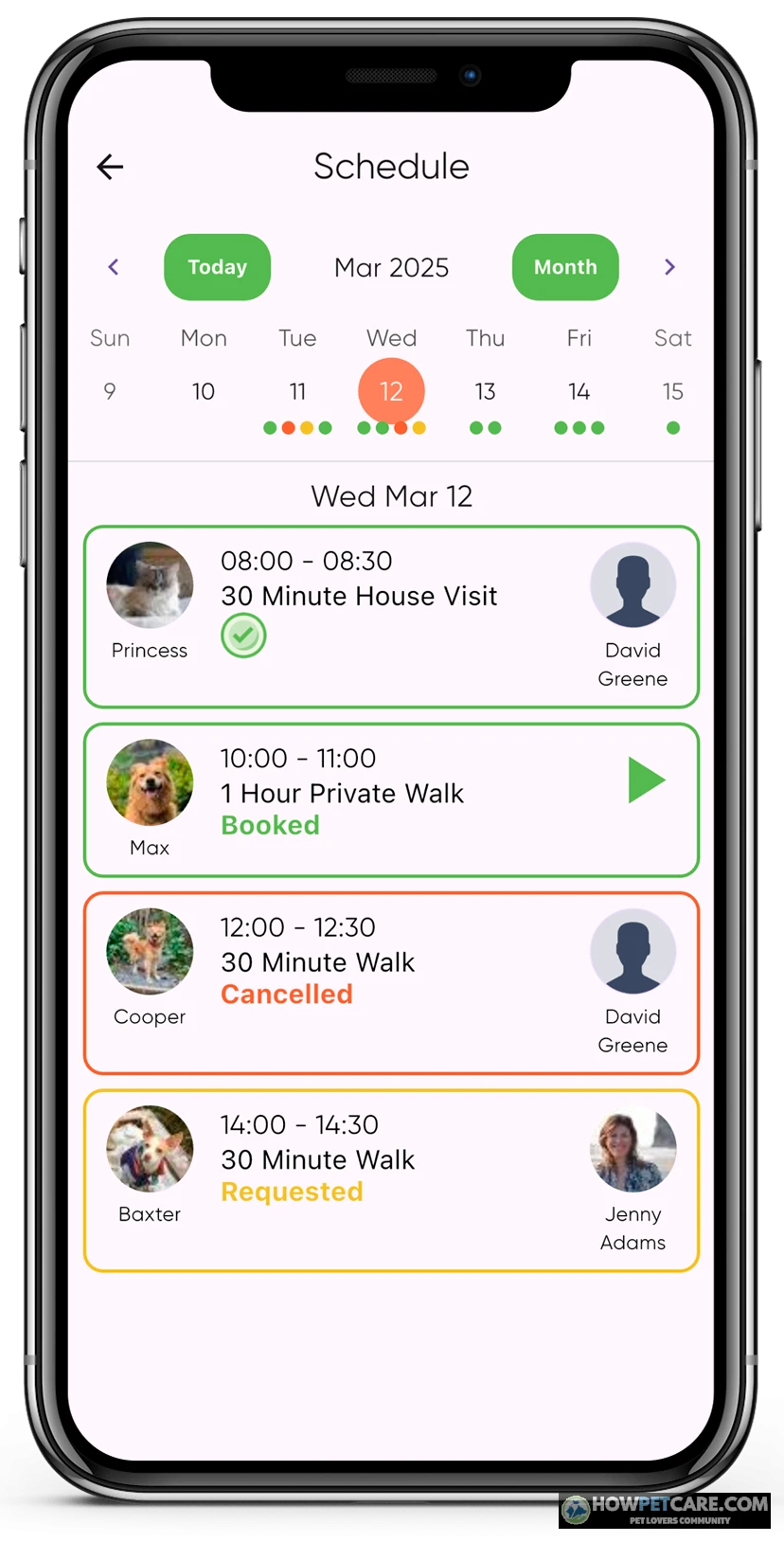
Scheduling and dispatch software is often the franchisor’s most valuable asset, but it can also make leaving difficult. Ask who owns the client list, whether you can export it, and what happens to it if you leave the system or sell. If the franchisor owns the customer data and you can’t export it, you aren’t building an asset; you’re renting a customer base. Get the answer in writing, not just on a call.
Is a Dog Walking Franchise Profitable? Margins, Earnings Claims, and Break-Even Timelines
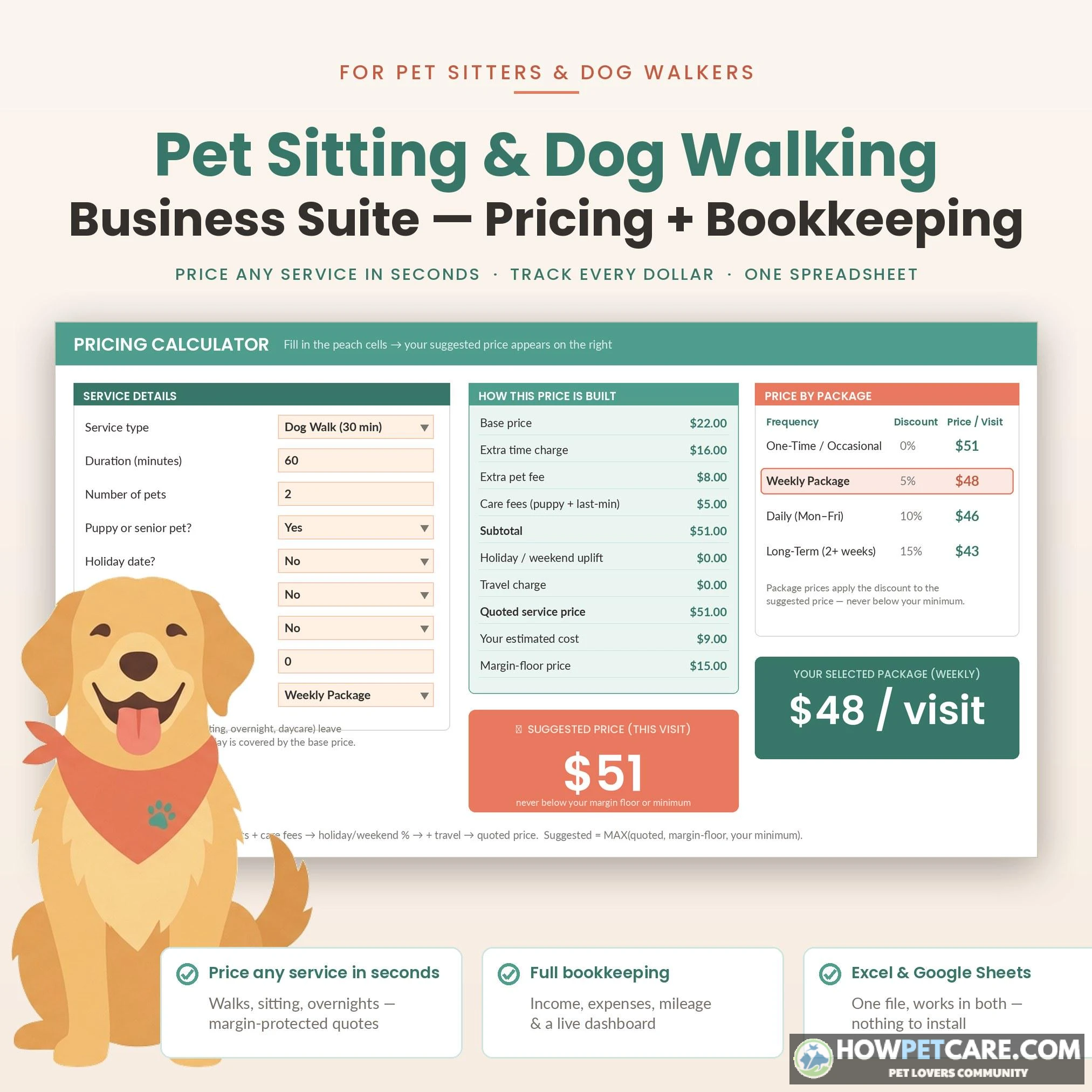
A dog walking franchise can be profitable, but owner take-home depends on three things: walker utilization, route density, and labor cost. Franchise marketing rarely shows what the owner keeps after royalties, brand fees, insurance, and vehicles. The example below works through those costs.
All the math is illustrative, not franchisor data. It shows how to structure the calculation so you can rebuild it with your own FDD numbers and local quotes.
Worked example: owner income after royalties, insurance, labor, and vehicle costs
Assumptions: initial cash outlay of $120,000 (franchise fee, vehicle, insurance deposits, training travel, and working capital); realized price of $28 per walk; walker cost of $16 per walk including payroll burden; royalty of 7% plus a 2% brand fund, so 9% of gross revenue; fixed monthly costs of $2,000 (insurance $350, software and tech $150, vehicle payment and fuel $700, local marketing $500, admin and misc $300); and the owner takes no salary during the ramp.
Walks per month equal weekly walks times 4.33.
| Metric | Month 3 | Month 6 | Month 9 | Month 12 |
|---|---|---|---|---|
| Recurring walks per week | 40 | 80 | 120 | 150 |
| Walks per month | 173 | 346 | 520 | 650 |
| Gross revenue | $4,844 | $9,688 | $14,560 | $18,200 |
| Walker pay | $2,768 | $5,536 | $8,320 | $10,400 |
| Royalty + brand fund (9%) | $436 | $872 | $1,310 | $1,638 |
| Fixed costs | $2,000 | $2,000 | $2,000 | $2,000 |
| Monthly profit | −$360 | $1,280 | $4,930 | $4,162 |
At a stabilized profit of roughly $4,100 per month, recovering $120,000 takes about 29 months of steady profit, or roughly 3.5 to 4 years total once you add the ramp-up year. That’s a payback period, not a return on investment. It tells you when the cash comes back, not whether this was the best use of the money.
Two sensitivities can change the result:
- Owner salary. If you draw $3,000 per month starting in month 9, stabilized profit drops to roughly $1,100–$1,900 per month. Payback stretches past six years, or never happens in the slow ramp.
- Price and labor spread. The model earns $12 per walk before fees ($28 price minus $16 pay). At a $24 price the month-12 profit falls to about $1,600; at $32 it rises to about $6,000. That per-walk spread is the most important number to verify for your market.
The owner’s salary is the biggest hidden line in every dog walking profit model. If your plan only breaks even while the owner works unpaid, you’ve bought a job, not an asset. Model the ramp with a realistic owner draw from month one and see whether the business still pays back.
How to read an Item 19 earnings claim
Item 19 of the FDD is where a franchisor may publish a financial performance representation, and it’s the only earnings claim they’re allowed to make. Read it skeptically:
- Does it show gross revenue only, or net and owner take-home? Gross revenue tells you almost nothing about profit.
- Which units are in the sample, and how many were excluded? A claim built from mature, high-performing units can look nothing like your first year.
- Is the figure an average or a median? Top performers can pull an average up.
- Is there no Item 19 at all? A franchisor isn’t required to make an earnings claim, and a missing one is itself informative: it usually means they’d rather you not have the numbers to model against.
Break-even timeline: what drives it faster or slower
Break-even is the cash you need to recover — the FDD investment line plus any extra reserve you hold — divided by monthly owner-level profit after royalties. The biggest influences are route density (more dogs per mile of driving), a recurring weekly client base rather than one-off bookings, a higher-ticket service mix that adds sitting and boarding, and walker retention. Every time a walker quits, you lose the clients attached to their routes. Be wary of any "guaranteed income" language or earnings figure not tied to an FDD or a verifiable source. Nothing in this category is guaranteed.
Dog Walking Franchise vs. Independent Business: A 3-5 Year Cost and Risk Comparison
The decision has three paths: buy a franchise system, build your own business, or work through an app. Here’s how they compare.
Side-by-side cost model
The dollar figures below are illustrative category ranges, not quotes. Verify each row against the FDD and your own local prices.
| Factor | Franchise | Independent business | Marketplace app (Rover/Wag!) | What to verify |
|---|---|---|---|---|
| Cash needed to launch | ~$75,000–$175,000 (fee, vehicle, insurance, working capital) | ~$5,000–$20,000 (site, software, insurance, legal setup, launch marketing) | ~$50–$300 (profile, background check, basic gear) | Your brand’s FDD Item 7 vs. real quotes for the independent column |
| 3-year fee drag at $150,000/year gross revenue | ~$40,500 (at 9% royalty + brand fund) | ~$18,000–$30,000 total for software, insurance, and self-funded marketing | ~$45,000–$90,000 (platform fees commonly ~20–40% of each booking) | Your royalty %, minimums, and each platform’s current fee schedule |
| Speed to first paying client | 1–3 months (training, territory setup, launch) | 2–8 weeks if you market aggressively | Days, once your profile is approved | Franchisee reports on time-to-first-25-clients |
| Pricing control | Set within brand standards; some franchisors constrain pricing | Full control | Platform suggests and sometimes effectively sets rates; fees change unilaterally | Item 8/11 on pricing rules; platform terms of service |
| Brand trust on day one | Recognized name helps with lenders and some clients | Zero — you build it review by review | Platform carries the trust; the client relationship is theirs | Whether the franchisor’s name actually has pull in your metro |
| Client data ownership | Defined in the agreement — may sit in franchisor software | Yours entirely | The platform’s | Who owns the customer list and what happens to it at exit |
| Exit/resale | Sellable asset, subject to transfer approval, transfer fee, and possible right of first refusal | Sellable if revenue is documented | Nothing to sell — no asset, no client list | Item 17 transfer and non-compete terms |
| Contract restrictions | Non-compete, territory limits, renewal on new terms | None beyond normal business law | Can be deactivated; limited recourse | Radius and duration of any post-term non-compete |
Run the break-even comparison: at what revenue does the royalty exceed the cost of buying the same tools yourself? In this illustrative model, software costs roughly $100–$300 per month and insurance roughly $250–$400 per month, plus the cost of training and marketing templates. For most models, that crossover sits well below stabilized revenue. The fee remains worthwhile only if the franchisor keeps supplying something you can’t easily buy, such as lead flow, recruiting help, or a resale-ready brand. Ask franchisees which of those they still get in year three. The three paths use different cost structures, so compare them directionally rather than line-by-line.
When franchising wins, and when independent wins
Franchising tends to suit buyers who want a proven playbook, referral systems, brand recognition, and lender credibility, and who would rather pay a percentage than build every system from scratch. It also offers a potentially resellable asset.
Going independent suits buyers who want to keep the full margin, set their own prices, move fast, and avoid contract restrictions. You’ll earn every customer through your own marketing and won’t have an asset transfer to negotiate later, but you’ll also carry all the risk alone.
An app is the fastest and cheapest way to test whether you like the work, though you won’t build anything you own. If you’re undecided, consider working through a marketplace app for a few months to validate demand and learn the operations. You can then choose between franchising and going independent with real experience instead of a brochure.
Reading the Franchise Disclosure Document and Agreement: Contract Length, Renewal, Territory, and Exit Terms
Recruitment pages rarely cover these details, yet they’re where buyers can get hurt. Under the FTC Franchise Rule, a franchisor must deliver the FDD at least 14 calendar days before you sign a binding agreement or pay any money. Some states add registration or filing requirements, so check with your own state regulator. Use those 14 days for an attorney review and franchisee calls rather than leaving yourself to scramble.
The FDD items that matter most for a dog walking franchise
- Item 3 — litigation history, especially disputes with franchisees over territory, fees, or termination.
- Items 5 and 6 — every initial and ongoing fee: royalty base (gross versus net), monthly minimums, brand fund percentage, tech and software fees, renewal fee, and transfer fee.
- Item 7 — the estimated initial investment. Compare its midpoint with your own quotes for vehicle, insurance, and working capital; flag any working-capital line that covers fewer than six months.
- Item 11 — support, software, and training: training days and location, who pays travel, and who owns customer data.
- Item 12 — territory: exclusive, protected, or non-exclusive, and how boundaries are drawn.
- Item 17 — term length, renewal, termination, transfer, and non-compete.
- Item 19 — any earnings claim, read as described above.
- Item 20 — outlets opened, closed, transferred, terminated, and not renewed over the last three fiscal years. This is your best turnover data.
- Item 21 — the franchisor’s financial statements.
Territory rights: exclusive, protected, or just ‘available’
"Territory" is a marketing word until you read Item 12. Confirm whether yours is exclusive, protected, or non-exclusive; whether it’s defined by zip codes or population; and whether the franchisor, other franchisees, or online and app channels can sell into it. A "protected" territory with carve-outs for the franchisor’s own digital channels can quietly undermine your route density.
Renewal, transfer, and resale: how you get out
Check the initial term length and, crucially, what renewal requires. Some agreements require you to sign the then-current agreement to renew, possibly with higher fees and new terms. Then examine your exits: transfer approval, any transfer fee, whether the franchisor holds a right of first refusal, and the post-term non-compete radius and duration. If you want to buy an existing franchise resale with clients already in place, which is often possible, investigate client retention and revenue history. Find out whether you’ll sign a new agreement or take an assignment, and whether a transfer fee applies.
Use Item 20 to estimate turnover: add closures, terminations, non-renewals, and transfers, then divide by total units. Flag any year where exits approach or exceed openings. The former-franchisee list in Item 20 is your best source of unfiltered evidence. Call at least two people who left.

Calling current and former franchisees: what to ask
Ask current franchisees about actual weekly revenue, how long it took to reach 25 recurring clients, whether they still take home money after the owner’s salary, and whether support faded after year one. Ask former franchisees why they left. Cross-check their answers against Items 19 and 20; together, they’ll tell you more than a sales call.
Risks Franchise Pages Leave Out: Seasonality, Saturation, Staffing, Insurance, and Failure Rates
Recruitment pages can leave out the downsides. Plan for them before you commit.
Seasonality and cash-flow planning
Demand swings. Summer vacations, holidays, and regional weather can all move walk volume up or down, and a harsh northern winter or a southern heat wave can gut a month. Model your leanest month, not your average, and hold a cash reserve to cover it.

Saturation: sizing your territory before you sign
Before you commit, count the competition in your proposed territory, including independent walkers, sitters, and app-based providers. Then estimate whether the local pet-owning population can support the route density your model requires. A territory that looks exclusive on paper but is already served by ten part-time walkers isn’t exclusive in a way that helps your revenue.
Insurance, bonding, and licensing requirements in the US
At minimum, budget for general liability insurance and care, custody and control coverage specific to animals. Depending on your state and whether you hire staff, add workers’ compensation and, if you drive for work, a commercial auto policy. Bonding protects clients against theft or dishonesty by your staff and is often expected. Business licenses, permits, and dog-walker rules vary by city and state, so check local requirements directly rather than assuming the franchisor covers them.
Dog bites, escapes, and injuries are tail risks in this business. Written service agreements and adequate coverage limit your exposure when an incident happens. Don’t operate without both.
Franchise failure and turnover: what the data can and cannot tell you
Published failure statistics for pet care franchises are limited, so don’t quote a number you can’t source. Instead, read Item 20 for the specific brand’s closures, terminations, non-renewals, and transfers over three years. That company-level data is more reliable than a broad industry average, and a pattern of exits is more informative than a marketing claim of growth.
Reduce your risk with a conservative cash reserve, demand validation before you sign, negotiated territory definitions, and capped personal exposure. If a brand won’t put territory terms or data ownership in writing, that refusal is a risk signal in itself.
How to Buy a Dog Walking Franchise: Application Steps, Territory Checks, and the Questions to Ask Franchisors
Use the process below to put your research into action this week.
Step-by-step buying process
-
Define budget and goals
Decide how much capital you have, what owner salary you need, and whether you want a walking-only or multi-service model. Use those decisions to anchor every later comparison.
-
Shortlist 2-3 brands
Use the comparison table above and your own research to narrow the field to two or three US franchisors worth calling.
-
Request the FDDs
Ask each brand for its current FDD. By law, they must give it to you at least 14 days before you sign or pay, so start the clock early.
-
Check territory availability
Ask which zip codes or counties are open and whether yours is exclusive. Public availability maps are rare, so go straight to the franchisor.
-
Call franchisees
Use the Item 20 list to speak with current owners and at least two who left.
-
Attorney and accountant review
Have a franchise attorney review the agreement and an accountant pressure-test your model against Items 7 and 19.
-
Arrange financing
Line up an SBA loan, ROBS, franchisor financing, or leasing before you sign, not after.
-
Sign, train, and launch
Once financing and diligence are in order, sign, complete training, and launch with your working capital intact.
Eligibility varies by franchisor, but expect net worth and liquidity requirements plus credit and background checks. These appear in the FDD or the application. Read them before investing time in a brand you can’t qualify for. Timeframes from inquiry to launch differ widely and are rarely published, so ask each franchisor for its typical timeline rather than assuming.
Questions to ask the franchisor, and the answers that should worry you
Ask every brand the same questions and score the answers: 2 for clear and documented, 1 for vague, 0 for evasive or contradicting the FDD. A pattern of zeroes matters more than any single answer.
- "What was the median franchisee’s gross revenue last year, and what does a typical owner take home after royalties?" — Red flag: only averages or top performers cited, or refusal to discuss earnings while publishing an Item 19.
- "How long did it take the median franchisee to reach 25 recurring weekly clients?" — Red flag: no benchmark exists.
- "What share of revenue is recurring weekly walks versus one-off sitting?" — Red flag: they can’t say; one-off revenue is far less stable.
- "Do royalty minimums apply, and when do they start?" — Red flag: minimums that bill you before break-even.
- "Do you control my pricing?" — Red flag: mandated rates that don’t fit your local market.
- "How many units opened, closed, were terminated, or transferred in each of the last three years?" — Red flag: evasion or ‘it varies’; cross-check Item 20.
- "Why did franchisees who left leave?" — Red flag: claims nobody has left, or blames every exit on the franchisee.
- "Can I speak with franchisees who exited the system?" — Red flag: outright refusal.
- "What does the brand fund actually buy in my territory?" — Red flag: they can’t name local deliverables.
- "Who owns the customer data in your software, and can I export my client list?" — Red flag: the franchisor owns it and you can’t export it.
- "Is my territory exclusive? Can you, other franchisees, or your own online channels sell into it?" — Red flag: ‘protected’ with carve-outs for franchisor channels.
- "What happens to my territory and client list if I sell?" — Red flag: vague answers on transfer fees or the right of first refusal.
- "What does renewal require — the same agreement or the then-current one?" — Red flag: renewal means a new, costlier contract with fresh fees.
Go/no-go checklist before you sign
Proceed only if all of these are true:
- Your conservative scenario (slow ramp, realistic owner salary) still reaches an acceptable break-even.
- You have a clear Item 19 or franchisee-verified numbers, not just a sales-page lifestyle pitch.
- Territory terms are exclusive or well-protected, defined in writing, and available in your area.
- Exit rights are reasonable: a defined transfer process, a known transfer fee, and a bounded non-compete.
- A franchise attorney has reviewed the agreement and found nothing that overrides the FDD’s promises.
If any answer is no, consider a slower independent launch or a few months on a marketplace app to validate demand first. To start this week, request three current FDDs, pull Item 20 for each, and book two franchisee calls: one current, one former. Those three actions will tell you more than a brochure, and they cost nothing but an afternoon.
1In the context of purchasing a dog walking franchise, why is budgeting strictly around the initial franchise fee considered a critical financial mistake?
The franchise fee represents solely the sticker price for operating under the brand name, whereas the true launch cost requires funding working capital, vehicles, and marketing through the ramp-up period.
2Under the FTC Franchise Rule, prospective buyers are granted specific rights and timelines regarding the Franchise Disclosure Document (FDD). Which of the following statements correctly represent these regulatory conditions? (Select all that apply)
Federal regulations mandate a mandatory 14-day review window to protect buyers from rushing into commitments without adequate diligence.
3In a dog walking unit financial model, what is the direct financial impact of drawing an owner salary during the early ramp-up phase?
Owner compensation represents a major cash outflow; adding it into early operations directly reduces net income and lengthens the time needed to recover startup capital.
4When comparing a dog walking franchise to operating as an independent contractor on marketplace apps like Rover or Wag!, which of the following are distinct characteristics of marketplace apps? (Select all that apply)
Marketplace apps monetize individual bookings via high percentage commissions rather than structural franchise fee layers.
5Which section of the Franchise Disclosure Document (FDD) provides historical data on system turnover, detailing unit closures, terminations, non-renewals, and transfers over the prior three fiscal years?
Item 20 tracks system stability by disclosing exact statistics on unit openings, transfers, terminations, and closures over a three-year period.
6What is a primary strategic advantage of launching an independent dog walking business rather than purchasing a franchise system?
Independent operators avoid paying initial franchise fees and monthly royalties while retaining total control over pricing, service offerings, and post-exit activities.
7Which of the following operational expenses fall outside the franchisor's initial fee and must be budgeted separately by a buyer? (Select all that apply)
Specialized animal liability coverage is a mandatory third-party insurance cost separate from franchisor licensing fees.
FAQ
Are there dog walking franchises for sale near me?
Most franchisors do not publish live territory maps, so contact each brand and ask which zip codes or counties are open. Availability is also listed in the FDD’s Item 20 outlet data and can change quickly. Some brands also list resale territories from existing owners.
Are Rover and Wag! dog walking franchises?
No. Rover and Wag! are app marketplaces where independent walkers and sitters find clients and the platform takes a fee. You do not buy a territory or pay royalties, but you also do not get an exclusive area or a brand you own.
How long do I have to review the FDD before signing?
Under the FTC Franchise Rule, a franchisor must give you the FDD at least 14 calendar days before you sign a binding agreement or pay any money. Use that time for a franchise attorney review and calls with current and former franchisees.
Can I run a dog walking franchise part-time or keep my day job?
It depends on the franchisor. Some require the owner to be actively involved, at least at the start, and some allow semi-absentee ownership once staff is in place. Check FDD Item 15 for owner-participation requirements before assuming you can keep your job.
Can I buy an existing dog walking franchise with clients already in place?
Often yes. Franchisees can usually sell their units, subject to franchisor approval, a transfer fee, and sometimes a right of first refusal. Verify client retention, the revenue history, and whether you will sign a new agreement on current terms.