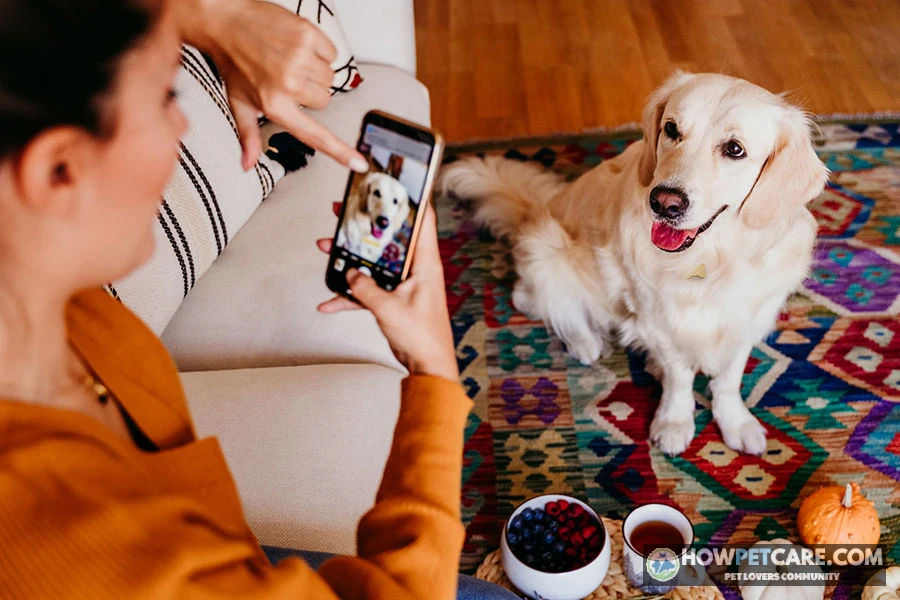

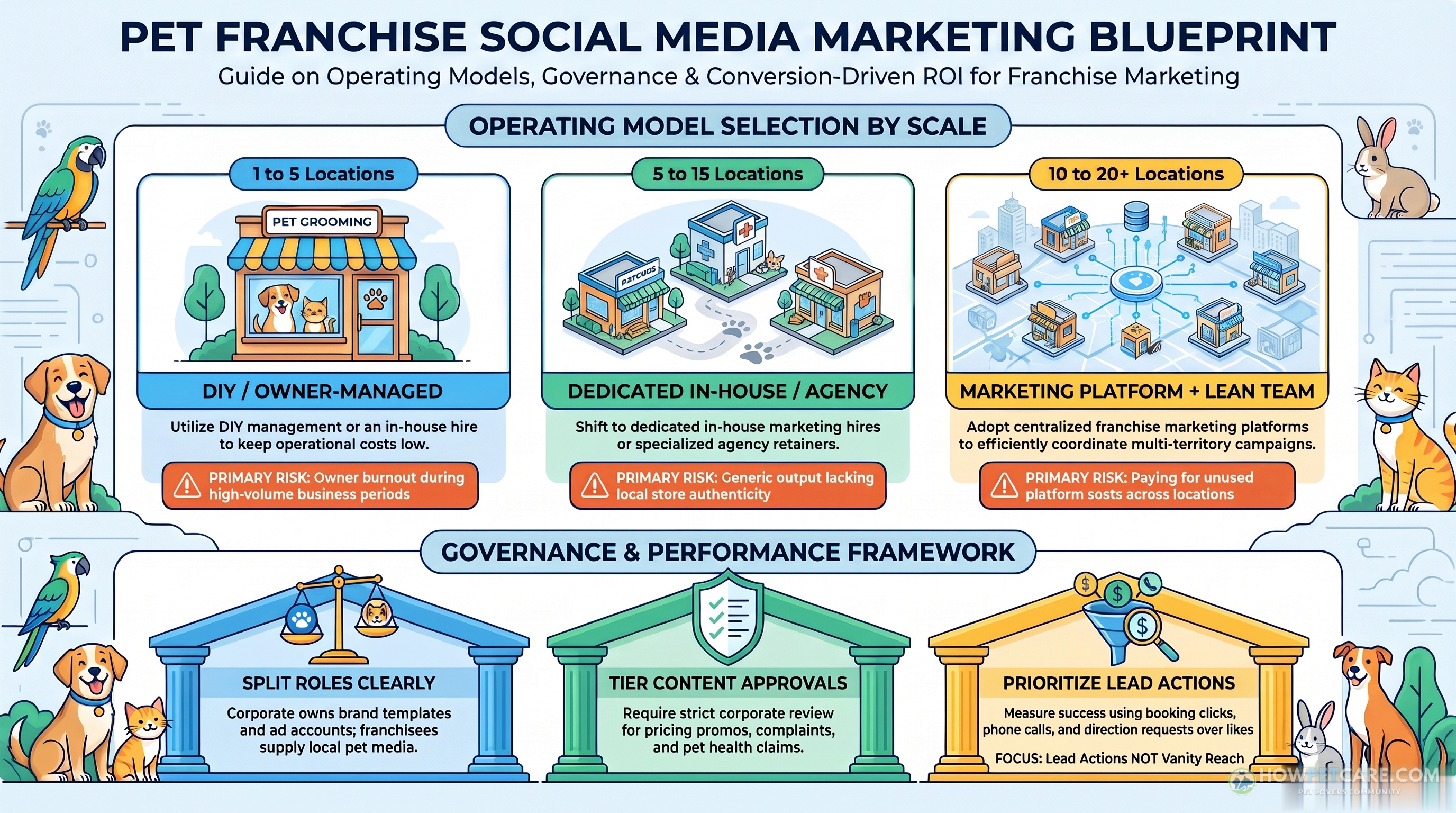
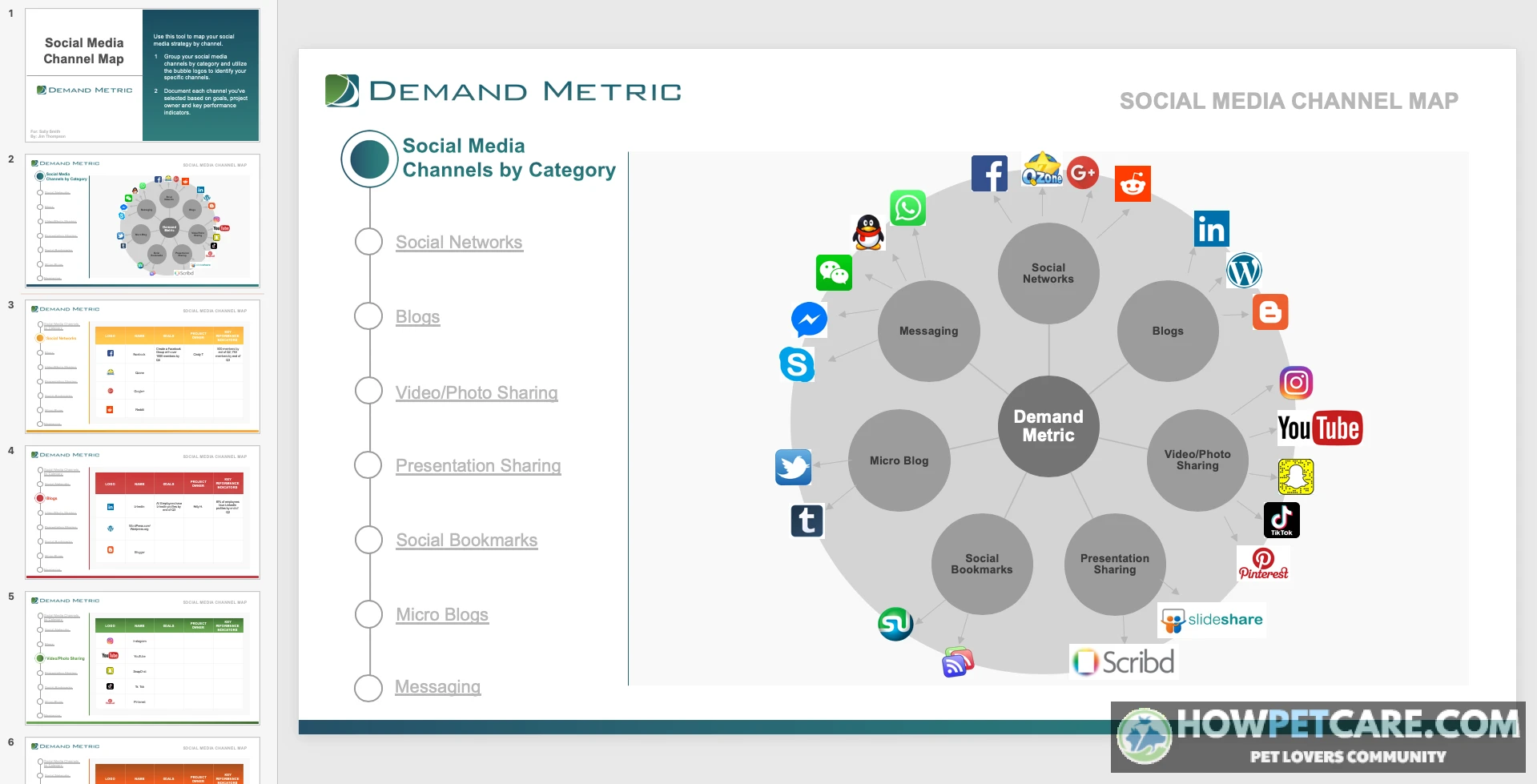
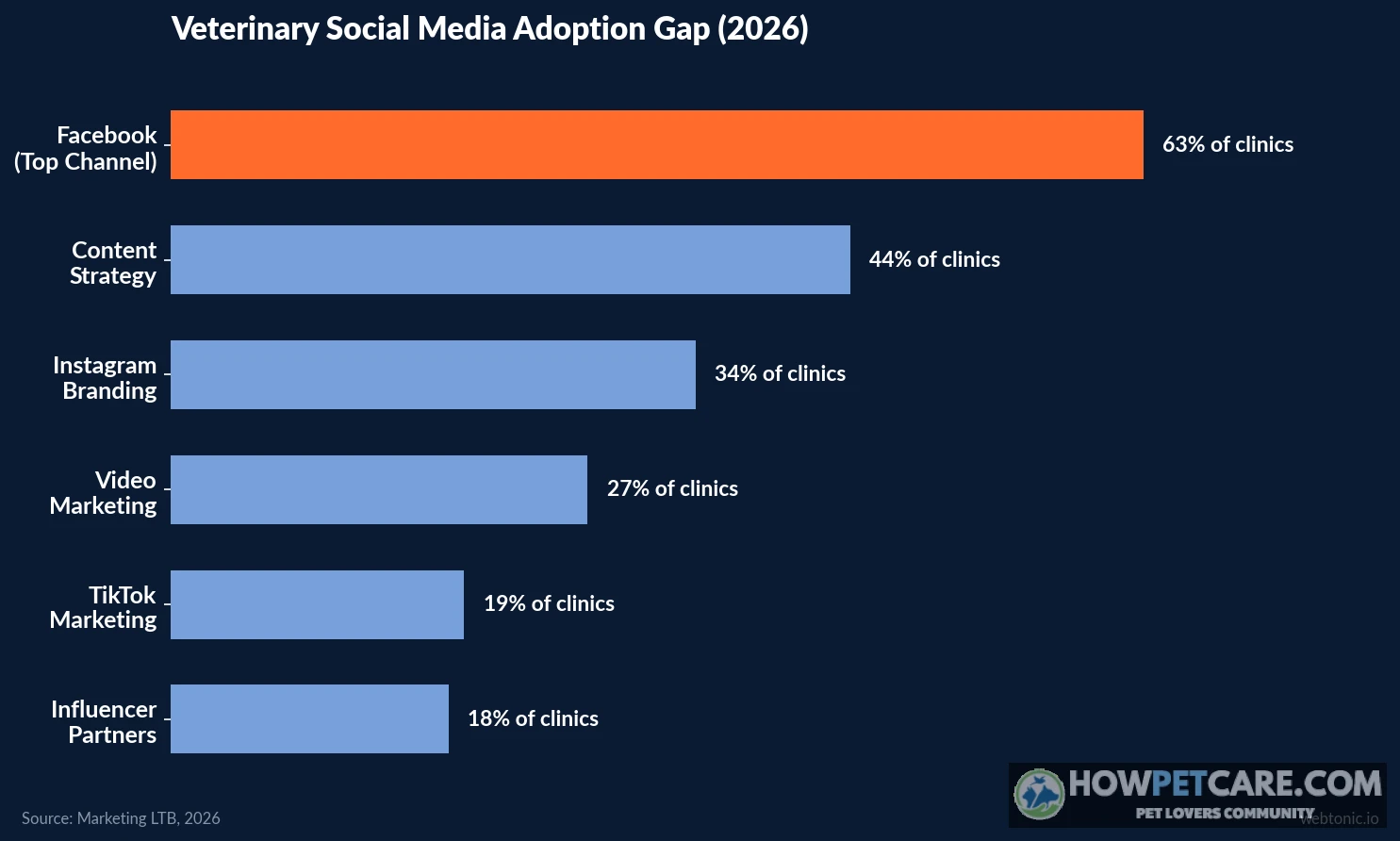
For most US pet franchises, Instagram and Facebook are the core platforms, with TikTok optional for teams that can shoot video. Franchisors own brand assets and paid media; franchisees supply local content. DIY works for 1–5 locations, agencies from roughly 5–20, and platforms past 10.
For most US pet franchises, Instagram and Facebook are the two core platforms. Add TikTok only if someone on staff can reliably shoot short video, and save LinkedIn for franchise-development recruiting rather than pet-owner acquisition. Keep governance straightforward: the franchisor owns brand assets, templates, paid media setup, and reporting. Franchisees provide local proof through their own photos of pets and staff, community replies, reviews, and local offers. For a network of 1-to-5 locations, DIY or one in-house hire can usually manage the work. An agency retainer starts to make sense at roughly 5 to 20 locations, while a franchise marketing platform tends to pay off once you’re coordinating 10 or more locations with a central marketing function. Measure success through lead actions—booking clicks, calls, direction requests, and form fills—not likes or reach. Treat the dollar figures below as planning ranges, not quotes, and use each content cadence as a starting point that you adjust to your team’s capacity.
Best Social Media Platforms for Pet Franchises, and the Job Each One Does
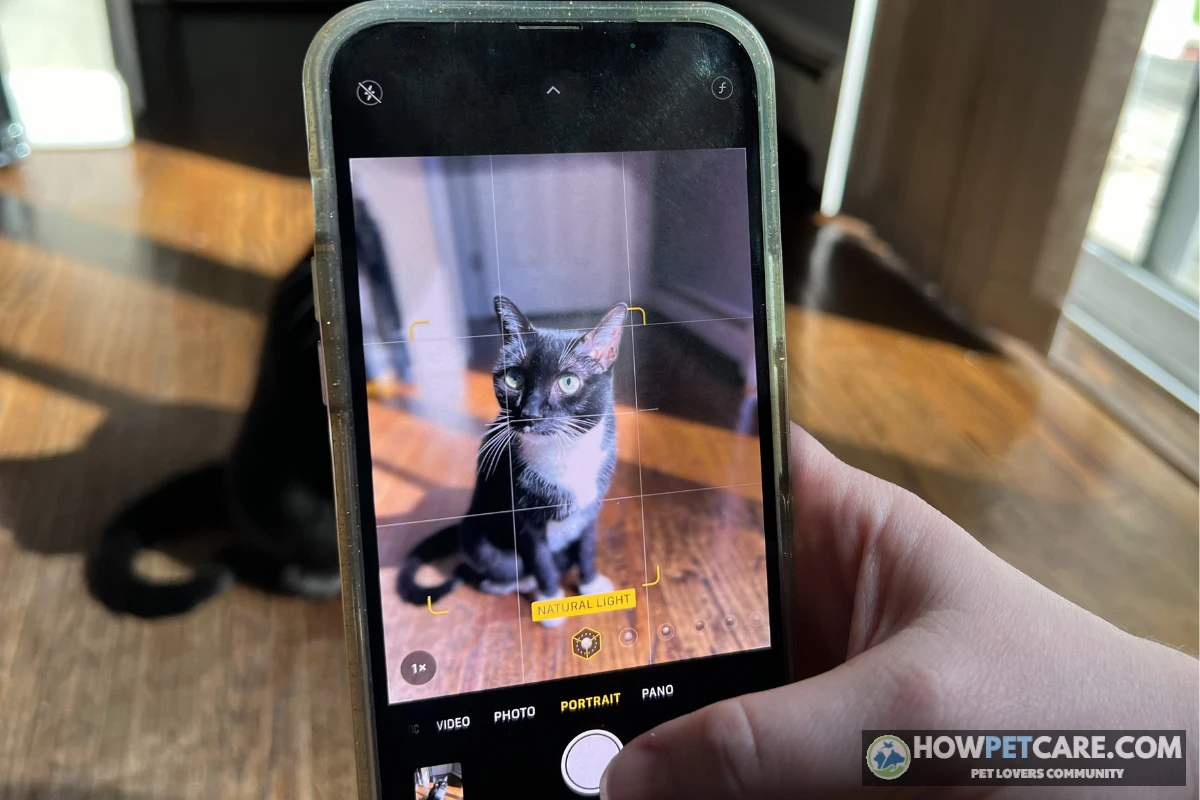
A common mistake is treating social platforms as interchangeable. They aren’t. Each plays a different role between “noticed a cute dog on my feed” and “booked a groom two miles from my house.”
Instagram is your visual proof engine. Grooming before-and-after transformations, daycare play clips, boarding setup tours, and Reels can reach people who don’t follow you yet. Stories are better for local urgency—“three bath slots open Friday”—with a link straight to booking. Facebook serves as the local utility layer: community groups, event listings, reviews, and a business page that reinforces your Google Business Profile and local SEO footprint. When someone searches “dog grooming near me,” the Facebook page and its reviews are part of what appears. TikTok for business is an optional reach channel. It favors casual, behind-the-scenes video, so if nobody at your location is comfortable on camera, skip it and spend that time on Instagram and Facebook, which connect more directly to local booking. LinkedIn isn’t for pet owners. Use it for franchise-development content aimed at prospective franchisees and the franchisor’s employer brand. Pinterest and YouTube Shorts can help a network repurpose content it already has, but most single locations shouldn’t start there.
Pick platforms based on your category and capacity, not the latest trend. Grooming and boarding franchises—daycare networks such as Camp Bow Wow or Dogtopia, for instance—rely on Instagram and Facebook. A retail-oriented pet supplies franchise—the Pet Supplies Plus model, for instance—may lean more on Facebook for local promotions and Instagram for product and in-store content. A vet-adjacent brand can add educational carousels. If your team has two hours a week, two platforms done well beat five done badly.
Platform priority matrix by business type
| Franchise category | Priority 1 | Priority 2 | Optional / skip | Primary lead action |
|---|---|---|---|---|
| Grooming / spa | Instagram (Reels) | Facebook (page + ads) | TikTok optional | Booking clicks, calls |
| Boarding / daycare | TikTok optional | Calls, direction requests | ||
| Retail pet supplies | Facebook (local offers) | Instagram (product) | LinkedIn for recruitment | Store visits, offer redemptions |
| Vet-adjacent / wellness | Instagram (education) | LinkedIn (recruiting) | Form fills, appointment clicks |
When to skip a platform entirely
Skip TikTok if nobody will shoot or appear on camera, or if your booking funnel can’t handle extra traffic. Skip LinkedIn unless the franchisor runs franchise-development or recruitment ads; a location posting there is unlikely to reach people looking for a dog groomer. Hold off on Pinterest and YouTube unless a central team already produces enough content to repurpose. Splitting attention across five platforms is a quick route to doing all five poorly.
What to Post and How Often: A Weekly Content Calendar a Franchise Location Can Run
Pet franchise content can draw on five repeatable pillars: transformations (grooming before-and-after), pet-of-the-week and user-generated content, staff and team stories, education and care tips, and local events or promotions. Together, they give pet owners the proof, personality, and local relevance they’re looking for.
As a starting point, a single grooming or daycare location can aim for three to four feed or Reel posts a week, Stories most days when staffed, and one fixed daily reply window of about 15 minutes. Corporate can supply caption frameworks, seasonal templates, and promo creative. The location contributes real pets, staff, and facility photos that make each post credible.
Sample weekly calendar
| Week | Mon | Tue | Wed | Thu | Fri | Sat | Sun |
|---|---|---|---|---|---|---|---|
| Week 1 | Before/after grooming reveal (Reel) | Story: this week’s booking openings | Pet of the Week (local UGC + consent) | — | Education tip (corporate template, localized caption) | Story: daycare play clip | Community reply hour — no post |
| Week 2 | Staff spotlight (local photo, corporate caption frame) | Story: poll — “Which bandana for Biscuit?” | Before/after reveal (Reel) | — | Local event or promo post (template + local details) | Adoption-day or rescue-partner feature (local) | Story: week-in-review clips |
| Week 3 | Education tip (seasonal — shedding season, heat safety) | Story: booking link + waitlist reminder | Pet of the Week (UGC) | — | Before/after reveal (Reel) | New-customer offer post (corporate creative, local targeting note) | Community reply hour |
| Week 4 | Staff or “day in the life” clip | Story: customer review screenshot (with permission) | Before/after reveal (Reel) | — | Education tip (corporate template) | Local partnership feature | Story: next month’s booking availability |
Keep the feed varied by rotating formats instead of repeating the same one two weeks in a row. Ideas include before-and-after transformations, pet of the week, “first visit jitters” daycare settling-in clips, staff spotlights with the employee’s own pet, myth-versus-fact nail-trim or de-shedding carousels, adoption-day recaps with the partner shelter tagged, and seasonal care tips like summer paw safety and winter coat care. You can also try “rate this bath face” humor shots, slow-motion playgroup clips, customer reviews reshared as graphics, sanitation behind-the-scenes clips, breed-day and holiday hooks like National Puppy Day or Adopt-a-Shelter-Pet month, clear new-customer offers with expiry terms, a “guess the breed mix” engagement post, and a facility tour for anxious first-time customers.
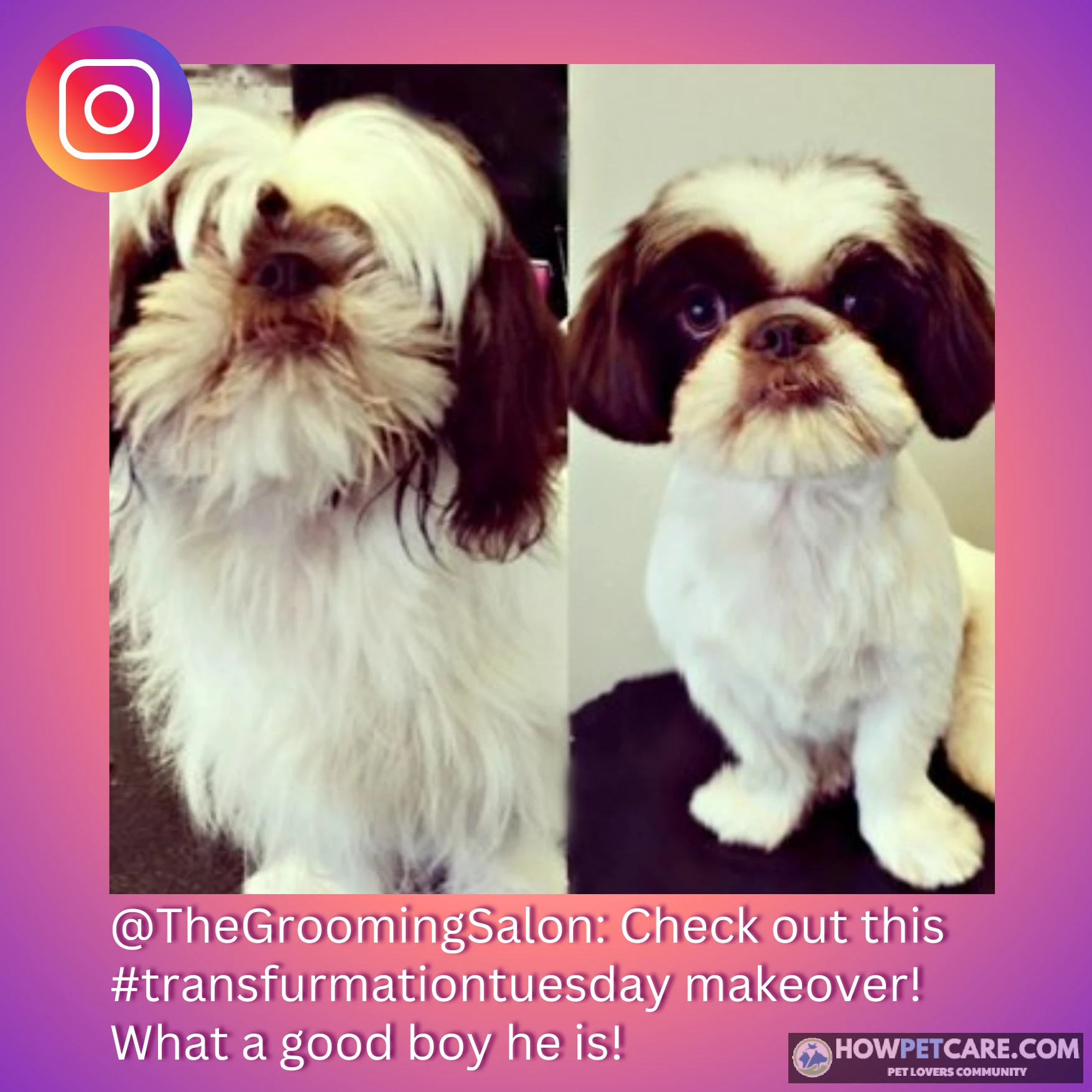
Get written consent before reposting a customer’s pet photo or tagging them. A simple UGC consent form stored with the image protects the brand and the customer relationship. Plan seasonal hooks quarterly so nobody has to improvise during a heat wave: adoption days, summer heat and paw safety, shedding season, holiday boarding demand, and winter coat care.
The 3 to 5 hour franchisee workload
Batching makes the workload manageable. Set aside one 60-to-90-minute session mid-week to shoot a week’s worth of photos and clips in one pass. Then allow 30 minutes for captions using corporate templates, plus a fixed 15-minute reply window each day. That adds up to three to five hours a week—enough for four posts plus Stories without taking over the owner’s operating time. A scheduler, whether a platform tool or a general social media management tool, helps the routine stick: load the week once, then stop thinking about it every day.
Content that works for Instagram Reels and TikTok
Reels and short-form video benefit from motion and a strong first frame: show the before-and-after in the first second, time the transformation to trending audio, and use the dog’s face as the thumbnail. Keep Reels at 15 to 30 seconds, shoot vertically, and use a caption that repeats the local offer. TikTok can be looser: handheld footage, a groomer narrating, and no polish. Commit only if someone genuinely enjoys making it. The core proof footage can be the same as your Reels; just cut it differently.

SHOOT the entire week of pet and staff content in a single 60-to-90-minute mid-week session, caption it from corporate templates in 30 minutes, and schedule it all at once. The franchisee’s real daily job is the 15-minute reply window, not content production.
Franchisor vs. Franchisee: A Governance Model for Brand Consistency and Local Authenticity

This is a gap in many ranking pages—and a reason franchise social programs either go stale or drift off-brand. A written split of responsibilities, paired with a tiered approval workflow, lets safe content move quickly while catching risky posts before they go live. Don’t manage only the network total: a strong aggregate can hide locations that miss calls and lose visibility. Governance needs to reach the local account.
Use this responsibility matrix as a starting draft. R means Responsible (does the work), A means Accountable (owns the outcome), C is Consulted, and I is Informed. Adjust the approval column to match your franchise agreement.
| Task | Franchisor | Franchisee | Approval needed? | Tools or assets used |
|---|---|---|---|---|
| Brand guidelines, voice, visual identity | A/R | I | Corporate-owned | Brand book, style guide |
| Content templates and caption frameworks | A/R | C | Corporate-owned | Template library (design app, digital asset manager) |
| Local photos and video (pets, staff, facility) | C | A/R | Tier 2 light review if using brand templates; Tier 3 if not | Phone camera, content submission folder |
| User-generated content and pet-of-the-week | I | A/R | Yes — customer consent required before reposting | UGC consent form, tagged-post monitoring |
| Posting and scheduling to local accounts | I | A/R | Tier 1 pre-approved content: no review | Scheduler |
| Replies to comments and DMs | I (escalation path) | A/R | Only for complaints, injury claims, refunds | Reply templates, escalation contact |
| Review responses (Google, Facebook, Yelp) | C | A/R | Negative reviews follow complaint template | Review response templates |
| Paid media architecture and audiences | A/R | I | Corporate-owned | Corporate ad account |
| Local ad spend and territory campaigns | A (setup), C | R (budget input, local offers) | Yes — corporate reviews creative and targeting | Location-level ad sets in corporate account |
| Google Business Profile and local listings | A (data standards) | R (hours, photos, posts) | Corporate audits quarterly | Listings tool or manual GBP access |
| Crisis response (pet injury, viral complaint, news) | A/R | R (report within 1 hour), then I | Always corporate-led | Crisis playbook, after-hours contact |
| Monthly reporting to franchisees | A/R | I | Corporate-owned | Report template, dashboards |
| Local partnerships (shelters, adoption events, influencers) | C | A/R | Brand-asset use: yes; casual collabs: no | Partnership one-pager |
Approval workflow that prevents off-brand posts
Set clear turnaround targets for each tier; without them, reviews can become a bottleneck:
- Tier 1 — pre-approved templates and seasonal packs: post freely, no review.
- Tier 2 — local photos in brand templates, UGC with consent on file: submit by noon, reviewed within 24 to 48 hours.
- Tier 3 — anything off-template, claims about pet health, promotions with pricing, or crisis-adjacent content: corporate-only, three-to-five business day turnaround.
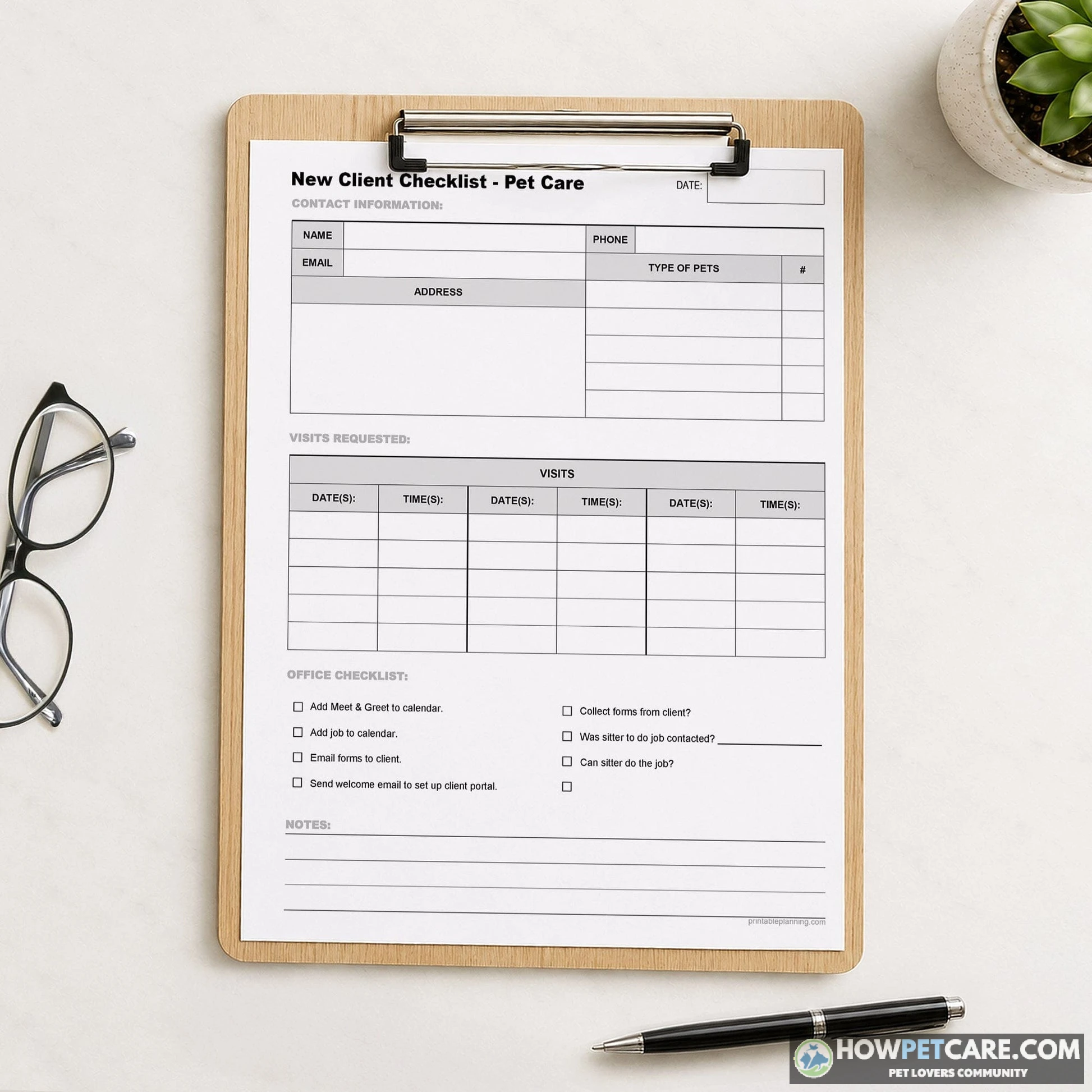
This approach protects brand consistency without micromanaging the local details that make posts work. The key controls are a do/don’t guideline, caption templates, a complaint and crisis escalation path, and a pet-safety and claims review. They help prevent a location from publishing a health claim the brand can’t back.
Building the shared content library
Make the library easy to search and safe to reuse. Name files by category, season, and region; store usage rights and licensing with each asset; and build regional and seasonal packs so a location in Arizona and one in Minnesota can choose different winter content. Set a refresh schedule, too, so assets don’t go stale. Account structure matters: location-level pages can support local discovery and community engagement, while a central account with tagged local posts is easier to keep consistent. Many networks use a central Instagram account alongside location-level Facebook pages, and audit Google Business Profile listings quarterly to keep hours and photos current. Be clear about enforcement as well. The franchise agreement usually requires use of brand assets, and underperforming or off-brand locations need a documented path—coaching first, escalation second—not silent neglect.
ANYTHING that touches pet health claims, pricing promotions, or a complaint must go through corporate before it publishes. These are the posts that create liability and brand damage, and they are also the ones a well-meaning local owner is most likely to fire off without thinking.
DIY, In-House, Agency or Franchise Marketing Platform: How the Four Models Compare

To choose an operating model, compare all four options against the same criteria: cost, control, consistency, speed, local authenticity, reporting, and scalability across territories. Then match what you learn to your network size and the franchisor’s maturity. Every option can fail in a different way; it’s more useful to name that risk up front than to rely on a vendor’s pitch.
DIY can burn out owners, leaving posts to stop during the first busy week. One in-house hire creates a single point of failure and may not be able to produce local content for many sites. An agency can deliver polished work without local knowledge and may rarely visit your locations. A platform still relies on the quality of the local input franchisees provide, and you may pay for seats nobody uses. Franchise marketing platforms in this space—SOCi, Rallio, Balihoo-type tools—are examples of the category, not endorsements. They bundle scheduling, approvals, listings, reviews, and reporting. Pet Supplies Plus, for instance, adopted a franchise marketing platform as its system of record for localized marketing, according to vendor communications announced in 2023.
Comparison criteria
All cost figures below are typical market ranges as of 2026 and are planning assumptions, not quotes. Platform pricing is usually quote-based and scales with location count, so verify current pricing before budgeting.
| Model | Typical cost range (assumption unless sourced) | Control | Brand consistency | Local authenticity | Best fit by network size | Main risk |
|---|---|---|---|---|---|---|
| DIY (owner/manager runs accounts) | $0–$300/mo tools + 5–10 hrs/week staff time (assumption) | Highest | Low — drifts by location | Highest | 1–3 locations | Owner burnout; posting stops in busy periods |
| Freelancer or content creator | ~$500–$1,500/mo per location (assumption; get local quotes) | High | Medium — depends on brief quality | Medium–high if local | 1–5 locations | Single point of failure; quality varies widely |
| In-house marketing hire | ~$45,000–$70,000/yr salary + ~$3,000–$6,000/yr tools (assumption) | Highest | High | Medium — corporate view, not store-level | 5–15 locations | One person can’t produce local content for many sites |
| Social media agency (retainer) | ~$1,500–$5,000/mo organic + strategy; paid billed separately (assumption) | Medium | High | Low–medium — rarely visits locations | 5–20+ locations | Generic output without a local photo pipeline |
| Franchise marketing platform (SOCi, Rallio, Balihoo-type) | Typically quote-based, often a per-location monthly fee plus setup (estimate only) | Medium — franchisor owns templates, franchisee owns local layer | Highest by design | Medium — only as good as local input | 10–20+ locations | Franchisees under-use the tool; paying for unused seats |
Decision rules: with 1 to 5 locations, DIY or a single freelancer usually wins on cost. From 5 to 15 locations, an in-house hire or small agency retainer starts to make sense as the coordination load outgrows one owner. At 10 to 20+ locations, it becomes harder to justify skipping a platform. Franchisor maturity matters as much as network size: a network without a marketing team needs more turnkey support than one already running campaigns. A hybrid model that often works at 10+ locations pairs agency or in-house support for brand creative and paid media with franchisee-owned local photos and replies. A shared content library and either a platform or a plain scheduler connect the work. It costs more than DIY but is usually cheaper than per-location agency retainers.
Questions to ask any vendor before signing
Before committing budget, ask vendors five things: Do they have pet-category or franchise experience, with references you can call? Can they show multi-location reporting that breaks out local lead actions rather than network averages? How transparent are reporting and data ownership if you leave? What are the contract terms, notice period, and price-escalation clauses? Who owns the ad account and audience data? A franchisor should also weigh where a franchise-level program adds value and where it creates friction. Franchise marketing and local social media marketing solve different problems; the governance split above is where that friction usually shows up.
| Model | Typical Cost Range | Control | Brand Consistency | Local Authenticity | Best Fit (Network Size) | Main Risk |
|---|---|---|---|---|---|---|
| DIY (owner/manager runs accounts) | 0–300/mo tools + 5–10 hrs/week staff time (assumption) | Highest | Low — drifts by location | Highest | 1–3 locations | Owner burnout; posting stops in busy periods |
| Freelancer or content creator | ~500–1,500/mo per location (assumption; get local quotes) | High | Medium — depends on brief quality | Medium–high if local | 1–5 locations | Single point of failure; quality varies widely |
| In-house marketing hire | ~45,000–70,000/yr salary + ~3,000–6,000/yr tools (assumption) | Highest | High | Medium — corporate view, not store-level | 5–15 locations | One person can't produce local content for many sites |
| Social media agency (retainer) | ~1,500–5,000/mo organic + strategy; paid billed separately (assumption) | Medium | High | Low–medium — rarely visits locations | 5–20+ locations | Generic output without a local photo pipeline |
| Franchise marketing platform (SOCi, Rallio, Balihoo-type) | Typically quote-based, often a per-location monthly fee plus setup (estimate only) | Medium — franchisor owns templates, franchisee owns local layer | Highest by design | Medium — only as good as local input | 10–20+ locations | Franchisees under-use the tool; paying for unused seats |
What Social Media Marketing Costs for a Pet Franchise at 1, 5 and 20+ Locations
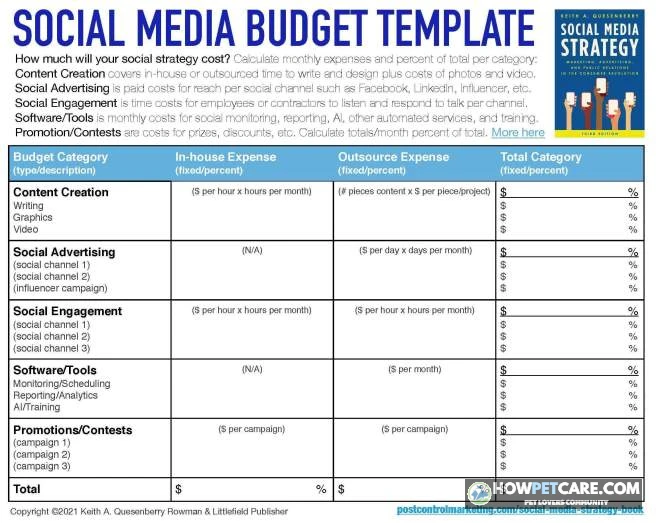
A pet franchise social media marketing program has four main cost buckets: labor (your time, a hire, or a vendor), tooling, content production, and ad spend. The operating-model table above covers labor ranges; here’s how costs scale and where less obvious expenses can show up.
With 1 to 3 locations, expect mostly DIY or a freelancer at roughly $500 to $1,500 per location per month, plus $0 to $300 a month in tools. At 5 locations, a single in-house hire in the $45,000 to $70,000 range plus $3,000 to $6,000 in annual tooling, or an agency retainer around $1,500 to $5,000 a month covering the network, becomes the realistic floor. At 20+ locations, a quote-based franchise marketing platform—often priced as a per-location monthly fee plus setup—paired with a lean in-house or agency layer is a common pattern. These are typical market ranges as of 2026 for planning. Get real quotes before committing: market, scope, and location count affect every figure.
Tooling is an easy cost to overlook: a scheduling and management platform, a stock and design subscription, and content production if you shoot professionally. For organic versus paid, think of time cost versus ad spend. A sensible starting split to test is roughly 70% of your social effort on organic content and community and 30% on paid. Adjust once you can see which channel drives booking clicks. If a franchise brand fund pays for the program, expect the brand or ad fund to cover national content and tools, while local ad spend is usually the franchisee’s responsibility through a required local marketing minimum. The arrangement varies by franchise agreement, so check the franchise disclosure documents and agreement rather than assuming.
Cost by operating model and network size
| Locations | Most likely model | Rough monthly range (planning assumption) | Shared vs. per-location |
|---|---|---|---|
| 1–3 | DIY or freelancer | $500–$1,800 total | Mostly per-location |
| 5 | In-house hire or small agency | $4,000–$6,000+ total | Mixed — hire shared, tools shared |
| 20+ | Platform + agency/in-house layer | Per-location platform fee + shared team | Platform shared; content per-location |
Budget per location: organic time and paid spend
Organic’s real cost is time, so budget it in hours: three to five hours a week per location for the franchisee, whether that’s paid staff time or the owner’s time. Paid spend is separate and comes up in the next section; how you allocate it across uneven territories matters more than the raw number. Include content creation, ongoing replies and community management, and franchisee onboarding in your plan. Onboarding is routinely underestimated, and that’s one reason platform seats go unused.
Franchise marketing platforms in this category are typically quote-based and scale with location count. Treat any per-location figure you see — including in this article — as an estimate to verify, not a published rate. Ask for a written quote tied to your actual location count.
Paid Social for Multi-Location Pet Franchises: Targeting, Ad Types and Per-Territory Budgets
For a multi-location pet franchise, paid social is an account-structure problem before it’s a creative one. Run one corporate ad account with location-level campaigns or ad sets so budgets roll up cleanly and you can spot a weak market without digging. Target close to each location: a radius—often three to five miles for grooming, wider for boarding or retail—or drive-time and zip-code targeting where pet-owner density varies. Geo-fencing has real limits, so use radius targeting plus postcode clusters and watch for overlap between neighboring franchisees. Match the ad type to the funnel stage: local Reels video and event boosts can build awareness; new-customer offers, booking and call ads, and lead forms can drive conversion.
Awareness versus conversion campaign split
As a starting assumption to test, put roughly 30% of each territory’s budget toward awareness and 70% toward conversion. Awareness builds the local audience and feeds retargeting; conversion drives bookings. If a location is brand new with no audience, shift to 50/50 for the first 60 days rather than spending conversion budget against an empty retargeting pool. The broader hyperlocal logic applies, too: pet owners often prefer providers close to home. Align social ad targeting with your Google Business Profile and “near me” keyword strategy so paid and organic efforts reinforce each other rather than compete.
Budgeting across uneven territories
This worked example shows one way to divide a budget across markets of different sizes. It’s an illustrative planning scenario, not reported results.
Assume a 10-location grooming and daycare franchise tests paid social for 90 days through one corporate ad account. Divide territories into three tiers: Tier A, three dense urban locations with high pet-owner density and strong competition; Tier B, four suburban locations with moderate density; Tier C, three small-market locations that need a wider radius. Allocate a $9,000 monthly budget like this:
| Bucket | Monthly amount | What it buys |
|---|---|---|
| Corporate brand layer (10%) | $900 | Network-wide awareness Reels, creative testing |
| Tier A locations (3 × $800) | $2,400 | 3–5 mile radius or drive-time targeting |
| Tier B locations (4 × $600) | $2,400 | 5–8 mile radius or zip-code clusters |
| Tier C locations (3 × $500) | $1,500 | 10–15 mile radius or drive-time |
| Creative refresh + retargeting pool | $1,800 | New ad variants monthly, retargeting engagers |
Set review rules before spending. Each location should track one primary lead action—booking clicks, calls, or direction requests. After 30 days, move up to 20% of spend from the weakest-converting ad sets to the strongest. Pause any ad set whose cost per lead action is more than double the network median for two consecutive weeks. If neighboring franchisees overlap on a zip code, alternate weeks or divide by service line—one runs grooming ads, the other daycare—instead of bidding against each other. Keep creative within Meta’s policies, respect audience restrictions, and avoid pet-health claims the brand can’t substantiate.
| Market type | Suggested monthly test budget (assumption) | Awareness share | Conversion share | Primary lead action to track |
|---|---|---|---|---|
| Tier A — dense urban | $800/location | 30% | 70% | Booking clicks |
| Tier B — suburban | $600/location | 30% | 70% | Calls |
| Tier C — small market | $500/location | 30% | 70% | Direction requests |
Where two locations’ radius targeting overlaps on the same zip codes, split by week or by service line instead of running competing ads into the same audience. Internal overlap wastes budget and confuses the customer who sees two nearby offers.
Measuring Social ROI Beyond Likes: Lead Actions, Local Discovery and What to Report to Franchisees
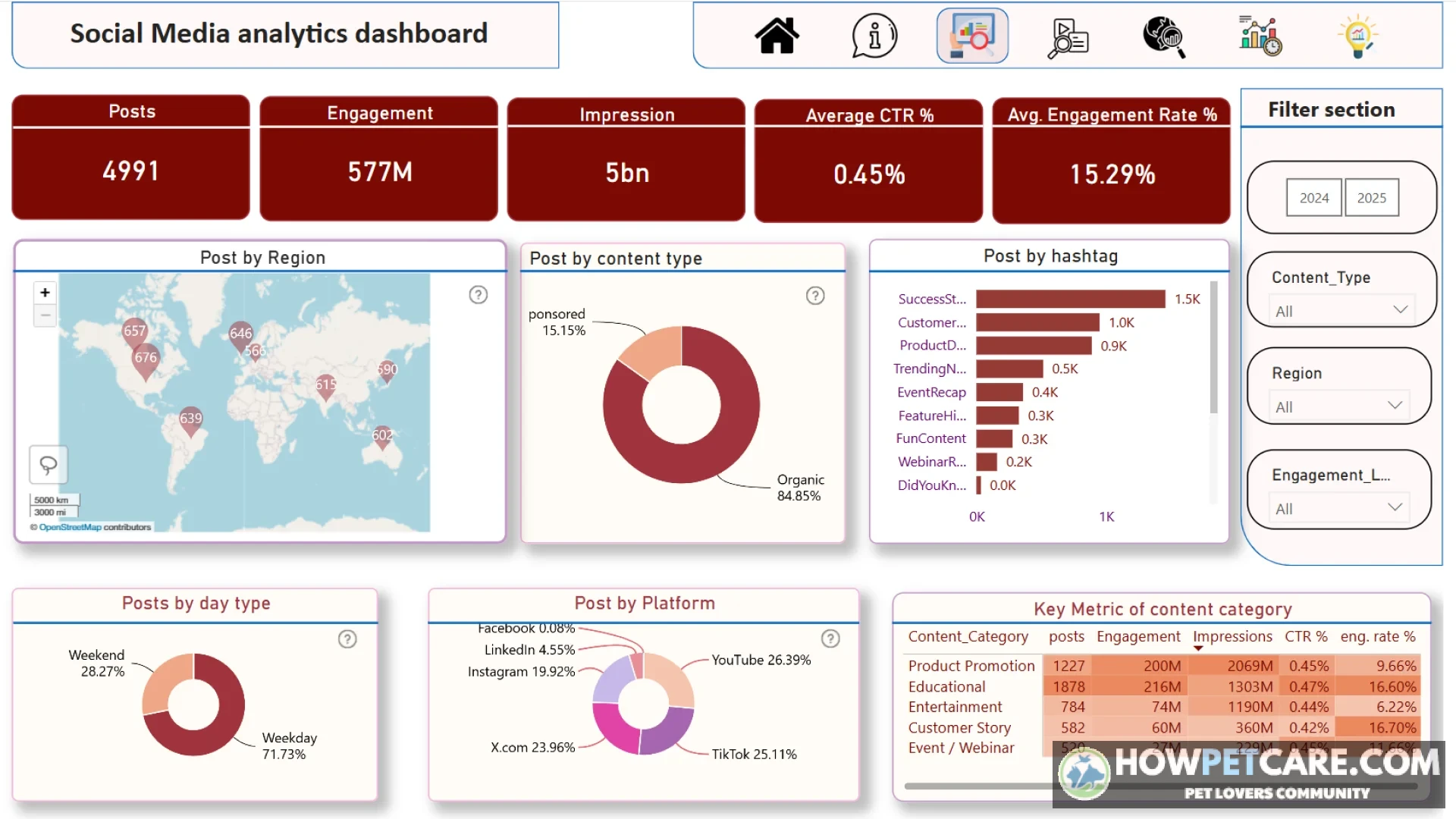
Measurement should distinguish social activity that moves people toward revenue from activity that only looks busy. Lead actions include calls, direction requests, booking clicks, lead-form fills, promo-code redemptions, and new-customer bookings. Attention metrics—reach, followers, profile visits—provide context, not goals. If a franchisor reports only reach to franchisees, it leaves out whether the program works. A two-tier report that leads with actions gives a clearer picture.
Attribution for a local business won’t be perfect, but you can make it useful. Add UTM-tagged links to every social bio and post, use call tracking numbers and promo codes, ask a required “how did you hear about us” question at booking, and check Google Business Profile insights for direction requests and calls. That booking question is one of the least expensive attribution tools available, and it helps connect a click to an actual appointment.
The KPI set for franchisors and for franchisees
| Tier | Franchisor reports | Franchisee tracks weekly |
|---|---|---|
| Lead actions | Network booking clicks, calls, direction requests, new-customer bookings | Own booking clicks, calls, direction requests, form fills |
| Local discovery | GBP profile actions, review velocity, listings accuracy | Own GBP insights, review responses, local post reach |
| Attention (context only) | Network reach, follower growth | Own reach, saves, shares |
| Activity | Posts published vs. planned, reply-time median | Own reply time, reviews received and responded |
Connecting social to Google Business Profile and “near me” searches
Social activity can support local discovery, but it doesn’t directly improve your Google Business Profile ranking. Keep the distinction clear. An active Instagram and Facebook presence can build a local audience and branded searches; GBP posts and engagement keep the listing active; steady review velocity signals a real business; and consistent local SEO and accurate listings help “near me” searches convert. Organic social is a supporting part of local discovery, not a direct local ranking factor. It feeds demand for “near me” searches rather than manipulating the ranking itself.
Verified examples and how to read them
Public, dated performance metrics for pet-franchise social programs are scarce, and much of what circulates comes from vendors. One verifiable example is Pet Supplies Plus adopting a franchise marketing platform as its localized-marketing system of record, reported in vendor communications dated February 2023. It shows that a real pet franchise uses a platform for localized marketing, but it’s a vendor announcement, not independent performance data. Treat other claims like “one brand grew 300%” as illustrative unless they name a source, a date, and the numbers. Run your own 60-to-90-day test with tracked lead actions before committing to a model. Set a realistic timeline, too: paid campaigns can produce leads within days, while organic growth usually takes a few months of steady posting to show up in bookings.
One-page monthly report franchisors can hand franchisees
Use two tiers: lead actions first, attention second. Leave out anything you can’t measure honestly.
Lead actions (what social drove toward revenue): booking clicks from social links (booking tool + UTM); calls attributed to social (call tracking or “how did you hear”); direction requests (Google Business Profile insights); lead-form submissions and pricing DMs (platform inbox); promo-code redemptions (POS).
Attention metrics (context only): reach; new followers; profile visits; post saves and shares.
Activity log: posts published vs. planned; Stories count; reply-time median; reviews received and responded.
One-line franchisee takeaway: __ Corporate note / next month’s focus: __
Three rules help keep reports honest: never report reach without at least one lead-action metric beside it; make “how did you hear about us” a required booking question; and if a metric is blank for three straight months, remove it rather than estimating it.
EVERY social report should pair attention metrics with at least one lead action — a booking click, a call, or a direction request. Reach without a lead action beside it tells a franchisor nothing about whether the spend is working.
1A daycare and boarding pet franchise wants to focus its social media presence where it can generate direct bookings and provide local proof. Which platform combination serves as the primary engine for visual transformations, behind-the-scenes clips, and local community utility for this business type?
Instagram acts as the visual proof engine through transformation Reels and Stories, while Facebook provides essential local utility through community listings, business pages, and reviews.
2A pet grooming franchisee sets aside 60 to 90 minutes mid-week to capture content, spends 30 minutes writing captions using corporate frameworks, and maintains a daily 15-minute community reply window. Approximately how many total hours per week does this manageable franchisee workload require?
Batching content creation into one 60-to-90 minute shoot, 30 minutes of captioning, and 15 daily reply minutes totals 3 to 5 hours weekly, maintaining consistency without overwhelming store operations.
3Under a standardized franchise governance model, which category of social media content requires Tier 3 corporate-only approval with a 3-to-5 business day turnaround before publishing?
Tier 3 content carries potential brand liability or legal implications, requiring strict corporate review before public release.
4A franchisor is setting up monthly reporting to track social media marketing effectiveness across its network. Which of the following metrics should be categorized as primary lead actions directly tied to local business revenue? (Select all that apply)
Phone calls represent active customer intent to book a service or inquire about local care.
5A growing pet franchise network expands from 5 locations to 18 locations with a central marketing function. Which operating model configuration becomes most essential to coordinate localized templates, listing management, and reporting across this network size?
At 10 to 20+ locations, franchise marketing platforms (such as SOCi or Rallio) provide the necessary infrastructure to manage central brand control and localized execution efficiently.
6In a balanced franchise social media governance model, which responsibilities are assigned primarily to the franchisor rather than individual franchisees? (Select all that apply)
The franchisor holds accountability for overall brand integrity and visual standards across all markets.
7A pet franchisor is deciding how to allocate content across different social channels. What is the recommended strategic role for LinkedIn in a pet franchise social media program?
LinkedIn reaches prospective business owners and professional hires rather than local pet owners seeking grooming or daycare services.
8A 10-location pet franchise network implements a tiered monthly paid ad budget model across different markets (800/mo for Tier A dense urban, 600/mo for Tier B suburban, and 500/mo for Tier C small markets). What is the strategic rationale behind this budget variation?
Dense urban locations face higher ad auction costs and competitive saturation, requiring larger budgets to generate effective impression volume and bookings.
Your 30-Day Action Plan: Choose Platforms, Assign Roles, Set Budget, Start Measuring
Put the decisions above into a month-long sequence so the work keeps moving.
-
Week 1 — Audit and choose
Audit your existing accounts, Google Business Profile, and brand assets. Then pick two core platforms — usually Instagram and Facebook — and decide whether TikTok earns a slot based on camera capacity.
-
Week 2 — Build governance
Draft the franchisor-versus-franchisee responsibility matrix and the tiered approval workflow. Set up the shared content library with naming, rights, and a seasonal-pack structure.
-
Week 3 — Choose an operating model
Score DIY, in-house, agency, and platform on the comparison criteria, match the result to your network size, and shortlist vendors with the five questions if you are buying.
-
Week 4 — Launch and measure
Publish the first four-week content calendar, run a small paid test using the per-territory budget split, and turn on UTM links, call tracking, and the booking intake question.
Before committing, work through the decision checklist: How many hours a week can the location actually give? What’s the realistic budget per location, including organic time and paid spend? How many locations are you coordinating? How much brand control does the franchisor need? Those four answers point to DIY, in-house, agency, or platform more reliably than a trend. Set a review point at 60 to 90 days and use tracked lead actions to decide what to keep, cut, and scale. The right model is the one your team can sustain, not the one that looks best on a vendor slide.
FAQ
Is TikTok worth it for a pet franchise?
It can be worth it for reach if a location or corporate team can reliably produce short, casual videos such as grooming transformations or daycare moments. If no one has the capacity, put the time into Instagram and Facebook first, because they connect more directly to local booking.
Should each franchise location have its own social media accounts?
It depends on the franchisor’s capacity for oversight. Location-level pages tend to help local discovery and community engagement, while a central brand account with local pages or tagged posts is easier to keep consistent. Many networks use a central Instagram account and location-level Facebook pages.
Do franchisees need to pay for social media marketing separately from the brand fund?
It varies by franchise agreement. Brand or ad funds usually pay for national content and tools, while local ad spend is often funded by the franchisee through a required local marketing minimum. Check the franchise disclosure documents and agreement.
How long does it take to see results from social media for a local pet business?
Paid campaigns can generate leads within days, while organic growth usually takes a few months of steady posting before it reflects in bookings. A 60 to 90 day test with tracked lead actions gives a more reliable read than weekly follower counts.
What should a pet franchise do about negative comments on social media?
Reply publicly and promptly with a short, courteous message, then move the details to a private channel. Escalation rules in the franchisor’s brand guidelines should say which issues, such as pet injury claims, go to corporate.