
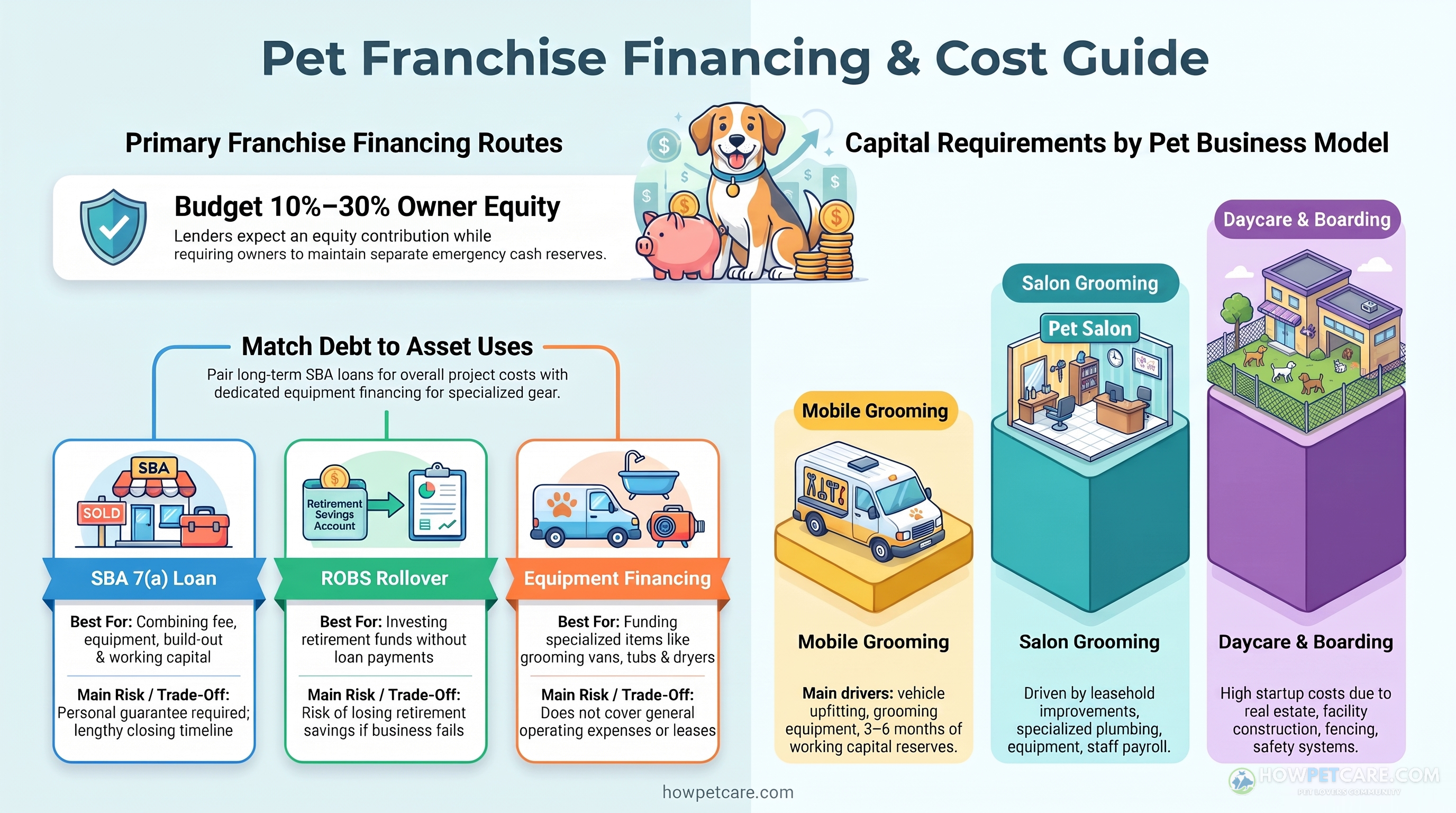
The main franchise financing options are:
- SBA 7(a) or 504 loans: longer-term funding for eligible startup costs or major fixed assets.
- Conventional bank loans: often suited to strong borrowers and established franchise resales.
- Franchisor financing: may fill a defined fee, equipment or opening-package gap.
- Equipment financing or a business line of credit: can fund eligible assets or temporary cash needs.
- ROBS: invests eligible retirement funds without a loan payment but creates concentration and compliance risks.
- Alternative lenders or cash advances: may fund quickly but often carry high costs and frequent payments.
Funding a pet franchise usually involves a mix of owner cash and a business loan, sometimes alongside equipment or franchisor financing. As a starting point, plan to contribute roughly 10%–30% of the project cost. Then check that you’ll still have cash for operating expenses and personal emergencies. The amount you’ll need depends on the lender, the business and the source of your funds.
The franchise fee is only part of the picture. A mobile grooming van, a leased grooming salon and a boarding facility can have very different equipment, construction and cash-flow needs. This guide compares major U.S. funding options and explains how to test a proposed funding mix before you commit.
How to Finance a Pet Franchise: Short Answers on Cash, Credit, and Funding Sources
What is franchise financing, and how is it different from a regular small-business loan?
Franchise financing is funding used to buy or open a franchised location. It isn’t a separate type of loan. Lenders consider your finances and projections, along with the franchise system, its agreement and the operating information available.
The franchise disclosure document, or FDD, plays a central role in that review. Item 7 estimates the initial investment; Item 10 describes financing the franchisor offers; and Item 19 contains financial performance representations, if the franchisor chooses to provide them. These figures don’t guarantee what your location will earn.
How much cash and credit does a first-time franchise buyer typically need?
Budget for the full project, not just the franchise fee. Include the site or vehicle, improvements, equipment, deposits, opening expenses and working capital. The commonly cited 10%–30% owner contribution is a planning range, not a promise that a lender will approve a particular deal.
A score around 700 or higher can strengthen an application. Some financing may be available with lower scores, depending on the lender and the rest of the application. Lenders also look at debt, available liquidity, management experience and projected cash flow. A strong score can’t make up for a weak repayment plan.
Do I need prior pet-industry experience to get financed?
Not necessarily. Experience managing staff, budgets, customer service or a similar operation can show that you’re prepared to run the business. If you lack animal-care experience, explain who will handle grooming, animal care and safety. Include the cost of qualified employees in your projections.
What Are the Main Franchise Financing Options? A Side-by-Side Comparison
Use the matrix as a screening tool, not as a set of approval rules or rate quotes. Credit expectations, equity, fees, collateral and timing vary by lender and transaction. Get written terms before comparing offers. Fast approval doesn’t mean the cash will be ready when you need to open.
| Option | Typical credit score | Typical down payment or equity | Typical term and rate range | Funding speed | Collateral and personal guarantee | Best for | Main risk |
|---|---|---|---|---|---|---|---|
| SBA 7(a) | Lender-dependent; a strong score helps | Often part of the project cost; lender confirms | Generally longer-term business debt; fixed or variable pricing subject to applicable SBA rules | Often weeks to months | Business assets and personal guarantees may be required | Combining eligible franchise fee, improvements, equipment and working capital | Personal liability and a potentially lengthy closing |
| SBA 504 | Lender-dependent | Project contribution required; higher contributions can apply | Long-term financing for eligible fixed assets; the bank and development-company portions have separate terms | Often weeks to months | Project assets and guarantees may be required | Eligible owner-occupied real estate and major equipment | Does not fund ordinary working capital; property is at risk |
| Conventional bank loan | Often favors strong credit and repayment history | Negotiated; established cash flow or substantial equity can help | Bank-specific fixed or variable rate and maturity | Often weeks to months | Business collateral and a personal guarantee are common | Strong borrowers and established resales | Stricter underwriting or larger payments |
| Franchisor financing | Varies by franchisor | Varies; may finance only part of a package | Terms and price appear in the offer and FDD | Varies | Note or guarantee may apply; review franchise agreement | A specific fee, equipment or opening-package gap | May not cover the project; default can affect franchise rights |
| ROBS rollover | No loan score for the rollover itself | Eligible retirement funds are invested in the business | No loan term or interest on the rollover; setup and administration cost money | Depends on plan setup and rollover processing | No loan collateral or guarantee on the rollover itself | A buyer willing and able to risk retirement funds | Retirement loss and ongoing plan-compliance obligations |
| Alternative lender or cash advance | Varies; some consider weaker credit | May advertise no formal down payment | Often short repayment periods; compare total cost and payment frequency | Sometimes as fast as a day to a week | A blanket lien or personal guarantee may apply | A small, carefully assessed short-term gap | High cost and frequent withdrawals can strain cash flow |
| Equipment financing | Varies by lender and asset | May require an equipment deposit | Term and rate depend on the asset and borrower | Varies | Equipment generally secures the financing; a guarantee may also apply | Vans, tubs, dryers and other eligible equipment | Does not cover most operating expenses |
| Business line of credit | Based on credit and repayment capacity | No standard project down payment | Revolving credit; compare rate, fees and renewal terms | Varies | A lien or guarantee may apply | Short-term inventory or seasonal cash gaps | The line can be reduced or unavailable when needed |
For a 7(a) quote, ask whether the rate is fixed or variable, what reference rate and spread apply, the applicable SBA maximum and what fees you’ll pay. Don’t rely on an old advertised rate: the applicable cap depends on the loan’s characteristics and current SBA rules. A merchant cash advance may use a factor rather than an interest rate. Ask for the total repayment, payment schedule and a comparable annualized cost. A low-looking factor isn’t an APR.
SBA loan vs franchisor financing: which one fits which situation?
An SBA-backed 7(a) loan may suit a project that needs one financing package for several eligible costs. Franchisor financing may cover a narrower gap, such as part of a fee or equipment package. Check FDD Item 10 and ask whether defaulting on a payment also triggers a default under the franchise agreement.
Where equipment financing and a business line of credit fit in the funding stack
Equipment financing can match the debt to a grooming van, bathing equipment or eligible kennel fixtures. A business line of credit is better for a temporary cash gap than a long-lived build-out. Check that your primary lender accepts the additional debt and collateral arrangements. Don’t assume two lenders can both take first claim on the same equipment.
Why alternative lenders are a last resort for startup capital
Fast online financing may arrive sooner, but short repayment periods and high costs can leave a new business short of operating cash. Daily or weekly payments are especially hard to manage when bookings are still building. Compare total repayment and the impact on a conservative cash-flow forecast, not just the approval date.
How Do SBA Loans Work for a Franchise, and How Long Do Approval and Funding Take?
Participating lenders generally make SBA-backed loans, with the SBA guaranteeing a portion; that guarantee protects the lender, not the borrower. The lender still reviews repayment ability and the project. The maximum 7(a) loan is $5 million.
SBA 7(a) vs SBA 504 for a pet business
A 7(a) loan can fund eligible acquisition and startup costs, including working capital, equipment and improvements. Most uses other than real estate generally have terms of up to 10 years; eligible real-estate financing can have longer terms. The appropriate term depends on the use of the funds and the lender’s approval.
A 504 project typically combines a bank loan, financing from a certified development company and a borrower contribution. It’s designed for eligible major fixed assets, such as owner-occupied commercial property or long-lived equipment—not ordinary working capital. A new business or special-purpose property may require more borrower equity. Ask the lender to calculate the contribution that applies to your facility.
What is the SBA Franchise Directory, and does the franchise need to be listed?
Lenders use the SBA Franchise Directory to identify franchise systems whose agreements have been reviewed for SBA franchise eligibility. Being listed doesn’t mean the loan is approved. Your ownership, project and ability to repay still need review.
SBA franchise-review policies can change. Before paying a nonrefundable fee, ask your lender to check the current directory and applicable SBA procedures for the specific brand and agreement. An old directory entry or a franchisor’s marketing statement doesn’t settle eligibility.
How long does SBA approval and funding take, step by step?
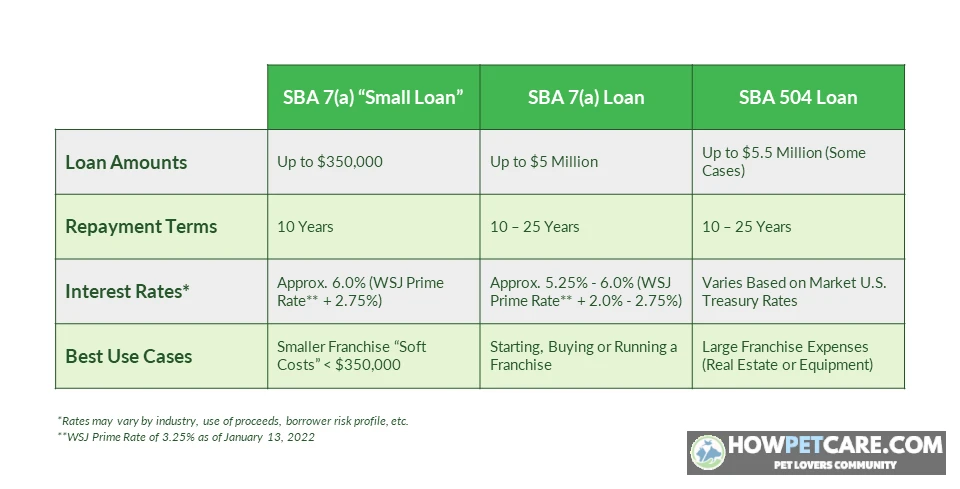
Allow weeks or months; don’t plan around a guaranteed opening date. The lender reviews your application and issues terms. Eligibility and credit approval come next, followed by closing conditions that must be met before funds are disbursed. A preferred lender may have delegated approval authority, but document collection and closing work still take time.
Lease negotiations, construction estimates, appraisals and franchisor paperwork can all hold up funding. Ask lenders for separate estimates for the credit decision, closing and first disbursement. A complete package commonly includes personal financial statements, tax returns, a resume, the FDD and receipt, projections, itemized uses of funds and a proposed site or lease.
For a startup, ask what equity injection is required and whether gifts, a seller note or borrowed funds qualify. Treatment depends on current program rules and lender underwriting. Disclose every source and any repayment obligation tied to it.
SBA ownership, citizenship, franchise and equity-injection rules can change. Have the lender check the current requirements for every owner and the specific transaction before you rely on an SBA loan.
How Does ROBS Let You Use a 401(k) Without an Early-Withdrawal Penalty, and What Can Go Wrong?
A properly structured Rollovers for Business Startups arrangement, or ROBS, moves eligible retirement funds into a new qualified plan rather than taking a taxable early distribution. Typically, the buyer forms a C corporation, which adopts a qualified retirement plan. Eligible funds are rolled into that plan, which then purchases stock in the corporation. The corporation uses the investment for the business.

Who qualifies for ROBS, and which retirement accounts can be rolled over?
Eligibility depends on the account, the plan’s terms and your circumstances. Some employer plans restrict rollovers while you’re still employed, and not every retirement account or distribution qualifies. Ask a qualified retirement-plan professional to review the actual account before counting it in your funding stack.
ROBS isn’t a loan, so there’s no principal-and-interest payment on the rolled amount. It may be combined with borrowing if the lender accepts the structure and source of equity. Any separate loan still requires its own credit approval and may involve a personal guarantee.
What are the compliance and loss risks of ROBS?
The plan needs ongoing administration, required filings and appropriate access for eligible employees. Setup and recurring administration fees reduce the funds available. Errors in transactions or plan operation can bring serious tax and compliance consequences. Work with an ERISA attorney and tax professional; don’t treat a provider’s setup service as the end of the job.
The financial risk matters just as much: retirement money becomes concentrated in one private, illiquid business. If the franchise fails, you could lose the invested retirement funds. ROBS may avoid a loan payment on that portion, but it doesn’t protect the investment or replace a separate emergency reserve.
What Does a Pet Franchise Really Cost? Investment Ranges, Working Capital, and Funding Mixes by Model
Pet franchise startup costs vary too much for a single average to serve as a reliable budget. The figures below are illustrative planning scenarios, not verified industry averages or brand quotes. Use them to compare possible project sizes, but keep in mind that a particular franchise may fall outside these ranges. Price your deal using the current FDD, local quotes and a lender-reviewed budget.
| Business model | Illustrative total project cost | Biggest cost drivers | Illustrative owner cash share | Common debt sources | Planning reserve | Break-even consideration |
|---|---|---|---|---|---|---|
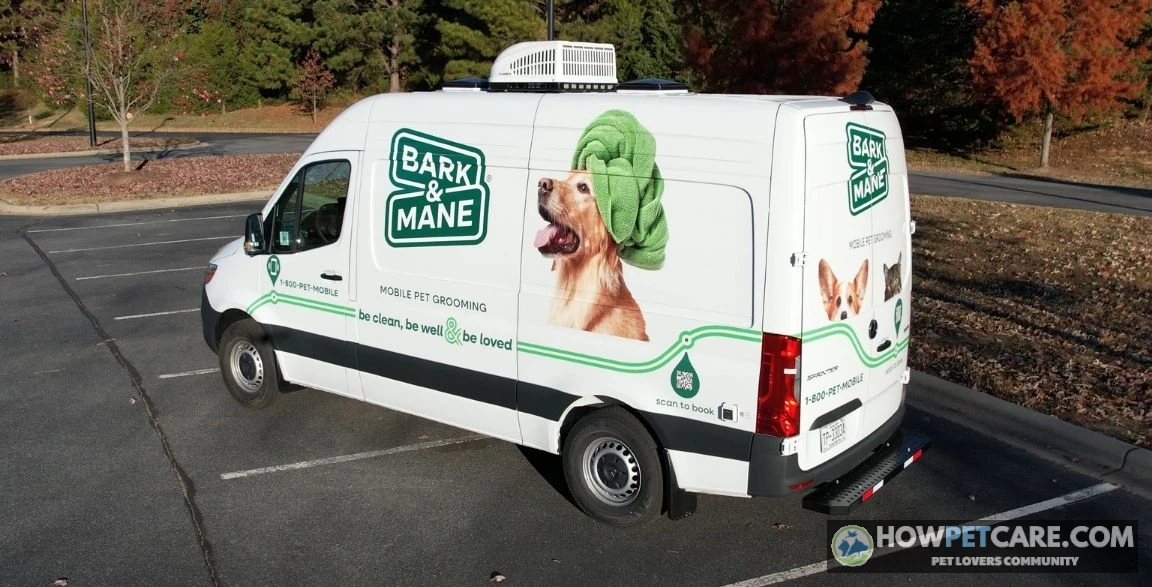
| Mobile grooming | $75,000–$250,000 | Van, upfit, equipment, insurance | 15%–30% | Vehicle or equipment loan; 7(a) | 3–6 months | Bookings and efficient routes must develop |
| Salon grooming or self-wash | $150,000–$500,000 | Lease improvements, plumbing, equipment and staff | 15%–30% | 7(a), equipment financing | 4–6 months | Repeat bookings build over time |
| Daycare or boarding | $500,000–$1.5 million or more | Property, construction, fencing, safety systems and staffing | 20%–30% or more | 7(a); 504 for eligible fixed assets | 6–9 months | Construction and customer trust can delay the ramp |
| Pet retail | $300,000–$1 million or more | Inventory, leasehold work, fixtures and deposits | 20%–30% | 7(a) or bank loan; inventory line | 4–6 months | Traffic, margins and inventory turnover matter |
The cash shares and reserves are planning assumptions, not lender requirements. The FDD may already include some opening expenses or working capital. Add only the shortfall needed to meet your own reserve target.
What total startup costs should I budget beyond the franchise fee?
Itemize the franchise fee, real estate or vehicle, leasehold improvements, equipment, deposits, permits, training, opening inventory, launch marketing, insurance and payroll. Include interest and other costs incurred before opening where applicable. For a boarding facility, building work can cost far more than the initial fee.
Use FDD Item 7 as a starting estimate, not a replacement for local bids. Review its assumptions and exclusions, then price the site and staffing model you plan to use.
Pet grooming franchise: typical costs and how it is usually funded
A mobile dog grooming franchise may pair vehicle or equipment financing with owner cash or an SBA loan. A salon may need more funding for plumbing and leasehold improvements. In either case, keep enough money for insurance, payroll and marketing after installation. Confirm that the vehicle lender will finance the proposed upfit, not just the base vehicle.
Dog daycare and boarding franchise: why real estate and build-out change the funding mix
Daycare and boarding can require substantial space, fencing, ventilation, drainage and animal-safety features. A leased site may fit a 7(a) project; eligible owner-occupied property may be considered for 504 financing. A landlord’s improvement allowance can reduce your costs, but check when it’s paid and whether you’ll need to fund the work first.
Pet retail franchise: inventory and lease deposits
Separate opening inventory from the cash you’ll need to replenish it. An inventory line may help with later seasonal purchases, but don’t assume a new business will qualify or that the line will remain available. Budget for deposits, fixtures and inventory that may sell more slowly than projected.
How many months of working capital should I reserve, and what DSCR do lenders want?
A practical planning target is three to six months of projected cash needs. Consider a longer cushion if construction, licensing or the customer ramp-up is uncertain. This is a planning judgment, not a universal lender rule.
Build the reserve from a monthly cash-flow forecast: add operating cash outflows and debt payments, subtract conservatively estimated cash receipts, and total the projected shortfalls through break-even. Add a contingency for delays or lower sales. For a simpler stress test, multiply monthly cash outflow by the desired reserve months without assuming revenue. Don’t count pre-opening payroll or debt payments twice.
Debt-service coverage ratio, or DSCR, compares cash available for debt service with scheduled principal and interest. A 1.25x target is a useful screening assumption, but lenders may define cash flow differently and set another threshold. Royalties and marketing-fund contributions, often based on gross sales, belong in the operating forecast before you calculate cash available for debt service.
Worked example: a $250,000 grooming project
This hypothetical example isn’t an offer or an FDD estimate. The launch payroll line covers costs before the reserve period; the reserve covers later operating needs.
| Use of funds | Amount |
|---|---|
| Franchise fee | $40,000 |
| Equipment and vehicle or salon improvements | $70,000 |
| Deposits, permits and insurance | $15,000 |
| Opening marketing and training | $15,000 |
| Pre-reserve launch payroll and expenses | $20,000 |
| Working-capital reserve | $90,000 |
| Total | $250,000 |
| Funding source | Amount | Project share |
|---|---|---|
| Owner cash | $50,000 | 20% |
| SBA 7(a) loan | $150,000 | 60% |
| Equipment financing | $25,000 | 10% |
| Franchisor financing | $25,000 | 10% |
| Total | $250,000 | 100% |
For illustration only, assume a 10-year 7(a) loan at 11%, a five-year equipment loan at 12%, and a three-year franchisor loan at 8%. Approximate monthly payments are $2,066, $556 and $783 respectively, or $3,405 combined. These aren’t current quotes. Every lender would need to approve the funding stack, use of proceeds and collateral priorities.
Annual debt service is about $40,860. At 1.25x DSCR, the business needs approximately $51,075 in annual cash flow available for debt service. If the lender accepts a forecast of $60,000, the ratio is about 1.47x. The $90,000 reserve equals six months of a hypothetical $15,000 monthly cash need. Check that the figure includes relevant payments and isn’t duplicated elsewhere in the budget. Keep personal emergency money outside the project, too.

Which Financing Option Is Best for Your Credit Score, Down Payment, Timeline, and Risk Tolerance?
No single franchise loan works best for everyone. Use the table to choose a first conversation, then compare actual offers and test the combined payments against a conservative forecast.
| Borrower profile | Credit score range | Cash available | Timeline | Best-fit route to investigate | Fallback route | Personal risk level | Next step |
|---|---|---|---|---|---|---|---|
| Strong credit and substantial liquidity | Around 700 or higher | 20% or more, plus reserves | Can wait for underwriting | Compare bank and SBA terms | Equipment financing for eligible assets | Guarantee and collateral exposure remain | Request itemized term sheets |
| Good credit and limited project equity | Lender-dependent | Around 10%, plus reserves | Several weeks or longer | Ask an SBA lender about 7(a) | Reduce project size or add eligible equity | Personal guarantee may be substantial | Verify injection and liquidity rules |
| Weaker credit, substantial retirement assets | Below a lender’s preferred range | Limited non-retirement cash | Time for professional review | Examine whether ROBS is appropriate | Credit repair or a qualified partner | High retirement concentration risk | Review eligibility and loss tolerance with professionals |
| Opening deadline is close | Varies | Varies | Days | Negotiate a later deadline before borrowing fast | Limited equipment or franchisor financing | High if expensive short-term payments start immediately | Compare funded dates and total repayment |
| Wants to limit personal exposure | Varies | Enough to preserve reserves | Flexible | Smaller project with less borrowing | Delay or bring in a partner | Lower debt reduces exposure, but does not eliminate it | Ask counsel to review every guarantee |
Best financing option by credit score
Credit is one factor, not the whole decision. One lender may weigh a lower score alongside strong cash, collateral or experience; another may decline. If your credit is weaker, review your reports, correct errors and ask lenders which issues matter before paying application or packaging fees. A co-borrower may strengthen an application but takes on risk, too. ROBS doesn’t require a loan credit score for the rollover, though any accompanying loan has its own underwriting.
Best financing option by available cash and timeline
More uncommitted cash can widen your choices and protect the business through a slow opening. Don’t use all your liquidity for the injection. With a tight timeline, first try to extend the lease or franchise deadline. A costly loan taken just to meet a deadline can create a bigger problem than a delay.
How to combine several sources into a stable funding stack
Match each source to its use: longer-term debt for eligible long-lived assets, equipment financing for assets the lender accepts, and a line of credit for a temporary gap. Disclose every source to every lender, including seller notes and owner borrowing. Calculate DSCR with all scheduled payments and model a lower-sales scenario. Avoid adding short-term advances to a project that already depends on optimistic opening-month sales.

What Happens to Your Personal Guarantee, Home, and Savings If the Franchise Fails?
What does a personal guarantee actually put at risk?
A personal guarantee is a separate promise to repay a covered business obligation if the business can’t. For SBA loans, owners holding 20% or more are generally required to guarantee the loan; other guarantees may also be required. Check the actual documents for the amount, duration and whether guarantors are jointly liable.
After a default, the lender may enforce its rights against business collateral and pursue guarantors for any remaining balance, subject to the documents and applicable law. A lease guarantee, unpaid royalties or other franchise-agreement obligations can lead to separate claims. Closing the doors or forming an LLC doesn’t automatically cancel a signed guarantee.
Can a lender take my home if the franchise fails?
Possibly. If you pledge your home as collateral, the lender may enforce its lien when the debt isn’t paid. Even without a voluntary home lien, a creditor may have other collection remedies after obtaining a judgment. Outcomes depend on the documents, loan rules, equity and state protections; they aren’t automatic or identical in every case.
A HELOC or home-equity loan can provide funds, but it puts your home behind that separate debt. Tell the primary lender if you’re borrowing the injection; the lender will examine the source and repayment obligation. Have a local attorney review both the loan and any home-equity documents before you sign.

What happens to ROBS retirement money if the business closes?
The plan owns company stock. If the business fails and the stock has no remaining value, you may lose the retirement savings invested in it. The rollover itself doesn’t include a personal guarantee, but separate business loans or leases can still be guaranteed.
Personal-risk scan
- ☐ Identify each guarantee, who signs it, and whether it’s capped or time-limited.
- ☐ Ask whether the lender will seek a lien on your home or other personal assets.
- ☐ Review remaining rent, common-area charges and franchise obligations after closure.
- ☐ Test all debt payments against a lower-sales forecast and preserve personal emergency savings.
- ☐ Ask whether a lease guarantee can have a cap or burn-off; don’t assume it can.
- ☐ Confirm that any seller note and additional financing are acceptable to the primary lender.
- ☐ If using ROBS, budget for ongoing plan administration and decide whether you can absorb a total loss of the investment.
- ☐ Have local counsel review state-specific collection, homestead and entity issues.
Restructuring or settlement may be possible after financial distress, but neither is assured. Raise problems with the lender and qualified advisers early; don’t build a future compromise into the original plan.
No Money Down, Franchise Resales, and Non-Citizen Financing: Edge Cases Explained
Is no-money-down franchise financing actually possible?
Some buyers may complete a transaction without putting cash from a checking account into it. That doesn’t make the project risk-free or remove its funding needs. A partner’s investment, home equity, retirement funds, a seller note or expensive borrowing may supply the money instead. Each source has a cost or puts an asset at risk.
Ask who provides the equity, whether the lender accepts its source, how you’ll fund operating reserves and what happens if sales fall short of the forecast. An ad for no-down-payment financing doesn’t prove that a new franchise will qualify without collateral or cash reserves.
How do lenders finance a franchise resale?
For a resale, a lender can review the existing unit’s tax returns, financial statements and cash flow instead of relying entirely on a startup forecast. It may assess the business’s value and your ability to repay the acquisition debt. No earnings multiple guarantees approval; earnings adjustments, valuation method and lender policy all matter.
Request historical profit-and-loss statements and check whether the seller’s earnings are likely to continue after the transfer. Budget for the transfer fee, franchisor approval, remaining agreement term, required training and any mandatory remodel. Compare the asking price with the lender’s valuation and your own downside forecast.
Can a non-citizen or visa holder finance a franchise?
Possibly, but check SBA ownership and citizenship rules under the policy in effect when you apply. Conventional banks, equipment lenders and franchisors may have different eligibility requirements. A partner can contribute capital, but adding an eligible owner doesn’t automatically make the full transaction eligible for an SBA loan.
Lenders may require documentation showing where foreign-sourced funds came from and how they were transferred. Consult an immigration attorney before assuming that a particular visa permits you to own or actively operate the business.
Which tax questions need a professional?
Ask a CPA which purchase costs are capitalized or amortized, how the franchise fee is treated, whether equipment qualifies for Section 179 or bonus depreciation, and when loan interest may be deductible. The answers depend on the asset, transaction and current law. Get guidance for your specific purchase before counting on a tax saving to make the financing work.
Your Next Steps: A Pet Franchise Financing Checklist
Use this checklist to turn a potential franchise into a lender-ready funding request.
- Read the FDD. Record the initial fee in Item 5, ongoing fees in Item 6, investment estimates and assumptions in Item 7, financing in Item 10, any performance representations in Item 19 and outlet information in Item 20. Ask a franchise attorney to review the agreement before you sign or pay a deposit.
- Build the capital budget. Start with the high end of Item 7, add locally quoted costs and any reserve shortfall not already included, and don’t count a cost twice. Write down the total project need. Set aside a separate personal emergency reserve.
- Check your resources. Review credit reports, liquid cash, existing debt and contingent liabilities. If you’re considering ROBS or home equity, record how much you could lose and get professional advice before counting either as available cash.
- Prepare the package. Gather tax returns, a personal financial statement, resume, FDD receipt, site information, equipment and construction quotes, and projections. Include royalties, marketing contributions, all debt payments and a lower-sales case; calculate the resulting DSCR.
- Compare lenders. Ask two or three lenders, including an SBA preferred lender with franchise experience, about eligibility and written terms. Compare rate and reference index, fees, term, amortization, balloon, prepayment terms, injection, collateral, guarantees and expected funding date.
- Review before committing. Ask a franchise attorney about the agreement, lease and guarantees, and a CPA about entity and tax treatment. Confirm that every lender accepts the full funding stack and that the reserve remains funded after closing.
Watch for pressure to sign immediately, guaranteed-approval claims, unexplained upfront approval fees and daily repayments that the opening forecast can’t support. If the numbers work only with full bookings from day one, revise the project or funding plan before taking on the obligation.
1In a Franchise Disclosure Document (FDD), which specific item provides estimated initial investment costs, including site improvements, equipment, deposits, and initial working capital?
Item 7 outlines the estimated initial investment range and framing assumptions required to open a location.
2Which legal entity structure must be established to facilitate a Rollovers for Business Startups (ROBS) transaction to invest retirement funds without incurring an early-withdrawal penalty?
A ROBS structure requires establishing a C corporation, which adopts a qualified retirement plan capable of purchasing corporate stock.
3Which of the following expenditures represent eligible uses of funds under an SBA 7(a) loan for a franchised pet business?
SBA 7(a) loans are designed to cover general startup expenditures, including early operational working capital needs.
4Under standard Small Business Administration (SBA) guidelines, what minimum equity ownership threshold requires an individual to sign a personal guarantee for the loan?
SBA guidelines mandate an unconditional personal guarantee from any individual owning 20% or more of the business.
5Besides personal credit scores, which factors do commercial lenders evaluate when reviewing a franchise loan application?
Lenders check post-closing liquidity to ensure the business owner has emergency cash left over after paying the equity down payment.
6How do the primary capital cost drivers of a mobile grooming franchise compare with those of a brick-and-mortar salon grooming franchise?
Mobile operations concentrate capital in customized vehicles and grooming upfits, while physical salons require real estate improvements, drainage, and plumbing infrastructure.
FAQ
Can I use a HELOC or home equity to fund a pet franchise?
Yes, some buyers use a home equity loan or HELOC for the down payment, but it puts the home at risk if the business fails. Disclose the borrowed source to the primary lender before relying on it.
Can I get a loan to buy a dog grooming franchise with bad credit?
It can be harder because credit standards vary by lender. Possible routes include a stronger co-borrower, franchisor or equipment financing, or ROBS, but each may add cost or personal risk.
Can I finance the franchise fee itself?
Often yes, as part of an SBA or bank loan covering the wider project. Some franchisors also finance part of the fee, although lenders commonly still expect owner cash in the transaction.
Are franchise startup costs tax deductible?
Some costs may be deductible, depreciated or amortized, including certain equipment purchases and franchise-fee costs. Treatment depends on the asset, transaction and current tax law, so confirm it with a CPA.
Do lenders finance mobile dog grooming franchises differently from salons?
Often, yes. Mobile models may rely more on vehicle or equipment financing, while salons usually need funding for leasehold improvements, plumbing, equipment and working capital.