
Whether you need a dog breeding license depends on three layers: federal, state, and local. Federally, a USDA license is generally required if you keep more than four breeding females and sell puppies sight-unseen. State and county rules add their own triggers, so check all three layers before assuming you are exempt.
Whether you need a dog breeding license comes down to three legal layers: federal, state, and local. Clearing one does not clear the others. Federally, the Animal Welfare Act generally requires a USDA APHIS license when you keep more than four breeding females and sell puppies sight-unseen—online, by phone, or by mail. If you have four or fewer breeding females, or every buyer meets the puppy in person, you are usually exempt from federal licensing. A state kennel license, local kennel permit, or county business license may still apply. State rules vary. Some trigger on the number of breeding females, others on litters per year or dogs sold per year, and a few treat any sale as commercial activity. County and city rules can add kennel licenses, dog-count limits, and zoning permits even when neither federal nor state law applies.
This guide is written for US breeders. UK thresholds—such as the three-litter rule and council star-rating system—do not apply in the United States. Nothing here is legal advice. Local and county ordinances can impose requirements beyond state law, and fees and thresholds change; confirm with the linked authority before you apply.
Do You Need a License to Breed Dogs? Federal, State, and Local Thresholds
Federal: USDA APHIS license under the Animal Welfare Act
The Animal Welfare Act (AWA) is administered by USDA APHIS Animal Care. Federally, you generally need a USDA breeder license if you maintain more than four breeding females and sell dogs wholesale or sight-unseen—meaning buyers purchase without seeing the puppy in person, such as through internet, phone, or mail sales with shipping. If you have four or fewer breeding females, or every buyer takes possession face-to-face, you typically fall under an exemption and do not need a federal license. Selling puppies you did not breed can instead fall under dealer or broker rules, which can require a federal license regardless of how many females you keep.
USDA licensing also brings pre-license and routine inspections, annual renewal, and record-keeping duties under 9 CFR Part 3 for dogs.
State: breeding laws and kennel license triggers
State breeding laws define a licensed breeder differently from one state to the next. Triggers include:
- Number of intact breeding females kept on the premises.
- Number of litters produced per year.
- Number of dogs or puppies sold per year.
- Any sale at all, regardless of volume.
Some states issue a dedicated dog breeder license or commercial breeder license. Others use a general kennel license or pet-dealer license. A handful of states have no statewide breeder license at all, leaving the field to counties and cities.
Local: zoning permit, business license, and dog-count limits
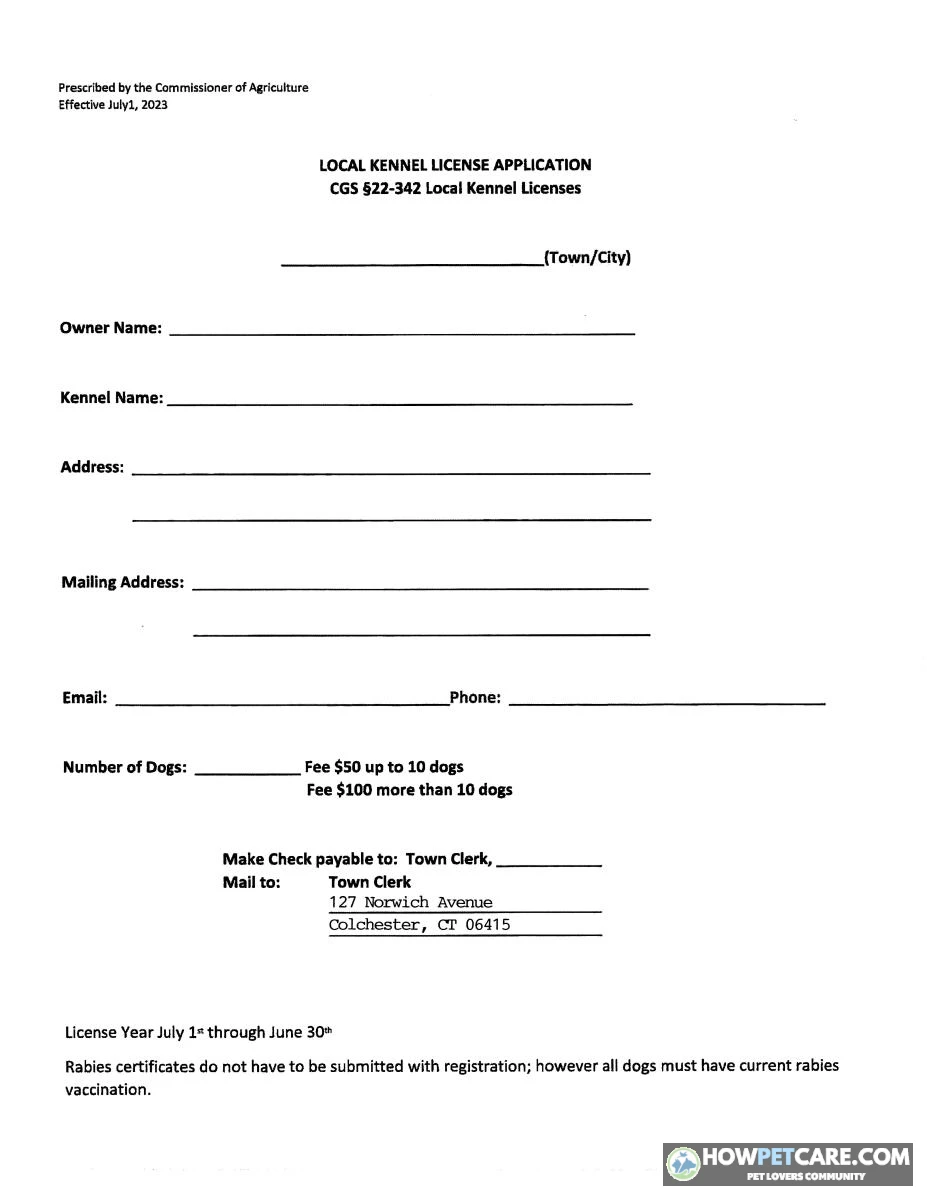
Even when federal and state law do not require a license, your county or city may. Common local requirements include a kennel license, a limit on how many dogs you can keep at a residential address, a local zoning permit for a home kennel, and a general business license. These rules are often the easiest to miss because they are not advertised by state agricultural departments.
Quick self-assessment: which layers apply to you?
Work through these questions in order. Each answer points to a regulatory layer. Passing one test does not clear the others.
- Q1. How many adult intact (unspayed) females do you own, co-own, or house? Count females kept in guardian or co-ownership arrangements if they live with you.
- Q2. Is that number more than four? If yes, the federal USDA APHIS test may apply. If four or fewer, you are generally clear on the federal layer only.
- Q3. Do any buyers receive a puppy without meeting you in person? Sight-unseen sales combined with more than four breeding females trigger a USDA license. Face-to-face sales may preserve the federal exemption even above four females.
- Q4. How many litters or dogs do you sell per 12 months? Record both numbers. Find your state in the comparison table below to see which state trigger, if any, you meet.
- Q5. Does your state require a license at your numbers? If your state has no breeder license, look for a kennel or pet-dealer license instead.
- Q6. What does your county or city require? Call the county clerk or animal control office. Local kennel licenses, dog-count limits, and zoning permits can apply even when state and federal law do not.
Result key: Q2 and Q3 both yes → USDA plus state plus local check. Q5 trigger met → state plus local. Q6 only → local permit. All no → no license is likely required, but keep written records and confirm in writing with your county.
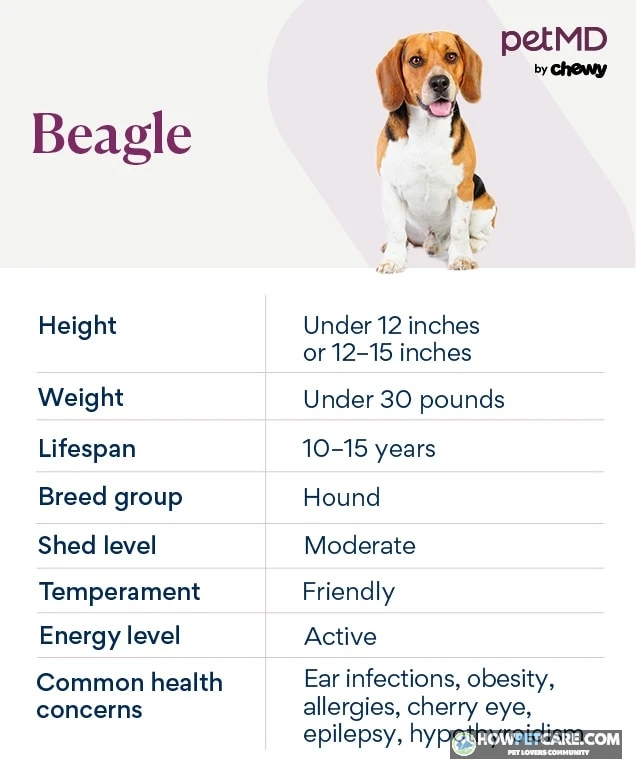
Breeder permit, kennel license, pet breeding license, and commercial breeder license are often used interchangeably online, but they are frequently different instruments issued by different agencies. A state kennel license is not the same as a USDA APHIS license, and neither replaces a local zoning permit.
Hobby Breeders, Single Litters, and Gift-Only Puppies: What Counts as Breeding Dogs Without a License
Calling yourself a hobby breeder does not decide your legal status. Statutes define hobby versus commercial breeders by counts, sales channels, and revenue—not by intent. Below are the edge cases that thresholds alone do not resolve.
One litter ever: does a license still apply?
A single accidental litter is usually below federal thresholds because USDA licensing is driven primarily by the number of breeding females and sight-unseen sales, not by a one-time litter. At the state level, it depends on what your state counts. States that trigger on breeding females usually do not reach a one-litter hobbyist with four or fewer females. States that trigger on sales volume or on any sale can still capture a single litter if puppies are sold rather than given away.
Giving puppies away or charging a rehoming fee
If no money changes hands, there is generally no sale under the federal dealer definition. However, many states define sale as any transfer for consideration. A rehoming fee, donation request, or reimbursement for veterinary costs can be treated as consideration, which means gift-only language does not automatically remove you from licensing. If you regularly place puppies this way, check with your state agency.
Reselling or brokering puppies you didn’t breed
Selling puppies you did not breed usually falls under pet-dealer or broker rules rather than breeder rules. Federally, this can require a USDA dealer license regardless of female count. At the state level, a pet-dealer license often applies whether or not you bred the dogs yourself.
Side-income breeders near the threshold
One or two females can still trigger state licensing if you sell many puppies per year or operate as a business. Repeated small sales can cross a sales-volume or business-activity threshold even with a small number of breeding females. Co-owned dogs and dogs in guardian homes complicate the count: APHIS generally counts breeding females you own or maintain, while some states count females kept at your premises, and attribution rules differ.
Where a state’s law is ambiguous, do not rely on internet forums. Call the state licensing agency or the county clerk and ask for a written determination.
Edge-Case Matrix: Does Your Situation Count as ‘Breeding for Sale’?
| Situation | Federal (USDA) view | Typical state view | Verdict |
|---|---|---|---|
| One accidental litter, puppies sold | Likely exempt (below female-count and dealer thresholds) | Depends: states counting sales may still trigger; states counting females usually not | Likely exempt federally; check state |
| 1–2 litters per year, four or fewer females, all face-to-face sales | Exempt under ≤4-female / face-to-face rules | Varies—some states license on any sales activity | Likely exempt federally; check state |
| Giving puppies away, no charge | No sale, generally outside AWA dealer definition | Most sale-triggered states do not apply; transfer-based states may | Likely exempt; check state if gifts are regular |
| Rehoming fee or donation requested | USDA may treat consideration received as a sale | Many states define sale as any transfer for consideration | Treat as a sale—do not rely on the label |
| Selling puppies you didn’t breed (brokering, reselling) | Falls under dealer/broker rules; can require USDA license | Pet-dealer or broker license often applies regardless of female count | Likely licensed under dealer rules; check both layers |
| Females in guardian or co-owned homes | APHIS counts breeding females you own or maintain | Some states count females kept at your premises; attribution differs | Check with your state agency on ownership counting |
| Show, field-trial, or herding dogs with occasional litters | No blanket federal exemption for show status | Some states exempt hobby/show/hunting breeders explicitly | Likely licensed if you sell; check state exemption |
| Selling online with four or fewer females | ≤4 females = generally exempt from USDA licensing | State sales-count triggers may still apply | Likely exempt federally; check state |
 You might be wonderingDog transfusion costDog Blood Transfusion Cost: Total Price by Scenario (2026)Read the answer
Dog Breeding License Requirements by State: 50-State Comparison With Fees
No single regulator publishes a unified national fee schedule, and most state pages cover only their own jurisdiction. The table below consolidates what each state requires at the state level. Rows marked No dedicated statewide breeder license mean that no dedicated statewide breeder license was identified at drafting time; county or city kennel licenses, dog-count limits, and zoning permits may still apply. Fee figures are taken from cited regulator schedules where available; otherwise the entry reads Fee not published so you are not given an invented number.

How to read the table
The trigger column shows the state-level threshold where one exists. The fee column shows the state license fee or tiers, not local permit costs. The authority column names the issuing or verifying agency. Where a state defines a kennel or pet-dealer license rather than a breeder license, that is noted.
50-State Dog Breeding License Comparison
| State | License required? | Trigger threshold (females, litters, or sales) | License fee or tiers | Issuing or verifying authority | Official link |
|---|---|---|---|---|---|
| Alabama | No dedicated statewide breeder license | No statewide trigger | Not published at state level | County clerk / animal control; Alabama Dept. of Agriculture | State regulator website |
| Alaska | No dedicated statewide breeder license | No statewide trigger | Not published at state level | Local borough/city clerk | State regulator website |
| Arizona | No dedicated statewide breeder license | No statewide trigger | Not published at state level | County/city clerk | State regulator website |
| Arkansas | No dedicated statewide breeder license | No statewide trigger | Not published at state level | County/city clerk; Arkansas Livestock and Poultry Commission | State regulator website |
| California | No dedicated statewide breeder license | No statewide trigger; local ordinances common (e.g., Los Angeles, Sacramento) | Not published at state level | County/city clerk; local animal control | State regulator website |
| Colorado | No dedicated statewide breeder license | No statewide trigger; pet animal care licensing in some jurisdictions | Not published at state level | County/city clerk | State regulator website |
| Connecticut | Pet dealer/breeder license possible | Varies; any sale may trigger dealer rules | Not published at state level | Connecticut Dept. of Agriculture | State regulator website |
| Delaware | No dedicated statewide breeder license | No statewide trigger | Not published at state level | County/city clerk | State regulator website |
| Florida | No dedicated statewide breeder license | No statewide trigger; pet dealer rules may apply | Not published at state level | County/city clerk; Florida Dept. of Agriculture and Consumer Services | State regulator website |
| Georgia | No dedicated statewide breeder license | No statewide trigger | Not published at state level | County/city clerk; Georgia Dept. of Agriculture | State regulator website |
| Hawaii | No dedicated statewide breeder license | No statewide trigger | Not published at state level | County/city clerk | State regulator website |
| Idaho | No dedicated statewide breeder license | No statewide trigger | Not published at state level | County/city clerk | State regulator website |
| Illinois | No dedicated statewide breeder license | No statewide trigger; Animal Control Act local enforcement | Not published at state level | County/city clerk; Illinois Dept. of Agriculture | State regulator website |
| Indiana | No dedicated statewide breeder license | No statewide trigger | Not published at state level | County/city clerk; Indiana State Board of Animal Health | State regulator website |
| Iowa | Commercial breeder license possible | Varies by number of breeding animals and sales | Not published at state level | Iowa Dept. of Agriculture and Land Stewardship | State regulator website |
| Kansas | No dedicated statewide breeder license | No statewide trigger | Not published at state level | County/city clerk; Kansas Dept. of Agriculture | State regulator website |
| Kentucky | No dedicated statewide breeder license | No statewide trigger | Not published at state level | County/city clerk | State regulator website |
| Louisiana | No dedicated statewide breeder license | No statewide trigger | Not published at state level | County/city clerk; Louisiana Dept. of Agriculture and Forestry | State regulator website |
| Maine | No dedicated statewide breeder license | No statewide trigger | Not published at state level | County/city clerk; Maine Dept. of Agriculture | State regulator website |
| Maryland | No dedicated statewide breeder license | No statewide trigger | Not published at state level | County/city clerk; Maryland Dept. of Agriculture | State regulator website |
| Massachusetts | No dedicated statewide breeder license | No statewide trigger | Not published at state level | City/town clerk; Massachusetts Dept. of Agricultural Resources | State regulator website |
| Michigan | No dedicated statewide breeder license | No statewide trigger | Not published at state level | County/city clerk; Michigan Dept. of Agriculture and Rural Development | State regulator website |
| Minnesota | No dedicated statewide breeder license | No statewide trigger | Not published at state level | County/city clerk; Minnesota Board of Animal Health | State regulator website |
| Mississippi | No dedicated statewide breeder license | No statewide trigger | Not published at state level | County/city clerk | State regulator website |
| Missouri | No dedicated statewide breeder license | No statewide trigger | Not published at state level | County/city clerk; Missouri Dept. of Agriculture | State regulator website |
| Montana | No dedicated statewide breeder license | No statewide trigger | Not published at state level | County/city clerk | State regulator website |
| Nebraska | No dedicated statewide breeder license | No statewide trigger | Not published at state level | County/city clerk; Nebraska Dept. of Agriculture | State regulator website |
| Nevada | No dedicated statewide breeder license | No statewide trigger | Not published at state level | County/city clerk | State regulator website |
| New Hampshire | No dedicated statewide breeder license | No statewide trigger | Not published at state level | County/city clerk | State regulator website |
| New Jersey | Pet dealer license possible | Any sale may trigger dealer rules | Not published at state level | New Jersey Dept. of Health | State regulator website |
| New Mexico | No dedicated statewide breeder license | No statewide trigger | Not published at state level | County/city clerk | State regulator website |
| New York | Pet dealer license | Selling more than nine dogs per year (threshold subject to local rules) | Not published at state level | New York State Dept. of Agriculture and Markets | State regulator website |
| North Carolina | No dedicated statewide breeder license | No statewide trigger | Not published at state level | County/city clerk | State regulator website |
| North Dakota | No dedicated statewide breeder license | No statewide trigger | Not published at state level | County/city clerk | State regulator website |
| Ohio | No dedicated statewide breeder license | No statewide trigger | Not published at state level | County/city clerk; Ohio Dept. of Agriculture | State regulator website |
| Oklahoma | No dedicated statewide breeder license | No statewide trigger | Not published at state level | County/city clerk; Oklahoma Dept. of Agriculture | State regulator website |
| Oregon | No dedicated statewide breeder license | No statewide trigger | Not published at state level | County/city clerk; Oregon Dept. of Agriculture | State regulator website |
| Pennsylvania | Kennel license required for kennel operations | Defined kennel thresholds under PA Dog Law | Not published at state level | Pennsylvania Dept. of Agriculture | State regulator website |
| Rhode Island | No dedicated statewide breeder license | No statewide trigger | Not published at state level | City/town clerk | State regulator website |
| South Carolina | No dedicated statewide breeder license | No statewide trigger | Not published at state level | County/city clerk | State regulator website |
| South Dakota | No dedicated statewide breeder license | No statewide trigger | Not published at state level | County/city clerk | State regulator website |
| Tennessee | No dedicated statewide breeder license | No statewide trigger | Not published at state level | County/city clerk | State regulator website |
| Texas | Yes—dog breeder license | Five or more intact adult females used for breeding | $150 / $300 / $500 tiers by breeding-female count | Texas Dept. of Licensing and Regulation (TDLR) | State regulator website |
| Utah | No dedicated statewide breeder license | No statewide trigger | Not published at state level | County/city clerk | State regulator website |
| Vermont | No dedicated statewide breeder license | No statewide trigger | Not published at state level | County/city clerk | State regulator website |
| Virginia | No dedicated statewide breeder license | No statewide trigger | Not published at state level | County/city clerk; Virginia Dept. of Agriculture and Consumer Services | State regulator website |
| Washington | No dedicated statewide breeder license | No statewide trigger | Not published at state level | County/city clerk; Washington State Dept. of Agriculture | State regulator website |
| West Virginia | No dedicated statewide breeder license | No statewide trigger | Not published at state level | County/city clerk | State regulator website |
| Wisconsin | Dog seller/kennel license | Varies by dogs sold and dogs kept | Not published at state level | Wisconsin Dept. of Agriculture, Trade and Consumer Protection (DATCP) | State regulator website |
| Wyoming | No dedicated statewide breeder license | No statewide trigger | Not published at state level | County/city clerk | State regulator website |
Rows marked No dedicated statewide breeder license do not mean unregulated. County and city governments frequently require kennel licenses, enforce dog-count limits, and control zoning for home kennels. Verify with your county clerk before assuming you are exempt.
Texas as a worked example of tiered license fees
Texas regulates breeders with five or more intact adult females used for breeding through the Department of Licensing and Regulation (TDLR). TDLR publishes tiered license fees of $150, $300, or $500 depending on breeding-female count; confirm the current schedule before budgeting because the fee that applies to your facility depends on your female count.
Hypothetical first-year cost stack for a Texas breeder with six intact females and five litters per year, selling in person to Texas buyers (no USDA license because there are no sight-unseen sales):
- TDLR breeder license application—middle fee tier (six females): ~$300
- Pre-license facility inspection fee: verify with TDLR; may be billed separately
- Texas sales tax permit (Comptroller): $0 application
- County kennel/zoning permit: ~$50–$300, varies by county—call the county clerk
- Written program of veterinary care setup (one vet visit to formalize the plan): ~$100–$200 typical exam-range cost, varies by vet
- Records system (litter logs, acquisition/disposition records): minimal—spreadsheet or notebook
Rough first-year total: ~$450–$800, dominated by the license fee, before facility upgrades if the inspection finds deficiencies. The license fee is usually not the expensive part; failed-inspection rework—enclosure repairs, drainage, records gaps—is where real money goes.
Costs beyond the license fee: inspections, background checks, local permits
Budget for more than the application fee. Possible additional costs include:
- State or local inspection fees where billed separately.
- Background-check or fingerprinting fees where required.
- County kennel license or business license.
- Zoning permit for a home kennel.
- Veterinary relationship setup and written program of veterinary care.
- Health certificates for puppies crossing state lines.
- USDA license fee, if federally required.
Figures are given only where a source supports them. Where a state defers fees to local authorities, this guide says so explicitly instead of estimating.
How to Get a Dog Breeding License: Steps, Documents, Timelines, and Renewal
Step-by-step application checklist
Apply in this order:
- Count your breeding females, litters, and sales for the past 12 months.
- Confirm which regulatory layers apply using the self-assessment and state table.
- Secure local zoning and county or city approval first.
- Apply to the state agency or USDA APHIS, as applicable.
- Schedule and pass the pre-license inspection.
- Begin operations only after the license is issued.
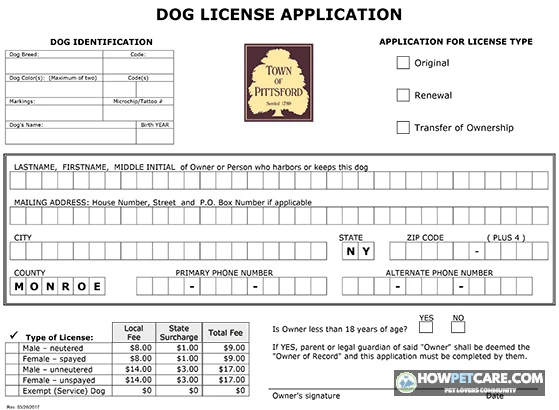
Required documents and background checks
Typical state application documents include:
- Government-issued identity verification.
- Business or entity registration if operating under a name.
- Facility address and kennel diagram.
- Dog inventory showing breeding females and males.
- Veterinary relationship or written program of veterinary care.
- Background check or attestation, where required by the state.
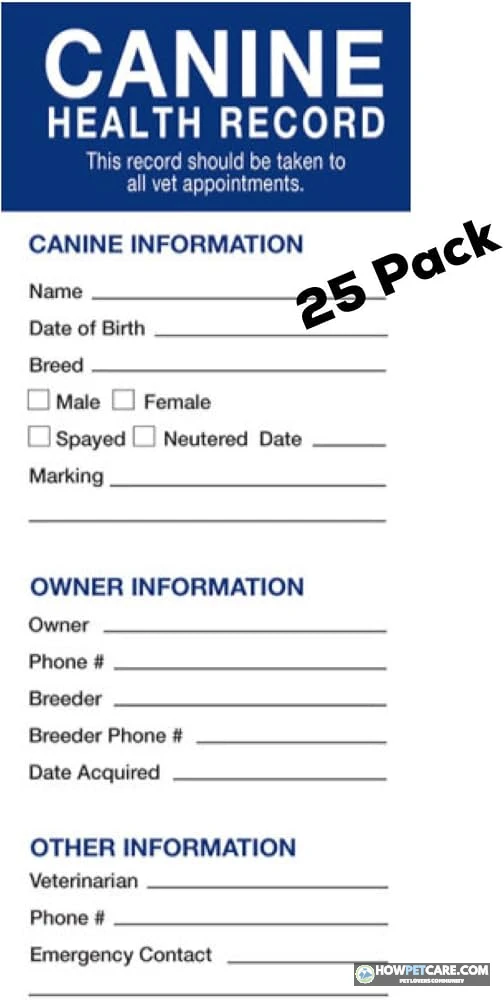
USDA APHIS requires its own application, license fee based on annual business volume, pre-license inspection, and annual renewal. Some documents are state-specific; not every state requests every item above.
Processing time, renewal, and annual re-inspection
Regulators that publish processing times vary widely, and many do not publish guaranteed timelines or rejection rates. If a state does not publish processing times, this guide does not invent one. License terms are commonly annual, with renewal windows set by the issuing agency. Late renewal can mean a lapse in coverage, during which breeding or sales should stop. Most licensed jurisdictions require annual or periodic re-inspection.
Moving counties or states with an active license
Licenses do not transfer between jurisdictions. A state or county license is tied to the issuing jurisdiction and facility address. Moving generally requires re-application in the new location, an address-change notice to the issuing agency, and possibly a new inspection. A USDA license also requires an address update and may require a new inspection at the new facility. Do not assume you can keep operating under the old license during a move; ask the regulator how long any grace period lasts.
Business setup items that sit beside the license include a general business license and sales tax permit. AKC registration records a dog’s pedigree and litter; it is not issued by a government agency and does not substitute for any USDA, state, or local license.
Kennel Inspection Checklist: What Inspectors Check Before Your License Is Issued
Every standard below is grounded in the USDA Animal Welfare Act regulations (9 CFR Part 3 for dogs) or standard state kennel-license conditions. Items are labeled federal or state so you know which layer applies. Your state may add items; treat this as the federal floor, not the ceiling.
Enclosure size, flooring, and shelter
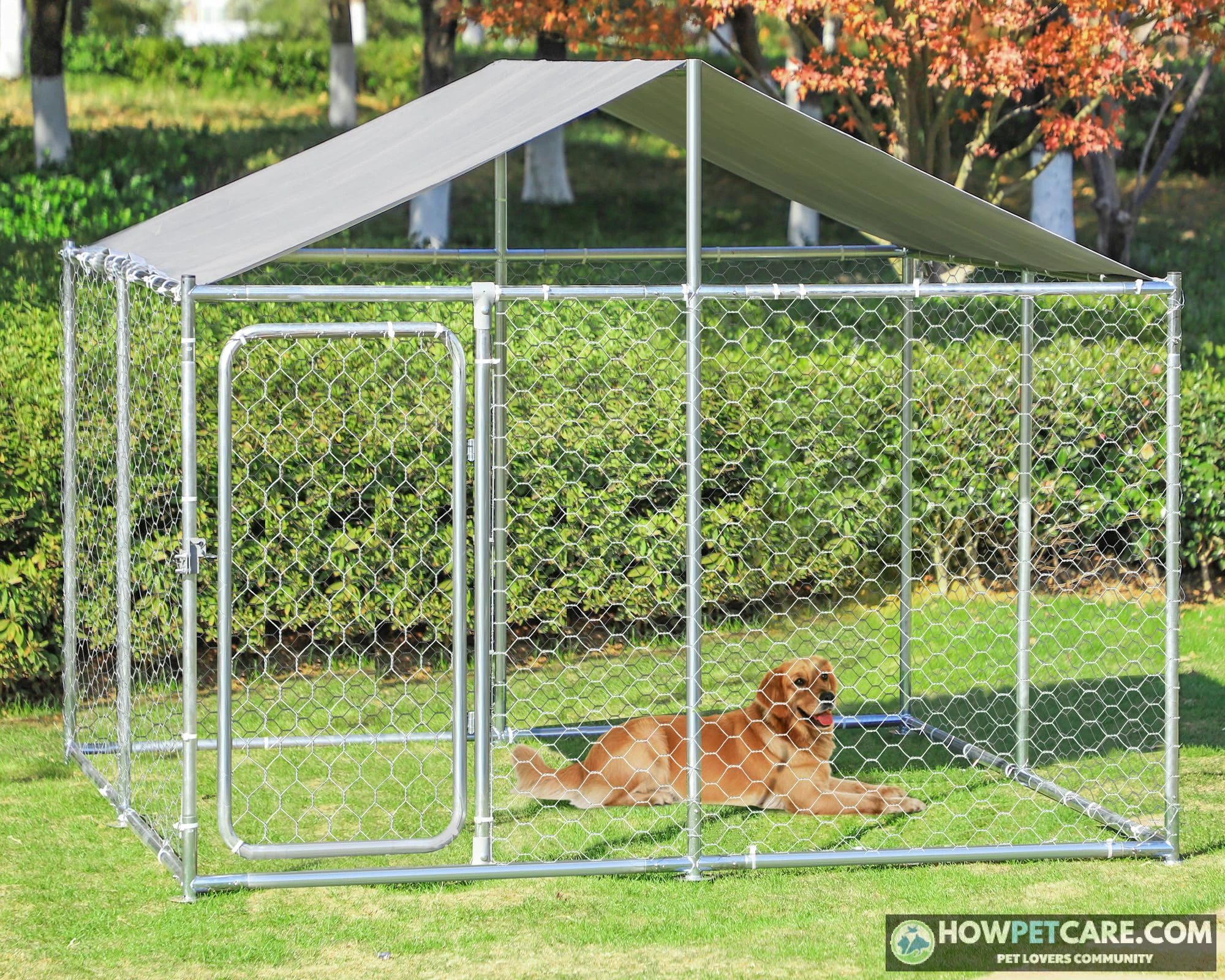
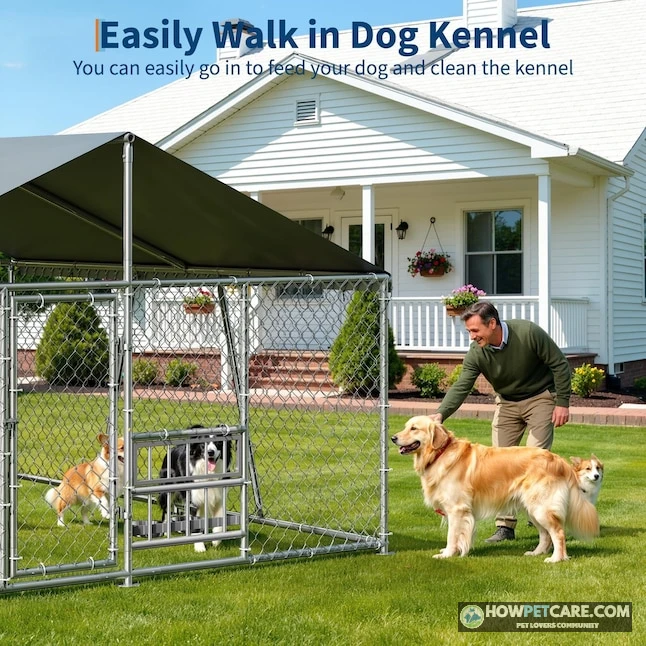
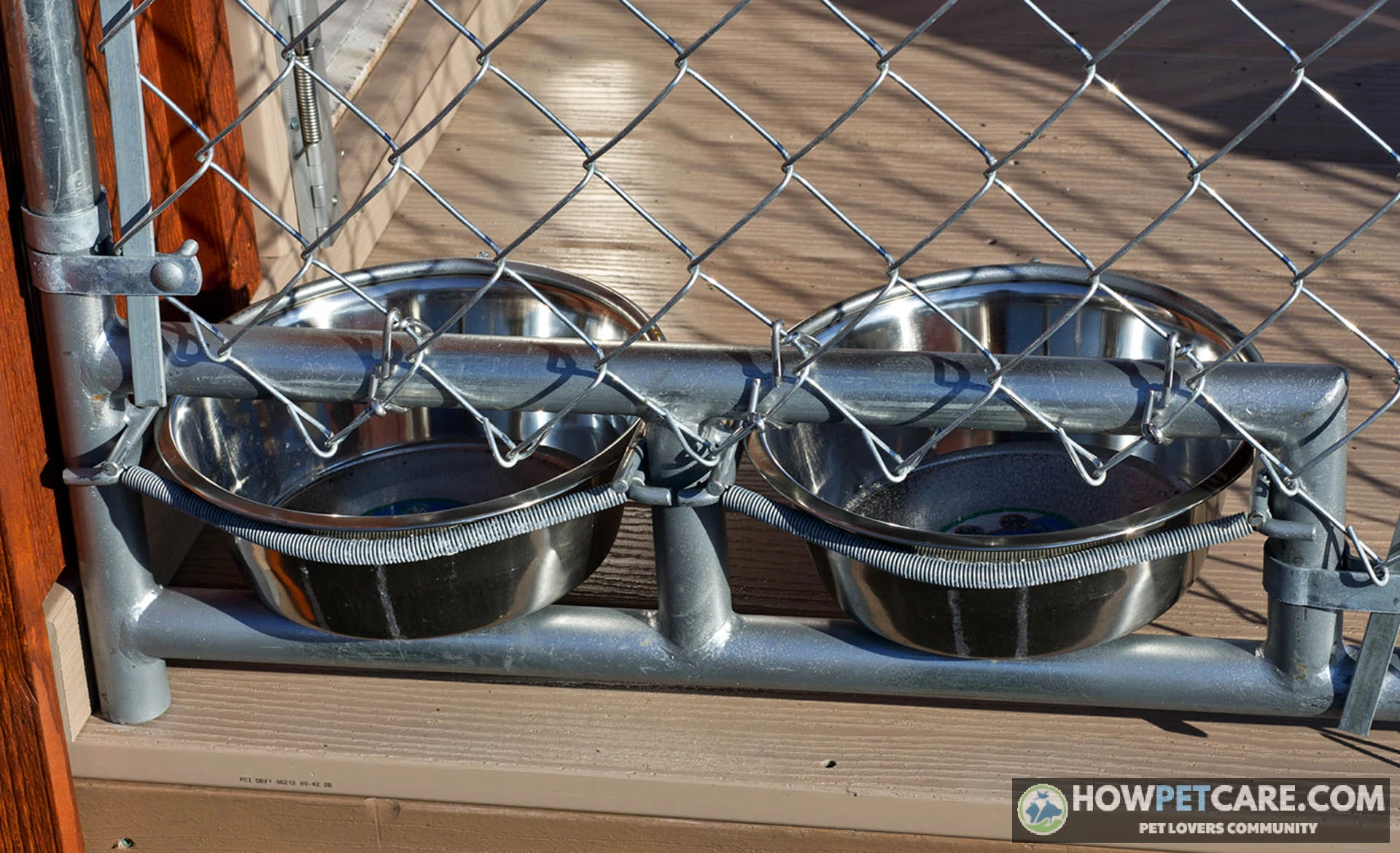
Under USDA rules, each dog must be able to stand, sit, lie down, and turn around freely. Minimum floor space is calculated from the dog’s length: square inches equal (nose-to-tail-base length plus six inches) multiplied by itself; divide by 144 to get square feet. Interior height must let the tallest dog stand normally. Flooring must be impervious to moisture or sanitizable; wire flooring that injures feet is restricted unless resting boards are provided. Outdoor housing needs a weatherproof shelter protecting dogs from temperature extremes, rain, and wind.
Sanitation, food, water, and exercise
Waste must be removed from primary enclosures often enough to prevent odor and contamination. Premises must be kept free of accumulated waste, with pest-control measures in place. Standing water must not accumulate in or around enclosures. Clean water must be available at all times or on an adequate schedule; dogs must be fed at least once daily with sanitized bowls. Where your state license requires it, a written exercise plan approved by a veterinarian applies.
Veterinary care and health certificates
A written program of veterinary care signed by an attending veterinarian is required under federal rules. Vaccination and treatment records must be current. Health certificates or certificates of veterinary inspection are commonly required for puppies crossing state lines.
Records inspectors ask to see
Each dog must be individually identifiable by tag, microchip, or tattoo. Inspectors review acquisition and disposition records showing where every dog and puppy came from and went, plus breeding and litter logs.
What happens after a failed inspection
Inspectors document what they observe, not what you promise. Common deficiency patterns in published USDA inspection reports involve record-keeping gaps and sanitation, not enclosure size. If you fail, you typically receive a list of corrections and a re-inspection date. Serious or repeat violations can lead to license denial, suspension, or revocation.
Record-keeping gaps and sanitation are the most common inspection failures. Organize litter logs, acquisition and disposition records, and veterinary paperwork before the inspector arrives.
Printable Pre-License Kennel Inspection Self-Check
Walk your facility before the inspector does. Mark each item pass or fail.
| Inspection area | What the inspector checks | Standard or source | Pass/fail self-check | Common deficiency |
|---|---|---|---|---|
| Enclosure space | Dog can stand, sit, lie, turn; floor space formula | USDA AWA 9 CFR 3.6 | [ ] | Crowded enclosures |
| Flooring and shelter | Impervious/sanitizable surfaces; weatherproof outdoor shelter | USDA AWA / state rules | [ ] | Wire flooring without resting boards |
| Sanitation | Daily waste removal; pest control; drainage | USDA AWA 9 CFR 3.11 | [ ] | Odor; accumulated waste |
| Food and water | Clean water; feeding schedule; sanitized bowls | USDA AWA 9 CFR 3.9–3.10 | [ ] | Empty or dirty bowls |
| Veterinary care | Signed veterinary care program; current vaccination records | USDA AWA 9 CFR 2.40 | [ ] | No attending veterinarian |
| Records | Individual ID; acquisition/disposition logs; litter logs | USDA AWA 9 CFR 2.75 | [ ] | Missing litter logs |
Day-of readiness: keep all records in one folder, make your veterinarian reachable, and run the facility in normal operating condition.
Litter Limits, Genetic-Health Plans, and Puppy Socialization Rules
Maximum litters per female: what states and regulators say
Some states and regulators set maximum litters per breeding female per year or over a lifetime; others set a minimum breeding age; many set no numeric cap at all. Where a cap exists, it is usually stated in state breeding regulations or USDA guidance. Where none exists, this guide does not invent one. Check your state row in the comparison table and ask the issuing agency directly.
Genetic-health management: required or recommended?
No USDA regulation and no widely adopted US state breeding law requires a formal genetic-health management plan as a condition of a breeder license. If you encounter guidance mentioning genetic testing or lifetime litter caps, it is often UK-derived or aspirational best practice rather than US law. UK standards appear in US search results because UK government pages rank for related terms; they do not apply to US breeders.
A socialization plan template you can adapt
A written socialization plan is not a universal US legal requirement for licensing, but inspectors may ask how puppies are handled and exposed to stimuli. An adaptable outline includes:
- Age windows for handling (early neonatal through weaning).
- Exposure to surfaces, sounds, and people.
- Gentle restraint and veterinary handling practice.
- Record-keeping of socialization sessions by litter.

Use this as a template, not a legal requirement, unless your state or local rule specifically requires it.
Penalties for Breeding Dogs Without a License: Fines, Criminal Charges, and Business Consequences
Federal enforcement under the Animal Welfare Act
USDA APHIS can pursue civil penalties, issue cease-and-desist orders, suspend or revoke licenses, and refer matters for criminal prosecution under the Animal Welfare Act. Enforcement typically begins with complaints, monitoring of online sales ads, or routine inspections.
State and local fines and charges
State penalties vary. Where published, they may include civil fines and misdemeanor or felony classification under state animal cruelty or dealer statutes; exact figures are cited by statute where available. Local penalties arise under kennel ordinances, zoning violations, and dog-count limits.
Business consequences
Operating without a required license can lead to seizure of animals, inability to sell across state lines, loss of access to marketplaces or registries, and liability for health-certificate violations.
If you’re already out of compliance
If you realize you have been breeding or selling without a required license, stop sales as advised, contact the regulator, and apply for the appropriate license. Do not continue operating in hopes of avoiding notice.
How to Check if a Dog Breeder Is Licensed: A Buyer’s Verification Walkthrough
Checking the USDA APHIS database
Ask the breeder for the license number, issuing agency, and expiration date in writing. Then search the USDA APHIS public search tool on the APHIS Animal Care site using the breeder’s name or license/certificate number. A result confirms a federal license and may let you view inspection reports. No result is not proof of a problem: most small breeders legitimately fall under the four-female or face-to-face exemptions.

Using state lookup portals
Many licensing states run an online license search—for example, Texas TDLR’s license search tool. If your state has no public database, call the department of agriculture or licensing agency directly and ask whether the name holds an active breeder, kennel, or pet-dealer license.
Red flags and what to ask for
Confirm the local kennel license or business registration with the county or city clerk, especially in states with no state-level license. Cross-check that the name on the license matches the seller, the facility address matches where the dogs actually live, and the license is current, not expired. Look up public USDA or state inspection history where available.
A license proves registration, not quality. Ask for vaccination and health records, request an in-person or live-video visit, and observe where puppies are raised.
A license shows that a breeder is registered with an authority. It does not guarantee humane conditions. Combine license verification with health records and a visit.
5-Minute License Verification: How a Buyer Checks a Breeder
- Ask for the license number, issuing agency, and expiration date—in writing.
- Search the USDA APHIS public search tool.
- Check the state regulator’s lookup portal, or call the department directly if no portal exists.
- Call the county or city clerk for local kennel or business permits.
- Cross-check the name, facility address, and expiration date.
Red flags regardless of paperwork: refusal to show where puppies are raised, no vaccination records, no veterinarian to name, or requests for payment before verification.
Your Next Steps: A Licensing Decision Guide for Current and Aspiring Breeders
Use this decision path to convert the information above into action.
Outcome A—No license likely needed: You have four or fewer breeding females, all sales are face-to-face, your state has no trigger at your numbers, and your county imposes no kennel or zoning requirement. Keep written records of females, litters, and sales, and confirm your exempt status in writing with the county clerk.
Outcome B—Local permit only: Your state has no breeder license, but your county or city requires a kennel license, business license, or zoning permit. Apply locally first.
Outcome C—State and/or USDA license: You meet a state threshold (breeding females, litters, or sales) or the federal USDA trigger (more than four breeding females with sight-unseen sales). Apply to the state agency or USDA APHIS, pass the pre-license inspection, and renew annually.
Action list in order
- Count intact breeding females, litters, and dogs sold over the past 12 months.
- Call your county clerk or animal control office about local kennel licenses, dog-count limits, and zoning.
- Check your state row in the 50-state table and confirm with the named authority.
- Confirm the USDA trigger: more than four breeding females plus sight-unseen sales.
- Budget using the fee figures and cost stack in the state section.
- Schedule the inspection using the printable self-check above.
Compile a documentation folder with sales records, veterinary records, litter logs, and written correspondence from regulators. Re-check annually and before any change in the number of females or your sales method, because thresholds and fees change. Point final questions to the authoritative contacts listed in the state comparison table.
 You might be wonderingBreeding pitbullBreeding Pitbulls Responsibly: Health, Law & Costs GuideRead the answer
FAQ
Does AKC registration count as a dog breeding license?
No. AKC registration records a dog’s pedigree and litter. It is not issued by a government agency and does not satisfy USDA, state, or local licensing requirements.
Does a business license replace a dog breeding license?
No. A general business license or sales tax registration lets you operate a business. It does not authorize breeding or selling dogs where a state, county, or USDA license is required.
Can a county require a kennel license if my state doesn’t?
Yes. Many counties and cities set their own kennel licenses, dog-count limits, and zoning rules. Check with your local clerk or animal control office even if no state license applies.
Do I need a health certificate to sell puppies?
Requirements vary by state. Many states require a veterinary health certificate or vaccination records at sale or when puppies cross state lines. Check your state’s department of agriculture and the destination state’s rules.
Does my license transfer if I move to another state?
Generally no. State and local licenses are tied to the issuing jurisdiction and facility address, so you must apply again in the new location. A USDA license also needs an address update and may need a new inspection.