

Pet friendly housing laws are the federal, state, and local rules governing animals in rentals. No federal law gives renters a right to keep ordinary pets—the lease and state fee caps control—but the Fair Housing Act requires landlords to accommodate assistance animals, waiving no-pet clauses, breed limits, and pet fees.
Pet-friendly housing laws: what renters can expect
For most U.S. renters, the lease largely determines whether they can keep a pet. There is no federal "Right to Pet" requiring private landlords to accept ordinary dogs, cats, or small animals. An ordinary pet is considered personal property under the law. A landlord may enforce a "no-pet clause," set breed and weight restrictions, or charge nonrefundable pet fees, provided those policies don’t violate local fair housing ordinances.
If your animal is a companion, contract law generally governs. Check your building’s "pet addendum" and fee structure before you sign. If your animal is a service animal or an emotional support animal (ESA), the Fair Housing Act (FHA) protects you. This federal law requires landlords to provide "reasonable accommodation" for assistance animals, meaning they can’t enforce no-pet clauses or breed restrictions, or charge pet-specific fees for these animals. That distinction matters when you sign a lease or dispute a landlord’s decision.

Which laws apply to your housing
Protections generally come from federal, state, and local law. The Fair Housing Act (FHA) and U.S. Department of Housing and Urban Development (HUD) guidelines establish the baseline for disability-related accommodations across most rental housing in the United States. Some private, owner-occupied dwellings, such as single-family homes rented without a real estate broker, may be exempt from the FHA. In those cases, check state tenant protections and local municipal codes. They may set stricter limits on pet deposits or provide stronger anti-discrimination rules regarding breed.
Is your animal a pet, an emotional support animal, or a service animal?
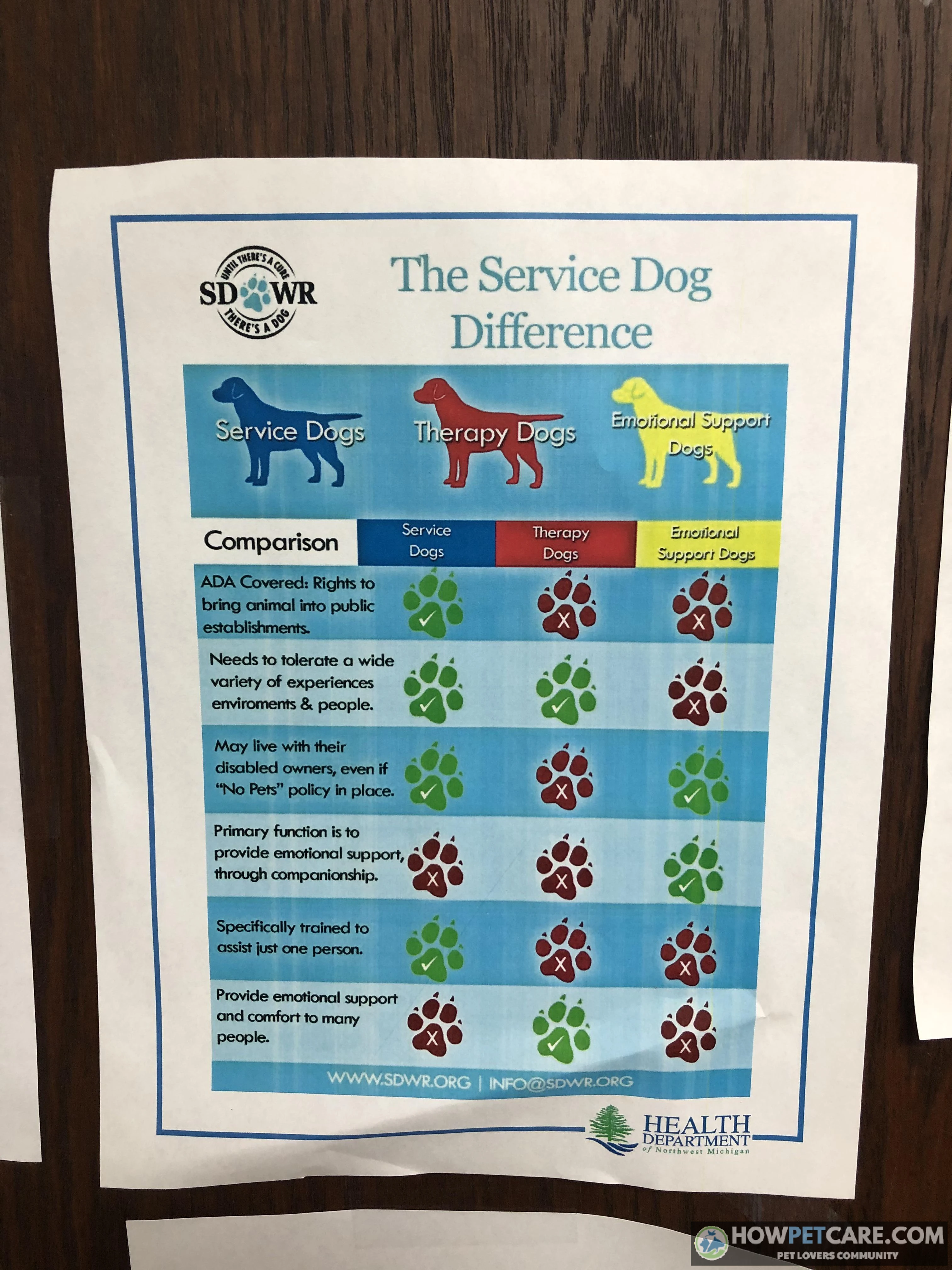
How your animal is classified determines whether you’re negotiating a contract or asserting a legal right. Housing law places animals in three distinct categories:
Pet versus assistance animal under the Fair Housing Act
An ordinary pet provides companionship but doesn’t perform disability-related functions. Under HUD guidelines, an assistance animal works, provides assistance, or performs tasks for a person with a disability, or provides emotional support that alleviates one or more identified symptoms or effects of a person’s disability. An assistance animal under the FHA doesn’t need specific training and can be a species other than a dog.
Service-animal rules and the ADA
The Americans with Disabilities Act (ADA) defines a service animal as a dog (or in some cases, a miniature horse) individually trained to do work or perform tasks for a person with a disability. The ADA applies to public accommodations such as stores and restaurants. In a rental unit, service animals are covered by the FHA’s broader "assistance animal" protections.
Common household pets and documentation
"Common household pets," such as cats, rabbits, or birds, are generally excluded from service-animal definitions. They may qualify as ESAs under the FHA, though, if there is a legitimate connection between the animal and your disability.
Check your local laws concerning "online certification" mills. Federal law doesn’t require a specific "certificate," but states like California (AB 468, 2022) have enacted laws requiring a 30-day established relationship with a licensed healthcare provider before an ESA letter is considered valid for housing purposes.
Which law protects your animal? Use this 5-step decision tree:
- Does the animal perform specific trained tasks tied to a disability (guiding, alerting to seizures, retrieving medication)? → It is a service animal under the ADA. The ADA covers public places; in a rental home, the animal is treated as an assistance animal under the Fair Housing Act. Skip to Step 4.
- Does the animal ease symptoms of a disability through its presence or emotional support — no task training required? → It is an assistance animal under the FHA. This can include cats, rabbits, and other common household pets. Go to Step 4.
- Neither of the above? → It is an ordinary pet. The lease controls, and a landlord can usually enforce a no-pet clause — except where a state law caps pet fees or a city ordinance bans breed restrictions. Check the state comparison table below and your city code before assuming the clause is enforceable.
- What kind of housing is it?
- Public housing or HUD-subsidized: HUD pet rules for elderly/disabled housing and FHA assistance-animal rules both apply. This includes low-income housing that accepts pets.
- Private rental, covered by the FHA: A landlord must consider a reasonable accommodation request and generally can’t charge pet fees for a qualifying assistance animal.
- FHA-exempt housing (owner-occupied buildings of 4 or fewer units): The FHA may not apply, so check state and local law.
- Result → next action: Ordinary pet in covered housing → negotiate lease terms and verify local fee caps. Assistance animal → send a written reasonable accommodation request. Denied or charged a fee anyway → use the escalation path in the enforcement section.
 You might be wonderingCan pets be veganCan Pets Be Vegan? Species Verdicts and a Vet-Safe PlanRead the answer
When landlords can ban pets, restrict breeds, or refuse an accommodation
No-pet clauses and ordinary pets
Landlords have considerable leeway with ordinary pets. They can include a legally binding "no-pet clause" in a lease. Even in pet-friendly buildings, landlords may set "reasonable" rules, such as weight limits or breed restrictions (e.g., banning "aggressive" breeds), as long as they apply them consistently to all tenants.
FHA exceptions and individualized assessments
A landlord can’t simply cite a "no-pet policy" to deny a request for an assistance animal. A landlord may deny an accommodation, however, if:
- The animal poses a "direct threat" to the health or safety of others that can’t be reduced by another reasonable accommodation.
- The animal would cause substantial physical damage to the property that can’t be mitigated.
- The accommodation would impose an undue financial or administrative burden on the landlord.
These decisions must be based on individualized evidence about the specific animal, not blanket assumptions about a breed or species.
Breed bans, liability insurers, and competing needs
A conflict can arise when a state bans breed discrimination but a landlord’s liability insurer requires the exclusion of specific dog breeds. Generally, the FHA requires landlords to seek alternatives before denying an assistance animal. If a landlord says an insurance policy prevents them from accepting a breed, HUD guidance encourages them to seek a different insurer rather than violate the fair housing rights of a tenant with a disability.
Pet deposits, pet rent, and state-by-state rental rules
How to read the state comparison
States are placing stricter limits on "pet taxes." In California, for example, AB 12 (effective July 1, 2024) capped security deposits, indirectly affecting how much a landlord can legally collect upfront for pet-related damage.
Fee rules for assistance animals
Landlords can’t charge pet rent, pet deposits, or pet fees for assistance animals. The law treats them as medical accommodations, not "pets." You’re still responsible, however, for any actual damage the animal causes to the unit.
Denver, Colorado (HB 23-1068, in effect 2023): The refundable pet deposit is capped at $300; pet rent is capped at the greater of $35 or 1.5% of rent ($22.50). Total: $420 (if deposit returned).
Austin, Texas (No statewide cap): Typical terms include a $300 nonrefundable fee + $50/month rent + $300 refundable deposit. Total: $900.
The gap: $480 annually. Assistance animals are exempt from all such charges in both states.
| State | Pet Deposit Cap | Pet Rent Rule | Breed-Restriction Law | Source/Note |
|---|---|---|---|---|
| California | Varies (AB 12, 2024) | No state cap | Subject to local | Post-AB 12 limits |
| Colorado | $300 (HB 1068, 2023) | 1.5% of rent/$35 cap | No state ban | HB 23-1068 |
| New York | None (general security cap) | No state cap | No state ban | General Tenant Law |
| Illinois | None | No state cap | No state ban | Statutory silence |
Recent enacted laws versus proposed bills
| Bill | Jurisdiction | What it does | Status |
|---|---|---|---|
| AB 12 | California | Caps security deposits | Enacted 2024 |
| AB 468 | California | Validates ESA letters | Enacted 2022 |
| AB 2216 | California | Proposed pet protections | Withdrawn 2024 |
| S. 4361 | Federal | Public housing pet rules | Introduced/Pending |
Request an accommodation or challenge an unlawful pet charge
Accommodation request letter
A clear written request helps explain the accommodation you need.
To [Landlord Name],
I am a tenant at [Address]. I am requesting a reasonable accommodation under the Fair Housing Act: an exception to the property’s [policy/fee] so that I may keep my assistance animal, [Name/Species]. I have a disability, and this animal alleviates symptoms. I remain responsible for any damages caused. Please let me know if you need supporting documentation from my healthcare provider.
Sincerely, [Your Name]
Pet addendum and pet resume checklist
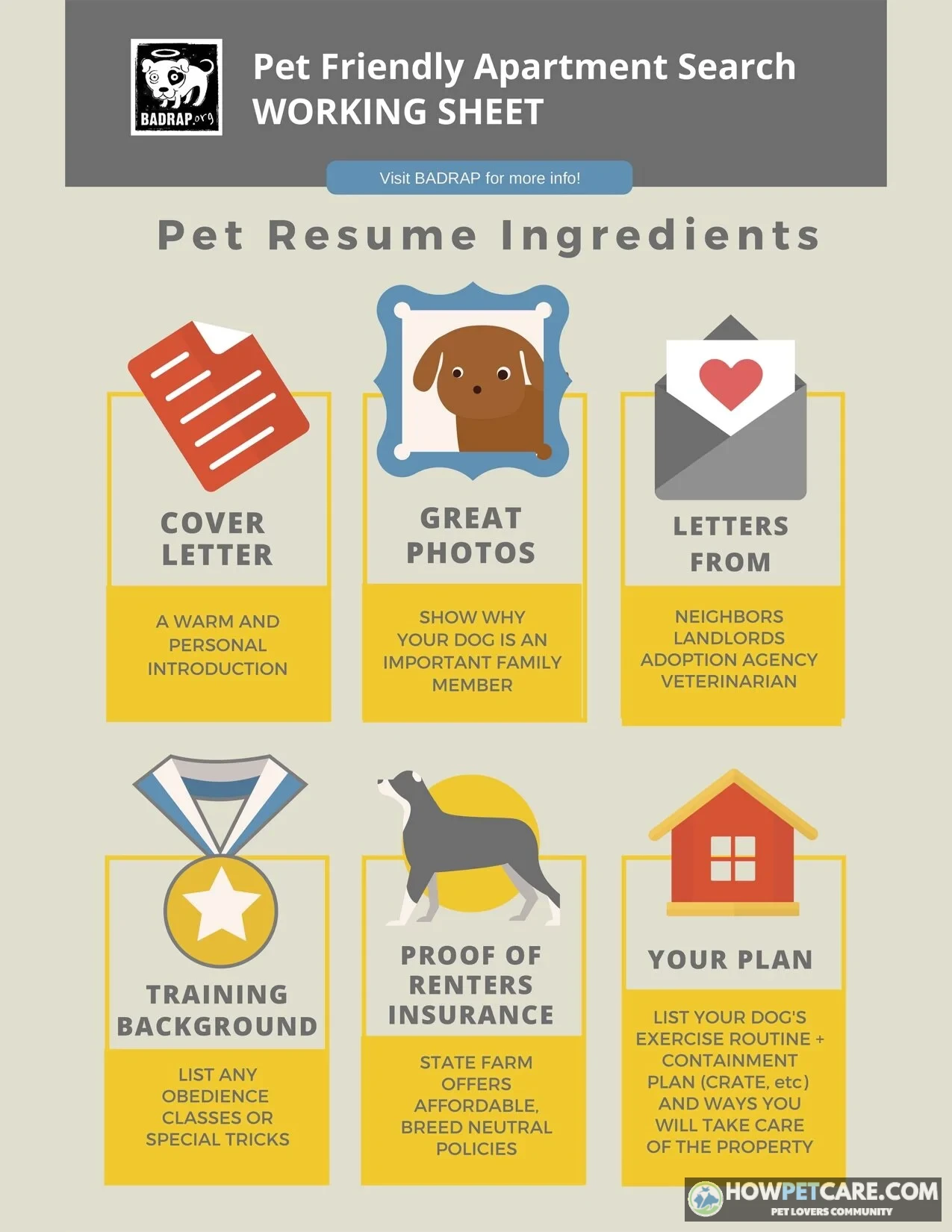
Before signing, review what a renter pet policy covers and provide a "pet resume" with:
- Proof of vaccinations (Rabies/DHPP/FVRCP).
- A Spay/Neuter certificate.
- References from a previous landlord about the pet’s behavior.
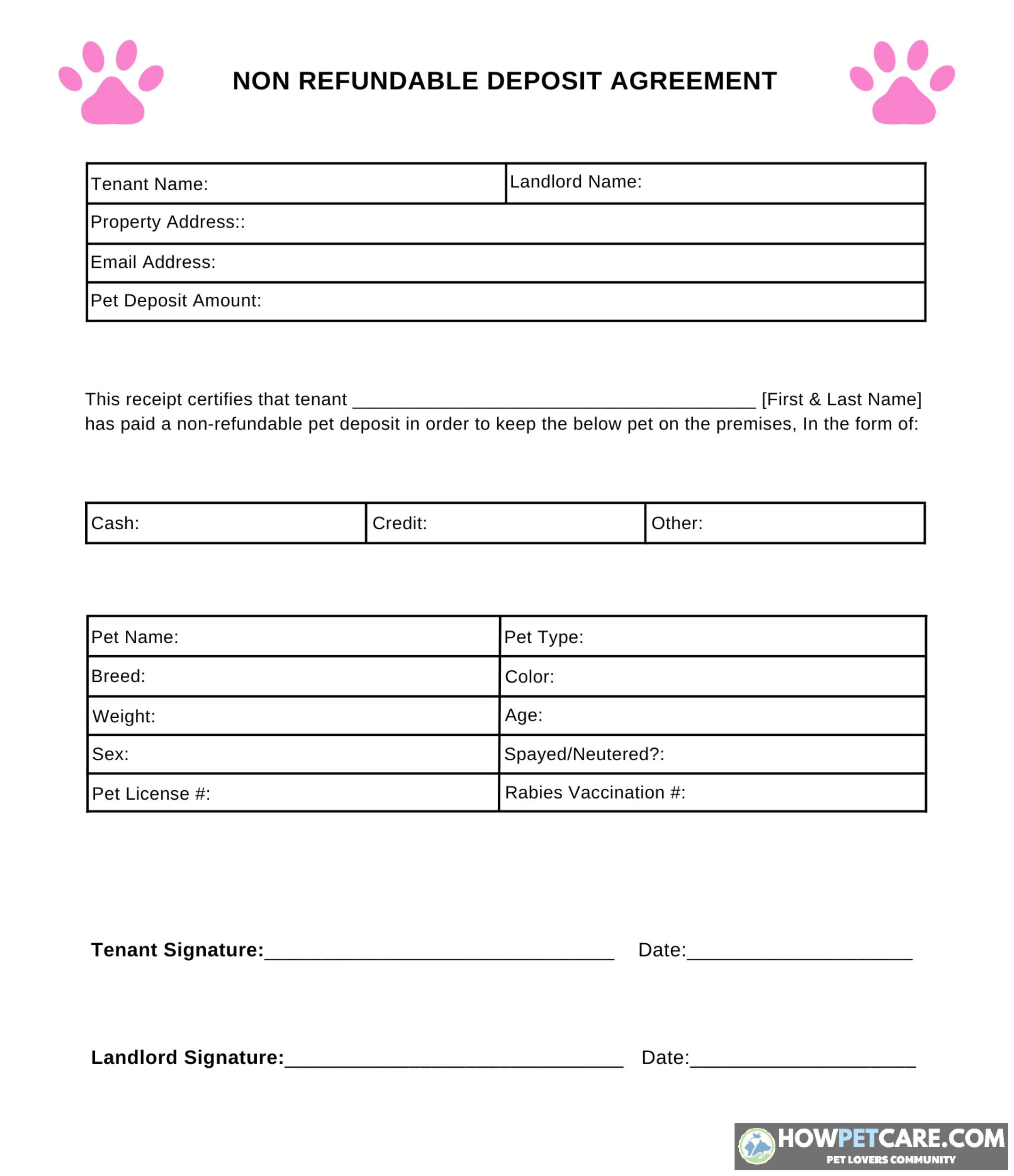
- A written agreement on the specific pet deposit amount and whether it’s refundable.

HUD complaint and deposit-recovery steps
If you believe you’ve been discriminated against, file a complaint through the HUD online portal. Keep copies of your lease, all correspondence, and photos showing the unit’s condition when you move out. For deposit recovery, most states allow you to sue in small claims court for up to 3x the deposit amount if the landlord fails to return it within the statutory window (typically 14–60 days).
Penalties, enforcement, and your next-step decision guide
What a landlord may face
Violations of the Fair Housing Act can result in civil penalties, mandatory training, and significant compensatory damages. Consumer protection agencies often handle state-level violations involving deposit caps and can fine property management firms.
Choose the escalation path
-
Document the Need
Gather your medical provider’s letter establishing your disability-related need for an assistance animal.
-
Written Submission
Send your accommodation request letter by certified mail or trackable email.
-
Wait for Response
Allow 10 business days for the landlord to provide a written, reasoned response.
-
Escalate
File a formal complaint with HUD or your state’s Fair Housing Agency if your request is ignored or denied without valid, individualized evidence.
Before-you-sign checklist
- Check local ordinances: Some cities have "no-fee" policies that supersede state law.
- Read the "Pet Addendum": Check for illegal clauses, such as an automatic forfeiture of your entire security deposit.
- Inspect the unit: Document existing damage in the landlord’s presence so your pet isn’t blamed for prior wear.
- Save all records: Keep a "pet folder" containing your lease, addendum, vaccination records, and all communication about your assistance animal.

 You might be wonderingPet friendly plantsPet Friendly Plants: 17 Safe Picks, Toxic Swaps, and Emergency StepsRead the answer
FAQ
What is the Pet Friendly Housing Act of 2017?
It is a federal bill proposal, not a general nationwide rule requiring private landlords to accept pets. Check Congress.gov for its latest status and distinguish it from enacted federal fair-housing protections for qualifying assistance animals.
Can a landlord reject an assistance animal because the tenant has an online letter?
Not automatically: housing providers may assess whether reliable information supports a disability-related need when it is not apparent, but they cannot impose a blanket rule requiring one particular provider or document. Some states regulate fraudulent or improperly issued assistance-animal documentation, so check the current state law.
Can a landlord charge a cleaning or damage fee for an assistance animal?
A landlord generally cannot charge pet rent, a pet deposit, or a pet fee for a qualifying assistance animal. The tenant may still be responsible for actual damage under the same rules applied to other tenants.
Can a landlord require renters insurance for a pet?
It depends on the lease and applicable state and local law, and a requirement must not be used to evade fair-housing protections. Ask for the requirement and its legal basis in writing, especially if it creates an obstacle to an accommodation.