
A pet trust is a legally enforceable arrangement that sets aside money for an animal’s care, managed by a trustee under your written instructions. All 50 states and Washington, D.C., authorize pet trusts, but duration limits, funding rules, and enforcement requirements differ by state.
A pet trust is a legal arrangement that sets aside money for an animal’s care and assigns a trustee to manage it under written instructions. Unlike a simple gift in a will, a properly established pet trust provides an enforceable framework for your animal’s care after your death and—if designed correctly—during your own period of incapacity. While all 50 states and the District of Columbia have pet trust laws, the specific rules vary by jurisdiction. [#N]
What a Pet Trust Is and Why It Can Be Enforced When a Will Often Can’t
A pet trust links three essential elements: the animal requiring care, the person providing that care, and the money managed specifically for those needs. It defines exactly who feeds and houses your dog, cat, bird, or other animal, establishes the standard of care you expect, and names successors if the initial arrangement fails.
Because the law treats pets as personal property, they cannot directly hold an inheritance. While your last will and testament can transfer a pet to a designated person, an outright gift doesn’t ensure ongoing oversight of the animal’s welfare. Furthermore, a will is ineffective during your lifetime and typically requires probate—the court-supervised process for settling an estate—which can delay access to funds.
How a pet trust works, step by step
The settlor—the individual creating the trust—identifies the animals to be covered, appoints a trustee to oversee the assets, and selects a caregiver to provide daily hands-on care. The trust document outlines how the money is to be used and identifies who receives any remaining assets once the trust concludes.
The trustee pays veterinary bills, compensates the caregiver, or buys food directly, based on the specific terms you’ve laid out. By keeping the caregiver and trustee roles separate, you create a helpful layer of checks and balances regarding both spending and care quality.

Trust funding is the process of moving assets into the trust or arranging for their transfer at the right time. Signing a trust document without completing the funding plan leaves the trustee with no resources to act when your pet actually needs help.
Is a pet trust legally enforceable?
Generally, yes, provided it meets the requirements of your state’s laws and is properly created and funded. Pet trust statutes solve a fundamental legal hurdle: since an animal cannot initiate court proceedings to enforce a promise, these laws establish specific mechanisms for people to enforce the trust on the animal’s behalf. Many states have adopted some version of the Uniform Trust Code, which includes a pet trust provision in Section 408.
Keep in mind that enforceability isn’t a guarantee of perfect care. Someone still needs to physically locate the pet, accept responsibility, gain access to the funds, and identify if problems arise. Solid backup arrangements are just as important as the legal paperwork itself.

This guide is general educational information, not legal or tax advice. Statutes and individual circumstances differ. Consult an estate planning attorney licensed in the relevant state before relying on a plan.
Pet Trust vs. Will vs. Pet Protection Agreement: Which Protects Your Pet Best?
The right choice depends on the level of oversight required, how quickly you need funds to be accessible, and your confidence that a caregiver will honor your specific instructions.
| Option | Legally enforceable care duty? | Works during incapacity? | Probate delay | Relative cost | Best for |
|---|---|---|---|---|---|
| Will provision naming a caregiver | An outright transfer alone generally does not impose continuing care or money-management duties | No | Generally yes, for transfers through the will | Low as part of a simple estate plan | A trusted caregiver when limited oversight is acceptable |
| Outright gift of pet and cash | Generally no duty to spend the cash on the pet unless a separate enforceable obligation applies | Possible if arranged during life, but not automatically | Depends on how and when the gift is made | Low | A simple, high-trust arrangement |
| Pet protection agreement | Potentially, as a contract; the actual parties, terms and state law matter | Only if the agreement provides for it | Placement may occur outside probate; funding may still be delayed | Low to moderate; program terms vary | An agreed backup with a person, shelter or sanctuary |
| Pet trust | The trustee’s duties are generally enforceable under applicable law | Yes, if a living trust is designed and funded for that situation | A living trust may provide access outside probate; a testamentary trust relies on the estate process | Moderate to high | Long-lived animals, substantial funds or a need for oversight |

A protection agreement isn’t a standardized product. Agreements with individuals differ significantly from those offered by shelters or sanctuaries. Before signing, ask what triggers placement, whether temporary care is available, what fees or donations are required, and exactly what happens if the organization loses space or ceases operations.
Cost often decides between these options. As a planning baseline, attorney fees range from the low hundreds for a simple testamentary addition to a will, to approximately $800–$2,500 for a standalone living trust, and $2,500–$7,500 or more for complex plans; the full cost breakdown appears later in this guide.
When a will provision is enough
A will provision can work for a simple plan if you have a willing, financially stable caregiver and are comfortable with limited ongoing oversight. Just remember to arrange immediate, separate care instructions, as the person handling your estate often cannot act as quickly as an emergency might require.
When an outright gift to a caregiver backfires
When you leave both an animal and cash to someone outright, that person effectively owns the money. Personal financial setbacks, housing changes, or disagreements about medical treatment can easily derail your intentions. While you might draft a separate agreement to create obligations, never confuse a simple request with a formal, funded trust.
Living Pet Trust vs. Testamentary Pet Trust: Timing, Incapacity and Probate
A living trust (or inter vivos trust) is created during your lifetime. If correctly funded, it can support your pet while you are alive but unable to manage their care. A testamentary trust is created under your will and only takes effect after your death, meaning its administration and funding depend on the probate process.
Timing is everything. If you are suddenly hospitalized, a testamentary trust does not yet exist to cover your dog’s boarding costs. A living trust can provide a faster path to payment, but only if the document explicitly authorizes it and the trustee can readily access the assets. Even then, someone must have the legal authority and the physical means to collect your pet.

While a testamentary arrangement is often easier to add to an existing estate plan, a living trust is usually a better tool for addressing both incapacity and death.
What happens to your pet if you’re incapacitated, not just deceased
A power of attorney lets you name an agent to act on your behalf. Talk to your attorney about whether this document should specifically authorize your agent to handle pet-care expenses, placement decisions, and coordination with your trust. This isn’t a replacement for a practical emergency plan; always keep a written notice in your wallet identifying your pets and emergency contacts.
Trustee, Caregiver, Trust Protector and Remainder Beneficiary: Who to Choose
Each of these roles serves a distinct function:
- Trustee: Manages the trust assets, maintains records, and makes payments as directed by the trust.
- Caregiver or designated caretaker: Provides the daily housing and care for the animal; naming a backup is essential.
- Trust protector or enforcer: A person tasked with oversight or enforcement. Their specific authority depends on your document and state law.
- Remainder beneficiary: The person or organization that receives any assets left in the trust after the animal passes away.
Choosing a caregiver and a trustee
Always talk to potential caregivers before naming them. Discuss their living situation, existing pets, travel habits, finances, and willingness to handle medical or behavioral issues. Ensure they have a backup who is also reachable and willing to help.
Pick a trustee comfortable with recordkeeping, timely payments, and clear communication. Separating the roles allows the trustee to track spending while the caregiver updates you on the pet’s well-being. While one person can technically hold both roles, it significantly reduces independent oversight and should be weighed carefully against local law.
Provide these individuals with concrete, practical instructions rather than just job titles. Include a care schedule that covers diet, medications, your preferred veterinarian, grooming, training, and end-of-life wishes. Ask your attorney which details can be updated informally and which require a formal amendment to the trust.

Naming a remainder beneficiary for leftover funds
Whether you choose a family member, a friend, or an animal charity, consider the incentives involved. Someone expecting a large remainder might be tempted to spend less on the animal’s care or end it prematurely. Clear standards and independent oversight help mitigate these conflicts.
Pet Trust Laws by State: Duration, Funding Limits and Protector Rules Compared
Because pet trust law is state-specific, you must confirm how the applicable statute treats duration, funding levels, and enforcement. General trust rules in your state may also affect your final plan.
All 50 states and Washington, D.C., now recognize pet trusts by statute, but the wording varies. Do not assume that a trust valid in one state will function identically if you move.
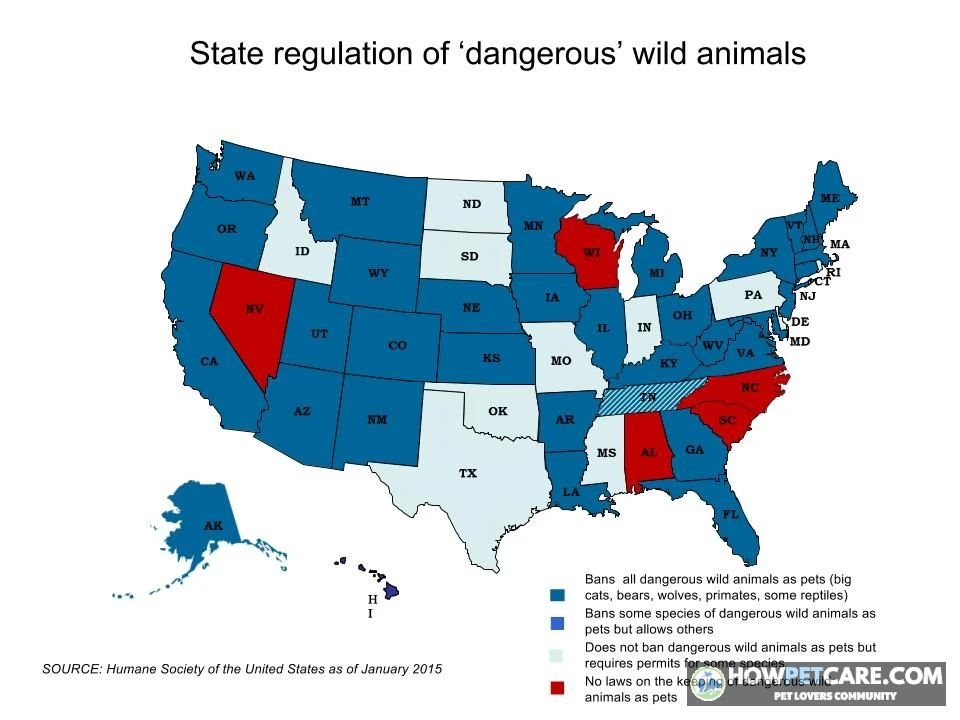
How long a pet trust can last: 21 years, 90 years or the pet’s lifetime
Trust duration might be tied to the animal’s life, a fixed term, or a combination of both. Research for this guide identifies 21-year limits in Alaska, Michigan, and Montana; 90-year limits in Minnesota and Tennessee; and a 150-year limit in Washington. [#N] Never assume a statute’s limit is a promise that your trust will last that entire time; always check the current text and your specific document.
This is vital for long-lived animals like parrots or tortoises. Do not assume a duration number guarantees the trust will cover the animal for its entire life.

States that limit funding or require a trust protector
Many states allow courts to reduce trust assets if they exceed what is reasonably necessary for the animal’s care—this is a standard for court review, not necessarily a rigid dollar cap. Connecticut’s statute, Conn. Gen. Stat. § 45a-489a, specifically requires a trust protector to safeguard the animal’s interests. Other states may permit a named enforcer or allow the court to appoint one.
The following table is a navigation aid. “Check statute” indicates that available data does not provide a definitive answer for that state; it does not mean there is no rule. Always have a qualified attorney verify the current text and any relevant case law.
| State | Statute citation | Maximum duration | Funding limit or court-reduction rule | Trust protector or enforcer requirement | Notes |
|---|---|---|---|---|---|
| Alabama | Check statute | Check statute | Check statute | Check statute | Verify current law |
| Alaska | Check statute | 21-year limit identified | Check statute | Check statute | Confirm exceptions and application |
| Arizona | Check statute | Check statute | Check statute | Check statute | Verify current law |
| Arkansas | Check statute | Check statute | Check statute | Check statute | Verify current law |
| California | Check statute | Check statute | Check statute | Check statute | Verify current law |
| Colorado | Check statute | Check statute | Check statute | Check statute | Confirm treatment of animals in gestation |
| Connecticut | Conn. Gen. Stat. § 45a-489a | Check statute | Check statute | Trust protector required | Verify current text |
| Delaware | Check statute | Check statute | Check statute | Check statute | Verify current law |
| District of Columbia | Check statute | Check statute | Check statute | Check statute | Verify current law |
| Florida | Check statute | Check statute | Check statute | Check statute | Verify current law |
| Georgia | Check statute | Check statute | Check statute | Check statute | Verify current law |
| Hawaii | Check statute | Check statute | Check statute | Check statute | Verify current law |
| Idaho | Check statute | Check statute | Check statute | Check statute | Verify current law |
| Illinois | Check statute | Check statute | Check statute | Check statute | Verify current law |
| Indiana | Check statute | Check statute | Check statute | Check statute | Verify current law |
| Iowa | Check statute | Check statute | Check statute | Check statute | Verify current law |
| Kansas | Check statute | Check statute | Check statute | Check statute | Verify current law |
| Kentucky | Check statute | Check statute | Check statute | Check statute | Verify current law |
| Louisiana | Check statute | Check statute | Check statute | Check statute | Verify current law |
| Maine | Check statute | Check statute | Check statute | Check statute | Verify current law |
| Maryland | Check statute | Check statute | Check statute | Check statute | Verify current law |
| Massachusetts | Check statute | Check statute | Check statute | Check statute | Verify current law |
| Michigan | Check statute | 21-year limit identified | Check statute | Check statute | Confirm exceptions and application |
| Minnesota | Check statute | 90-year limit identified | Check statute | Check statute | Confirm exceptions and application |
| Mississippi | Check statute | Check statute | Check statute | Check statute | Verify current law |
| Missouri | Check statute | Check statute | Check statute | Check statute | Verify current law |
| Montana | Check statute | 21-year limit identified | Check statute | Check statute | Confirm exceptions and application |
| Nebraska | Check statute | Check statute | Check statute | Check statute | Verify current law |
| Nevada | Check statute | Check statute | Check statute | Check statute | Verify current law |
| New Hampshire | Check statute | Check statute | Check statute | Check statute | Verify current law |
| New Jersey | Check statute | Check statute | Check statute | Check statute | Verify current law |
| New Mexico | Check statute | Check statute | Check statute | Check statute | Verify current law |
| New York | Check statute | Check statute | Court reduction is possible | Check statute | See the Helmsley example |
| North Carolina | Check statute | Check statute | Check statute | Check statute | Verify current law |
| North Dakota | Check statute | Check statute | Check statute | Check statute | Verify current law |
| Ohio | Check statute | Check statute | Check statute | Check statute | Verify current law |
| Oklahoma | Check statute | Check statute | Check statute | Check statute | Verify current law |
| Oregon | Check statute | Check statute | Check statute | Check statute | Verify current law |
| Pennsylvania | Check statute | Check statute | Check statute | Check statute | Verify current law |
| Rhode Island | Check statute | Check statute | Check statute | Check statute | Verify current law |
| South Carolina | Check statute | Check statute | Check statute | Check statute | Verify current law |
| South Dakota | Check statute | Check statute | Check statute | Check statute | Verify current law |
| Tennessee | Check statute | 90-year limit identified | Check statute | Check statute | Confirm exceptions and application |
| Texas | Check statute | Check statute | Check statute | Check statute | Verify current law |
| Utah | Check statute | Check statute | Check statute | Check statute | Verify current law |
| Vermont | Check statute | Check statute | Check statute | Check statute | Verify current law |
| Virginia | Check statute | Check statute | Check statute | Check statute | Verify current law |
| Washington | Check statute | 150-year limit identified | Check statute | Check statute | Confirm exceptions and application |
| West Virginia | Check statute | Check statute | Check statute | Check statute | Verify current law |
| Wisconsin | Check statute | Check statute | Check statute | Check statute | Verify current law |
| Wyoming | Check statute | Check statute | Check statute | Check statute | Verify current law |
For a broader starting point, consult the ASPCA’s state-by-state pet trust resource, but always follow up with the official statute and advice from a local attorney. A simple list cannot replace a review of recent amendments, related trust provisions, or relevant local court decisions.
What to do if you move or own property in another state
Ask an attorney in your new location to review your trust, the location of its assets, caregiver arrangements, and any choice-of-law provisions. Owning property or naming caregivers in multiple states adds complexity, so don’t assume your current state is the only jurisdiction you need to consider.

How Much Money to Put in a Pet Trust: A Worked Funding Formula, Court Limits and Taxes
Base your funding on your animal’s anticipated needs, not a random lump sum. A useful planning formula is:
Funding target = annual routine care × estimated remaining years + medical reserve + end-of-life costs + administration + inflation cushion + caregiver-transition margin.
The following examples are for arithmetic illustration only. Replace these assumptions with your own spending history, local veterinary quotes, and estimates appropriate for your animal’s age and health. Discuss longevity estimates with your veterinarian.
The funding formula, step by step
Routine care includes food, preventive vet visits, medications, grooming, insurance, and boarding. A medical reserve accounts for emergencies, while administration includes trustee fees and taxes. Always add a transition margin in case a caregiver can no longer help.
A simple percentage cushion doesn’t perfectly model decades of inflation or investment returns. For animals with long life expectancies, ask a financial professional to test different cost-growth and investment scenarios.
Example 1: a 5-year-old dog
Assume a medium-size dog has 10 years of remaining life, with routine costs of $1,200 annually. These figures are illustrative, not breed-specific standards.
| Illustrative input | Amount |
|---|---|
| Routine care: $1,200 × 10 years | $12,000 |
| Medical reserve | $3,000 |
| End-of-life costs | $800 |
| Trustee and administration | $1,500 |
| Subtotal | $17,300 |
| Cushion: 15% of subtotal | $2,595 |
| Illustrative funding target | $19,895, or about $20,000 |

Remember to add a transition margin if it isn’t otherwise accounted for. A dog with chronic health issues will require a substantially higher plan.
Example 2: a 30-year-lifespan parrot
Assume a parrot may need 30 more years of care. Actual outlook depends entirely on the specific species, age, and health.
| Illustrative input | Amount |
|---|---|
| Routine care: $900 × 30 years | $27,000 |
| Medical reserve | $6,000 |
| End-of-life costs | $1,000 |
| Trustee and administration | $6,000 |
| Caregiver-transition margin | $3,000 |
| Subtotal | $43,000 |
| Cushion: 20% of subtotal | $8,600 |
| Illustrative funding target | $51,600, or about $52,000 |
For a long-lived bird, confirm that your trust’s duration and successor provisions cover the entire intended period. Keep in mind that a $6,000 administration budget may be low if you require professional trustee services or annual tax filings for three decades.
Can a court reduce an overfunded pet trust?
Yes. In many states, courts have the power to reduce an amount that exceeds what is reasonably needed for the intended care. The famous case of Leona Helmsley’s dog, Trouble, is a prime example: the initial $12 million provision was ultimately reduced to $2 million. [#N]

Keep your worksheets and quotes with your estate records. A documented care standard, medical history, and realistic budget provide your attorney with a much clearer basis for justifying the proposed amount. Furthermore, by specifying a remainder beneficiary, you ensure leftover assets don’t fall into legal limbo.
How pet trust income and assets are taxed
A revocable living trust is generally treated as owned by you for federal income tax purposes during your lifetime. After death, or for an irrevocable trust, the tax treatment changes significantly based on the trust’s specific terms. You may need a separate taxpayer identification number and to file federal Form 1041, which can be taxed at compressed trust brackets.
Don’t assume ordinary pet expenses are tax-deductible. Payments to a caregiver can have different tax consequences depending on whether they are considered compensation or reimbursement. Consult a CPA or estate attorney to determine who files the returns and how payments should be documented.
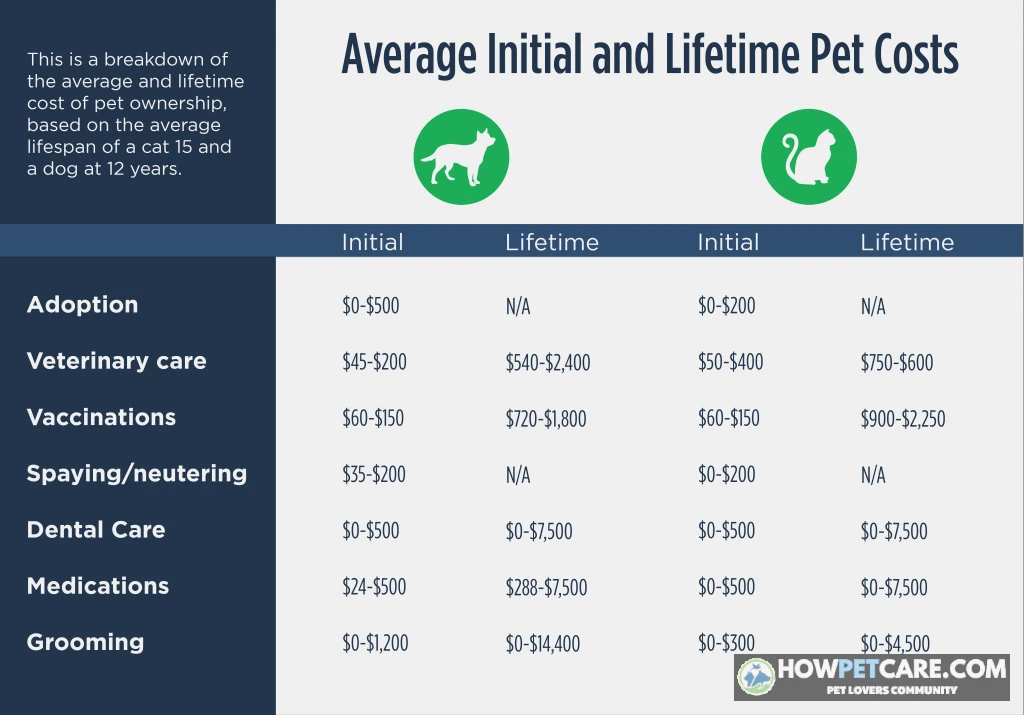
How Much Does a Pet Trust Cost? Attorney Fees, Setup Costs and DIY Risks
There is no standard national price for a pet trust; fees depend on your location, the complexity of your estate, the assets involved, and the scope of the legal work. The figures below are illustrative budgets, not market averages. Always request written local quotes before proceeding.
Attorney fee ranges by complexity tier
| Complexity tier | Typical situation | Illustrative attorney-fee budget, not a market survey | Other setup costs | Ongoing costs | DIY risk |
|---|---|---|---|---|---|
| Testamentary pet trust added to a will | One animal and straightforward instructions | Low hundreds to about $600 as a planning assumption; the will or amendment may be billed separately | Signing and any separate will-update costs | Estate administration and any trustee or tax costs | Moderate |
| Standalone living pet trust | One or two animals, cash or investments, named successors | Approximately $800–$2,500 as a planning assumption | Account transfers or other funding work, if separately charged | Trustee fees, recordkeeping and tax preparation when applicable | Moderate to high |
| Complex pet trust | Multiple animals, long-lived species, real estate or multistate issues | Approximately $2,500–$7,500 or more as a planning assumption | Possible deed, recording, appraisal or coordination fees | Potential professional trustee, accounting and tax costs | High |

These ranges are estimates. Ask your attorney for a quote covering drafting, revisions, signing, and implementation—and be sure to clarify whether funding assistance is included or charged separately. Remember: the money you set aside for the pet is trust funding, not an attorney fee, but it remains money you must commit.
Other setup and ongoing costs
While a bank transfer is straightforward, moving real estate into a trust requires additional legal and recording work. Once the trust is operational, expect ongoing expenses like trustee compensation, vet bills, bookkeeping, and tax prep. If you plan to use a professional trustee, confirm they will accept an account of your size and check for any minimum fee requirements.
Can you set up a pet trust yourself?
Online forms are available, and you aren’t strictly required to hire an attorney. However, DIY risks increase significantly if the animal is long-lived, assets are substantial, family disputes are possible, or the plan involves multiple states or real estate. Common pitfalls include failing to fund the trust, neglecting to name a successor, using vague instructions, or overlooking state-specific requirements.
Ask whether the quoted fee includes a review of your existing will, incapacity planning, successor appointments and actual funding instructions. A low drafting quote is not necessarily a complete setup price.
What Happens If Your Caregiver or Trustee Dies, Declines or Fails Before Your Pet Does
A durable plan anticipates that people’s circumstances change. You should name ranked successor caregivers and trustees, confirm their willingness to serve, and ensure they know exactly how to learn that it is time to act.
If a caregiver declines or dies, your trustee must know whom to contact next and how to fund temporary boarding. If a trustee can no longer serve, their successor needs immediate access to the trust document and information about the assets. Should a trustee mismanage funds or a caregiver neglect the animal, the enforcer (or another person with legal standing) may need to seek court intervention.
When both your primary and backup caregiver are gone
Provide a final fallback: perhaps authorize a neutral person to select another qualified caregiver or arrange for permanent placement with an organization. Confirm a sanctuary’s admission policies in advance and name an alternative; shelters and sanctuaries often have capacity limits.

How to build in oversight without making the trust unworkable
Periodic vet updates, receipts, and photos can help the trustee verify care quality. Your trust should define when a caregiver can be replaced and who makes that call. However, keep reporting requirements proportionate—demanding approval for every small expense will only delay ordinary care.
Review your plan periodically—especially after a move, a health diagnosis, a divorce, the death of a named person, or a change in your household pets. Reconfirm that every named individual is still willing to serve.
Pet Trust Setup Checklist and What to Bring to Your First Attorney Meeting
Step-by-step pet trust setup checklist
-
Choose the level of protection
Compare a will provision, agreement, outright gift and trust against your need for enforceable oversight and immediate access to funds.
-
Choose the timing
Decide whether a living trust, testamentary trust or coordinated combination fits your incapacity and death-planning needs.
-
Name people and backups
Select a caregiver, trustee, any required or desired enforcer, remainder beneficiary and successors. Ask each person to serve.
-
Estimate the funding
Use your actual care costs, likely remaining lifespan, medical reserve, administration and contingency needs.
-
Prepare care instructions
Record identifying details, routines, veterinary contacts, medications, behavior, emergency preferences and placement needs.
-
Draft and sign properly
Have the document prepared and executed in accordance with applicable law, coordinating it with your other estate documents.
-
Complete the funding plan
Transfer assets or complete the intended beneficiary arrangements with professional guidance; confirm how money will reach the trustee when needed.
-
Share and review
Tell the people involved where to find the documents, arrange emergency access to the pet and review the plan every two to three years and after major changes.
Consultation preparation list
Bring the following to your first meeting with an estate planning attorney:
- Each animal’s species, breed, age, identifying details, health history, medications, and contact information for their veterinarian.
- Recent care expenses, insurance details, and your own draft funding calculations.
- Names and contact details for proposed caregivers, trustees, enforcers, remainder beneficiaries, and backups.
- Your current will, living trust, power of attorney, and relevant beneficiary designations.
- A list of assets you plan to use for funding and a draft care schedule, including emergency access instructions.

Ask specifically how your state handles trust duration, excessive funding, and enforcement; whether a protector is required; and how the plan functions if you are incapacitated. A state bar referral service is a great place to start finding an attorney who handles estate planning for pets.
Which route fits your situation
If you have one animal and a trusted, willing caregiver, start by examining whether a will provision and a separate emergency plan meet your needs. If the animal is long-lived, the funding is significant, disputes are possible, or you need robust incapacity coverage, bring this checklist to an attorney and discuss a funded living pet trust with independent oversight and realistic backups.
<!– aiseo-quiz:quiz –>
1Why does leaving an outright monetary gift alongside a pet in a last will and testament fail to legally guarantee ongoing care for the animal?
Because pets are treated as property under the law, an outright transfer of funds to a designated caregiver passes full ownership of the cash to that individual without imposing continuing legally enforceable duties to use those funds for animal care.
2An owner wants to ensure their pet's boarding and care expenses will be paid immediately if the owner is hospitalized for an extended period. Which planning arrangement best accommodates this requirement?
A living trust exists during the settlor's lifetime and—if funded and authorized—allows a trustee to quickly access assets during the owner's incapacity without waiting for probate.
3What primary benefits are achieved by assigning the role of trustee to one person and the role of caregiver to a different person in a pet trust?
Separating the roles ensures that the person managing the money can evaluate expense receipts and monitor care independent of the person receiving compensation.
4If an individual sets up a pet trust containing 10 million for a single healthy cat, what action can a court take in many state jurisdictions?
Many state pet trust statutes give courts the explicit authority to review funding levels and reduce excess amounts down to what is reasonably needed to fulfill the intended care.
5Which specific requirement is mandated by Connecticut statute (Conn. Gen. Stat. § 45a-489a) when establishing a pet trust?
Connecticut's pet trust statute specifically mandates the appointment of a trust protector to ensure the trust is enforced on behalf of the animal.
6Based on statutory research presented in state law comparisons, which of the following states have a identified 21-year maximum limit on pet trust duration?
Alaska is explicitly identified as having a 21-year statutory duration limit for pet trusts.
7What post-death tax obligation may apply to an active irrevocable pet trust generating income?
After the settlor's death, an irrevocable trust becomes a separate tax entity that may require an EIN, annual Form 1041 tax filings, and taxation at compressed brackets.
8An owner of a long-lived animal such as a tortoise or parrot moves to a new state. Why should they have an attorney in the new state review their existing pet trust?
Because pet trust laws differ by jurisdiction regarding maximum duration, court oversight, and enforcement rules, relocation requires checking choice-of-law terms and state-specific compliance.
FAQ
Can I leave money directly to my pet in my will?
No. The law treats pets as property, so an animal cannot own money or inherit it. You need a pet trust, or you can leave money to a person with the hope they will use it for the pet, but that person has no legal duty to do so.
Can a court reduce an overfunded pet trust?
In many states, yes. If a court finds the trust holds substantially more than is needed for the pet’s care, it can reduce the amount, and the excess usually goes to the remainder beneficiary or your heirs. A well-known example is the Leona Helmsley case, where a court cut the trust for her dog Trouble from $12 million to $2 million.
Do I need a lawyer to set up a pet trust?
It isn’t legally required, and online templates exist. Hiring an attorney is wise for large funding amounts, long-lived animals, multiple pets, real estate or complicated families, because errors in funding or state-specific rules can leave the trust unenforceable.
Does a pet trust cover my pet if I become incapacitated, not just if I die?
Only if it is a living trust with an incapacity clause. A testamentary trust in a will starts only at death, so pair a living trust with a power of attorney if you want coverage during illness or hospitalization.
What happens to the money left in a pet trust after my pet dies?
It goes to the remainder beneficiary you named in the trust, such as a family member, the caregiver or a charity. If you didn’t name one, the money usually returns to your estate and passes to your heirs.