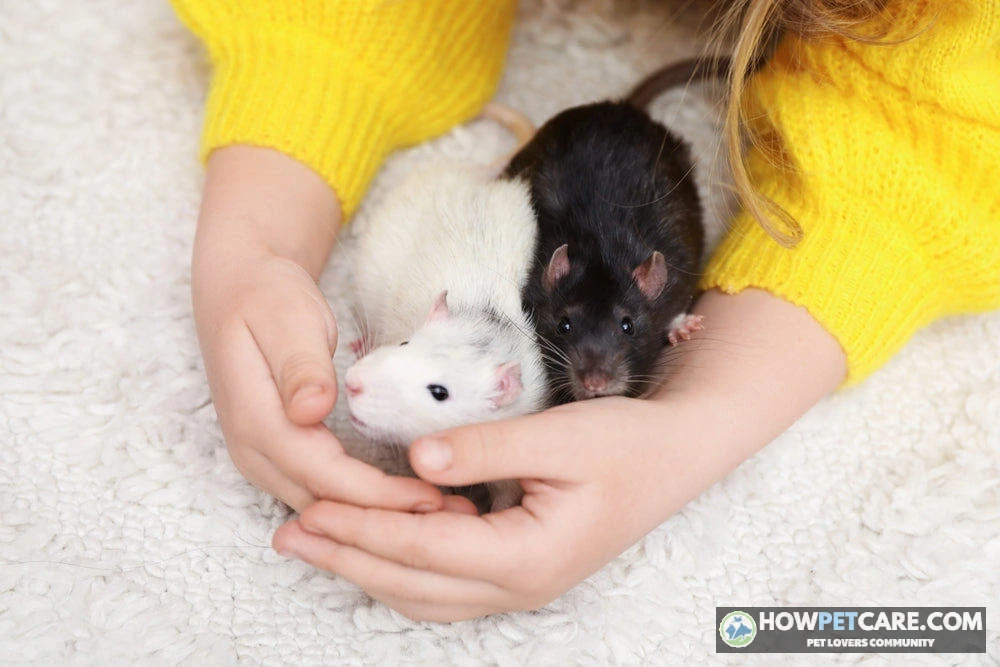

The most common pet rat health issues include:
- Respiratory disease — sneezing, clicking or rattling breath sounds, and reduced activity, often linked to Mycoplasma pulmonis
- Mammary and other tumors — new lumps under the skin, especially in unspayed females
- Dental problems — drooling, dropped food, and weight loss from overgrown or misaligned incisors
- Skin parasites and bumblefoot — itching, scabs, hair loss, and red or swollen soles
- Neurologic problems — head tilt, circling, or loss of balance from ear infection or pituitary tumors
- Emergency signs — labored or open-mouth breathing, collapse, seizures, or uncontrolled bleeding need a vet immediately
Labored or open-mouth breathing, collapse, uncontrolled bleeding, seizures, or sudden severe weakness are emergencies. Get veterinary care now. Persistent sneezing, a new lump, a head tilt, or a change in eating also calls for attention, though urgency depends on how your rat is breathing, moving, and behaving.
Common pet rat health issues include respiratory disease, mammary tumors, dental problems, and skin parasites. Red staining around the eyes or nose is often porphyrin, a natural pigment rather than blood; persistent staining can accompany stress or illness. Use the tables below to decide what to do next, not to diagnose your rat. This guide supports veterinary care; it does not replace an examination.
Pet Rat Health Issues: Triage These Warning Signs First
If your rat has an emergency sign, call a rat-capable emergency or exotic veterinarian as you arrange transport. Ask whether the clinic can see your rat right away. If not, ask where you should go.
| Sign or symptom | Likely urgency | What to do now | What to record |
|---|---|---|---|
| Gasping, open-mouth breathing, or obvious effort to breathe | Emergency: go now | Handle as little as possible and transport in a ventilated carrier | Onset and a brief video, if recording won’t delay departure |
| Collapse, unresponsiveness, inability to stand, or sudden severe weakness | Emergency: go now | Keep the rat quiet and comfortably warm; don’t force food or water | Onset, possible injury, and changes in responsiveness |
| Seizure, repeated convulsions, or bleeding that does not stop with gentle pressure | Emergency: go now | Prevent falls; for bleeding, apply gentle pressure with clean gauze | Episode duration or bleeding source |
| Cannot eat or drink; severe rolling or loss of balance | Urgent: call now | Ask if the rat should come in immediately; put food and water within easy reach | Last normal meal or drink; onset of movement changes |
| New head tilt, watery diarrhea, persistent noisy breathing, or marked lethargy | Contact a vet today | Describe all signs and follow the clinic’s triage advice | Appetite, breathing effort, droppings, and progression |
| New lump, persistent itching, sore feet, dental changes, or ongoing weight loss | Appointment within a few days | Arrange an exam; ask for an earlier slot if the problem worsens | Size or location of changes, weights, and eating habits |
| An occasional sneeze or a little staining after sleep, with normal breathing and behavior | Monitor briefly | Check daily and remove obvious dust or fragrance sources | Frequency and any new symptoms |

Emergency vet now
A rat struggling to breathe may use its sides visibly with each breath. Don’t wait overnight to see if it improves. Sudden collapse, severe weakness, uncontrolled bleeding, and seizures also call for an immediate call and trip. Noisy breathing without obvious effort still needs prompt veterinary advice, especially if your rat is less active or eating less.
Contact a vet today
Call promptly about a new head tilt, rolling, diarrhea, a sustained change in appetite, or persistent respiratory noise. A rat that can’t eat or drink shouldn’t wait for a routine appointment. Tell the clinic exactly what it can’t do and ask whether it needs immediate care. A rapidly growing, painful, bleeding, or ulcerated lump may also need an earlier appointment.
Monitor briefly and record changes
If your rat is otherwise acting normally, you can watch an isolated sneeze or a small amount of staining after sleep for 48–72 hours. Contact a vet sooner if the sign returns, persists, or appears with reduced appetite, lethargy, or breathing changes.
While arranging care, offer familiar food and water in easy-to-reach dishes. Keep the enclosure quiet, clean, and comfortably warm. Ask the vet whether your rat should be separated from its cage mates. An ill rat may need a safer space, but unnecessary isolation can cause stress. Never force-feed a weak or breathless rat, and don’t give human medicine or leftover antibiotics.
Match Your Rat’s Symptoms to Likely Conditions
Quick symptom-to-condition lookup
Rat diseases often share symptoms. A veterinarian can narrow down the possibilities by considering your rat’s age, how quickly the sign appeared, appetite, breathing effort, and whether the problem is progressing.
| Symptom | Possible causes | Clues that help distinguish them | Recommended next step |
|---|---|---|---|
| Sneezing, clicking, wheezing, or rattling | Respiratory infection; dust or other airway irritation | Persistent noise, reduced activity, or increasing effort raises concern for disease | Call today for persistent noise; emergency care for labored breathing |
| Red-brown eye or nose staining | Porphyrin associated with stress, illness, or reduced grooming; sometimes blood | A little after sleep is less concerning than persistent staining with behavior changes | Monitor mild, occasional staining; call if persistent or accompanied by illness |
| Lump under the skin | Mammary tumor, abscess, or another growth | Location, growth rate, warmth, and a preceding wound offer clues but don’t confirm the cause | Book an exam; photograph and measure the lump |
| Head tilt, circling, or rolling | Ear infection, pituitary tumor, or another neurologic problem | Sudden versus gradual onset and ability to hold food help guide assessment | Call today; seek emergency advice for severe rolling or weakness |
| Itching, scabs, or missing fur | Lice, mites, skin infection, or barbering by a cage mate | Observe both rats’ behavior and check for scratching or visible parasites | Arrange an exam rather than applying an unprescribed treatment |
| Red, swollen, or scabbed soles | Bumblefoot or another injury | Note open sores, swelling, and reluctance to walk | Use clean, soft, flat bedding and book an exam |
| Drooling, dropping food, or eating less | Overgrown or misaligned teeth, oral pain, or other illness | Watch what the rat can chew and whether its weight is falling | Call promptly; inability to eat needs urgent advice |
| Weight loss, increased thirst, or reduced activity | Dental disease, tumors, chronic kidney disease, or other illness | A weight log, appetite, and drinking changes help the vet investigate | Book an exam; call sooner for rapid decline |
| Noisy breathing with fatigue or reduced exercise tolerance | Respiratory disease, heart disease, or more than one problem | Symptoms overlap; an exam and sometimes imaging are needed | Contact a vet today; emergency care for breathing effort |
Early signs your rat may be sick
Rats may show subtle changes before a problem becomes obvious. Look for a hunched posture, a puffed-up or untidy coat, less interest in food, unusual hiding, altered droppings, or a rat that no longer joins its companions. One change alone doesn’t diagnose a problem, but a pattern or worsening signs are worth a call.
 You might be wonderingFrench bulldog health issuesFrench Bulldog Health Issues: Risks, Emergencies and CostsRead the answer
Understand Porphyrin, Sneezing, and Other Ambiguous Signs
Porphyrin staining versus blood
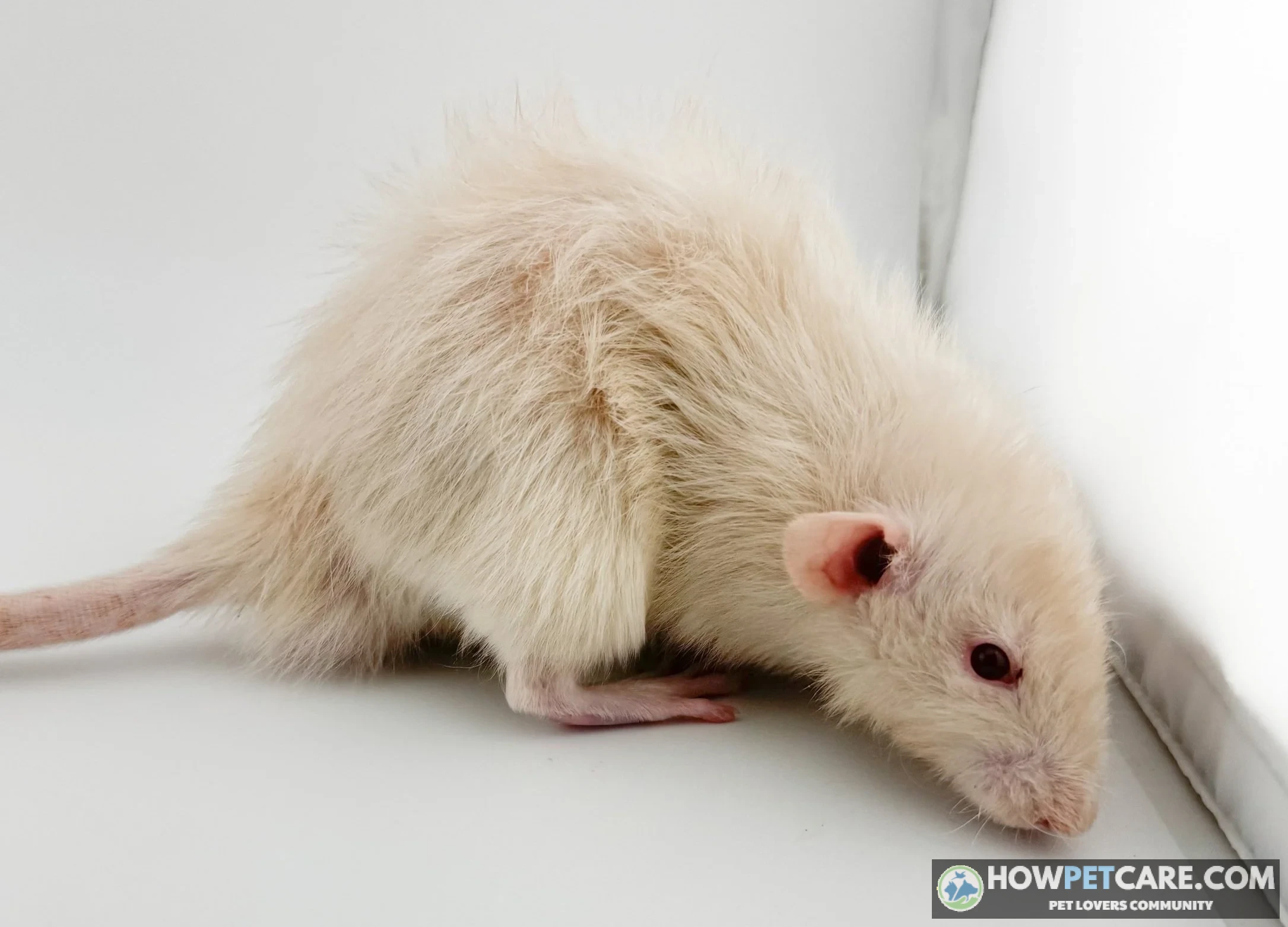
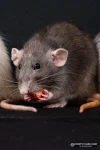
Porphyrin is a reddish pigment produced in secretions from glands near a rat’s eyes. Staining around the eyes or nose isn’t automatically bleeding. A small amount after sleep may clear as the rat grooms. Heavy or persistent staining, especially alongside a rough coat, poor appetite, or lethargy, is a reason to look into the underlying problem rather than simply clean it away.
Actual blood, an eye injury, swelling, or a squinting eye needs veterinary assessment. If you’re unsure whether a discharge is blood, describe it to the clinic and send a clear photo if requested.
Occasional sneezing may come from irritation, but repeated sneezing or wheezing can also signal upper respiratory disease. Changing the bedding may reduce irritation; improvement doesn’t rule out infection. Visible effort to breathe is an emergency, whatever the suspected cause.
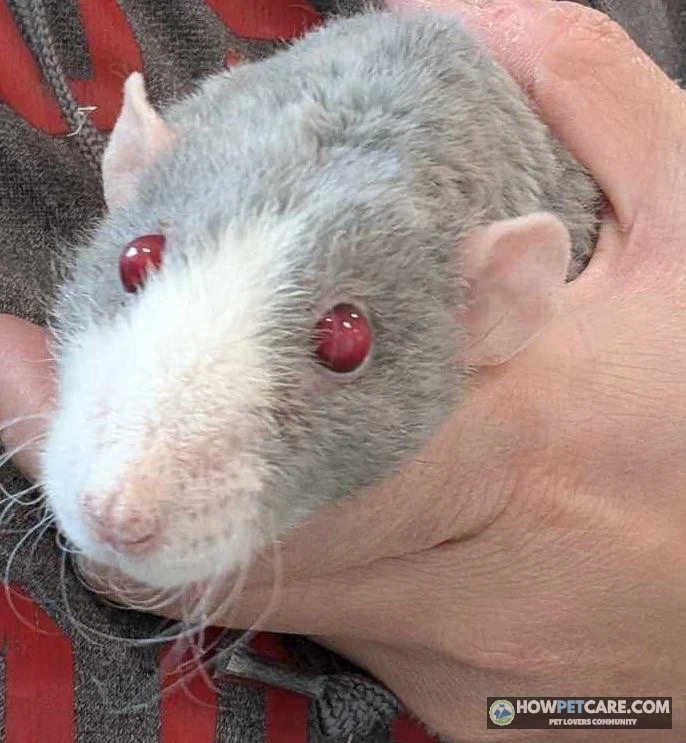
Head tilt: ear infection, tumor, or neurologic event?
The direction or timing of a head tilt can’t diagnose its cause. These patterns can help you describe the problem, but they overlap considerably.
| Feature | Middle or inner ear infection | Pituitary tumor | Stroke-like event or other neurologic cause |
|---|---|---|---|
| Possible pattern | Tilt or imbalance; sometimes head shaking or ear scratching | Often progressive coordination changes, sometimes difficulty holding food | Often sudden weakness or imbalance, although other causes can also start suddenly |
| Veterinary approach | Ear assessment and treatment that may include antibiotics and pain relief | Neurologic assessment; imaging or a treatment trial may be discussed | Examination to assess alternatives, with supportive care tailored to findings |
| Outlook | Can improve with treatment; a residual tilt may remain | Often guarded; treatment may help some rats without curing the tumor | Variable and dependent on the actual cause |
Remove high shelves, ramps, and hammocks while you wait for an assessment. Put food and water at floor level, and use soft bedding to reduce injury if your rat rolls. Severe imbalance, inability to reach food or water, or sudden weakness calls for immediate triage.
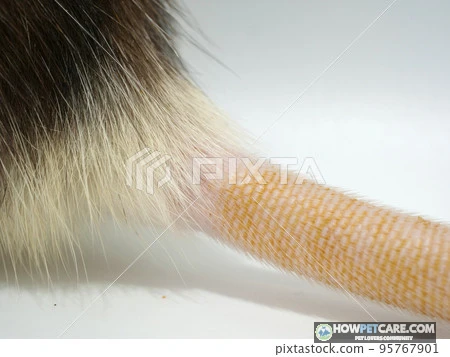
Scaly or constricting rings on the tail also deserve attention. Ringtail is associated with very dry conditions, particularly in young rats. A tight ring can threaten circulation in the tail. Contact a vet promptly, especially if the tail is swollen, painful, discolored, or developing sores. Don’t try to cut or pull away the skin.
What Rat Treatment Involves: Medications, Procedures, and Prognosis
What to expect at an exotics vet visit
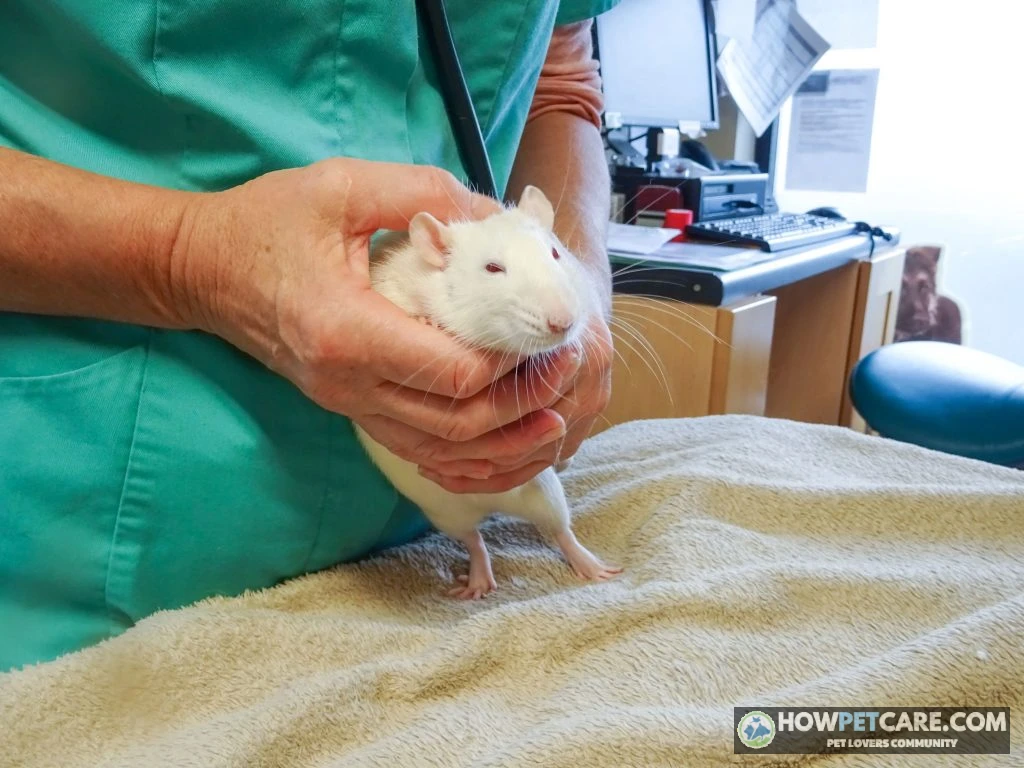
The veterinarian will usually ask when the signs began, check your rat’s weight and hydration, listen to its breathing, and examine its mouth, skin, and body. Based on the findings and your budget, the vet may discuss X-rays, testing a lump sample, blood or urine testing, or other diagnostics. Your rat may not need every test. Ask how each proposed test could change the treatment plan.
For chronic respiratory disease associated with Mycoplasma pulmonis, treatment aims to control signs and secondary infections; completely eliminating the organism isn’t reliably possible. A veterinarian may prescribe doxycycline, enrofloxacin, or a combination when appropriate, then adjust the plan after a recheck. Other causes of breathing trouble need different care. Never choose a drug, dose, or duration yourself: inappropriate antibiotics can disrupt a rat’s gut bacteria and cause serious harm.
An abscess may need veterinary drainage, cleaning, pain relief, and sometimes antibiotics. Lice and mites need a rat-appropriate prescription plan; the vet will advise whether cage mates and the enclosure need treatment too. Bumblefoot treatment may include pain relief, wound care, medication when indicated, and changes to reduce pressure or improve hygiene. Advanced sores can be hard to resolve and need follow-up.
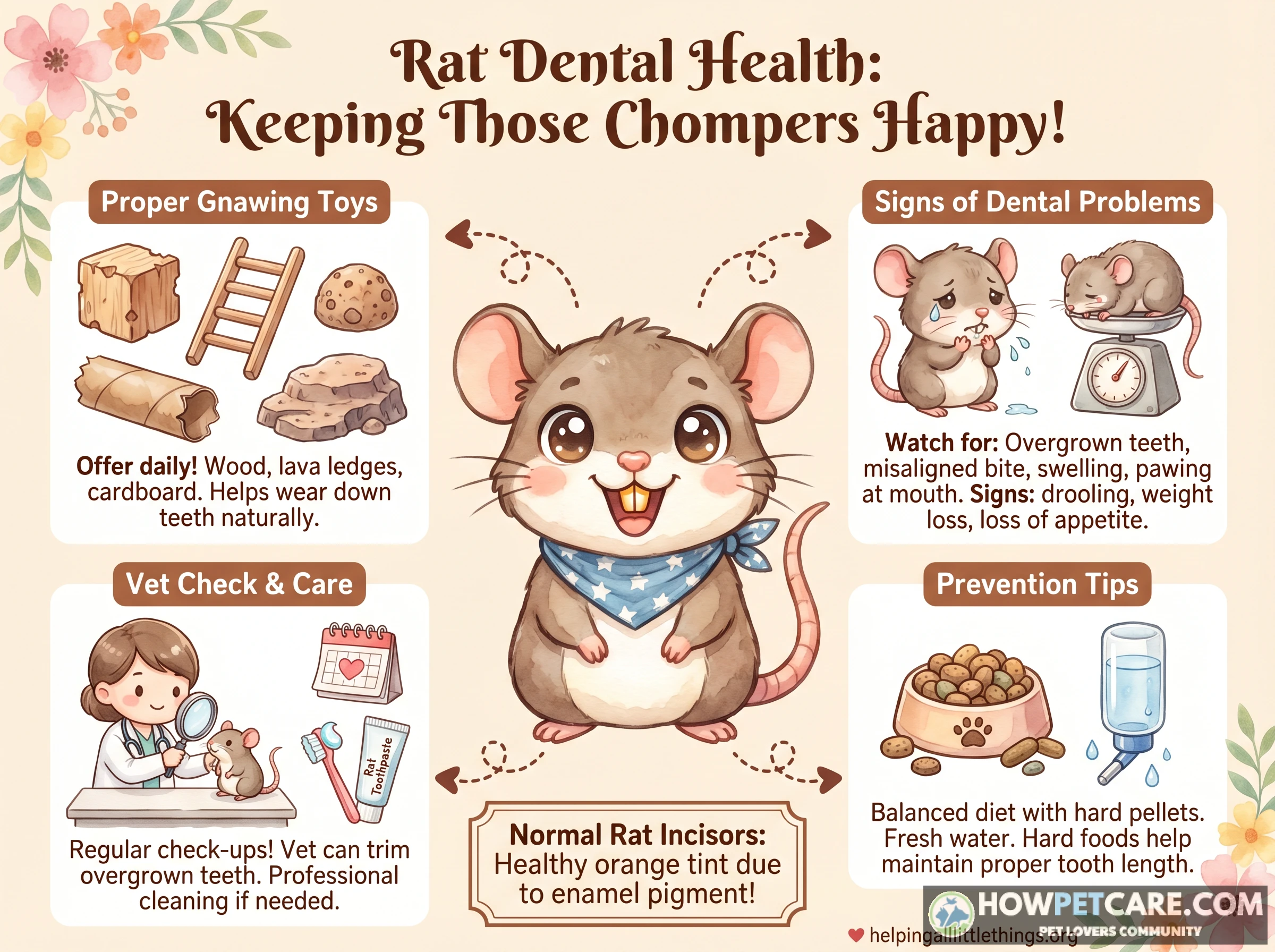
Rat incisors grow throughout life, and misaligned teeth can overgrow and interfere with eating. A vet can examine the mouth and trim or otherwise treat affected teeth; some rats need repeat care every few weeks. Never clip teeth at home with nail clippers or wire cutters. A tooth can fracture and lead to serious dental disease.
Tumor removal and post-surgery recovery
Mammary tumors are common in female rats, particularly unspayed females. Many are benign fibroadenomas, but a lump’s appearance can’t confirm its type. Even a benign growth can become large enough to restrict movement or develop sores. A vet may recommend removal, monitoring, or a comfort-focused plan, depending on the tumor’s location and the rat’s overall health. Laboratory examination of removed tissue can provide a diagnosis.
Spaying may reduce mammary tumor risk, particularly when performed early, but it doesn’t guarantee prevention. Discuss timing and anesthesia risks with a rat-experienced vet. The right decision for a young, healthy rat may differ from the right choice for an older rat with existing disease.
After surgery, follow the clinic’s instructions for warmth, bedding, feeding, pain medication, and whether cage mates should be separated temporarily. Check the incision as directed. Call the clinic if you see bleeding, swelling, discharge, or opened stitches, or if your rat persistently refuses food or chews at the wound. A recheck lets the vet assess healing and advise when normal housing and activity can resume.
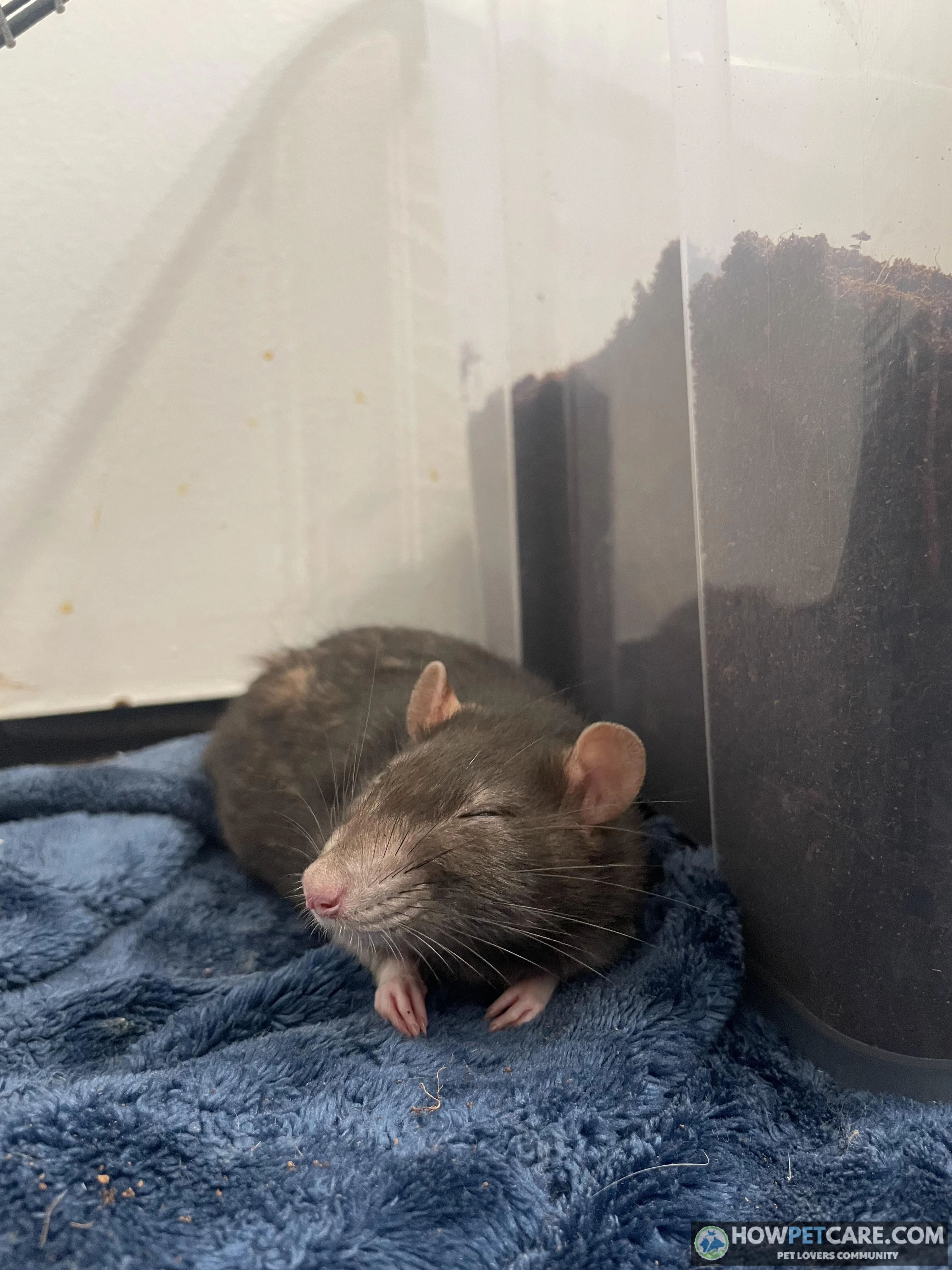
Do not squeeze or lance a lump, apply leftover medication, or assume that a soft lump is harmless. A tumor and an abscess can look similar but need different care.
Chronic illness, comfort, and quality of life
A rat with chronic respiratory disease may have comfortable, active periods between flare-ups, but a Mycoplasma diagnosis alone can’t predict lifespan reliably. The severity of lung changes, response to treatment, and other illnesses all matter. Pet rats commonly live about two to three years overall, though individuals vary.
Chronic kidney disease can cause weight loss and changes in thirst or urination; a vet may use an exam and appropriate tests to distinguish it from other conditions. Heart disease can also resemble respiratory infection. Care may focus on medication, accessible food and water, and comfort rather than a cure.
Ask your vet about palliative care if treatment no longer restores comfort. Track breathing at rest, appetite, mobility, grooming, interaction, and whether good days still outnumber bad ones. Persistent breathing distress, uncontrolled pain, or inability to eat despite support calls for a prompt discussion about humane euthanasia.
Rat Vet Costs: Exams, Tumor Removal, and Dental Care
Typical cost ranges and what they include
The figures below are illustrative U.S. budgeting ranges supplied for this guide, not verified national price data or quotes from a particular clinic. Local prices may fall outside them. Ask the clinic for a written estimate that says whether examination, anesthesia, monitoring, medication, and rechecks are included.
| Visit or treatment | Approximate range | Common additional costs | What to ask the clinic |
|---|---|---|---|
| Rat-capable or exotics exam | $50–$130 | Emergency or after-hours charges, tests, medication | Does the vet routinely treat rats, and what does the exam fee cover? |
| Tumor removal | $150–$600 or more | Exam, anesthesia and monitoring if not included, pain relief, pathology, recheck | Is this a complete surgical estimate, and what could raise it? |
| Dental assessment or incisor trim | $40–$150 | Exam, sedation or anesthesia, repeat treatment | Does the estimate include the exam and any necessary anesthesia? |
| Follow-up exam | $40–$80 | Repeat tests or medication | Is a post-procedure recheck included? |
| X-rays | $80–$250 | Exam, sedation, interpretation | Will imaging change the treatment plan? |
A tumor’s size and location, referral, monitoring needs, and after-hours care can all affect the bill. Dental work varies too: some cases need a more extensive oral examination or anesthesia than a simple incisor assessment might suggest.
Questions to ask before approving treatment
Try asking: “Can you separate essential items from optional ones, explain what each test would change, and tell me whether care can be staged safely?” Ask about payment options before a non-emergency procedure. If the estimate is beyond reach, be candid; the vet may be able to discuss a lower-cost diagnostic or comfort-care plan. Don’t delay an emergency call while shopping for a quote.
Prevent Common Rat Diseases with Practical Husbandry
Bedding, humidity, and cage hygiene
Aim for a stable room temperature around 65–75°F and moderate humidity around 40–60%. Avoid overheating, drafts, and persistently dry air. Very low humidity is associated with ringtail. A room thermometer and hygrometer can help you spot changes; adjust conditions gradually and keep the enclosure dry and well ventilated.
Use low-dust, unscented paper-based bedding or suitable kiln-dried aspen. Avoid cedar, aromatic pine, and fragranced products that can irritate the airways. Remove wet or soiled material regularly, clean food and water containers, and replace bedding before ammonia odors build up. Avoid harsh fumes, and rinse and dry the enclosure thoroughly after cleaning.
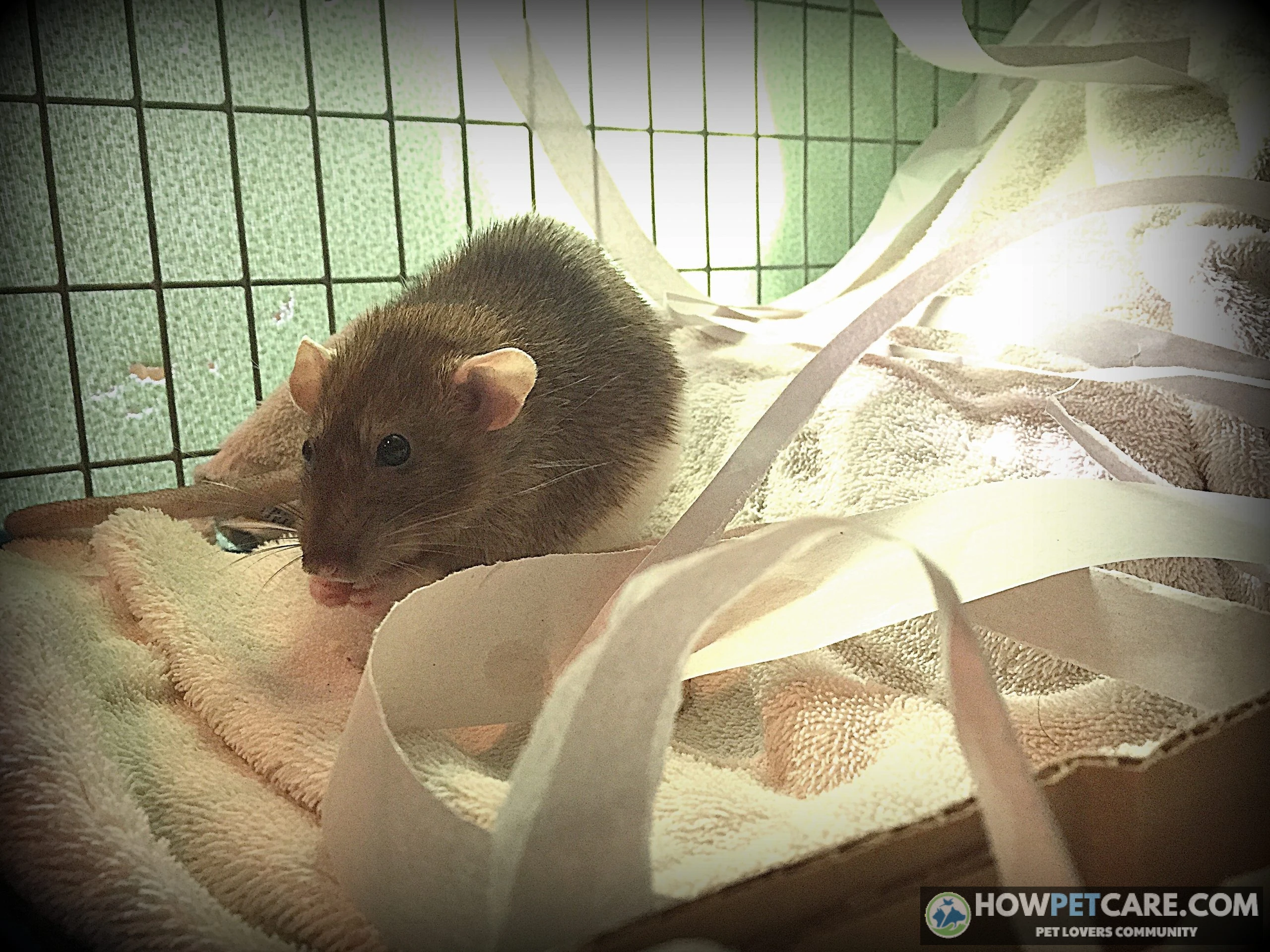
Good air quality and cage hygiene can reduce irritation, but they can’t guarantee prevention of respiratory infection. Contact a vet if signs persist after an environmental change.
Diet, parasites, and household health
Offer a balanced rat-appropriate staple diet, fresh water, and suitable enrichment. Watch each rat eat: competition, dental pain, or weakness can make a full bowl misleading. Avoid major, sudden diet changes. Ask your vet about portions and safe supplements for a rat with chronic disease or weight loss.

Check your rats’ skin and cage mates regularly. Barbering—one rat excessively grooming or removing another’s fur—can cause patchy bald spots on a rat that look like a skin problem. Itching, scabs, and hair loss also warrant evaluation for parasites or disease.
Pet rats can carry organisms that cause zoonotic disease, including the bacteria associated with rat-bite fever. Wash your hands after handling rats or cleaning their enclosure, keep cage materials away from food-preparation areas, and seek medical advice after a bite or scratch or if illness develops. People with weakened immune systems, pregnant people, young children, and older adults should discuss additional precautions with a healthcare professional.
Weekly Rat Health Check and Your Next Steps
Printable at-home health checklist
Set aside a few calm minutes each week and keep the results together. Compare each rat with its usual weight and behavior; check appetite, water, and general condition daily.
- ☐ Weight: Use a kitchen scale and record the result. A downward trend deserves veterinary advice.
- ☐ Breathing: Watch the sides and listen at rest for new clicking, wheezing, or effort.
- ☐ Eyes and nose: Look for persistent staining, discharge, swelling, or squinting.
- ☐ Coat and skin: Check for scabs, missing fur, an untidy coat, and excessive scratching.
- ☐ Lumps: Gently feel over the body; note the location, approximate size, and date of any new growth.
- ☐ Teeth and eating: Watch for drooling, dropped food, odd chewing, or visibly uneven incisors. Don’t force the mouth open.
- ☐ Feet and tail: Check soles for redness or sores and the tail for tight rings, cracks, or swelling.
- ☐ Food, water, and droppings: Note changes in intake, thirst, droppings, or cleanliness around the rear.
- ☐ Movement and behavior: Look for a hunched posture, weakness, balance changes, or reduced interaction.

A senior rat may slow down, but new weight loss, breathing changes, pain, or progressive weakness shouldn’t be dismissed as normal aging. Record when a change began, how often it happens, and any recent bedding, diet, or cage-mate changes. A short video of unusual breathing or movement can help the vet, as long as recording it doesn’t delay emergency care.
Finding rat-capable veterinary care
Before an emergency, call local exotic-animal clinics and ask whether the veterinarian regularly treats rats and performs the procedures your rat may need. If there’s no specialist nearby, ask a general veterinary practice whether it sees rats, can consult an experienced colleague, or can refer you. Keep the clinic’s number and after-hours recommendation with your health log. If a warning sign appears, call and describe the symptoms rather than waiting for a routine slot.
 You might be wonderingPet rat carePet Rat Care: Costs, Cage Setup, Diet & Taming for BeginnersRead the answer
FAQ
Can a pet rat spread disease to people?
Rats can carry germs that may spread through bites, scratches, urine, or contaminated cage materials. Wash hands after handling or cleaning, avoid contact between rats and food-preparation areas, and ask a clinician for advice after a bite or if illness develops.
Does spaying prevent mammary tumors in rats?
Spaying may reduce mammary tumor risk, particularly when performed early, but it does not guarantee prevention and surgery has its own risks. Discuss the potential benefits, timing, and the rat’s health with a veterinarian experienced with rats.
How long do pet rats live, and when is a symptom just aging?
Pet rats commonly live about two to three years, though lifespan varies. Gradual slowing can accompany age, but new weight loss, breathing difficulty, pain, appetite changes, or rapidly worsening weakness should not be dismissed as normal aging.
Can I treat a rat respiratory infection at home?
Keep the rat calm, maintain a comfortable environment, and make food and water easy to reach while arranging veterinary advice. Respiratory disease can worsen quickly, and antibiotics or human medicines should not be given without a veterinarian’s instructions.